
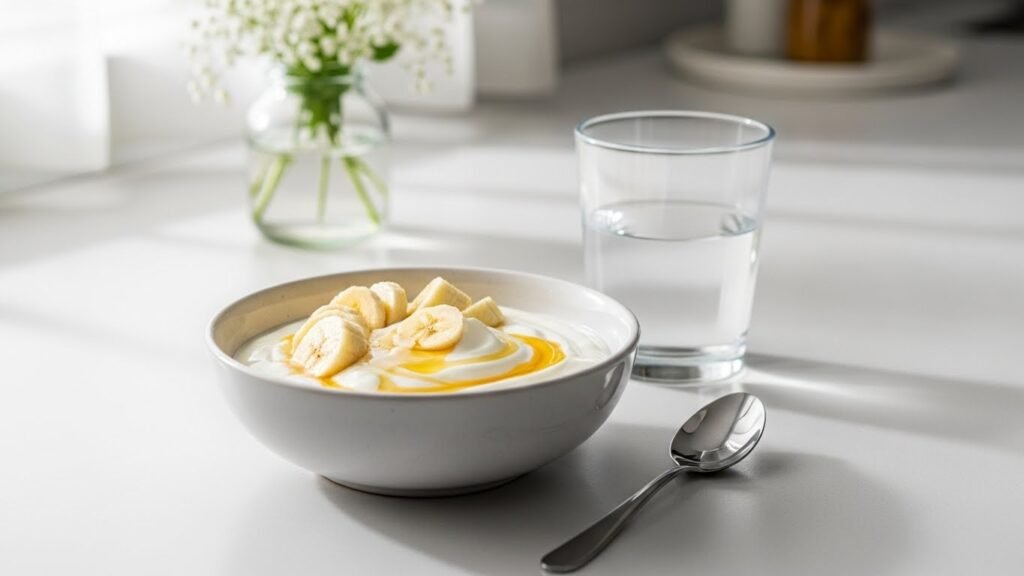
Getting a tooth pulled is never a fun time. You might feel a bit sore or groroggy after the dental surgery. The first few days are very important for your mouth. You need to be careful with what you put in your mouth. Eating the right things helps you heal much faster. It also keeps you from feeling extra pain later on. This guide shows you 50 soft foods to eat after tooth extraction to help you recover.
Introduction to Post-Extraction Care
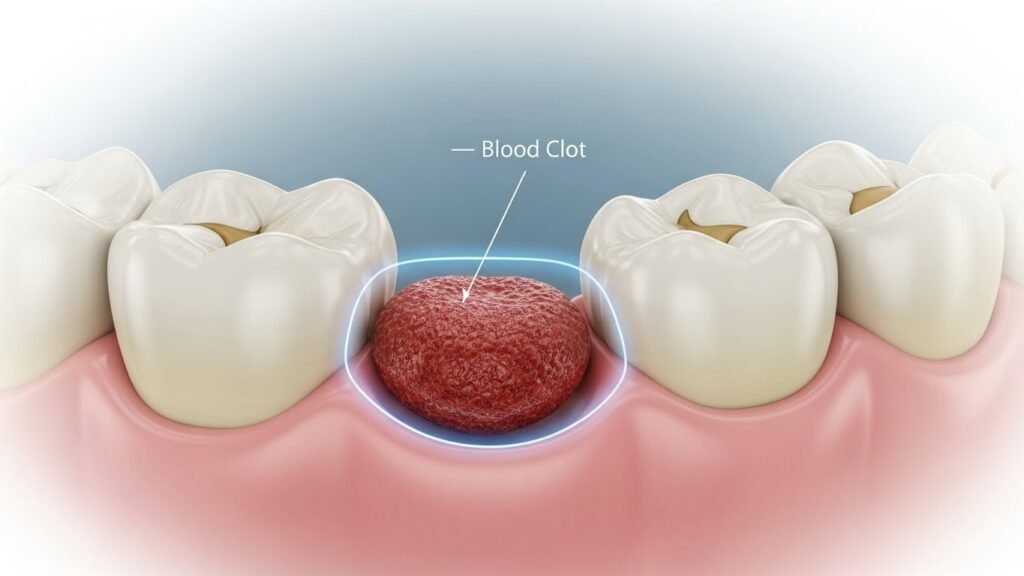
The first 24 to 72 hours after oral surgery are the most critical. Your body is trying to close the wound where the tooth used to be. A small blood clot forms in that space to protect the bone. If that clot stays put, you will heal up just fine. If it moves, you might get a lot of pain.
Your diet directly impacts how fast your oral healing goes. If you eat hard foods, you might poke the sore spot. That can cause bleeding or even an infection. Soft foods keep the area safe and quiet. They let your body focus on fixing the tissue.
The primary goal of your post-op diet is protecting the surgical site. You want to make sure the blood clot stays right where it belongs. This prevents a nasty thing called dry socket. Following these steps helps you get back to your normal self sooner.
Why Soft Foods are Essential for Recovery
Eating soft foods is not just about comfort. It is a necessary part of your dental aftercare plan. Your dentist in St. Petersburg will tell you the same thing. Soft foods help you avoid making the pain worse. They also keep your mouth clean during the healing process.
Minimizing Discomfort and Pain
Soft foods help by reducing jaw strain and pressure. When you chew hard things, your jaw muscles work very hard. This movement can pull on the area where the tooth was removed. Soft foods require almost no effort to break down.
Choosing easy-to-swallow items helps with mechanical chewing sensitivity. Your gums will likely be swollen and very tender for a few days. Even a small piece of crusty bread can feel like a rock. Soft textures glide right over the sore spots without hurting.
Reducing the Risk of Infection
Keeping food out of the extraction site is a big deal. Hard or small foods like seeds can get trapped in the socket. This can lead to a painful dental infection. Soft foods are easier to rinse away with a gentle saline rinse.
You also want to avoid scratches or trauma to the open wound. Sharp edges from chips or crackers can cut the new tissue. This slows down the healing and opens the door for germs. Staying with smooth foods keeps the area protected from injury.
Preventing Dry Socket (Alveolar Osteitis)
Dry socket is also known as alveolar osteitis in the dental world. It happens when the blood clot falls out or dissolves too early. This leaves the bone and nerves under the tooth exposed to the air. It is incredibly painful and requires extra trips to the dentist.
Soft foods play a huge role in stabilizing that blood clot. Since you are not chewing hard, the clot stays undisturbed. Dislodging the clot leads to intense pain and delayed healing times. Eating the right foods is the best way to prevent this from happening.
Promoting Proper Nutrition and Tissue Regeneration
Your body needs fuel to fix the hole in your gums. Essential nutrients like vitamins and minerals support the repair mechanisms. Even though you cannot eat a burger, you still need your strength. Good food helps your immune response stay strong.
Maintaining energy levels is hard when you do not feel like eating. You might feel tired from the sedation or the healing process. Getting enough protein and calories prevents you from feeling weak. It ensures your body has the blocks it needs for tissue repair.
Categorized List of 50+ Soft Foods to Eat
Finding things to eat can feel tricky at first. You might think you are stuck with just water. That is not true at all for your recovery. There are many tasty options that are safe for your mouth.
Dairy-Based Options and Substitutes
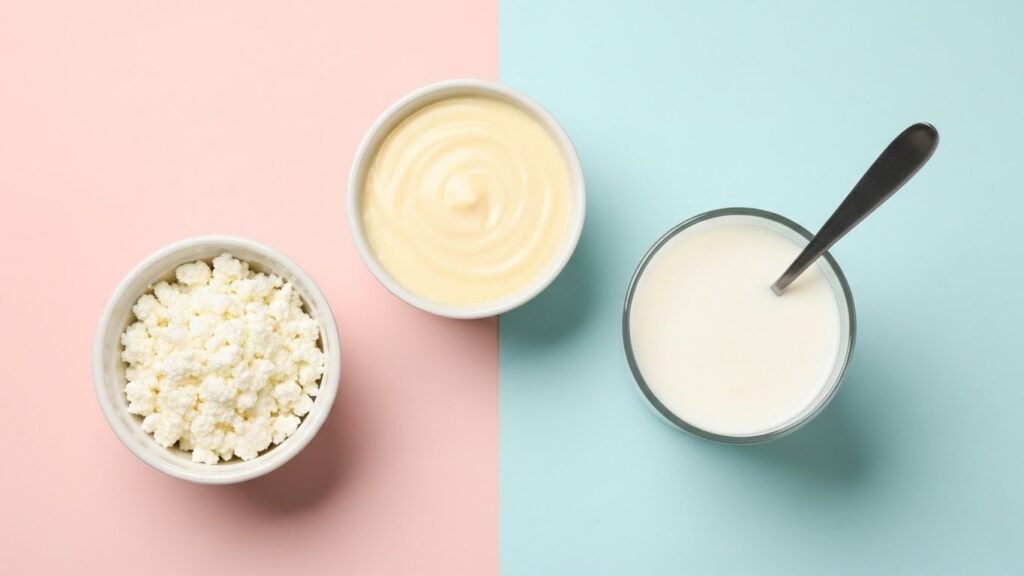
Dairy is often the easiest thing to eat after oral surgery. Most dairy items are naturally soft or liquid. They are full of protein and calcium to help you heal.
- Yogurt (Plain or Flavored): This is high in probiotics and protein to help your gut and mouth.
- Cottage Cheese: It has a very soft texture and provides plenty of calcium for bone health.
- Ricotta and Cream Cheese: These are great because they are very smooth and easy to swallow.
- Pudding and Custard: These smooth textures require zero chewing and feel like a nice treat.
- Milkshakes and Smoothies: These are nutrient-dense but remember to eat them with a spoon.
- Kefir and Drinkable Yogurts: These provide easy-to-swallow probiotics to keep you healthy.
Protein-Rich Soft Foods
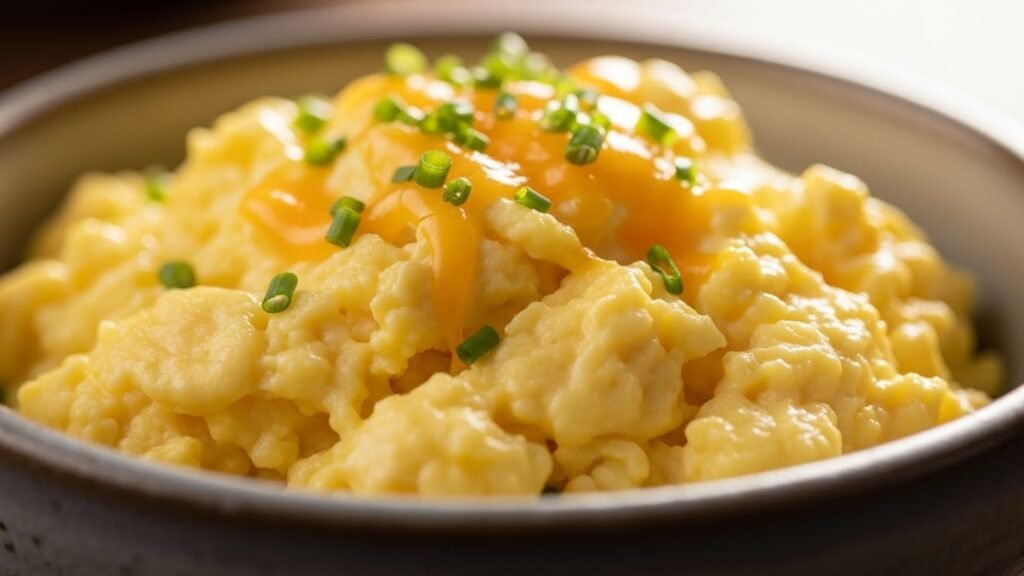
Protein is the most important thing for fixing damaged tissue. You need it to rebuild the gums and bone. There are many ways to get protein without chewing on tough meat.
- Scrambled Eggs: These are soft and fluffy and very easy to digest for anyone.
- Poached or Soft-Boiled Eggs: Just make sure to avoid any crispy or fried edges on the whites.
- Silken Tofu: You can eat this plain or add it to soups for extra protein.
- Hummus and Mashed Beans: These give you high fiber and protein but make sure they are smooth.
- Refried Beans: This is a very filling and savory option that is safe for the site.
- Soft-Baked Fish: Go for flaky fish like salmon or tilapia that breaks apart easily.
- Ground Meats: You can use finely crumbled turkey or beef if it is served in broth.
- Egg, Tuna, or Chicken Salad: These must be finely mashed and have no crunchy celery.
- Lentil Soup: This should be pureed or cooked until it is extremely soft and mushy.
Fruits and Vegetable Options
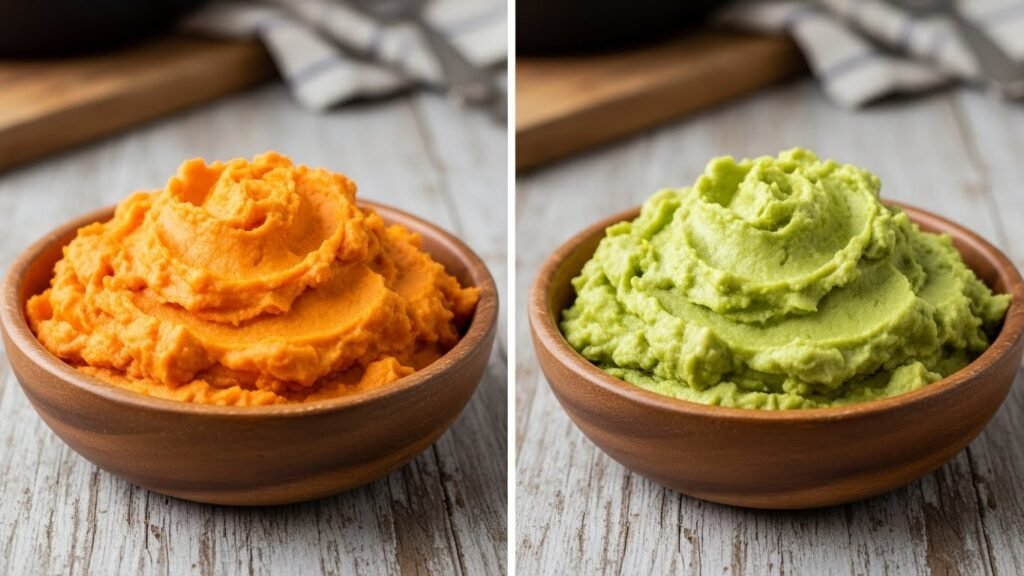
Fruits and veggies provide Vitamin A and Vitamin C for healing. You just have to change how you prepare them. Raw veggies are a no-go, but cooked ones are great.
- Applesauce: This is a classic staple that is cool and easy on the throat.
- Mashed Bananas: These are naturally sweet and very soft for your mouth.
- Ripe Avocado: These have healthy fats that keep you full and are very creamy.
- Fruit Purees: You can try peaches, pears, mango, or papaya for a sweet snack.
- Mashed Potatoes and Sweet Potatoes: This is the ultimate comfort food for a sore mouth.
- Steamed and Mashed Vegetables: Carrots, squash, and zucchini are perfect when they are soft.
- Pureed Pumpkin: This is very high in Vitamin A which helps with tissue repair.
- Creamed Corn: This has a soft texture that gives you a little more variety.
- Mashed Cauliflower: This is a lighter alternative if you are tired of regular potatoes.
- Blended Spinach or Greens: This is an easy way to get vitamins without any chewing.
Grains and Soft Starches
Grains give you the energy you need to keep going. They are very filling and easy to make at home. Just be sure they are cooked longer than usual.
- Oatmeal and Cream of Wheat: These should be cooked to a very mushy and soft consistency.
- Soft Pasta and Noodles: Overcook your macaroni so it is very easy to swallow without chewing.
- Rice and Risotto: Use well-cooked rice or serve it in a very creamy broth.
- Polenta and Cornmeal Mush: These are smooth, warm, and very filling for lunch or dinner.
- Quinoa: Make sure it is overcooked so the seeds are soft and not crunchy.
- Soft Pancakes and Waffles: Soak these in syrup or milk so they get very soft.
- Soft Bread: Use crustless white bread or very soft homemade biscuits for your meals.
Soups and Liquid Options

Soups are great because they keep you hydrated and fed. They are warm and soothing for a sore jaw. Just make sure they are not too hot when you eat them.
- Bone Broth: This is rich in collagen which helps your body fix the wound.
- Creamy Tomato Soup: This is smooth and very soothing for a painful mouth.
- Butternut Squash Soup: This is nutrient-dense and has a naturally thick and soft texture.
- Blended Broccoli Cheddar Soup: Just make sure there are no large pieces left in the bowl.
- Potato Leek Soup: This is a very filling soup that is easy to swallow.
- Miso Soup: This is a light and hydrating option that tastes great.
Guilt-Free Treats and Snacks
You deserve a treat after going through a tooth extraction. Some snacks can actually help you feel better. Cold things are especially good for reducing swelling.
- Ice Cream and Frozen Yogurt: The cold helps soothe inflammation but avoid any nuts.
- Jell-O and Gelatin: These are very easy to swallow and help keep you hydrated.
- Popsicles: These are great for cooling the extraction site but do not bite them.
- Cheesecake Filling: This is a soft way to enjoy a fancy dessert without any crust.
- Chia Pudding: Make sure the seeds are fully expanded and very soft before eating.
Foods to Avoid After Extraction
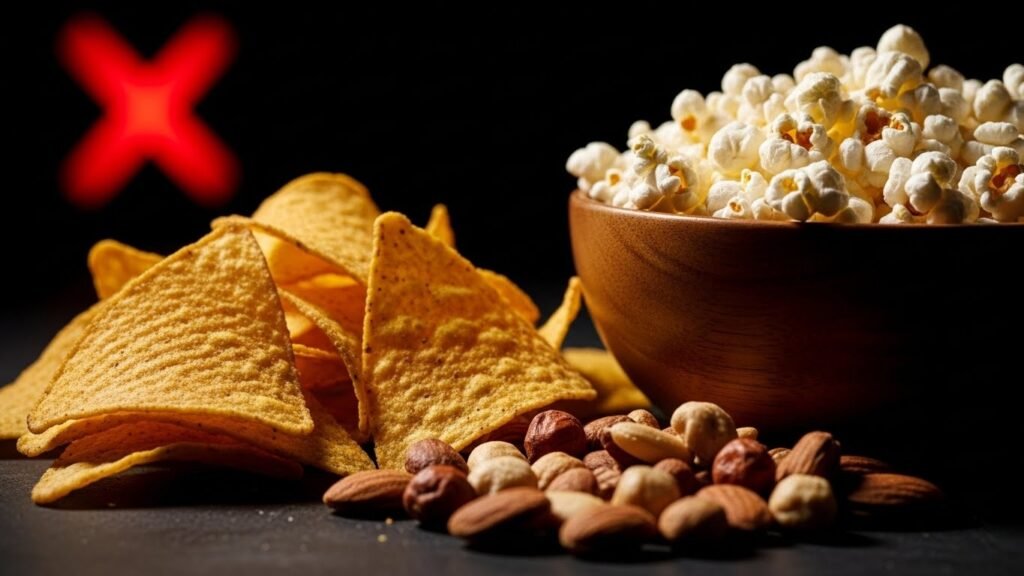
Knowing what not to eat is just as important as the soft food list. Some foods can really mess up your healing. They can cause pain or even send you back to the surgery room.
Crunchy and Hard Textures
Crunchy foods are the biggest enemy of a new extraction site. They can easily break the blood clot or poke the hole. Stay away from chips, crackers, and all types of nuts. Raw vegetables like carrots or celery are also too hard for now.
Popcorn is one of the worst things you can eat. The small hulls can get stuck deep in the socket. This almost always leads to a major infection risk. It is best to wait a few weeks before having popcorn again.
Sticky and Chewy Foods
Sticky foods can pull on the wound or the stitches. Gummy candies and taffy should be avoided at all costs. Tough meats like steak or jerky require too much chewing. Bagels and crusty breads are also way too chewy for a healing jaw.
Irritants and Chemical Triggers
Some foods do not hurt because they are hard, but because of what is in them. Spicy sauces can cause intense burning at the wound site. Acidic foods like lemons or tomatoes can also irritate the raw tissue.
Small seeds can be a big problem for your recovery. Avoid fruits like strawberries or raspberries for a few days. Those tiny seeds can get stuck in the socket and cause irritation. Even poppy seeds on bread can be a major headache.
Temperature Hazards
You need to be very careful with the temperature of your food. Extremely hot coffee or soup can be dangerous for the blood clot. The heat can actually dissolve the clot before the wound is closed. Stick to lukewarm or cool foods for the first 48 hours.
Critical “Do’s and Don’ts” for Post-Op Nutrition
How you eat is just as important as what you eat. Following these rules will help you avoid complications like dry socket. Your dentist wants you to be very careful during the first week.
The Golden Rule: No Straws
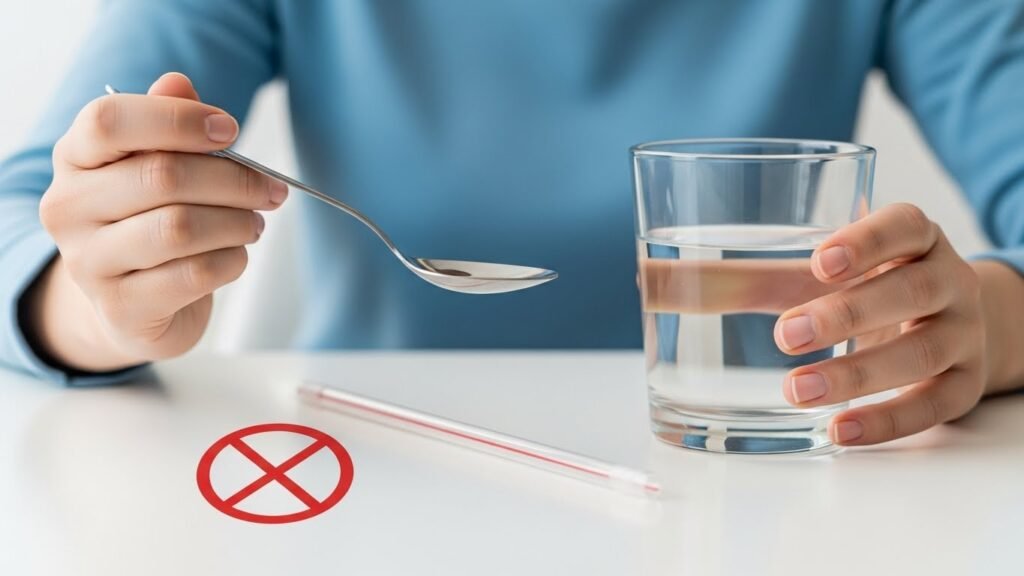
The most important rule after an extraction is to never use a straw. Suction creates a vacuum in your mouth that can pull the clot right out. This leads to the very painful dry socket we talked about. Use a spoon for your smoothies or just sip from a cup.
Temperature Control
Always check the temperature of your food before it hits your tongue. Lukewarm is much better than hot for your sensitive gums. Hot liquids can increase swelling and cause more bleeding. Cold foods are your best friend because they help with inflammation.
Chewing Techniques
If you have to chew at all, do it on the opposite side of the mouth. This keeps the food away from the extraction site. Take very small and manageable bites so you do not have to open wide. Being mindful of how you chew will save you a lot of grief.
Oral Hygiene After Eating
You still need to keep your mouth clean after you eat. Use a gentle saltwater or saline rinse after your meals. Do not swish hard and do not spit forcefully into the sink. Just let the water fall out of your mouth to keep the site clean.
Additional Recovery Tips for Fast Healing
Eating right is just one part of getting better. There are other things you can do to speed up the tissue repair. Taking care of your whole body will help your mouth heal faster.
Hydration Management
Staying hydrated is key to a fast recovery for any surgery. Drink plenty of water and maybe some electrolyte drinks. Avoid carbonated drinks like soda because the bubbles can irritate the site. Alcoholic beverages should also be skipped as they can interfere with medicine.
Lifestyle Adjustments
You need to make some small changes to your daily routine for a bit. Smoking and tobacco must be avoided because they decrease blood flow to the gums. This can significantly slow down your healing process. Rest your jaw and avoid any strenuous activity or heavy lifting.
When to Call the Dentist
Most people heal up just fine, but you should watch for warning signs. If your pain gets worse after the third day, it might be a dry socket. Fever, chills, or excessive swelling are also signs of an infection. If you notice a foul taste or odor, call your dentist right away.
Conclusion
Recovering from a tooth extraction takes a little bit of patience. Following a soft food diet is the best way to ensure a pain-free recovery. By choosing the right foods, you protect your mouth and help it heal. Always listen to your dentist’s specific post-operative instructions for the best results.
Frequently Asked Questions
When can I start eating solid foods again?
Most patients can gradually reintroduce solid foods about seven to ten days after the procedure. It is important to listen to your body and ensure that the extraction site has closed significantly before attempting crunchy or chewy items. Start with “fork-tender” foods before moving back to your regular diet.
How soon after the extraction can I eat?
You should wait until the local anesthesia has completely worn off before trying to eat. Attempting to eat while your mouth is numb can lead to accidental biting of your cheek, lip, or tongue, which can cause significant injury without you realizing it.
Can I drink coffee or tea?
You can enjoy coffee or tea as long as it is lukewarm or iced. Very hot liquids are dangerous during the first few days because they can dissolve the developing blood clot and increase blood flow to the area, which leads to more swelling and bleeding.
Is it safe to eat dairy if I am taking antibiotics?
Some antibiotics prescribed after dental surgery can interact with dairy products like milk and yogurt. Calcium can bind to certain medications and prevent your body from absorbing them properly. Always check the label on your prescription or ask your pharmacist if you should avoid dairy for a few hours before or after taking your pills.
What should I do if food gets stuck in the extraction hole?
Do not use a toothpick, finger, or toothbrush to poke at the site. This can cause an infection or dislodge the clot. Instead, gently rinse your mouth with warm salt water. If the food remains stuck and is causing discomfort, contact your dentist so they can safely flush it out.
Can I drink carbonated beverages or soda?
It is best to avoid carbonated drinks for at least three to four days. The bubbles and the acidity in soda can irritate the surgical site and potentially disturb the blood clot. Stick to plain water or non-acidic juices during the initial healing phase.
Is it okay to eat spicy food if I chew on the other side?
Spicy food should be avoided entirely for the first week. Even if you chew on the opposite side, the spices and oils circulate throughout your entire mouth. These can cause a painful burning sensation and inflammation when they come into contact with the raw tissue of the extraction site.
Can I eat popcorn once the pain goes away?
Even if you no longer feel pain, you should avoid popcorn for at least two to three weeks. The thin hulls are notorious for sliding into the healing socket and getting trapped under the gums. This often leads to a late-stage infection or an abscess that requires further treatment.
Are protein shakes a good meal replacement?
Protein shakes are an excellent way to get nutrition when you cannot chew. However, make sure the shake is not too thick to swallow easily. Remember to drink it from a cup or eat it with a spoon rather than using a straw to protect your surgical site.
Can I eat citrus fruits like oranges or grapefruit?
You should avoid citrus fruits for the first few days. The high citric acid content can cause a stinging sensation and irritate the sensitive healing tissue. Stick to non-acidic fruits like bananas, avocados, or melons instead.
Is it normal to have a bad taste in my mouth while eating?
A slight metallic or “surgical” taste is common during the first day due to minor bleeding. However, if you notice a persistent foul taste or breath that does not go away, it could be a sign of food trapped in the site or the beginning of an infection.
Can I eat soup that has small pieces of meat or vegetables?
If the pieces of meat or vegetables are extremely soft and can be smashed with a fork, they are generally safe. However, avoid soups with small, hard grains like wild rice or small seeds, as these are difficult to control in the mouth and may fall into the socket.
Should I fast before my tooth extraction?
If you are receiving local anesthesia, you can usually eat a light meal before your appointment. If you are undergoing IV sedation or general anesthesia, you will typically be required to fast for eight to twelve hours before the surgery. Always follow the specific fasting instructions provided by your oral surgeon.
Can I eat ice chips to help with the swelling?
You can let small ice chips melt in your mouth to help cool the area and reduce inflammation. However, you must never bite or crunch down on the ice, as the pressure and cold can cause sharp pain and damage the healing area.
How many meals should I eat a day during recovery?
Since soft foods are often lower in calories, you might find it helpful to eat five or six small snack-sized meals throughout the day. This helps keep your energy levels stable and ensures you are getting enough nutrients while your body works to heal.
Is oatmeal safe if it has seeds or nuts in it?
Standard oatmeal is safe, but you must avoid any varieties that contain added nuts, dried fruits, or flax and chia seeds. These additives provide a “crunch” that can injure the site or get lodged in the hole left by the tooth.
Can I eat sushi after a tooth extraction?
Most sushi involves sticky rice and raw fish, both of which require significant chewing. Additionally, the seaweed (nori) can be tough to break down and may get stuck in the wound. It is best to wait at least a week before returning to your favorite sushi roll.
Why is it important to avoid alcohol while eating post-op?
Alcohol acts as a blood thinner, which can cause the extraction site to start bleeding again. Furthermore, alcohol reacts poorly with most pain medications and antibiotics. It is safest to avoid all alcohol until you have finished your medication and the wound has closed.
Can I eat pancakes with syrup?
Yes, pancakes are a great soft food option. Make sure they are soft and not crispy on the edges. Adding plenty of syrup or milk helps to soften the texture even further, making them very easy to swallow with minimal chewing.
Is it safe to eat yogurt with fruit chunks?
Smooth yogurt is preferred. If the yogurt has fruit chunks, ensure they are very soft fruits like peaches or berries without seeds. Avoid yogurts with granola, nuts, or “seedy” fruits like raspberries or blackberries during the first week of recovery.