Skip to content
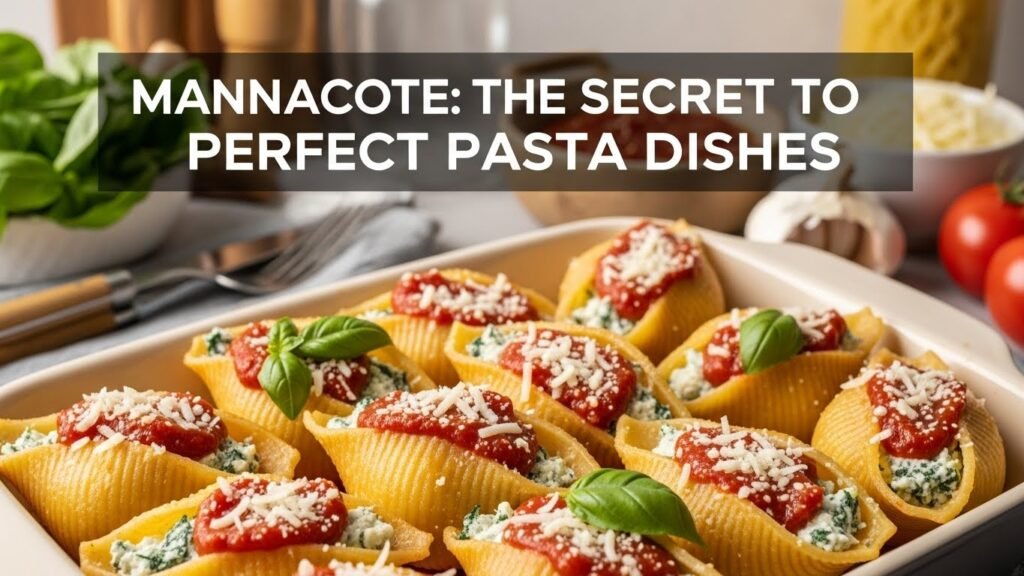
Mannacote is an ingredient that’s changing the way we think about pasta. It’s becoming popular for its ability to transform basic pasta dishes into extraordinary meals. If you love pasta, you’ve probably heard of it, but you might not know exactly how to use it.
This article will take you through everything you need to know about Mannacote. We’ll cover its definition, how it works in cooking, its health benefits, and how you can incorporate it into your meals. Whether you’re a beginner or an experienced cook, this guide will help you unlock the magic of Mannacote and elevate your pasta dishes to new heights.
What is Mannacote?
Mannacote is a unique ingredient designed to enhance the texture and flavor of pasta dishes. It is mainly used to coat pasta shells, making them more durable during cooking and baking. This coating prevents the shells from breaking apart, even when filled with delicious ingredients.
Key Features of Mannacote:
- It forms a protective barrier on the pasta shells.
- It helps the pasta retain moisture, preventing it from becoming dry or soggy.
- Mannacote enhances the flavor by locking in the taste of the filling and sauce.
Mannacote is made from natural starches like wheat, corn, or rice. This gives it a neutral taste, allowing it to work with a variety of dishes. It’s perfect for both classic pasta recipes and more innovative meals.
How Mannacote Enhances Pasta Dishes
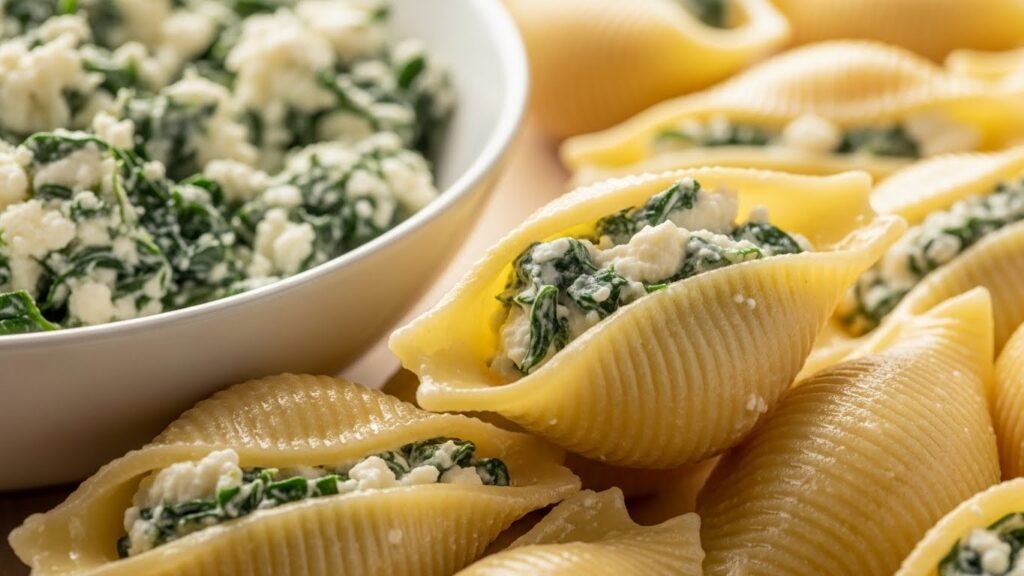
If you’ve ever struggled with broken pasta shells or unevenly cooked dishes, Mannacote is your solution. This ingredient plays a key role in making pasta more enjoyable by improving its texture, moisture, and flavor.
Protects Pasta Shells
Mannacote helps keep pasta shells intact. When you coat the shells before filling them, the Mannacote creates a protective layer. This layer prevents them from breaking during the cooking process, making them perfect for stuffed pasta dishes like manicotti or ravioli.
Retains Moisture
When baking pasta dishes, one common issue is that the pasta becomes dry. Mannacote prevents this by locking in moisture. As a result, the pasta retains its texture, and the filling stays moist and flavorful throughout the cooking process.
Forms a Golden Crust
Mannacote helps form a golden, crispy crust on top of the dish during baking. This adds a satisfying crunch to your pasta, which contrasts nicely with the creamy fillings and sauces.
By using Mannacote, your pasta dishes will be more flavorful, moist, and visually appealing. It’s an easy way to elevate your cooking without extra effort.
Mannacote Uses in Pasta Dishes
Mannacote is highly versatile and can be used in a variety of pasta dishes. From classic recipes to modern twists, it helps make any pasta dish more enjoyable. Here are some of the best ways to use Mannacote:
Ideal for Stuffed Pasta Dishes
Mannacote is perfect for stuffed pasta dishes like manicotti, lasagna, and ravioli. By coating the pasta shells with Mannacote, they hold their shape and prevent any leakage from the filling.
Works with Creamy Pasta Sauces
Creamy pasta sauces like Alfredo and pesto can sometimes make pasta soggy, but Mannacote prevents this. It keeps the pasta sturdy and helps the sauce cling better to the shells, resulting in a more flavorful bite.
Vegetable Bakes and Casseroles
Mannacote works great in vegetable bakes and casseroles. Whether you’re making a cheesy vegetable lasagna or a creamy vegetable pasta bake, Mannacote will help keep the pasta in place and ensure it doesn’t absorb too much sauce.
Adapts to Different Fillings
You can use Mannacote with a variety of fillings. Whether you’re filling your pasta with ricotta, mozzarella, spinach, or even sautéed mushrooms, Mannacote will hold it together and enhance the overall texture.
Using Mannacote in these dishes allows you to achieve restaurant-quality results with ease. It’s a must-have for any pasta lover.
Flavor Impact of Mannacote
While Mannacote’s main job is to improve texture, it also enhances the flavor profile of your pasta dishes. By locking in moisture and preventing the pasta from drying out, it helps preserve the taste of both the filling and the sauce.
Adds Depth to the Flavor
Mannacote acts as a flavor enhancer by helping the ingredients in your pasta dish come together. It prevents the pasta from absorbing too much sauce and keeps it from becoming bland. This makes every bite more flavorful.
Works Well with Herbs and Spices
If you’re using fresh herbs like parsley, basil, or oregano, Mannacote helps retain the aromatic oils. This means your pasta will have a fresher, more vibrant taste.
Complements Cheese and Sauces
Whether you’re using ricotta, mozzarella, or Parmesan, Mannacote complements the cheese by keeping it in place and enhancing its flavor. It also works well with different types of pasta sauces, such as marinara, Alfredo, and pesto, by holding the sauce on the pasta longer.
In short, Mannacote ensures that the flavor of your pasta dish is rich, balanced, and enjoyable from the first bite to the last.
Mannacote: A Solution to Common Pasta Problems
Pasta dishes, while delicious, can sometimes be tricky to get just right. Whether it’s broken shells, uneven cooking, or soggy pasta, Mannacote solves these common problems with ease.
Prevents Shell Breakage
Stuffed pasta shells are delicate, and they can break apart when you try to fill them. Mannacote helps keep the shells intact during the cooking and baking process. This is especially useful for dishes like manicotti or stuffed shells.
Retains Moisture for Better Texture
One issue with baking pasta is that it often dries out, especially if the pasta absorbs too much sauce. Mannacote prevents this by locking moisture in. This keeps the pasta soft and the filling moist, resulting in a better texture overall.
Ensures Even Cooking
Mannacote also helps with even cooking. It prevents some parts of the pasta from becoming overcooked while others stay undercooked. This results in a more consistent and enjoyable dish.
By solving these common problems, Mannacote makes cooking pasta much easier and more reliable.
Nutritional and Ingredient Considerations
Mannacote isn’t just a game-changer in terms of flavor and texture—it can also fit into a variety of diets, making it a versatile choice for different nutritional needs. Understanding its ingredient base and nutritional value is essential for those who want to incorporate it into a balanced meal.
Nutritional Profile of Mannacote
Since Mannacote is made from natural starches like wheat, corn, or rice, it primarily provides carbohydrates, which are a key source of energy. It’s a fantastic way to fuel up after a workout or a long day.
- Carbohydrates: The main source of energy, helping you stay active throughout the day.
- Fiber: If you choose whole grain-based Mannacote, it can provide fiber, which aids digestion and keeps you feeling full longer.
- Minimal Fat: Mannacote itself is low in fat, but its nutritional profile will depend on the filling and sauce you pair it with.
Health Benefits of Mannacote
When you add Mannacote to your pasta dishes, you’re not just improving the texture and taste. There are some health benefits too.
- Energy Boosting: The carbohydrates in Mannacote help give you a quick and sustained energy source.
- Rich in Antioxidants: If you pair Mannacote with vegetable-based fillings (like spinach, zucchini, or mushrooms), you’ll get the added benefits of antioxidants that support heart health and reduce inflammation.
- Better Bone Health: If you’re adding dairy-based fillings (like ricotta or mozzarella), Mannacote becomes a source of calcium, which is important for maintaining strong bones.
Recipe Ideas Using Mannacote
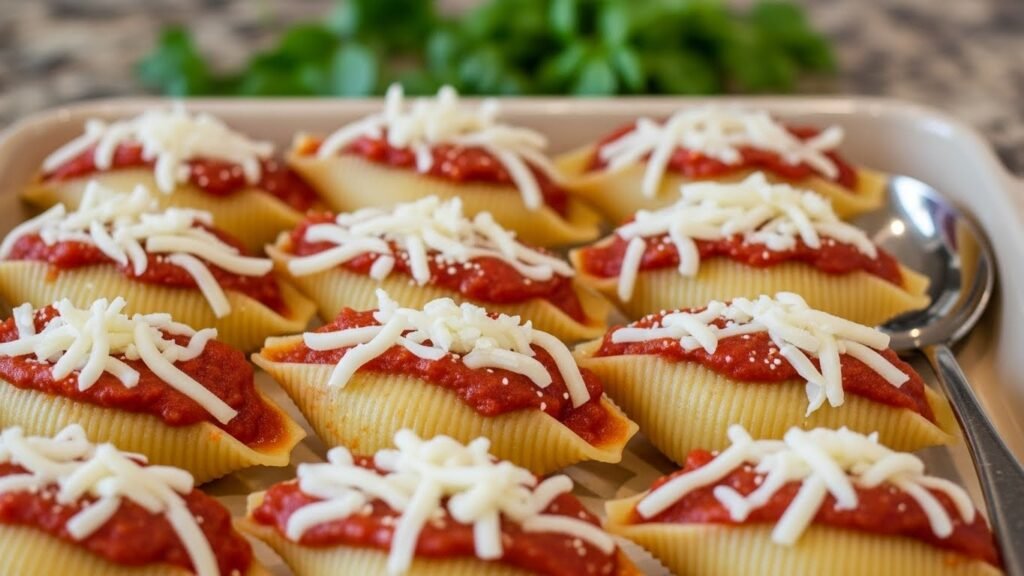
Mannacote is highly versatile and can be incorporated into a variety of recipes. Whether you’re preparing a simple meal for the family or impressing guests with a gourmet pasta dish, Mannacote can enhance your cooking. Here are a few ideas to get you started.
Classic Manicotti
Manicotti is a classic pasta dish that is easy to make and always a crowd-pleaser. With Mannacote, the pasta shells stay intact while the filling remains rich and moist.
- Ingredients: Mannacote-coated manicotti shells, ricotta cheese, spinach, mozzarella, and marinara sauce.
- Method: Stuff the shells with a blend of ricotta and spinach. Coat the shells with Mannacote before filling. Bake with marinara sauce and top with melted mozzarella.
Stuffed Shells with Herb Ricotta Filling
Stuffed shells are another pasta favorite, and with Mannacote, you can ensure that they bake to perfection without the shells breaking.
- Ingredients: Jumbo pasta shells, ricotta, garlic, fresh herbs (like basil and parsley), and Parmesan cheese.
- Method: Stuff the cooked shells with ricotta and herbs. Coat the shells with Mannacote and top with marinara sauce. Bake and enjoy a rich, flavorful dish.
Vegetarian Lasagna
Lasagna is a hearty dish that benefits from Mannacote’s ability to retain moisture and prevent the noodles from becoming too soggy.
- Ingredients: Whole wheat pasta sheets, mixed vegetables (zucchini, mushrooms, bell peppers), ricotta cheese, marinara sauce.
- Method: Layer the lasagna with vegetables, cheese, and sauce. Use Mannacote to coat the pasta layers to prevent them from absorbing too much sauce. Bake until bubbly.
Creamy Pesto Pasta
If you’re looking for a lighter yet still indulgent option, a creamy pesto pasta works wonderfully with Mannacote.
- Ingredients: Pasta shells, pesto sauce, Parmesan, and cream.
- Method: Cook the pasta shells, coat with Mannacote, and then toss in a creamy pesto sauce. The result is a rich and aromatic dish that is creamy but not overly heavy.
Mannacote for Dietary and Health Considerations
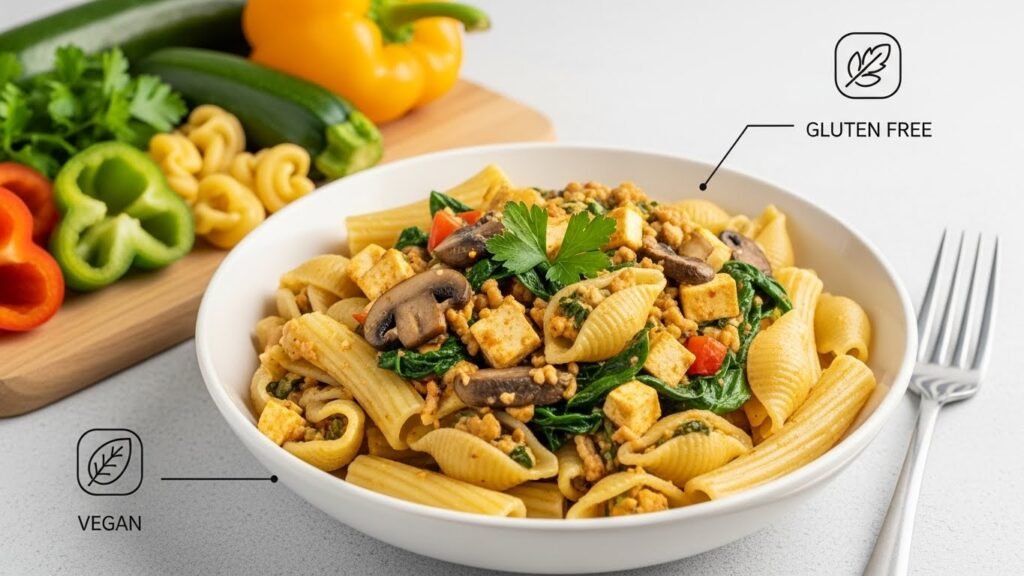
For those with specific dietary needs, Mannacote can be adapted to suit different preferences. Whether you’re looking for a gluten-free version, a lower-fat option, or a more protein-rich meal, Mannacote can be easily customized.
Gluten-Free Options
If you’re following a gluten-free diet, Mannacote can still be a part of your meal plan. Simply opt for gluten-free pasta shells, which are widely available in supermarkets. This way, you can still enjoy all the benefits of Mannacote without worrying about gluten.
- Gluten-Free Pasta Shells: Available in rice or corn-based varieties.
- Filling Options: Use gluten-free ricotta or a combination of tofu and vegetables for a delicious and hearty filling.
Vegan and Dairy-Free Alternatives
For those who prefer a plant-based diet, Mannacote can easily be adjusted to meet vegan and dairy-free needs. Simply swap out dairy products like cheese with vegan alternatives, and you can still achieve a creamy and flavorful dish.
- Vegan Cheese: Nutritional yeast, vegan ricotta, or cashew cheese work well in place of dairy-based cheese.
- Plant-Based Fillings: Use sautéed vegetables or tofu mixed with herbs as a filling substitute.
Low-Fat or Low-Calorie Options
If you’re watching your fat intake or looking for a lighter meal, Mannacote can fit seamlessly into a healthier pasta dish.
- Low-Fat Cheeses: Use reduced-fat ricotta, mozzarella, or cottage cheese for a lighter filling.
- Vegetable-Based Fillings: Load up the pasta with nutrient-dense vegetables like spinach, mushrooms, and zucchini to lower the overall calorie count without sacrificing flavor.
By making a few simple swaps, Mannacote can be adapted to meet a wide range of dietary needs, making it a versatile option for everyone.
How to Use Mannacote in Cooking
Incorporating Mannacote into your cooking is simple, but there are a few key techniques that can help you get the best results. Here’s how to use Mannacote effectively.
Pre-Cooking Pasta
Before using Mannacote, it’s essential to cook your pasta shells or sheets. However, don’t cook them all the way through—leave them slightly underdone. This will prevent the shells from becoming too soft and falling apart during baking.
Applying Mannacote
Once your pasta is cooked and slightly cooled, apply a thin layer of Mannacote. This can be done either by coating each pasta shell individually or by coating the entire batch. The coating should be light but thorough, ensuring that the shells are fully covered without excess Mannacote.
Baking Techniques
When it comes to baking, covering the dish with foil initially helps keep the moisture in. You can remove the foil near the end to allow the top of the pasta to crisp up and form a golden crust. The Mannacote will help create this crunchy, golden texture, giving your pasta dishes a more professional and appealing look.
Mannacote: The Perfect Addition to Your Meal Plan
Mannacote is not just for special occasions; it’s a versatile ingredient that can be included in your regular meal planning. From weeknight dinners to a more elaborate weekend feast, Mannacote helps elevate everyday meals. It makes cooking easier and more enjoyable, especially when you’re looking for something hearty and comforting.
Quick and Easy Meals with Mannacote
One of the best things about Mannacote is that it makes preparing pasta dishes quick and simple. Whether you’re in a rush or preparing a meal ahead of time, Mannacote helps make cooking more efficient while ensuring that your pasta dishes turn out perfectly.
- Weeknight Dinners: Stuffed pasta shells with Mannacote can be prepared in advance and stored in the fridge. When you’re ready, just bake and enjoy.
- Family-Friendly: Mannacote-coated pasta is perfect for family dinners. It’s easy to make and even easier to serve, as it keeps the pasta intact and adds a fun texture to the meal.
- Comforting Dishes: Pasta dishes are inherently comforting, and Mannacote just adds another layer of indulgence without requiring a lot of time in the kitchen.
Versatile for Meal Prep
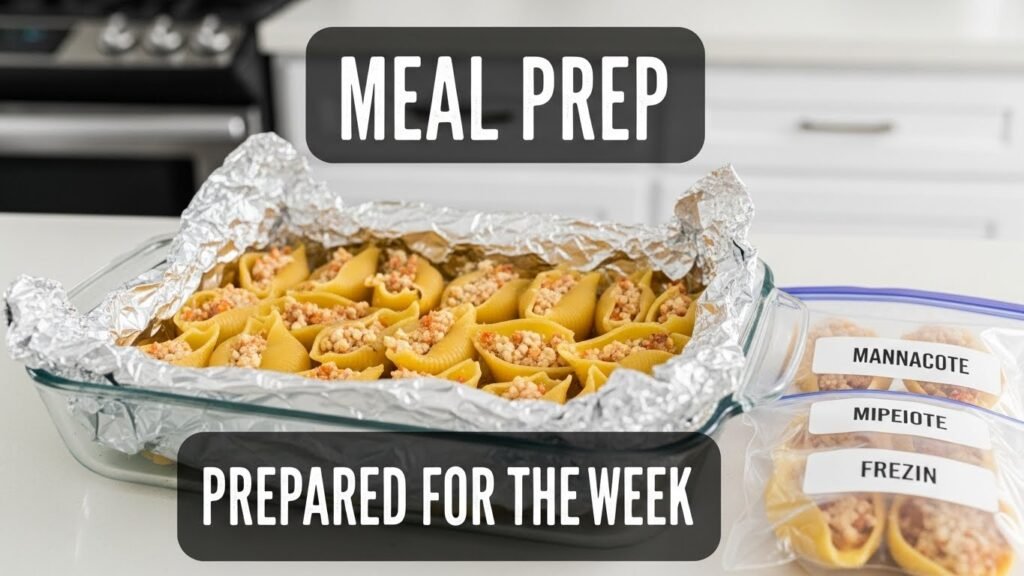
Mannacote is an ideal ingredient for meal prepping. You can prepare a large batch of pasta, coat it with Mannacote, and store it in the fridge or freezer for later use. When you’re ready to eat, simply bake and enjoy.
- Prep Ahead: You can fill and coat pasta shells with Mannacote in advance, allowing you to assemble meals ahead of time. Store the prepared pasta in the fridge for up to two days.
- Freeze for Later: Mannacote-coated pasta can also be frozen for up to three months. This is a great option for busy weeks when you don’t have time to cook but still want a delicious, homemade meal.
Mannacote makes it easier to plan meals, whether you’re cooking for a family or meal prepping for the week ahead.
Mannacote in Modern Cooking: A Kitchen Essential
In today’s fast-paced world, kitchen tools and ingredients that save time and improve efficiency are invaluable. Mannacote is becoming an essential ingredient for those who want to simplify the cooking process without sacrificing flavor or texture.
The Importance of Mannacote in Meal Kits and Home Cooking
With the rise of meal kit services and home cooking trends, Mannacote has found its place as a must-have in kitchens around the world. It’s a fantastic addition to pre-packaged meal kits, offering convenience without compromising quality.
- Meal Kits: Mannacote’s ability to prevent pasta from breaking and absorbing too much sauce makes it an excellent addition to meal kits. It helps home cooks make professional-quality pasta dishes with minimal effort.
- Convenience: Whether you’re following a recipe from a meal kit or making your own, Mannacote speeds up the process and helps create perfect pasta dishes every time.
The Role of Mannacote in Home-Cooked Gourmet Meals
Mannacote isn’t just for everyday meals—it can also be used to create gourmet pasta dishes. If you want to impress guests with an easy yet elegant pasta dish, Mannacote helps take your cooking to the next level.
- Gourmet Pasta Dishes: Using Mannacote in stuffed pasta or lasagna allows you to create impressive meals without needing advanced cooking skills. Its ability to enhance texture and retain moisture makes it an excellent choice for gourmet cooking.
- Elevating Simple Dishes: Even simple pasta dishes like macaroni and cheese or baked ziti can be elevated with the addition of Mannacote. It adds a professional touch that makes your dish look and taste extraordinary.
Incorporating Mannacote into your cooking routine not only simplifies meal prep but also helps create high-quality, restaurant-style meals at home.
Mannacote: Perfect for Customization
One of the best aspects of Mannacote is its ability to adapt to different cuisines and dietary needs. You can customize the fillings, sauces, and toppings based on your preferences or health goals. This flexibility makes it a go-to ingredient for anyone who loves to get creative in the kitchen.
Customizing the Filling for Different Diets
Mannacote can be used in a variety of stuffed pasta recipes. The filling can be customized to suit various dietary needs, making it a versatile option for those with special dietary requirements.
- Vegetarian: Fill the pasta with a mixture of vegetables, tofu, and herbs. This can be a great option for vegetarians or anyone looking to reduce meat consumption.
- Vegan: Use plant-based cheese alternatives like cashew cheese or nutritional yeast for a dairy-free version. Adding roasted vegetables like bell peppers, zucchini, and mushrooms enhances the flavor and texture.
- Meat Lovers: For a hearty filling, try using ground beef, turkey, or chicken mixed with ricotta and spinach. You can also add herbs and garlic for extra flavor.
Creating Unique Sauces
Mannacote also works well with a variety of sauces. While marinara and Alfredo are classic choices, you can easily experiment with different sauces to suit your taste.
- Pesto: A creamy basil pesto works wonderfully with Mannacote-coated pasta. It provides a fresh, herby flavor that complements the richness of the cheese filling.
- Tomato Sauce: A homemade tomato sauce, made with fresh tomatoes and herbs, offers a classic and comforting combination with stuffed pasta.
- Creamy Sauces: Try a creamy mushroom sauce for a savory, umami-rich flavor profile. The creamy sauce pairs perfectly with the sturdy Mannacote pasta.
Adding Toppings for Extra Flavor
Once you’ve made your pasta dish with Mannacote, don’t forget to add the finishing touches. Toppings can make a huge difference in the flavor and texture of your meal.
- Cheese: Freshly grated Parmesan or Pecorino Romano adds a salty, nutty flavor that enhances the entire dish.
- Herbs: Fresh basil, parsley, or oregano sprinkled on top adds a burst of freshness.
- Breadcrumbs: A crunchy topping made from toasted breadcrumbs gives your dish a satisfying contrast to the soft, creamy filling.
Mannacote and Its Cultural Significance in Cooking
Mannacote may be a relatively new ingredient in modern kitchens, but it holds a cultural significance in many cuisines around the world. Pasta dishes are a staple in several cultures, particularly in Italian cooking, and Mannacote is becoming a key player in these culinary traditions. Understanding how Mannacote fits into the cultural landscape of pasta dishes adds another layer of appreciation for this ingredient.
Mannacote in Italian Cuisine
Italy is the birthplace of pasta, and dishes like manicotti, lasagna, and ravioli are deeply rooted in Italian culinary culture. Mannacote is quickly becoming a valuable addition to these traditional dishes, enhancing their flavor, texture, and overall presentation.
- Manicotti and Lasagna: In Italy, manicotti and lasagna are often served during family gatherings, holiday meals, and celebrations. Using Mannacote helps maintain the structure of the pasta while keeping the filling rich and moist, aligning with traditional methods but with an added layer of ease.
- Stuffed Pasta Variations: Italy has a long history of stuffed pasta, such as ravioli and tortellini. Mannacote allows chefs to experiment with new fillings while preserving the texture and consistency of the pasta shells.
Mannacote allows for a modern twist on classic dishes, all while staying true to the heart of Italian culinary traditions.
Global Adoption of Mannacote in Different Cuisines
While Mannacote is most commonly used in Italian-inspired dishes, it’s making its way into other cuisines as well. From American comfort food to fusion dishes, this versatile ingredient is being used in ways that reflect the growing trend of global culinary exchange.
- American Comfort Food: In the United States, pasta dishes like baked ziti, macaroni and cheese, and pasta casseroles are staples of comfort food. Mannacote helps improve the texture of these dishes, making them easier to prepare while still providing that comforting, hearty feeling.
- Fusion Cooking: As fusion cuisine grows in popularity, Mannacote is being adapted into a variety of dishes from different cultural backgrounds. It’s now seen in Asian-inspired pasta dishes, Middle Eastern pasta casseroles, and even some Latin American dishes, showing its flexibility and global appeal.
Mannacote’s versatility makes it an excellent ingredient for chefs and home cooks to experiment with, bridging culinary traditions from around the world.
How Mannacote Supports Sustainability in Cooking
As the food industry becomes more conscious of its environmental impact, sustainability in cooking has become a key focus. Mannacote, when used properly, can contribute to more sustainable cooking practices. Here’s how:
Reducing Food Waste
Using Mannacote can help reduce food waste, especially in pasta dishes. By ensuring that the pasta shells stay intact during cooking and baking, Mannacote prevents the unnecessary waste of broken pasta shells. This helps maximize the use of ingredients and reduce the amount of food that goes unused.
- Minimal Waste: Coating pasta with Mannacote ensures that even delicate stuffed shells hold together during cooking, preventing them from breaking and going to waste.
- Efficient Cooking: Mannacote allows you to cook more efficiently, as you can prepare dishes in advance and store them for later. This reduces the need for last-minute, resource-heavy cooking.
Supporting Health-Conscious and Eco-Friendly Choices
Mannacote can be used in various ways to make your cooking more eco-friendly. For example, opting for whole grain or gluten-free pasta and plant-based fillings can turn a simple pasta dish into a sustainable, health-conscious meal.
- Plant-Based Diet: If you choose plant-based ingredients like vegetables and legumes for the filling, Mannacote can help make your meals more sustainable without sacrificing flavor.
- Organic Ingredients: By sourcing organic pasta shells and fresh, locally grown vegetables, you can make your Mannacote dishes both environmentally friendly and nutritious.
Incorporating Mannacote into sustainable cooking practices helps reduce environmental impact while supporting healthier eating habits.
Mannacote and Its Role in Modern Dining Trends
As dining trends evolve, so does the way we approach cooking. Mannacote aligns perfectly with current dining trends, especially the focus on convenience, versatility, and health-conscious cooking. Here’s how it fits into these modern dining movements.
The Trend Towards Convenience in Cooking
In today’s fast-paced world, convenience is key. Consumers are looking for ways to make cooking easier without sacrificing quality. Mannacote helps meet this demand by simplifying the cooking process and ensuring that dishes come out perfectly every time.
- Time-Saving: Mannacote allows you to prepare pasta dishes ahead of time, cutting down on cooking time during busy weeknights.
- Easy to Use: With Mannacote, there’s no need to worry about delicate pasta shells falling apart or dishes becoming dry. It’s a foolproof way to prepare pasta that always turns out delicious.
Versatility and Customization in Modern Kitchens
Today’s food culture emphasizes customization. Consumers want to personalize their meals based on dietary preferences, and Mannacote can be adapted for various tastes and diets, from gluten-free to vegan to low-fat.
- Personalized Meals: Mannacote is a blank canvas, allowing you to experiment with different fillings, sauces, and toppings. Whether you prefer a classic Italian recipe or something more adventurous, Mannacote adapts to your needs.
- Health-Conscious Cooking: As people become more mindful of what they eat, Mannacote offers the option to make healthier choices. With low-fat cheeses, plant-based fillings, and whole grain pasta shells, you can create a meal that fits into your health goals.
Mannacote is perfect for modern kitchens because it provides the flexibility and ease needed to create meals that align with current dining trends.
Mannacote as a Kitchen Essential: How to Make the Most of It
For those who love cooking, Mannacote is quickly becoming a kitchen essential. It’s not just an ingredient—it’s a tool that can help you create professional-quality dishes with minimal effort. Let’s take a look at how to make the most of Mannacote in your kitchen.
The Versatility of Mannacote in Everyday Meals
From weeknight dinners to more elaborate weekend meals, Mannacote is a valuable tool for creating pasta dishes that will impress. It’s perfect for both quick meals and special occasions, and its versatility ensures that it works with many types of pasta, fillings, and sauces.
- Weeknight Dinners: Create quick and easy pasta dishes by preparing the filling and coating the shells with Mannacote. A 30-minute bake and you have a delicious meal.
- Weekend Feasts: For special occasions, use Mannacote to elevate more complex dishes like stuffed pasta, lasagna, or creamy vegetable bakes. It ensures your pasta holds up and bakes beautifully.
How Mannacote Helps You Achieve Consistent Results
One of the biggest challenges in cooking pasta is ensuring that the pasta doesn’t fall apart or become overcooked. Mannacote solves this problem by providing a consistent, reliable way to prepare pasta dishes.
- Perfect Texture: Mannacote guarantees that pasta shells stay intact, even when filled with heavy or creamy ingredients. The protective coating ensures that everything cooks evenly.
- Satisfying Results: When you bake pasta with Mannacote, you can expect a golden, crispy crust that contrasts nicely with the creamy filling, making for a satisfying meal every time.
Mannacote makes it easier to achieve consistent, restaurant-style results in the comfort of your own kitchen.
Mannacote and Its Future in Culinary Innovation
As food trends continue to evolve, Mannacote is positioned to be a key ingredient in the future of cooking. With growing interest in innovative ingredients that make cooking easier and more accessible, Mannacote’s role in modern kitchens will only expand. Here’s how it fits into the future of culinary innovation.
The Rise of Health-Conscious Cooking
With a rising focus on health and wellness, more people are seeking ways to enjoy their favorite dishes without compromising their diet. Mannacote allows for a healthier twist on traditional pasta dishes. It’s versatile enough to fit into various diets, from low-fat to gluten-free and plant-based. As culinary preferences continue to shift toward healthier options, Mannacote will remain a valuable ingredient for health-conscious cooks.
- Plant-Based Diets: The demand for plant-based meals is growing, and Mannacote can easily be incorporated into vegan and vegetarian pasta dishes.
- Low-Calorie Meals: By using reduced-fat cheeses or vegetable-based fillings, Mannacote helps create lighter pasta dishes that are still satisfying.
- Alternative Flours: As consumers become more aware of gluten and its effects, Mannacote’s potential for use with gluten-free pasta provides an inclusive solution for many dietary needs.
Mannacote in Sustainable Cooking Practices
Sustainability is an essential theme in the future of food, and Mannacote’s ability to help reduce food waste and make efficient use of ingredients fits perfectly with this movement. As more people aim to reduce their environmental footprint, Mannacote offers a way to create dishes that minimize waste and use ingredients wisely.
- Reducing Food Waste: Mannacote ensures pasta shells are well-structured, which prevents waste due to broken shells.
- Eco-Friendly Ingredients: By choosing organic pasta shells, fresh locally-sourced ingredients for fillings, and plant-based options, Mannacote can be part of an eco-friendly meal.
As sustainability continues to drive change in the food industry, Mannacote can play a part in making cooking more efficient and reducing environmental impact.
How Mannacote Can Be Used in Innovative Fusion Dishes
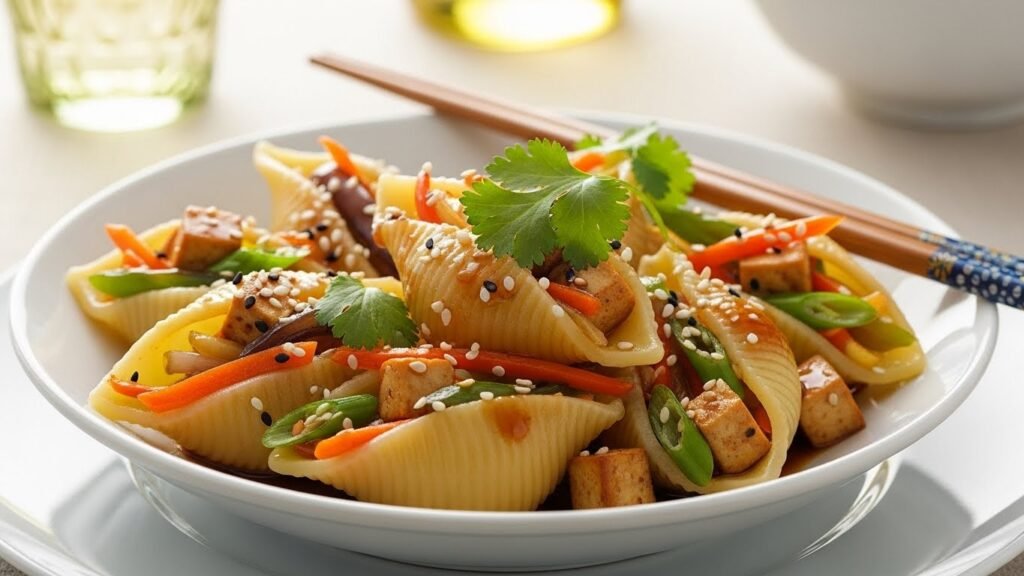
The concept of fusion cuisine, combining different culinary traditions, is gaining popularity worldwide. Mannacote’s versatility allows it to be used in creative ways across various cuisines. From Asian-inspired pasta to Mediterranean-style dishes, Mannacote provides endless possibilities for experimentation.
Mannacote in Asian-Inspired Dishes
Pasta isn’t traditionally a part of many Asian cuisines, but fusion dishes that combine pasta with Asian flavors are becoming trendy. Mannacote can be used to make Asian-inspired pasta dishes that stay true to traditional flavors while introducing new textures and ingredients.
- Asian Pasta Rolls: Use Mannacote to coat pasta sheets for rolls filled with vegetables, tofu, or seasoned chicken. Top them with a savory soy-based sauce or a ginger-sesame dressing.
- Stir-Fried Pasta: Create a stir-fried noodle dish by using Mannacote-coated pasta. Combine with sautéed vegetables, garlic, soy sauce, and a touch of chili for a flavorful meal.
Mannacote in Mediterranean Dishes
The Mediterranean diet is known for its focus on fresh, healthy ingredients, including olive oil, vegetables, and legumes. Mannacote can be used to enhance Mediterranean pasta dishes, offering a crispy texture and additional flavor.
- Stuffed Pasta with Hummus: Stuff Mannacote-coated pasta shells with a mix of hummus, roasted vegetables, and feta cheese. Bake with a drizzle of olive oil for a Mediterranean-inspired meal.
- Mediterranean Lasagna: Swap traditional pasta sheets for Mannacote-coated ones in a Mediterranean-style lasagna. Layer with spinach, olives, sun-dried tomatoes, and a blend of herbs.
By using Mannacote in fusion dishes, you can create exciting new flavors while maintaining the integrity of different culinary traditions.
Mannacote: The Secret Ingredient to Boost Your Cooking Confidence
If you’re looking to boost your confidence in the kitchen, Mannacote is a secret weapon that can make cooking easier and more enjoyable. Many home cooks find that making pasta dishes can be intimidating, especially when it comes to handling delicate shells or achieving the perfect texture. Mannacote simplifies this process, helping you achieve consistent results every time.
Boosting Cooking Confidence with Easy Pasta Dishes
Pasta dishes can often seem complex, with multiple steps involved in cooking the pasta, preparing the filling, and baking the dish. Mannacote streamlines the process, making it easier for home cooks to get restaurant-quality results without the stress.
- Easy to Use: With Mannacote, there’s no need to worry about pasta shells breaking or losing their shape. Simply coat them, stuff them, and bake.
- Reliable Results: Mannacote ensures that pasta dishes come out perfectly every time. It prevents common issues like soggy pasta or unevenly cooked shells, giving you the confidence to try new recipes.
Encouraging Culinary Creativity
By making the cooking process simpler, Mannacote allows home cooks to get more creative with their meals. Whether you’re experimenting with new fillings, sauces, or garnishes, Mannacote ensures that your dishes turn out beautifully.
- Creative Possibilities: Mannacote’s versatility makes it easy to experiment with new ideas. From different pasta shapes to creative fillings, you can push the boundaries of traditional cooking.
- More Time for Experimentation: Because Mannacote makes the cooking process easier, you have more time to focus on the fun part—exploring new recipes and flavor combinations.
Mannacote can help you become more confident in the kitchen and encourage you to try new things, expanding your culinary horizons.
Conclusion: Why Mannacote Should Be Your Go-To Ingredient
Mannacote is more than just a cooking aid—it’s a game-changer in the kitchen. Whether you’re preparing a quick weeknight dinner or a gourmet meal, Mannacote ensures that your pasta dishes are always flavorful, perfectly textured, and easy to make. It’s a versatile ingredient that suits various diets, adds depth to your cooking, and makes meal prep more efficient.
The Future of Mannacote in Modern Kitchens
As culinary trends evolve, Mannacote will continue to play an important role in kitchens around the world. Its versatility, ease of use, and ability to enhance both flavor and texture make it a must-have in any kitchen toolkit. Whether you’re a beginner or an experienced chef, Mannacote helps you create perfect pasta dishes with minimal effort.
Why You Should Embrace Mannacote Today
If you haven’t already embraced Mannacote in your cooking, now is the time to do so. With its ability to simplify cooking, improve the quality of your pasta dishes, and offer endless creative possibilities, Mannacote is a secret ingredient that every home cook should have on hand. It’s easy to use, adaptable, and guarantees great results every time.
FAQs
1. What is Mannacote, and how is it used in cooking?
Mannacote is a unique ingredient used to coat pasta shells to help them retain their shape, moisture, and flavor during cooking and baking. It is primarily made from natural starches like wheat, corn, or rice. Mannacote ensures that pasta shells don’t break during the cooking process and adds a golden, crispy crust when baked.
2. Can Mannacote be used for gluten-free pasta dishes?
Yes, Mannacote can be used with gluten-free pasta shells. Simply opt for gluten-free pasta options, which are available in rice or corn-based varieties. This allows those who follow a gluten-free diet to enjoy the benefits of Mannacote in their meals without worrying about gluten.
3. How does Mannacote enhance the texture of pasta dishes?
Mannacote improves the texture of pasta by providing a protective coating that prevents the pasta from breaking or absorbing too much sauce. It helps retain moisture, ensuring the pasta stays soft and flavorful. This results in pasta that holds together better and has a satisfying bite.
4. Can Mannacote be used in both vegetarian and meat-based dishes?
Yes, Mannacote is versatile and works well with both vegetarian and meat-based pasta dishes. You can use it in a variety of stuffed pasta recipes, including those filled with vegetables, cheese, or meat like ground beef or chicken.
5. Is Mannacote a healthier alternative to traditional pasta?
Mannacote itself is neutral in terms of calories and nutrition, as it is made from natural starches. However, when used with healthier pasta shells (like whole wheat or gluten-free options) and nutritious fillings (such as vegetables or lean meats), Mannacote can contribute to a balanced and wholesome meal.
6. How long can I store Mannacote-coated pasta?
Mannacote-coated pasta can be stored in the refrigerator for up to two days before baking. If you want to store it for a longer period, you can freeze the coated pasta for up to three months. This makes it an excellent option for meal prepping or preparing ahead of time.
7. Can Mannacote be used with any type of sauce?
Yes, Mannacote works well with a variety of sauces, including tomato-based sauces like marinara, creamy sauces like Alfredo, or even pesto. Its ability to prevent pasta from absorbing too much sauce ensures that the flavors remain balanced and the pasta stays perfectly textured.
8. How does Mannacote help with preventing soggy pasta?
Mannacote prevents soggy pasta by forming a protective layer that locks in moisture but doesn’t allow excess liquid to be absorbed. This keeps the pasta shells from becoming mushy or overly soft, even when topped with a lot of sauce or cheese.
9. Can Mannacote be used in baked pasta dishes like lasagna or casseroles?
Yes, Mannacote is perfect for baked pasta dishes like lasagna, baked ziti, or pasta casseroles. It helps the pasta retain its structure during baking and prevents it from absorbing too much sauce, ensuring that the final dish has a satisfying texture.
10. Is Mannacote a good ingredient for meal prepping?
Absolutely! Mannacote is ideal for meal prepping. You can prepare pasta shells ahead of time, coat them with Mannacote, and store them in the refrigerator for up to two days or freeze them for longer. This allows you to make meals in advance, saving time on busy days.
11. Can I use Mannacote in gluten-free or vegan recipes?
Yes, Mannacote is adaptable to both gluten-free and vegan diets. You can use gluten-free pasta shells and plant-based cheese options for vegan dishes. Mannacote will help hold everything together and enhance the texture, just as it does in traditional pasta recipes.
12. How do I know when to apply Mannacote to pasta?
You should apply Mannacote to pasta after it has been cooked but while it’s still slightly warm. This allows the coating to adhere properly to the pasta shells. After coating the pasta, you can proceed with stuffing it and baking it as usual.
13. Does Mannacote work with pre-packaged pasta or only homemade?
Mannacote works well with both pre-packaged and homemade pasta. It’s especially useful for delicate pasta shells that are prone to breaking, whether they’re store-bought or homemade. Just coat the pasta with Mannacote before baking or stuffing, and it will help keep everything intact.
14. Can Mannacote be used in non-pasta dishes?
While Mannacote is primarily used in pasta dishes, its ability to provide a protective barrier and retain moisture could make it useful in other recipes, such as casseroles or baked vegetable dishes. However, its main application is in pasta-based recipes.
15. What is the best way to store Mannacote after opening?
Mannacote should be stored in a cool, dry place in an airtight container after opening. This will help preserve its freshness and prevent moisture from affecting its quality. If you have any leftover prepared Mannacote, you can store it in the fridge for a few days, but it is best used shortly after preparation for optimal results.