Skip to content

What is Aspertaan?
Definition and Composition
Aspertaan is a low-calorie sweetener, much sweeter than regular sugar, often used as a substitute in various food and beverage products. The sweetener is created by combining two amino acids, aspartic acid and phenylalanine, along with a methyl ester group. It’s 200 times sweeter than sucrose, meaning only a small amount is needed to achieve the desired sweetness. The sweet taste is what makes it popular in sugar-free products, where sugar replacement is essential for those managing calorie intake or blood sugar levels.
Development and Approval History
Aspertaan, also known as aspartame, has been the subject of extensive research and regulatory review. It was first approved by the U.S. Food and Drug Administration (FDA) in 1981, and subsequent regulatory agencies like the European Food Safety Authority (EFSA) and Health Canada have also deemed it safe for general use. Over the years, numerous studies have assessed its safety and potential health risks, with results consistently supporting its use in food and beverages within the accepted daily intake limits.
Common Uses of Aspertaan
Food and Beverage Applications
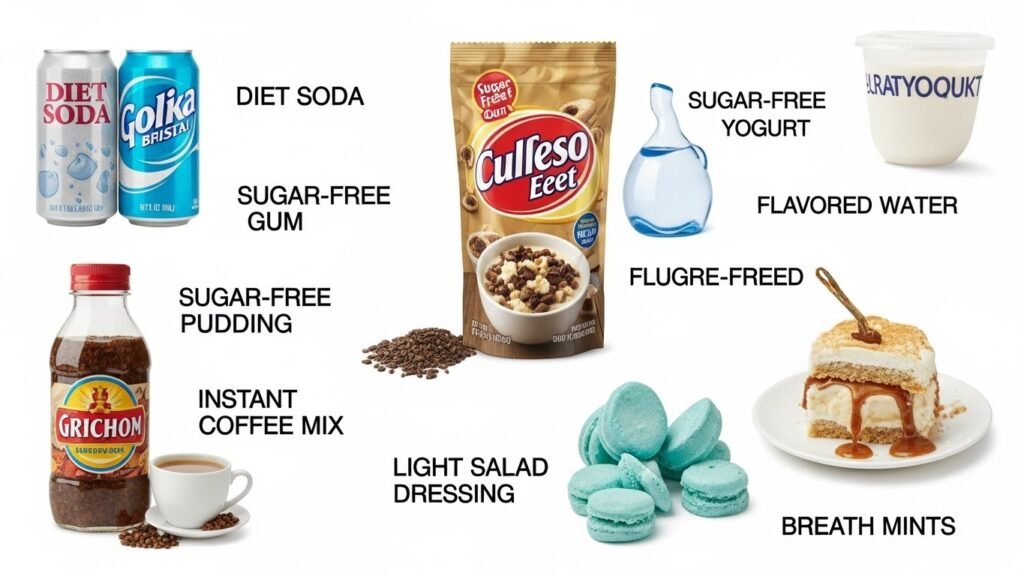
Aspertaan is widely used in the food and beverage industry, especially in products marketed as “diet” or “sugar-free.” Some of the most common uses include:
- Diet sodas and sugar-free beverages: Aspertaan is commonly found in drinks that are marketed for weight management or diabetes management, where a reduced-calorie sweetener is essential.
- Sugar-free gum: Many chewing gums use Aspertaan to achieve sweetness without adding calories.
- Sugar-free desserts and candies: From cakes to ice cream, Aspertaan allows manufacturers to produce sweet-tasting treats without the sugar.
- Flavored waters and drink mixes: Aspertaan is used in flavored waters to provide sweetness with minimal caloric contribution.
Supplement and Nutrition Products
Beyond food and beverages, Aspertaan is also a common ingredient in nutritional products such as:
- Protein powders: Some weight loss or fitness products use Aspertaan to sweeten protein shakes without adding sugar.
- Meal replacement bars and shakes: Aspertaan is used to make meal replacements taste sweet, without increasing the product’s calorie count.
The Benefits of Using Aspertaan in Your Diet
Low Calorie and Sweetness Intensity
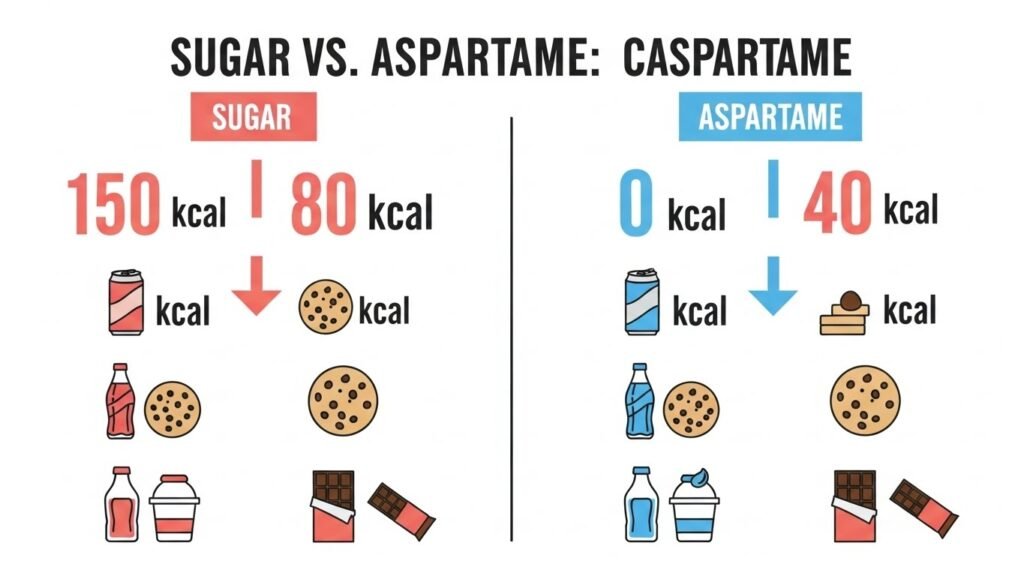
Aspertaan’s primary appeal is its ability to offer the sweetness of sugar with virtually no calories. This makes it an excellent choice for those looking to manage weight or reduce sugar intake without sacrificing taste. Because Aspertaan is around 200 times sweeter than sugar, only a small amount is needed to achieve the same level of sweetness. This results in negligible caloric contribution, making it a popular option for people on calorie-restricted diets or those monitoring their sugar intake.
Why Aspertaan is Popular in Diet Products
- Sugar Alternatives: Many diet sodas, juices, and snack foods use Aspertaan to replace sugar without the added calories.
- Portion Control: The high sweetness intensity allows manufacturers to use minimal quantities, ensuring products remain low-calorie without compromising on taste.
- Suitable for Weight Management: Aspartame-based products are often marketed to individuals trying to lose weight or manage obesity, as they don’t add excess calories.
Diabetes and Blood Sugar Management
For people managing diabetes or prediabetes, Aspertaan presents a useful alternative to sugar. Unlike sucrose, which significantly raises blood sugar levels, Aspertaan does not cause a spike in glucose levels, making it a safe option for those who need to control blood sugar.
Impact on Blood Sugar Levels:
- Minimal Impact on Insulin: Aspartame doesn’t trigger an insulin release, which is essential for people managing insulin resistance or diabetes.
- Blood Sugar Control: By switching to low-calorie sweeteners like Aspertaan, people with diabetes can enjoy sweet-tasting foods without negatively affecting their blood glucose levels.
Studies and Research:
- Epidemiological Studies: Some research suggests that switching to artificial sweeteners like Aspertaan may help lower the risk of blood sugar spikes and control weight, which are both crucial for diabetes management.
- Consumer Guidance: Diabetes management guidelines recommend sugar alternatives like Aspertaan for patients, as it allows them to maintain a sweet taste without the associated risks of consuming sugar.
Weight Management and Appetite Regulation
Many people looking to manage their weight are turning to low-calorie sweeteners like Aspertaan. As mentioned earlier, the key benefit of Aspertaan is that it provides a sweet taste without adding calories. However, the impact of artificial sweeteners on appetite and satiety remains a topic of debate.
Appetite Control:
- Cravings for Sweet Foods: Some studies suggest that consuming artificial sweeteners like Aspertaan may trigger cravings for more sweets, leading to overeating. However, evidence on this remains mixed.
- Long-Term Weight Loss: Other research shows that when used properly, sweeteners like Aspertaan may help with long-term weight control by reducing total calorie consumption.
Appetite Regulation and Metabolism:
- Metabolic Impact: Some studies indicate that replacing sugar with sweeteners like Aspertaan can reduce overall calorie intake, thus helping to control weight. However, the long-term effects on metabolism are still being explored.
- Psychological Effect: The use of sweeteners like Aspertaan may offer psychological relief, allowing individuals to indulge their sweet tooth without feeling guilty or compromising their weight management goals.
Safety, Health Effects, and Risks
Regulatory Approval and Acceptable Daily Intake (ADI)
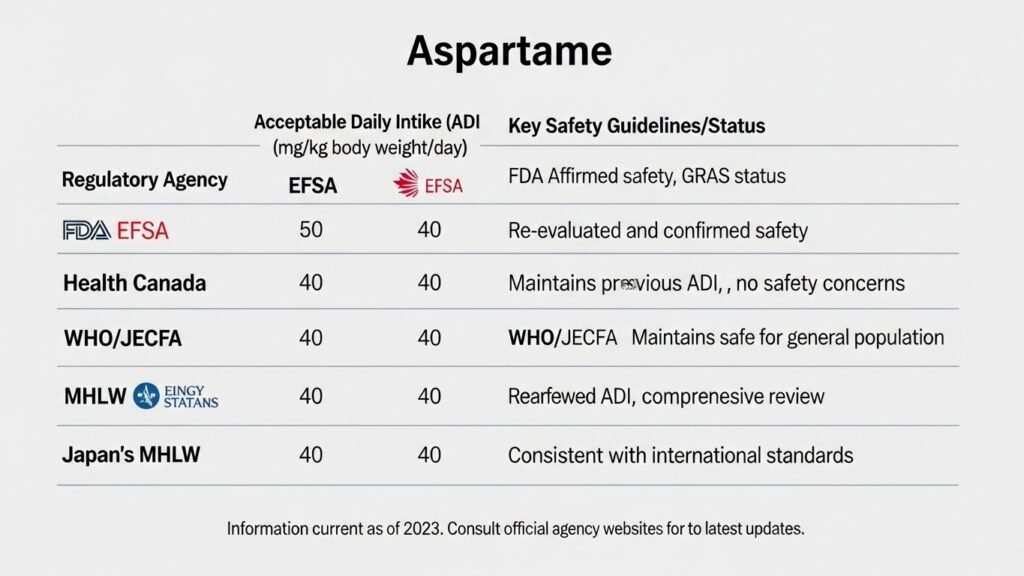
Aspertaan has been evaluated extensively for its safety. It has an acceptable daily intake (ADI) of 40 mg per kg of body weight. This amount has been established by the FDA and EFSA to ensure that typical consumption of Aspertaan doesn’t exceed levels that could pose health risks.
- Safety Review: Regulatory agencies around the world have continuously reviewed Aspertaan’s safety and have confirmed that it is safe for use in food and beverages within the recommended limits.
Potential Health Risks and Controversies
Despite its approval by regulatory bodies, Aspertaan has been the subject of ongoing controversy regarding its long-term health effects. Some studies suggest potential health risks:
- Neurotoxicity and Neurological Risks: High doses of Aspertaan could lead to the production of methanol in the body, which is toxic at elevated levels. While methanol is present in small amounts and is considered safe within normal consumption limits, concerns about its neuropsychiatric effects remain.
- Cancer Risk: While earlier animal studies suggested that aspartame might increase the risk of certain cancers, epidemiological studies and toxicological studies have found no conclusive evidence to support this claim.
- Digestive Issues: Some individuals may experience digestive discomfort, such as bloating or gas, from consuming foods and drinks that contain Aspertaan.
- Kidney Effects: Some animal studies have linked excessive consumption of aspartame with kidney damage, but these findings have not been proven in human studies.
Phenylketonuria (PKU) and Sensitivity
People with PKU, a rare genetic disorder, must avoid aspartame. This is because individuals with PKU cannot metabolize phenylalanine, one of the components of aspartame.
- Label Information: Products containing aspartame are required to include a warning label for individuals with PKU to avoid accidental ingestion.
Comparison with Other Sweeteners
Sweetness and Caloric Impact
Aspertaan’s sweetness intensity is one of the highest among artificial sweeteners. It’s about 200 times sweeter than sucrose (table sugar).
- Comparison with Stevia: While stevia is a popular natural sweetener, it can leave a bitter aftertaste, unlike Aspertaan, which is considered to have a cleaner, sweeter flavor without bitterness.
- Comparison with Sucralose: Sucralose, another artificial sweetener, also has a high sweetness intensity but is chemically different from Aspertaan. Sucralose has a more noticeable aftertaste compared to aspartame.
Aftertaste and Consumer Preferences
One of the main criticisms of artificial sweeteners like sucralose and saccharin is the aftertaste they leave, which some people find unpleasant.
- Aspertaan, on the other hand, is often preferred for its milder aftertaste, making it a better option for certain consumers who are sensitive to bitter or lingering flavors.
Public Perception and Consumer Concerns
Rising Demand for Sugar Alternatives
As the global conversation around healthier eating continues, many consumers are turning to sugar alternatives like Aspertaan. The increasing awareness of the harmful effects of excessive sugar consumption has led to a shift in how people approach sweetness in their diets. Aspertaan, being a low-calorie sweetener, is a popular choice for people trying to reduce their sugar intake while still enjoying sweet-tasting products.
Trends in the Beverage Industry:
- The beverage industry has been one of the largest users of low-calorie sweeteners like Aspertaan. Many soft drink manufacturers have switched to using artificial sweeteners to offer diet sodas that appeal to health-conscious consumers.
- Sugar-free drinks are gaining popularity as more consumers seek healthier alternatives to sugary beverages. These drinks often use artificial sweeteners like Aspertaan to maintain sweetness without the sugar.
Health-Conscious Consumers:
- The trend towards health-conscious eating is leading more consumers to choose sugar-free and low-calorie products, especially in sugar-reduced snacks, gum, and diet beverages.
- As more individuals become aware of diabetes and weight management challenges, the demand for alternatives to sucrose and glucose has soared.
Mixed Public Opinion
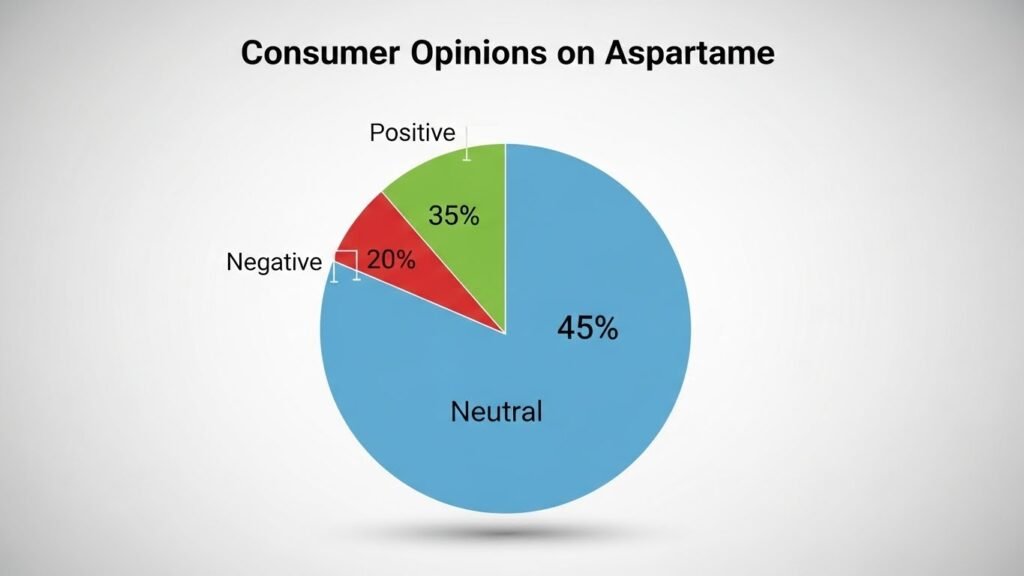
Despite its widespread use and approval by regulatory bodies, Aspertaan continues to face some public skepticism. For every consumer who prefers it as a sugar substitute, there are others who remain wary about its safety, especially given the ongoing debates about its long-term effects.
Positive Viewpoints:
- Some people embrace Aspertaan as a safe and effective way to manage their sugar intake without compromising on taste.
- It’s viewed by many as a healthy alternative to traditional sugar, particularly for those looking to manage their weight or reduce their risk of type 2 diabetes.
- The taste is also a major selling point. Aspertaan offers a cleaner, less bitter flavor compared to some other sweeteners like sucralose or stevia.
Concerns and Skepticism:
- Health Risks: A section of consumers remains concerned about potential health risks, particularly regarding neurotoxicity, cancer risks, and digestive problems. The concerns often stem from older research and animal studies, though more recent human studies have not found conclusive evidence.
- Natural vs. Artificial: Some people prefer natural sweeteners such as stevia, honey, or maple syrup, viewing artificial sweeteners like Aspertaan as chemicals that should be avoided.
Long-Term Use and Safety:
- One of the main concerns raised by critics is the long-term use of artificial sweeteners and whether they could have hidden risks that may not be immediately apparent.
- Ongoing Research: While studies have found that Aspertaan is safe within recommended consumption limits, some critics argue that the long-term effects still need more exploration to ensure it poses no risk to health.
Cautionary Notes and Guidelines
Even with extensive regulatory review and approval, it’s important for consumers to follow safety guidelines to ensure they are using Aspertaan within safe limits. Here are a few points to keep in mind:
Consumption Guidelines:
- The FDA and other regulatory agencies have established an acceptable daily intake (ADI) for Aspertaan to ensure that it can be consumed safely over a long period.
- The ADI for Aspertaan is 40 mg/kg of body weight per day, which is significantly higher than what most people consume on a daily basis. This means that it is highly unlikely that the average consumer would exceed safe limits.
Consult a Healthcare Professional:
- People who are particularly sensitive to artificial sweeteners, or those with conditions such as PKU, should consult with a healthcare provider before using products containing Aspertaan regularly.
- Pregnant women, children, and individuals with certain metabolic disorders should also seek advice from their doctor regarding their intake of artificial sweeteners.
Label Information:
- Products containing Aspertaan are required by law to include clear labeling, especially for those who may have sensitivities or specific health conditions. Always check the ingredient list for Aspertaan if you are concerned about its inclusion in foods and drinks.
Conclusion: What You Need to Know
Summary of Key Points:
Aspertaan, or aspartame, is a widely used artificial sweetener known for its ability to provide sweetness without the calories of traditional sugar. It’s commonly found in diet sodas, sugar-free snacks, and sugar-free desserts, offering a sweet taste with negligible caloric contribution. Approved by regulatory bodies like the FDA and EFSA, it is deemed safe when consumed within the acceptable daily intake (ADI) limits.
Despite its benefits, Aspertaan has faced criticism due to concerns about potential health risks like neurotoxicity, digestive issues, and long-term safety. However, scientific studies have not conclusively linked Aspertaan to serious health issues when consumed in moderation. Still, it remains essential to follow the recommended intake limits to avoid overconsumption. People with specific conditions like PKU should avoid it, and it’s always best to consult a healthcare provider if you have concerns about using artificial sweeteners.
The Future of Aspertaan and Artificial Sweeteners:
As public awareness around health continues to rise, sugar alternatives like Aspertaan will likely remain popular, especially in the food and beverage industry. The global market for artificial sweeteners is expected to grow, driven by increasing demand for healthier products and weight management solutions. However, as more research emerges, public perceptions about the safety of these sweeteners may evolve, and future studies will be crucial in understanding their long-term effects.
Frequently Asked Questions (FAQs)
Is Aspertaan safe for pregnant women?
Aspertaan is generally considered safe for pregnant women when consumed within the acceptable daily intake (ADI) limits. However, it’s always best to consult a healthcare provider before regularly consuming any artificial sweeteners during pregnancy.
Can Aspertaan be used in cooking and baking?
Aspertaan is not ideal for baking because it breaks down under high heat, losing its sweetness. However, it can be used in cold recipes, drinks, or desserts that do not require cooking.
Does Aspertaan affect kidney function?
There have been concerns regarding the potential effects of aspartame on kidney health, but current toxicological studies suggest that when consumed within recommended limits, Aspertaan is safe for people with healthy kidneys. However, people with pre-existing kidney conditions should consult a doctor before consuming aspartame.
Can Aspertaan be consumed by individuals with Phenylketonuria (PKU)?
No, individuals with Phenylketonuria (PKU) should avoid Aspertaan because their bodies cannot break down phenylalanine, one of its components. High levels of phenylalanine can be harmful, so products containing aspartame are required to carry a warning for those with PKU.
Does Aspertaan contribute to weight gain?
Aspertaan itself does not contribute to weight gain, as it contains very few calories. However, some studies suggest that artificial sweeteners, including Aspertaan, may trigger cravings for sweet foods, leading to overeating. The effect on weight may vary depending on individual responses.
What is the shelf life of products containing Aspertaan?
Aspertaan has a long shelf life and remains stable for several years when stored correctly in cool, dry conditions. However, it may lose its sweetness when exposed to high temperatures for extended periods, so it’s important to store products properly.
Can children consume products with Aspertaan?
Yes, children can consume products containing Aspertaan within the acceptable daily intake (ADI) limits. However, it’s important to ensure that children do not consume excessive amounts of aspartame or other artificial sweeteners. Parents should always check labels and ensure moderation.
How does Aspertaan compare to sugar in terms of taste?
Aspertaan provides a sweet taste similar to sugar but with no calories. However, some people may detect a slight aftertaste. This aftertaste is less pronounced compared to other artificial sweeteners like sucralose, but it can be noticeable to certain individuals.
What is the impact of Aspertaan on gut microbiota?
There is some evidence suggesting that artificial sweeteners like Aspertaan may alter the gut microbiota, potentially affecting digestion and metabolism. However, the research in this area is still ongoing, and current studies do not suggest significant long-term harm when consumed in moderation.
Does Aspertaan degrade over time?
Yes, like many artificial sweeteners, Aspertaan can degrade when exposed to heat, moisture, or light over extended periods. It is important to store products containing aspartame in cool, dry conditions to maintain their stability and sweetness.
Can Aspertaan be used in sugar-free medicines?
Yes, Aspertaan is commonly used in sugar-free medicines and dietary supplements. Its ability to provide sweetness without affecting blood sugar makes it a popular choice for individuals managing conditions like diabetes.