Skip to content
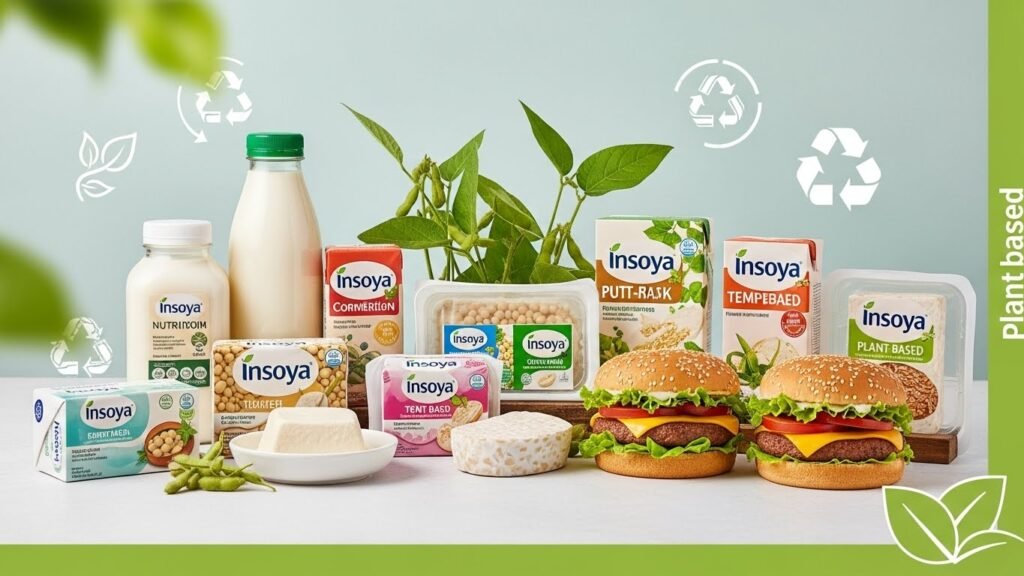
Insoya is emerging as a game-changer in the world of plant-based nutrition. It is not just another soy-based product; it represents a modern approach to wellness and sustainable living. Insoya combines the nutritional powerhouse of soy with innovative food technology and environmentally responsible practices, providing a solution for those looking to make health-conscious and eco-friendly food choices. As the global population grows and consumer preferences shift toward healthier, sustainable diets, Insoya stands out by offering a unique combination of nutritional benefits and eco-conscious production methods.
In this article, we will delve into what Insoya is, its nutritional profile, the many health benefits it offers, its various uses in modern diets, and how it contributes to a more sustainable world. We will also explore the challenges Insoya faces and how it is reshaping global food systems.
What is Insoya?
Insoya is a revolutionary concept in the world of plant-based nutrition. Derived from soybeans, Insoya goes beyond traditional soy-based products by enhancing soy’s natural properties through modern food technology. This approach makes Insoya a highly nutritious, easy-to-digest, and environmentally sustainable food option.
Definition and Core Concept
Insoya is built on the foundation of soy, but it is far more than just a regular soy product. Insoya leverages advanced food processing technologies to improve the digestibility and nutrient absorption of soy. It offers a complete protein source, rich in essential amino acids, and is also packed with micronutrients, such as vitamins, minerals, and fiber.
What sets Insoya apart from traditional soy is its commitment to both health and sustainability. The products are designed not only to be nutritious but also to have a minimal environmental impact. This makes Insoya a great option for those seeking healthier diets while minimizing their carbon footprint.
Key Features
- Enhanced Nutritional Value: Insoya contains a complete amino acid profile, providing high-quality protein that rivals animal-based protein sources. It is also packed with healthy fats, vitamins, and minerals essential for overall health.
- Sustainable Practices: Insoya is produced with eco-friendly practices that reduce environmental harm. By using soy as a protein source, it significantly lowers greenhouse gas emissions, water consumption, and land use compared to animal agriculture.
- Adaptable to Modern Lifestyles: Insoya fits seamlessly into various dietary lifestyles, from vegan to flexitarian, making it an ideal choice for consumers seeking a healthier and more sustainable diet.
Nutritional Profile of Insoya
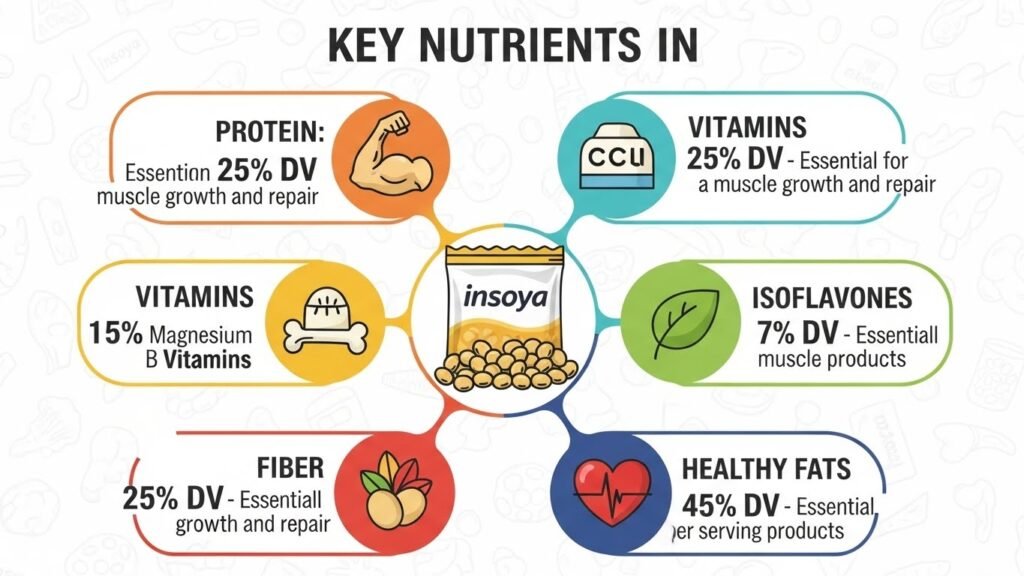
Insoya is an incredibly nutrient-dense food product, making it an excellent choice for those looking to maintain a balanced diet. It is rich in essential proteins, micronutrients, and healthy fats, all of which contribute to its many health benefits.
Protein and Amino Acids
Insoya provides a complete protein source, meaning it contains all nine essential amino acids that our bodies cannot produce on their own. These amino acids are crucial for various bodily functions, including muscle repair, enzyme production, and immune support.
- Branched-Chain Amino Acids (BCAAs): Insoya is particularly rich in BCAAs, which are essential for muscle growth and recovery. This makes it an excellent protein option for athletes and fitness enthusiasts who need to support their muscle tissue after exercise.
Micronutrients and Bioactive Compounds
Insoya is not just a protein powerhouse; it also provides several vital vitamins and minerals that play a crucial role in overall wellness.
- Vitamins and Minerals: Insoya contains calcium, magnesium, and iron, which are important for bone health, energy production, and oxygen transport in the blood. It is also a good source of B-vitamins, which are essential for metabolism and nervous system health.
- Isoflavones: These naturally occurring compounds are found in soy and have been shown to support hormonal balance. Isoflavones act as phytoestrogens, meaning they can mimic the action of estrogen in the body, which is particularly beneficial for women during menopause.
- Healthy Fats: Insoya contains polyunsaturated fats, which are heart-healthy fats that help reduce bad cholesterol levels and support cardiovascular health.
Fiber
The fiber in Insoya plays a significant role in promoting digestive health. Fiber aids in digestion, prevents constipation, and helps maintain healthy blood sugar levels. Additionally, it contributes to increased satiety, which can help with weight management by making you feel fuller for longer.
Comparison to Other Protein Sources
Insoya not only provides all the essential nutrients found in traditional soy but also enhances the bioavailability of these nutrients. Unlike some soy products that may be difficult to digest or less nutrient-dense, Insoya is designed to optimize nutrient absorption, making it a superior choice for plant-based nutrition.
Health Benefits of Insoya
Insoya is more than just a protein source; it offers a wide range of health benefits that contribute to overall wellness. The combination of high-quality protein, healthy fats, fiber, and micronutrients makes Insoya a valuable addition to any diet.
Cardiovascular Health
Insoya supports heart health by improving cholesterol levels and reducing the risk of cardiovascular disease. The polyunsaturated fats in Insoya are known to lower LDL (bad) cholesterol while increasing HDL (good) cholesterol. Additionally, the antioxidant properties of isoflavones help reduce oxidative stress, which is linked to heart disease.
- Lower Cholesterol: Insoya has been shown to reduce LDL cholesterol and improve heart health, making it an excellent choice for individuals looking to lower their risk of heart disease.
Hormonal Balance
The isoflavones in Insoya can help balance hormones, especially in women experiencing menopause. These compounds mimic the action of estrogen in the body, providing natural support during hormonal fluctuations.
- Phytoestrogen Benefits: Isoflavones can alleviate symptoms associated with menopause, such as hot flashes and mood swings. They may also support bone health by regulating calcium absorption during this transitional phase.
Bone Health
Insoya is rich in calcium and magnesium, two minerals that are crucial for maintaining strong, healthy bones. Regular consumption of Insoya can help reduce the risk of osteoporosis, a condition where bones become weak and brittle.
- Supports Bone Density: The calcium and magnesium in Insoya help promote bone strength and density, which is especially important as we age.
Muscle Support and Fitness
Insoya is an excellent protein source for muscle recovery. Its complete amino acid profile, including BCAAs, makes it perfect for athletes, bodybuilders, and those engaged in regular physical activity.
- Muscle Recovery: Insoya promotes muscle repair and growth, helping to optimize recovery after workouts or strenuous physical activity.
Weight Management
The high fiber content in Insoya helps promote feelings of fullness, which can reduce overall calorie intake. Coupled with its low calorie content, Insoya is an excellent choice for those looking to manage or lose weight.
- Appetite Control: The fiber in Insoya helps curb hunger, making it easier to stick to a healthy diet without overeating.
Digestive Health
Insoya’s fiber content also supports digestive health by improving regularity and gut health. It can help prevent constipation and promote a healthy digestive tract.
- Gut Health: Insoya’s soluble and insoluble fiber helps keep your digestive system running smoothly, promoting overall gut health.
Chronic Disease Prevention
Insoya’s antioxidant properties, especially those from isoflavones, help combat oxidative stress and inflammation, both of which are linked to chronic diseases like diabetes, heart disease, and cancer.
- Antioxidants: The isoflavones in Insoya act as antioxidants, protecting cells from damage and potentially lowering the risk of chronic diseases.
Uses and Applications of Insoya
Insoya is an incredibly versatile product that can be incorporated into a wide variety of foods and meals. Whether you’re looking for dairy alternatives, meat substitutes, or a protein supplement, Insoya has something to offer.
Dairy Alternatives
Insoya offers a range of dairy alternatives that are perfect for those who are lactose intolerant or following a vegan diet.
- Soy Milk: A popular dairy alternative that provides the creaminess of milk without lactose.
- Soy Yogurt and Cheese: Non-dairy options that are rich in protein and perfect for those avoiding traditional dairy.
Meat Alternatives
Insoya is also used to create plant-based meat substitutes. These products replicate the taste and texture of meat, making it easier for people to transition to a plant-based diet.
- Plant-Based Burgers and Sausages: Insoya is used to create meat-like textures in plant-based burgers and sausages, providing an excellent source of protein without the environmental impact of meat production.
Protein Powders and Supplements
Insoya protein powders are available for those looking to supplement their diet with additional protein, particularly useful for athletes or fitness enthusiasts.
- Protein Shakes: Insoya-based protein powders can be mixed into shakes to boost protein intake and aid in muscle recovery.
Traditional and Modern Recipes
- Tofu, Tempeh, and Miso: These are traditional soy products that are staple foods in many cultures. They are versatile and can be used in a variety of dishes.
- Fusion Dishes: Insoya is used in fusion cuisine, where traditional soy-based products are adapted to modern cooking techniques and global flavors.
Snack Innovations
Insoya is increasingly being used in snack foods that provide a healthy, protein-packed alternative to traditional snacks.
- Soy Crisps and Bars: Insoya is used in convenient snack products that are high in protein and low in calories.
Insoya and Sustainability
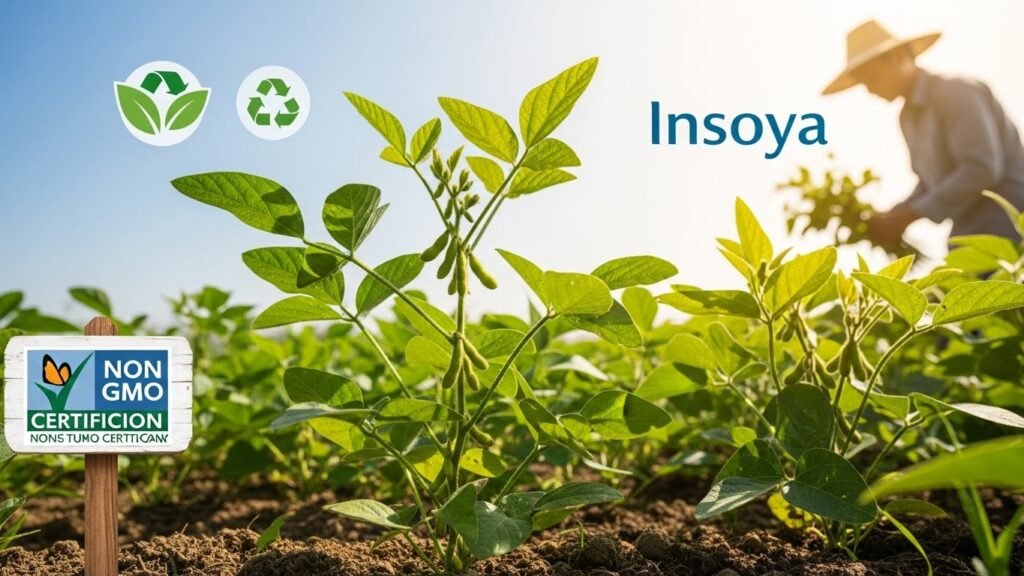
Insoya is not just a nutrition-packed food source; it also contributes significantly to sustainability. As environmental issues like climate change, water scarcity, and deforestation continue to escalate, adopting plant-based nutrition like Insoya can help mitigate some of these problems. The environmental impact of producing Insoya is far lower than that of animal-based protein sources, making it a crucial player in creating a more sustainable food system.
Environmental Impact of Insoya
Insoya production offers several environmental advantages over traditional animal agriculture. From lower carbon emissions to better land use, Insoya can help reduce humanity’s ecological footprint.
- Lower Carbon Footprint: Insoya emits fewer greenhouse gases compared to the production of animal proteins. The process of growing soy requires significantly less energy, which translates to a reduction in carbon emissions.
- Water Efficiency: Producing soy requires far less water than raising livestock. For example, the water needed to produce one pound of beef is much greater than that required to produce an equivalent amount of soy protein.
- Land Use: Insoya production uses less land compared to animal agriculture. Growing soy is more efficient, reducing the need for vast areas of land and helping prevent deforestation, especially in areas like the Amazon rainforest.
Ethical Benefits of Insoya
As consumer demand for more ethical food choices rises, Insoya provides a cruelty-free, plant-based alternative to meat. By choosing Insoya over animal-based products, individuals are supporting more humane food production methods.
- Cruelty-Free Production: Insoya is entirely plant-based, so no animals are harmed in its production. This is a key consideration for many consumers who are concerned about animal welfare and ethical food production.
- Supporting Sustainable Food Systems: By opting for Insoya, consumers are contributing to a food system that is less reliant on animal agriculture, which is a leading cause of deforestation, water pollution, and biodiversity loss.
Contribution to Global Food Security
Insoya has the potential to play a significant role in addressing global food security. As the world’s population continues to rise, the demand for sustainable, affordable, and nutritious food will increase. Insoya offers a solution by providing an efficient source of protein that can help meet these growing demands.
- Affordable Protein Source: Insoya is an inexpensive alternative to animal proteins, making it an accessible source of nutrition for people in developing countries or those on a tight budget.
- Global Reach: The versatility and affordability of Insoya make it a promising solution to feed the global population, particularly in regions where access to animal-based protein is limited.
Insoya in Modern Diets
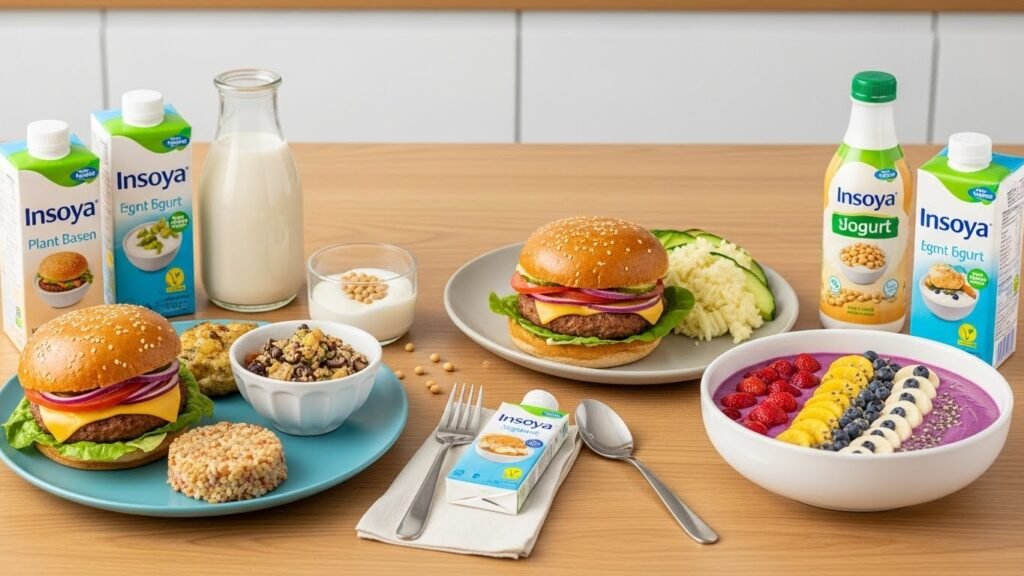
The rise in plant-based eating has shifted the way consumers view their diets, and Insoya has found its place in this evolving food landscape. From vegan to flexitarian, Insoya fits seamlessly into various dietary preferences, offering a nutritious, environmentally-friendly option for all.
The Rise of Plant-Based Eating
As awareness grows around the environmental impact of animal agriculture, many people are opting for plant-based diets to reduce their carbon footprint. Insoya is at the forefront of this movement, offering a sustainable and nutritionally complete alternative to animal proteins.
- Health-Conscious Eating: Plant-based eating is no longer seen as a niche lifestyle; it has entered the mainstream. As more people prioritize health, wellness, and sustainability, Insoya meets the demand for nutritious, plant-based options.
- Flexitarian and Vegan Diets: Insoya appeals to vegans, vegetarians, and flexitarians alike, offering a complete protein source that helps reduce the reliance on animal-based foods.
The Functional Food Movement
Insoya also plays a role in the growing functional food movement, where food products are used not just for basic nutrition but also for specific health benefits. With its rich protein content, fiber, and bioactive compounds, Insoya is marketed as a food that can support wellness beyond just filling nutritional gaps.
- Functional Ingredients: Insoya’s use of soy’s natural antioxidants and isoflavones positions it as a food that supports overall wellness, from boosting immunity to promoting heart health.
- Health Optimization: For consumers who are looking to optimize their diet for specific health goals, Insoya offers a convenient and effective solution.
Clean Label and Minimal Processing
Consumers are increasingly demanding foods that are minimally processed and free from artificial ingredients. Insoya’s clean label and natural formulation cater to this demand, offering a product that is as close to nature as possible.
- Natural Ingredients: Insoya is made from soybeans and is processed with minimal additives. This aligns with the growing consumer preference for clean, simple ingredients in their food.
- Transparency: Many consumers value transparency in food production, and Insoya meets this need by offering products with clear labels and minimal processing.
Challenges in Insoya Adoption
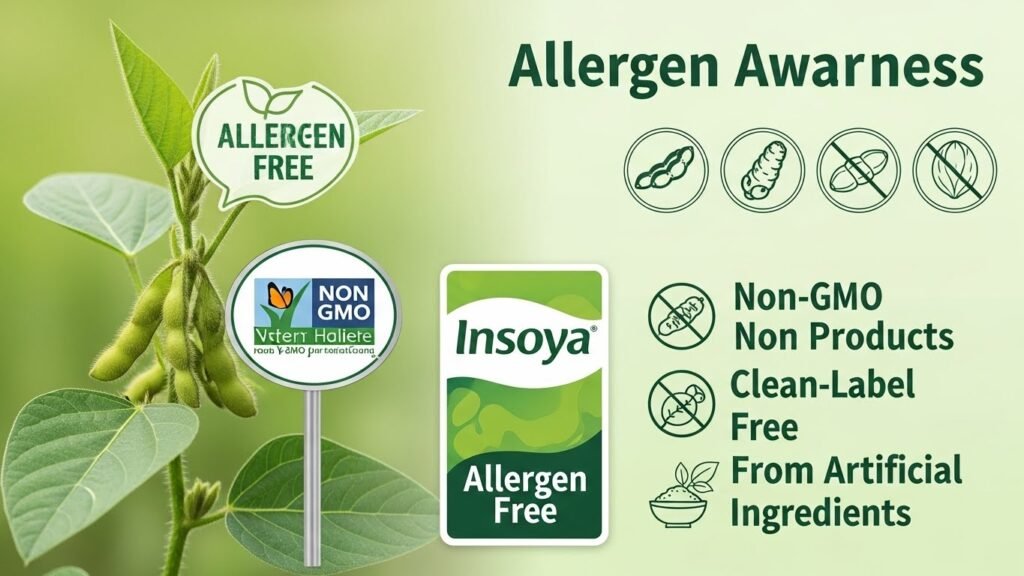
Despite its many benefits, Insoya faces certain challenges that could hinder its widespread adoption. From allergen concerns to cultural barriers, there are several factors that need to be addressed for Insoya to fully realize its potential in the global food market.
Allergic Reactions and Sensitivities
Soy is a common allergen, which poses a significant challenge for Insoya in certain markets. Those with soy allergies must avoid Insoya, and this can limit its consumer base.
- Soy Allergy: People with soy allergies may experience reactions ranging from mild symptoms, such as hives, to severe reactions like anaphylaxis. As a result, Insoya must be carefully labeled to ensure the safety of consumers with soy sensitivities.
GMO and Ethical Concerns
The majority of soybeans grown today are genetically modified (GMO), which raises concerns for some consumers who prefer organic or non-GMO products. Insoya must address these concerns to appeal to a wider audience.
- GMO Controversy: Some consumers are wary of GMOs due to concerns about their safety and environmental impact. Offering non-GMO Insoya products could help address these concerns.
- Organic Options: As demand for organic products grows, Insoya can also consider offering organic variants to appeal to the health-conscious consumer.
Over-Processing and Nutrient Loss
While Insoya is designed to enhance the nutritional value of soy, over-processing could lead to nutrient loss. Ensuring that Insoya products are minimally processed is essential for maintaining their health benefits.
- Processing Methods: Insoya must balance between improving digestibility and retaining the nutritional integrity of soy. Excessive processing could result in a loss of important nutrients, which would reduce the health benefits of the product.
Taste and Cultural Acceptance
Soy-based products, despite their nutritional value, can be challenging for some people to accept due to taste preferences or cultural dietary habits.
- Cultural Barriers: In some regions, soy-based foods may not be culturally accepted, and traditional dietary habits may make it difficult for consumers to embrace Insoya fully.
- Flavor Adaptation: Insoya manufacturers will need to invest in making their products more palatable, particularly for those who are new to soy-based foods.
Technological Innovations in Insoya
The future of Insoya relies heavily on the advancement of food technology. From fermentation to AI-driven agriculture, Insoya’s production methods are constantly evolving to meet the needs of modern consumers.
Food Tech Advancements in Soy Processing
Insoya is not just about traditional soy products. It uses cutting-edge food technology to enhance its properties, making it more digestible and nutrient-rich.
- Fermentation Technology: This process is used to enhance the digestibility of soy and increase the bioavailability of nutrients. Fermentation also helps in reducing the potential allergens found in soy.
- Extrusion Technology: This is used to create meat-like textures for plant-based products, making Insoya a viable alternative for meat substitutes like burgers and sausages.
- Fortification and Enrichment: Insoya products are often fortified with additional nutrients, such as vitamins and minerals, to enhance their health benefits.
AI and Agriculture
Advances in agricultural technology, particularly AI, play a significant role in improving the efficiency and sustainability of soy production.
- Smart Farming: AI-driven farming techniques, such as precision agriculture, allow farmers to monitor soy crop health in real-time and optimize their yields.
- Sustainable Farming Practices: AI can help reduce the environmental impact of soy farming by minimizing the use of pesticides and fertilizers, and by ensuring that water and energy resources are used more efficiently.
The Future of Insoya
As the demand for plant-based products continues to rise, Insoya is well-positioned to expand its reach and play a leading role in the global shift toward sustainable nutrition. The future of Insoya looks bright, with innovations on the horizon and increasing consumer awareness about the benefits of plant-based diets.
Global Expansion of Plant-Based Diets
The growing popularity of plant-based diets presents a huge opportunity for Insoya to expand into new markets. As more people adopt plant-based lifestyles, Insoya’s products will become increasingly relevant.
- Personalized Nutrition: Insoya may explore personalized nutrition options, where its products are tailored to meet individual health needs using advanced data-driven insights.
- Increased Market Penetration: With the right marketing and product diversification, Insoya can reach more consumers across the globe, especially in regions where plant-based eating is gaining momentum.
Sustainability and Eco-Friendly Packaging
Sustainability will continue to be a major driver for Insoya’s growth. The company is likely to focus on reducing packaging waste and using eco-friendly materials in the coming years.
- Sustainable Packaging: Insoya will likely lead the way in adopting innovative packaging solutions that reduce environmental impact, such as biodegradable or recyclable materials.
Innovation and Adaptation
Insoya will keep evolving, with new product lines that blend traditional soy with new technologies to enhance their flavor, texture, and health benefits.
- New Product Development: Expect to see new and innovative Insoya products that cater to different dietary needs, including functional foods and supplements aimed at improving specific health outcomes.
Conclusion
Insoya represents the future of plant-based nutrition. With its enhanced nutritional profile, environmental benefits, and versatility in modern diets, it is positioned as a key player in the shift towards more sustainable and health-conscious eating. Whether it’s reducing our carbon footprint, providing a rich source of protein, or offering an innovative solution for a variety of dietary needs, Insoya is not just a product — it’s a movement towards better health and a better planet.
As we continue to face global challenges like climate change, food security, and public health concerns, Insoya offers a practical, scalable solution that addresses these issues while meeting the nutritional demands of a growing population. The future of Insoya is bright, with its potential to revolutionize how we think about food, sustainability, and wellness.
By embracing Insoya, we can take significant strides toward achieving a healthier, more sustainable lifestyle — one meal at a time. Whether you’re an athlete, a vegan, or someone looking to make more eco-conscious choices, Insoya is a valuable addition to your diet.
Frequently Asked Questions (FAQs)
1. Is Insoya suitable for people with soy allergies?
Insoya is derived from soybeans, so it may not be suitable for individuals with soy allergies. People with soy allergies should avoid consuming Insoya products. It’s important to read labels carefully to ensure they are not consuming any soy-based ingredients.
2. Can Insoya be used as a meat substitute in all recipes?
Insoya can be a great meat substitute in many dishes, particularly those where soy’s texture and flavor can shine, such as in burgers, sausages, and stir-fries. However, it may not work well as a meat substitute in certain dishes where the taste of meat is central. It’s important to experiment with recipes to see where Insoya fits best.
3. Does Insoya contain any genetically modified (GMO) ingredients?
Many soy products are made from genetically modified (GMO) soybeans. However, Insoya producers are increasingly offering non-GMO options to meet consumer demand for organic and GMO-free products. Be sure to look for products labeled “non-GMO” if you prefer to avoid genetically modified ingredients.
4. Can Insoya help with muscle building for athletes?
Yes, Insoya is an excellent source of plant-based protein, which is essential for muscle building and recovery. The high protein content, along with branched-chain amino acids (BCAAs), makes it a great choice for athletes and those looking to increase muscle mass or recover post-workout.
5. Is Insoya a good option for weight loss?
Insoya can be a helpful addition to a weight loss diet due to its high fiber and protein content, both of which promote feelings of fullness and help control appetite. Additionally, Insoya is low in calories compared to animal protein sources, making it a suitable option for those aiming to lose or manage weight.
6. Can Insoya be consumed by children and older adults?
Yes, Insoya can be consumed by both children and older adults as part of a balanced diet. However, it’s important to consider any allergies or dietary restrictions. Insoya provides essential nutrients like calcium, protein, and vitamins, which can benefit growing children and support the health of older adults.
7. How is Insoya different from regular soy products?
Insoya is specifically designed to enhance the digestibility and nutritional profile of traditional soy products. Through modern food processing techniques, Insoya improves nutrient absorption, reduces common allergens, and is often fortified with additional vitamins and minerals. It offers a higher bioavailability of nutrients compared to regular soy.
8. Is Insoya considered a “clean-label” food?
Yes, Insoya products typically adhere to clean-label standards, meaning they are made with simple, natural ingredients and are free from unnecessary additives or preservatives. Insoya’s commitment to minimal processing aligns with consumer demand for clean-label foods that are transparent and wholesome.
9. How does Insoya contribute to sustainability?
Insoya is produced with sustainability in mind. Soy production has a significantly lower environmental impact compared to animal agriculture. It requires less land, water, and energy, and produces fewer greenhouse gases. By choosing Insoya, consumers are supporting a more sustainable food system.
10. Can Insoya be used in desserts and sweet dishes?
Yes, Insoya can be used in desserts and sweet dishes. Its versatility allows it to be included in smoothies, protein bars, puddings, and even baked goods. Soy-based products like Insoya yogurt and milk can replace dairy in many dessert recipes, providing a creamy texture without the lactose.
11. How can I incorporate Insoya into my daily meals?
Insoya can be added to your daily meals in several ways:
- Breakfast: Use Insoya-based milk in smoothies or oatmeal.
- Lunch: Incorporate tofu or tempeh in salads, wraps, or stir-fries.
- Dinner: Try Insoya-based meat substitutes in pasta, curries, or veggie burgers.
- Snacks: Enjoy Insoya protein bars or soy crisps for a nutritious, on-the-go snack.
12. Is Insoya a source of omega-3 fatty acids?
Yes, some Insoya products are fortified with omega-3 fatty acids, which are essential for heart and brain health. However, not all Insoya products contain omega-3s naturally. Check the packaging to confirm if the product you’re buying is enriched with these healthy fats.
13. Can Insoya be consumed by pregnant women?
Yes, Insoya can be safely consumed by pregnant women, as it is a rich source of protein, vitamins, and minerals that are beneficial during pregnancy. However, it’s always recommended to consult with a healthcare provider to ensure that any dietary changes align with individual nutritional needs.
14. What are the environmental benefits of choosing Insoya over meat?
Choosing Insoya over meat helps reduce the environmental burden of food production. Insoya:
- Requires fewer natural resources (land, water, energy) than meat.
- Has a much lower carbon footprint, as livestock farming is responsible for significant greenhouse gas emissions.
- Reduces deforestation and habitat destruction caused by the need for grazing land.
15. Are there any side effects of consuming too much Insoya?
While Insoya is generally safe for most people, excessive consumption of soy-based products can cause digestive issues like bloating or gas, particularly for those unaccustomed to high-fiber foods. Additionally, some individuals may experience hormonal imbalances due to the phytoestrogens in soy. Moderation is key.
16. Can Insoya help with managing menopause symptoms?
Insoya, especially due to its content of isoflavones, can help alleviate some of the symptoms of menopause. Isoflavones act as natural phytoestrogens, which may help reduce hot flashes, mood swings, and other menopause-related symptoms by mimicking estrogen in the body.
17. Is Insoya available worldwide?
Yes, Insoya is available in many countries, especially as plant-based diets become more mainstream. However, availability may vary depending on local demand, distribution channels, and cultural preferences. It can typically be found in health food stores, supermarkets, and online marketplaces.
18. Can I find Insoya products that are organic and non-GMO?
Yes, there are organic and non-GMO Insoya products available. As demand for organic and non-GMO foods increases, manufacturers are offering these variants to cater to consumers who prefer to avoid genetically modified organisms (GMOs). Always check labels for certification if you are seeking organic or non-GMO options.