Skip to content
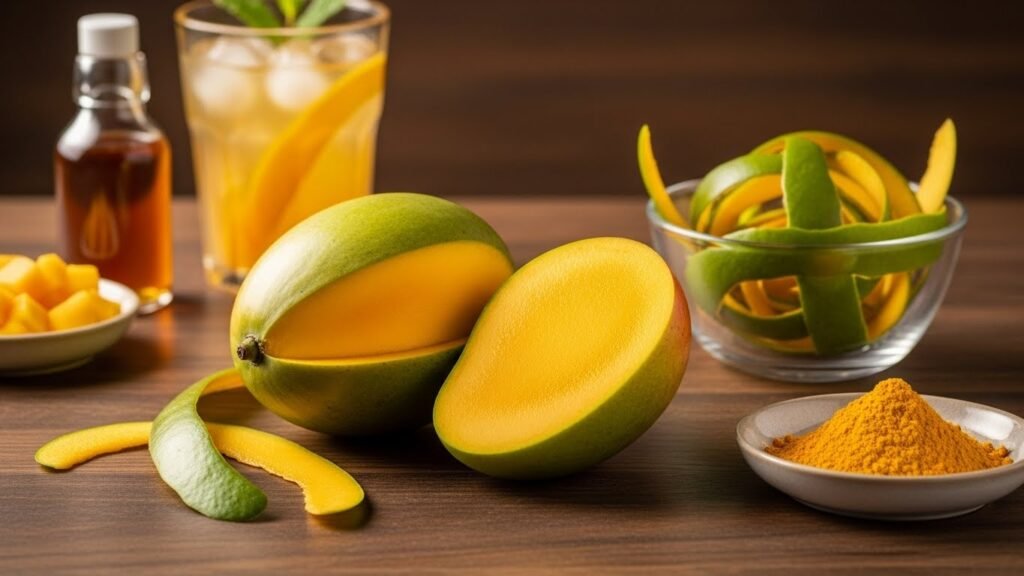
You probably love the sweet taste of a juicy mango. Most people just toss the skin right in the trash. But have you ever stopped to think: can you eat a mango with the skin?.
The answer might actually blow your mind. That outer rind is a total gift from the gods. It is not just a wrapper for the fruit.
Lately, more folks are trying to live a waste-free life. Using every part of the fruit is a great kitchen hack. It helps the planet and your body too.
The skin has a super strong smell like mango concentrate. It is like having a hundred roses in one single drop. Let’s dive into why this scrap is actually a superfood.
How to Identify a Perfectly Ripe Mango
Finding the right mango is the first step to a good snack. Not all mangoes look the same when they are ready. You have to know what to look for with different types.
The Amelie Variety
The Amelie mango is a real beauty when it is ripe. It turns a very deep orange color. It smells like a lady going to a fancy ball. This strong scent tells you the skin will taste great.
The Kent Variety
The Kent mango is a bit more tricky to spot. It often stays green even when it is totally ready. Its scent is very subtle and a bit shy. You have to feel this one to know it is good.
- The Squeeze Test: Give the fruit a very gentle press with your fingers.
- Softness: The whole fruit should feel soft all over.
- Yield: It should yield to your touch just a little bit.
- Texture: Ripe skin is much easier to chew than hard green skin.
Nutritional Powerhouse: Why You Should Eat the Skin
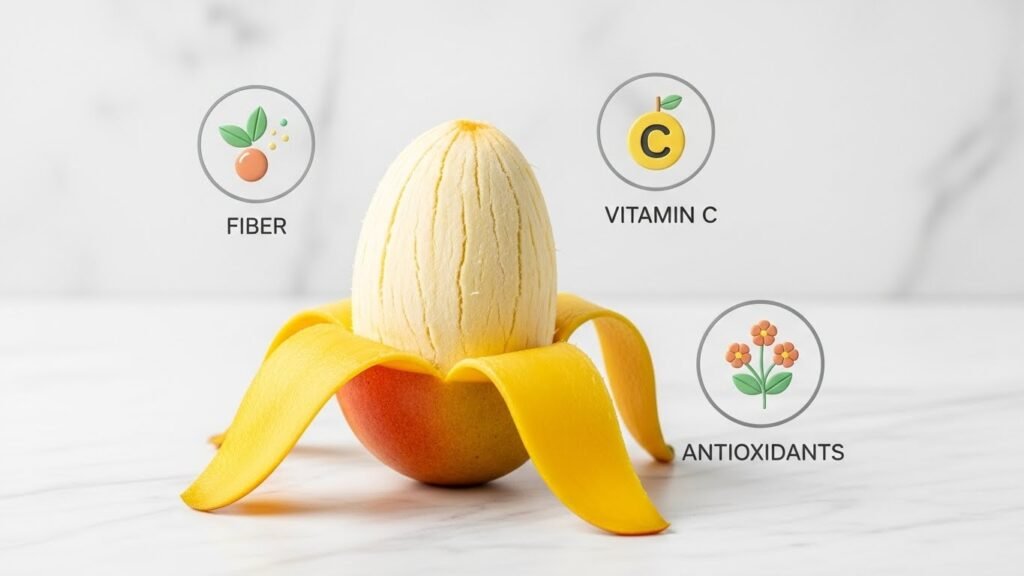
If you want to know “can you eat a mango with the skin,” look at the labels. The skin is actually packed with more good stuff than the flesh. It is a secret weapon for your health.
High Fiber Content
Mango skin is loaded with dietary fiber. This fiber helps your stomach work the right way. It keeps things moving and prevents a bloated feeling. Fiber can even lower your risk of getting diverticulitis.
Essential Vitamins
The rind is a gold mine for vitamins your body needs. It has a lot of Vitamin C to keep you from getting sick. You also get a big boost of beta-carotene. This helps your eyes and your skin stay healthy.
Antioxidant Profile
This fruit skin has powerful plant compounds called polyphenols. These antioxidants help fight off bad stuff in your cells. They help stop inflammation in your body. This keeps your immune system running like a champ.
Disease Prevention
Eating the peel might help keep big sicknesses away. Some compounds like triterpenes help fight against diabetes. Beta cryptothanxin is another nutrient found in the peel. It is known to help keep your heart very strong.
- Cancer Fight: Antioxidants in the skin may help fight brain and breast cancer.
- Colon Health: Compounds in the peel can protect your colon and lungs.
- Diabetes Support: Triterpenoids help your body manage sugar better.
- Heart Protection: The nutrients work to keep your blood flowing well.
Weight Management
Did you know mango skin might help you get slim?. Some studies show that peel extract helps reduce fat cells. It stops them from growing in the first place. This is great news if you are watching your weight.
Safety First: Understanding the Risks and Cautions
Even though it is healthy, you need to be careful. Not everyone can just dive into a pile of mango skins. There are a few things you must know first.
The Urushiol Warning
Mango skins contain a compound called urushiol. This is the same oil found in poison ivy. It might sound scary to hear that in a snack. Most people are totally fine eating it though.
Allergic Reactions
Some people have a very high sensitivity to this oil. You might get a red rash just from touching it. In rare cases, it can cause some breathing problems. If you have a poison ivy allergy, stay away.
Pesticide Concerns
Farmers often spray fruit to keep bugs away. This leaves a lot of pesticide residue on the skin. Eating these chemicals is not good for your health. This is why cleaning the fruit is so important.
Essential Preparation and Cleaning Steps
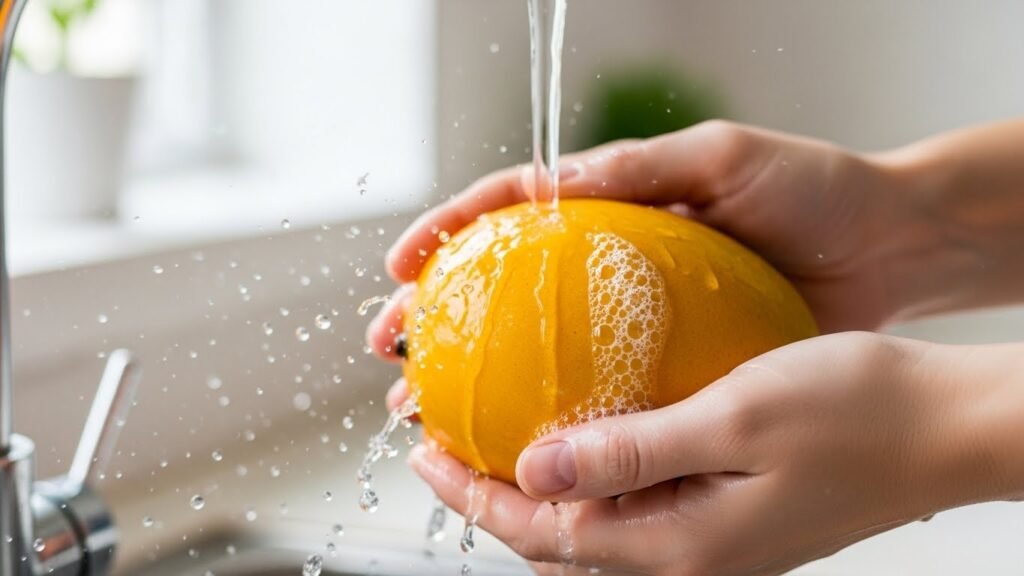
You can’t just pick up a mango and start biting. You have to prep it the right way first. This makes the skin safe and tasty to eat.
Deep Cleaning Techniques
Washing your mangoes is a huge deal. You need to get off all the dirt and germs. Many hands have touched that fruit before you. You want that skin to be squishy clean.
- Organic Soap: Use a tiny splash of organic dish soap.
- Rinse Well: Make sure to wash all the soap off completely.
- Fruit Cleaner: You can also use a special fruit wash spray.
- Scrubbing: Give the skin a gentle scrub with your hands.
The Test Run
If it is your first time, take it slow. Do not eat a whole bowl of skins at once. Eat just one small piece to see how you feel. Wait a while to make sure you have no reaction.
Peeling for Success
Forget about using a vegetable peeler for this task. Ripe mangoes are too soft for those tools. It will just make a big messy pile. A small sharp knife works much better.
Flesh-to-Skin Ratio
When you peel, try to leave a little fruit on. Bits of fruit make the skin taste much better. But if you want to dry them, use less flesh. Thin skins dry out much faster and stay fresh longer.
Step-by-Step Guide to Drying Mango Skins
- Clean the fruit: Wash your mangoes thoroughly with a splash of organic dish soap or fruit cleaner to remove any pesticide residue.
- Peel the mango: Use a sharp knife to remove the skin in long strips, leaving as little flesh on the peel as possible.
- Arrange on a tray: Place the strips on a large plate or tray in a single layer, making sure they do not overlap or touch each other.
- Find a drying spot: Set the tray in a cool, shady area like a kitchen counter or pantry where air can move freely.
- Wait one week: Let the skins air-dry for about seven days until they feel leathery or “squeezy” to the touch.
- Check for doneness: Ensure they are no longer wet; they should feel firm but slightly flexible.
- Store or grind: Keep the strips whole for tea, or use a spice grinder to turn them into a fine mango powder.
- Seal it up: Place your dried skins in an airtight glass jar and store them for up to six months.
Creative Ways to Use Fresh Mango Skins
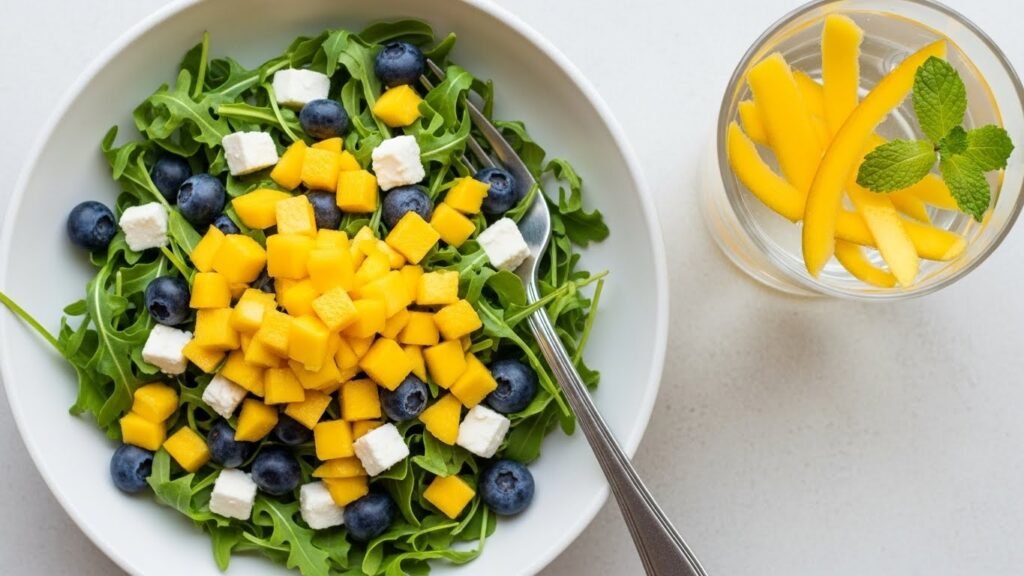
If the answer to “can you eat a mango with the skin” is yes, how do you do it?. There are many fun ways to use them fresh. You don’t have to just chew on a plain rind.
Direct Snacking
The easiest way is to just pop them in your mouth. Fresh skins are full of flavor and very juicy. They have a nice tart kick that is very refreshing. It is the ultimate waste-free snack for your day.
Smoothie Integration
Throw those peels right into your morning smoothie. The blender will chop them up so you don’t even notice. It adds a huge boost of fiber and vitamins. Your body will thank you for the extra fuel.
The Mango Lassi Upgrade
A mango lassi is a classic tropical treat. Adding the skin makes the mango taste even richer. It brings out a floral scent that is amazing. Just blend it all together until it is smooth.
Fruit-Infused Water
Do you find plain water a bit boring to drink?. Drop some fresh mango skins into your water bottle. It adds a sweet and exotic taste without sugar. It is perfect for a hot summer afternoon.
Culinary Accents
You can get fancy with your mango skins too. Chop them into very small pieces for a salad. They add a fruity twist that people won’t expect. It makes any summer salad look and taste great.
| Use Case | Benefit | Prep Style |
| Smoothie | Fiber Boost | Blended |
| Infused Water | Flavor | Sliced |
| Salad | Texture | Finely Diced |
| Snack | Quick Energy | Raw Strips |
Preserving the Peel: The Art of Drying Mango Skin

Drying your mango skins is a smart move. It lets you keep that goodness for a long time. It is one of the best ways to save food.
The Drying Process
You don’t need fancy tools to dry mango peels. You just need a little bit of patience. It is a very simple process anyone can do. It makes the skins last for months.
- Peeling: Cut the skins off your perfectly ripe mangoes.
- Spreading: Place them on a large plate or a tray.
- No Overlap: Make sure the pieces do not touch each other.
- Air Flow: Good air circulation is the key to drying.
Ideal Conditions
Put your tray in a cool and shady spot. A kitchen counter or a pantry works very well. Keep them away from any annoying fruit flies. You can cover them with a mesh food cover.
Expected Timeline
Drying usually takes about one full week to finish. The skins won’t get totally crispy like a cracker. They will stay a bit leathery or squeezy. That means they are ready to be used or stored.
Dehydrator Methods
If you have a dehydrator, you can go faster. Set the machine to 135°F for the best results. This will make them get nice and crispy. It turns the peels into a crunchy snack fast.
Transforming Dried Peels into Mango Powder
Once your skins are dry, you can make powder. This powder is like a magic dust for food. It is very easy to store in a small jar.
Grinding Techniques
A coffee grinder is a perfect tool for this. Just make sure it does not smell like old coffee. You can also use a high-speed blender container. Grind them until they are a fine, colorful dust.
Storage Solutions
Put your powder or strips in an airtight container. A glass jar with a twist-off lid is best. It will stay good for up to half a year. You will always have a mango boost ready.
Culinary Applications for Dried and Powdered Peels
There are so many ways to use these dried skins. You can add them to almost any meal. It is a great way to be creative in the kitchen.
Floral Teas
Dried mango skin makes a very fragrant tea. It has an exotic and floral scent that is lovely. You can drink it all by itself for a treat. Or mix it with peppermint or green tea.
Savory Dishes
Use your mango powder in your dinner recipes. Add a teaspoon to your favorite hot curries. It also goes great in a hearty vegetable stew. It adds a deep flavor that balances the spices.
Sweet Treats
Don’t forget about using it for dessert too. Sprinkle some powder into your coconut cake batter. It is amazing when stirred into fruit ice creams. It gives a floral kick to anything sweet.
Homemade Mango Chips
You can make your own healthy fruit chips at home. Season your peels with some tasty spices first. Then dehydrate them until they have a big crunch. They are a perfect snack to take on the go.
- Smoked Paprika: Adds a nice smoky flavor to the peel.
- Cumin: Gives the chips an earthy and warm taste.
- Salt: A little bit of salt makes the mango taste pop.
- Sugar-Free: This is a great way to avoid extra sugar.
Mango Peel Syrup
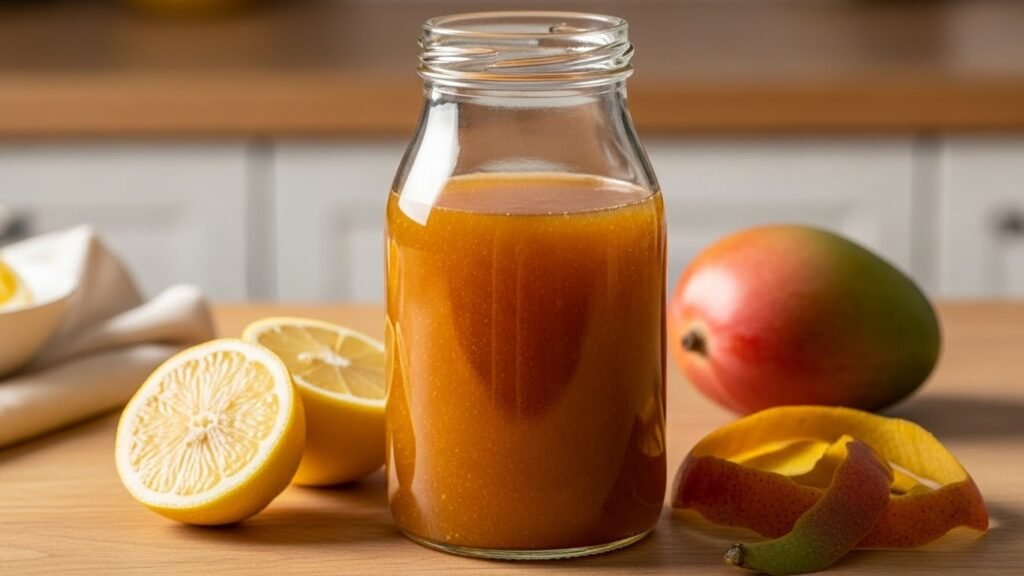
This is a very cool way to use the peels. Mix a pound of peels and pits with sugar. Add a lemon or a lime for some tartness. Let it sit overnight until it turns into syrup.
Final Recap and Future Adventures
So, can you eat a mango with the skin?. You totally can, and it is a health win. It is a great way to stop food waste. Plus, it gives your body a ton of fiber.
Remember to always wash your fruit very well first. Watch out for any signs of an allergic rash. Stick to ripe mangoes for the best flavor possible.
Frequently Asked Questions
Can I eat the skin of a mango if I am pregnant?
Yes, it is generally safe to eat the skin while pregnant as long as you wash it thoroughly to remove pesticides and bacteria. However, you should check with your doctor first if you have a history of severe allergies to poison ivy.
Are there specific mango varieties that have thinner skins?
Some varieties like the Ataulfo (honey mango) have thinner, less fibrous skins that are easier to chew than the thick skins of a Tommy Atkins. The Kent and Amelie varieties also offer a more palatable texture when fully ripe.
Does cooking the mango skin remove the urushiol?
Cooking or heating the skin does not completely remove urushiol, but it may change the structure of the proteins for some. If you have a known allergy, heat is not a guaranteed way to make the skin safe for you.
Can mango skin help with skin health when applied topically?
The antioxidants and Vitamin C in the peel are great for the skin, and some people use mango peel extracts in DIY face masks. However, those with urushiol sensitivity should never apply it directly to their face.
Is it better to eat the skin raw or dried for nutrition?
Raw skins contain the highest amount of Vitamin C, which can be sensitive to heat and air. Dried skins retain their fiber and mineral content but may lose a small amount of heat-sensitive vitamins during the drying process.
Can I feed mango skins to my dog or cat?
While the flesh is fine, the skin is very tough and can be a choking hazard or cause a blockage in small pets. It is generally safer to stick to small pieces of the soft mango flesh for your furry friends.
How much mango skin is too much to eat in one day?
Due to the very high fiber content, eating too much at once might cause stomach cramps or gas. Starting with the skin of half a mango and seeing how your digestion reacts is a smart approach.
Do mango skins contain any harmful nightshade compounds?
No, mangoes belong to the Anacardiaceae family, not the nightshade family, so they do not contain solanine. Their primary chemical concern is urushiol, which is unrelated to nightshades.
Can mango skin powder be used as a natural food coloring?
Yes, ground mango skin powder can provide a natural yellow or orange tint to frostings, yogurts, and batters. It also adds a subtle floral flavor along with the color.
Does the color of the skin indicate its nutrient level?
Deeply colored skins (like dark orange or red) often indicate higher levels of carotenoids and antioxidants. However, green varieties like Kent are still very nutritious when they are soft and ripe.
Can I use mango skins to make a natural hair rinse?
Some traditional practices use boiled mango skins to create a nutrient-rich water for hair. The polyphenols are thought to help strengthen hair strands, but always patch test for allergies first.
Are frozen mango skins still healthy to eat?
Freezing mango skins is an excellent way to preserve their nutrients. You can drop frozen skin strips directly into a high-speed blender for smoothies.
Does eating the skin affect the glycemic index of the mango?
The high fiber content in the skin can actually help slow down the absorption of sugar from the fruit flesh. This may lead to a more stable blood sugar response compared to eating the flesh alone.
Can mango skins be used in compost if I don’t want to eat them?
Absolutely, mango peels are organic matter that breaks down well in a compost pile. They add valuable nutrients back into the soil for your garden.
Is there a difference in urushiol levels between organic and conventional mangoes?
The urushiol is a natural compound produced by the tree, so it exists in both organic and conventional mangoes. Organic status only relates to the lack of synthetic pesticides.
Can I pickle mango skins like watermelon rinds?
Yes, mango skins can be pickled in a mixture of vinegar, sugar, and spices. Pickling softens the tough fibers and creates a unique, tangy condiment.
Should I peel mangoes under running water to reduce urushiol contact?
Washing the fruit with soap or a fruit wash is more effective than just running water. If you are very sensitive, wearing gloves while peeling is the safest method.
Can mango skin tea help with a sore throat?
The anti-inflammatory properties of the polyphenols in mango skin tea may provide some soothing relief. Adding honey and ginger to the tea can further help with throat irritation.
Is mango skin more nutritious than apple skin?
Both are healthy, but mango skin contains unique compounds like mangiferin and certain triterpenes not found in apples. It typically has a higher fiber density than an apple peel.
Can mango skin extract be found in supplements?
Yes, some health stores sell mango peel extract in capsule or powder form. These are often marketed for weight management or antioxidant support.