Skip to content
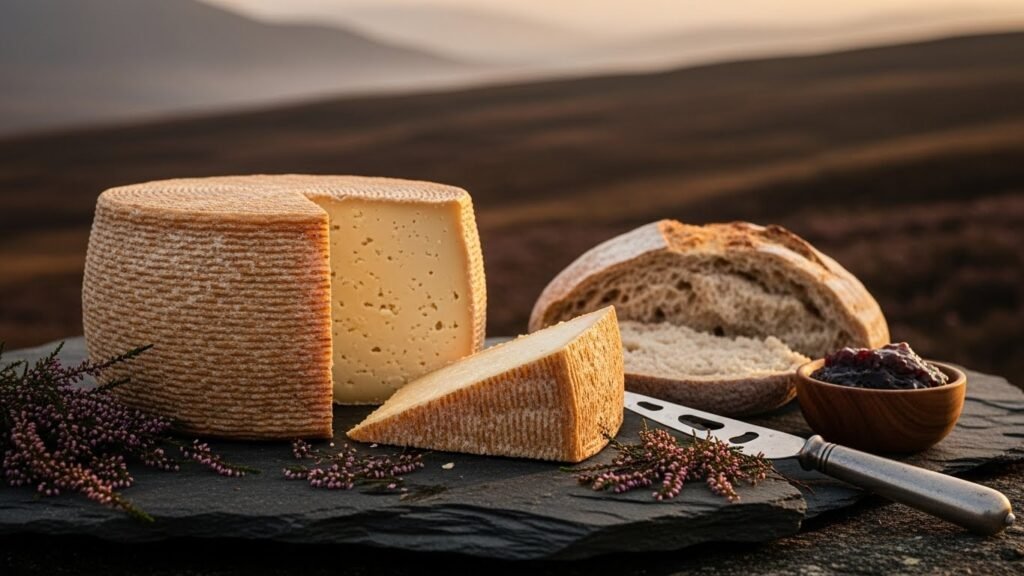
If you think you know everything about dairy, wait until you try grouse cheese. This rare treat comes from the wild highland regions. It is not like the plastic slices you see at the store. This cheese is a piece of history you can actually eat. It brings the taste of the mountains right to your kitchen table.
Introduction: Discovering Grouse Cheese
Grouse cheese is a special kind of semi-hard cheese. Artisans make it using raw milk that has not been pasteurized. This means all the natural goodness stays inside the product. It has a deep connection to the wild places where it is born. People love it for its earthy and full-bodied taste.
What is Grouse Cheese?
This is an artisan gem that comes from remote communities. It is made by hand using very old methods. Most of this cheese comes from cows or sheep that live in the hills. The milk they produce is rich and packed with natural flavors. It is a real dairy product that stands out from the crowd.
The Name Explained
You might wonder if this cheese has birds in it. It does not actually contain any birds. The name comes from the terrain where the red grouse lives. This bird loves the same heather fields where the dairy animals graze. So the name tells you exactly where the cheese was made.
A Sensory Overview
Eating this cheese is like taking a trip to a heather meadow. It has a rustic texture that feels firm in your hand. When you warm it up, it gets a beautiful creamy finish. The smell is nutty and a little bit herbal. It is a total sensory experience for anyone who loves good food.
What Makes Grouse Cheese Unique?
There are many things that make this cheese stand out. It starts with the land and the animals. Most big factories use milk from cows that stay inside all day. Grouse cheese is the exact opposite of that. It is a product of nature and hard work.
The Raw Milk Difference
The biggest secret is the use of unpasteurized milk. This keeps the milk in its most natural state. It preserves the tiny things that give cheese its soul. You get a much more complex flavor this way. Many people say it tastes more alive than regular cheese.
Terroir and Flavor
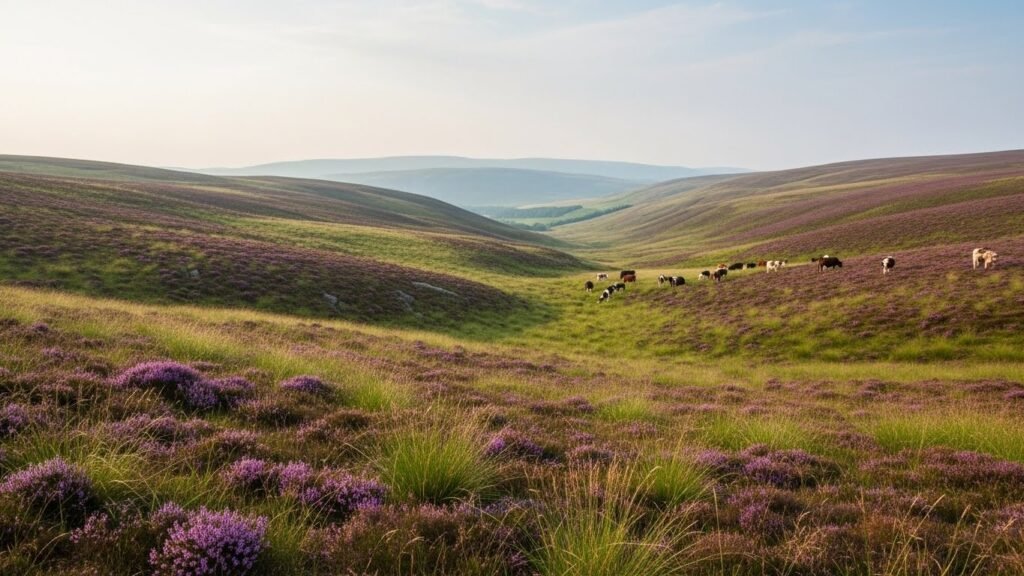
Terroir is a fancy word for how the land affects food. In the highland regions, the soil is rocky and the air is fresh. The animals eat natural herbs and wild forage all day long. This diet changes the way their milk tastes. That unique flavor goes straight into every wheel of cheese.
Artisanal vs. Industrial
Factories make thousands of blocks of cheese every single day. They use machines and big metal vats. Grouse cheese is made in small batches by real people. They watch over every step of the process. This artisan approach ensures the quality is always top-notch.
The History and Heritage of Grouse Cheese
This cheese has a very long story to tell. It belongs to the culinary heritage of the mountain terrain. For hundreds of years, people have made it the same way. It is a tradition that has survived against all odds.
Ancient Preservation Roots
Long ago, people in the mountains did not have refrigerators. They had to find a way to keep milk from spoiling. Making cheese was the best preservation method they had. It allowed them to store food for the cold winter months. This cheese was a literal lifesaver for many families.
Generational Knowledge
The recipes for this cheese were never written in books. Parents taught their children how to handle the milk. They learned how to feel the curd with their hands. This secret knowledge stayed within remote communities for centuries. It is a craft that is passed down with a lot of pride.
The Role of the Highland Weather
The highland weather is often cool and very damp. This might seem bad, but it is great for making cheese. The moisture in the air helps the cheese age perfectly. It allows the flavors to grow without the cheese drying out. Nature is the most important worker in the cheeseroom.
The Journey from Pasture to Plate: How It’s Made
Making grouse cheese takes a lot of patience and skill. You cannot rush perfection when it comes to dairy. Every step needs to be done just right to get that great taste. It is a slow process that pays off in the end.
Sourcing the Milk
Everything starts with the animals on the mountain. They spend their days wandering through heather fields. They drink clean water and eat the best wild forage. This results in milk that is very high in fat and protein. That high quality is the foundation of the cheese.
The Traditional Curdling Process
Once the milk is ready, it goes into a vat. The cheesemaker adds natural rennet to make it thick. This turns the liquid milk into a soft gel called curd. It is a magical moment where the cheese begins to form. They have to keep the temperature steady during this stage.
Cutting and Pressing
The cheesemaker uses a tool to cut the curd into small pieces. This lets the liquid whey drain away from the solids. Then they put the curds into molds and apply pressure. This pressing gives the cheese its final shape and semi-hard texture. It takes a lot of strength to do this by hand.
The Aging Ritual
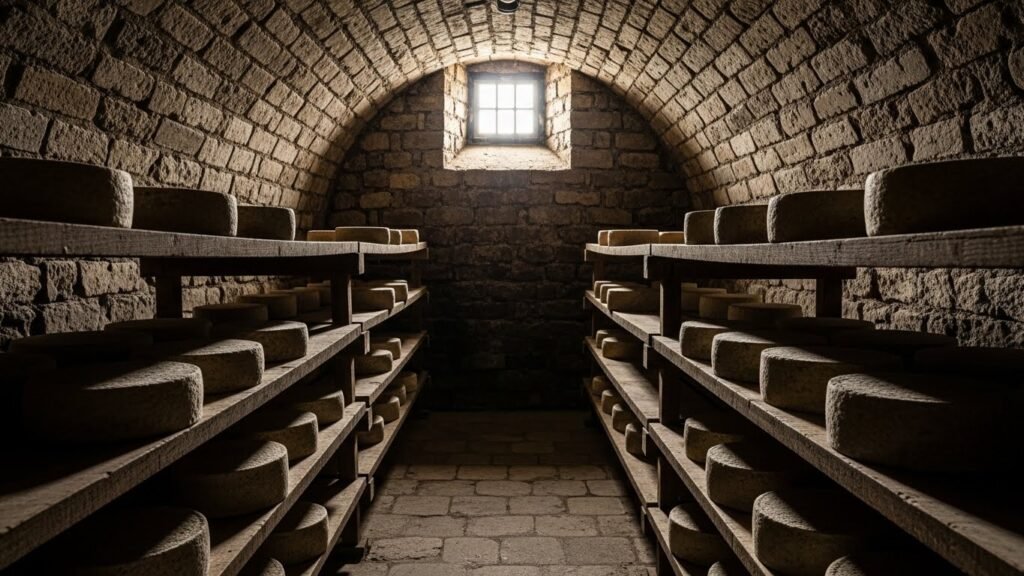
The fresh cheese is not ready to eat just yet. It needs to rest in stone cellars or wooden cellars. These places stay cool and dark all year round. The aging process can take weeks or even many months. This is when the earthy and nutty flavors really develop.
The Power of Wild Fermentation
Wild fermentation is what gives this cheese its punch. It is a natural process that happens because of the raw milk. It creates a flavor that you just cannot get from a factory. It makes every bite feel like a celebration of nature.
Living Cultures
Raw milk is full of living cultures and beneficial bacteria. These tiny things are very good for your health. They work inside the cheese to create different textures and scents. They are like a tiny army of flavor makers. Without them, the cheese would be very boring.
Complexity of Taste
Wild fermentation creates a very wide range of flavors. You might taste a bit of grass or a hint of spice. The enzymes in the milk change the fats into delicious compounds. This complexity is why chefs love using it in their kitchens. It keeps your taste buds guessing with every single bite.
Safety Standards
Some people worry about raw milk being dangerous. However, traditional cheesemaking has built-in safety steps. The acidity and the salt in the cheese stop bad germs from growing. When it is aged properly, it is perfectly safe to enjoy. Artisans follow very strict rules to keep everything clean.
Flavor Profile and Sensory Texture
When you finally get a piece of grouse cheese, take a moment to look at it. It usually has a beautiful, natural rind on the outside. The inside is a lovely cream or golden color. It looks as good as it tastes.
- Earthy notes that remind you of the forest floor.
- Nutty undertones that taste a bit like toasted walnuts.
- Herbal hints from the wild plants the animals ate.
- Creamy finish that coats your mouth when the cheese melts.
- Rustic texture that is firm and satisfying to chew.
Health and Nutritional Benefits of Grouse Cheese
This cheese is not just tasty; it is also good for you. It is a natural food with no weird chemicals. It is packed with things your body needs to stay strong. It is a guilt-free way to enjoy a gourmet snack.
Dense Nutrient Profile
This dairy product is a great source of calcium and protein. These are vital for keeping your bones and muscles healthy. It also has vitamins that you might not find in processed foods. It is a very efficient way to get high-quality nutrition.
Probiotic Advantages
Because of the wild fermentation, this cheese has natural probiotics. These help your gut stay happy and balanced. Good gut health is linked to a better immune system and mood. So eating this cheese might actually make you feel better overall.
The Lactose Question
Many people are lactose-sensitive and avoid dairy. But the aging process breaks down most of the lactose in this cheese. This means many people find it much easier to digest. It is a great way to enjoy cheese without the tummy trouble.
Clean Label Eating
This product is low in processed ingredients. It has no fake colors or artificial preservatives. It is just milk, salt, rennet, and time. This makes it a perfect choice for people who want to eat clean. You can trust exactly what is going into your body.
How to Use Grouse Cheese in Your Meals
There are so many ways to enjoy this cheese in your daily life. It is very versatile and works in many different recipes. You can eat it plain or use it as a secret ingredient. It will make any meal feel a lot more special.
Elevated Cooking Techniques
You can use this cheese to upgrade your favorite hot dishes. It melts beautifully and adds a lot of depth to your food.
- Grate it over hot roasted beets or a baked potato.
- Melt it into a savory scone for a perfect afternoon snack.
- Whisk it into a sauce for a really rich pasta dish.
- Top your quiches with it to get a crispy and flavorful crust.
Fresh Applications
You do not always have to cook the cheese to enjoy it. It is great served cold or at room temperature too.
- Crumble it over a fresh salad with arugula and kale.
- Add thin slices to a sandwich for a gourmet lunch.
- Pair it with fresh slices of apple or fig.
- Shave it over a warm grain bowl for extra richness.
The Art of the Cheese Board: Perfect Pairings
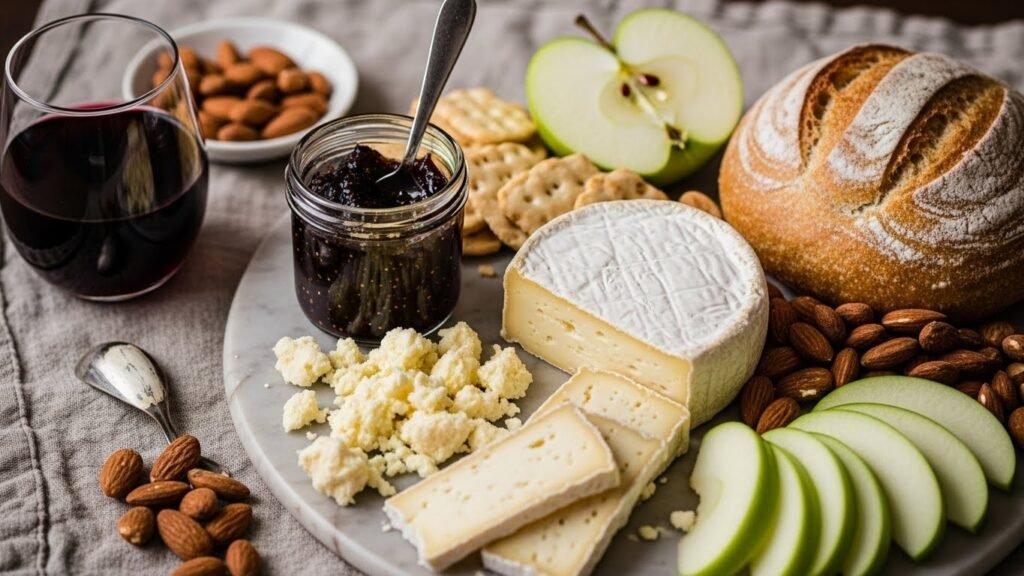
Building a cheese board is a fun way to share this treat. It is all about finding the right food pairing. You want flavors that work together without being too loud. It is like a little party for your mouth.
Bread and Crackers
You need a good base for your cheese. A crusty loaf of sourdough is always a winning choice. You can also use oatcakes or dark rye bread for a rustic feel. The crunch of the bread goes great with the firm cheese.
Sweet Accompaniments
Sweet things help balance the salty and earthy taste of the cheese.
- Fig jam provides a deep and fruity sweetness.
- Honey drizzled over the cheese is a classic move.
- Spiced chutney adds a bit of zing to every bite.
- Dried apricots offer a chewy and bright contrast.
Fruit Pairings
Fresh fruit makes the cheese board look beautiful and taste fresh.
- Sliced apples give a crisp and tart flavor.
- Fresh figs are soft and pair perfectly with the texture.
- Grapes add a burst of juice that cleans your palate.
- Roasted almonds give a nice crunch and extra nuttiness.
Beverage Matchmaking
The right drink can make the cheese taste even better. You should try to match the intensity of the drink with the cheese.
- Full-bodied red wine is a very popular choice.
- Local ales bring out the herbal and earthy notes.
- Hard cider works well with the apple notes in the cheese.
- Sparkling water with lemon is a great non-alcoholic option.
Tips for Storing and Serving Grouse Cheese
Artisan cheese needs a little bit of love to stay fresh. You should treat it with respect so it does not go to waste. Proper artisan cheese storage is the key to a great snack.
Proper Storage Methods
Never use plastic wrap to store your cheese. It stops the cheese from breathing and can ruin the flavor.
- Use wax paper or parchment paper to wrap it up.
- Place it in the vegetable drawer of your fridge.
- Keep it in a loose bag to maintain some moisture.
- Eat it within two to three weeks of opening it.
Serving Etiquette
To get the best flavor, you need to plan ahead. Serving cheese straight from the fridge is a big mistake.
- Bring it to room temperature at least an hour before eating.
- Use a clean knife to prevent mixing other flavors in.
- Cut only what you need to keep the rest fresh.
- Let the rind stay on for the best presentation.
Sustainable and Ethical Production

One of the best things about this cheese is how it helps the planet. It is part of a sustainable production system. This means it is made in a way that can keep going for a long time. It respects the earth and the animals involved.
Small-Scale Farms
This cheese usually comes from small-scale farms. These are often family-owned businesses that care about their community. They do not use big machines that hurt the land. Supporting them helps keep local traditions alive.
Animal Welfare
The cows and sheep live a very good life. They use natural grazing methods on the open hills. They are not crowded into tiny pens or fed weird chemicals. Happy animals produce much better milk for the cheese.
Biodiversity
Eco-friendly farming helps protect the variety of life in the mountains. By grazing naturally, the animals help the wild plants grow better. This supports bees, birds, and other wild creatures. It is a cycle of life that keeps the highlands healthy.
Buyer’s Guide: Finding and Selecting Grouse Cheese
Since it is a niche product, you might have to look a bit harder for it. You will not usually find it in a regular big-box store. But the hunt is definitely part of the fun.
Where to Buy
You should look for this cheese in special places.
- Farmers’ markets are the best place to find local makers.
- Artisan cheese shops often have a great selection.
- Gourmet retailers online can ship it right to your door.
- Local farm shops in the highland regions always have it.
Identifying Authenticity
Make sure you are getting the real deal. Check the label for words like raw milk or unpasteurized. Look for the name of the farm or the region where it was made. Real grouse cheese will feel heavy and have a natural-looking rind.
Seasonality
The taste of the cheese can change with the seasons. Spring cheese might be very floral because of the new flowers. Winter cheese might be richer and more savory. Trying it at different times of the year is a great way to learn about it.
Grouse Cheese vs. Other Global Varieties
How does this mountain cheese compare to the ones you know? It has its own personality that makes it stand out. It is fun to see how it stacks up against the world’s most famous cheeses.
Comparison Table
| Cheese Type | Milk Type | Grazing Style | Flavor Profile |
| Grouse Cheese | Raw Milk | Wild Forage | Earthy & Nutty |
| Standard Cheddar | Pasteurized | Industrial Feed | Sharp & Simple |
| Brie | Pasteurized | Field Grazing | Buttery & Mild |
| Gruyère | Raw Milk | Alpine Pasture | Sweet & Salty |
The Partridge Cheese Confusion
Sometimes people get the name mixed up. They might ask for partridge cheese by mistake. While there are other bird-named cheeses, grouse cheese is the true highland star. Just remember the red grouse and you will find the right one.
The Future of Grouse Cheese
The world is starting to realize how great traditional food is. More and more people are looking for real flavors and honest stories. This means the future looks very bright for this mountain treasure.
The Artisan Revival
Young people are moving back to the hills to learn these old skills. They are using modern ideas to help the traditional methods work even better. This energy is keeping the craft from disappearing. It is a beautiful blend of the old and the new.
Global Reach
Thanks to the internet, people all over the world can learn about this cheese. It is starting to appear on the menus of very fancy restaurants. People everywhere are fallng in love with the taste of the highlands.
Conclusion: Why Grouse Cheese Is Worth Discovering
Grouse cheese is so much more than just a snack. It is a connection to a wild and beautiful place. It represents hard work, tradition, and a love for nature. Every bite tells a story of the mountains and the people who live there.
If you get the chance to try it, do not pass it up. It will change the way you think about dairy forever. It is a simple pleasure that brings a lot of joy to the table. You are not just eating cheese; you are tasting a piece of the highlands.
Frequently Asked Questions (FAQs)
Is grouse cheese safe to eat since it’s made with raw milk?
Yes, when made and aged properly by experts, it is totally safe. The aging process naturally protects the cheese from bad bacteria.
How long does grouse cheese last?
If it is unopened and kept in the fridge, it can last for months. Once you cut it, you should finish it within two to three weeks.
Can lactose-intolerant people eat grouse cheese?
Many people find they can eat it without any issues. This is because the aging process removes most of the lactose.
Where can I buy authentic grouse cheese?
The best places are local farmers’ markets or specialty artisan cheese shops. You can also find many high-quality gourmet retailers online.
What is the best way to enjoy grouse cheese?
Try it on a piece of sourdough bread with some fig jam. Or simply melt it over some roasted vegetables for a quick and delicious meal.
Is grouse cheese actually made from a bird?
No, the cheese is strictly a dairy product made from the raw milk of cows or sheep. The name “grouse” refers to the wild mountain terrain and heather fields where the red grouse bird lives and where the dairy animals graze.
Why is unpasteurized milk used in the process?
Unpasteurized or raw milk is used to keep the natural enzymes and beneficial bacteria intact. This traditional cheesemaking method allows for a much more complex and full-bodied flavor profile that industrial milk cannot provide.
What kind of animals provide the milk for this cheese?
The milk primarily comes from cows and sheep that are native to highland regions. These animals are chosen for their ability to thrive on rocky soil and mountain terrain.
How does the highland weather affect the cheese?
The cool and damp highland weather is perfect for the aging process in stone cellars. These specific climate conditions help the cheese develop its characteristic rustic texture and earthy aroma.
Is it safe to eat cheese made from raw milk?
Yes, when produced using traditional cheesemaking methods and aged properly, it is safe to eat. The natural acidity and aging time serve as preservation methods that protect the product.
How long does the aging process usually take?
The cheese is typically rested in wooden cellars or stone cellars for several weeks to many months. This long wait allows the flavor to transition from mild to a deep, nutty, and herbal profile.
Can I find grouse cheese in a regular supermarket?
It is rarely found in big supermarkets because it is a niche, artisanal product. You are much more likely to find it at farmers’ markets or through specialized gourmet retailers.
What is the best way to store this cheese at home?
You should wrap the cheese in wax paper or parchment instead of plastic wrap. Store it in the vegetable drawer of your fridge to keep it from drying out while letting it breathe.
Why should the cheese be served at room temperature?
Serving the cheese at room temperature allows the fats to soften, which releases the full flavor profile and creates a creamy finish. Cold cheese often tastes muted and lacks the characteristic heather meadow aroma.
Does grouse cheese contain any probiotics?
Yes, because of wild fermentation and the use of living cultures, the cheese contains natural probiotics. These can be very helpful for healthy digestion.
Is this cheese a good choice for people with lactose sensitivity?
Many lactose-sensitive individuals can enjoy this cheese because the aging process breaks down much of the lactose. This makes it a gentler dairy product for the stomach.
What makes the texture of grouse cheese “rustic”?
The texture is described as rustic because it is firm and semi-hard, often with small holes or a slightly crumbly nature. It is not perfectly smooth like mass-produced processed cheese.
Are there any synthetic additives in the production?
Traditional grouse cheese is made on small-scale farms with no synthetic fertilizers or chemical additives. This commitment to eco-friendly farming ensures a clean and natural product.
What are some popular food pairings for grouse cheese?
It pairs beautifully with sourdough bread, caramelized onions, and charcuterie like prosciutto. For a sweeter contrast, try it with fig jam or fresh apple slices.
Can grouse cheese be used in cooked recipes?
Absolutely, it is great in quiches, savory scones, or melted over roasted beets. Its ability to melt smoothly makes it a favorite for gourmet hot dishes.
How does “wild forage” influence the milk?
When animals eat wild forage like heather and mountain herbs, those flavors pass into the milk. This gives the final cheese a unique herbal and nutty taste that reflects the land.
Is grouse cheese considered a sustainable product?
Yes, it is often tied to sustainable production and biodiversity. Small-scale farms use natural grazing which helps maintain the health of the remote communities and the environment.
What is the difference between grouse cheese and partridge cheese?
While names might be similar, grouse cheese is a specific highland-style artisan gem. There is no official “partridge cheese,” though people sometimes confuse the names of traditional mountain cheeses.
How can I tell if the cheese is truly artisanal?
Look for labels that mention raw milk, small-batch production, and specific highland regions. True artisanal cheese will have a natural-looking rind and a complex flavor profile.
Why is the cheese often aged in stone cellars?
Stone cellars provide a naturally stable temperature and high humidity. This environment is essential for the beneficial bacteria and enzymes to develop the cheese correctly over time.