Skip to content
Are you standing in the grocery aisle staring at cans? You might wonder, are red beans and kidney beans the same? It is a super common question for home cooks. Many people think they are just different names for one bean. This guide will help you spot the real deal every time. You will learn why these legumes are so different in your kitchen.
Understanding the Legume Debate: Are Red Beans and Kidney Beans the Same?
The short answer is no, they are not. While they share a color, they have different vibes. People often mix them up because both look reddish and delicious. Some brands even use the names loosely on their labels. This makes the confusion even worse for shoppers.
Common Misconceptions
Many shoppers think the only difference is the brand name. They believe any red-colored bean works in any recipe. This is not true because they act differently when heated. Using the wrong one can change your whole dinner experience. It is important to know which one to grab for your meal.
Biological Classification
These two beans actually come from different plant families. Kidney beans belong to the Phaseolus vulgaris species. Many red beans are actually adzuki beans, or Vigna angularis. They are distinct plants with their own growth habits. This means they are not even close relatives in the plant world.
The Generalist Label
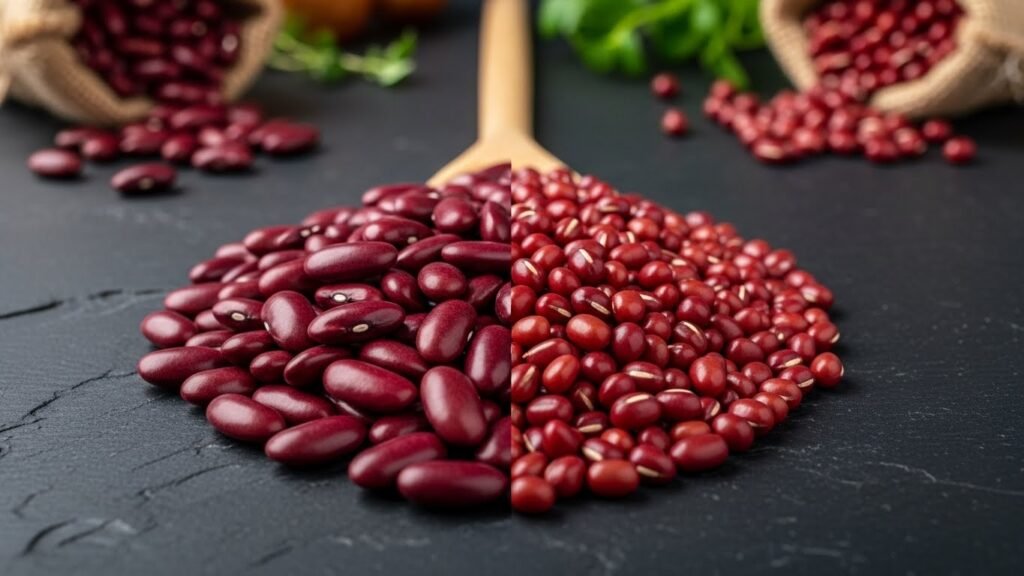
Grocery stores sometimes slap a “red bean” label on everything. This generalist approach confuses everyone who wants to cook. You might see small red beans and kidney beans side by side. Both might just say “red beans” on the front of the can. Always check the fine print to see what is inside.
Physical Characteristics and Identification
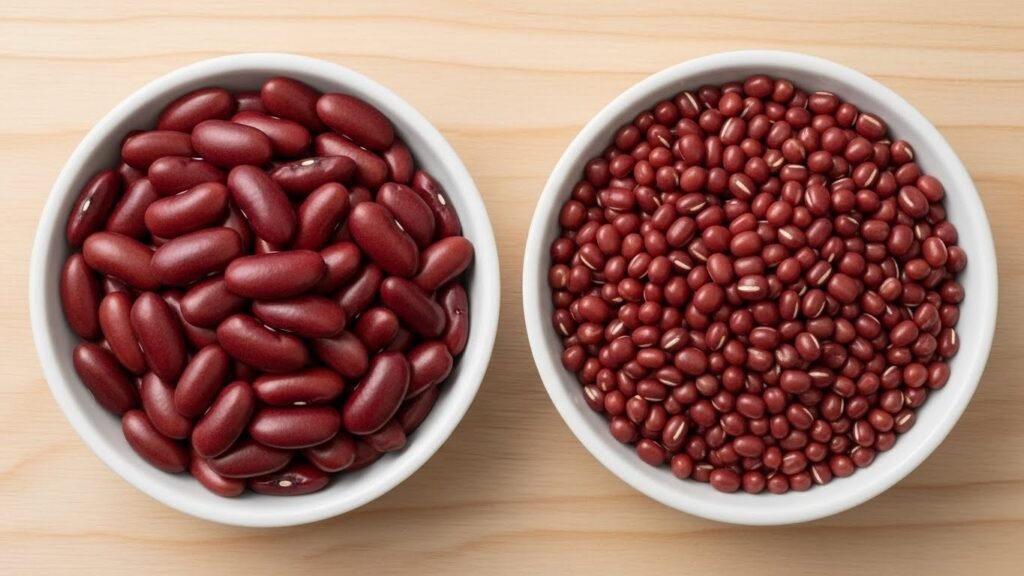
Identifying these beans is easy once you know the tricks. You just have to look at the shape and the skin. They each have a very specific look that tells their story. One is big and bold, while the other is small and cute. Let’s look at how to tell them apart quickly.
Size and Shape
- Kidney beans are large and shaped like a human kidney.
- Red beans are much smaller and have a rounder, oblong shape.
- Kidney beans have a very noticeable curve in their middle.
- Red beans look more like tiny pebbles or small oval stones.
Color and Texture
- Kidney beans usually have a deep, dark crimson or glossy red color.
- Red beans can look a bit lighter or even slightly pinkish sometimes.
- Kidney beans have a thick and tough outer skin that stays firm.
- Red beans feature a much thinner and smoother skin that breaks easily.
Nutritional Breakdown: A Side-by-Side Comparison
Both of these beans are total health stars in your diet. They are packed with plant-based protein and tons of dietary fiber. You really can’t go wrong with either for your body. The USDA says they are essential for a balanced and healthy lifestyle. Here is the breakdown of what is inside these little powerhouses.
Macronutrients
- Protein Content is high in both, but kidney beans usually have a bit more.
- Carbohydrates provide steady energy that keeps your blood sugars very stable.
- Fat levels are super low, making them a great lean protein choice.
- Fiber is found in huge amounts, which is great for your gut health.
Micronutrients (Vitamins and Minerals)
- Essential Minerals like magnesium and phosphorus are found in red beans.
- Iron and Folate are more plentiful in kidney beans for blood health.
- Antioxidants in both beans help your body fight off inflammation.
- Potassium levels are excellent in both for keeping your heart happy.
| Nutrient (per 100g) | Kidney Beans | Red Beans |
| Protein | ~8.7g | ~7.5g |
| Fiber | ~6.4g | ~5.0g |
| Folate | Higher | Lower |
| Iron | Higher | Moderate |
Vitamin and Mineral Comparison Table
| Nutrient (per 100g) | Kidney Beans | Red Beans |
| Iron | Higher levels for blood health | Moderate levels |
| Folate | More plentiful | Lower levels |
| Magnesium | Found in essential amounts | Richly found in these beans |
| Phosphorus | Found in essential amounts | Found in these beans |
| Potassium | Excellent for heart health | Excellent for heart health |
| Antioxidants | Helps fight inflammation | Helps fight inflammation |
Key Nutritional Takeaways
- Iron and Folate Advantage: Kidney beans are the superior choice if you are looking to boost your blood health, as they contain higher amounts of both iron and folate.
- Mineral Richness: Red beans are excellent sources of essential minerals like magnesium and phosphorus.
- Heart Health Support: Both varieties offer excellent levels of potassium, which is vital for maintaining a healthy heart.
- Anti-Inflammatory Properties: Both beans contain antioxidants that assist the body in fighting off inflammation.
- Blood Sugar Stability: The carbohydrates in both beans provide steady energy that helps keep your blood sugar levels stable.
Culinary Applications and Texture Profiles
The way these beans feel in your mouth is very different. This is why you choose one over the other for recipes. One stays tough while the other gets soft and creamy. Knowing this will make you a much better home cook. Let’s dive into how they behave when you turn up the heat.
The Meaty Kidney Bean
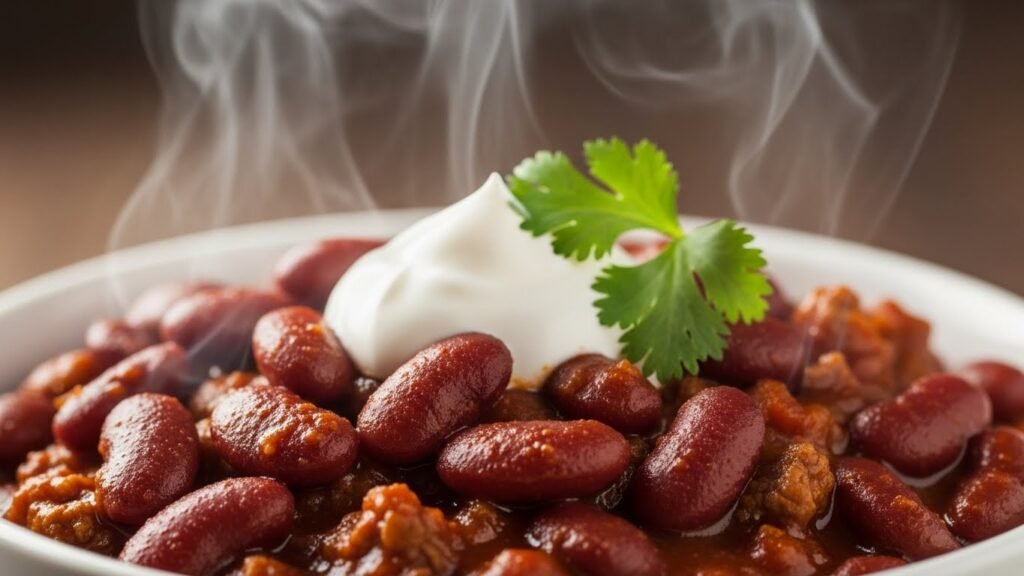
Kidney beans are known for being very “beefy” in texture. They do not fall apart even after cooking for hours. This makes them perfect for meals that need some serious structure. They have an earthy flavor that stands up to strong spices.
- Texture when Cooked remains firm and holds its shape perfectly.
- Ideal Dishes include spicy chili, thick stews, and Indian rajma.
- Flavor Absorption is high as they drink up sauces and seasoning.
The Creamy Red Bean
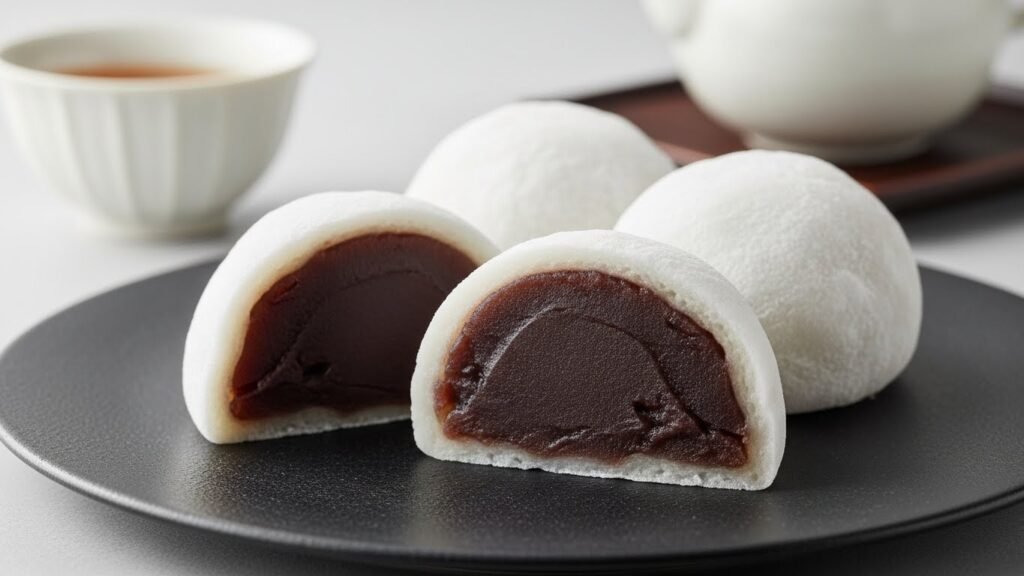
Red beans are the go-to when you want something smooth. They have a mild flavor that is slightly sweet. They tend to melt into the background of a dish. This makes them a favorite for many traditional comfort foods.
- Texture when Cooked becomes very soft, creamy, and sometimes a bit mushy.
- Ideal Dishes are Caribbean rice and beans or Southern red beans.
- Sweet Applications include mochi, moon cakes, and Asian red bean paste.
Cultural Significance and Global Recipes
These beans travel all over the world in different kitchens. They are staples in so many beautiful cultural meals. From Latin America to Asia, people love their unique flavors. Each region has a special way of preparing these hearty legumes.
Latin American and Caribbean Staples
In Puerto Rico and the Dominican Republic, small red beans are king. They are used to make delicious stewed beans called “Habichuelas.” People often cook them with herbs, spices, and a little tomato. They are usually served over fluffy white rice for a perfect meal.
Louisiana Creole Traditions
Monday in New Orleans usually means red beans and rice. Interestingly, many traditional recipes there actually use kidney beans. They slow-cook them with andouille sausage and the “holy trinity” of veggies. It creates a smoky and rich dish that locals absolutely crave.
Asian Culinary Traditions
In China and Japan, red beans are often a dessert item. Adzuki beans are cooked with sugar to make a thick paste. You will find this sweet filling inside mochi or fluffy buns. It is a unique way to enjoy the mild sweetness of the bean.
European Influence
Kidney beans show up in many Mediterranean salads and Italian soups. They add bulk and protein to classic minestrone recipes. Italians also love using the white kidney bean version, called cannellini. These are staples for heart-healthy eating across the European continent.
Essential Preparation and Cooking Tips
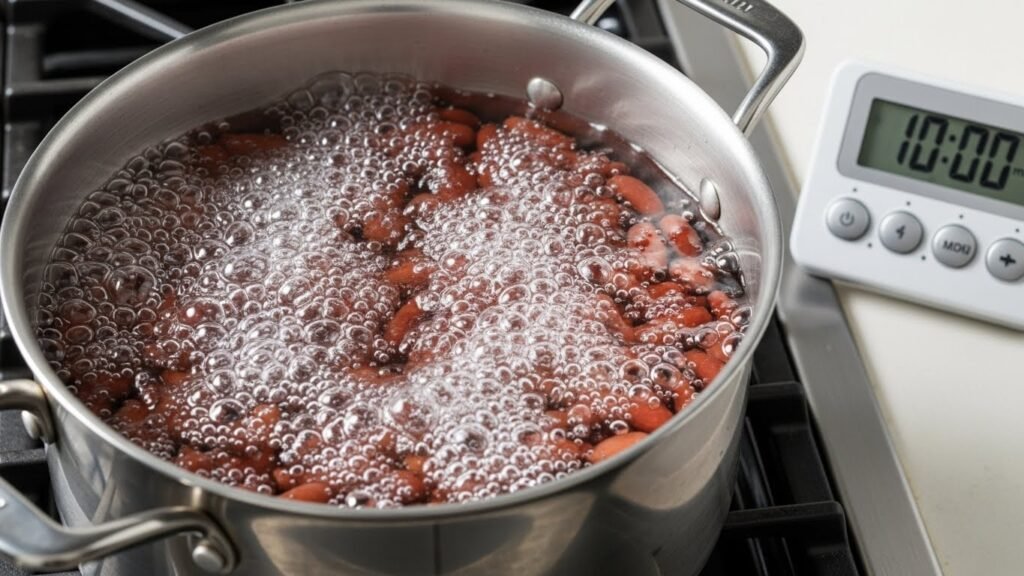
Cooking beans from scratch can seem a bit scary at first. But it is actually quite simple if you follow a few rules. You just need some water, heat, and a little bit of patience. Proper prep ensures your beans are safe and easy to digest.
The Soaking Debate
- Long soaking involves leaving beans in water overnight for many hours.
- Quick soaking means boiling them for a minute and letting them sit.
- Soaking benefits include faster cooking times and much better digestibility.
- Digestibility is improved because soaking removes some gas-causing sugars.
Toxin Warning (Phytohaemagglutinin)
Raw kidney beans contain a natural toxin that can be dangerous. It is called phytohaemagglutinin and it can cause severe stomach upset. You must boil dried kidney beans for at least 10 minutes. This high heat destroys the toxin and makes the beans safe.
Cooking Without Soaking
Small red beans are a bit more forgiving than their larger cousins. You can often cook them without an overnight soak if needed. They will just take a little longer to get soft and tender. This makes them a great choice for last-minute bean cravings.
Canned vs. Dried
- Canned beans are super convenient and ready to eat right away.
- Sodium levels in cans can be high, so always rinse them well.
- Dried beans offer the best flavor and are much cheaper to buy.
- Texture control is easier with dried beans because you decide the firmness.
Substituting and Swapping in the Kitchen
So, what happens if you have the wrong bean on hand? Are red beans and kidney beans the same when you are in a pinch? Not exactly, but you can usually make a swap work. You just need to tweak a few things in your pot. Here is how to manage a bean emergency like a pro.
When to Swap
You can swap them if the texture of the dish is not critical. If you are making a soup where beans get mashed, it works. But for a firm salad, the difference will be very noticeable. Always think about how the bean needs to feel in the end.
Savory Adjustments
- Kidney beans are earthier, so you might need more salt or spice.
- Red beans are milder, so don’t let the spices drown them out.
- Acidity from vinegar or citrus can help balance the earthy kidney beans.
- Cooking time will need to be watched closely so red beans don’t mush.
Sweet Adjustments
If you use kidney beans for dessert, you must add extra sugar. They lack the natural sweetness that adzuki beans bring to the table. You might also want to mash them more to hide the thick skins. It is a bit tricky but possible for sweet bean treats.
The Broader Kidney Bean Family
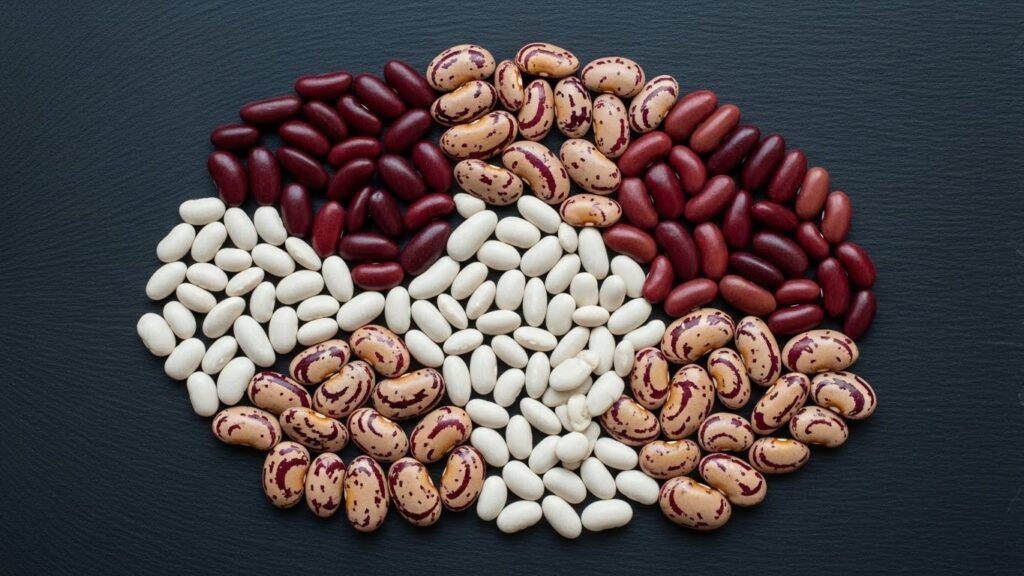
Kidney beans come in more varieties than just the dark red ones. There is a whole world of these kidney-shaped legumes to explore. Each one brings its own color and flair to your favorite recipes. Let’s look at some of the other members of this big family.
White Kidney Beans (Cannellini)
Cannellini beans are the creamy white cousins of the red kidney bean. They are a staple in Italian cuisine and have a very silky feel. They are great for smooth spreads or hearty bean and pasta soups. Many people love them because they have a very mild, nutty flavor.
Light vs. Dark Red Kidney Beans
- Dark red kidney beans have a very bold color and tough skin.
- Light red kidney beans are a bit softer and have a milder taste.
- Aesthetic appeal is the main reason people choose one over the other.
- Usage is mostly the same, but dark ones hold up better in chili.
Speckled Varieties
Some kidney beans come with beautiful spots or “speckles” on their skin. These are often heirloom or heritage beans with deep history. They add a very cool look to cold bean salads or side dishes. While they look fancy, they usually taste similar to the standard types.
Health Benefits and Diet Integration
Adding more beans to your life is a major win for your health. They are basically a superfood that fits into any budget. Doctors and nutritionists constantly praise them for their amazing benefits. Here is why you should keep your pantry stocked with these legumes.
Diabetes Management
The American Diabetes Association loves beans for managing blood sugar. They have a low glycemic index, so they don’t cause sugar spikes. The high fiber slows down how your body absorbs the carbohydrates. This makes them a perfect food for anyone watching their sugar levels.
Heart Health
Beans are great for your heart because they help lower cholesterol. They are high in soluble fiber which binds to bad stuff in your gut. The American Heart Association recommends them as a lean protein source. Eating them regularly can help reduce your risk of chronic heart disease.
Weight Management
- Satiety factor is high, meaning beans keep you feeling full for a long time.
- Low calories make them a great way to bulk up meals without extra fat.
- Fiber and protein work together to keep your hunger cues in check.
- Digestion is improved, which helps your body process food more efficiently.
Conclusion: Which Bean Should You Choose?
So, are red beans and kidney beans the same? Definitely not, but both deserve a spot on your dinner plate. Use kidney beans when you want a big, meaty bite in your chili. Reach for small red beans when you want creamy comfort over rice.
Both beans are nutrition powerhouses that keep you feeling great. They are cheap, easy to store, and work in so many different ways. No matter which one you pick, your body will thank you for the boost. Now you can shop with confidence and cook like a real bean expert!
Frequently Asked Questions
What is the specific toxin found in raw kidney beans?
The toxin is called phytohaemagglutinin, which is a type of lectin that can cause severe food poisoning if the beans are not boiled.
Are red beans and kidney beans the same when it comes to potassium content?
While both are high in potassium, red beans generally provide a slightly higher concentration of this mineral compared to kidney beans.
Why does the American Diabetes Association recommend these beans?
The organization highlights them as a “superfood” because their high fiber and low glycemic index help regulate blood sugar levels.
Can you cook red beans without soaking them first?
Yes, unlike kidney beans, small red beans (such as adzuki beans) do not strictly require soaking and can be boiled and simmered in about 45 minutes.
What are the main differences between light and dark red kidney beans?
Dark red kidney beans have a thicker skin and hold their shape better in long-cooking dishes, while light red kidney beans are slightly more tender.
Is there a difference in iron content between these two beans?
Kidney beans are generally higher in iron and folate than small red beans, making them excellent for blood health.
What is the best way to reduce sodium in canned beans?
Rinsing and draining canned beans thoroughly under cold water can significantly lower the sodium content added during processing.
Why are kidney beans preferred for chili?
Their thick skin allows them to maintain their shape and “meaty” texture even after several hours of simmering.
What kind of bean is typically used in Rajma?
Rajma is a traditional Indian curry that specifically uses red kidney beans to soak up heavy spices.
Are adzuki beans the same as small red beans?
Yes, in many culinary contexts, especially in Asian cuisine, the term “red beans” refers specifically to adzuki beans.
What are white kidney beans called?
White kidney beans are commonly known as Cannellini beans and are a staple in Italian cooking for soups and spreads.
Can red beans be used in desserts?
Yes, small red beans have a natural sweetness and creamy texture that makes them ideal for red bean paste, mochi, and moon cakes.
How do these beans support heart health?
They are low in fat, high in fiber, and contain no cholesterol, which aligns with American Heart Association guidelines for cardiovascular health.
Do red beans or kidney beans have more magnesium?
Small red beans are generally richer in magnesium, phosphorus, and manganese compared to kidney beans.
What happens if you don’t boil kidney beans for 10 minutes?
If dried kidney beans are only cooked at low temperatures (like in a slow cooker), the toxins can actually become more concentrated and cause illness.
Are these beans considered a complete protein?
While they are excellent sources of plant protein, they should be eaten with grains like rice to ensure a full profile of essential amino acids.
What is the “holy trinity” used in Louisiana red beans and rice?
The dish traditionally features kidney beans cooked with the “holy trinity” of vegetables: celery, onions, and bell peppers.
Can you swap red beans for kidney beans in a salad?
Yes, they can be swapped in salads, though you may need to adjust the acidity of the dressing to balance the different flavor profiles.
Why do beans cause digestive gas?
Beans contain alpha-galactosides, which are complex sugars that the body may struggle to break down, though soaking helps reduce them.
What are heirloom or heritage beans?
These are older varieties of beans, like those sold by Rancho Gordo, that offer unique flavors and textures not found in standard commercial beans.
Which bean is better for gut health?
Both are equally beneficial as they provide resistant starch and fiber that act as fuel for healthy gut bacteria.