Skip to content
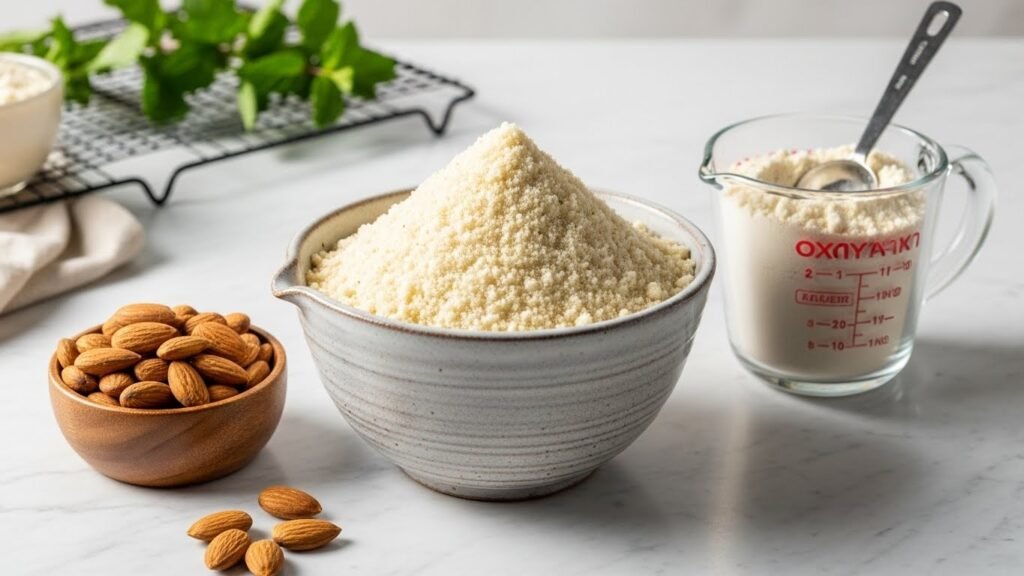
The gluten-free world can be super confusing and overwhelming for most folks. You might wonder is almond meal flour gluten free when shopping at the grocery store. This guide will break down every single thing you need to know about this nutty flour. We will talk about how it is made and why it is so good for you. You will learn how to bake with it and how to keep it fresh. Let’s dive into the details so you can start cooking with total confidence today.
Is Almond Meal Flour Gluten Free?
The short answer is a big fat yes for most brands. Pure and ground almond products are naturally gluten-free because they come from nuts. Nuts do not have the proteins found in grains like wheat or barley. This makes it a perfect choice for anyone following a strict diet. You just need to make sure the brand is truly pure.
- Naturally Gluten-Free: Almonds are seeds that do not contain any gluten proteins at all.
- Pure Composition: Authentic almond flour should only list almonds as the single ingredient on the back.
- The Importance of Certification: People with celiac disease should look for a certified gluten-free seal. This seal means the product was tested to be safe from cross-contact during packaging.
What is Almond Flour?
It is basically just almonds that have been crushed into a powder. Many people love it because it tastes way better than plain white flour. It adds a rich and buttery vibe to everything you make with it. Understanding how it is made helps you pick the right one for your kitchen.
The Production Process
Making this flour starts with high-quality California-grown almonds in many cases. Some companies leave the skins on while others take them off. Taking the skins off is called blanching and it makes the flour very soft. Then they grind the nuts until they reach a super-fine consistency. This process ensures the flour works well in delicate recipes like cakes.
Almond Flour vs. Almond Meal
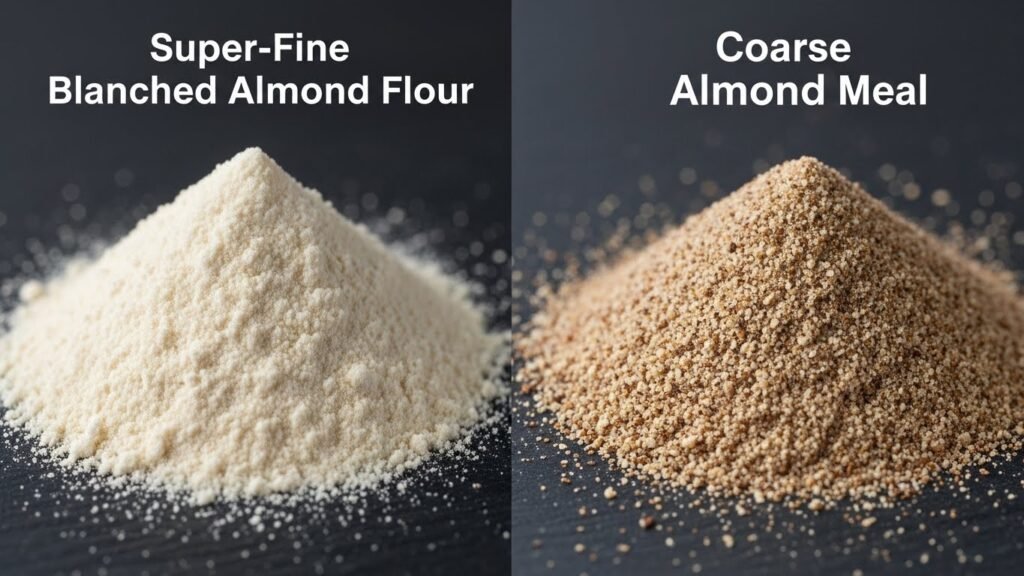
You might see both names on the shelf and get a bit mixed up. They are very similar but have a few key differences you should know. Flour is usually ground much thinner than meal is. Meal often looks a bit like wet sand because it is a bit chunkier.
- Texture Differences: Almond flour is super-fine and soft while almond meal is a coarser grind.
- Color and Appearance: Blanched flour has a light ivory color while meal has dark brown speckles.
- Culinary Results: Flour makes things fluffy and light while meal gives a more rustic and grainy feel.
Types of Almond Flour and Their Uses
Picking the right type of nut flour can make or break your recipe. You have two main choices when you go to the store. One is dark and hearty while the other is light and fancy. Both are great but they do different jobs in the oven.
Skin-On (Unblanched) Almond Flour
This type uses the whole nut including that thin brown skin. It has a much stronger flavor and a darker look. It is awesome for recipes where you want a bit of crunch.
- Rustic Baked Goods: Use this for hearty breads and muffins that need some extra texture.
- Dark-Colored Desserts: This is perfect for gingerbread or chocolate brownies where the dark color blends in.
Blanched Almond Flour
This is the gold standard for most gluten-free bakers out there. The skins are removed using hot water before the grinding starts. This creates a very clean and professional look for your treats.
- Delicate Pastries: This is the best choice for light cakes and fancy cupcakes.
- Aesthetic Appeal: It helps you get that light and airy look in your baked goods.
Nutritional Profile and Health Benefits
This flour is not just a replacement for wheat because it is actually a superfood. It is packed with stuff that helps your body stay strong and healthy. Many doctors recommend it for people who need to watch their sugar levels. It is way more nutrient-dense than traditional all-purpose flour.
Low-Carb and Keto Friendly
If you are trying to cut back on carbs this is your best friend. It has very few net carbs compared to grain flours.
- Ketogenic Staple: It is the main ingredient for most keto-friendly breads and snacks.
- Blood Sugar Management: It has a low glycemic index which means it won’t cause sugar spikes.
Essential Nutrients
You get a lot of bang for your buck with every single scoop. It is loaded with protein and healthy fats that keep you full.
- Protein Content: It is a great source of plant-based protein for vegans and vegetarians.
- Healthy Fats: It contains monounsaturated fats which are good for your heart.
- Fiber and Minerals: It provides plenty of fiber and magnesium for your daily needs.
Grain-Free and Paleo Benefits
Many people avoid grains to help with digestion and inflammation. Since this comes from a nut it fits perfectly into a paleo lifestyle. It is a natural way to eat clean without giving up your favorite muffins.
How to Use Almond Flour in Baking
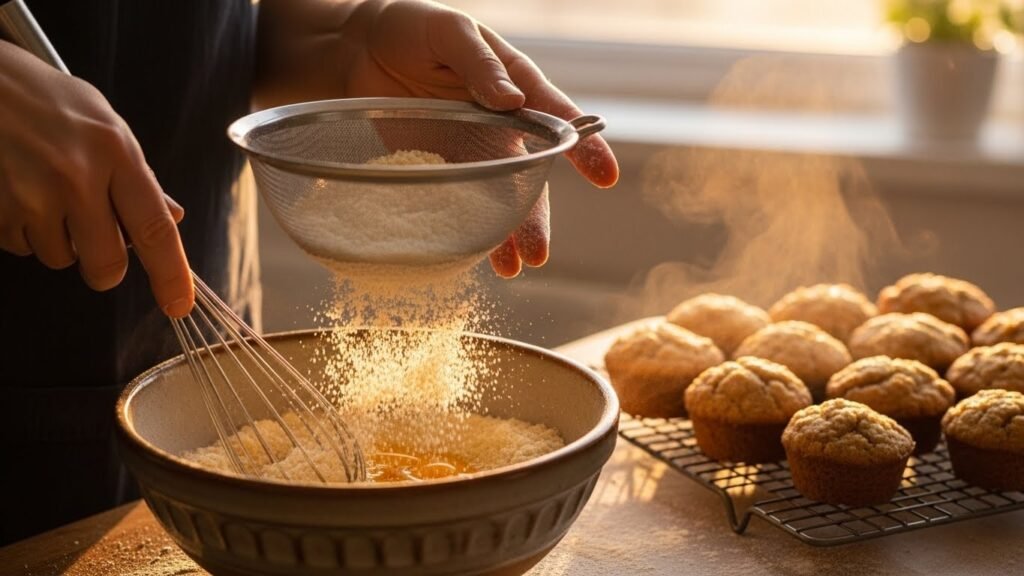
Baking with nuts is a bit different than baking with wheat. You have to learn a few tricks to get the best results. It does not behave exactly like regular flour because it has no gluten. But once you learn the ropes you will love the results.
The 25% Rule for Substitution
If you are new to this don’t try to change everything at once. Start by replacing just a little bit of your regular flour.
- Blending for Success: Replace about 25% of wheat flour with almond flour to add moisture.
Challenges of 1-to-1 Replacement
You cannot always just swap them out equally in every single recipe. Gluten is like glue and almond flour doesn’t have that.
- Structure and Binding: It won’t work well in yeast breads that need to rise high.
- Moisture Retention: The high oil content can make things a bit heavy if you use too much.
Flavor and Structure
It adds a nutty taste that makes everything feel more expensive and fancy. You might need extra eggs to help keep things together though.
- Delicate Nutty Profile: It makes your sweets taste way more complex and delicious.
- Building Structure: Use binders like eggs or flax seeds to support the lack of gluten.
Savory Applications of Almond Flour
This flour is not just for sweet treats like cookies and cakes. You can use it for dinner and lunch recipes too. It is a secret weapon for making healthy savory meals.
Low-Carb Breading
It makes a killer crust for your favorite proteins. It gets nice and golden brown in the pan.
- Crunchy Coating: Use it to bread chicken or fish for a healthy and tasty crunch.
Functional Binder
It works just as well as breadcrumbs in many traditional dishes.
- Meatloaf and Meatballs: It holds the meat together perfectly without using any grains.
Thickening Agent
You can even use it to fix runny sauces or soups.
- Sauces and Gravies: It adds body and a rich taste to your savory liquids.
DIY Almond Flour: Making it at Home
You can actually save some cash by making your own at home. It only takes a few minutes if you have the right tools. Freshly ground flour tastes even better than the store-bought stuff.
- Equipment Needed: You just need a high-speed blender or a standard food processor.
- Pulsing Technique: Only pulse the nuts in short bursts so they don’t turn into butter.
- Ingredient Selection: You can choose raw or blanched almonds depending on what you need.
Storage and Shelf Life
Because it is made of nuts it can go bad faster than wheat. You have to be careful about where you keep it in your kitchen. Nobody wants to bake a cake with flour that tastes like old oil.
Preventing Rancidity
The natural oils in the nuts can spoil if they get too warm.
- High Oil Content: Understand that these fats are sensitive to heat and light.
- Temperature Control: Keep it in a cool and dark place to protect those healthy fats.
Storage Methods

The best way to keep it fresh is to use your fridge or freezer.
- Refrigeration vs. Freezing: It stays fresh for up to six months if you keep it frozen.
- Airtight Containers: Use a sealed bag or glass jar to keep out any weird kitchen smells.
Food Safety and Cross-Contamination
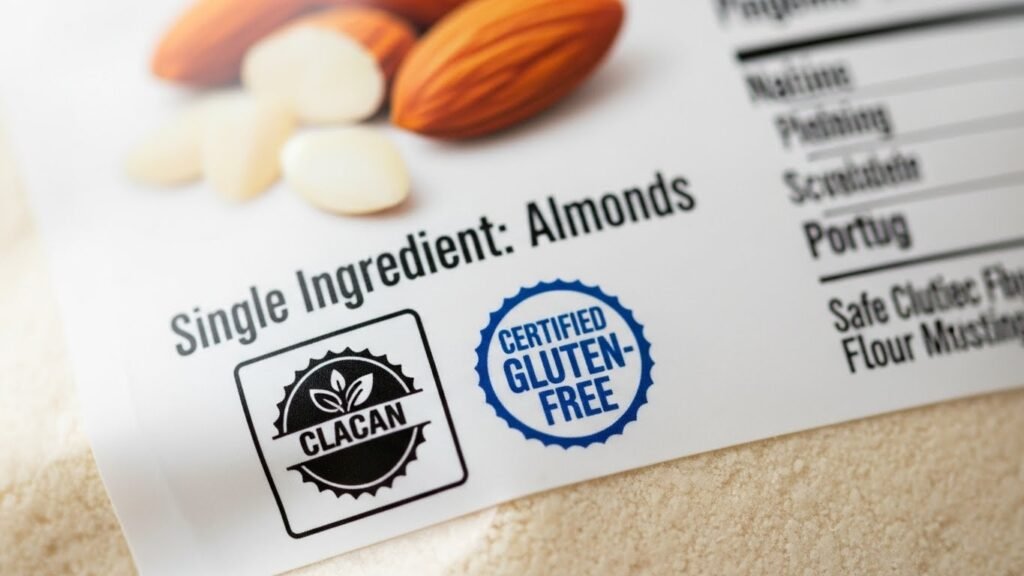
Safety is the most important thing for anyone with a gluten allergy. You have to be a bit of a detective when you read labels. Some brands are much safer than others for your gut health.
Ingredient List Verification
Always double-check that nothing else was added to the bag.
- Hidden Additives: Some brands might sneak in wheat or other grains to save money.
- Manufacturer Blends: Watch out for “baking mixes” that are not 100% pure almond.
Shared Equipment Risks
Even if the nuts are clean the machines might not be.
- Cross-Contact: Some factories process wheat on the same lines as their nuts.
- Dedicated Facilities: Look for brands like Bob’s Red Mill that use separate clean rooms.
Frequently Asked Questions
Can I replace almond flour with coconut flour?
You cannot swap these two at a 1:1 ratio because coconut flour absorbs much more liquid than nut-based flours. If you try to swap them equally, your baked goods will end up extremely dry and crumbly. Usually, you only need about a quarter to a third of the amount of coconut flour compared to almond flour.
Is almond meal flour gluten free for people with severe wheat allergies?
Yes, pure almond flour is safe for wheat allergies as long as it is processed in a dedicated facility to avoid cross-contact. Always look for the FDA-regulated gluten-free label to ensure it contains less than 20ppm of gluten.
How does almond flour affect the small intestine of celiac patients?
Since it is naturally gluten-free, it does not trigger the autoimmune response that damages the villi in the small intestine. This allows for better nutrient absorption compared to eating gluten-containing grains.
Is almond flour considered vegan and vegetarian friendly?
Yes, it is a 100% plant-based product made entirely from ground nuts. It is a staple in vegan kitchens because it provides essential amino acids and healthy fats without any animal products.
Can I use almond flour in a sourdough starter?
While you can add it to a sourdough recipe for flavor, it does not have the sugars or starches needed to feed a traditional sourdough starter effectively. It is better used as an add-in for the final dough rather than the fermenting agent.
Is almond flour kosher and non-GMO?
Many leading brands ensure their almonds are non-GMO and carry kosher certification on the packaging. You should check the specific brand label to verify these certifications for your dietary needs.
What is the R5-ELISA test for almond flour?
This is a highly sensitive scientific test used by manufacturers to detect even tiny traces of gluten in their products. Brands that use this testing provide an extra layer of safety for those with extreme sensitivities.
Does almond flour work for making French macarons?
Yes, super-fine blanched almond flour is the essential ingredient for the smooth shells of French macarons. Using a coarser almond meal would result in a bumpy and uneven surface on the cookies.
Can I use almond flour to make pancakes?
Almond flour makes excellent grain-free pancakes that are very tender and moist. Because they lack gluten, these pancakes are often more delicate and require careful flipping.
Is almond flour suitable for a Paleo diet?
It is one of the most popular flour alternatives for the Paleo diet because it is grain-free and nutrient-dense. It aligns with the focus on whole foods and healthy fats.
How do I know if my almond flour has gone bad?
You can tell by the smell; if it has a sharp, sour, or “paint-like” odor, the natural fats have gone rancid. It should always smell mildly sweet and nutty.
Can I use almond flour as a thickener for soup?
Yes, its fine texture allows it to blend into liquids to add body and a buttery flavor to soups and stews. It is a great low-carb alternative to using a flour-and-butter roux.
What is the difference between California-grown and other almonds?
California produces a large portion of the world’s almonds, which are known for their consistent quality and sweet flavor profile. Many premium flours specifically use these almonds for a better baking experience.
Does almond flour contain vitamins and minerals?
It is very nutrient-dense, containing high levels of Vitamin E, magnesium, and dietary fiber. These nutrients help support heart health and energy levels.
Can almond flour be used in coffee cake recipes?
It is perfect for coffee cakes because it creates a moist, tender crumb and a delicious streusel topping. It pairs naturally with the cinnamon and sugar flavors often found in these cakes.
Is it safe to eat raw almond flour?
Yes, unlike raw wheat flour which can carry bacteria, almond flour is generally safe to eat without cooking. This makes it a popular choice for “no-bake” energy balls or edible cookie dough.
Why does my almond flour bag have a resealable pouch?
Manufacturers use resealable pouches to keep air out, which helps prevent the oils in the flour from oxidizing and going bad. It also protects the flour from absorbing other odors in your pantry.
Can I make a pie crust with almond flour?
Almond flour makes a fantastic, buttery press-in pie crust that is naturally gluten-free. It works especially well for cheesecakes or fruit tarts.
How does the moisture content of almond flour compare to wheat flour?
Almond flour has much more moisture due to its high fat content. This often means you can reduce the amount of added fats like butter or oil in your recipes.
Is almond flour better than all-purpose flour for diabetics?
Because it is low-carb and high in fiber, it does not cause the same rapid rise in blood sugar as all-purpose wheat flour. This makes it a much safer option for managing insulin levels.