Skip to content
Tonghou cuisine is a hidden treasure in the massive world of Chinese food. It mixes very old cooking ways with super bold flavors. This food tells a story of history and local pride. People love it because it uses fresh stuff and smart techniques. You can find it on busy streets or fancy tables. It is a cool mix of tradition and great taste.
Introduction to the World of Tonghou Cuisine
Tonghou is a real gem in the big picture of Chinese eating. It is not just about eating food to get full. This style is all about how you feel when you eat. It takes old secrets and makes them feel brand new. You get a mix of heritage and modern vibes in every bite. It is a wild ride for your taste buds.
The philosophy here is simple but very deep. It uses bold flavors that wake you right up. The dishes are full of diverse ingredients from the land. You can smell the history before you even take a bite. It brings people together through shared stories and heavy plates. This is more than just dinner; it is a lifestyle.
When you try tonghou, you see a lot of different styles. The sensory experience is honestly out of this world. You get bright colors and smells that fill the room. Every ingredient has a reason for being there. It is a beautiful fusion that everyone should try once. Let’s look closer at why this food is so legendary.
Defining Tonghou
- Hidden Treasure: It is a special part of Chinese food culture.
- Mixed Styles: It blends very old ways with new ideas.
- Bold Taste: The flavors are strong and very memorable.
The Philosophy of the Cuisine
- Old and New: It respects the past but loves the present.
- Storytelling: Every dish tells you where it came from.
- Heritage: It keeps the local culture alive through cooking.
The Sensory Experience
- Diverse Stuff: It uses a huge range of different ingredients.
- Aroma: The smells are very rich and inviting.
- Vibrant: The plates look colorful and exciting.
Tonghou in the Global Palate
- Rising Star: More people around the world are noticing it.
- Critics Choice: Food experts are giving it high praise.
- Global Fusion: It is starting to pop up in big cities everywhere.
The Historical Evolution and Origins of Tonghou
Tonghou cuisine goes back hundreds of years in China. It started in the big green fields of eastern China. Farmers used what they grew to make tasty meals. Local ingredients really shaped how the food tastes today. It is a cuisine born from the dirt and the sun.
Over time, many different dynasties changed the food. Each group of leaders brought new spices and ways to cook. This made the food get better and better over time. Trade routes also brought in new flavors from far away. It is like a history book you can actually eat. The mix of cultures is what makes it so cool.
The name tonghou comes from a small, busy market town. This town was famous for fresh herbs and great produce. Families there passed down their secret recipes for a long time. They kept the old ways but changed things for their kids. Now, it is a living expression of the local people. Every bite connects the past to the world today.
The Agricultural Birthplace
- Eastern China: This is where the whole story began.
- Farm Fresh: The food was based on what farmers grew.
- Natural Style: It used the land to create unique flavors.
Dynastic Influence on Flavor
- Empire Changes: Different dynasties added their own special touch.
- New Spices: Leaders brought in flavors from all over.
- Method Mix: Cooking ways evolved as the country changed.
The Town of Tonghou
- Market Vibes: It was named after a busy trading town.
- Fresh Herbs: The area was known for its amazing plants.
- Gathering Place: It was a hub for food lovers long ago.
Cultural Preservation
- Family Secrets: Recipes were handed down through the ages.
- Staying True: They kept the old techniques alive and well.
- Evolution: The food adapted but never lost its soul.
Trade Route Exchanges
- Silk Road: Traders brought in ingredients from far places.
- Spice Trade: New tastes like peppers changed the game.
- Global Link: It shows how connected the world was even then.
Core Philosophy: Key Ingredients and Seasonings
The heart of tonghou food is all about fresh stuff. Rice and noodles are the big stars in most meals. They give you a solid base for the complex flavors. Vegetables also play a huge role in every single dish. These things make the meal feel real and satisfying. It is all about using what is in season.
Soy sauce and sesame oil are the most important liquids. They add that deep savory taste everyone loves so much. Garlic is also a massive player in the kitchen here. These ingredients help make the food taste authentic and rich. They create a layer of flavor that lasts a long time. It is like a flavor bomb in your mouth.
Fresh herbs are the final touch for these dishes. Things like cilantro and scallions add a bright pop. They make the heavy flavors feel a bit lighter. Aromatics like ginger and star anise add a lot of depth. These small things make a big difference in the end. You can really smell the freshness in the air.
The Foundation of Every Meal
- Rice Power: It is the main side for almost everything.
- Noodle Life: Hand-pulled noodles are a huge local favorite.
- Veggie Mix: Fresh greens are included in every single bite.
The “Holy Trinity” of Tonghou Seasoning
- Soy Sauce: This provides the salty and deep umami hit.
- Sesame Oil: It adds a nutty smell and smooth feel.
- Garlic: This brings the heat and the strong punch.
The Role of Aromatics
- Cilantro: Adds a fresh and citrusy vibe to plates.
- Scallions: Give a mild onion crunch to many dishes.
- Ginger: Adds a sharp zing that wakes up the tongue.
- Star Anise: Provides a sweet and spicy licorice scent.
Secret Spice Blends
- Five-Spice: A classic mix that adds a lot of warmth.
- Chili Profiles: Local peppers give it a very specific heat.
- Complex Tastes: The spices are layered to build big flavor.
The Importance of Water Quality
- Soft Water: Historically, the local water made food better.
- Tofu Texture: Good water makes for much silkier tofu.
- Noodle Spring: It helps give noodles the perfect chewy bounce.
Master Techniques: The Art of Tonghou Cooking
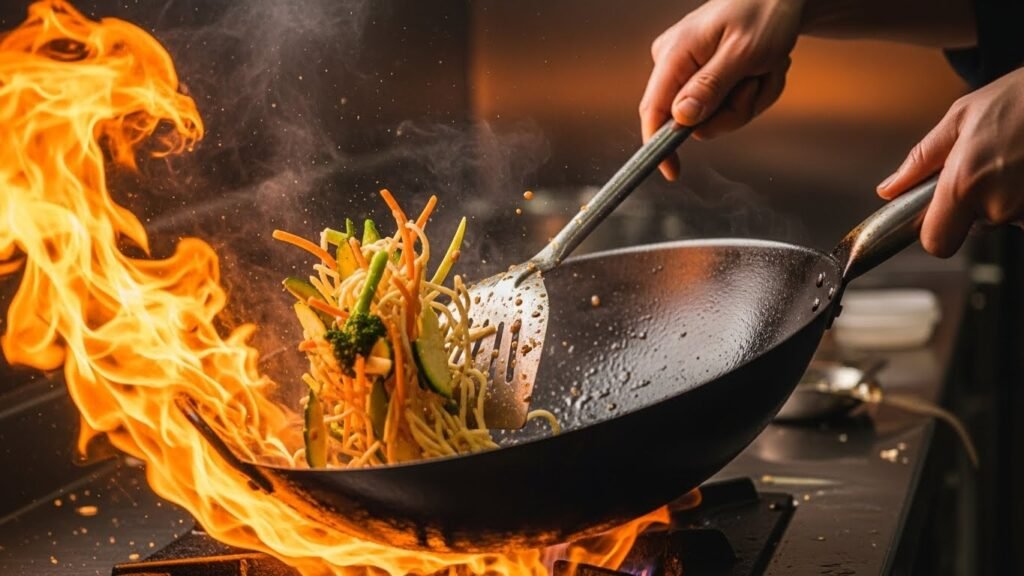
Cooking tonghou is really an art form for locals. Stir-frying is the most common way to make food. It is fast and keeps the ingredients very fresh. This method locks in all the good juices and flavor. Chefs call the smoky taste “wok hei” or wok breath. It makes everything taste like it was made over fire.
Steaming is also a very big deal in this style. It lets the natural taste of the food shine through. You don’t need a lot of fat or oil. This makes the food healthy but still very delicious. It is perfect for fish and soft veggie dishes. The food stays moist and tender every time.
Slow-cooking is used for the heavier meat dishes here. Braising makes meat so soft it just falls apart. This takes a lot of time and a lot of patience. The sauces become very thick and rich during this process. It is the ultimate comfort food for many people. You can really taste the hard work in the sauce.
High-Heat Stir-Frying
- Wok Hei: That special smoky flavor from a hot pan.
- Speedy Cooking: It cooks food fast to keep it crunchy.
- Juice Lock: High heat keeps all the tasty juices inside.
The Precision of Steaming
- Pure Taste: You taste the food, not just the oil.
- Healthy Choice: It uses almost no extra fat or grease.
- Tender Feel: Food stays soft and never gets dried out.
Slow-Cooking and Braising
- Melt-in-Mouth: Meat becomes incredibly soft after many hours.
- Deep Sauce: The liquids turn into a rich gravy.
- Patience: Good things take a long time to finish.
Texture Balancing
- Crunch and Soft: A good dish has many different feels.
- Mouthfeel: Chefs care about how the food feels to eat.
- Complex Bites: Every mouthful should have a little surprise.
Knife Skills (Jianfa)
- Surface Area: Cutting food right helps it soak up sauce.
- Even Cooking: Uniform pieces mean everything finishes together.
- Visual Art: The way food is cut makes it look pretty.
Geographical Diversity: Regional Variations of Tonghou
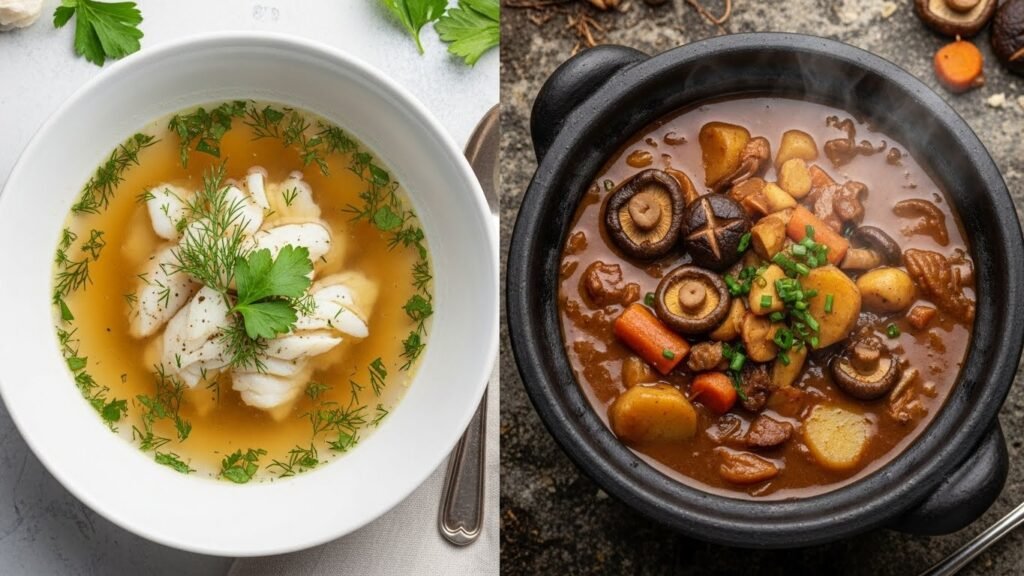
Tonghou food changes depending on where you are traveling. In coastal areas, seafood is the biggest star. They use fresh shrimp and fish in light broths. The flavors are very clean and smell like the sea. It is perfect for a hot day near the water. Coastal people love their ingredients to be super fresh.
If you go inland, the food gets much heartier. They use things like wild mushrooms and game meats. These dishes are often made as slow-cooked stews. They are meant to keep you warm in the winter. The flavors are deep, earthy, and very filling. It is like a warm hug in a bowl.
Spices also change a lot from place to place. Some spots love bold chili that burns a bit. Other places prefer light herbs that smell like flowers. Street food stalls often have their own unique twists. You can find spicy dumplings or savory herb pancakes. Every town has a slightly different story to tell.
Coastal Interpretations
- Seafood Focus: Shrimp and fish are the main ingredients.
- Light Broths: The soups are clear and very fragrant.
- Ocean Fresh: Everything tastes like it just came out of water.
Inland and Mountainous Variations
- Earthy Stuff: Wild mushrooms and game are very common.
- Hearty Stews: Thick soups that fill you up fast.
- Winter Warmers: Food designed to fight off the cold air.
Urban vs. Rural Tonghou
- Fancy Plating: City restaurants make the food look like art.
- Rustic Style: Country food is simple and very traditional.
- Herb Heavy: Villages often use more wild-picked green herbs.
The Seasonal Cycle of Tonghou Dining
Eating tonghou means following the calendar very closely. In the spring, people want food that feels light. They use tender bamboo shoots and very young greens. This is called “green cleaning” for the body. It is a time for growth and fresh starts. The flavors are very crisp and quite bright.
Summer is all about staying cool when it is hot. People eat a lot of lotus root and cucumber. Vinegar-based dressings help keep things feeling light and airy. It is a great time for cold noodle dishes. These foods help you beat the summer sun’s heat. You won’t feel weighed down after these meals.
Autumn and winter bring back the heavier food styles. Fall is for celebrating the harvest with pumpkins. Winter is when the real spice comes out. They use a lot of peppercorns and ginger then. This helps keep your body warm from the inside. It is a cycle that keeps life very interesting.
Spring
- New Growth: Tender shoots are the favorite thing to eat.
- Body Cleanse: Light greens help you feel fresh again.
- Crisp Bites: Everything tastes very young and quite sweet.
Summer
- Cooling Foods: Things like cucumber help lower body heat.
- Vinegar Zing: Light acids make the food feel refreshing.
- Light Feel: You eat less heavy meat during these months.
Autumn
- Harvest Time: Chestnuts and pumpkins are used in everything.
- Fatty Meats: People eat duck and geese to get ready for cold.
- Rich Colors: The plates match the falling leaves outside.
Winter
- Heat Spices: Ginger and peppers keep you feeling warm.
- Heavy Stews: Foods that sit heavy to give you energy.
- Fermented Pastes: Deep flavors that were saved from the fall.
The Ultimate Tonghou Menu: Must-Try Signature Dishes
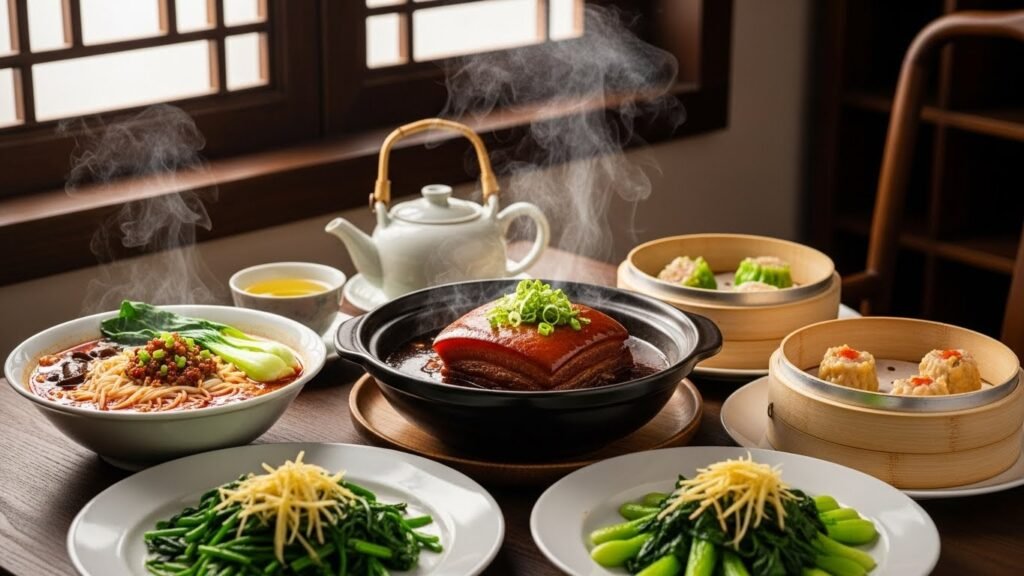
There are a few dishes you just have to try. The braised pork belly is the most famous one. It is cooked so long that it melts in your mouth. The sauce is sweet, salty, and very aromatic. It is the king of the tonghou table. Most people order this first when they go out.
Spicy noodle soup is another big fan favorite here. The noodles have a great chew and the soup is hot. It usually has fresh greens and tender meat on top. It is the perfect meal for a quick lunch. The heat is bold but it doesn’t mask the flavor. You will want to drink every last drop.
If you want something lighter, try the seasonal greens. They are sautéed with a lot of garlic and ginger. This dish shows how even simple stuff can be amazing. For dessert, you have to try the tangyuan. These are sweet rice balls filled with sesame paste. They are a great way to end a meal.
Tonghou Braised Pork Belly
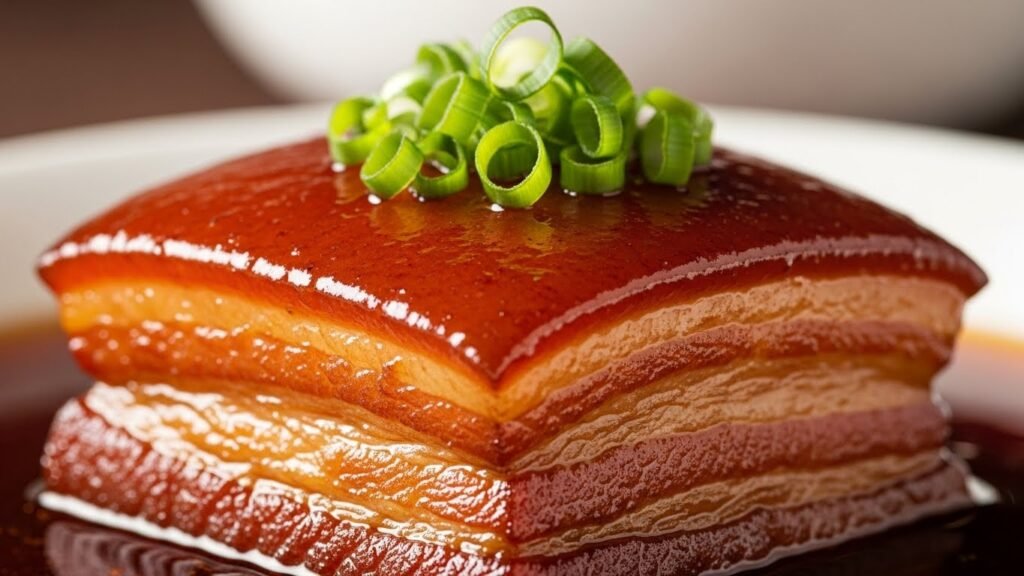
- Melt-Away: The meat is so soft you barely need teeth.
- Savory Sauce: A rich glaze that coats every single piece.
- Iconic Dish: This is the most famous meal in the region.
Spicy Tonghou Noodle Soup
- Chewy Noodles: Handmade noodles that have the perfect bite.
- Satisfying Heat: A spicy broth that warms you right up.
- Full Meal: It comes with meat and veggies all in one.
Garlic-Infused Seasonal Greens
- Simple Beauty: Just greens, garlic, ginger, and a hot pan.
- Healthy Side: A light contrast to the heavier meat dishes.
- Fresh Pop: The ginger adds a nice little zing to it.
Street Food Classics
- Herb Pancakes: Savory and crunchy snacks found on corners.
- Spicy Dumplings: Hand-wrapped treats full of local flavor.
- Quick Bites: Great for eating while you walk around town.
Traditional Desserts
- Tangyuan: Sweet balls made from glutinous rice flour.
- Sesame Filling: A dark, sweet paste that bursts inside.
- Good Luck: These often symbolize family and being together.
The Health and Nutritional Profile of Tonghou Cuisine
Tonghou food is actually very good for your body. It uses tons of fresh vegetables in every dish. These give you all the vitamins you need to stay healthy. The herbs used are also like natural medicine. Many ingredients have antioxidants that fight off sickness. It is a diet that cares about your well-being.
Ginger and garlic are used in almost everything here. These are famous for helping your immune system stay strong. They also help reduce inflammation in the body. Cooking ways like steaming keep the nutrients inside the food. You don’t lose the good stuff to a deep fryer. It is a smart way to eat every day.
Most tonghou dishes use lean proteins like fish or chicken. This gives you energy without too many bad calories. Tofu is also a huge source of healthy plant protein. This helps with keeping your muscles strong and weight down. It is about finding a balance in what you eat. You leave the table feeling energized, not sleepy.
The Power of Fresh Produce
- Vitamin Rich: Fresh greens provide plenty of daily nutrients.
- Mineral Source: The soil in the region makes veggies very healthy.
- Fiber Boost: Lots of plants help your digestion stay on track.
Anti-Inflammatory Ingredients
- Garlic Punch: Helps fight off germs and keeps you healthy.
- Ginger Zing: Great for your stomach and reducing swelling.
- Spice Benefits: Many peppers help speed up your metabolism.
Heart-Healthy Cooking
- Steam Power: Keeps oil out of your food and your heart.
- Quick Fry: High heat means the food doesn’t soak up grease.
- Low Fat: Most dishes rely on flavor, not heavy butter.
Lean Protein Integration
- Fish First: Lots of healthy fats from fresh river fish.
- Poultry Choice: Lean chicken is a very common meat here.
- Tofu Star: Plant-based protein that is great for your body.
Food as Medicine
- Yin and Yang: Balancing cooling and heating foods for health.
- Longevity: A traditional belief that eating right helps you live long.
- Digestive Aid: Many herbs are chosen to help the stomach.
Tea Pairings and Beverages in Tonghou Culture
In tonghou culture, what you drink is very important. Green tea is the most common choice for many people. Specifically, Dragon Well tea is a huge local favorite. It has a light taste that cuts through oily food. Drinking tea helps clean your palate after a meal. It is a very relaxing part of the experience.
Fermented spirits also have a place at the table. Yellow wine is used for both drinking and for cooking. It has a very unique and sweet smell to it. It helps bring out the flavors in braised meat dishes. Many people drink it warm during the cold winter months. It is a very traditional way to celebrate dinner.
Herbal infusions are also used to keep people healthy. These waters are made with flowers or special plant roots. They are meant to balance out spicy or heavy foods. It shows how much people care about their bodies here. Every drink has a specific purpose for your health. It makes the whole meal feel very complete.
Green Tea Affiliation
- Dragon Well: A famous green tea that is light and nutty.
- Palate Cleanser: Helps refresh your mouth between different dishes.
- Daily Ritual: People drink tea all day long in this region.
Fermented Spirits
- Yellow Wine: A traditional grain wine used in many ways.
- Cooking Essential: Adds a deep flavor to sauces and gravies.
- Warm Drink: Often served hot to help people relax at night.
Infused Waters
- Herbal Mix: Waters made with plants to help your stomach.
- Floral Notes: Some drinks use dried flowers for a nice scent.
- Balance: These drinks help keep your body feeling “cool”.
Bringing Tonghou Into Your Home Kitchen
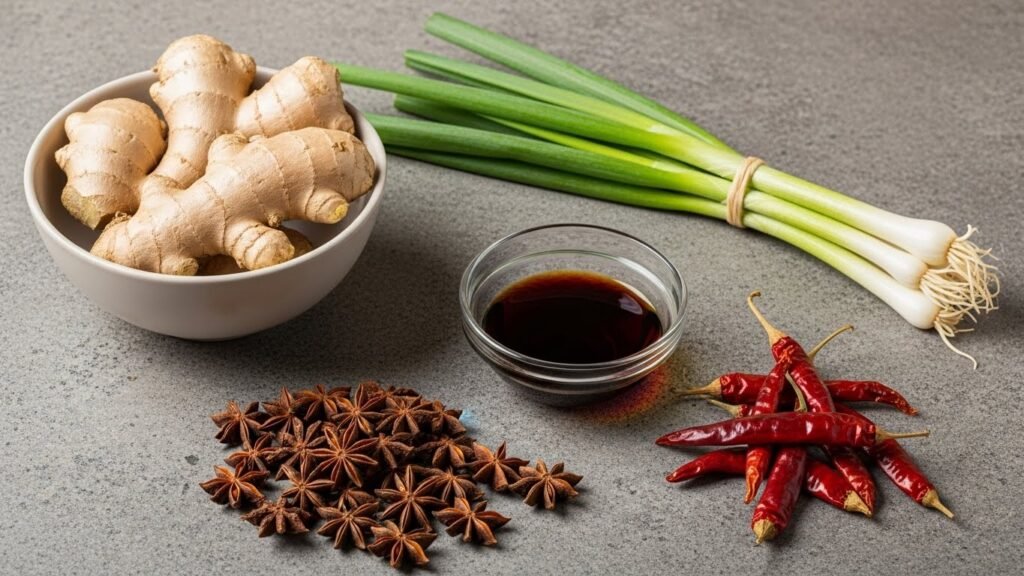
You can totally make tonghou food in your own house. First, you need to get the right pantry staples. Stock up on soy sauce, rice wine, and sesame oil. These three will get you through most recipes easily. Don’t forget to have garlic and ginger on hand. You are halfway there once you have these.
Marinating your meat is a secret step you can’t skip. Use a mix of rice wine, garlic, and some chili. This builds a lot of flavor before you even start. When you cook, try using a wok if you can. High heat is your best friend for a stir-fry. It makes the food taste like the real deal.
If you can’t find specific stuff, don’t worry about it. You can use local greens that are similar to Chinese ones. The goal is to keep the flavor profile the same. Use fresh herbs like cilantro to brighten up the dish. Experimenting is half the fun of learning to cook. Your family will love the new exciting flavors.
Building a Tonghou Pantry
- Liquid Gold: Have soy sauce and sesame oil ready to go.
- Rice Wine: Essential for making authentic Chinese sauces.
- Dry Spices: Keep star anise and five-spice in your cupboard.
Step-by-Step Marination Secrets
- Flavor Soak: Let meat sit in garlic and ginger for a while.
- Zesty Kick: Add chili flakes if you want some extra heat.
- Tender Meat: Marinating helps keep the protein very soft.
Home-Style Adaptations
- Local Greens: Use spinach or kale if you can’t find bok choy.
- Easy Substitutes: Honey can work if you don’t have rock sugar.
- Keep it Simple: Focus on the main flavors like garlic and soy.
Equipment Essentials
- Wok Power: A good wok helps you get that smoky flavor.
- Bamboo Steamer: Perfect for making healthy fish or dumplings.
- Sharp Knife: Good cuts lead to much better cooking results.
Essential Tonghou Pantry Shopping List
- Soy Sauce: This is the most important liquid for adding a deep, salty, and savory taste to your dishes.
- Sesame Oil: You need this to add a nutty aroma and a smooth feel to your sauces.
- Rice Wine: This is a must-have for marinating meats and building authentic sauces.
- Garlic: Keep plenty of fresh garlic on hand to provide the strong punch and heat found in most recipes.
- Ginger: This adds a sharp zing and is used in almost everything for both flavor and health.
- Star Anise: This dry spice gives your braised dishes a sweet and spicy scent.
- Five-Spice Powder: A classic blend that adds warmth and complexity to your meat dishes.
- Chili Flakes: These are great for adding a satisfying heat to your noodles and marinades.
- Rice and Noodles: Stock up on high-quality rice and chewy noodles to act as the foundation for your meals.
- Fresh Herbs: Buy cilantro and scallions to add a bright, fresh pop to your finished plates.
Etiquette and Social Rituals of the Tonghou Table
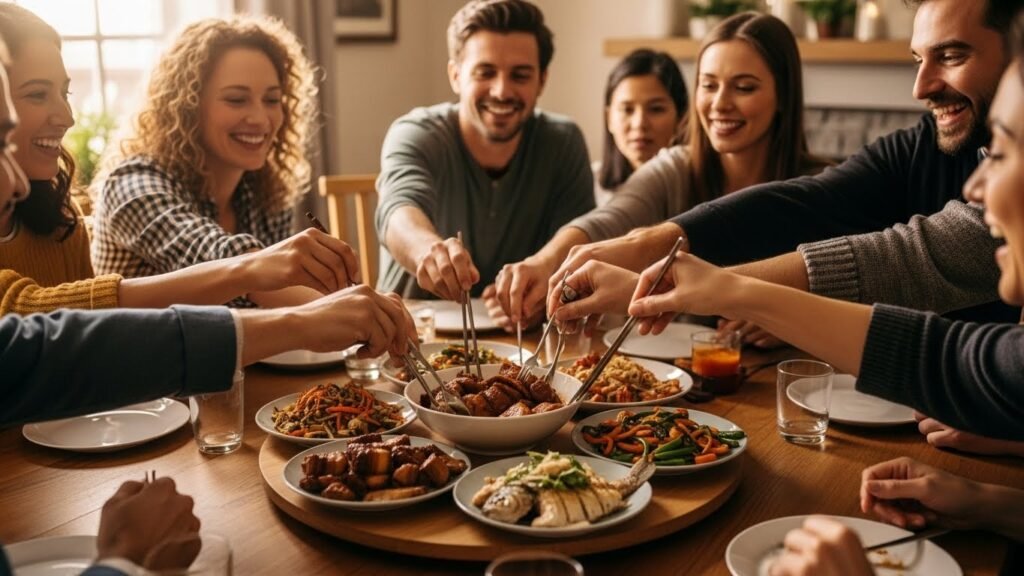
Dining in tonghou culture is all about being together. People usually eat at a round table with others. This makes it easy for everyone to talk and share. Most of the dishes are shared by everyone at the table. It is not like having your own single plate. This helps build a real sense of community.
There are also some special rules for the “Lazy Susan”. You spin it slowly so everyone can reach the food. It is polite to let the older people eat first. This shows respect for the family and for history. Helping others get food is a sign of being kind. It makes the meal feel very warm and friendly.
How the food looks also has a secret meaning here. A whole fish usually means you will have a good year. Long noodles are a sign that you will live a long life. People pay attention to these things during big celebrations. It adds a bit of magic to the dining experience. Food is a way to wish people good things.
Communal Dining
- Round Table: Everyone faces each other to encourage talking.
- Sharing Plates: You try a little bit of everything on the table.
- Family Style: It feels like a big group hug through food.
The Guest of Honor
- Best Seat: The most important person sits facing the door.
- Respect First: Older family members are served before anyone else.
- Kind Service: People often put food on their neighbor’s plate.
Symbolism in Presentation
- Whole Fish: Represents having more than enough for the year.
- Long Noodles: Eaten on birthdays to symbolize a long life.
- Prosperity: Certain colors and shapes are used for good luck.
The Cultural Significance and Future of Tonghou
Tonghou food is a way to tell stories about the past. Each bite connects people to the old trade routes. It is a way to keep ancient traditions alive today. Young chefs are now starting to do new things with it. They might mix tonghou flavors with things like tacos. It is a very exciting time for this type of food.
The future looks very bright for this style of cooking. It is becoming more popular in big cities around the world. People love it because it feels both old and new. It also fits perfectly with the move toward healthy eating. Since it uses fresh and local stuff, it is very eco-friendly. It is a smart way to eat for the future.
You can find tonghou influence in many modern restaurants now. It is moving from street stalls to very fancy places. But even with changes, the heart of it stays the same. It is still about good ingredients and traditional techniques. It is a beautiful fusion that will last a long time. It truly is a gift from Chinese culture.
Food as Storytelling
- History Bites: You can taste the influence of the Silk Road.
- Heritage: It keeps the soul of eastern China alive.
- Tradition: It preserves the hard work of many past generations.
Modern Fusion Trends
- New Mixes: Chefs are putting tonghou flavors into pasta.
- Global Style: You can find it mixed with Western food now.
- Young Energy: A new generation is making the food cool again.
Sustainability in Tradition
- Seasonal Focus: Eating what grows nearby is better for Earth.
- Less Waste: Traditional ways use every part of the ingredient.
- Natural Diet: It relies on plants more than processed stuff.
Conclusion: Embracing the Fusion of Tradition and Taste
Tonghou cuisine is a journey you really need to take. It offers a deep look into the rich culture of China. With its unique mix of history and flavor, it is truly special. It makes every meal feel like a big celebration of life. You can try it at a shop or make it yourself. Either way, you are in for a real treat.
The different regional styles mean there is always something new. You can have light seafood one day and hearty stew next. This variety makes it a favorite for all kinds of people. It is also one of the healthiest ways you can eat. You get tons of vitamins and very little bad fat. It is a win-win for your tongue and your body.
So, go out and explore the world of tonghou for yourself. Try the braised pork or the spicy noodle soup soon. Every bite tells a story of a culture that loves food. It is a delicious experience that brings people closer together. Welcome this vibrant art form into your life today. You won’t regret taking this tasty adventure.
Frequently Asked Questions About Tonghou Cuisine
What exactly does the word Tonghou mean in a culinary context?
In the local dialect, the name refers to a specific marketplace tradition where aromatic herbs and fresh produce were gathered from the surrounding agricultural landscapes. It signifies a commitment to sourcing ingredients that are at the peak of their seasonal flavor.
Which specific Chinese provinces are most famous for Tonghou styles?
This culinary tradition is most deeply rooted in the agricultural heartlands of Eastern China. It reflects the distinct geography of areas where trade routes and fertile soil met to create a diverse food culture.
How does Tonghou cuisine differ from typical Cantonese food?
While Cantonese food is known for being very mild, Tonghou cuisine incorporates bolder spices and dynamic “umami” seasoning like aged soy sauce and sesame oil. It often features a heavier emphasis on braising and slow-cooked stews compared to the quick stir-fries of the south.
Are there any specific holiday dishes associated with this style?
Tangyuan, which are glutinous rice balls filled with sweet sesame paste, are a major staple during traditional festivals. They are served to represent family unity and the completion of a successful harvest cycle.
What kind of street snacks are unique to Tonghou?
Street vendors are famous for serving savory pancakes infused with local herbs and spicy handmade dumplings. These snacks are known for their portability and the use of fresh scallions and cilantro.
Is seafood a major part of the Tonghou diet?
Yes, but mainly in the coastal regions where succulent shrimp and tender fish are prepared in light, fragrant broths. In these areas, the focus is on maintaining the natural sweetness of the catch through steaming.
Why is ginger so important in these recipes?
Ginger is used not just for its sharp zing, but for its immune-boosting properties and ability to balance “heating” and “cooling” elements in a meal. It is considered a cornerstone for both flavor and traditional health benefits.
What is the best way to cook vegetables in the Tonghou style?
The most authentic way is to sauté them quickly with garlic and ginger to maintain a “crunchy” texture while locking in vitamins. This ensures the greens stay vibrant and do not become overcooked or mushy.
Do Tonghou recipes use a lot of dairy?
Like most traditional Chinese cuisines, Tonghou recipes almost never use dairy products like milk or butter. Instead, they rely on plant-based fats like sesame oil and the natural fats from proteins like pork belly for richness.
How do inland Tonghou dishes stay warm during winter?
Inland regions use robust stews and “heat-inducing” spices like peppercorns and fermented bean pastes to provide energy and warmth. These dishes are often slow-cooked for hours to create a thick, soul-warming consistency.
What makes Tonghou braised pork belly different from other versions?
The Tonghou version is simmered in a very specific sauce infused with aromatic spices like star anise and five-spice powder until it is “melt-in-the-mouth” tender. It is prized for its perfect balance of savory and sweet notes.
Are there vegetarian-friendly options in this cuisine?
Absolutely, as staples like tofu, rice, and a massive variety of seasonal vegetables form the foundation of the diet. Many dishes highlight wild mushrooms and greens as the main attraction rather than just a side.
How does the Silk Road history affect modern Tonghou plates?
The trade routes introduced unique spices and cooking methods that were adapted into the local agricultural recipes over many dynasties. This created a “living expression” of history where East met West through flavor.
What is “Wok Hei” and why do chefs strive for it?
“Wok Hei” refers to the “breath of the wok,” which is a smoky charred flavor achieved by stir-frying ingredients over extremely high heat. It is considered a mark of a master chef in the Tonghou tradition.
Is Tonghou food considered spicy?
It depends on the region; some areas favor bold chili profiles that offer a satisfying heat, while others lean toward more subtle, herbaceous flavors. The Spicy Noodle Soup is a great example of the cuisine’s bolder side.
What is the significance of “Green Cleaning” in the spring?
This refers to the seasonal tradition of eating young, tender bamboo shoots and leafy greens to refresh the body after a heavy winter. It is believed to help cleanse the system and provide essential vitamins.
Can I find Tonghou influence in modern fine dining?
Yes, modern chefs are currently elevating Tonghou flavors by using sophisticated plating and combining traditional ingredients with global techniques. It is increasingly recognized as a “gem” by international culinary critics.
What is the role of Huangjiu (Yellow Wine) in this cuisine?
Yellow Wine is a fermented spirit used both as a beverage and a cooking liquid to add depth and sweetness to braised meats. It is particularly popular during cold months when served warm.
How are noodles typically prepared in this tradition?
Noodles are often handmade and served in bold, savory soups or stir-fried with fresh vegetables. They are valued for their “chewy” texture and ability to soak up rich sauces.
Why is the communal “Lazy Susan” used in Tonghou dining?
The rotating tray allows every guest to easily share the diverse range of plates, which fosters a sense of community and family unity. It is a key part of the social ritual of dining together.