Skip to content
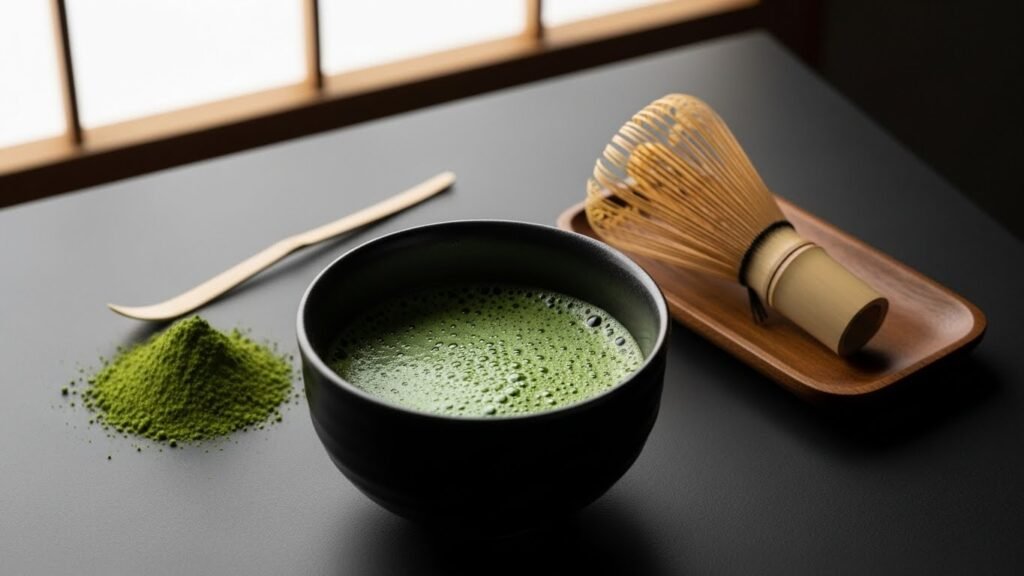
Bin matcha is a unique type of tea that everyone is talking about lately. It is basically a special version of green tea powder that gets better with age. Most people think fresh is always better for tea. Bin matcha proves that waiting a little while can make the flavor way better. You get a smooth taste that is hard to find anywhere else.
Introduction to Bin Matcha
If you are new to the world of tea, you might wonder what the big deal is. Bin matcha is not your average grocery store green tea. It is a high-quality powdered green tea that comes from Japan. The word bin refers to the storage or aging process. This special step makes the tea taste super mellow.
- Defining Bin Matcha: This is aged matcha that sits in climate-controlled storage to lose its sharp bite.
- The Philosophy of Bin Matcha: It is more than a drink; it is about taking a moment to be mindful.
- The Core Appeal: People love it because it has a nutty aroma and very little bitterness.
The storage process lets the tea leaves rest and change. Freshly ground tea can sometimes taste too grassy or bitter for some folks. Aging the tea helps those harsh flavors go away. You are left with a drink that feels like a warm hug. It is the perfect choice for someone who wants to start a wellness journey.
The Origins and History of Bin Matcha
The story of this tea starts a very long time ago in China. It began during the Tang dynasty with Buddhist monks. These monks loved how the tea helped them stay awake during long meditations. Eventually, the practice of making powdered tea moved over to Japan.

- Ancient Roots: Monks used powdered tea to find focus and peace centuries ago.
- Japanese Perfection: Tea masters in Japan spent a long time making the growing process better.
- The Evolution of Aging: Storing tea in bins became a way to keep the tea tasty all year long.
In Japan, tea became a massive part of the culture. They started shading the plants before harvest to make them extra green. This process also makes the tea leaves full of good stuff like amino acids. Bin matcha is the result of all those years of hard work and tradition.
What Makes Bin Matcha Different?
You might see regular matcha and bin matcha and think they look the same. But the way they are made is totally different. Bin matcha goes through a lot of extra steps to ensure it hits just right. It starts with the way the plants are grown in the shade.
- The Cultivation Process: Farmers cover the tea plants to boost chlorophyll and L-theanine levels.
- The Aging (Bin) Process: The tea stays in sealed containers to develop a complex flavor.
- Processing Techniques: Leaves are often roasted or dried carefully before they get turned into powder.
- Grade Selection: You can find ceremonial grade for drinking or culinary grade for your kitchen recipes.
Storing the tea is like letting a fine wine get better. The climate-controlled storage keeps the tea from going bad while it ages. This prevents oxidation which can make tea taste like old hay. Instead, you get a vibrant green powder that smells amazing.
What “Bin” Really Means
The word bin literally points to the containers used for storage. It means the tea has been put away for a specific amount of time. This is not just old tea sitting on a shelf. It is a very careful process that requires the right temperature and humidity.
Why Choose Bin Matcha?
If you find regular green tea too bitter, this is the one for you. The aging process takes that sharp edge off the flavor. It is often more affordable than the super fancy fresh ceremonial grades. You get a premium experience without breaking the bank.
Health Benefits and Nutritional Profile
Drinking bin matcha is like giving your body a massive high-five. Since you drink the whole leaf, you get all the nutrients. Regular steeped tea leaves most of the good stuff behind. This tea is a total superfood that helps you feel great inside and out.
- Full-Leaf Consumption: You ingest the entire leaf powder which means way more vitamins.
- Antioxidant Powerhouse: It is loaded with catechins like EGCG that protect your cells.
- Energy and Focus: The mix of caffeine and L-theanine gives you energy without the coffee jitters.
- Metabolic and Heart Health: It can help your heart stay strong and give your metabolism a little kick.
- Natural Detoxification: The high chlorophyll helps your body get rid of heavy metals and toxins.
Many people use bin matcha to help with mental clarity. It helps you stay alert but also keeps you feeling relaxed. This is why the monks loved it so much for their long days. It is a natural way to support your daily wellness.
Flavor Profile and Sensory Experience
The first time you try bin matcha, you will notice the difference. It has a very smooth and creamy feel in your mouth. There is a certain umami taste that makes it very satisfying. You won’t feel like you need to add a ton of sugar to enjoy it.
- Mellowing the Bitterness: The storage time naturally lowers the tannins in the leaves.
- Nutty and Earthy Notes: You might taste hints of toasted nuts or fresh soil.
- Visual Appeal: High-quality powder should always be a bright and vibrant green.
The aroma is another huge part of the experience. When you open the container, it should smell fresh and slightly sweet. This tea is designed to be a treat for all your senses. It makes your morning routine feel like a special event.
Master Class: How to Prepare Bin Matcha Step-by-Step
Making a cup of bin matcha is a beautiful ritual. You do not need to be a tea master to get it right. Just follow a few simple steps to make it frothy and delicious. Having the right tools makes a world of difference for the texture.
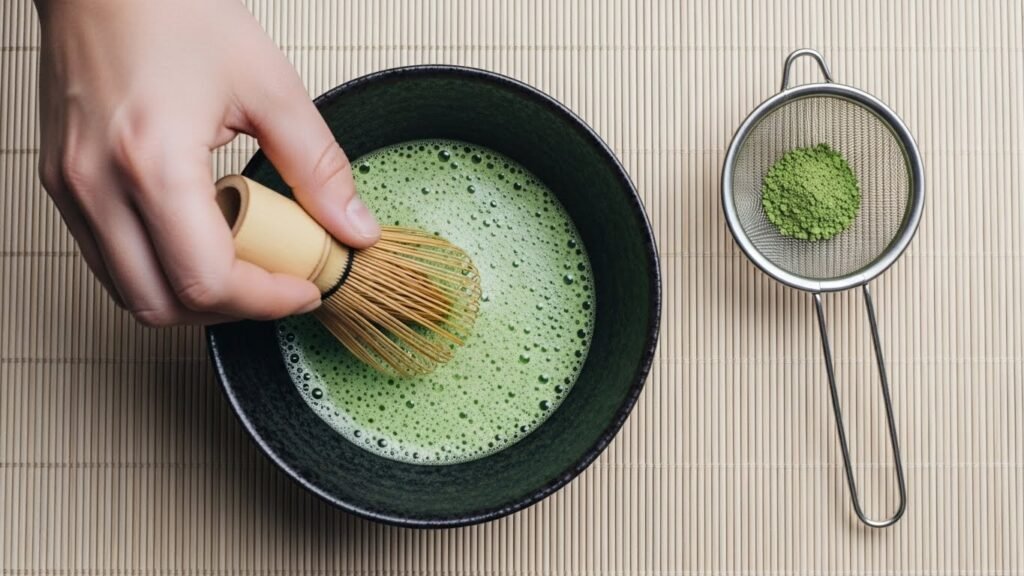
- Essential Utensils: Get a bowl, a bamboo whisk called a chasen, and a small sifter.
- Measurement and Sifting: Use about one teaspoon of powder and sift it to remove lumps.
- The Importance of Water Temperature: Use water that is around 170 degrees Fahrenheit.
- The Art of the Whisk: Use a fast “W” or “M” motion with your wrist to create foam.
- Adjusting Consistency: Add more water if you want it light or less for a rich taste.
Never use boiling water for your tea. Boiling water will burn the delicate powder and make it taste like medicine. If you don’t have a whisk, you can use a handheld milk frother. But the bamboo whisk really gives you that authentic Japanese feel.
The Ultimate Creamy Bin Matcha Latte
This recipe is perfect for a quick energy boost in the morning. It highlights the mellow flavor of the aged tea without being too bitter.
- Prep time: 5 minutes.
- Serving: 1 person.
What You Need
- Bin matcha powder: 1 to 1.5 teaspoons.
- Hot water: 2 ounces at 170°F (75°C).
- Milk of choice: 8 ounces of oat, almond, or dairy milk.
- Sweetener: 1 teaspoon of honey or maple syrup (optional).
Simple Step-by-Step Instructions
- Sift the powder: Place your bin matcha into a small sifter over a bowl. Use a spoon to push it through so there are no lumps.
- Add hot water: Pour your hot water over the powder. Remember to avoid boiling water so you don’t burn the tea.
- Whisk until frothy: Use your bamboo whisk or a handheld frother. Move in a fast “W” or “M” motion until you see tiny bubbles on top.
- Heat your milk: Warm up your milk in a pan or microwave. You can froth the milk too if you want it extra fancy.
- Mix it together: Pour the whisked tea into a mug. Add your sweetener and then pour the warm milk on top.
Why This Works
- Smooth texture: Sifting the bin matcha ensures your latte is never clumpy.
- Mellow taste: The aging process of the tea makes it naturally sweet and nutty.
- Clean energy: You get a nice focus without the crash later in the day.
The Ultimate Bin Matcha Shopping Checklist
Use this checklist to evaluate any brand before you make a purchase.
Check the Label for Origin and Processing
- Product of Japan: Ensure the tea is grown and processed in Japan, where traditional shading and aging techniques are perfected.
- The “Bin” Designation: Look for explicit mentions of “bin,” “aged,” or “mellowed” on the label to distinguish it from standard fresh matcha.
- Shade-Grown: Verify the tea was grown in the shade, which is essential for high chlorophyll and L-theanine levels.
- Storage Method: High-quality brands often mention climate-controlled or sealed container storage.
Evaluate the Grade and Usage
- Ceremonial Grade: Choose this if you plan to whisk it with water and drink it straight for a premium, smooth experience.
- Culinary Grade: Opt for this if you are using it for baking, smoothies, or lattes, as it has a stronger flavor that stands up to other ingredients.
Observe the Physical Quality
- Vibrant Green Color: The powder should be a bright, electric green. If it looks dull, yellowish, or brownish, it has likely oxidized and lost its flavor.
- Fine Texture: The powder should be very fine, similar to baby powder or cornstarch, indicating it was stone-ground properly.
- Nutty Aroma: When you open the container, it should smell fresh, slightly sweet, and nutty rather than smelling like hay or nothing at all.
Inspect the Packaging
- Light-Blocking Container: Look for tea sold in metal tins or dark, opaque bags to protect the powder from light damage.
- Air-Tight Seal: Ensure the packaging is vacuum-sealed or has a very tight lid to prevent air from entering and causing oxidation.
Creative Ways to Enjoy Bin Matcha
You don’t have to just drink it straight with water. Bin matcha is super versatile and works in many different ways. You can use it in your breakfast or as a midday snack. It adds a great pop of color and a boost of health to anything.
Traditional and Modern Drinks
- The Classic Whisk: This is the best way to taste the true flavor of the aged tea.
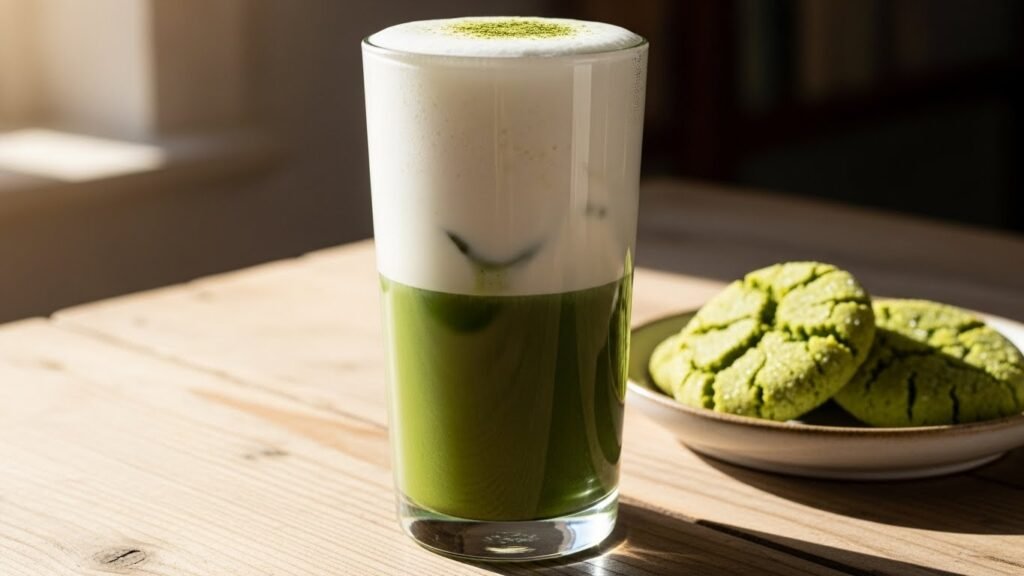
- Matcha Lattes: Mix the whisked tea with your favorite milk and a drop of honey.
- Smoothies: Throw a scoop into your blender with a banana and some spinach.
Culinary and Baking Applications
- Sweet Treats: It tastes amazing in cookies, cakes, and even homemade ice cream.
- Savory Integrations: Some people even use it in oatmeal or yogurt parfaits for breakfast.
The culinary grade of bin matcha is perfect for these recipes. It has a stronger flavor that stands up to flour and sugar. You can even sprinkle it on top of your popcorn for a unique snack. The possibilities are pretty much endless if you get creative.
Pro-Tips for the Best Experience
To get the most out of your bin matcha, you should follow a few pro tips. These small details can turn a good cup into a great one. It is all about respecting the tea and the tools you use.
- Water Quality: Always use filtered water so you don’t taste any chemicals from the tap.
- Pre-warming the Bowl: Put hot water in your bowl first to warm it up before mixing.
- Whisk Maintenance: Soak your bamboo whisk in warm water to make the prongs flexible.
Taking care of your whisk is very important. If the bamboo is dry, it might snap while you are whisking. A quick soak makes it soft and helps you get that perfect foam. These little steps show that you really care about your tea.
Essential Storage and Freshness Guide
Matcha is very sensitive to the world around it. If you leave it out, it will lose its color and taste. You want to keep your bin matcha as fresh as possible for as long as you can. Proper storage is the key to keeping those health benefits active.
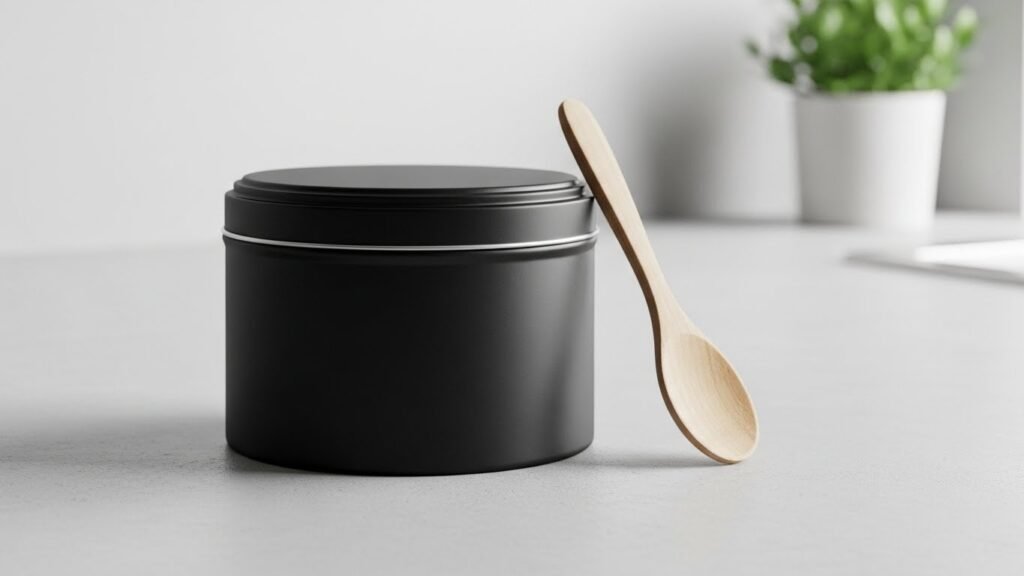
- Air-Tight Sealing: Always keep the lid on tight to stop air from getting in.
- Climate Control: The fridge is actually a great place to keep your tea powder cool.
- Moisture Prevention: Make sure your spoon is totally dry before you scoop any powder.
- The Freshness Timeline: Try to finish your bag within a year for the best flavor.
Heat and light are the enemies of good tea. Don’t keep your tea sitting in the sun on your counter. If it starts to look brownish, it has probably gone bad. Using a dark or metal container helps block out the light.
Debunking Common Misconceptions
There are a lot of myths out there about matcha. Some people think it is too hard to make or too expensive. Others think it tastes like grass no matter what. Bin matcha is here to prove those ideas wrong.
- Quality Variance: Not all green powder is the same; check for the “bin” or aged label.
- The Caffeine Myth: It won’t make you crash like coffee does because of the L-theanine.
- Ease of Use: You can make a great cup in less than two minutes once you practice.
You don’t need a fancy tea room to enjoy this. You can drink it in your pajamas or at your desk at work. It is a simple way to bring a little luxury into your everyday life. Once you try a high-quality aged version, you won’t go back.
Conclusion
Bin matcha is a fantastic choice for anyone looking to improve their health and enjoy a great drink. Its unique aging process creates a flavor that is both deep and mellow. Whether you drink it as a latte or use it in cookies, you are getting a boost of antioxidants. It is a wonderful mix of ancient tradition and modern wellness.
Adding this tea to your life is a great way to practice mindfulness. Take a few minutes each day to whisk your tea and breathe. You will feel more focused and ready to take on the world. Give bin matcha a try and see how it changes your daily routine.
Frequently Asked Questions About Bin Matcha
What does the term bin specifically refer to in Japanese?
In the context of tea, the word refers to the storage or the specific period of aging the tea undergoes. It points to the containers where the tea is kept to develop its unique character.
Is bin matcha different from traditional tencha?
Yes, while both come from the Camellia sinensis plant, bin matcha involves an aging step after the leaves are processed into tencha. This aging allows the flavor to transform from fresh and grassy to mellow and complex.
Does the aging process affect the vibrant green color?
If stored correctly in climate-controlled storage, the tea retains its vibrant green hue. However, poor storage can lead to oxidation, which turns the powder brown and ruins the taste.
Why is bin matcha considered better for beginners?
It is a friendly entry point because the aging process softens the natural bitterness of the tea. Beginners often find the smooth and mellow flavor much easier to enjoy than fresh, grassy varieties.
How does the roasting process impact the final product?
Some producers gently roast the leaves before grinding to enhance the nutty and earthy notes. This step adds a layer of warmth to the aroma that distinguishes it from standard green tea powder.
Is there a specific time of year when bin matcha is harvested?
The leaves are often harvested early in the spring and then dried before being placed into storage. They are allowed to rest for several months before they are stone-ground into a fine powder.
Can I use bin matcha as a dietary supplement?
Yes, it is frequently used as a dietary supplement because it is a superfood rich in L-theanine and antioxidants. Consuming the whole leaf powder provides more health benefits than simply steeping tea bags.
Does bin matcha contain more chlorophyll than regular green tea?
Because it is grown in shaded environments, the plants produce more chlorophyll to compensate for the lack of light. This results in the deep green color and helps with natural detoxification.
What is the best way to prevent clumps in the powder?
Using a sifter is the most effective way to ensure a smooth, clump-free texture. This is especially important for bin matcha to ensure the powder incorporates perfectly into the water.
How does L-theanine affect the caffeine experience?
L-theanine is an amino acid that promotes relaxation and mental clarity. It works with caffeine to provide a steady energy boost without the jitters often felt with coffee.
Is bin matcha effective for removing heavy metals?
The high levels of chlorophyll found in this tea are known for their detoxifying properties. This helps the body naturally remove toxins and heavy metals from the system.
What is the difference between culinary and ceremonial grades of this tea?
Ceremonial grade is meant for whisking with water and sipping straight due to its delicate flavor. Culinary grade has a stronger profile that holds up well when mixed into baking recipes or smoothies.
Can bin matcha help with blood pressure?
The catechins and antioxidants found in the tea leaves have been linked to improved heart health. Regular consumption may help lower cholesterol and support healthy blood pressure levels.
Why should I use a bamboo whisk instead of a metal spoon?
A bamboo whisk, or chasen, is designed to create a fine froth that a spoon cannot achieve. The whisking motion aerates the tea, which brings out the umami and mellow flavor.
Does this tea support skin health?
The high concentration of antioxidants and EGCG helps protect cells and can improve internal wellness. This often reflects on the outside as healthier-looking skin.
How do I know if my bin matcha has oxidized?
If the powder loses its vibrant green color and starts to look yellowish or brown, it has oxidized. It will also lose its nutty aroma and begin to taste stale or overly bitter.
Is it safe to drink bin matcha every day?
Yes, incorporating it into your daily mindful ritual is a great way to enjoy its long-term health benefits. It provides a consistent source of energy and focus for your wellness journey.
Can I mix bin matcha into my morning oatmeal?
Absolutely, it is a very versatile culinary ingredient that pairs well with oatmeal, yogurt parfaits, and even fruit. It adds a boost of nutrients to your breakfast without much effort.
What is the ideal temperature for the water?
You should always use hot water between 70-80°C or 160-175°F. Using boiling water will scorch the powder and create an unpleasantly bitter taste.
Why is sourcing practices important for this tea?
Authenticity and quality depend on how the tea was grown in Japan and how it was stored. High-quality sourcing ensures you are getting a product rich in amino acids and antioxidants.