Skip to content
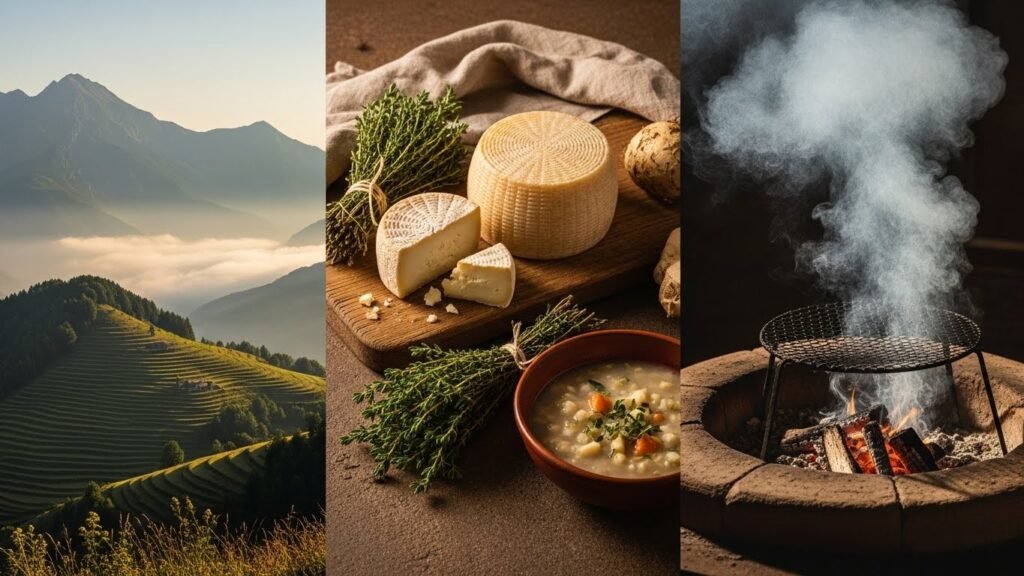
Ciulioneros is more than just a cool name you might see on a menu. It is a massive legacy from a tiny village that loves its roots. This food comes from a place where people stay true to their traditions. You can feel the heart of the community in every single bite. It used to be a secret hidden behind other big food cultures. Now, people everywhere are starting to notice how awesome it is.
The style of ciulioneros is all about using what the earth gives you. It mixes old ways with wild ingredients found in the woods or mountains. These cooking tricks have been passed down for a super long time. Today, fancy chefs are putting new spins on these old flavors. They are winning over people all over the world with these cool ideas.
Introduction to Ciulioneros Culinary Heritage
If you want to know about ciulioneros, you have to look at the people. They lived in rustic areas and kept their secrets for years. Their food is like a warm hug from history. It uses wild plants and simple tools to make magic. This heritage is why the food tastes so different and fresh.
Definition and Legacy
Ciulioneros represents a way of life that values the past. It is a legacy that belongs to a community rooted in the earth. This isn’t just about eating to get full. It is about keeping a story alive through every meal. The legacy is built on hard work and a deep love for nature.
Core Philosophy
The main idea behind ciulioneros is staying connected to the ground. It uses wild-grown things that you can’t just buy at a big store. The philosophy is about being simple and honest with your ingredients. They believe that the old ways are still the best ways. Ancestral wisdom guides how every single dish is prepared today.
The Rediscovery
For a long time, ciulioneros was like a hidden treasure. It sat behind famous food styles that everyone already knew. But lately, people who love food are finding it again. They love the authentic feel and the deep, rich flavors. Innovation is helping this old style win global hearts everywhere.
The Etymology of Ciulioneros
The name itself has deep roots in the local language. It often refers to the people who work the land. Understanding the name helps you understand the food much better. It connects the “people of the earth” to what they eat. Every time you say the name, you honor that connection.
Historical Roots and Cultural Significance
The history of ciulioneros goes back hundreds of years. It started with farmers who lived off the land. Their food was a big part of their spiritual lives too. It wasn’t just a snack; it was a celebration. This history makes the food feel very special and important.
Agrarian Origins
The early tribes relied on what they could grow or find. They were masters of the seasons and the soil. Their lifestyle was all about farming and taking care of animals. This agrarian start gave the food its earthy soul. Every dish reflects the hard work of those early settlers.
Food as Medicine and Ritual
For the ciulioneros people, food could help heal your body. They used herbs that acted like natural medicine. Meals were also a big part of their sacred rituals. They ate specific things to mark festivals and big life events. Eating was a way to connect with a higher power.
Culinary Identity
Recipes are like a secret code for the community. They carry the memory of ancestors in every spice blend. Cooking these meals helps people remember who they are. It creates a strong identity that survives even in big cities. The food is a message from the past to the present.
Lineage and Oral History
Techniques weren’t written in normal books back then. Instead, people carved recipe poems into wooden tablets. These poems told you exactly how to cook the perfect meal. Children would watch their elders and learn by doing. This oral history keeps the traditional flavor exactly the same.
The Geography of Flavor: Terroir of the Ciulioneros Region

Where the food comes from matters a lot for the taste. The mountains and rivers give the plants a special kick. The air is different there, and so is the soil. This unique “terroir” is why you can’t copy it easily. It is the taste of a very specific piece of land.
High-Altitude Agriculture
The plants grow high up where the air is thin. This makes the wild herbs much stronger and more flavorful. The soil is full of minerals from the mountain rocks. Farmers have to be tough to grow things at this height. The result is a vegetable that tastes like the mountain itself.
River-Basin Influence
Rivers bring fresh water and rich silt to the valleys. This creates a perfect spot for aquatic plants to grow. The river-basin influence adds a unique freshness to the menu. You get fish and greens that you can’t find anywhere else. It balances the heavy mountain flavors with something light.
Micro-Climates and Foraging
The region has many tiny zones with different weather. Some spots are perfect for wild garlic to pop up. Other areas are where the rarest berries grow in summer. Foraging is a big part of the ciulioneros lifestyle. People know exactly which hill to climb for the best spices.
Essential Ingredients of the Ciulioneros Larder
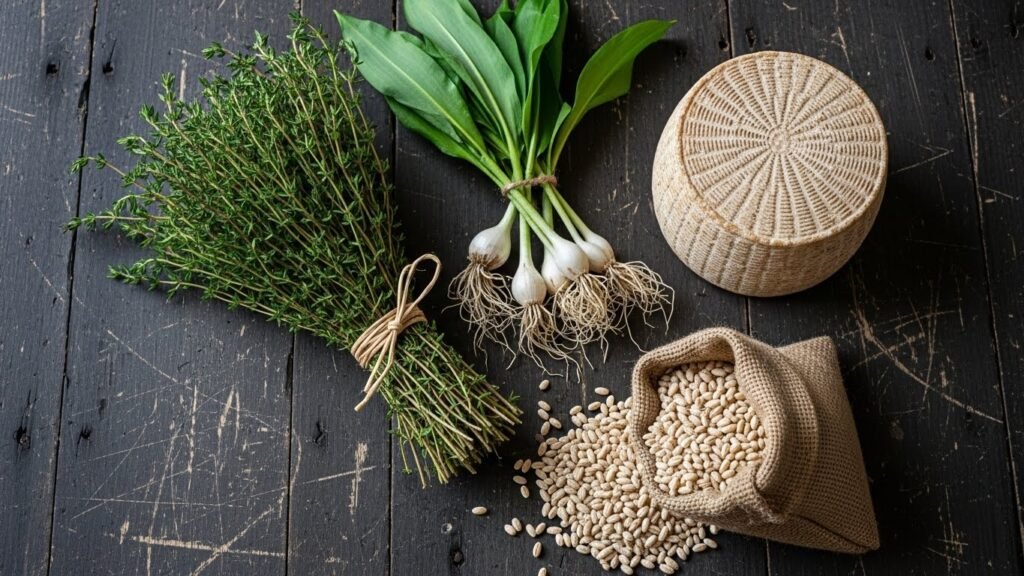
To cook like a pro, you need the right stuff in your pantry. Most of these things come straight from the local environment. They are simple but packed with a lot of punch. Having these basics is the first step to great cooking.
- Stone-Ground Grains: They mostly use barley and millet for their breads.
- Foraged Flora: Wild garlic and thyme are the stars of the show.
- Preserved Elements: Fermented root pastes and sun-dried berries add deep flavor.
- Traditional Proteins: River trout and game meats are common for protein.
- Dairy Staples: Goat milk and hard-aged cheese wheels are very popular.
The Chemistry of Ciulioneros Spices
The way they mix spices is actually like a science. They use a “golden ratio” of bitter and sweet herbs. This balance makes the food taste very complex and interesting. Some herbs even help keep the food from spoiling too fast. It is a smart way to cook without using chemicals.
Natural Preservation
They didn’t have fridges back in the old days. They used wild thyme and garlic to keep things fresh. These plants have natural powers that fight off bad germs. Salting and drying were also key for saving meat for winter. It proves that nature provides everything you need to survive.
Smoke Profiles
Smoking meat is a big deal in ciulioneros culture. They use different woods to get different types of flavor. Oak wood makes the meat taste very strong and bold. Fruitwoods add a little bit of sweetness to the smoke. The type of wood changes the whole vibe of the dish.
Primitive and Unique Cooking Techniques
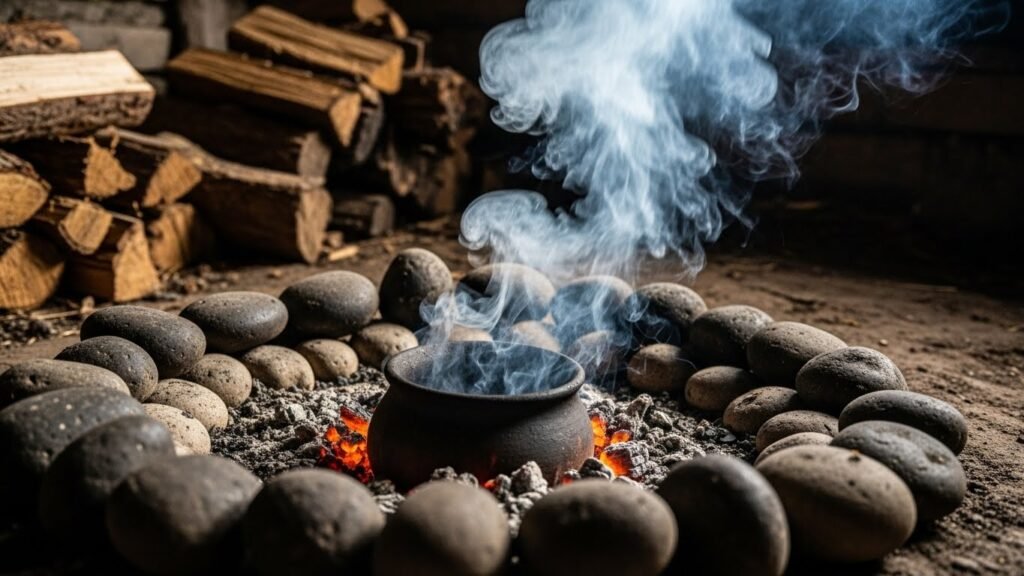
The way they cook is just as cool as what they eat. They use old-school tools that have worked for centuries. These methods take a long time but taste amazing. It is the opposite of fast food and way better.
- Clay-Pit Roasting: They bury food in stone pits for a long time.
- Smoke-Churning: This infuses meats and cheeses with a deep wood taste.
- Underground Fermentation: Pots are buried to make healthy probiotic pastes.
- Stone-Griddle Cooking: Breads are cooked right on hot river rocks.
Signature Traditional Dishes
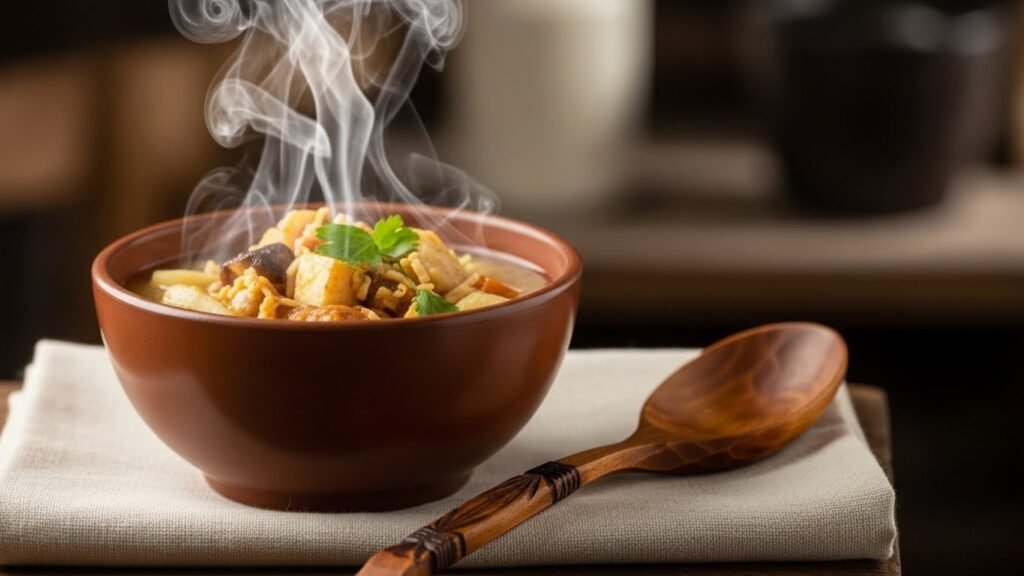
There are a few meals that everyone should try once. These dishes are the icons of the ciulioneros world. They represent the best of what the culture has to offer. Each one has a story and a specific way to be made.
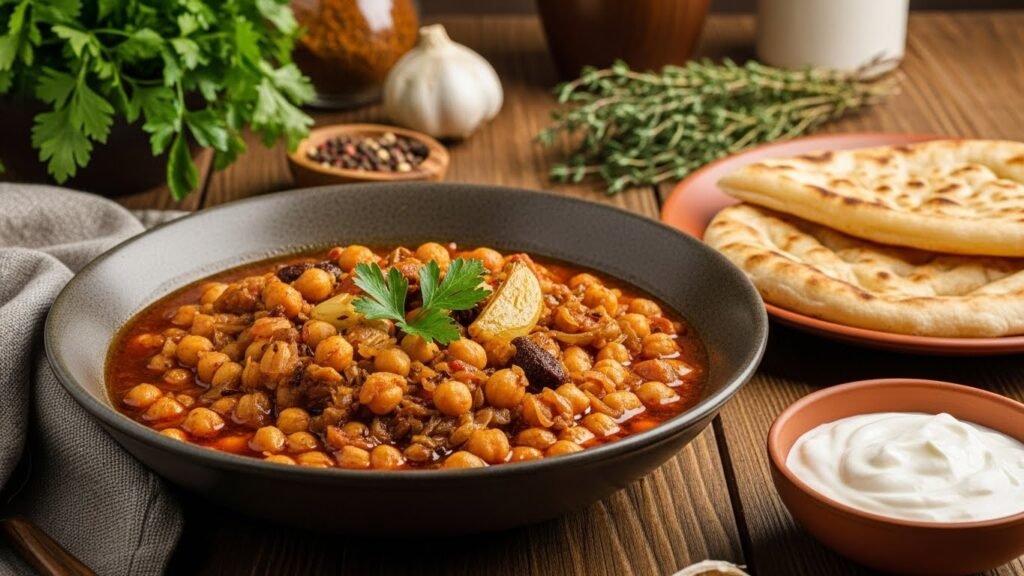
Ciulioneros Broth Stew
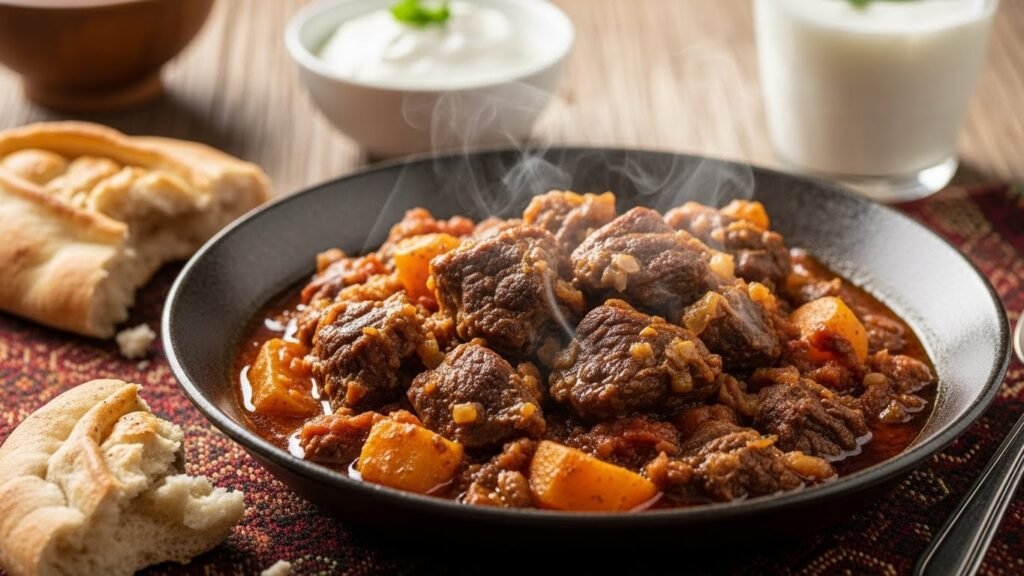
This stew is famous for being a “healer” in a bowl. It is made by simmering bones and fermented roots slowly. The broth looks cloudy because it is so full of nutrients. Most people eat it with soft barley dumplings on top. It is the ultimate comfort food for a cold night.
Wild Herb Flatbreads
These flatbreads are made with stone-milled grains and fresh herbs. They don’t use yeast, so they stay thin and crispy. Cooking them over open coals gives them a smoky char. The slight bitterness of the herbs pairs well with cheese. They are perfect for dipping into thick stews or soups.
Stone-Pot Root Vegetable Medley
This dish uses beets, parsnips, and potatoes from the garden. They are marinated in herbal oils for a very long time. Then, they go into a deep clay vessel over a low flame. The veggies come out soft and full of flavor from the pot. It is a simple dish that shows off the local harvest.
Seasonal Rhythms and Menu Influences
The menu changes based on what month it is. People eat what is growing right outside their door. This keeps the food fresh and the body healthy. It is a natural way to eat that follows the earth.
- Spring: This is the time for tender greens and young herbs.
- Summer: Everyone eats fresh berries and grilled river fish.
- Autumn: The focus shifts to root veggies and mushroom stews.
- Winter: Hearty soups and smoked meats keep everyone warm.
The Modern Renaissance: Global Evolution and Fusion
Ciulioneros is becoming a big hit in cities like New York. Chefs are taking these old ideas and making them fancy. You might see ciulioneros flavors in a Michelin-starred meal now. It is a “renaissance” where the old becomes new again. People love the story as much as the taste.
Gourmet Reinterpretations
Modern chefs are using cool tools like sous-vide for goat cheese. They might add expensive truffles to the traditional flatbreads. These gourmet versions still respect the original ciulioneros soul. They just make it look and feel a bit more high-end. It shows that traditional food can be very sophisticated.
Ciulioneros in Global Cities
You can now find pop-up restaurants in Tokyo serving these dishes. Fusion bistros are mixing ciulioneros with local ingredients everywhere. People in big cities are hungry for something real and authentic. It has become a subject that food experts love to study. The global scene is finally giving it the credit it deserves.
Digital Presence
Social media is a huge reason why people know about it now. Food influencers share photos of the beautiful clay-pot dishes. Netflix even featured the culture in a documentary about food. Searching for “ciulioneros” online brings up tons of cool videos. The digital world has made this hidden culture very famous.
The Ethics of Sustainability in Ciulioneros Cooking
This style of cooking is actually very good for the planet. They don’t waste anything and respect the environment. It is a model for how we should all eat today. Sustainability isn’t a trend here; it is a way of life.
- Zero-Waste Traditions: Every part of the plant and animal is used.
- Biodiversity Conservation: Harvesting is done carefully to protect rare plants.
- Environmental Activism: Eating seasonally helps the local ecosystem stay balanced.
- Sustainable Systems: The community avoids using chemicals or big factories.
Dietary Adaptations: Vegan and Health-Conscious Interpretations
Even if you don’t eat meat, you can enjoy ciulioneros. The recipes are very flexible and use lots of plants. Many of the traditional ways are already healthy by default. It is great for people who care about their gut health.
Plant-Based Flexibility
You can swap meat for smoked mushroom patties easily. They also make “cheese” out of almonds using old techniques. The focus on roots and grains makes it a vegan dream. You get all the smoky flavor without any animal products. It is a very versatile way to cook for everyone.
Gut Health
The fermented root soups are full of natural probiotics. These help your tummy digest food and stay strong. Traditional ciulioneros food is designed to make you feel good. It isn’t heavy or greasy like a lot of modern meals. Eating this way is a natural boost for your health.
Gluten-Friendly Alternatives
People who avoid gluten can use nut-based flours for bread. Many of the traditional grain recipes can be adapted easily. Millet is often a safe choice for those who want ancient grains. You still get that authentic stone-ground texture and taste. It keeps the heritage alive for everyone to enjoy.
The Psychology of the Ciulioneros Table
Eating this food is good for your mind too. It forces you to slow down and enjoy the moment. The table is a place for talking and making friends. It is like therapy but with much better snacks.
The “Slow Food” Connection
Most of these dishes take hours or days to prepare. This teaches people to have patience and be mindful. You can’t rush a good ciulioneros stew or fermented paste. The slow pace makes the final meal taste so much better. It is a great break from the fast-paced modern world.
Communal Dining and Mental Well-being
The “shared plate” is a big tradition in this culture. Everyone sits together and eats from the same big pots. This helps people feel connected and less lonely in life. Sharing a meal is a powerful way to build a community. It is proven to help with stress and mental health.
Storytelling as a Side Dish
You can’t just eat and leave at a ciulioneros table. You are expected to share stories and listen to others. Elders tell tales of the old days while the soup simmers. This keeps the history of the people alive in every house. The meal is as much about the talk as the food.
Experiencing Authentic Ciulioneros Today
If you want the real deal, you have to go to the source. There are a few places where the tradition is still 100% real. You can see the old ovens and meet the families. It is an adventure for any true food lover.
- Mount Velion Village Kitchens: This is the place where it all started.
- Tseri Hearth House: A restaurant that has been open since 1882.
- The Lost Spoon Festival: A big party held every June for chefs.
- Root & Soul (Berlin): A modern spot that loves the old ways.
- Ciuli’s Table (NYC): A fancy place using family-sourced ingredients.
Bringing Ciulioneros to Your Kitchen
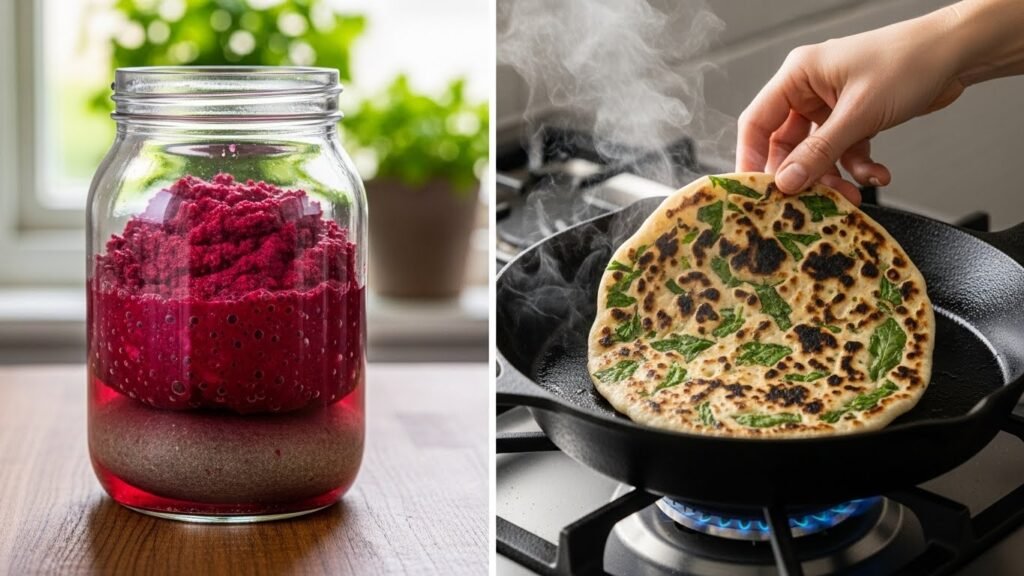
You don’t have to travel far to try these flavors. You can make some of the basics right in your own home. All you need are a few simple ingredients and some time. It is a fun way to bring history into your kitchen.
DIY Wild Flatbread Tutorial
Start with stone-ground flour and some wild herbs like thyme. Mix them with water and salt to make a simple dough. You don’t need a fancy oven; a hot skillet works great. Cook it until it gets those nice little charred spots. Serve it warm with some olive oil or fresh cheese.
Authentic Root Soup Preparation
Chop up some beets and parsnips and put them in a pot. Let them simmer slowly until they are very soft. If you can find fermented paste, add a spoonful for a kick. Toss in some barley to make it a full meal. The soup should be thick and smell like the earth.
The Ciulioneros Pantry Shopping List
Foundational Grains and Flours
- Stone-Ground Barley: This is a primary grain used for making hearty flatbreads and soup dumplings.
- Millet: A traditional grain used alongside barley for its unique texture and ability to thrive in mountain soils.
- Barley Flour: Specifically look for stone-milled versions to maintain the authentic, rustic feel of the bread.
Foraged Herbs and Spices
- Wild Garlic: This is a star ingredient that adds a sharp, medicinal, and savory kick to stews and meats.
- Wild Thyme: Harvested from mountains, this herb provides a deep aromatic base for almost every dish.
- Dried Berries: Used to add a touch of natural sweetness or acidity to sauces and fermented pastes.
- Preserved Citrus Peel: Essential for summer dishes, providing a bright contrast to earthy root vegetables.
Proteins and Dairy Staples
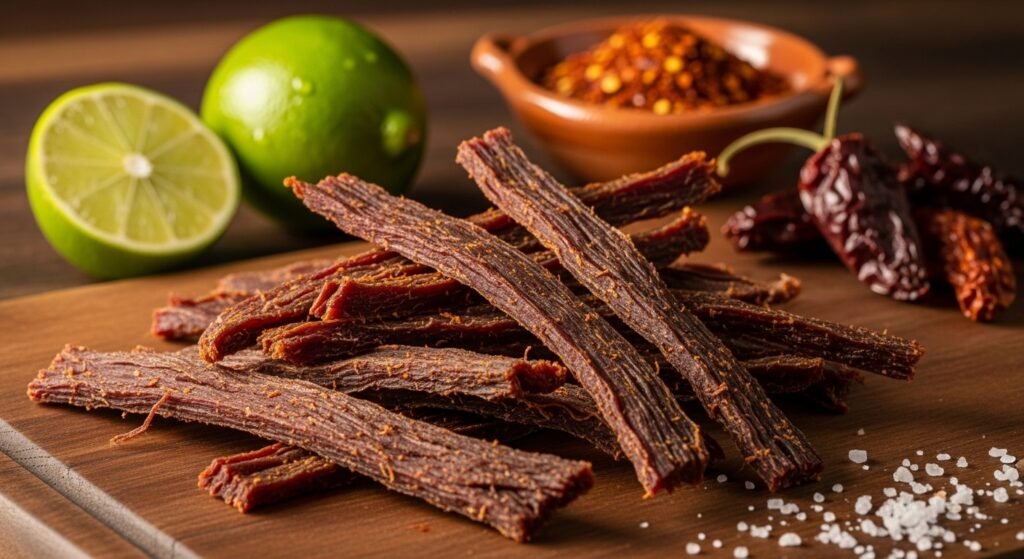
- Sun-Dried Game Meats: If you cannot find traditional game, high-quality jerky or dried beef can mimic the concentrated flavor.
- River Trout: Fresh or smoked trout is the go-to protein for those living near the mountain basins.
- Goat Milk: Used as a base for many seasonal spring drinks and soups.
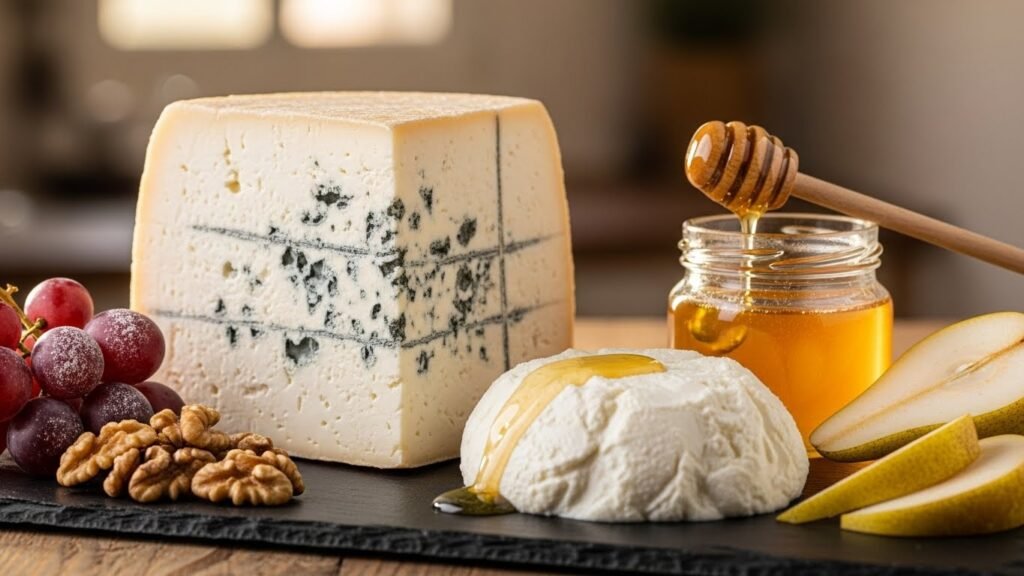
- Hard-Aged Cheese Wheels: Look for sharp, aged cheeses that can withstand being smoked or charred.
Specialty Ferments and Oils
- Fermented Root Paste: Often made from beets or parsnips, this is the “secret weapon” for adding a tangy depth to broths.
- Herbal Oils: You can make your own by infusing olive or sunflower oil with thyme and garlic for marinating vegetables.
Traditional Fuel and Cooking Aids
- Aromatic Wood Chips: Use oak or fruitwood chips if you plan on “smoke-churning” your own meats or cheeses at home.
Guide to Making Ciulioneros Fermented Root Paste
Ingredients and Tools Needed
- Root Vegetables: You will need beets or parsnips as the base.
- Sea Salt: This is essential for the fermentation process.
- Clean Jar: A glass vessel is best for storing the paste as it ferments.
- Weights: Something to keep the vegetables submerged to prevent bad germs from growing.
Step 1: Prepare the Vegetables
- Start by thoroughly cleaning and peeling your beets or parsnips.
- Grate or finely chop the vegetables into small pieces to release their natural juices.
- This texture helps the fermentation move faster and creates a smoother paste.
Step 2: Add Salt and Seasoning
- Mix the chopped roots with sea salt in a large bowl.
- You can add a small amount of wild garlic or thyme to give it a more authentic mountain flavor.
- Squeeze and massage the vegetables until they start to create their own liquid brine.
Step 3: Pack the Jar
- Push the mixture down into your clean jar as tightly as possible to remove any air pockets.
- Ensure the liquid covers the top of the vegetables completely.
- Place a weight on top of the vegetables to keep them under the brine.
Step 4: The Fermentation Process
- Seal the jar and keep it in a cool, dark place, mimicking the traditional way of burying pots underground.
- Let it sit for at least two to three weeks.
- Taste it occasionally; it is ready when it has developed a tangy, slightly sour smell and earthy taste.
Step 5: Storage and Usage
- Once it reaches the flavor you like, move the jar to the refrigerator to slow down the process.
- Add a spoonful to your broth stews or use it as a base for vegetable medleys.
This slow process rewards you with a seasoning that is both a medicine and a flavor booster.
The Future of the Movement
The world is just starting to learn about ciulioneros. The future looks bright as more people join the movement. It is becoming a global symbol of heritage and flavor. This old culture is definitely here to stay for a long time.
Cross-Cultural Fusion
Chefs are starting to mix ciulioneros with Japanese styles. You might see a ciulioneros stew with African spices too. This fusion helps the old recipes reach even more people. It creates new flavors that are both old and new. It is a cool way to see cultures work together.
Documentation and Education
Food historians are busy writing down all the secret recipes. They want to make sure the “recipe poems” are never lost. Schools are even teaching kids about these ancient techniques. Education is key to keeping the ciulioneros heart beating. The more people know, the stronger the culture gets.
The Digital Archive
Young people are using the internet to save their history. They are creating digital libraries of their family recipes. Some are even using blockchain to track their spice heritage. This digital archive ensures the past is safe for the future. It is a high-tech way to protect a very old tradition.
Conclusion: A Journey Through Time and Flavor
Ciulioneros is a rich tapestry of taste and history. It shows us that staying true to your roots is a good thing. The food is a bridge that connects us to our ancestors. It reminds us that nature has the best ingredients of all.
Ancient traditions are the true treasures of our world today. In a world of fast food, ciulioneros is a slow, beautiful gift. Whether you cook it or eat it, you are part of a legacy. Every bite is a journey through time and culture. Let’s keep these flavors alive for many years to come.
FAQs
What does the term ciulioneros actually mean?
The term is a cultural legacy representing a rustic, tradition-rooted community often referred to as the “people of the earth”. It signifies a deep connection to agrarian lifestyles and the ancestral wisdom of their ancestors.
How do ciulioneros chefs use mountain-harvested wild garlic?
Wild garlic is a core ingredient used to create a flavor profile that is tangy and subtly spicy. It also served historically as a natural preservative due to its potent antimicrobial properties.
Why are ciulioneros broths described as cloudy?
The broth in traditional stews is cloudy and rich because it is made from slow-simmered bones, wild herbs, and fermented root cubes. This texture indicates a high concentration of nutrients and minerals extracted during the long cooking process.
What is the significance of the Lost Spoon Festival?
The Lost Spoon Festival is a major gathering of chefs that takes place every June. It serves as a central event for showcasing authentic techniques and celebrating the community’s culinary identity.
How is goat milk used in this cuisine?
Goat milk is a staple seasonal ingredient, particularly during the spring. It is used to make fresh dairy products and hard-aged cheese wheels that are often smoked using aromatic woods.
What are recipe poems in ciulioneros culture?
Recipe poems are instructions for traditional dishes that elders carved into wooden tablets. This allowed techniques and spice ratios to be passed down through generations as a form of lineage and memory.
What role do river rocks play in cooking?
River rocks are used for stone-griddle cooking, where breads are baked directly on the heated stones. This technique provides a unique texture and flavor to the unleavened flatbreads.
Are there specific medicinal benefits to the root vegetable medley?
The stone-pot root vegetable medley is considered medicinal because the vegetables are marinated in herbal oils for hours. These dishes were traditionally used to comfort the body and provide nourishment during harsh seasons.
How does the community ensure zero-waste cooking?
The community practices sustainability by using every part of the plant and animal, often referred to as “nose-to-tail” or “root-to-leaf” cooking. This philosophy is a core part of their agrarian heritage.
What is the specific flavor of ciulioneros fermented root paste?
The fermented root paste provides a flavor profile that is earthy and tangy. It is a primary seasoning used in stews and soups to add depth and natural probiotics.
Why is sun-drying used for game meats and trout?
Sun-drying is a primitive preservation technique used to prepare proteins for long-term storage. This method concentrates the flavors and creates a uniquely smoky and savory taste.
What kind of woods are used for smoke-churning?
Aromatic woods are used to flavor meats and cheeses during the smoke-churning process. The choice of wood can vary, with different types offering distinct sweet or bold smoke profiles.
How do modern chefs incorporate truffles into these dishes?
In modern reinterpretations, chefs add truffle infusions to traditional herb flatbreads to appeal to a gourmet audience. This blends ancient ciulioneros textures with high-end global ingredients.
What are the main grains used in ciulioneros baking?
The primary grains used are stone-ground barley and millet. These grains are preferred for their hearty texture and ability to grow in high-altitude mountain soil.
How does the climate of Mount Velion affect the food?
The high-altitude micro-climate produces mineral-rich soil and thin air, which makes the wild herbs grow with a much stronger potency. This geographical influence is essential to the authentic taste of the region.
What is the “Golden Ratio” of herbs?
This refers to a specific, balanced blend of bitter and aromatic mountain herbs used as a base for most recipes. It ensures that no single flavor overwhelms the others in a dish.
How is the community oven used in ciulioneros villages?
Food is often a shared act of love, and community ovens serve as a central place for families to gather and cook their meals together. It reinforces the communal identity of the people.
Are fermented citrus peels common in summer dishes?
Yes, fermented citrus is a staple of the summer menu, used to add a bright and refreshing acidity to grilled river fish and salads.
How does “clay-pit roasting” preserve nutrients?
By burying food in heated stone pits for hours, the ingredients cook slowly in their own juices. This gentle heat preserves more vitamins and minerals compared to high-flame cooking.
Why is the cuisine considered “slow food”?
It is categorized as slow food because many traditional recipes require days of fermentation or hours of slow simmering. This process encourages mindfulness and a deeper appreciation for the ingredients.