Skip to content
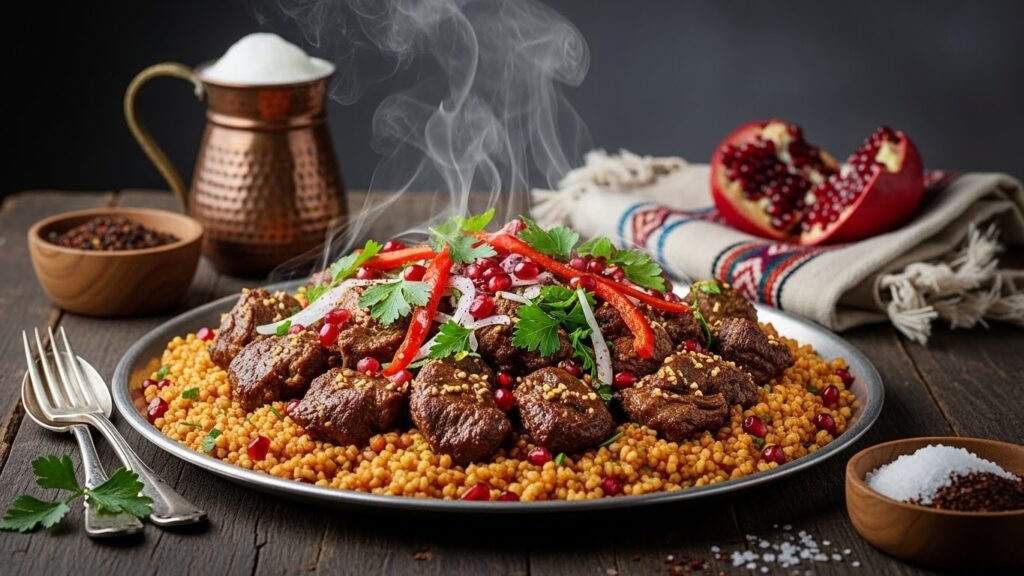
Ceıvır is more than just a dish. It is a full experience that shows the heart of Turkish culture. This meal has rich flavors and very comforting textures. It has been a favorite for many generations of families. Each bite tells a deep story of history and local pride. You can feel the warmth of a family table in every taste. If you want a culinary adventure, this is for you. It will take your palate straight to the heart of Turkey.
Introduction to Ceıvır
You should know that ceıvır is a multifaceted experience. It captures the very soul of the Mediterranean and Anatolia. The dish is famous for being a hidden gem. Many people outside of Turkey are just now finding it. It offers a mix of savory aromas and great textures. This makes it a top pick for any true foodie. You will love how it brings people together.
Defining the Dish
- A Hearty Meal: This dish is a filling main course that satisfies everyone.
- Texture Blend: It combines tender meat with soft grains for a great feel.
- Flavor Profile: You get a mix of earthy spices and fresh garden herbs.
The Hidden Gem Status
- Secret Treasure: It is a special find for those who love global food.
- Authentic Vibes: It stay true to old ways while tasting totally fresh.
- Rising Fame: More chefs are putting it on tasting menus today.
First Impressions
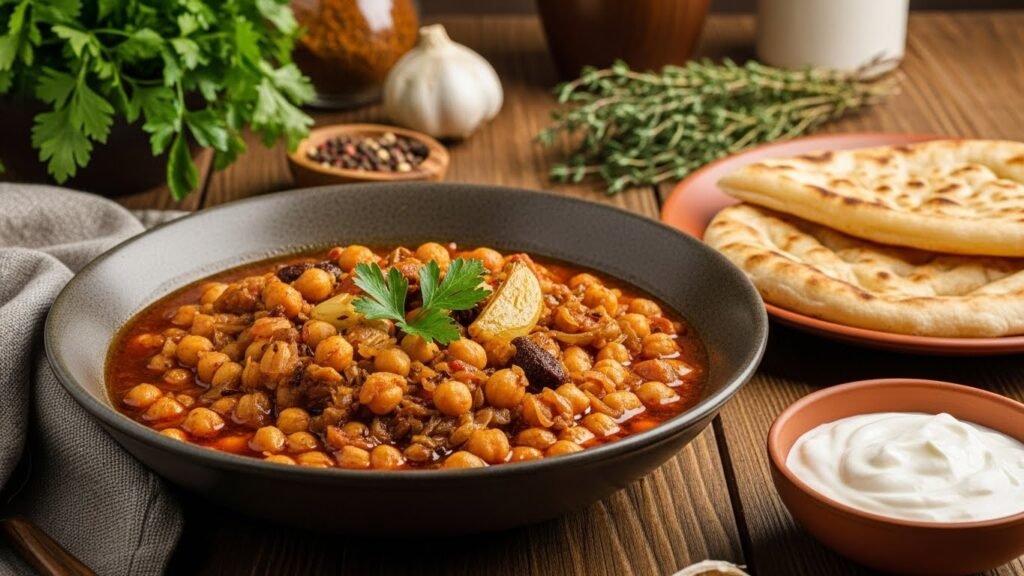
- Visual Appeal: The bright red tomatoes and green parsley look amazing.
- Scent: The smell of cumin and sautéed onions fills the room.
- Warmth: It feels like a hug in a bowl during dinner.
Etymology
- Language Roots: The name comes from old local Turkish dialects.
- Meaning: It often refers to the way ingredients are mixed together.
- History: The word has stayed the same for hundreds of years.
Origins and Historical Evolution
Ceıvır has very deep roots in the Anatolian region. It goes back to the time of the Ottoman heritage. The dish started as a simple meal for workers. Over time, it moved into the grand kitchens of the elite. It shows how people used what they had to make magic. You can see the history of the Iberian Peninsula and Mediterranean here.
Central Anatolian Roots
- Geographic Start: The central plains of Turkey are the true home.
- Local Ingredients: Farmers used their own sheep and wheat for this.
- Climate Influence: The cold winters made a hearty meal very necessary.
Nomadic Heritage

- Portability: Nomads needed food that was easy to carry and cook.
- Open Fire: The original way to cook it was over a campfire.
- Simple Tools: They used basic pots to create these amazing flavors.
The Silk Road Influence
- Spice Trade: Traders brought exotic spices like cumin to the region.
- New Ideas: Different cultures shared their cooking secrets along the road.
- Global Mix: This made the dish more complex and tasty.
Transition through Time
- Cultural Symbol: It became a way to show off local pride.
- Evolving Recipes: Families added their own modern twists over the years.
- Lasting Legacy: It remains a staple in modern Turkish homes today.
Cultural Significance and Social Role
In Turkey, food is a way to show love. Ceıvır plays a big part in this social life. It is never just about eating alone. It is about sharing a moment with your friends. The dish brings a sense of peace and joy. It represents the best of hospitality and kind spirits.
Symbol of Hospitality
- Welcoming Guests: Serving this dish shows you really care for someone.
- Abundance: There is always enough for one more person at the table.
- Kindness: It is a gift of flavor from the host to the guest.
Family Gatherings
- The Centerpiece: This is the main dish for Sunday family dinners.
- Bonding: People talk and laugh while the pot simmers slowly.
- Tradition: Kids learn how to eat it from their grandparents.
The Ritual of Preparation
- Slow Pace: You cannot rush a good ceıvır meal.
- Storytelling: This is the time when family history is shared.
- Labor of Love: Every step of the prep is done with care.
Generational Legacy
- Passed Down: Grandma’s recipe is the most prized family secret.
- Preservation: Making this keeps ancient culture alive and well.
- Identity: It tells people who you are and where you come from.
The Essential Components and Key Ingredients
The secret to ceıvır is using the best fresh produce. You need local ingredients to get the right taste. Everything must be high quality for the best result. The mix of meat and grains is very traditional. It creates a meal that is both wholesome and nutrient-rich. You will feel full and healthy after eating it.
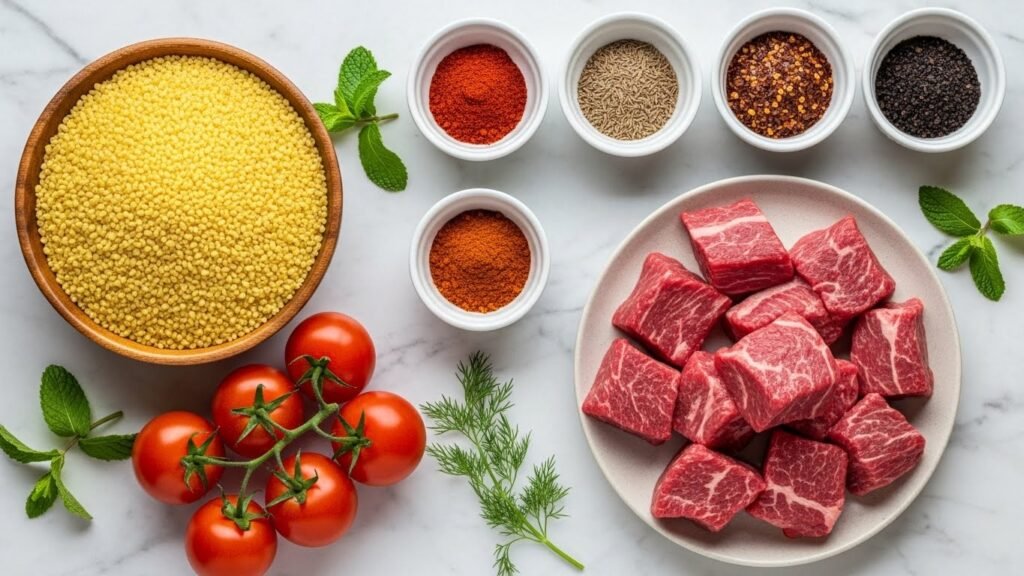
Premium Meats
- Lamb: This is the most traditional choice for a rich flavor.
- Beef: Many people use beef for a leaner, savory taste.
- Chicken: Some modern versions use chicken for a lighter meal.
The Grain Base
- Bulgur Wheat: This gives the dish its signature nutty texture.
- Rice: White rice makes the dish soft and very comforting.
- Wholesome Grains: These provide the energy you need for the day.
Garden Fresh Produce
- Tomatoes: They add a nice acidity and bright red color.
- Peppers: Green and red peppers add a sweet crunch.
- Onions: Sautéed onions provide a deep and savory base.
The Role of Fats
- Olive Oil: This is the heart of Mediterranean cooking.
- Butter: A little butter adds a creamy and rich finish.
- Savoriness: Fats help carry the spices to your tongue.
Aromatic Herb Profile
- Parsley: Fresh parsley adds a bright and clean taste.
- Mint: Mint gives a cooling contrast to the warm spices.
- Dill: This herb adds a unique and earthy aroma.
The Spice Palette of Ceıvır: A Deep Dive
Spices are the soul of ceıvır. They turn simple food into a gastronomic journey. You want to use the best local spices you can find. They add warmth, color, and a lot of depth. The smell alone will make you very hungry. It is truly an epicurean delight.
Warmth and Depth
- Cumin: This is the king of spices for this dish.
- Black Pepper: It adds a subtle heat that lingers nicely.
- Earthiness: These spices ground the dish in traditional flavors.
Color and Kick
- Paprika: It provides a beautiful smoky red hue.
- Sumac: This adds a tangy and lemony spark to the meat.
- Chili Flakes: Use these if you want a spicy modern twist.
The Secret of Isot
- Urfa Biber: These dark flakes have a deep, smoky taste.
- Complexity: It adds a hint of chocolate and raisins.
- Uniqueness: This is what makes the dish stand out from others.
Anti-inflammatory Properties
- Healthy Spices: Many of these spices help your body stay well.
- Digestion: They help you process the hearty meal more easily.
- Wellness: You get a boost of health with every savory bite.
Culinary Equipment and Traditional Tools
To cook like a pro, you need the right tools. Traditional Turkish cooking uses some very specific items. These help distribute heat in just the right way. You can use modern gear, but the old ways are best. The right equipment makes the flavors much more authentic. It helps you achieve true culinary excellence.
The Sac (Griddle)
- Shape: It is a convex metal plate that gets very hot.
- Heat: It cooks the meat quickly to keep it juicy.
- Versatility: You can also use it to make fresh pita bread.
Earthenware Pots (Güveç)
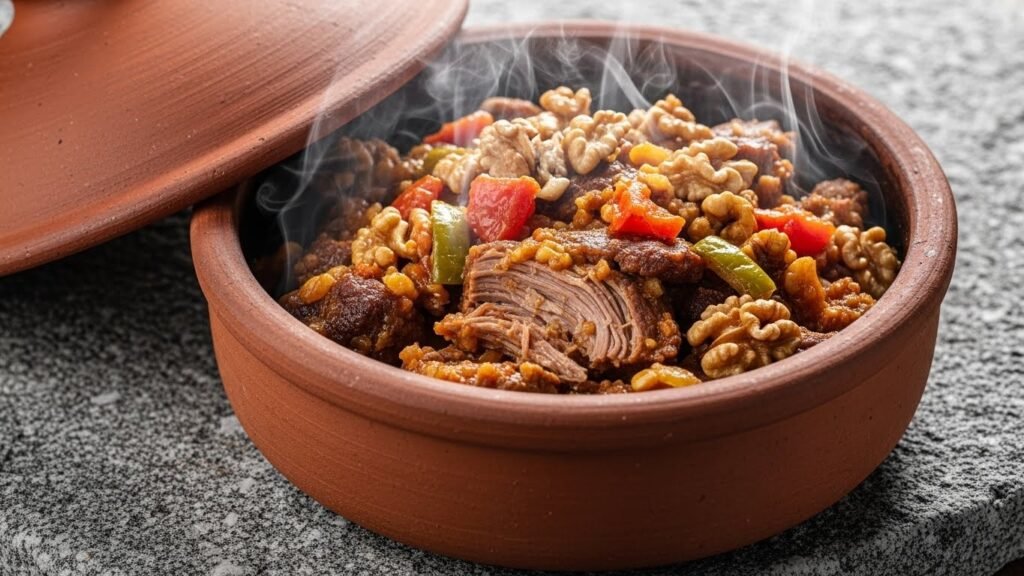
- Clay Material: The clay adds an earthy taste to the food.
- Slow Heat: It keeps the heat steady for a long time.
- Moisture: It traps the steam to make the meat very tender.
Modern Alternatives
- Dutch Oven: This is a great swap for an earthenware pot.
- Slow Cooker: You can let it cook all day while you work.
- Cast Iron: It gives you that great sear on the meat.
Traditional Preparation and Cooking Techniques
Making ceıvır is an art form. It requires patience and a gentle touch. You want to follow the steps carefully for success. Each technique adds another layer of delicious flavor. The goal is a meal that feels like home cooking. You will be proud of the final presentation.
The Art of Slow Cooking
- Low Heat: This breaks down the meat until it is soft.
- Melding: It lets the grains soak up all the savory juices.
- Tenderness: Your beef or lamb will practically melt away.
Browning and Sautéing
- The Sear: You must brown the meat first for deep color.
- Onions: Cook them until they are soft and very sweet.
- Foundation: This step builds the base of the whole flavor.
The Bloom Technique
- Spice Toasting: Fry your spices in oil for a minute first.
- Aroma: This releases all the hidden oils in the spices.
- Intensity: It makes the taste much more powerful and bright.
Achieving Balance
- Liquids: Don’t add too much water or it becomes soup.
- Grains: Make sure the bulgur or rice stays a bit firm.
- Harmonizing: All the ingredients should work together as one.
The Final Infusion
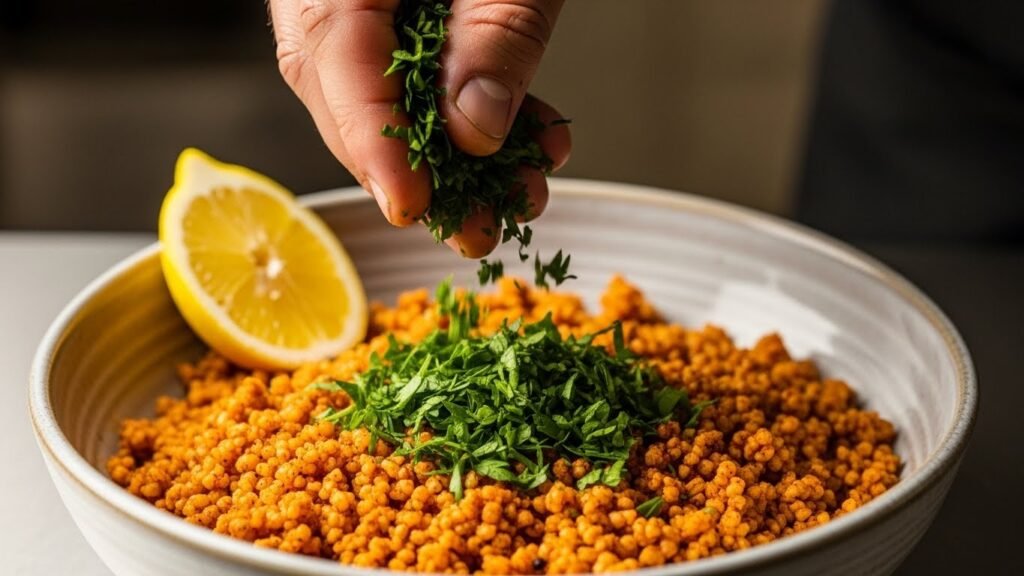
- Fresh Herbs: Add your parsley and mint at the very end.
- Brightness: This keeps the colors vivid and the taste fresh.
- Garnish: A final sprinkle of lemon juice makes it pop.
Regional Variations Across Turkey
Turkey is a big country with many different tastes. Every region has its own spin on ceıvır. Some like it hot and spicy, others like it fresh. These regional variations show the diversity of the culture. You should try them all to see which you like. It is a true journey through the Anatolian landscape.
Eastern Turkey
- Bold Spices: They use a lot of hot chili and paprika.
- Meat Focus: The dish is very heavy on the lamb here.
- Intensity: The flavors are strong and very aromatic.
The Aegean Region
- Seafood Twist: Sometimes they use coastal flavors and fish.
- Olive Oil: They use the best local oil for a light finish.
- Herbs: You will find more dill and fennel in this version.
The Black Sea Coast
- Seasonal Menu: They use whatever is fresh from the mountains.
- Unique Grains: Corn can sometimes take the place of wheat.
- Freshness: The taste is very clean and simple.
Central Anatolia
- Original Style: This is the most traditional way to eat it.
- Bulgur Heavy: They love using high-quality wheat here.
- Hearty: It is designed to keep you warm in the cold.
Urban Fusion (Istanbul & Antalya)
- Gourmet Style: Top chefs add fancy modern twists.
- Global Mix: You might see some new spices from other lands.
- Fine Dining: It is served in beautiful artisanal bowls.
Adaptations for Modern Diets
You can enjoy ceıvır even if you have special needs. It is a very flexible dish for anyone. You can keep the soul of the dish without meat. It is easy to make it fit your healthy lifestyle. These versions are still very delectable and savory. You won’t feel like you are missing out at all.
The Vegan Ceıvır
- Mushrooms: Use big mushrooms to get a meaty texture.
- Chickpeas: These add great protein and stay very firm.
- Eggplant: Roasted eggplant adds a deep and smoky flavor.
Gluten-Free Alternatives
- Quinoa: This is a perfect swap for bulgur wheat.
- Cauliflower Rice: Use this if you want to skip the grains.
- Potatoes: Diced potatoes can add that hearty feeling too.
The Keto-Friendly Approach
- More Meat: Focus on the high-quality beef or lamb.
- Extra Fats: Add more olive oil and butter for energy.
- Low Carb: Skip the rice and bulgur for a lean meal.
Iconic Dishes Related to the Ceıvır Experience
When you eat ceıvır, you often see other great food. Turkish cuisine is full of amazing appetizers and sides. These dishes share the same spice profile and soul. They make the meal feel complete and festive. It is a full degustation of the best flavors. Your dinner guests will be very impressed.
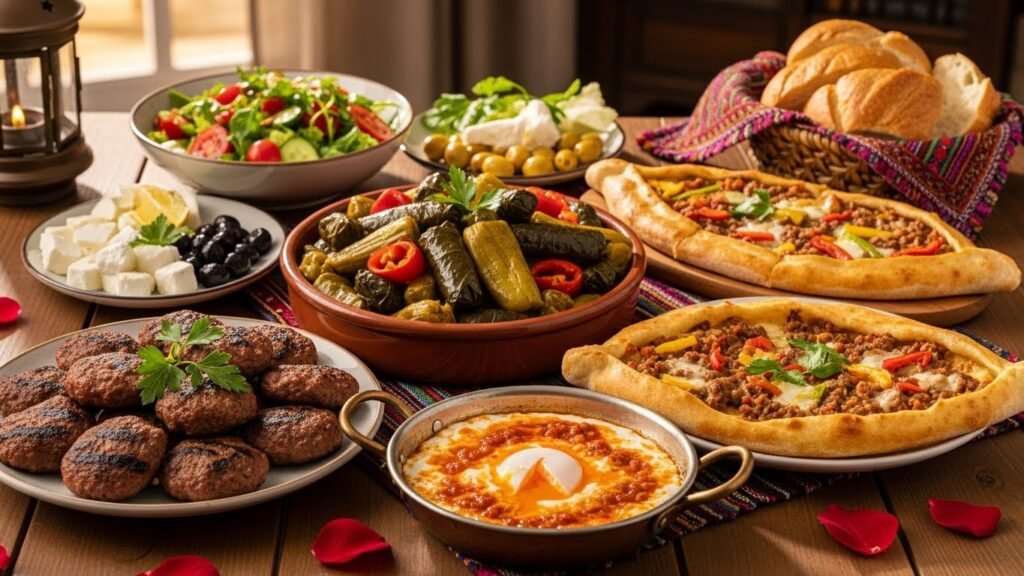
Köfte
- Grilled Meat: These small meatballs are full of cumin.
- Juicy: They are charred on the outside and soft inside.
- Party Favorite: Everyone loves them at family gatherings.
Dolma
- Stuffed Leaves: These are filled with herb-infused rice.
- Tangy: A little lemon makes them taste very bright.
- Appetizer: They are the perfect start to a big meal.
Pide
- Flatbread: This boat-shaped bread is great for dipping.
- Toppings: Sometimes it has cheese or extra meat on top.
- Freshly Baked: It should be warm and a bit crunchy.
Çılbır
- Eggs and Yogurt: A unique and very creamy dish.
- Spicy Butter: It has a red sauce on top that is so good.
- Brunch Style: You can eat it any time of the day.
Baklava
- Sweet Finish: This is the most iconic Turkish dessert.
- Honey and Nuts: It is very sweet and perfectly flaky.
- Celebration: It is a must-have for any festive occasion.
Pairing Suggestions to Elevate the Meal
The right drink can make ceıvır taste even better. You want something that cleans your palate. Traditional drinks are always a safe and great bet. You can also try some modern wine pairings if you like. The goal is to balance the rich and savory notes. It makes the whole experience feel like fine dining.
Traditional Beverages
- Ayran: This salty yogurt drink is very refreshing.
- Şalgam: A purple turnip juice that has a tangy kick.
- Tea: Hot Turkish tea is the perfect way to finish.
Side Salads
- Crunchy: Use fresh cucumbers for a nice cool bite.
- Simple: A little olive oil and lemon is all you need.
- Herbal: Add lots of mint to keep it tasting fresh.
Bread Options
- Pita: Soft pita is perfect for wrapping up the meat.
- Lavaş: Thin bread that is great for scooping up grains.
- Warmth: Always serve your bread fresh from the oven.
Spicy Enhancements
- Pepper Sauce: A side of hot sauce for those who want heat.
- Chili Flakes: Keep a bowl on the table for extra spice.
- Kick: It wakes up all the other flavors in the dish.
Modern Pairings
- Red Wine: A light red wine goes well with lamb.
- Sommelier Choice: Ask for a wine from the Anatolian region.
- Balance: Look for something with a little bit of fruit.
Nutritional and Health Benefits
Ceıvır is actually very good for your body. It is a wholesome meal made with real food. You get a good mix of everything you need. It follows the rules of the healthy Mediterranean diet. You can enjoy it knowing it is nutrient-rich. It is a great choice for a balanced lifestyle.
Digestive Health
- Fiber: Bulgur wheat is great for your gut.
- Whole Grains: They keep you feeling full for a long time.
- Gentle: The slow-cooked grains are very easy to digest.
Protein for Muscle Repair
- High Quality: Lean beef and lamb provide great energy.
- Legumes: Chickpeas add even more protein to the mix.
- Strength: It is a perfect meal after a long day of work.
Vitamin Richness
- Vitamins: Tomatoes and peppers are full of good stuff.
- Minerals: Fresh herbs give you a boost of nutrients.
- Energy: These ingredients help you stay sharp and active.
The Mediterranean Edge
- Heart Healthy: Olive oil is the best fat for your heart.
- Freshness: Using fresh produce is the key to longevity.
- Balance: It has the perfect mix of meat and veggies.
Chronic Health
- Antioxidants: Spices help your body fight off bad things.
- Anti-inflammatory: Cumin and paprika are very good for you.
- Wellness: Eating like this keeps you feeling young.
Tips for the Best Ceıvır Experience
You want your ceıvır to be the best it can be. A few small tricks can make a huge difference. Pay attention to the details of the dish. Good things come to those who take their time. You will see how culinary excellence is achieved. It is all about the love you put into it.
Ordering in Restaurants
- Authenticity: Look for places that use traditional ovens.
- Ask Questions: Ask where they get their spices and meat.
- Check the Vibe: A busy place usually means the food is fresh.
Making it at Home
- Marinate: Let the meat sit in spices for 24 hours.
- Be Patient: Don’t turn up the heat too high.
- Taste Often: Adjust your salt and spices as you go.
Presentation and Plating
- Communal Dining: Serve it on one big family platter.
- Colors: Make sure the green herbs look bright on top.
- Garnish: Add some lemon wedges for a nice look.
Ethical Sourcing and Sustainability
Where your food comes from really matters today. You want to support local farmers and artisans. This makes the food taste better and helps the earth. It is part of the modern farm-to-table movement. You can feel good about what you are eating. It is the right way to cook in the modern world.
The Farm-to-Table Aspect
- Local Meat: Buy from a butcher who knows the farmers.
- Organic: Try to use veggies that were grown without spray.
- Flavor: Fresh food always has a much better taste.
Supporting Local Artisans
- Spice Markets: Buy your cumin from a real spice shop.
- Bread Makers: Get your pita from a local bakery.
- Craft: Artisanal products add a special touch to the meal.
Seasonal Eating
- Freshness: Use whatever vegetables are in season right now.
- Low Cost: Seasonal food is usually much cheaper to buy.
- Eco-Friendly: It reduces the distance your food has to travel.
Where to Find Authentic Ceıvır
If you want the real deal, you have many choices. Turkey is the best place to start your journey. You can find it in big cities and tiny villages. It is also spreading across the whole world now. Every location offers a slightly different ambiance. It is a true gastronomic adventure for everyone.
Istanbul (Kadıköy)
- Modern Vibe: You can find trendy spots with new twists.
- Variety: There are many different styles in one area.
- History: You can eat in buildings that are very old.
Gaziantep
- Food Capital: This city is famous for its amazing food.
- Secret Recipes: They have ways of cooking you won’t see elsewhere.
- Passion: The people here live and breathe great cooking.
Hidden Gems
- Tiny Towns: Sometimes the best food is in a small village.
- Home Cooking: Look for family-run shops for a real taste.
- Quiet Spots: You can eat in peace and enjoy the view.
The Global Spread
- London and Berlin: Large Turkish communities serve it here.
- New York: You can find gourmet versions in the big city.
- Worldwide: People everywhere are falling in love with it.
Street Vendors
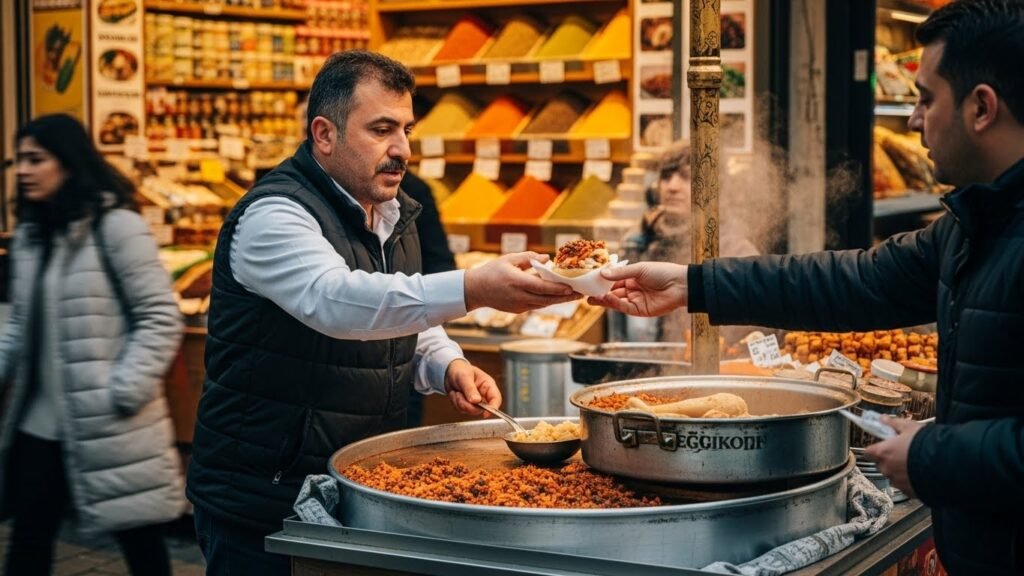
- Quick Bites: You can get a tasty version on the go.
- Affordable: It is a great way to eat well for less.
- Authentic: Vendors often use recipes that are very old.
Conclusion
Ceıvır is a dish that everyone should try once . it brings together history, health, and amazing taste. You get to experience the true heart of Turkey. It is a meal that will stay in your memory. Whether you cook it or buy it, you will love it. It is a celebration of life and family.
- Summary of Journey: We have seen the history and the health.
- Future Tradition: The dish will continue to grow and change.
- Final Invitation: Go out and find your first bowl of ceıvır today.
FAQs
What does the word Ceıvır mean in English?
The term is deeply rooted in local Turkish dialects and generally refers to the specific technique of mixing or blending various grains and meats together during the slow-cooking process.
Is Ceıvır considered a seasonal dish?
While it is enjoyed year-round, its hearty nature and the use of slow-cooked meats and warming spices like cumin make it particularly popular during the colder autumn and winter months.
Can I use chicken instead of red meat in Ceıvır?
Yes, modern variations of this traditional dish often use chicken as a lighter protein alternative, though lamb and beef remain the most authentic choices for a rich flavor profile.
Is Ceıvır the same as a standard Turkish Pilaf?
No, while both use rice or bulgur, Ceıvır is characterized by its specific ratio of meat to grain and a distinct slow-cooking method that results in a more integrated, savory texture.
What is the best type of bulgur to use for this dish?
Coarse bulgur is typically preferred because it maintains its structure and “bite” during the long simmering process, preventing the dish from becoming mushy.
How does Ceıvır differ from a typical Mediterranean stew?
The main difference lies in the grain-to-liquid ratio; Ceıvır is more of a thickened, hearty grain dish than a liquid-heavy stew, focusing on the grains soaking up every drop of aromatic juice.
Is this dish suitable for children?
Absolutely, as the traditional recipe is wholesome and nutrient-rich, though you may want to reduce the amount of chili flakes or black pepper to keep it mild for younger palates.
Can Ceıvır be frozen and reheated?
Yes, the flavors often deepen over time; however, when reheating, you may need to add a splash of water or broth to restore the fluffy texture of the rice or bulgur.
What is the significance of using a clay pot for this meal?
Traditional earthenware pots, or Güveç, provide even heat distribution and add a subtle, earthy aroma that cannot be replicated by metal pans.
Are there any specific holiday traditions associated with Ceıvır?
It is a common sight at festive occasions and large family gatherings, symbolizing abundance and the communal spirit of Turkish hospitality.
What role does lemon play in the final dish?
Lemon is often used as a final garnish to cut through the richness of the slow-cooked fats and meats, providing a bright, acidic balance to the savory spices.
Can I make a seafood version of Ceıvır?
While the Central Anatolian version focuses on meat, coastal variations along the Black Sea sometimes incorporate local seafood, blending traditional grains with maritime flavors.
Is sumac a mandatory ingredient for Ceıvır?
While not mandatory, sumac is highly recommended for its unique tartness and deep red color, which helps define the traditional Anatolian flavor profile.
How long does the meat typically need to marinate?
For the best results and most tender texture, it is recommended to marinate the beef or lamb for 12 to 24 hours in a blend of olive oil and local spices.
What makes Ceıvır a sustainable food choice?
The dish relies on the farm-to-table concept, utilizing local ingredients and seasonal produce, which reduces the carbon footprint associated with long-distance food transport.
Can I use quinoa as a substitute for grains in Ceıvır?
Quinoa is an excellent modern, gluten-free substitute that mimics the texture of bulgur while maintaining the dish’s nutritional value.
What is the most important spice to include?
Cumin is considered the essential foundational spice for Ceıvır, providing the warm, earthy notes that characterize authentic Turkish home cooking.
Is Ceıvır served as a side dish or a main course?
In traditional settings, Ceıvır is served as a hearty main course, often presented on a large communal platter to encourage shared dining.
Does the dish use a lot of olive oil?
Yes, as a staple of Mediterranean and Turkish cuisine, high-quality olive oil is used both for sautéing the base vegetables and as a finishing touch for healthy fats.
What is the role of fresh mint in the recipe?
Fresh mint is used at the very end of preparation to provide a cooling contrast to the warm spices and to add a layer of aromatic freshness to the heavy meal.