Skip to content
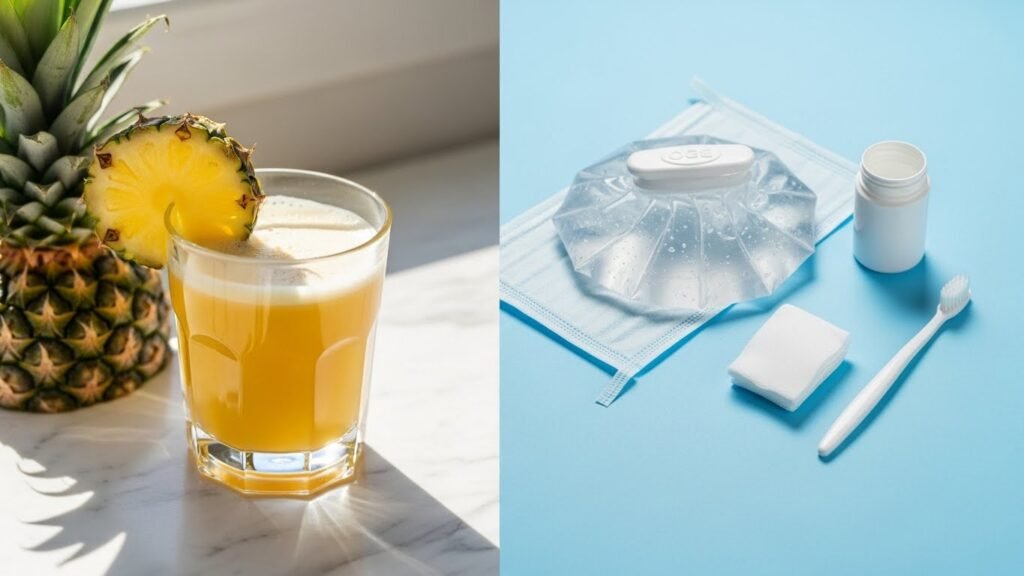
Getting your wisdom teeth pulled is a major rite of passage for most teens. It often comes with puffy cheeks and some serious soreness. You might have seen people on social media chugging juice before their big surgery. They claim this trick makes the healing process a breeze. Many folks want to know, does pineapple juice help with wisdom teeth recovery for real? This guide breaks down the science and the risks of this viral hack. We will look at how to heal fast and stay safe.
Understanding Wisdom Tooth Extraction and the Recovery Process
The Biology of Healing
After a tooth extraction, your body jumps into action to start the repair work. The most important part of this is forming a blood clot in the empty socket. This clot acts like a natural bandage for the sensitive tissues and nerves underneath. It stays there while your gums slowly close up and heal. If that clot gets messed up, it can cause a lot of trouble. Your body needs a calm environment to do its job well.
Common Post-Surgical Symptoms
It is totally normal to feel a bit rough after dental surgery. Most people deal with some swelling that makes them look like a chipmunk. You will likely feel some pain as the numbing medicine wears off. Some bruising on your face can also happen a few days later. Your gums will be very sensitive to touch and temperature for a while. These symptoms are just signs that your body is working hard to fix the site.
The Vulnerability of the Extraction Site
The first 72 hours after surgery are the most critical for your oral health. During this time, the blood clot is still very fragile. You have to be super careful about what you eat and how you clean your mouth. One wrong move could dislodge the clot and lead to a painful infection. Keeping the surgical site clean is the best way to ensure a smooth path to feeling better.
Impact of Age on Recovery
Teens usually bounce back from wisdom teeth removal faster than older adults. Their bodies are in a high-growth phase, which helps with tissue repair. However, teens also face unique risks because they are often very active. They might try to rush back into sports or hanging out with friends too soon. Following the recovery routine is just as important for a teen as it is for anyone else.
The Viral Trend: Pineapple Juice for Wisdom Teeth
The Social Media Hack
Social media platforms like TikTok have made the pineapple juice hack go viral. Teens post videos of themselves drinking massive amounts of juice before their surgery. They show off their lack of swelling and claim they feel zero pain. This has led many people to wonder if they should try it too. It looks like an easy way to skip the worst part of dental surgery.
The 64-ounce Pre-Op Ritual
The most popular version of this hack involves drinking 64 ounces of juice. Influencers suggest you should do this the night before or the morning of your procedure. They claim this pre-loads your body with special nutrients to stop inflammation before it starts. That is a whole lot of juice for one person to drink in a short time. Most dentists find this trend to be pretty intense for a young stomach.
Patient Anecdotes vs. Clinical Evidence
While the videos look convincing, personal stories are not the same as medical facts. Some people might just naturally heal faster or have less swelling regardless of the juice. Doctors look at clinical evidence to see if a remedy actually works for everyone. So far, there are not many official studies that prove drinking juice is a magic fix. It is important to look at the real science behind the fruit.
The Science of Bromelain and Nutritional Synergy
What is Bromelain?
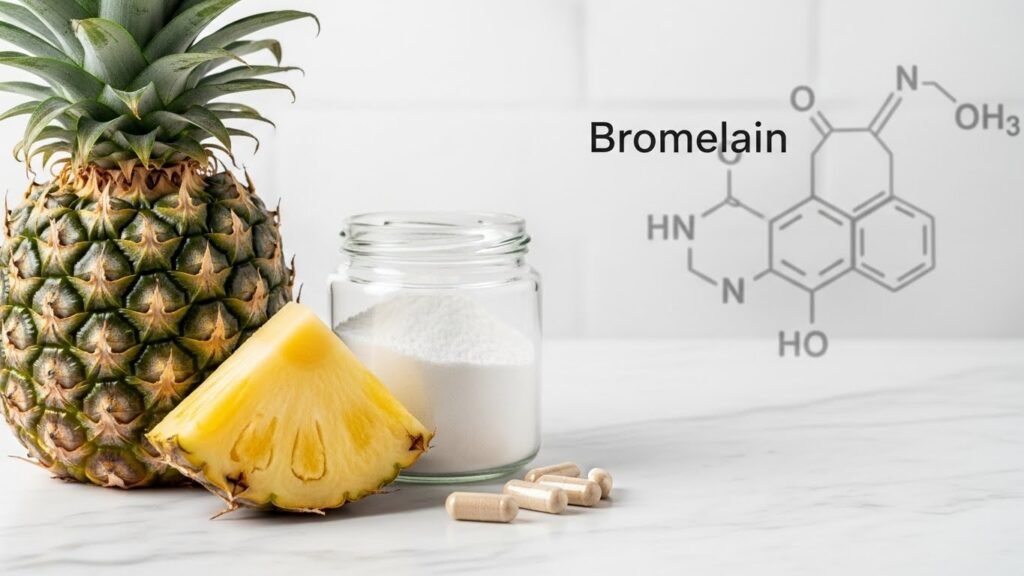
The “secret ingredient” in pineapple that everyone talks about is called bromelain. It is a special enzyme found in the fruit and especially in the tough stems. This enzyme is known for its ability to break down proteins. Because of this, it has been used for a long time in natural medicine. People believe it can help the body manage various types of physical stress.
Anti-Inflammatory Mechanisms
Bromelain works by interfering with the things in your body that cause swelling. It helps break down fibrin, which is a protein that can lead to fluid buildup in tissues. By reducing this buildup, it can help keep your face from getting too puffy. This is why it is called an anti-inflammatory compound. Less swelling usually means you will feel much more comfortable.
Natural Analgesic Effects
Besides fighting swelling, bromelain may have analgesic properties, which means it relieves pain. It can block some of the signals that tell your brain something hurts. This is why people hope it will replace their need for strong medicine. While it is not as strong as a pill, it provides a natural boost to your comfort levels. Every little bit of relief helps when you are recovering from surgery.
Vitamin C Support
Pineapple is also packed with Vitamin C, which is great for your immune system. Vitamin C is a key player in collagen production, which helps your skin and gums heal. It acts like a glue that holds your healing tissues together. Getting enough of this vitamin can help your surgical site close up faster. It is a vital part of the whole healing process.
Manganese and Bone Health
Another cool thing in pineapple is a mineral called manganese. This mineral is super important for maintaining strong bones and connective tissues. Since wisdom tooth extraction involves your jawbone, manganese helps that area stay healthy. It supports the repair of the bone structure where the tooth used to be. Nutrition really does play a big role in how well you bounce back.
Does Pineapple Juice Actually Work?
Evaluating the Verdict
So, does pineapple juice help with wisdom teeth recovery in the end? The answer is that it might help a little bit, but it is not a miracle. It contains the right ingredients to help with swelling and pain. However, the amount of those ingredients in a glass of juice is quite small. You should not expect it to make all your post-op problems disappear instantly.
Juice vs. Concentrated Supplements
Most scientific studies that show bromelain works use highly concentrated supplements. These pills have way more of the enzyme than you could ever get from drinking juice. You would have to drink gallons of juice to match one medical-grade dose. This is the main reason why the “juice hack” might not live up to the hype. Supplements are much more efficient for a targeted medical goal.
Bioavailability
Bioavailability is a fancy word for how much of a nutrient your body actually uses. When you drink juice, your stomach acid can break down some of the bromelain before it reaches your blood. This means even less of the helpful stuff gets to your swollen gums. Your body has to work hard to absorb the nutrients from the liquid. This makes the juice less effective than a direct medical treatment.
Impact on Recovery Time
Does drinking the juice actually make you heal faster? It might make you feel slightly better during the process, but it probably won’t shave days off your recovery. The gum tissue and bone still need a set amount of time to knit back together. You cannot really rush the natural pace of your body’s repair systems. The best thing it does is help manage the annoying symptoms like puffiness.
Risks and Hidden Dangers of the Pineapple Juice Hack
The Threat of High Sugar Content
One of the biggest downsides to this hack is the massive amount of sugar in the juice. Sugar is basically fuel for the harmful bacteria that live in your mouth. When you have an open wound from surgery, you want to keep those bacteria away. Drinking 64 ounces of sugary liquid can increase your risk of getting an infection. It is not the best environment for a healing gum.
Acidity and Enamel Erosion
Pineapple juice is very acidic, which can be tough on your teeth and your mouth. The acid can wear down your tooth enamel if you drink it all day long. It can also sting or irritate the raw surgical site where your tooth was pulled. This irritation can make your recovery feel more painful instead of less. You have to be careful not to trade one problem for another.
Digestive Distress
Drinking a huge amount of fruit juice can really mess with your stomach. Many people who try the hack end up feeling nauseous or having an upset stomach. It can even lead to diarrhea, which is the last thing you want after surgery. Your body isn’t used to processing that much sugar and acid at once. It is better to keep your digestive system calm while you heal.
Blood Sugar Spikes
For anyone with blood sugar issues, this hack is actually quite dangerous. Drinking that much juice causes your blood sugar to spike very quickly. This is a major concern for people with diabetes or pre-diabetes. Even for healthy teens, it can lead to a “sugar crash” that makes them feel shaky and tired. Always check with a doctor before trying a dietary extreme.
Allergic Reactions
Some people are actually allergic to pineapple and might not even know it yet. There is also something called “oral allergy syndrome” where certain fruits cause an itchy mouth. If you have a latex allergy, you are more likely to be sensitive to pineapple. Drinking a giant bottle of juice could trigger a bad reaction when your body is already stressed. It is always safer to stick with what you know.
Preventing Post-Op Complications: Beyond the Juice
The No Straws Rule
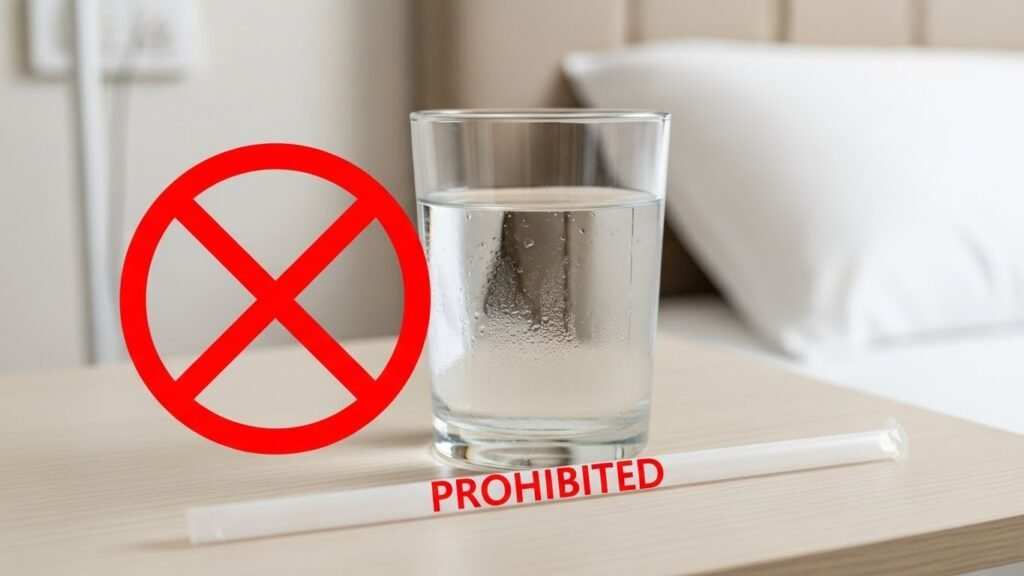
This is the most important rule your oral surgeon will give you. Using a straw creates suction in your mouth that can pull the blood clot right out. If that clot goes missing, you get a very painful condition called dry socket. You must drink straight from a cup or use a spoon for several days. It might be annoying, but it saves you from a world of hurt.
Avoiding Suction and Spitting
Just like straws, spitting can also dislodge your healing blood clot. If you have too much saliva or blood in your mouth, just let it drool out gently. Avoid any forceful movements with your cheeks or tongue. You want to keep everything in your mouth as still as possible. This gives the site the best chance to stay protected and heal up.
Smoking and Vaping Risks
Smoking and vaping are huge “no-nos” after you get your wisdom teeth out. The heat from the vapor can irritate your sensitive tissues and slow down healing. Also, the chemicals in nicotine restrict blood flow, which your gums need to repair themselves. The sucking motion used to inhale is also a major risk for dry socket. You should wait at least a week before doing either.
Physical Activity Guidelines
It might be tempting to head to the gym or go for a run, but you need to chill. Heavy lifting and intense exercise can increase your blood pressure. This can cause the extraction site to start bleeding again or lead to more throbbing pain. Most dentists suggest taking it easy for at least three to five days. Let your body use its energy for healing instead of exercise.
A Staged Recovery Diet: What to Eat and When
Phase 1: The First 24 Hours
- Appropriate Fluids: Stick to clear liquids like apple juice or electrolyte drinks.
- Lukewarm Broths: Make sure your soup isn’t hot, as heat can dissolve the blood clot.
- Stay Hydrated: Drink plenty of water to help your body flush out the anesthesia.
- Avoid Seeds: Do not drink anything with small seeds or pulp that could get stuck.
Phase 2: Days 2 to 4
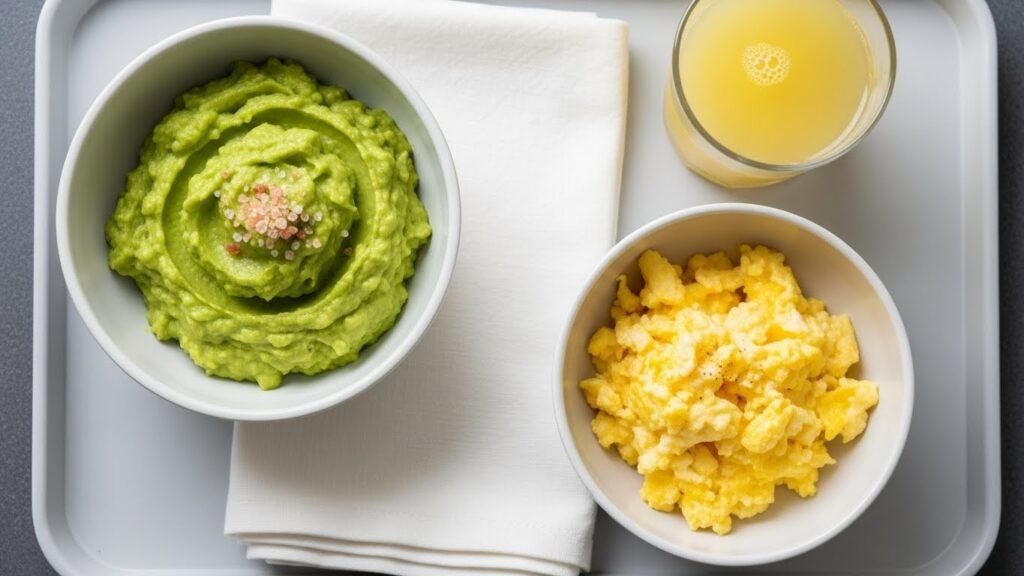
- Soft Foods: Enjoy things like mashed avocados, Greek yogurt, and scrambled eggs.
- Hummus and Mash: Smooth foods are easy to swallow without much chewing.
- Pineapple Alternative: If you want pineapple, try a room-temperature smoothie with a spoon.
- Pudding and Jell-O: These are classic recovery foods that are easy on your mouth.
Phase 3: Days 5 to 7
- Semi-Soft Foods: You can start eating soft pasta or well-cooked vegetables.
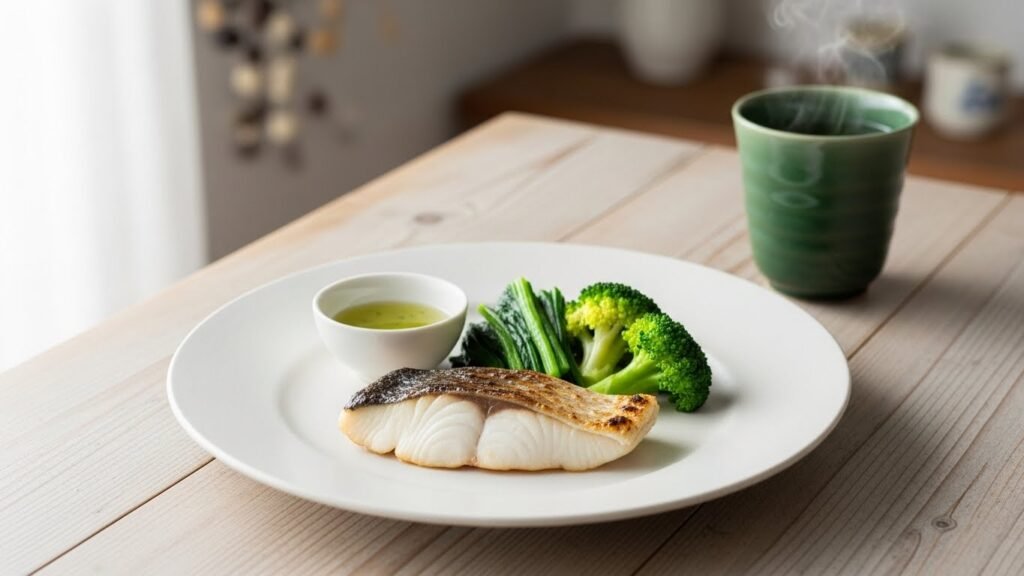
- Flaky Fish: Fish is a great source of protein that doesn’t require hard chewing.
- Opposite Side: Try to do most of your chewing on the side away from the surgery.
- Listen to Your Body: If a food hurts to eat, stop and go back to softer options.
Recommended Natural and Home Remedies
Cold Compresses and Ice Packs

Using an ice pack is the best way to keep the swelling down in the first 48 hours. Hold it against your cheek for 20 minutes on and then 20 minutes off. This helps shrink the blood vessels and numbs the area naturally. It is much more effective for puffiness than drinking juice. Make sure to wrap the ice pack in a cloth so it doesn’t hurt your skin.
Warm Salt Water Rinses
After the first 24 hours, you can start using a salt water rinse. Mix half a teaspoon of salt into a glass of warm water. Gently swish it around and let it fall out of your mouth over the sink. This helps kill bacteria and keeps the surgical site clean without harsh chemicals. It is a simple and very cheap way to prevent infections.
Tea Bag Compression
If you have a little bit of bleeding that won’t stop, try a black tea bag. Dampen the tea bag and bite down on it gently for about 30 minutes. The tannic acid in the tea helps the blood vessels shrink and encourages clotting. This is an old-school trick that dental surgeons still recommend today. It is a great natural tool to have in your recovery kit.
Proper Elevation
When you go to sleep, keep your head propped up with a couple of extra pillows. Keeping your head above your heart helps reduce the “throbbing” feeling in your jaw. It also helps prevent extra fluid from pooling in your face, which reduces swelling. You might find it more comfortable to sleep in a recliner for the first night. This small change can make a big difference in how you feel in the morning.
Traditional and Clinical Recovery Methods
Pharmacological Pain Management
Your dentist will usually suggest taking over-the-counter pain relievers. Ibuprofen is a very popular choice because it fights both pain and inflammation. You should follow the exact dosage and timing your doctor gives you. Do not wait until the pain is really bad to take your next dose. Keeping a steady level of medicine in your system works much better.
Prescription Antibiotics
Sometimes, a dentist will give you a prescription for antibiotics to prevent infection. It is super important to take every single pill in the bottle, even if you feel fine. Stopping early can allow the bacteria to come back even stronger. Not everyone needs them, but they are a vital tool for complex extractions. Always tell your dentist if the medicine makes you feel weird.
Steroid Treatments
In cases where a lot of swelling is expected, a doctor might use steroids. This could be a pill you take or a medicine given through an IV during surgery. Medical-grade steroids are much more powerful than bromelain for stopping inflammation. They are usually reserved for more difficult surgeries where the teeth were badly impacted. They can make a huge difference in your comfort.
Oral Hygiene and Maintenance Protocols
Brushing Techniques
You still need to brush your teeth, but you have to be extra careful. Avoid the surgical area entirely for the first day or two. Use a soft-bristled brush and go very slowly on your other teeth. When it is time to rinse, do not swish forcefully. Keeping the rest of your mouth clean helps prevent bacteria from moving toward the wound.
Irrigation Syringes
Your dentist might give you a plastic syringe to help clean the “holes” in your gums. You usually start using this about a week after surgery. Fill it with warm water or salt water and gently flush out any food stuck in the socket. This prevents food from rotting in the site and causing an infection. It feels a bit weird at first, but it is very helpful.
Mouthwash Warnings
Be very careful with regular store-bought mouthwashes right after surgery. Many of them contain alcohol, which can sting and dry out your healing tissues. It can also interfere with the natural healing process of the gums. Stick to the salt water rinse unless your dentist gives you a special medicated mouthwash. Simple is usually better when it comes to post-op care.
The Ultimate Wisdom Tooth Recovery Shopping List
Liquid Phase: The First 24 Hours
- Apple Juice: A great clear liquid to keep energy up without irritating the mouth.
- Electrolyte Drinks: These help keep the body hydrated after anesthesia.
- Chicken or Vegetable Broth: Make sure to serve these lukewarm, not hot.
- Pineapple Juice: Buy a small carton to get a natural boost of bromelain and Vitamin C.
- Distilled Water: Essential for staying hydrated and mixing with salt for rinses.
Soft Food Phase: Days 2 to 4
- Greek Yogurt: A smooth protein source that is very easy on the gums.
- Ripe Avocados: These can be mashed into a soft, nutrient-dense meal.
- Eggs: Scrambled eggs are soft and provide necessary protein for tissue repair.
- Instant Mashed Potatoes: A classic recovery food that requires zero chewing.
- Smooth Applesauce: Provides vitamins without any crunchy bits or seeds.
- Hummus: A great savory option that is soft and filling.
Comfort and Healing Supplies
- Flexible Ice Packs: Get a pair so you can keep one in the freezer while the other is in use.
- Gauze Pads: You will need these to manage any minor bleeding in the first day.
- Sea Salt: Used to make warm saline rinses to keep the surgical site clean.
- Extra Pillows: Keeping the head elevated helps reduce throbbing and swelling.
- Black Tea Bags: Useful for stopping persistent bleeding at home.
- Soft-Bristled Toothbrush: A new, gentle brush helps keep the mouth clean without causing pain.
Medicine Cabinet Essentials
- Ibuprofen: A common over-the-counter choice for fighting pain and inflammation.
- Acetaminophen: An alternative pain reliever if your oral surgeon recommends it.
- Lip Balm: Lips often get very dry and cracked during and after the procedure.
When to Seek Professional Medical Help
Warning Signs of Infection
It is normal to be sore, but some things are red flags for infection. If you run a fever or have chills, your body might be fighting something. Watch out for a persistent bad taste in your mouth or bad breath that won’t go away. If you see pus or yellow discharge at the surgical site, call your dentist. Catching an infection early makes it much easier to treat.
Identifying Dry Socket
Dry socket is the most common complication after wisdom tooth removal. It usually happens three to five days after the surgery. You will feel a sudden, intense pain that throbs and might travel toward your ear. If you look in the mirror, the socket might look empty or have a white bone visible. If this happens, you need to see your dentist right away for a special dressing.
Physical Restrictions
If you find that you absolutely cannot open your mouth, this is called lockjaw or trismus. Some stiffness is normal, but a total lack of movement needs a doctor’s look. You should also call for help if you have a hard time swallowing or breathing. These can be signs of extreme swelling or a reaction to your medicine. It is always better to be safe and get checked out.
Prolonged Bleeding
Some “oozing” of blood is normal for the first 24 hours. However, if your mouth is filling up with bright red blood quickly, that is a problem. Try biting down firmly on a gauze pad for 30 minutes without stopping. If the bleeding continues through the pressure, you need medical attention. Your oral surgeon has ways to help the site clot properly.
Professional Consultation and Expert Care
The Importance of Pre-Op Exams
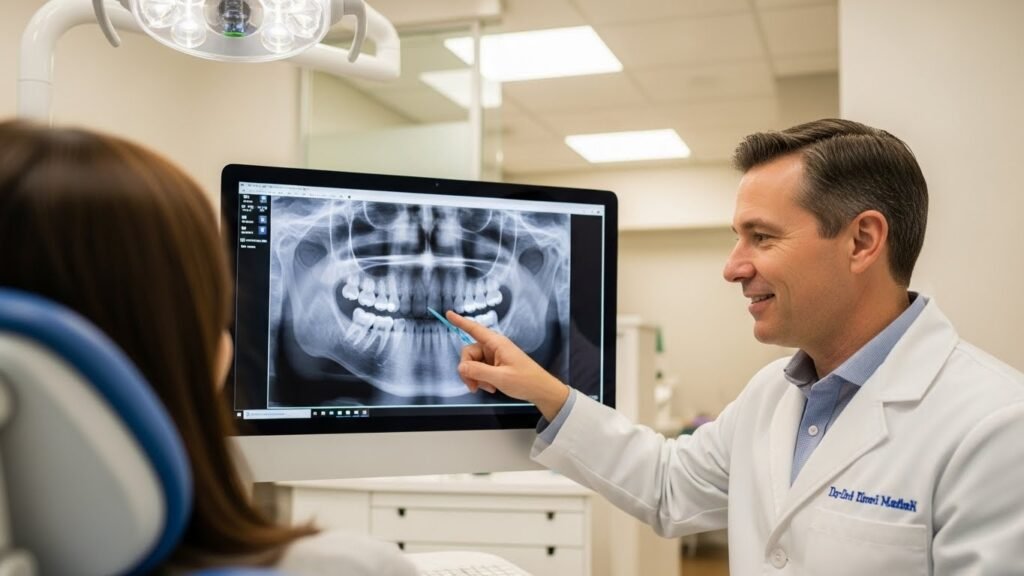
Before the big day, you need a full exam with X-rays. These pictures show the dentist exactly how your teeth are sitting in your jaw. They can see if the teeth are “impacted,” which means they are stuck under the gum. Knowing the layout helps the surgeon plan the safest way to remove them. It also helps them predict how much swelling you might have later.
The Value of a Second Opinion
If you are nervous about the surgery, it is okay to get a second opinion. Many dental offices offer free consultations for wisdom teeth. This lets you meet the doctor and ask about their experience with teen patients. You can also ask them about their thoughts on natural remedies like pineapple juice. Feeling comfortable with your surgeon is a big part of a successful recovery.
Personalized Recovery Plans
Every person is different, so a one-size-fits-all hack isn’t always best. Your dentist will give you a specific plan based on your health and your surgery. They will tell you exactly which medicines to take and what to avoid. Following professional advice is the most reliable way to get back to your normal life. They are the experts on making sure your smile stays healthy.
Final Summary: Is the Pineapple Juice Hack Worth It?
The Balanced Approach
So, what is the final word on the pineapple juice trend? It is fine to enjoy a glass of juice if you like the taste, but don’t overdo it. Think of it as a small supplement to your real medical care. Use it alongside ice packs, rest, and your dentist’s instructions. A balanced approach is much safer than following a viral trend that could hurt your stomach.
Key Takeaways for Parents and Teens
- Moderation is Key: Do not try to drink a massive 64-ounce bottle of juice.
- Safety First: Prioritize the “no straws” rule and good oral hygiene.
- Listen to Experts: Your dentist knows your mouth better than a social media influencer.
- Natural Helps: Ice packs and salt water are proven natural tools for healing.
| Recovery Tool | Main Benefit | Best Time to Use |
| Ice Packs | Reduces swelling and numbs pain | First 48 hours |
| Salt Water Rinse | Cleans the site and kills bacteria | After 24 hours |
| Ibuprofen | Fights inflammation and pain | As directed by dentist |
| Soft Foods | Provides energy without hurting gums | Days 2 through 7 |
| Pineapple Juice | Minor anti-inflammatory boost | In moderation (pre or post-op) |
FAQs
What should I do if I feel nauseous after drinking pineapple juice?
If the juice makes you feel sick, stop drinking it immediately and switch to plain water or electrolyte drinks. It is better to keep your digestive system calm while you heal rather than forcing a viral hack that causes distress.
Is it safe to drink pineapple juice if I have a latex allergy?
You should be very cautious, as people with a latex allergy are more likely to be sensitive to pineapple. Drinking a large amount of juice could trigger a bad reaction when your body is already stressed from surgery.
Can I drink pineapple juice through a straw if it is thin and watery?
No, you must never use a straw for any liquid, including juice, for several days after surgery. The suction created by a straw can pull the blood clot out of the socket, leading to dry socket.
Why is room-temperature pineapple better than cold pineapple for a smoothie?
While cold items like ice packs help on the outside of the face, extremely cold liquids inside the mouth can sometimes cause sensitivity in the days following surgery. Serving smoothies at room temperature or lukewarm helps avoid irritating the sensitive gums.
How does Vitamin C in pineapple specifically help my gums?
Vitamin C is a key player in collagen production, which acts like a glue to hold your healing tissues together. This support helps the surgical site close up more efficiently.
Can I eat the core of the pineapple to get more bromelain?
While the tough stems and core have the highest concentration of the enzyme, they are too hard to chew after surgery. It is safer to stick to smooth liquids or blended versions to avoid hurting the extraction site.
What is the risk of drinking pineapple juice if I am pre-diabetic?
The high sugar content in fruit juice causes blood sugar to spike very quickly. This is a major concern for those with pre-diabetes and can lead to a “sugar crash” that makes you feel shaky and tired.
Should I drink pineapple juice if I already have a bad taste in my mouth?
A persistent bad taste can be a red flag for an infection. Instead of trying to mask the taste with sugary juice, which can fuel bacteria, you should call your dentist for an exam.
Can I use pineapple juice to wash down my pain medication?
It is generally better to use plain water to ensure your body absorbs the medicine correctly without the interference of high acid levels. Always follow the specific instructions provided by your doctor for taking medication.
Is fresh-squeezed pineapple juice better than store-bought for bromelain?
While fresh juice might have more active enzymes, most studies show that neither form matches the potency of medical-grade supplements. Any juice you choose should be consumed in moderation due to the sugar and acid.
Will pineapple juice help if I have “lockjaw” after surgery?
If you cannot open your mouth at all, this is a condition called trismus and requires a doctor’s attention. Pineapple juice is not a treatment for total lack of jaw movement.
Can the acid in the juice cause my jaw to throb more?
Yes, the acidic nature of pineapple juice can sting or irritate the raw surgical site. This irritation can make your recovery feel more painful and increase the throbbing sensation.
Does manganese in pineapple help with jawbone repair?
Manganese is an essential mineral for maintaining strong bones and connective tissues. It supports the repair of the bone structure in the area where the wisdom tooth used to be.
Can I drink pineapple juice immediately after the surgery?
During the first 24 hours, you should stick to clear liquids and avoid anything that might irritate the site. If you choose pineapple juice, ensure it is pulp-free so no small bits get stuck in the socket.
Is it okay to drink pineapple juice if I am also taking antibiotics?
You should always tell your dentist if any food or drink makes you feel weird while on medication. High amounts of acidic juice can sometimes increase the stomach sensitivity already caused by antibiotics.
Does pineapple juice prevent bruising on the face?
While some social media users claim it prevents bruising, there is no strong clinical evidence that drinking juice is a magic fix for skin discoloration. Bruising is a normal post-surgical symptom as the body fixes the site.
Can I swish pineapple juice around like a mouthwash?
No, you should avoid forceful swishing right after surgery to protect the blood clot. Use a gentle salt water rinse instead to kill bacteria without the high sugar and acid of juice.
What happens if the sugar from the juice gets trapped in the socket?
Sugar fuels the harmful bacteria in your mouth, which can lead to an infection in the open wound. If food or sugar gets stuck, you may eventually need an irrigation syringe to clean it out safely.
Is it better to drink the juice the night before or after surgery?
Social media influencers suggest pre-loading the night before, but most dentists recommend following a specific professional plan for what to consume. Moderation is the most important rule regardless of when you drink it.
Can pineapple juice replace the need for an ice pack?
No, an ice pack is much more effective for reducing puffiness because it shrinks blood vessels directly. Pineapple juice should only be a small supplement to these proven methods.