Skip to content
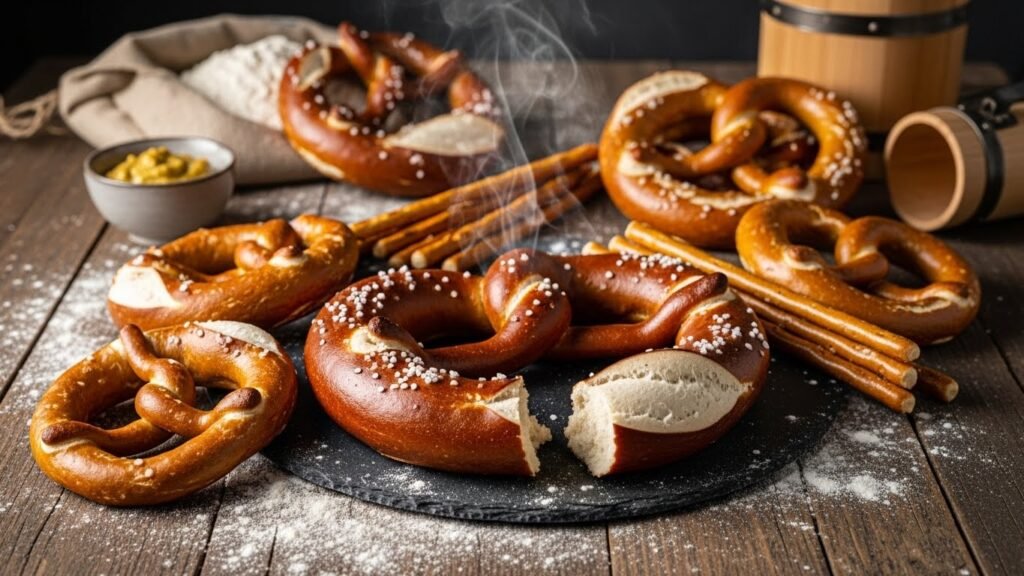
Pretzels are a big deal in the snacking world. You see them at malls, ballparks, and even fancy parties. But have you ever stopped to think about what cuisine is pretzel exactly? Most folks just think of them as a salty snack that goes great with soda. In reality, these twisted treats have a deep history that goes back over a thousand years.
This snack is way more than just dough and salt. It is a symbol of culture, religion, and even survival. From the deep traditions of Europe to the busy streets of Philly, the pretzel has a wild story. Let’s dive into the salty details of this amazing food and find out why everyone loves it so much.
Introduction to the Iconic Twisted Bread
When people ask what cuisine is pretzel, the answer usually points toward Europe. It is a star in the world of international baking. People all over the globe recognize that unique knot shape instantly. It has become a huge part of German food identity over the centuries.
Definition and Global Recognition
The pretzel is a type of baked bread product made from dough. It is most famous for its symmetrical twisted shape. You can find them in almost every country now. Some are soft and big, while others are small and crunchy.
The Essence of the Pretzel
At its heart, a pretzel is very simple. It only needs flour, water, and salt. This basic mix turned into a massive cultural icon. It stands for things like unity, good luck, and hospitality in many cultures.
The Anatomy of a Perfect Pretzel
A great pretzel has a very specific feel to it. It is all about the contrast between the different parts.
- The Arms are the thin parts of the knot that usually get a bit more crunch.
- The Belly is the thick bottom part that stays soft and doughy.
- The Crust should be a deep golden-brown color thanks to a special baking process.
Ancient Origins and Religious Folklore
To really understand what cuisine is pretzel, we have to look at the Middle Ages. This snack did not start in a factory. It started in quiet monasteries with monks who wanted to reward kids.
The Monastic Invention (6th–7th Century)

Most historians believe monks invented the pretzel around the 7th century. They were looking for a way to use leftover dough.
- The Italian Connection says an Italian monk made them in 600 A.D. as “pretiola” or little rewards.
- The French Influence suggests monks in Southern France were the ones who started the tradition.
- Symbolism of the Knot was meant to look like arms crossed over the chest in prayer.
- The Holy Trinity is represented by the three holes in the pretzel shape.
Roman and Pagan Influences
Some people think the pretzel is even older than the monks. They look at ancient Roman traditions for clues.
- The Roman Unleavened Bread Theory points to a bread called pretiola from Southern Germany.
- Transition from Paganism happened when old sun-wheel shapes were turned into Christian symbols.
- The Ring-Bread Precursor was a simple circle of bread that eventually got twisted into the knot we know.
Etymological Evolution: From Bracellus to Brezel
The name of the pretzel has changed a lot over time. It all started with Latin words for arms.
- Latin Roots come from the word “bracellus,” which means a little arm.
- Linguistic Regionalism turned the word into “brezitella” in Old High German and eventually “Brezel”.
The Pretzel in Medieval Europe
By the 12th century, the pretzel was a big part of daily life. It was no longer just for monks. It became a professional craft for skilled bakers.
The Rise of the Bakers’ Guilds
Bakers started forming groups called guilds to protect their trade. The pretzel was their main symbol.
- The Official Crest for German bakers’ guilds featured the pretzel as early as 1111 A.D..
- Visual Marketing was used because many people back then could not read.
- Status as a Delicacy grew as the pretzel became a staple of German baking culture.
Spiritual and Seasonal Significance
The pretzel was very important for religious holidays. It was a food that fit strict church rules.
- The Official Food of Lent because it didn’t use eggs, milk, or butter, which were banned during fasting.
- Good Luck and Protection was a common belief, and pretzels were even drawn in prayer books.
- The Marriage Knot is a Swiss tradition where the couple pulls a pretzel to see who gets the bigger half for luck.
- Pretzels in Art can be seen in famous old paintings like those by Pieter Bruegel.
Historical Legends and Turning Points
When looking at what cuisine is pretzel, you see it tied to big historical events. Some legends say pretzels actually saved whole cities from invaders.
The Siege of Vienna (1683)
This is one of the coolest stories in pretzel history. It happened during a war with the Ottoman Empire.
- Bakers as Heroes heard the enemy digging tunnels under the city walls while they worked at night.
- The Royal Reward was given by the Emperor to thank the bakers for saving everyone.
- The Croissant Connection suggests the crescent shape was made to celebrate the win over the Turks.
The “Tasty Mistake” of Lye (Laugengebäck)
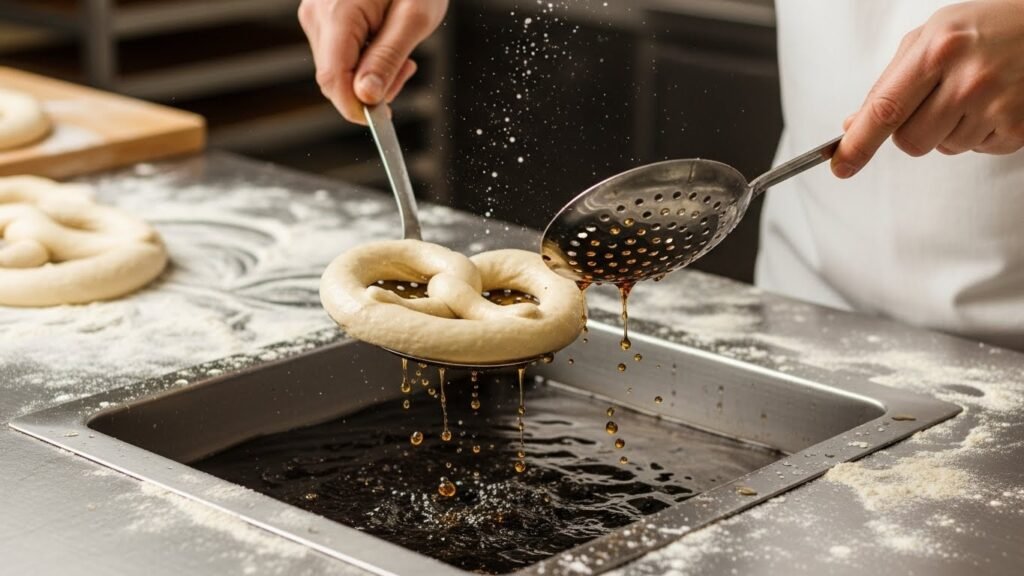
The dark, shiny crust of a pretzel is its best feature. According to legend, it happened by total accident.
- The Munich Accident happened when a baker dipped dough in a lye cleaning solution by mistake.
- King Ludwig’s Approval made the “mistake” a huge hit in the royal coffee house.
- The Science of the Maillard Reaction is what creates that deep brown color and unique taste.
Regional Variations Across Europe
The answer to what cuisine is pretzel often depends on where you are in Europe. Different regions have their own special ways of making them.
The German Heartlands: Bavaria vs. Swabia
Germany is the king of pretzels, but even there, people argue over the best style.
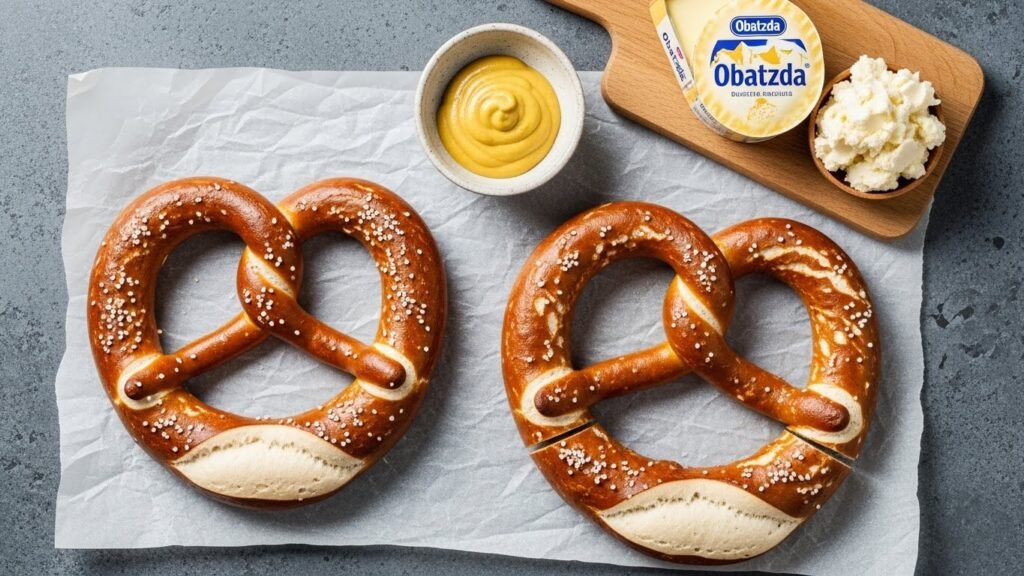
- Bavarian Brezen are usually thick all the way around and split open naturally.
- Swabian Pretzels have very thin “arms” and a fat “belly” with a specific cut in the dough.
- Traditional Accompaniments include Weisswurst sausage, sweet mustard, and a cheese dip called Obatzda.
European Neighbors
Other countries have their own versions of this twisted bread too.
- The French Bretzel from the Alsace region is often very buttery.
- Austrian Customs involve hanging pretzels on trees for Christmas and using them for Easter games.
- Luxembourg’s Pretzel Sunday is a romantic day where guys give girls pretzels to show they like them.
The Journey to America
The pretzel made its way across the ocean with immigrants. It found a new home in the United States.
The Pennsylvania Dutch Influence
German immigrants, often called the Pennsylvania Dutch, brought the recipe in the 1700s.
- The 1700s Migration planted the seeds for a massive American snack industry.
- Pennsylvania as the Capital of pretzels is still true today since most U.S. pretzels come from there.
The Birth of the Commercial Industry
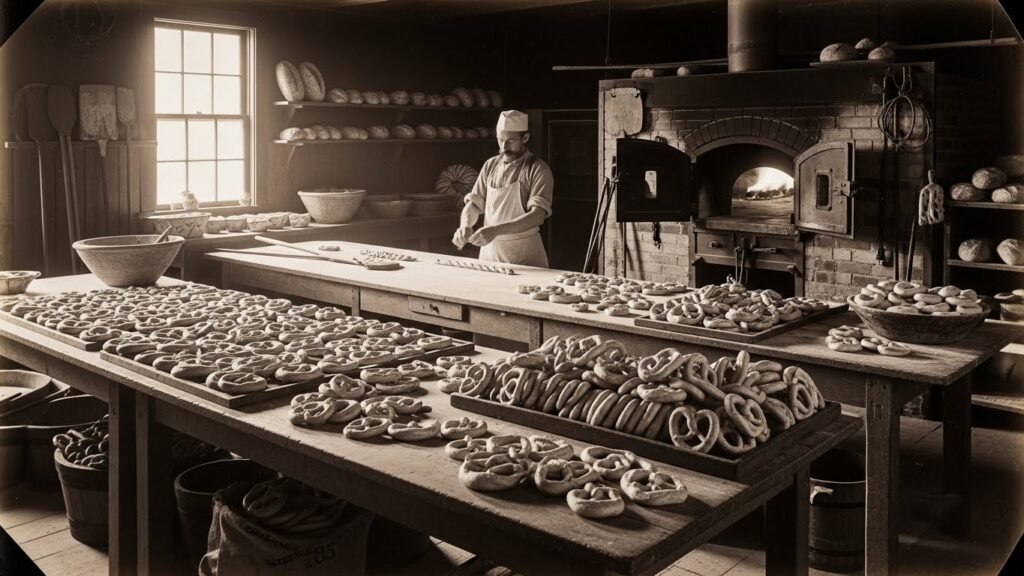
Pretzels went from home kitchens to big factories in the 1800s.
- Julius Sturgis opened the very first commercial pretzel bakery in 1861 in Lititz, PA.
- The Drifter Legend says a traveler gave a secret recipe to a baker in exchange for a meal.
- The Hard Pretzel Evolution happened because crunchy pretzels stay fresh much longer on store shelves.
Manufacturing and Craftsmanship
Making a pretzel is actually pretty hard work. It takes a lot of skill to get that knot just right.
The Art of the Hand-Twist
Before machines, every single pretzel was twisted by hand.
- The Master Baker’s Technique is super fast and looks like a blur of dough.
- The Transition to Automation started in 1935 when the first twisting machine was invented.
Ingredients and Variations in Dough
The type of flour and water used can change everything about the pretzel.
- Traditional vs. Modern Flour determines how much “chew” the final product has.
- Water Alkalinity is a secret factor that helps give certain regions their specific taste.
Contemporary Culture and Modern Trends
Today, the answer to what cuisine is pretzel includes almost every flavor you can imagine. It is a global food now.
Modern Flavor Profiles and Variations
Bakers are getting really creative with their toppings and dips.
- American Innovations include sweet things like cinnamon sugar and chocolate.
- Asian Adaptations feature unique ingredients like matcha tea and wasabi.
- Soft vs. Hard remains the biggest debate among pretzel fans everywhere.
Global Consumption and Records
People eat an insane amount of pretzels every single year.
- Philadelphia Statistics show that folks there eat way more pretzels than anyone else in the U.S..
- World Records were set in 2015 for a pretzel that weighed over 1,700 pounds.
- National Pretzel Day is celebrated on April 26th every year.
Pretzels in Festivals and Daily Life
Pretzels are a huge part of big celebrations, especially in Germany.
Oktoberfest and Beyond
Oktoberfest is the biggest party in the world, and pretzels are the stars.
- The Giant Brezel is served in massive sizes to help soak up the beer.
- Social Symbolism makes the pretzel a great food for sharing with friends at big tables.
The Role of the Modern Bakery
Traditional bakeries are still keeping the old ways alive.
- Old World Traditions are preserved by bakers who use recipes from centuries ago.
- E-commerce now allows you to order fresh pretzels from across the country.
Conclusion: The Enduring Legacy of the Pretzel
So, what cuisine is pretzel? It is a mix of history, faith, and survival. It is a food that has traveled from monk’s cells to massive modern factories. It remains one of the world’s most beloved and recognized snacks for a reason. Whether you like them soft with mustard or hard and salty, the pretzel is a true legend of the culinary world.
FAQs Regarding the Global History and Culture of Pretzels
What is the specific chemical process that makes a pretzel a pretzel?
The most unique part of pretzel making is the lye bath, also known as the Maillard reaction. By dipping the raw dough into a high-alkaline solution, the surface proteins and sugars break down rapidly when they hit the oven heat. This creates the deep mahogany color and the distinctive “soapy” or “tangy” flavor that sets it apart from regular bread.
Why is the salt on a pretzel always so large and chunky?
Traditional pretzels use “coarse food grade salt” or “pretzel salt,” which is specifically designed not to melt quickly. Because the dough is moist from the lye bath, regular table salt would dissolve and disappear. The large crystals provide a specific crunch and a burst of flavor that balances the bitterness of the crust.
Is there a difference between a pretzel and a bagel?
While both are boiled or dipped before baking, they are very different. Bagels are boiled in plain water or water with honey/malt to create a chewy texture. Pretzels are dipped in an alkaline solution (lye or baking soda) to create a chemically darkened crust and a specific sharp flavor that bagels do not have.
What is the significance of the “Pretzel Sunday” tradition?
In Luxembourg, a tradition called Bretzelsonndeg occurs on the third Sunday of Lent. Men give a pretzel to the woman they admire. If she likes him back, she gives him an Easter egg a few weeks later. In leap years, the tradition reverses, and the women give the pretzels to the men.
Can pretzels be used as a meal replacement?
In medieval times, pretzels were often a main source of calories during Lent. Today, while they are mostly snacks, “Pretzel Sandwiches” have become popular. Many cultures use a large, soft pretzel as a bun for ham, cheese, or even burgers, turning the snack into a dense, filling meal.
Why do some pretzels have a white, dusty bottom?
That white powder is usually flour or cornmeal. It is used on the baking stones or trays to prevent the sticky, lye-dipped dough from fusing to the metal. It doesn’t affect the taste but is a sign of a traditionally baked “hearth” pretzel.
What are “Pretzel Rods” and how did they start?
Pretzel rods are a modern American variation designed for dipping. They were created to be more durable than the thin, twisted hard pretzels. Because they don’t have the delicate “arms” of the knot, they are much easier to transport in bags without breaking into small pieces.
Are there any gluten-free alternatives for traditional pretzels?
Yes, modern food science has allowed for gluten-free pretzels made from cassava flour, cauliflower flour, or rice flour. However, achieving the exact “snap” of a hard pretzel or the “chew” of a soft one is difficult without the gluten proteins found in traditional wheat.
Why are pretzels often associated with beer gardens?
The salt on a pretzel naturally makes a person thirsty, which encouraged patrons to drink more. Additionally, the dense starch of the pretzel helps slow down the absorption of alcohol, making it the perfect functional snack for long social gatherings in European beer halls.
How did the saying “tying the knot” relate to pretzels?
Some historians believe that the phrase “tying the knot” regarding marriage may have roots in the 17th-century Swiss wedding ceremonies. Couples would literally break a pretzel together to symbolize their union, much like a wishbone, as the “knot” represented their intertwined lives.
What is a “Mustard Flight” for pretzels?
In modern American gastropubs, pretzels are served with a “flight” of mustards. This usually includes honey mustard, spicy brown mustard, whole grain dijon, and sometimes a sweet Bavarian mustard. This allows the eater to experience how different acidity levels interact with the salty crust.
Do pretzels have any specific significance in the Jewish faith?
While largely a Christian monastic invention, pretzels became a common secular snack in many Jewish communities in Europe. In modern times, they are a popular kosher-certified snack because the basic ingredients of flour, water, and yeast are naturally parve (neutral).
What is the “Pretzel Loop” in architecture?
The term is sometimes used in urban planning or design to describe a specific type of winding road or walkway that crosses over itself. The shape is so iconic that it has moved beyond food and into the vocabulary of engineers and designers.
Why are some soft pretzels served with a side of plastic-looking yellow cheese?
This is an American “Nachos style” variation that became popular in movie theaters and sports stadiums in the 1970s. While not traditional in Europe, the saltiness of the pretzel and the creaminess of the processed cheese dip became a staple of American concession stand culture.
Can you make a pretzel without using lye?
Yes, home bakers often use a “baking soda bath” instead of food-grade lye. Baking soda is safer to handle but is less alkaline. This results in a pretzel that is lighter in color (more tan than brown) and has a milder, more bread-like flavor.
What is the shelf life of a traditional soft pretzel?
A real, preservative-free soft pretzel is best eaten within 4 to 6 hours of baking. Because of the lye dip and the lack of fats in the dough, they go stale much faster than regular loaves of bread. Hard pretzels, conversely, can stay fresh for months if kept in an airtight container.
Why do some people call them “Brezeln” instead of Pretzels?
“Brezeln” is the correct plural German name. If you are in a traditional German deli or at Oktoberfest, using the native term shows a deeper appreciation for the food’s origins. “Pretzel” is the Americanized version of the word.
What is a “Chocolate Covered Pretzel” and is it traditional?
This is a strictly modern, American invention that plays on the “salty and sweet” flavor profile. It began in the mid-20th century and has since become a major holiday gift item, though you would rarely find it in a traditional German bakery.
How are “Stuffed Pretzels” made?
These are made by rolling the dough around a filling—like jalapeños, cheese, or even hot dogs—before twisting it into the knot shape. The difficulty is ensuring the filling doesn’t leak out during the lye bath and the high-heat baking process.
Is it true that pretzels were once used to ward off evil spirits?
In certain parts of medieval Europe, the “knot” was believed to have protective powers. People would hang them over their doors or around their necks to protect against bad luck or “the evil eye,” because the triple-loop shape was seen as a holy symbol that no demon could cross.