Skip to content
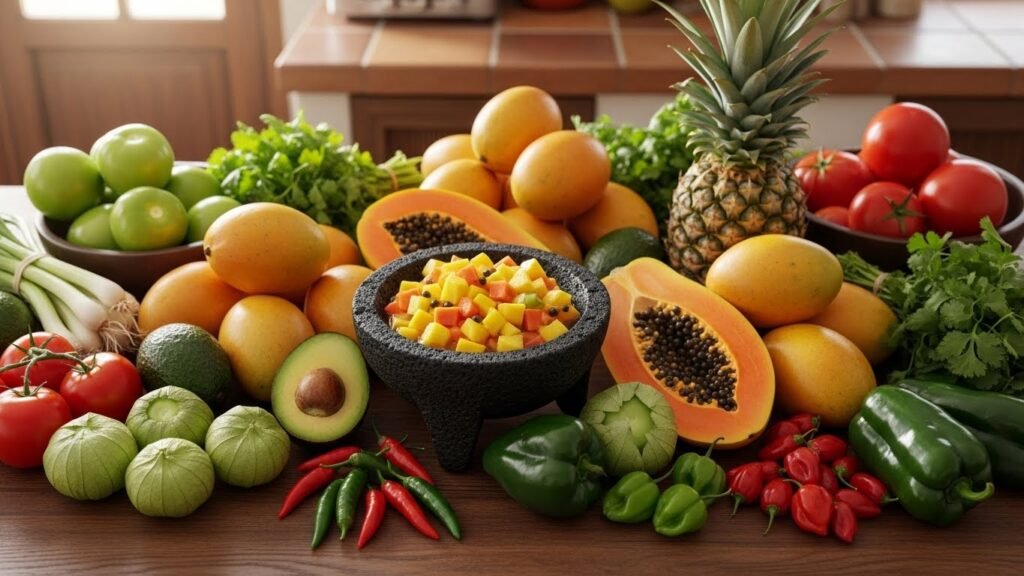
The secret to why Mexican food tastes so good is the fresh garden stuff. You might think it is all about the heat and spices. But there is a huge sweet side to this food too. Learning how Mexico use fruits in their cuisine will change how you cook forever. It is all about those bright colors and bold flavors. Every meal feels like a party because of these cool ingredients.
Mexican food is world-famous and has a special spot on the global stage. It hits that perfect mix of spicy, savory, and sweet all at once. The garden is basically the pantry for every chef in the country. From street tacos to fancy dinners, fresh produce is the star of the show. We even have National Tropical Fruit Day on July 18th to celebrate this. It is the best time to see how many cool fruits grow there.
The Foundation: Essential Mexican Vegetables and Starches
Fresh produce is the backbone for making great tortillas and salsas. You cannot have a real Mexican meal without the right vegetables. They give the food its structure and make it very filling. Most of these staples have been around for a very long time. They are the heart of the kitchen in places like Nashua and Manchester.
Corn: The Ancient Lifeblood
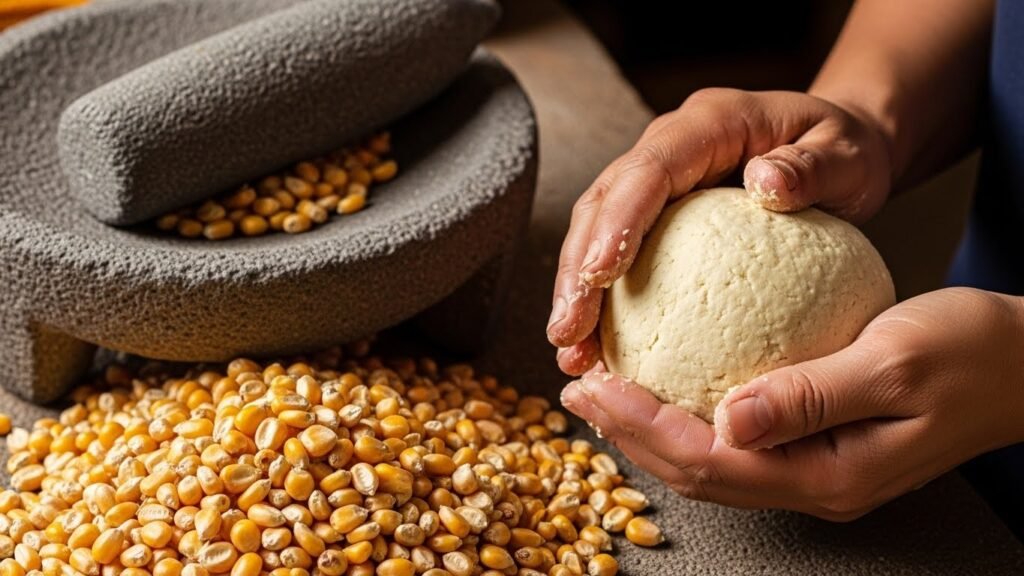
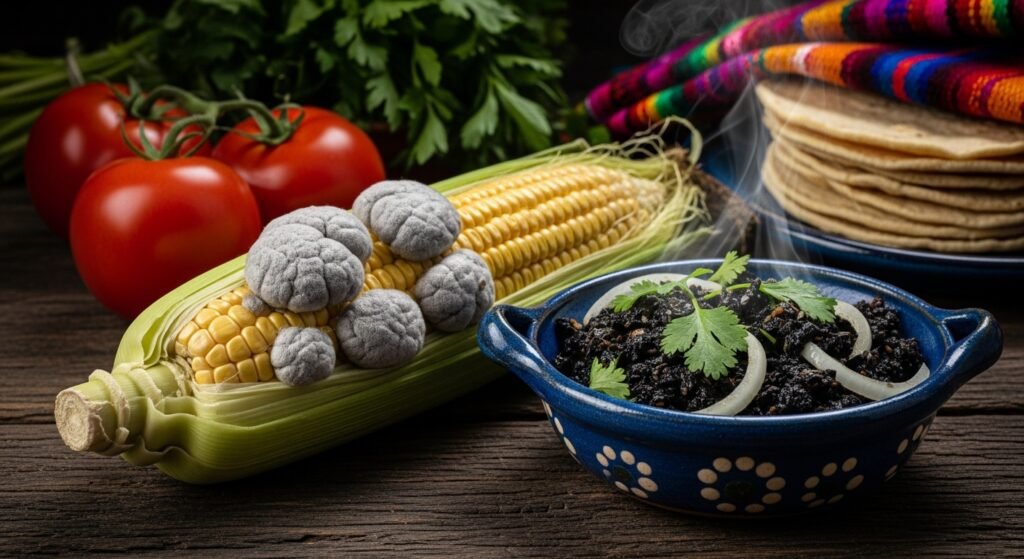
Corn is the most important starch in the whole country. It is the base for almost every traditional dish you can name. People eat it fresh or dry it to make a special dough. This dough is called masa and it smells amazing.
- Tortillas are the most common way to eat corn every day.
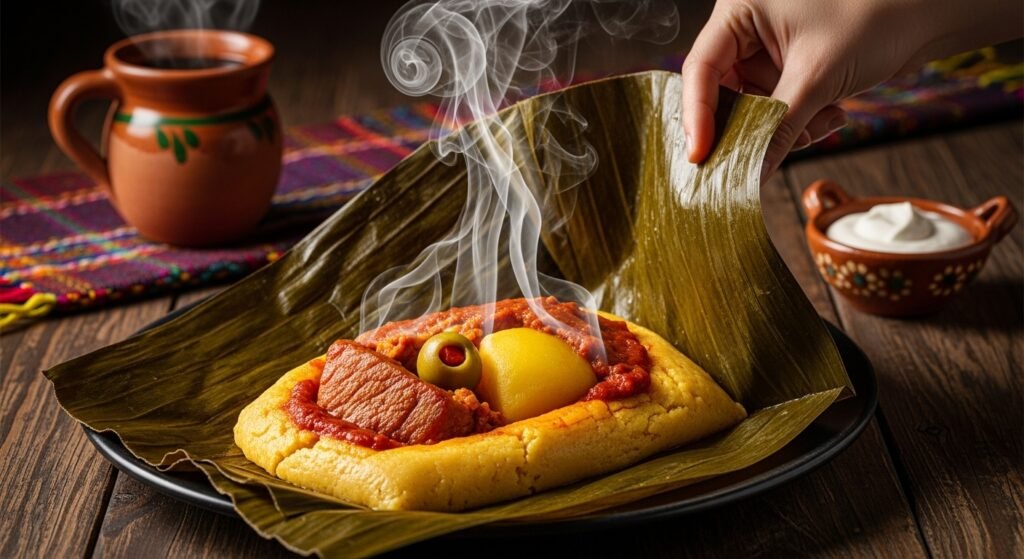
- Tamales use corn dough wrapped in husks for a tasty treat.
- Elote is grilled corn on the cob with lime and cheese.
Potatoes: The Versatile Filler
Potatoes are a huge deal in Mexican cooking just like in the USA. Chefs slice them, bake them, or deep-fry them until they are crispy. They show up in breakfast tacos and hearty dinner stews. They soak up all the spicy juices from the meat and peppers. You will find them in many different types of dishes.
Squash and Chayote: Heritage Ingredients
Squash has been part of the diet for thousands of years. It is a very healthy way to add bulk to a meal. One special type of squash is called the chayote. It is a green gourd that has tons of Vitamin C.
- Chayote is usually marinated in citrus juice to make it soft.
- Squash blossoms are used in soups and crispy quesadillas.
- Marinated salads often feature chayote for a nice crunch.
The Role of Tropical Fruits in Savory Applications
If you want to know how Mexico use fruits in their cuisine, look at the salsa. Fruits add a sweet touch that balances out the spicy peppers. This mix of flavors is what makes the food so addictive. It is not just for dessert anymore. Fruit helps cut through the heavy fats of the meat.
Salsas and Sauces: The Art of Balance
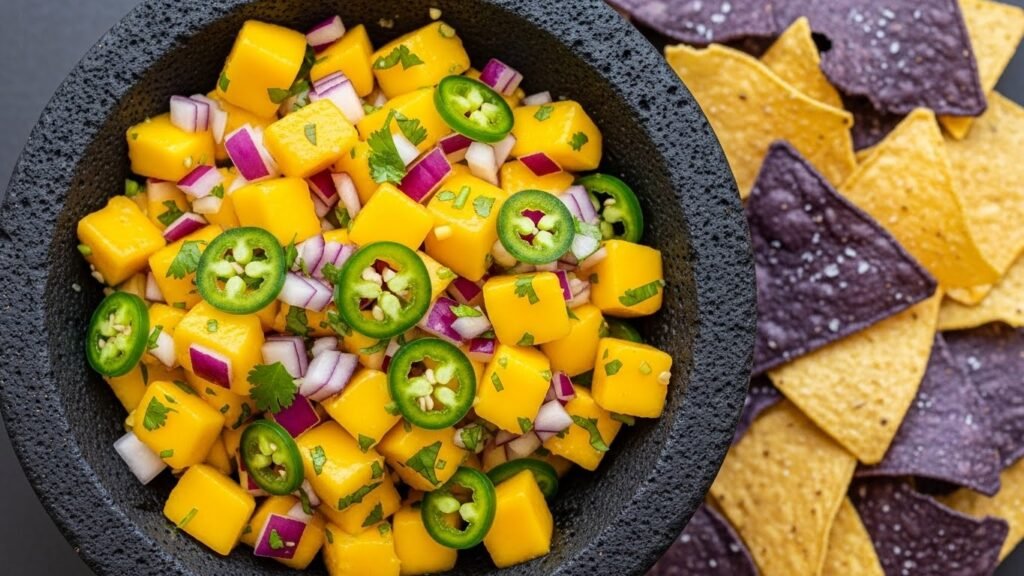
Salsa is the most important thing on any Mexican table. Adding fruit like mango or pineapple makes it way better. These fruits get mixed with onions, cilantro, and lime juice. The natural sugar helps you handle the heat of the chilies. It creates a tangy flavor that is totally awesome.
- Mango salsa goes great with grilled shrimp or fish tacos.
- Pineapple salsa adds a tropical kick to pork and steak.
- Papaya salsa is a unique way to top off your favorite chips.
Tomatillos: The Tart Green Essential
Tomatillos look like little green tomatoes with a paper skin. That skin is called a calyx and you have to peel it off. They are very tart and have a bright green color. They are the main ingredient in the famous green sauce. You can find them at many markets in Nevada and New Hampshire.
Peppers and Poblanos: The Vegetable Spice
The poblano pepper is a fan favorite in many Mexican kitchens. It is a big pepper that is not too spicy. You can stuff it with cheese or meat for a great meal. Some people fry them or use them in a rich mole sauce. They are extremely versatile for any kind of chef.
Exploring Distinctive Mexican Tropical Fruits
Mexico has some of the coolest fruits you will ever see. Each region has its own special picks that grow in the sun. These fruits are packed with flavor and look very pretty. They are the secret to why the food is so vibrant. Seeing how Mexico use fruits in their cuisine starts with these fresh picks.
The Mexican Mango (Ataulfo)
The Ataulfo mango is also known as the champagne mango. It is smaller than the ones you see in most stores. The inside is super smooth and does not have those annoying fibers. It is really sweet and melts in your mouth. People love to use it in desserts and fresh salsas.
Papaya: The Tropical Native
Papaya is a fruit that actually comes from Mexico and Central America. You know it is ready when the skin turns bright orange. It is very soft and has a mild sweet taste. You can find it in fruit salads or even quesadillas.
- Breakfast bowls often feature fresh papaya and lime juice.
- Desserts use papaya for its creamy and soft texture.
- Snacks with papaya are healthy and very refreshing.
Avocado and Tomato: The Fruit-Vegetables
Most people think avocados and tomatoes are vegetables but they are fruits. You cannot make a real taco without a good tomato. Avocados make everything creamy and rich without using any dairy. They are the base for the world’s best guacamole. These are essential for any authentic Mexican recipe.
Advanced Culinary Techniques: Marinating and Grilling
Did you know that fruit can actually cook your meat? Pineapple has special enzymes that break down meat fibers. This makes the meat very tender and juicy. It is a smart way to make cheap cuts of meat taste great. This is a big part of how Mexico use fruits in their cuisine for dinner.
Natural Tenderization via Enzymes
Using fruit in a marinade is like a science experiment. The enzymes in pineapple and papaya do all the hard work. They soften the meat so it falls apart easily. It also adds a sweet and tangy flavor to the protein. This is why fruit is so important for grilling meats.
The Iconography of Al Pastor
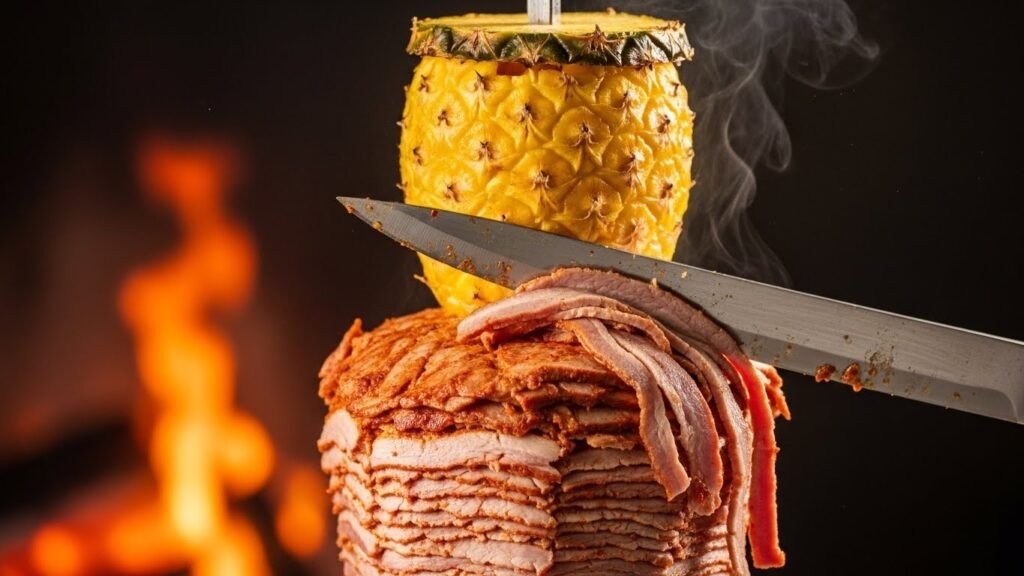
Al Pastor is one of the most famous dishes in Mexico. It features marinated pork cooked on a big spinning spit. A giant slice of pineapple sits on top of the meat. As it cooks, the fruit juice drips down and flavors the pork. It creates a taste that is totally unique and delicious.
Caramelization on the Grill
When you put fruit on the grill, the sugars turn into caramel. This gives the fruit a deep and smoky flavor. Grilled pineapple or mango adds a complex layer to any savory dish. It is a great way to impress your friends at a BBQ. The heat brings out the best in these tropical treats.
Refreshments: Fruit-Based Beverages and Cocktails
Mexico can get very hot, so fruit drinks are a must. They are the best way to cool down after eating spicy food. These drinks are full of fresh vitamins and natural sugar. They are a huge part of the daily lifestyle for everyone. You can find them at street stands and fancy restaurants.
Aguas Frescas: Mexico’s Natural Hydration
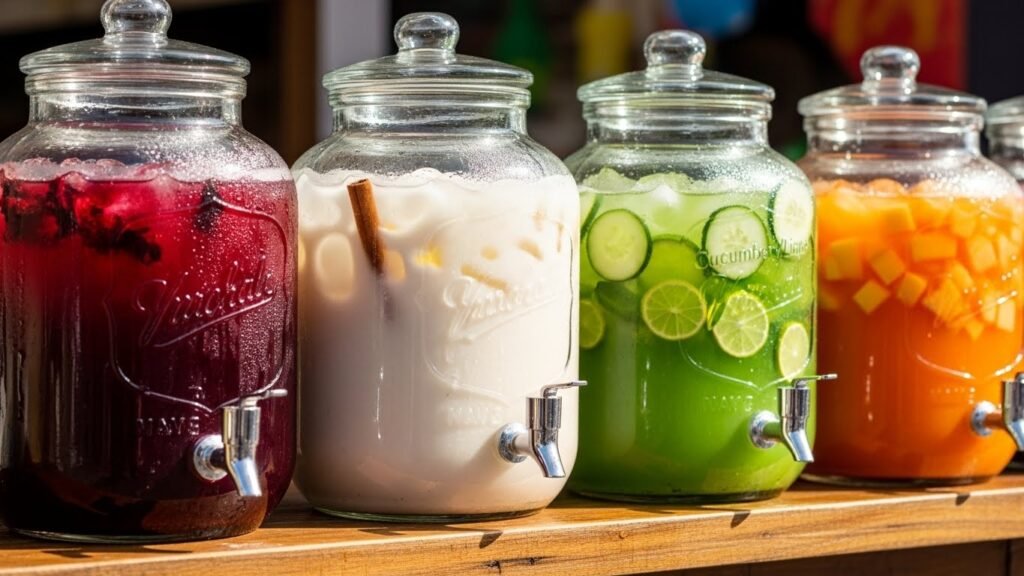
Aguas frescas are light drinks made from water and fresh fruit. They are not as thick as a smoothie but have tons of flavor. You just blend fruit with water and a bit of lime. They are the ultimate summer drink for any occasion.
- Watermelon is a classic choice that is very hydrating.
- Cantaloupe makes a sweet and creamy drink everyone loves.
- Pineapple gives a tart kick that is super refreshing.
Modern Smoothies and Juices
Fruit juices are a staple for breakfast in many Mexican homes. They use mango, banana, and berries to start the day right. These smoothies are thick and filling for a quick meal. They use whatever fruit is in season at the moment. It is a healthy and sweet way to wake up.
Tropical Influence in Mexican Cocktails
Adult drinks also use a lot of tropical fruit. The Piña Colada is a world-famous mix of pineapple and coconut. Many margaritas now feature mango or watermelon flavors too. These cocktails are perfect for a beach vacation or a party. They capture the true spirit of the tropics in a glass.
Light Fare: Salads, Ceviche, and Breakfast Bowls
Fruit makes everything feel lighter and more vibrant. It is the perfect addition to fresh seafood and light salads. These dishes are very popular in the coastal areas of Mexico. They are healthy and look like a rainbow on your plate. This is a great way to see how Mexico use fruits in their cuisine daily.
Bionico and Ensalada de Frutas
A bionico is a special kind of fruit salad from Mexico. It has chopped banana, papaya, melon, and various berries. Then it gets topped with creamy yogurt and crunchy granola. It is a very popular snack for kids and adults. Traditional fruit salads are also a hit at every family party.
Fruity Ceviche and Coastal Dishes
Ceviche is a dish made with raw seafood and lime juice. Adding mango or pineapple to it makes it even better. The sweet fruit pairs perfectly with the salty fish and sour lime. It is a refreshing meal that is perfect for a hot day. Coastal towns are famous for these vibrant fruit and fish combos.
The Sweeter Side: Desserts and Confections
Mexican desserts are famous for being naturally sweet. They rely on the flavor of the fruit instead of just sugar. It is a healthier way to enjoy a treat after dinner. These desserts are a favorite for people of all ages. They are the perfect end to any authentic meal.
Paletas: The Fruit Popsicle Tradition
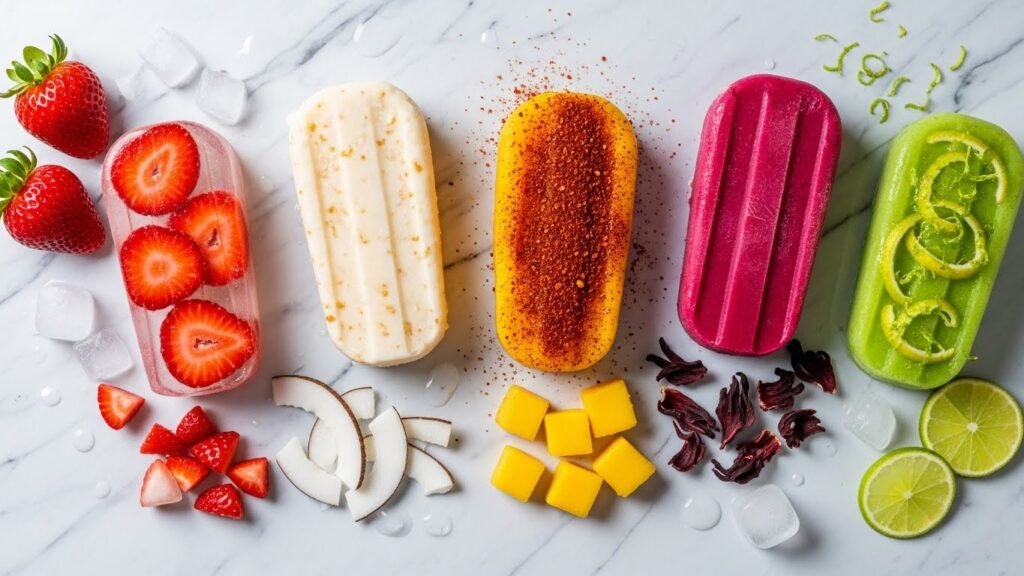
Paletas are Mexican popsicles that are much better than the store ones. They are made with real fruit chunks and fresh juices. You can find them in almost any tropical fruit flavor you want.
- Coconut paletas are creamy and have bits of real coconut.
- Mango and chili paletas are a spicy and sweet combo.
- Strawberry paletas are a classic that everyone enjoys.
Creamy and Baked Tropical Treats
Coconut ice cream, or helado de coco, is a huge favorite. It is rich and creamy with a light tropical scent. Many fruit tarts also use mango and papaya for a sweet topping. These treats are a great way to cool down and relax. They show the sweet side of how Mexico use fruits in their cuisine.
Planning Your Full Tropical Mexican Menu
If you want to host a party that people will talk about for years, you need a solid plan. A tropical menu is great because it feels light but still fills everyone up. You want to mix those sweet fruits with salty meats to get the best results. This plan focuses on how Mexico use fruits in their cuisine to make every bite exciting. Here is a full menu that is easy to follow and totally delicious.
The Ultimate Appetizer: Fruit-Forward Guacamole and Chips
You have to start with the basics but give them a cool twist. Standard guacamole is good, but adding fruit makes it amazing. It adds a little pop of sweetness that surprises your guests.
- Mango Guacamole uses chunks of ripe mango mixed into creamy avocado.
- Pomegranate Seeds sprinkled on top add a nice crunch and bright color.
- Fresh Jicama Sticks served on the side give a cool and watery crunch.
- Salty Corn Chips are the perfect tool to scoop up all that goodness.
The Main Event: Al Pastor Tacos with Grilled Pineapple
For the main course, you should go with the most famous fruit dish in Mexico. Al Pastor is the king of the street food scene for a reason. The secret is letting the fruit do the heavy lifting for the flavor.
- Marinated Pork should soak in a blend of chilies and pineapple juice.
- Grilled Pineapple Slices provide a smoky and sweet topping for each taco.
- Finely Chopped Onions and cilantro add a sharp bite to balance the sugar.
- Warm Corn Tortillas hold everything together and add that earthy corn smell.
Refreshing Side Dish: Tropical Ceviche or Fruit Salad
You need something cold and crisp to go with the warm tacos. This keeps the meal from feeling too heavy or greasy. It acts like a palate cleanser between all those bold flavors.
- Shrimp Ceviche with diced mango and cucumber is a coastal favorite.
- Bionico Salad features melon and papaya with a light yogurt drizzle.
- Lime and Chili Powder should be sprinkled over everything for a zingy kick.
- Fresh Mint Leaves added to the mix will make the fruit taste even brighter.
The Perfect Drink: Seasonal Fruit Aguas Frescas
Don’t just serve soda or plain water at your tropical dinner. You need a big glass of something colorful and cold. It is the best way to show how Mexico use fruits in their cuisine for thirst-quenching.
- Watermelon Agua Fresca is the most refreshing choice for a hot day.
- Tamarind Nectar offers a unique tartness that goes great with spicy food.
- Hibiscus Tea provides a deep red color and a floral, fruity taste.
- Lots of Ice is mandatory to keep the drinks frosty and crisp.
The Sweet Finish: Toasted Coconut Paletas
End the night with a treat that everyone can walk around with. Paletas are the best because they aren’t too messy. They are much better than heavy cakes after a big Mexican meal.
- Creamy Coconut popsicles with toasted flakes are a crowd-pleaser.
- Strawberry and Cream layers offer a classic and smooth dessert option.
- A Dusting of Cinnamon on the outside adds a warm and cozy scent.
- Mini Fruit Skewers can be served alongside the popsicles for extra fun.
Easy Recipes for Fruit-Based Salsas
If you are wondering how Mexico use fruits in their cuisine to make a meal pop, look no further than these recipes. These salsas are easy to whip up and don’t require any actual cooking. You just need a sharp knife and some fresh ingredients from the market. They add a cool, sweet contrast to any salty dish you are serving. Here are three simple ways to bring tropical flavors to your dinner table.
Tropical Mango and Chili Salsa
This is the most famous fruit salsa for a reason. It is bright, colorful, and has a perfect balance of sweet and heat. It works incredibly well as a dip or a topping for grilled protein.
- Ripe Mangos should be peeled and diced into small, even cubes.
- Red Onion provides a sharp crunch that balances the sugary fruit.
- Fresh Cilantro gives the mix that classic herbaceous Mexican aroma.
- Jalapeño Pepper adds the kick, but you can remove seeds for less heat.
- Lime Juice acts as the glue that brings all the flavors together.
Tangy Pineapple and Habanero Salsa
This recipe is for people who like a little more adventure with their food. Pineapple is very sturdy and holds up well when mixed with strong spices. It is the secret to how Mexico use fruits in their cuisine to tackle heavy meats like pork.
- Fresh Pineapple is much better than canned for a firm and juicy texture.
- Habanero Pepper is very spicy, so use just a tiny bit for a big punch.
- Red Bell Pepper adds extra color and a mild, sweet crunch to the bowl.
- Sea Salt helps draw out the natural juices from the fruit pieces.
- A Touch of Honey can be added if your pineapple is a bit too tart.
Refreshing Papaya and Lime Salsa
Papaya has a softer texture and a very mellow sweetness. This salsa is great for people who want something refreshing but not overly sugary. It is a beautiful way to show how Mexico use fruits in their cuisine for light summer meals.
- Firm Papaya is easier to dice and won’t turn into mush in the bowl.
- Green Onions offer a milder flavor than red onions for this delicate mix.
- Cucumber Chunks add a watery freshness that makes the salsa very light.
- Black Pepper gives a subtle warmth that complements the papaya perfectly.
- Apple Cider Vinegar can be used alongside lime for an extra tangy zip.
Tips for the Best Fruit Salsa Results
Making fruit salsa is simple, but a few small tricks can make a big difference. You want to make sure the textures stay nice and the flavors don’t get muddy.
- Chill Before Serving to let the juices mingle for at least thirty minutes.
- Small Dicing ensures that you get a bit of every ingredient in one bite.
- Use Ripe Fruit that is still firm to the touch so it stays chunky.
- Serve Fresh because fruit can get watery if it sits in the fridge too long.
Conclusion: The Harmony of the Mexican Garden
The big lesson here is that fresh produce makes the meal. When you mix vegetables and fruits, you get a perfect balance. It is all about that sweet and savory mix that we all love. Using fresh and seasonal stuff is the only way to go. It makes every dish taste authentic and full of life.
Whether you are in Las Vegas or Manchester, you can enjoy these flavors. Understanding how Mexico use fruits in their cuisine helps you appreciate the culture. It is a tradition that has been around for thousands of years. So next time you cook, don’t forget to grab some fruit. Your taste buds will definitely thank you for the tropical trip!
Frequently Asked Questions About Mexican Produce and Fruits
There are so many cool things to learn about how Mexico use fruits in their cuisine that we couldn’t fit it all in the main guide. You might have extra questions about how to store these items or where they even come from. These answers will help you become a total pro in the kitchen. Here are the most common things people ask about this colorful topic.
What exactly is a Mamey Sapote and how is it used?
A Mamey is a fruit with brown skin and bright orange flesh that tastes like sweet potato and pumpkin. People usually blend it into milkshakes or ice cream because it is very creamy. It is one of the most unique flavors you will find in central Mexico.
Can you eat the seeds inside a Papaya?
Yes, you can actually eat the black seeds inside a papaya, though they have a spicy, peppery taste. Some people dry them out and grind them up to use just like black pepper. They are also known for being very healthy for your digestion.
Is the Dragon Fruit native to Mexico?
The Pitaya, or Dragon Fruit, is actually native to Mexico and Central America. The Mexican variety often has a much deeper red or purple color inside compared to the white ones from Asia. It is a favorite for making bright pink agua fresca.
How do you pick a ripe Jicama at the store?
You want to look for a jicama that is heavy for its size and has smooth, unwrinkled skin. If it feels light or looks shriveled, it is probably dry and woody inside. It should be very crunchy and juicy when you peel it.
What is the difference between a Plantain and a Banana?
Plantains are bigger, have thicker skin, and are much starchier than regular bananas. You almost always have to cook them, like frying or baking, before they taste good. Bananas are sweet and soft enough to eat raw right away.
Why do people put salt and lime on all their fruit?
Putting salt, lime, and chili on fruit is a tradition that makes the natural sweetness stand out. The sour lime makes your mouth water while the salt balances the sugar in the fruit. It is the standard way to eat fruit cups on the street.
What is a Xoconostle and how does it taste?
This is a type of sour prickly pear that grows on a cactus. Unlike the sweet “Tuna” fruit, this one is very tart and is usually used in savory stews or salsas. It adds a huge punch of acidity to heavy meat dishes.
How do you store fresh Tomatillos?
You should keep them in their husks in a paper bag inside the refrigerator. They can stay fresh for about two weeks if you keep them dry. Don’t peel the sticky husk off until right before you are ready to cook them.
Can you grow Mexican tropical fruits in the United States?
You can grow them in warm states like Florida, Texas, or California where it doesn’t freeze. In colder places, some people grow dwarf citrus or peppers in pots that they bring inside for winter. It takes a lot of sun to get that authentic flavor.
What is the fruit called Guanabana?
Guanabana, also known as Soursop, is a large green fruit with soft spikes and white, tangy flesh. It tastes like a mix of strawberry and pineapple with a little bit of creaminess. It is a top choice for smoothies and tropical juices.
Are Cactus Paddles actually considered a vegetable?
Nopales, or cactus paddles, are treated exactly like a green vegetable in Mexican cooking. They have a texture similar to green beans but with a slightly tart flavor. You have to carefully remove the spines before grilling or boiling them.
What is the best way to ripen a hard Avocado?
The best trick is to put the avocado in a brown paper bag with a banana or an apple. These fruits give off a gas that helps the avocado soften up in just a day or two. Never put a hard avocado in the fridge or it will never ripen.
Why is Tamarind used in Mexican candy?
Tamarind has a naturally sour and sticky pulp that pairs perfectly with sugar and chili powder. It creates that classic “sweet and spicy” candy profile that Mexico is famous for. It is also great for making glazes for chicken wings.
What fruit is used to make the drink Tejuino?
Tejuino is a cold drink made from fermented corn masa and piloncillo sugar, usually served with a scoop of lime sorbet. It is a traditional fermented “fruit” drink that is very popular in the state of Jalisco. It is great for a hot afternoon.
Can you eat the skin of a Chayote?
If the chayote is young and small, the skin is soft enough to eat after cooking. For older, larger ones, the skin gets very tough and should be peeled off. Most chefs peel them anyway to keep the texture consistent.
What is Piloncillo and is it fruit-based?
Piloncillo is raw cane sugar that is pressed into a cone shape and tastes like molasses. While it comes from a plant, it is used to sweeten almost all the fruit-based desserts in the country. It gives a much deeper flavor than white sugar.
How do you use Hibiscus flowers in cooking?
Dried hibiscus flowers are boiled to make a tart, cranberry-like tea called Agua de Jamaica. After boiling, you can actually sauté the leftover flowers with onions and garlic to use as a vegetarian taco filling. It has a very meaty texture!
What is the Mamey fruit’s secret ingredient?
The large seed inside a Mamey, called a Pixtle, can be ground up and used in traditional drinks. It adds a nutty, almond-like flavor to things like Tejate. You should only use it if you know the traditional preparation methods.
Are there different types of Limes used in Mexico?
Yes, the small, seeded Key Limes (Limon Criollo) are much more common than the big Persian limes. They are much more acidic and have a stronger scent. They are the true secret to a perfect ceviche or taco garnish.
What fruit is used to make the yellow color in some rice?
While saffron or turmeric is used in other cultures, some Mexican regions use the Achiote seed. It comes from the Annatto tree and provides a bright orange or yellow color. It has a very mild, earthy flavor that doesn’t overpower the meal.