Skip to content
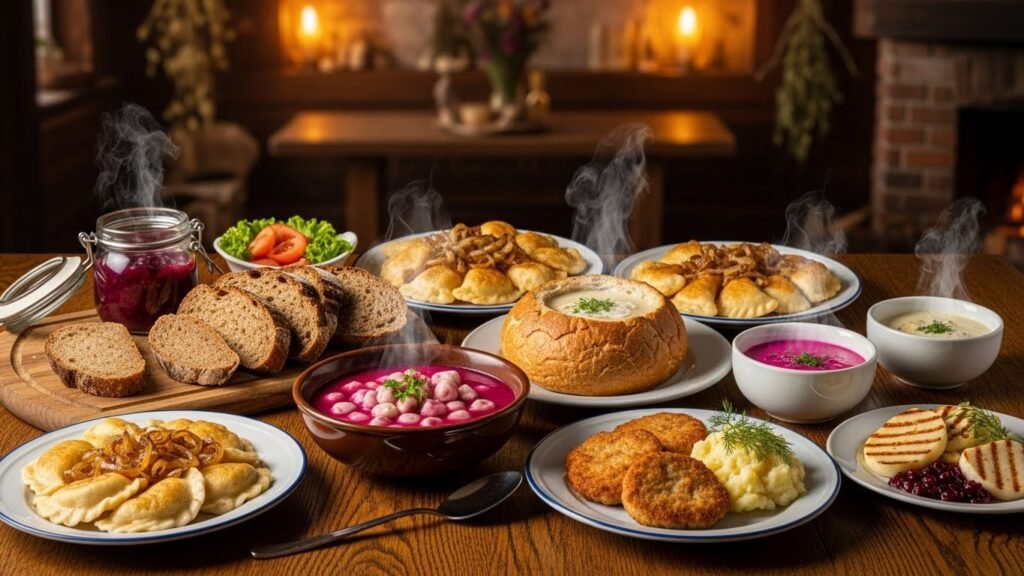
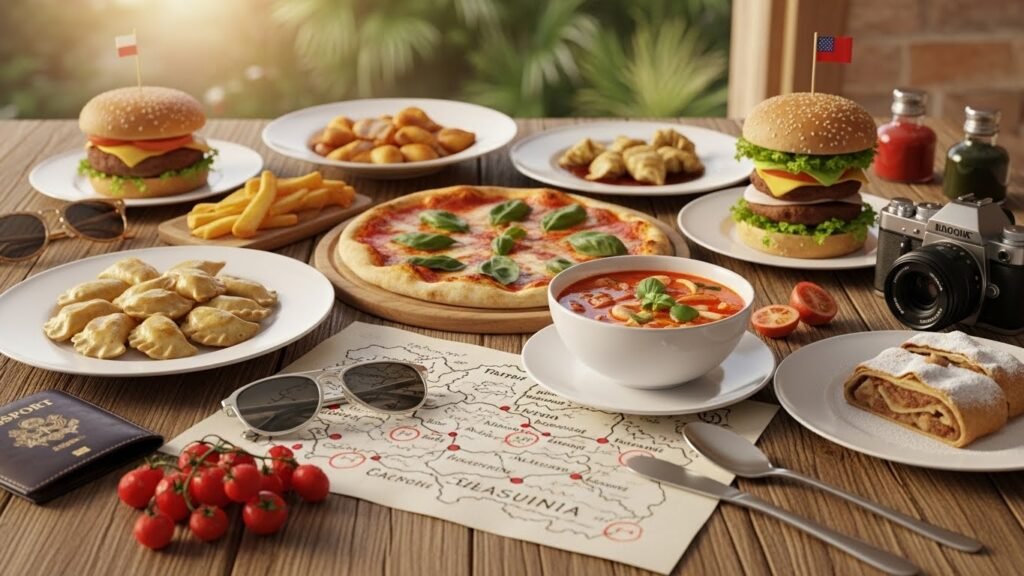
Polish food is all about heart and soul. It is way more than just dumplings. This food tells a story of a tough history. Every bite feels like a warm hug from a Polish grandma. You will find some of the best eats in the city of Krakow. Get ready for a wild ride through the best flavors in Europe.
The Essence and History of Polish Gastronomy
Polish food was shaped by a very wild past. It lived through wars and the Communist era. People had to be very creative with few ingredients. This made the food resourceful and super tasty. It is truly a survival style of cooking.
The dishes are often heavy to help people survive cold winters. Pickling is a huge part of the culture too. They pickle cabbage and cucumbers so they last a long time. This gives the food a unique tangy flavor. Polish food culture is also about taking things slow.
Traditional meals take a long time to prep. Food is a big way to celebrate life in Poland. The recipes are passed down for many years. You can taste the history in every single spoonful. It is honest and simple home cooking at its best.
- Historical Influence: Wars and changing borders forced people to be smart with food.
- Survival Food: Fatty meals helped folks stay warm during long snowy months.
- Pickled Goods: Fermenting vegetables like sauerkraut kept vitamins around all year.
- Slow Food: Many dishes simmer for hours to get the perfect taste.
- Regional Vibes: Food changes from the mountains to the sea.
Why Krakow is Poland’s Culinary Capital
Krakow is a place that grabs you right away. The Old Town is full of cool cafes. The scent of fresh bread is always in the air. It is the perfect spot to start a food hunt. The vibe is nostalgic and very welcoming.
You can find street food stalls next to fancy places. The Jewish Quarter called Kazimierz is a food hotspot. It has a mix of old traditions and new ideas. Every corner has something yummy to discover. Krakow makes you feel right at home with its food.
The city is very walkable for hungry travelers. You can eat your way through the Main Market Square. It is the heart of the Polish food scene. You will see how tradition lives on in every meal. It is a soulful place for anyone who loves eating.
- Old Town Magic: Eat classic meals surrounded by historic cobblestones.
- Kazimierz District: This area is famous for late-night street food.
- Market Square: Rynek Główny offers warm treats during winter markets.
- Local Energy: The city is full of creative young chefs.
Traditional Polish Soups: The Heart of the Meal
Soups are a big deal in Polish food. They are often the main event of a meal. Most are sour, earthy, or very creamy. A good soup can warm you up fast on a rainy day. Here are the stars of the soup world.
Żurek (Soured Rye Flour Soup)
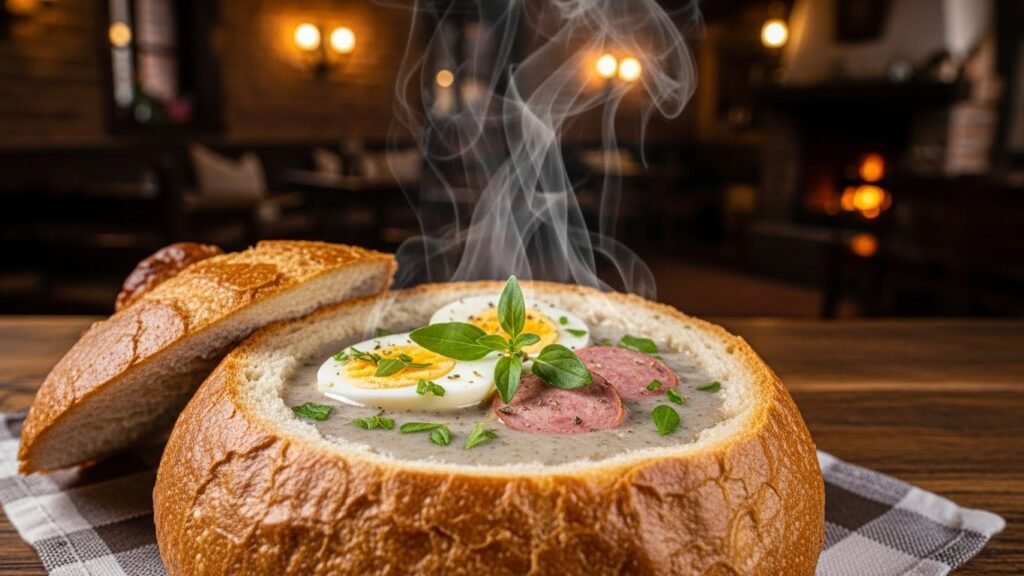
Żurek is a very special kind of soup. It uses fermented rye flour called zakwas for its base. This gives it a tangy and deep flavor. It is a true Polish comfort food. You have to try it at least once.
- The Tang: Fermented rye flour makes it taste unique.
- The Goods: It usually has smoked sausage and hard-boiled eggs inside.
- The Bread Bowl: Many places serve it inside a hollow loaf of bread.
- The Herbs: Marjoram is the key spice that gives it a great smell.
Barszcz Czerwony (Red Borscht)
This soup is famous for its bright red color. It is made from beets and is very clear. It can be sweet or a little bit sour. People often drink it out of a cup. It is a staple at most holiday dinners.
- Beet Power: The main ingredient is beetroot which makes it earthy.
- Christmas Eve: It is served with uszka dumplings during the holidays.
- The Dumplings: Uszka are tiny and filled with wild mushrooms.
- Hearty Version: Some versions include beans to make it a full meal.
Chłodnik (Cold Beet Soup)
Chłodnik is the perfect soup for a hot summer day. It is a bright pink color that looks like candy. It is served very cold to keep you refreshed. The mix of veggies makes it crunchy and light. It is a great way to eat your beets.
- Pink Color: Beets mixed with yogurt or kefir create a neon pink look.
- Summer Vibes: This soup only shows up when the weather gets warm.
- Fresh Veggies: It has cucumber, radish, and lots of fresh dill.
- Dairy Base: The use of buttermilk or yogurt makes it very creamy.
Czernina (Duck Blood Soup)
This soup is for the brave foodies out there. It is made from duck blood and poultry broth. It might sound weird but it is very traditional. It has a complex flavor that is hard to describe. It is a true piece of culinary heritage.
- Unique Base: Duck blood is the main ingredient here.
- Sweet and Sour: Vinegar and dried fruits like prunes add a special kick.
- Noodles: It is often served with thin egg noodles.
- History: It was once used to refuse a marriage proposal in the old days.
The World of Polish Dumplings and Starches
If you love carbs, you will love Polish food. Dumplings and potatoes are in almost every meal. They are filling and very cheap to make. These dishes are the backbone of the local diet. Here is what you need to know.
Pierogi (The National Dish)
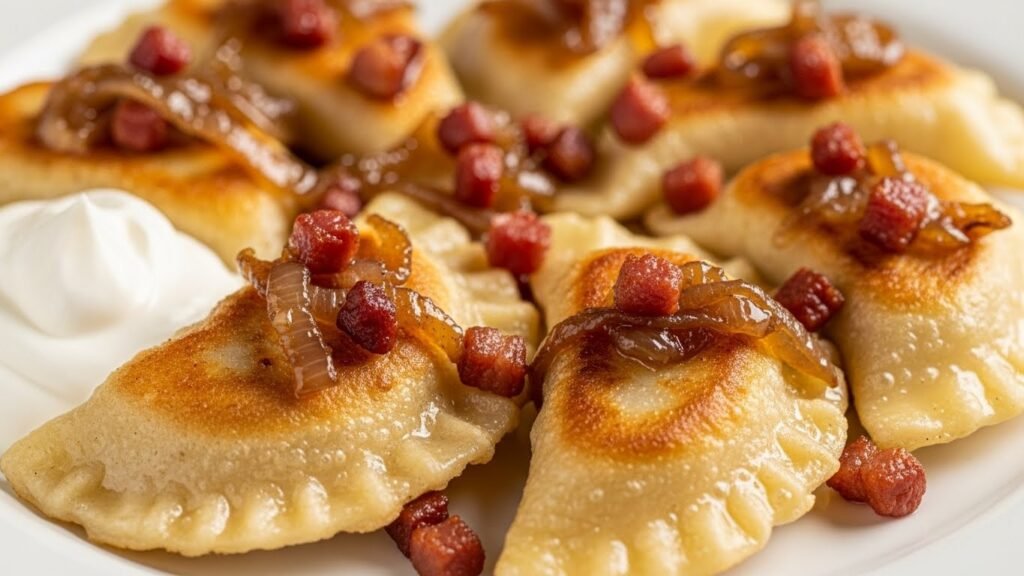
Pierogi are the most famous Polish food ever. They are boiled dumplings with many different fillings. You can find them in every restaurant in Poland. They can be a snack or a huge dinner. Everyone has a favorite kind of pierogi.
- Pierogi Ruskie: These are filled with mashed potatoes and farmer’s cheese.
- Meat Lovers: Some are stuffed with savory minced pork or beef.
- The Veggie Choice: Cabbage and wild mushrooms are a classic combo.
- Sweet Treats: Fruit fillings like blueberry or cherry are great for dessert.
Kluski Śląskie (Silesian Dumplings)
These are not your average dumplings. They are round and have a little hole in the middle. They are very soft and a bit chewy. People in the Silesia region love them. They are the perfect side for meat dishes.
- Potato Starch: This ingredient gives them a unique rubbery texture.
- The Thumbprint: The hole in the middle is for holding extra gravy.
- Simple Mix: They are made with just potatoes, starch, and eggs.
- Savory Sauces: They taste best with beef goulash or bacon bits.
Placki Ziemniaczane (Potato Pancakes)
These are crispy golden-brown pancakes. They are made from grated potatoes and onions. Most people fry them in a pan until they are crunchy. They are a huge favorite for kids and adults. You can eat them in many ways.
- Crispy Edges: The best part is the crunchy outside layer.
- Mushroom Sauce: A thick forest mushroom sauce is a top savory choice.
- Sugar and Cream: Some people like them sweet with sugar and sour cream.
- Hearty Goulash: Place a meat stew on top for a massive meal.
Hearty Meat and Main Courses
Meat is a star player in Polish food. Most main courses are very heavy and filling. They use a lot of pork, beef, and sausage. These meals are built to keep you full for hours. Let us look at the heavy hitters.
Bigos (Hunter’s Stew)
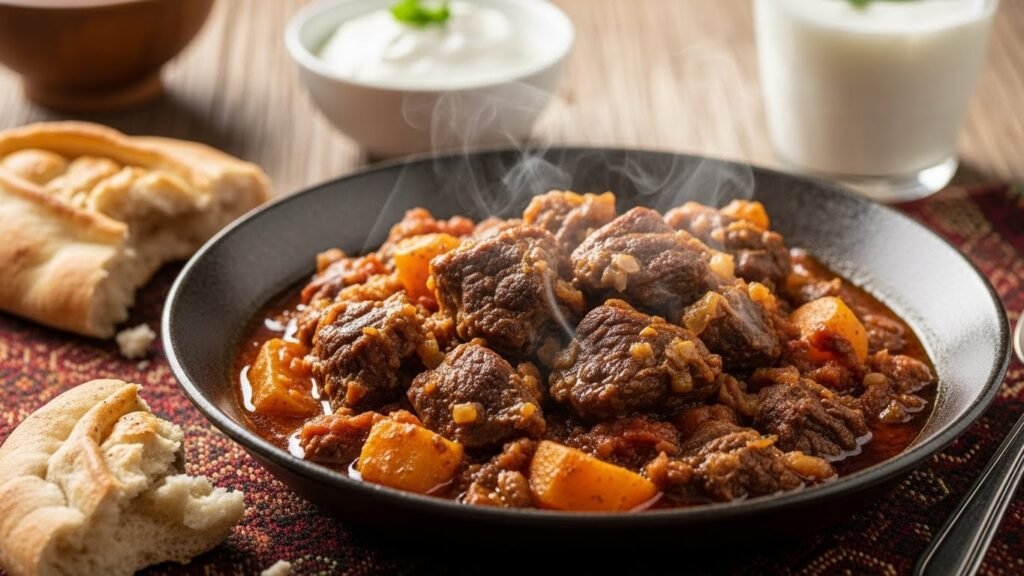
Bigos is known as the national dish of Poland. It is a thick stew that simmers for a long time. It is full of different flavors that get better over time. It is a very rustic and earthy meal. You will see it at many family gatherings.
- The Cabbage: It uses both fresh cabbage and tangy sauerkraut.
- The Meats: It has bits of pork, beef, and smoked sausage.
- Mushrooms: Dried forest mushrooms give it a deep, dark flavor.
- The Secret: It actually tastes better after being reheated for a few days.
Kotlet Schabowy (Pork Breaded Cutlet)
This is the Polish version of a schnitzel. It is a pork chop that is pounded until it is thin. Then it is covered in breadcrumbs and fried. It is the most common Sunday dinner in Poland. It is simple but totally delicious.
- Breaded Perfection: The coating is always golden-brown and crispy.
- The Sides: It almost always comes with mashed potatoes and mizeria.
- Lard Frying: Traditional cooks fry it in lard for better flavor.
- Comfort Level: It is the ultimate Polish comfort food.
Gołąbki (Stuffed Cabbage Rolls)
Gołąbki literally means little pigeons. But do not worry, there are no birds in here. They are cabbage leaves stuffed with a tasty filling. They are baked until the cabbage is very soft. It is a very nostalgic meal for many Poles.
- Filling Mix: It is usually ground meat mixed with rice or groats.
- Tomato Sauce: Most people serve them with a rich tomato sauce.
- Slow Cooked: They need to bake for a while to get tender.
- Mushroom Option: Some families use a creamy mushroom sauce instead.
Krokiety (Polish Croquettes)
Krokiety are like a mix of a pancake and a snack. They are thin crepes that are rolled up with a filling. Then they are breaded and fried until they crunch. They are often served alongside a hot soup. They make a great lunch or party food.
- The Crepe: A thin pancake holds all the goodness inside.
- Common Fillings: Sauerkraut and mushrooms or meat are the most popular.
- Soup Partner: They are the best friend of a cup of Red Borscht.
- Crispy Shell: The breadcrumb crust is what makes them so good.
Krakow’s Famous Street Food and Snacks
Krakow has its own unique street food scene. You do not have to sit in a restaurant to eat well. Many snacks are cheap and very satisfying. They are a big part of the daily life in the city. You have to try these local favorites.
Zapiekanka (Polish Pizza)
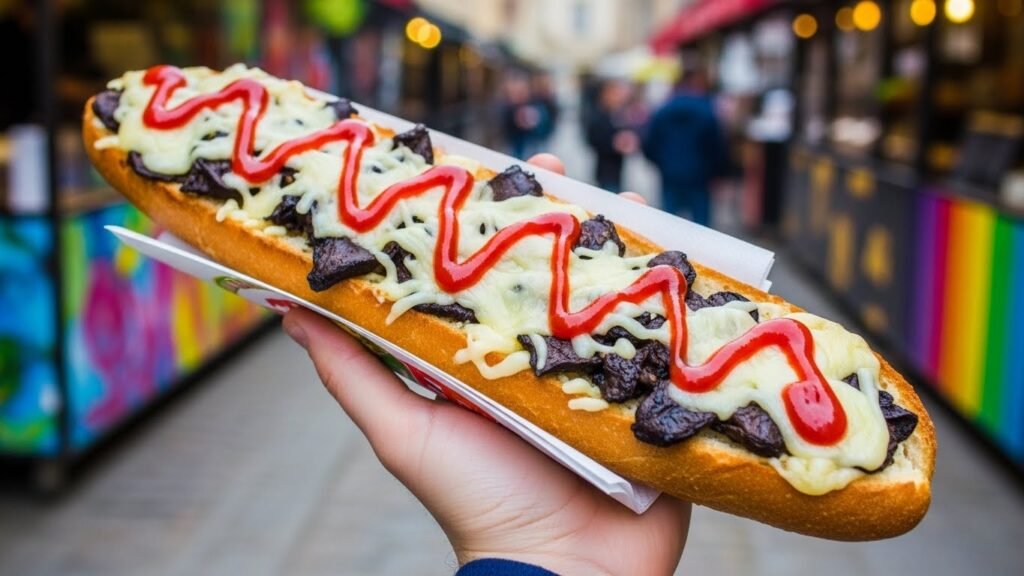
The zapiekanka is the king of Polish street food. It is an open-faced sandwich on a long baguette. It was very popular during the Communist times. Now it is a late-night legend for everyone. It is warm, cheesy, and very crunchy.
- The Base: A crispy half-baguette serves as the edible plate.
- The Toppings: Mushrooms and melted cheese are the standard items.
- The Sauce: A generous drizzle of ketchup is a must.
- Modern Style: You can now add things like chives, garlic sauce, or ham.
Obwarzanek Krakowski
This is the most iconic snack in Krakow. It is a twisted ring of bread that looks like a bagel. It has a history that goes back to the 14th century. You can find them all over the city. They are the perfect snack while you walk.
- Blue Carts: Look for the small blue stalls on almost every street.
- Toppings: They are usually topped with poppy seeds, salt, or sesame.
- Chewy Texture: They are boiled before baking to make them chewy.
- Cheap Price: It is one of the cheapest things you can buy in Krakow.
Maczanka Po Krakowsku
Maczanka is the original Polish burger. It is a very old recipe from the city of Krakow. It features pulled pork that is incredibly juicy. It is a mess to eat but totally worth it. It is savory and very nostalgic.
- Slow Cooked: Pork shoulder is cooked for hours until it falls apart.
- Caraway Gravy: The meat is soaked in a spicy caraway gravy.
- Crusty Bun: A fresh bread roll holds the meat and sauce.
- Pickles: It is often served with a side of crunchy pickles.
Kiełbasa (Polish Sausage)
You cannot talk about Polish food without sausage. Kiełbasa comes in hundreds of different types. Some are smoked and some are fresh. In Krakow, there is a legendary spot to get them. It is a must-visit for meat lovers.
- The Blue Van: A family grills sausages from a blue van at night.
- Wood Fired: The sausages are cooked over a real wood fire.
- The Combo: They serve it with a plain roll and some mustard.
- Late Night: This spot is famous for being open until 3 AM.
Regional Specialties and Acquired Tastes
Some Polish foods are very unique to certain areas. Others might seem a bit strange to visitors at first. But these dishes are full of flavor and history. They are part of what makes the cuisine so interesting. Do not be afraid to try something new.
Oscypek (Smoked Highland Cheese)
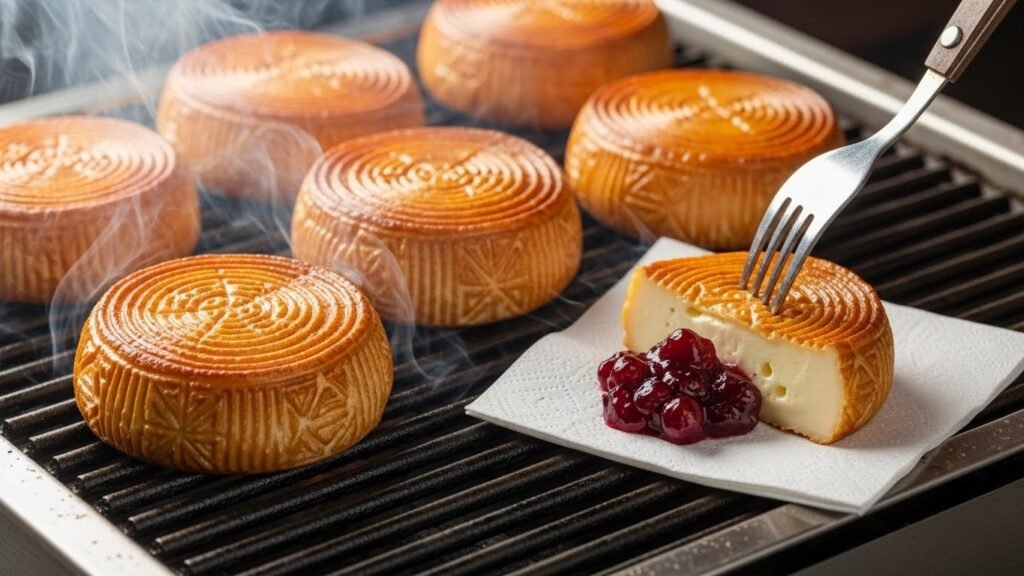
Oscypek is a special cheese from the mountains. It is made from sheep’s milk and has a cool shape. It is very salty and has a strong smoky smell. You can find it at many markets in Krakow. It is a delicious regional treat.
- Grilled Style: It is best when grilled until it gets soft.
- Sweet Side: It is always served with a dollop of cranberry jam.
- Smoky Flavor: The cheese is smoked for a long time over wood.
- Mountain Roots: It comes from the Tatra region near Zakopane.
Smalec (Lard Spread)
Smalec is a very old-school Polish appetizer. It is rendered pork fat that looks like white butter. It is full of little crunchy bits of bacon. It might sound heavy, but it is very tasty. It is the ultimate rustic snack.
- The Bits: It has fried onions and crunchy bacon bits called skwarki.
- Rye Bread: You spread it thick on a slice of fresh rye bread.
- The Pickle: You must eat it with a sour pickled cucumber.
- Free Starter: Many traditional restaurants give this to you for free.
Kaszanka (Blood Sausage)
Kaszanka is a dark sausage that is very hearty. It is made with pig’s blood and buckwheat groats. It is a very traditional food from the countryside. When cooked right, it is soft and savory. It is a great breakfast or dinner item.
- The Grain: Buckwheat or kasza gives it a nutty taste.
- Frying Pan: It is usually fried with onions until the skin is crisp.
- Earthy Taste: The blood gives it a deep and rich flavor.
- Budget Food: It has always been a cheap and filling meal.
Nóżki w Galarecie (Jellied Pig’s Feet)
This dish looks like a meat cake in jelly. It is made by boiling pig’s feet until they release natural gelatin. The meat is then set in the cold jelly with veggies. It is a very classic Polish party food. Many people love it with a drink.
- The Jelly: It is a natural savory gelatin from the meat.
- Vinegar Kick: Most people add a splash of vinegar on top.
- Horseradish: It also tastes great with spicy white horseradish.
- Cold Dish: It is always served chilled from the fridge.
Salads and Sides
Polish meals always have a side of veggies. These are often pickled or mixed with cream. They add a fresh touch to the heavy main dishes. No plate is complete without them. Here are the most common ones.
Mizeria (Cucumber Salad)
Mizeria is a very simple and fresh salad. It is the perfect partner for a fried pork chop. The name means misery, but the taste is pure joy. It is light, cool, and very crunchy. It is a staple in every Polish home.
- Sliced Thin: Cucumbers are sliced into very thin rounds.
- Creamy Dressing: It uses sour cream or yogurt as a base.
- Fresh Dill: Lots of dill gives it a great garden smell.
- Tangy: A little bit of vinegar or lemon juice adds a zing.
Sałatka Jarzynowa (Vegetable Salad)
This is the most famous salad for Polish holidays. It is a mix of many boiled vegetables and mayo. Every family has their own secret version of it. It is a sign that a big celebration is happening. It is creamy and very filling.
- Diced Veggies: It has boiled potatoes, carrots, and parsley root.
- The Extras: Pickles, peas, and hard-boiled eggs are always in it.
- Mayo Base: A lot of mayonnaise holds everything together.
- Holiday Must: You will see it at every Easter and Christmas meal.
Polish Sweets and Desserts
Poles have a very big sweet tooth. Their desserts are often made with yeast or fruit. They are not too sweet but very satisfying. A meal in Poland always ends with something yummy. Here is the star of the show.
Pączki (Polish Donuts)

Pączki are much richer than a regular donut. They are deep-fried balls of dough that are super soft. They have been around for hundreds of years. They are the ultimate treat in Poland. You cannot just eat one.
- The Dough: It is a rich yeast dough with lots of eggs.
- Classic Filling: Traditional pączki are filled with rosehip jam.
- Modern Flavors: You can also find them with custard or plum jam.
- Fat Thursday: Poles eat millions of them on this special day.
Vegetarian and Dietary Information
You might think Polish food is only for meat eaters. But that is not true at all. There are many options for vegetarians in the city. Krakow is actually a very easy place to eat meat-free. You just need to know what to look for.
- Pierogi Power: Potato and cheese pierogi are always vegetarian.
- Potato Pancakes: These are a great meat-free main course.
- Zapiekanki: The classic version with just cheese and mushrooms is safe.
- Milk Bars: These cheap cafeterias have tons of veggie options.
- Obwarzanek: These street bread rings are a perfect vegan snack.
Practical Tips for Your Culinary Tour
Eating in Poland is a fun adventure. But a few tips can help you find the best spots. The city of Krakow has something for every budget. You can eat like a king without spending much. Here is how to do it right.
- Seasonal Eating: Try blueberry pierogi in summer and hearty stews in winter.
- Watch the Costs: Street snacks like obwarzanek only cost a few coins.
- Milk Bars: Visit these for authentic food that is very affordable.
- Portion Size: Polish servings are usually huge, so come hungry.
- Tipping: It is nice to leave a small tip for good service.
Conclusion
Polish cuisine is far more than a simple collection of recipes; it is a profound reflection of the nation’s resilience, history, and warmth. From the rustic milk bars of Krakow to the smoky mountain stalls of the Tatras, the flavors of Poland offer a unique blend of hearty comfort and sophisticated fermentation. Whether you are tucking into a steaming bowl of Żurek, sharing a plate of Pierogi with friends, or grabbing a late-night Zapiekanka in Kazimierz, you are participating in a culinary tradition that has survived and thrived through centuries of change.
As you explore these dishes, you discover that the true secret ingredient in Polish cooking is the “human touch”—the slow simmering of stews, the careful folding of dumplings, and the generous hospitality that ensures no guest ever leaves a Polish table hungry. We hope this guide inspires you to look beyond the familiar and dive deep into the soulful, delicious, and diverse world of traditional Polish food. Smacznego!
Frequently Asked Questions
What is the typical breakfast like in Poland?
A traditional Polish breakfast is often a spread called kanapki, which are open-faced sandwiches. You will usually find fresh rye bread or rolls topped with cold cuts, tomatoes, sliced cucumbers, and radishes. Soft-boiled eggs and twaróg, a type of white farmer’s cheese mixed with chives, are also very common morning staples.
How much should I tip at a restaurant in Poland?
Tipping is expected in Polish restaurants but is generally modest compared to North American standards. A tip of ten percent is considered standard for good service in most sit-down establishments. If you are at a casual milk bar or a quick street food stall, tipping is not required but appreciated.
What are the most popular Polish drinks to pair with food?
Kompot is a very popular non-alcoholic drink made by boiling seasonal fruits like cherries or apples with sugar. For those looking for something stronger, Polish beer and clear vodka are cultural staples often served with salty appetizers. Many people also enjoy tea with lemon alongside their dessert or evening meal.
Is tap water safe to drink in Krakow and other cities?
Yes, tap water in Poland is perfectly safe to drink and meets high safety standards. However, many locals still prefer bottled water or sparkling water, which is called woda gazowana. You can easily find high-quality spring water from the mountain regions in every convenience store.
What is a Milk Bar and should I visit one?
A Milk Bar, or Bar Mleczny, is a government-subsidized cafeteria that offers very affordable traditional meals. These spots were famous during the socialist era for serving dairy-based and vegetarian dishes to workers. Today, they are the best places to find authentic home-style cooking for just a few dollars.
Are there any specific dining etiquettes I should follow?
In Poland, it is polite to wait for everyone to be served before you start eating your meal. It is also common to say Smacznego, which means enjoy your meal, before the first bite. When finished, placing your knife and fork parallel to each other on the plate signaled that you are done.
What is the most famous Polish soup for Easter?
While Żurek is eaten year-round, it is the absolute star of the Easter Sunday breakfast. For the holiday version, it is usually packed with extra white sausage and plenty of horseradish. It represents the end of fasting and the beginning of a joyous family feast.
Can I find gluten-free Polish food easily?
Traditional Polish food relies heavily on flour and grains, which can be tricky for those with gluten sensitivities. However, dishes like Bigos, meat-based soups without flour thickeners, and grilled oscypek are naturally gluten-free. Most modern restaurants in big cities now offer specific gluten-free menus for travelers.
What are the main spices used in Polish cooking?
Polish cuisine does not rely on heat but rather on earthy and aromatic herbs. The most common spices you will taste are marjoram, dill, caraway seeds, and allspice. Horseradish and mustard are also used frequently to add a sharp kick to meat dishes.
What is the difference between Pierogi and Uszka?
While both are dumplings, pierogi are larger and served as a main course with various fillings. Uszka, which translates to little ears, are much smaller and almost always filled with wild mushrooms. Uszka are specifically designed to swim inside a bowl of clear red borscht.
Are there any famous Polish fermented drinks?
Aside from the rye flour base used in soups, Poland is famous for Kwas Chlebowy, a fermented bread drink. It has a very low alcohol content and a tangy, toasted flavor that is very refreshing in the summer. It is often compared to root beer but with a more savory edge.
What kind of bread is most common in Poland?
Sourdough rye bread, known as chleb przymiarki, is the king of the Polish bakery. It is heavy, dark, and has a thick crust that stays fresh for days. Poles take great pride in their bread and usually buy it fresh every single morning.
What should I eat on Polish Christmas Eve?
The Christmas Eve dinner, known as Wigilia, is a meatless feast consisting of twelve specific dishes. You will usually see fried carp, herring in cream, poppy seed cake, and plenty of pierogi. It is the most important culinary event of the year for Polish families.
What is the significance of poppy seeds in Polish desserts?
Poppy seeds are a symbol of prosperity and fertility in Polish culture. You will find them inside the famous Makowiec, which is a sweet yeast bread roll filled with a dense poppy seed paste. This dessert is a mandatory part of any major holiday or celebration.
How do Poles prepare their coffee?
While espresso and lattes are common in cities, the old-school way is called Kawa Parzona. This involves putting ground coffee directly into a glass and pouring boiling water over it, letting the grounds settle at the bottom. It is a very strong and rustic way to enjoy a morning caffeine kick.
What is the best Polish food to eat when you are sick?
Rosół is a clear chicken noodle soup that every Polish person considers the ultimate cure for a cold. It is made by simmering chicken and root vegetables for many hours until the broth is golden. It is simple, light, and very easy on the stomach.
Are there many seafood dishes in Polish cuisine?
Because of the Baltic Sea, northern Poland has a great selection of smoked fish like sprats and mackerel. In the rest of the country, freshwater fish like trout and carp are more common. Herring served in oil or cream is the most iconic fish dish nationwide.
What is the most popular Polish street food besides Zapiekanka?
While Zapiekanka is the most famous, you will also see many stalls selling grilled Kiełbasa. In the winter, you can find roasted chestnuts and grilled oscypek cheese in the market squares. Lately, Polish-style burgers with local ingredients have also become very trendy.
Do Polish people eat a lot of fruit?
Yes, Poland is one of the world’s largest producers of apples, berries, and cherries. Fruit is used in everything from soups and dumplings to compotes and jams. In the summer, street markets are overflowing with fresh strawberries and raspberries.
What is a traditional Polish wedding food?
Polish weddings are famous for having a never-ending supply of food that lasts until the morning. You will often see a hot soup served at midnight to give guests energy to keep dancing. Roasted meats, cold platters, and several types of cake are standard throughout the night.