Skip to content
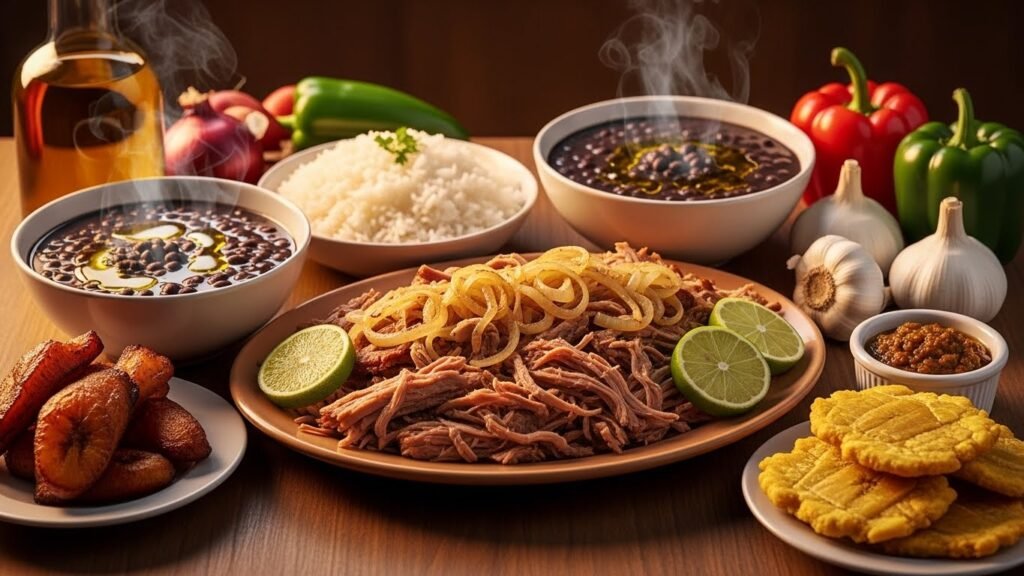
Many people often ask is cuban food spicy when they first try this famous cuisine. You might expect a lot of heat since it comes from the Caribbean. Most folks think all Latin food burns your tongue. However, Cuban dishes focus more on being savory and hearty than being hot. This food is the epitome of comfort food that warms your soul. It uses slow-cooking and tomato-based sauces to create deep flavors. You will find a rich cultural melting pot in every single bite. Spanish, African, and Caribbean influences all merged together over many years. This blend created a unique culinary identity that is famous around the world.
Introduction to the Cuban Palate
If you are wondering is cuban food spicy, the short answer is no. Cuban cooking is actually quite mild compared to other Latin countries. The focus is always on creating a balance of flavors. Chefs want you to taste the meat and the vegetables. They do not want to overwhelm your palate with too much fire. You get a savory profile that feels very satisfying and full. It is all about the harmony of the ingredients in the pot.
The Big Question: Is Cuban Food Spicy?
- Common Misconceptions: People often confuse Cuban food with Mexican food which can be very hot.
- Actual Heat Levels: Most traditional dishes have almost zero spicy heat.
- Flavor Focus: The goal is a pungent and robust taste from herbs.
Defining the Cuban Flavor Profile
- Hearty Ingredients: You will see a lot of beans, rice, and slow-roasted meats.
- Earthy Tones: Spices like cumin give the food a warm and grounded feeling.
- Rich Textures: Many dishes are sautéed or slow-cooked until they are very tender.
A Cultural Melting Pot
- Spanish Influence: This brought olive oil, onions, and garlic to the island.
- African Influence: This introduced yuca, plantains, and specific slow-cooking techniques.
- Caribbean Roots: The use of local tropical fruits and seafood adds a special touch.
The Epitome of Comfort Food
- Slow-Cooking: Meats are often cooked for hours until they fall apart.
- Tomato-Based Foundations: Many stews use a tomato sauce to add richness.
- Sautéed aromatics: Starting with a pan of sizzling veggies builds a great base.
The Historical and Geographical Context of Flavor
To understand why the answer to is cuban food spicy is no, look at history. The island of Cuba has its own unique environment. The people there developed a taste for aromatics rather than peppers. This history shaped everything about how they season their meals. It is a story of what was available in the garden.
Why Is Cuban Food Not Spicy?
- Native Ingredients: Hot chili peppers were not a huge part of the local crops.
- Preference for Savory: The local culture simply grew to love garlic and onions more.
- Climate Factors: Some believe the tropical heat makes people prefer milder savory foods.
Spanish and African Culinary Roots
- Aromatic Herbs: Spanish settlers brought oregano and bay leaves which are not spicy.
- Starchy Staples: African traditions focused on filling foods like yuca and malanga.
- Flavor Over Fire: Both cultures emphasized deep seasoning over tongue-burning heat.
Regional Differences
- Mexican Comparison: Mexico uses many dried and fresh hot chilies in daily cooking.
- Jamaican Comparison: Nearby Jamaica is famous for spicy scotch bonnet peppers.
- The Cuban Exception: Cuba stands out in the Caribbean for its mild flavor profile.
The Foundation of Cuban Cooking: The Sofrito
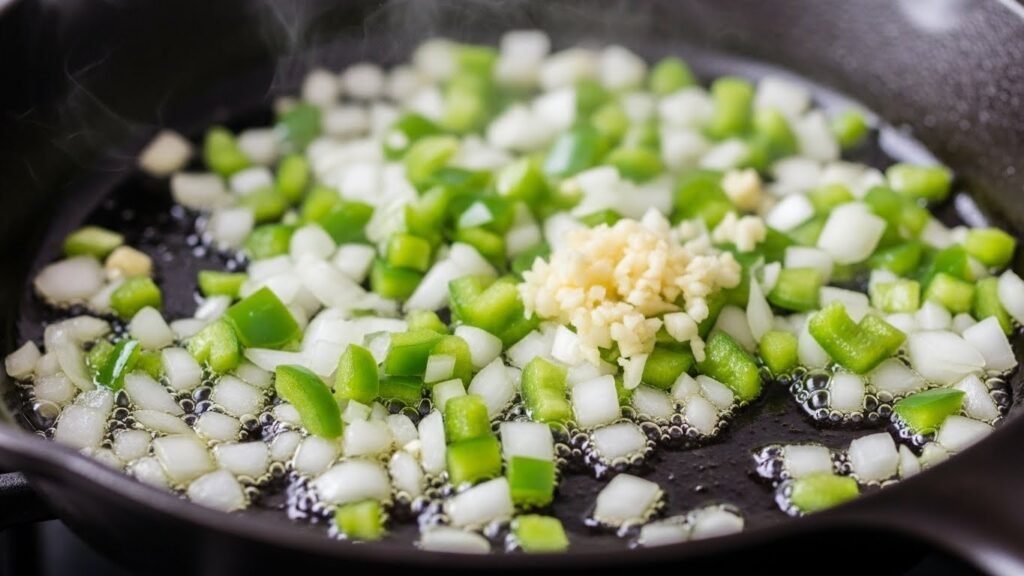
Every great Cuban meal starts with a special veggie mix. This mix is called a sofrito and it smells amazing. It is the secret to why the food is so tasty. You cook these veggies in olive oil until they are soft. This creates a base that is pungent and full of life. It is the heartbeat of the Cuban kitchen.
The “Holy Trinity” of Cuban Flavors
- Garlic: This is the most important part and adds a sharp, pungent taste.
- Onions: They add a bit of sweetness as they cook down in the oil.
- Green Bell Peppers: These provide a fresh garden flavor without any heat.
Building the Flavor Base
- Olive Oil: This is the traditional fat used to sauté the trinity.
- Slow Sizzle: Cooking the veggies slowly releases all their hidden oils.
- The Aromatic Foundation: Once the sofrito is ready, you add the beans or meat.
Essential Spices and Seasonings in the Cuban Kitchen
Even though we say no when asked is cuban food spicy, it is very seasoned. Cuban cooks use a specific set of spices to get things right. These spices are earthy and provide a lot of depth. They make the house smell like a dream when dinner is cooking. You will recognize these flavors in almost every dish you try.
Earthy and Robust Staples
- Cumin: This gives Cuban food its signature warm and earthy scent.
- Oregano: A dry herb that adds a floral and savory touch to meats.
- Bay Leaves: These are dropped into pots of beans to add a subtle woodsy note.
The Iconic Mojo Marinade
- Sour Orange juice: This provides a tart kick that tenderizes tough meats.
- Garlic Infusion: Mojo is usually loaded with crushed fresh garlic cloves.
- Versatility: It works as a marinade for pork or a sauce for yuca.
Heat Levels and the Selective Use of Peppers
Sometimes people want a tiny bit of excitement in their food. This is when a very small amount of pepper might appear. However, it is never meant to make you sweat. It is just there to add another layer to the balance. The heat level is always kept under control for the diners.
Achieving a Subtle Kick
- Mild Warmth: Some recipes might use a tiny bit of pepper for a glow.
- Controlled Seasoning: The cook always tastes to make sure it is not too hot.
- Background Flavor: Any “kick” should be in the background, not the front.
Peppers Used in Moderation
- Jalapeños: These are used rarely and often without the spicy seeds.
- Habaneros: These might be used whole in a stew just for the fruity scent.
- Bell Peppers: These stay the king of the kitchen because they are zero heat.
Balancing the Palate
- Acid and Fat: Citrus and oil help keep any stray spice in check.
- Harmony: The goal is for no single spice to stand out too much.
- Spice Tolerance: Cuban food is safe for people who hate spicy food.
Core Staples: Rice, Beans, and Starches
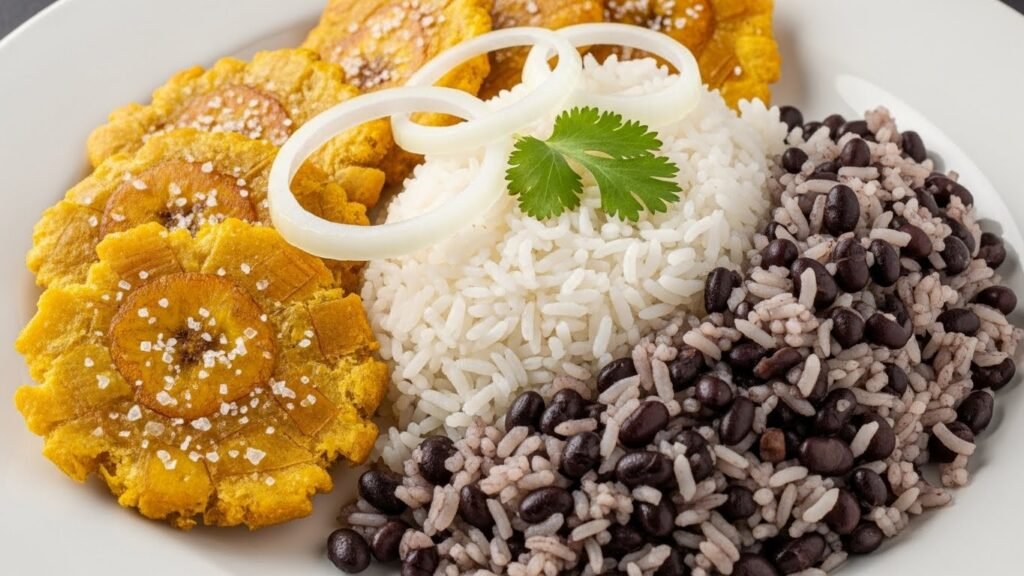
You cannot have a Cuban meal without rice and beans. These are the biggest staples on the entire island. They are filling, cheap, and taste incredible when seasoned right. They provide the perfect canvas for the savory flavors of the meat. You will see them at every lunch and dinner table.
The Significance of Rice
- White Rice: This is the most common base for every single meal.
- Chinese Influence: Historically, Chinese immigrants helped make rice a major staple.
- Fluffy Texture: Properly cooked Cuban rice is never mushy or sticky.
Arroz con Frijoles vs. Moros y Cristianos
- Separate Service: Arroz con Frijoles means the rice and beans are in two bowls.
- Cooked Together: Moros y Cristianos is when they are boiled in one pot.
- Congri: This is another name for the mixed rice and bean dish.
Root Vegetables and Viandas
- Yuca with Mojo: Boiled cassava topped with a salty garlic and lime sauce.
- Malanga: A starchy root that is often mashed or made into fritters.
- Cassava and Potatoes: These provide the “vianda” or starch for the plate.
The Role of Plantains
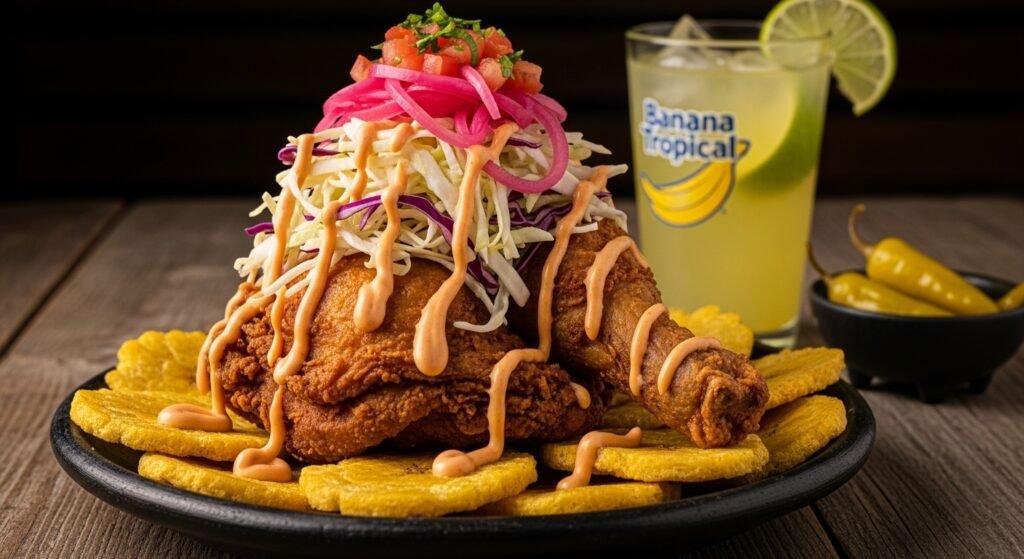
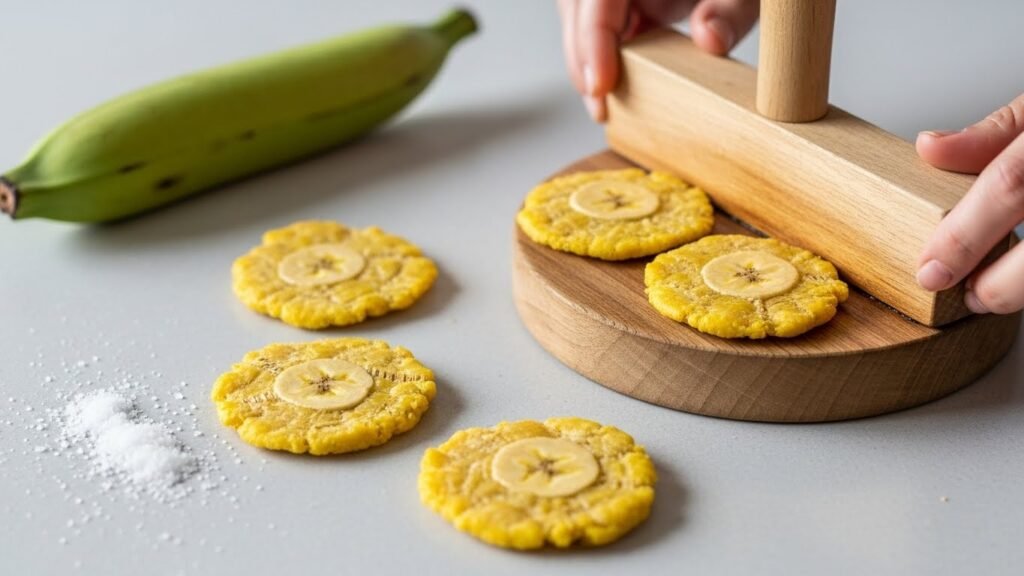
- Tostones: Green plantains that are smashed flat and fried until they are salty.
- Maduros: Ripe plantains fried until they are sweet and almost black.
- The Perfect Side: These add a crunch or a sweetness that balances the salt.
Easy Recipes for Traditional Cuban Favorites
Authentic Cuban Mojo Marinade
This is the most important recipe for anyone wanting to cook Cuban food. It is used as a marinade for pork and chicken or as a dipping sauce for boiled yuca and fried plantains.
- 1 cup sour orange juice: If you cannot find sour oranges, use a mix of half orange juice and half lime juice.
- 1 head of garlic: Peel and crush all the cloves into a thick paste.
- 1 teaspoon dried oregano: Use the Mediterranean variety if possible.
- 1/2 teaspoon ground cumin: This provides that classic Cuban aroma.
- 1/2 cup olive oil: Use a good quality oil for the best mouthfeel.
- Salt and black pepper: Add these to your specific taste.
Instructions:
Whisk the citrus juices and crushed garlic together in a large bowl. Stir in the oregano, cumin, salt, and pepper until well combined. Heat the olive oil in a small pan until it is warm but not smoking. Carefully pour the warm oil into the juice mixture and whisk again. Let it sit for at least 30 minutes before using to allow the garlic flavor to mellow out.
Classic Cuban Black Beans (Frijoles Negros)
No Cuban meal is complete without a side of black beans. This recipe focuses on the savory depth of the sofrito rather than any spicy heat.
- 2 cans of black beans: Do not drain the liquid from the cans.
- 1 large onion: Finely dice the onion for the sofrito.
- 1 green bell pepper: Remove the seeds and dice it finely.
- 4 cloves of garlic: Mash these into a paste.
- 1 bay leaf: This adds a subtle woodsy background flavor.
- 2 tablespoons olive oil: Used for sautéing your vegetables.
- 1 tablespoon sugar: This balances the saltiness of the beans.
- 1 tablespoon vinegar: Red wine vinegar or apple cider vinegar works best.
Instructions:
Heat the olive oil in a large pot over medium heat. Add the onion and green pepper and cook until they are soft and translucent. Stir in the garlic and cook for just one minute so it does not burn. Add the cans of beans with their liquid along with the bay leaf and sugar. Simmer the beans on low heat for 20 minutes to let the flavors merge. Finish the dish by stirring in the vinegar and salt just before serving over white rice.
Tostones (Twice-Fried Green Plantains)
Tostones are the ultimate Cuban side dish. They are salty, crunchy, and serve as a perfect vessel for garlic sauce or a little hot sauce if you want a kick.
- 2 green plantains: Make sure they are bright green and very firm.
- Vegetable oil: You will need enough for shallow frying in a pan.
- Sea salt: Use coarse salt for the best texture.
- Garlic water: This is an optional step where you dip the plantain in salted garlic water before the second fry.
Instructions:
Peel the plantains and cut them into rounds that are about one inch thick. Heat about an inch of oil in a heavy skillet over medium heat. Fry the plantain pieces for about 2 minutes on each side until they turn a light golden yellow. Remove them from the oil and drain them on a paper towel. Use the bottom of a heavy glass or a “tostonera” to smash each piece flat. Return the flattened pieces to the hot oil and fry for another 2 minutes until they are crispy and brown. Season them immediately with plenty of sea salt while they are still hot.
Tips for Success in the Cuban Kitchen
Choosing the Right Ingredients
- Fresh Garlic: Always use fresh cloves instead of the jarred version for a better pungent taste.
- Green vs Yellow Plantains: Remember that green plantains are for savory tostones and yellow ones are for sweet maduros.
- Cumin Balance: Start with a little cumin and add more slowly as it can easily take over the whole dish.
Mastering the Sofrito
- Small Dice: Cut your vegetables into very small, even pieces so they melt into the sauce.
- Don’t Rush: Let the onions and peppers cook until they are very soft to get the most natural sweetness.
- Oil Temperature: Never let your olive oil smoke or it will turn bitter and ruin the flavor.
Serving Like a Local
- White Rice: Always serve your beans and meat with a side of fluffy, long-grain white rice.
- The Garnish: A few raw sliced onions on top of your meat or beans adds a nice fresh crunch.
- Coffee Finish: Always end your meal with a very sweet, very strong shot of Cuban espresso.
Primary Proteins in Cuban Gastronomy
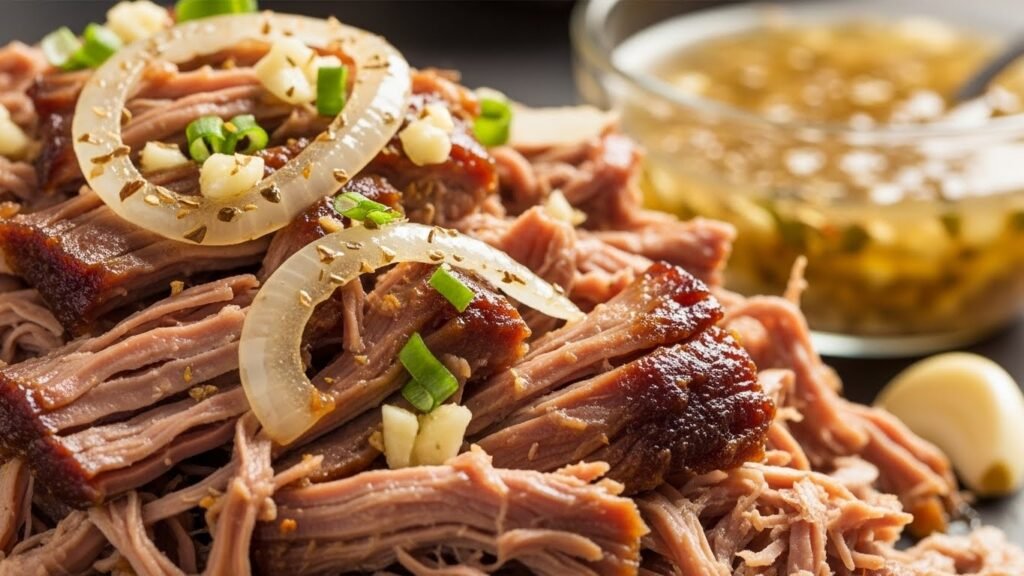
Meat is usually the star of the show in Cuban homes. Pork is definitely the favorite meat for most people. It is used in everything from sandwiches to huge holiday roasts. Beef and chicken are also very popular and cooked with lots of garlic. The meats are always juicy and full of savory goodness.
- Lechón Asado: This is slow-roasted pork that is seasoned with lots of mojo.
- La Caja China: A special wooden box used to roast a whole pig outside.
- Ropa Vieja: Shredded beef slow-cooked in a tomato sauce with peppers.
- Vaca Frita: Crispy fried shredded beef that is loaded with lime and onions.
- Arroz con Pollo: A classic one-pot meal of yellow rice and tender chicken.
Cubanito Picantico: Customizing the Heat
If you still find yourself asking is cuban food spicy, you might need sauce. Since the main dishes are mild, people use condiments to add heat. This lets everyone choose how much fire they want. It is a very polite way to eat as a family. You can keep the pot mild but make your own plate hot.
The Role of Hot Sauce as a Condiment
- Individual Choice: You add the sauce at the table, not in the kitchen.
- Un Picantico: This is what you say when you want a little spice.
- Custom Heat: You control the drops so you never ruin your meal.
Cubanito Picantico Ingredients and Flavor
- Habanero Base: This sauce uses habaneros to give a real tropical punch.
- Vinegar and Garlic: These ingredients add a zing that cuts through fatty meat.
- Complementary Flavor: It is designed to work with Cuban spices, not hide them.
Versatile Applications
- Roasted Meats: A few drops on pork makes the flavors really pop.
- Soups and Stews: You can stir it into black bean soup for a kick.
- Dipping Snacks: It is great for dipping ham croquettes or crispy tostones.
Traditional Meal Structures and Customs
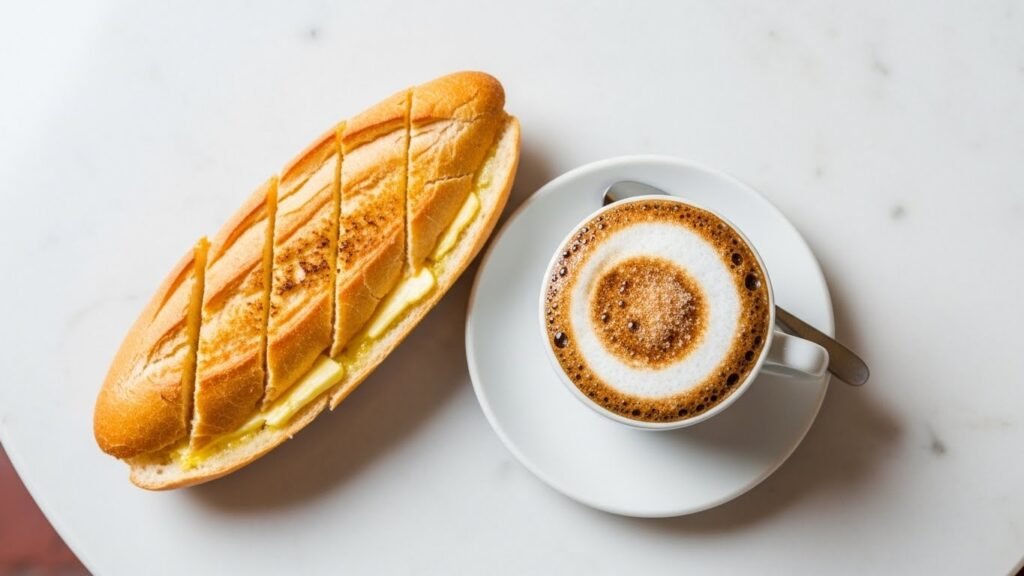
Eating is a social event in Cuban culture. Meals are usually simple but very filling. There is a certain way things are served from morning to night. You will always find coffee and bread nearby. These traditions have been passed down for many generations.
The Cuban Breakfast
- Cuban Toast: Thick bread that is buttered and pressed until it is crunchy.
- Café con Leche: Strong coffee mixed with lots of warm, creamy milk.
- Pastelitos: Sweet pastries filled with guava or cream cheese for a treat.
The Cuban Dinner
- The Balanced Plate: Most dinners have a meat, a starch, and rice.
- Simple Veggies: You might see a small salad of tomato and onion.
- No Green Veggies: Broccoli and kale are not traditional parts of the meal.
Famous Cuban Beverages
You need something good to wash down all that savory food. Cuba has some world-famous drinks that everyone loves. Some are for the morning and some are for the party. They all focus on the natural ingredients of the island.
- Cuba Libre: A mix of rum and cola with a fresh lime squeeze.
- Café Cubano: A tiny, very strong shot of sweet espresso coffee.
- Tropical Juices: Fresh mango, guava, or pineapple juice is very common.
Conclusion: The Final Verdict on Spice
So, is cuban food spicy after all the details we looked at? The answer remains a firm no in terms of burning heat. However, it is incredibly spicy if you mean “full of spices”. It is a cuisine built on love, history, and comfort. Anyone can enjoy it because it is gentle on the stomach. It is the perfect gateway to Latin flavors for everyone.
FAQs About Cuban Cuisine
Is Cuban food spicier in Miami than in Cuba?
The flavor profile remains very similar because the recipes are passed down through families. While Miami has more access to diverse hot sauces, the traditional base of the food stays savory and mild.
Does Cuban food use chili powder?
Chili powder is not a traditional ingredient in Cuban kitchens. Instead of using dried chili blends, Cuban cooks rely on cumin and oregano to provide the dominant spice notes.
What is the difference between Cuban and Puerto Rican food?
Both cuisines use a sofrito base, but Puerto Rican food often uses culantro and ají dulce peppers. Cuban food is more likely to focus heavily on garlic and cumin without the herbal sweetness of culantro.
Is Cuban bread spicy?
Not at all. Cuban bread is a simple white bread made with lard, which gives it a unique crust and soft interior. It is savory and slightly salty, making it perfect for dipping in coffee.
Are there any spicy Cuban appetizers?
Traditional appetizers like croquetas and papas rellenas are mild. If you want heat, you must add a spicy dipping sauce on the side, as the dough and fillings are kept savory.
Does Ropa Vieja have any heat?
Ropa Vieja is a shredded beef stew made with tomatoes, bell peppers, and onions. It is rich and tangy but does not contain any ingredients that make it spicy.
Is the “holy trinity” of Cuban cooking hot?
The holy trinity consists of garlic, onions, and green bell peppers. Since green bell peppers are sweet and have zero capsaicin, the base of Cuban cooking is entirely heat-free.
What is the spiciest dish you can find in Cuba?
Congrí or black beans might occasionally have a whole habanero dropped in the pot for aroma. However, the pepper is usually removed before serving so the dish stays mild.
Why do people think Cuban food is spicy?
Many people group all Latin American cuisines together. Because Mexican and some Caribbean foods are famous for heat, people assume Cuba follows the same rules.
Can I find hot sauce in a traditional Cuban home?
It is becoming more common now, but historically, hot sauce was not a table staple. Most older generations of Cubans prefer their food seasoned only with salt, garlic, and citrus.
Is Cuban mojo sauce spicy?
Mojo is a garlic and citrus sauce. It has a sharp “bite” because of the raw garlic and acid, but it does not have the “burn” associated with chili peppers.
What should I drink if I find a Cuban dish too spicy?
Since it is rare to find spicy Cuban food, you likely won’t need it, but a Batido (fruit milkshake) or a glass of milk is the best way to neutralize any unexpected heat.
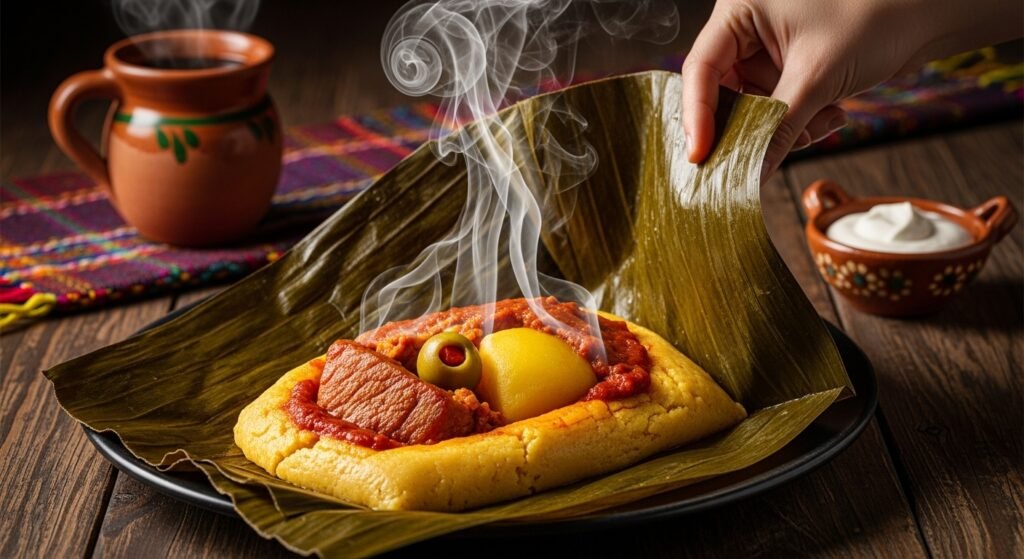
Are Cuban tamales spicy like Mexican tamales?
No, Cuban tamales are made by mixing the corn masa with seasoned meat (usually pork) and are much milder. They focus on the sweetness of the corn rather than chili seasoning.
Does Cuban food use black pepper?
Black pepper is used in small amounts for seasoning, but it is not a primary flavor. It is used more as a flavor enhancer than a source of heat.
Is picadillo a spicy dish?
Picadillo is a ground beef hash made with olives and raisins. It is a complex mix of salty and sweet flavors, but it is never prepared to be spicy.
Do Cubans eat spicy seafood?
Seafood is usually prepared “alajillo” (with garlic) or in a tomato-based “enchilado” sauce. Despite the name “enchilado,” it refers to the red color and tomato base, not chili heat.
Are there regional spicy variations within Cuba?
The eastern part of the island (Oriente) has a slightly stronger African and Haitian influence. You might find a bit more use of spice and ginger there, but it is still mild compared to other islands.
What is the best Cuban dish for a spicy food lover?
A spicy food lover should order a pork dish like Lechón and ask for a side of “sour orange and garlic” sauce or see if the restaurant has a house-made habanero oil.
Is Cuban coffee spicy?
Cuban coffee is very strong and sweet, but it contains no spices like cinnamon or nutmeg. The “kick” comes entirely from the caffeine and the dark roast of the beans.
Is it easy to find vegetarian spicy Cuban food?
Since most Cuban spice comes from the meat marinades, vegetarian dishes like black beans or yuca are very mild. You will almost certainly need to add your own hot sauce to these dishes.