Skip to content
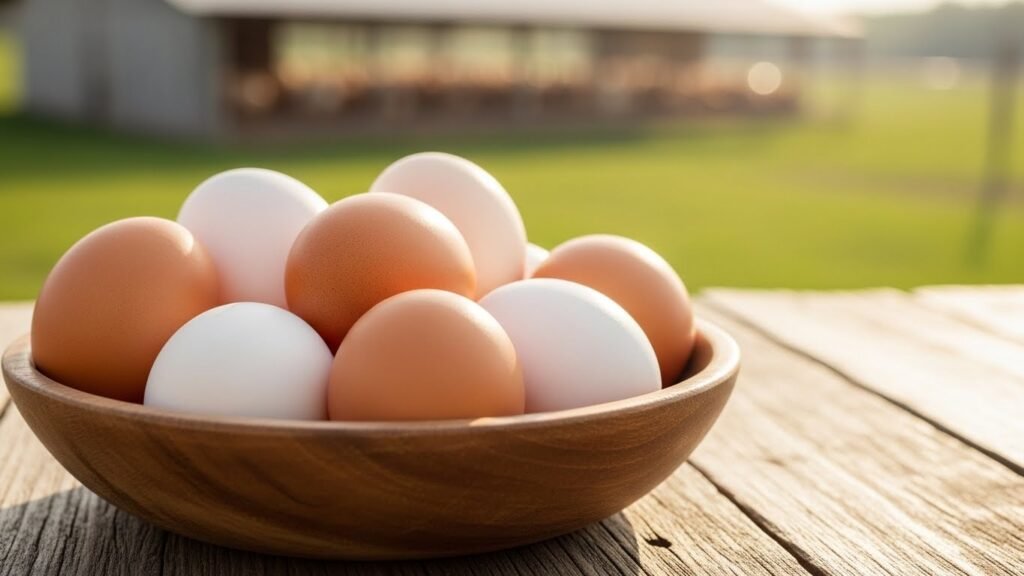
Many people wonder if they can eat fertilized hen eggs safely. You might have heard wild stories about finding a chick in your breakfast. The truth is much simpler and way less scary than you think. You can absolutely eat these eggs without any health risks or icky surprises. They taste just like the eggs you buy at the store. Most folks cannot even tell the difference once they are on the plate.
Introduction to Fertilized Chicken Eggs
A fertilized egg is just an egg that has the potential to become a baby bird. This happens when a rooster lives with the hens in the coop. For many farm-to-table fans, this is totally normal and expected. Most people who grow their own food see this every day. It is a sign of a natural and healthy farm flock.
Understanding What a Fertilized Egg Is
Fertilized eggs are simply eggs that contain both male and female genetic material. This only happens if a rooster is present to mate with the hens. Without a rooster, a hen will still lay eggs every single day. Those eggs are just unfertilized and can never hatch into chicks. Think of fertilization as a tiny “start” button that has been pressed.
Addressing the Common Concern: Is It Safe for Human Consumption?
Yes, it is totally safe for you to eat these eggs. They are not gross and they do not have little birds inside them yet. You won’t get sick from eating a fertilized egg instead of a regular one. Scientists have checked and found no extra germs or weird stuff in them. You can scramble them or fry them just like any other egg.
Why Fertilized Eggs Are Common in Farm Settings
Farmers who want to grow their flock need roosters around. Because of this, almost all eggs from a breeding farm are fertilized. Store-bought eggs come from big factories where roosters are never allowed. This is why you mostly find fertile eggs at farmers’ markets or local co-ops. It is just part of how real life on a farm works.
The Biology of Fertilization: How It Happens
Nature has a very cool way of making life happen in the coop. It all starts with the rooster and his job as the flock leader. He makes sure the eggs have the spark of life they need. Even so, the hen does all the hard work of building the egg. The whole process is fast and happens inside her body.
The Role of the Rooster
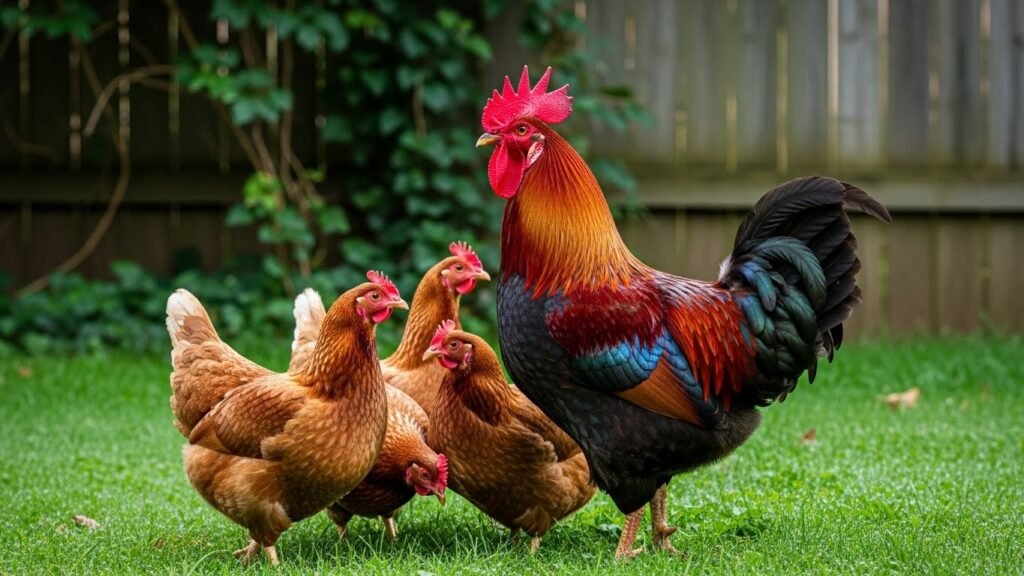
The rooster is the daddy of the chicken world. His main job is to mate with the hens so they can have babies. He also protects the girls from hawks and other mean critters. A good rooster keeps his flock happy and safe all day long. Without him, the life cycle of the farm would just stop.
The Fertilization Process
The magic happens way before the egg even has a shell. A rooster deposits sperm into the hen’s reproductive system. This sperm travels up to meet the yolk as it leaves the ovary. Everything gets joined together in a special tube called the oviduct. Once the shell forms, the fertilization part is already finished.
Hens Without Roosters
Hens are like little egg-making machines that don’t need help to work. They will lay an egg about every 25 hours no matter what. If there is no rooster, the egg stays unfertilized and “empty” of life. This is how most big commercial egg farms operate today. You don’t need a boy chicken just to get your morning omelet.
Identifying Fertilized vs. Unfertilized Eggs
You might be curious how to spot a fertile egg in your kitchen. It is actually pretty easy if you know what to look for. You just need to crack the egg open and look at the yolk. There is a tiny spot that tells the whole story. Most people never notice it unless they are really searching.
The Germinal Disc
Every egg has a tiny white spot on the surface of the yolk. This little speck is called the germinal disc. It is the place where the chick would start to grow if things stayed warm. In a regular egg, it just looks like a tiny white dot. It is totally natural and safe to eat every time.
Visual Differences: The Bullseye Shape
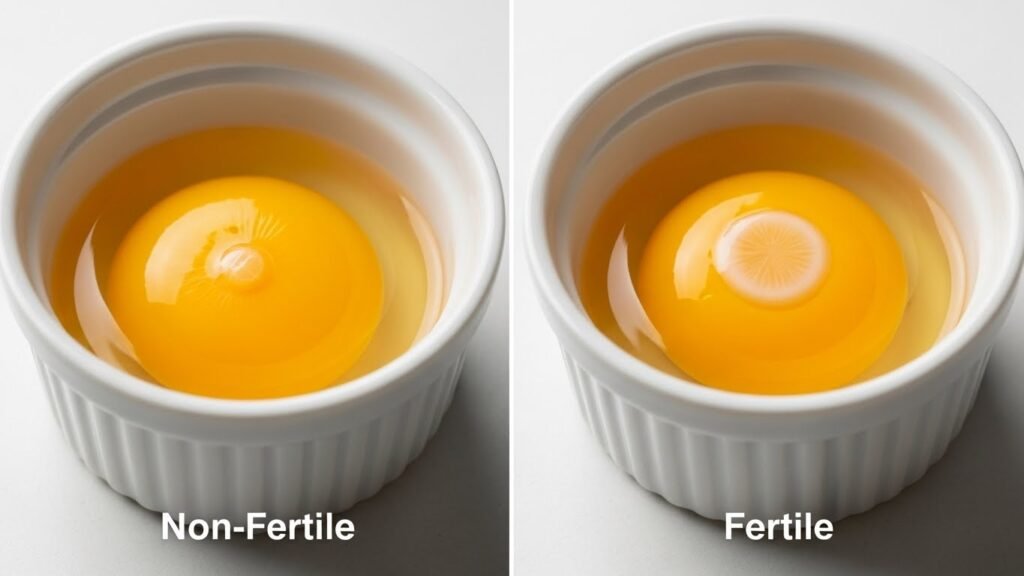
In a fertilized egg, that white spot looks a bit different. It usually has a clear ring around it, making it look like a tiny bullseye. This shape is the main way farmers tell if their rooster is doing his job. In unfertilized eggs, the spot is solid and has no ring. You have to look very closely to see this small detail.
The “Candling” Method
You can also check for fertility without even cracking the shell. Farmers hold a bright light up to the egg in a dark room. This lets them see through the shell to check for a dark shadow. If the egg is fresh, it will look clear even if it is fertile. You usually only see changes after the egg has been warmed up.
Why You Can’t Tell Once Cooked
Once you put an egg in a hot pan, all the visual clues disappear. The heat changes the proteins and hides the tiny white spot. A fried fertilized egg looks exactly like a fried unfertilized one. The texture of the yolk and white stays the same too. You would never know which was which just by looking at your plate.
Fertilized Eggs vs. Embryo Eggs: Understanding the Difference
There is a huge difference between a fertile egg and a developing one. A fertile egg is just “ready” to grow but hasn’t started yet. It stays in a state of rest until it gets very warm. People often confuse the two, but they are not the same thing. Freshly laid eggs are never “chicks” yet.
The Potential for Life
Think of a fertilized egg as a seed that hasn’t been planted. It has the instructions to make a chick, but nothing is happening. It stays that way as long as the farmer picks it up quickly. It is basically a regular egg with a tiny bit of extra info inside. It won’t turn into anything unless it stays under a warm hen.
The Week One Rule
An egg needs a lot of time and heat to start changing. Nothing happens to the embryo for about the first seven days. During this first week, the egg stays fresh and edible. Farmers collect eggs every day to make sure they never reach this stage. You are always eating eggs that are still in the “rest” phase.
The Role of Incubation
For a chick to grow, the egg needs to stay at 100 degrees for 21 days. This requires a very dedicated hen or a special machine called an incubator. If an egg is sitting on your counter or in the fridge, it cannot grow. The cold air stops the growth process before it even begins. This is why your grocery store eggs will never hatch.
The Science of Embryonic Development Stages
If an egg does stay warm, it follows a very strict schedule. Nature is very organized when it comes to building a baby chicken. It starts with just a few cells and slowly builds a heart and bones. But remember, this only happens if the egg is kept very hot. Most eggs we eat never get past the very first step.
Stage 0: The Blastoderm
The moment a fertile egg is laid, it is at stage zero. This is called the blastoderm, which is just a flat cluster of cells. There are no eyes, no beak, and no blood at this point. It is just a tiny map for a future bird. It is perfectly safe and healthy to eat at this stage.
The “Biological Zero”
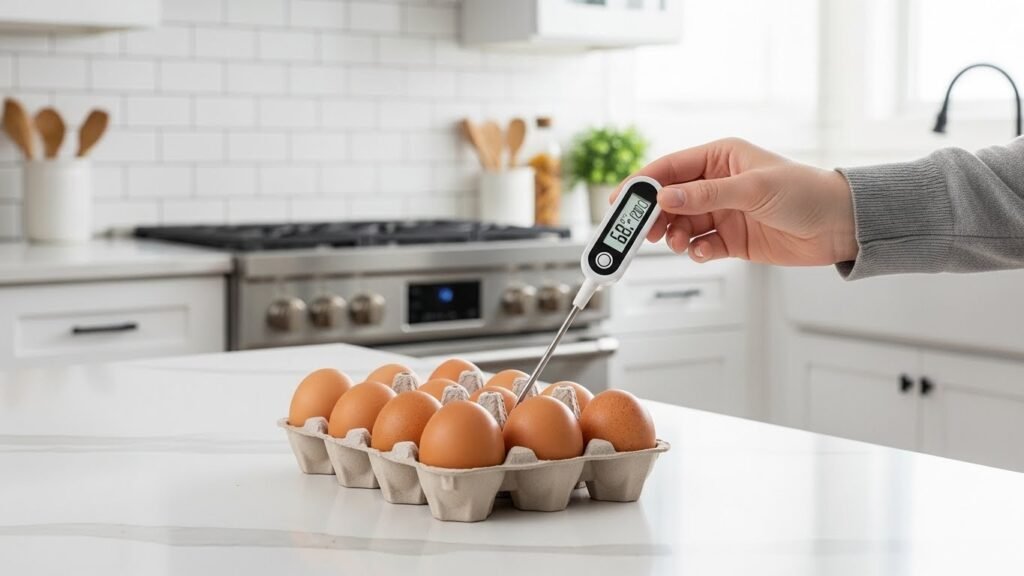
Growth only happens if the egg stays above 75 degrees Fahrenheit. If the temperature is lower than that, the cells go to sleep. This is what scientists call “biological zero.” Your kitchen or fridge is much cooler than 75 degrees. This means the egg stays frozen in time and never develops.
Triggering Incubation
Incubation only starts when a hen decides to sit on her nest all day. She uses her body heat to warm the eggs up to nearly 100 degrees. She also turns the eggs with her beak to keep them healthy. This is a full-time job that takes a lot of energy. Without this constant heat, the egg stays just an egg.
The 21-Day Timeline
It takes exactly three weeks for a fertilized egg to become a chick.
- Day 1 to 3: The heart starts to beat and blood vessels form.
- Day 6: The beak and wings begin to show up.
- Day 10: Tiny feathers start to grow on the skin.
- Day 21: The chick finally pokes a hole in the shell and hatches.
Because farmers collect eggs daily, you never have to worry about these stages.
Is It Safe to Eat Fertilized Eggs?
You can stop worrying about whether can you eat fertilized hen eggs. The answer is a big yes for everyone in the family. They are just as safe as the eggs you’ve eaten your whole life. There are no hidden dangers or weird chemicals to worry about. Millions of people eat them every day without any trouble.
Safety for Everyone
Kids, adults, and even grandmas can eat these eggs without any fear. They do not contain anything that would hurt a sensitive stomach. Pregnant women can also eat them, as long as they are cooked well. Just like regular eggs, you should always cook them until they are firm. This keeps you safe from any normal bacteria like salmonella.
Why Collection and Storage Matter
The only way a fertilized egg could become “weird” is if it gets left in the sun. Farmers are very careful to pick up eggs every morning. Once the egg is away from the hen, it cannot grow into a bird. Storing them in a cool place keeps them fresh and safe for weeks. Proper handling is the key to keeping any egg good to eat.
Addressing the Fear of “Harming a Chick”
Some people feel bad because they think they are eating a baby bird. In a fresh egg, there is no chick and no life yet. You are just eating the nutrients that were meant to feed a chick. It is not much different from eating a sunflower seed. You aren’t hurting anything because the growth process never actually started.
Nutritional Analysis: Fertilized vs. Non-Fertilized
There is a lot of talk about which egg is better for you. Some people swear that fertile eggs are a superfood. Others think they are exactly the same as regular ones. When we look at the science, the truth is pretty clear. Both types of eggs are amazing for your body.
Nutritional Parity
If you look at a lab report, fertile and non-fertile eggs are almost twins. They have the same amount of protein and healthy fats. One egg usually has about 70 calories and 6 grams of protein. They both give you the energy you need to start your day right. You aren’t missing out on anything by choosing one over the other.
Vitamin and Mineral Profile
Both types of eggs are packed with the good stuff your body craves.
- Vitamin A: Great for your eyes and skin.
- Vitamin D: Helps your bones stay strong and healthy.
- Vitamin B12: Gives your brain and nerves a big boost.
- Iron and Selenium: Important minerals for your blood and heart.
You get all these benefits regardless of whether a rooster was involved.
Debunking Health Myths
Some folks say that fertile eggs have special hormones that make you stronger. There is no real scientific proof for this claim. The amount of hormones in a fertile egg is way too tiny to change your health. They won’t cure diseases or give you “magic” energy. They are just a high-quality source of natural food.
The Impact of the Germinal Disc
The tiny white bullseye spot on the yolk is made of protein. It is so small that it doesn’t change the nutrition of the whole egg. It won’t make the egg taste different or change how it cooks. It is just a tiny speck of data that has no impact on your diet. You can eat it without even thinking about it.
Culinary Characteristics: Taste, Texture, and Cooking
The best part about these eggs is how they perform in the kitchen. If you love to cook, you will be very happy with them. They handle heat perfectly and taste delicious. You can use them in all your favorite recipes without changing a thing.
Flavor Comparison
In blind taste tests, people cannot tell which egg is fertilized. The flavor of an egg comes from what the hen eats, not from the rooster. A farm-fresh fertile egg might taste better because the hen ate grass and bugs. It has nothing to do with the egg being fertile or not. It is all about the hen’s happy life on the farm.
Cooking Performance
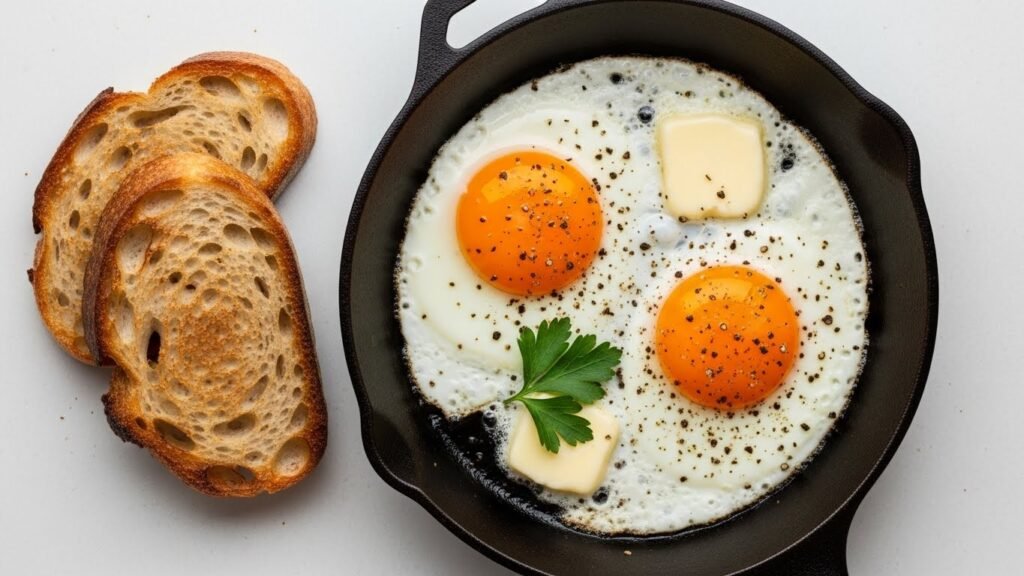
Whether you are frying or boiling, these eggs act totally normal. The whites get firm and the yolks stay creamy and rich. They don’t smell different or look weird when they hit the pan. You can use them for fancy cakes or simple scrambled eggs. They are a reliable tool for any home chef.
Microwave Cooking
You can even use a microwave egg cooker for your fertile eggs. This is a fast and easy way to make a breakfast sandwich. The eggs cook quickly and stay fluffy in the microwave. It is a great hack for busy mornings when you are in a rush. Just crack, stir, and heat for a perfect meal.
Texture Consistency
The “mouthfeel” of a fertilized egg is exactly what you expect. The yolk is smooth and the white is bouncy and clean. There are no lumps or strange bits to worry about. Proper storage ensures that the texture stays perfect for a long time. It is a high-quality eating experience every single time.
Proper Storage and Handling to Prevent Development
Taking care of your eggs is the most important part of the job. If you handle them right, they stay fresh and “paused” forever. Cold is your best friend when it comes to egg safety. It keeps the eggs from changing and keeps bacteria away.
Daily Collection
Farmers go out to the coop every morning to gather the fresh eggs. This gets the eggs away from the warm hens as fast as possible. This quick move is what stops any potential growth from starting. It is the first step in making sure your eggs are perfect for eating. Freshness is the goal for every good egg farmer.
The Power of Refrigeration
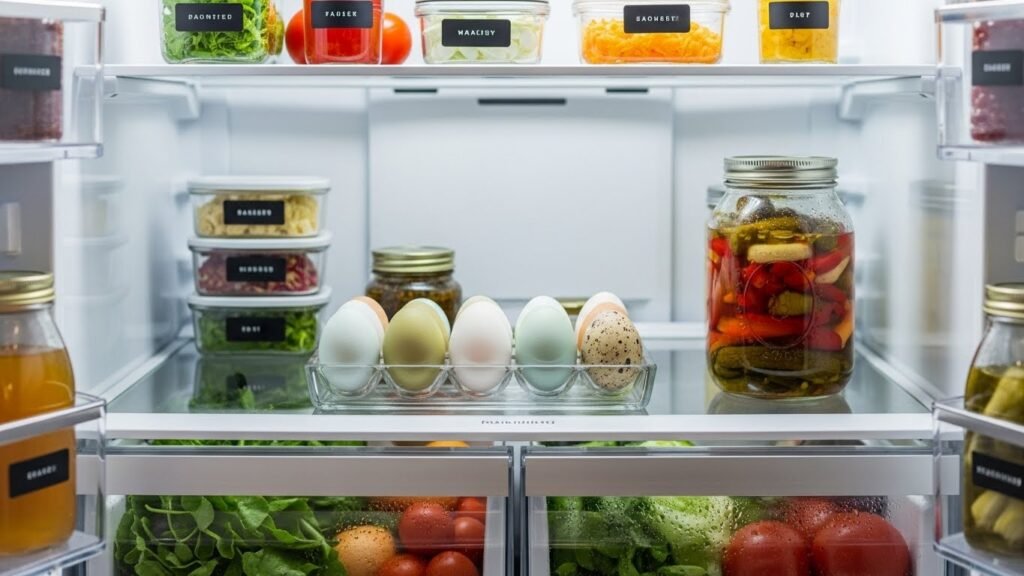
Putting your eggs in the fridge is like hitting a “freeze” button on life. The cold air (around 40 degrees) keeps the cells from doing anything. At this temperature, a fertilized egg is basically identical to a regular one. It can’t develop, and it won’t spoil for a long time. Always keep your eggs cold to be safe.
Shelf Life Guidelines
Eggs are actually very tough and can last a long time if you are careful.
- Refrigerated: They stay fresh and safe for 3 to 5 weeks.
- Room Temperature: Use them within one week if you keep them on the counter.
- The Bloom: Farm eggs have a natural coating that keeps germs out.
If you wash that coating off, you must put the eggs in the fridge right away.
Washing Eggs
Most farmers wash their eggs to get rid of dirt and poop. This makes the eggs look pretty and clean for the kitchen. Once you wash an egg, you remove its natural protection. This is why washed eggs must stay in the fridge until you eat them. It is a simple rule that keeps your food safe.
Troubleshooting Common Findings in Farm Eggs
Sometimes you might find something “extra” inside a fresh farm egg. This can be scary if you don’t know what it is. Most of the time, these things are totally normal and safe. They happen in both fertile and unfertilized eggs alike.
Blood Spots
A tiny red spot on the yolk is not a sign of a baby chick. It is actually just a tiny drop of blood from the hen’s ovary. This happens when a tiny blood vessel pops while the egg is forming. It is a bit like a tiny bruise inside the egg. It is totally safe to eat, or you can just scoop it out.
Meat Spots
Sometimes you might see a small brown or grey speck in the white. These are called meat spots, and they are just tiny bits of tissue. Like blood spots, they are a natural part of the egg-making process. They don’t mean the egg is bad or that a chick was growing. They are just a little quirk of farm-fresh food.
Chalazae
The chalazae are the thick, white “ropes” that hold the yolk in place. In very fresh eggs, these strands are very thick and easy to see. Some people think they are part of a chick, but they are not. They are actually a sign that your egg is very fresh and high quality. They disappear when you cook the egg.
Why You Won’t Find Fertilized Eggs in Grocery Stores
If you shop at a big supermarket, your eggs are almost certainly unfertilized. There is a specific reason why big companies do it this way. It mostly comes down to how they manage their massive flocks. It is all about being fast and efficient.
Commercial Farming Standards
Big egg factories keep thousands of hens in giant buildings. They do not want roosters in these buildings because they don’t produce eggs. Roosters would just eat food and cause trouble without adding any profit. Because there are no boys around, the eggs can never be fertile. This is the standard for the entire commercial egg industry.
Logistics and Regulations
Stores want every egg in the carton to look exactly the same. Fertilized eggs can sometimes be a little less predictable if they aren’t handled perfectly. To avoid any issues, big stores stick to unfertilized eggs only. This makes it easier for them to follow government rules and keep customers happy. It is all about keeping things simple and safe.
Urban Farming Constraints
Many people who live in cities have their own backyard chickens. Most city laws say you can have hens, but you cannot have roosters. Roosters are loud and wake up the neighbors at the crack of dawn. Because of these rules, most backyard eggs in town are unfertilized. You usually have to go out to the country to find the fertile ones.
Ethical and Cultural Perspectives
People have different feelings about eating fertile eggs based on their beliefs. Some think it is a great choice, while others are a bit nervous about it. There is no right or wrong answer here. It all comes down to what makes you feel comfortable in your kitchen.
Ethical Concerns
Some folks feel that every fertile egg is a potential life that should be protected. They might feel bad about eating something that could have become a bird. Even if there is no chick yet, the “idea” of it bothers them. This is a personal choice that many people respect. If it makes you sad, it is okay to stick to unfertilized eggs.
Cultural Delicacies: Balut
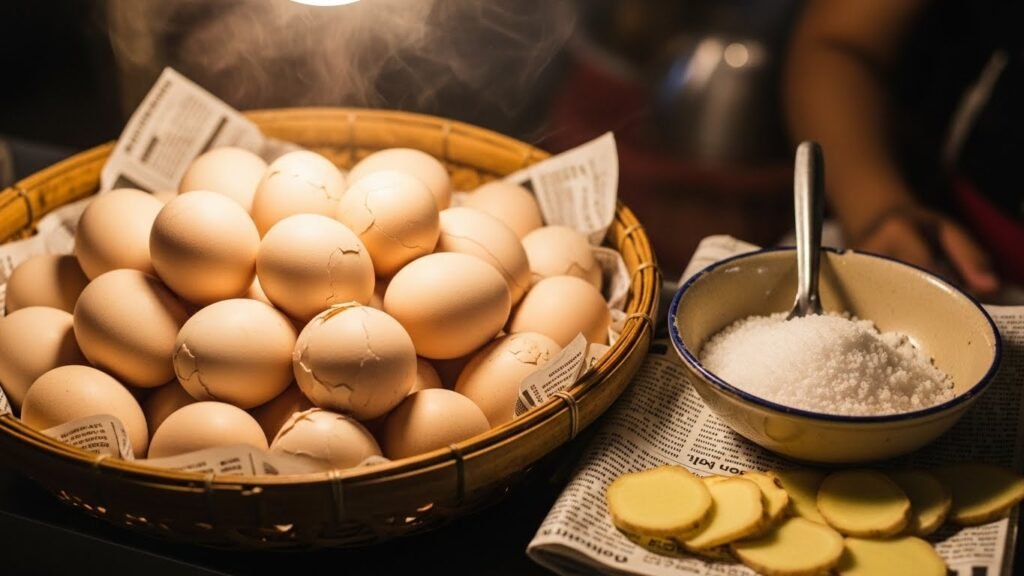
In some parts of the world, people actually want the egg to develop. In countries like the Philippines, a dish called Balut is very popular. This is a fertilized egg that has been incubated for about 17 days. It is then boiled and eaten as a snack. It is considered a special treat and a sign of high-quality food in those cultures.
Natural Farming Values
Many people love fertile eggs because they represent a natural life. They like knowing the hens live with a rooster and act like real chickens. To them, a fertile egg is a sign of a happy, healthy farm. It feels more “real” and less like a factory product. This is a big reason why farm-fresh eggs are so popular today.
Advice for Chicken Owners and Homesteaders
If you are thinking about getting your own chickens, there is a lot to learn. Adding a rooster to your flock changes the dynamic of the coop. It is a big responsibility, but it can be very rewarding. You just have to be prepared for the extra work.
Managing a Rooster
A rooster can be a great friend or a bit of a bully. He will protect your hens from predators like foxes and hawks. However, he can also be aggressive toward people if he is too protective. You need to spend time with him so he knows you are the boss. A well-behaved rooster is a valuable part of any farm team.
The Broody Hen Problem
Sometimes a hen will decide she wants to be a mommy. She will sit on the eggs and refuse to move, even for food. This is called being “broody,” and it can stop her from laying new eggs. You have to move her off the nest to collect the eggs for eating. It can be a daily battle if you have a very determined hen.
Egg Rotation
When you have a lot of eggs, you need to keep track of which ones are oldest. Always use a “first in, first out” system in your kitchen. This ensures you are always eating the freshest eggs possible. You can write the date on the shell with a pencil to stay organized. This simple trick prevents any eggs from sitting too long.
Conclusion: Making an Informed Choice
The final word on can you eat fertilized hen eggs is that it is a safe and healthy choice. Whether you get them from a neighbor or a local farm, you can enjoy them with peace of mind. They are a natural part of the farm cycle and provide amazing nutrition for your family.
Most people find that the quality of a farm-fresh egg is worth the extra effort. The bright orange yolks and firm whites are a sign of a bird that lived a good life. Don’t let old myths or scary stories keep you from trying them. They are a delicious and wholesome food that has been eaten for thousands of years.
Next time you see a tiny bullseye on your egg yolk, just smile. It is just a tiny reminder of where your food comes from. Whether you choose fertile or non-fertile, eggs remain one of the best foods on the planet. Grab a pan, heat some butter, and enjoy your fresh farm eggs today.
Frequently Asked Questions
Can you eat fertilized hen eggs if you have an egg allergy?
Eating a fertilized egg does not change the allergic potential of the food. If you are allergic to the proteins found in unfertilized chicken eggs, you will have the same reaction to fertilized ones. Always consult with a doctor if you have a known poultry or egg allergy.
Do fertilized eggs have a stronger smell when cracked?
Fresh fertilized eggs smell exactly like unfertilized eggs. A strong or “off” smell is a sign of spoilage or bacterial growth, not fertilization. If an egg smells like sulfur or has a pungent odor, it should be discarded regardless of its fertile status.
Is the “stringy bit” inside the egg a developing chick?
The white, stringy cords found near the yolk are called chalazae. These are simply twisted strands of protein that act like an anchor to keep the yolk centered. While they may be more prominent in very fresh farm eggs, they are not part of a developing embryo.
Can you use fertilized eggs for making meringue or mayo?
Fertilized eggs perform perfectly in raw or semi-raw applications like meringue, mayonnaise, or hollandaise sauce. The protein structure of the egg white (albumen) is identical to unfertilized eggs, allowing it to whip into stable peaks just as effectively.
Will a fertilized egg have a thicker shell?
The thickness of an eggshell is determined by the hen’s diet and her calcium intake, not by the presence of a rooster. A hen that eats high-quality oyster shells or calcium-rich feed will lay strong-shelled eggs whether they are fertile or not.
Can you get salmonella more easily from fertilized eggs?
Fertilization does not increase the risk of salmonella. This bacteria usually comes from the hen’s environment or her digestive tract. As long as the eggs are collected from a clean coop and washed properly, the risk is the same as any other egg.
Does the age of the rooster affect the egg’s taste?
The age, breed, or health of the rooster has zero impact on the flavor of the egg. The rooster only contributes genetic material at the moment of fertilization. The taste is entirely dictated by what the hen eats and her general health.
Are there more hormones in fertilized eggs?
While there are trace amounts of hormones required for potential life, the levels are not significant enough to affect human health. There is no evidence that eating these eggs leads to hormonal imbalances in men, women, or children.
Can you tell if an egg is fertile by the color of the shell?
Shell color is strictly a genetic trait of the hen. For example, Leghorns lay white eggs and Marans lay dark brown eggs. Fertilization happens inside the hen before the shell is pigment-coated, so color is never an indicator of fertility.
Do fertilized eggs stay fresh longer than unfertilized ones?
There is a common myth that fertile eggs last longer, but science shows they have the same shelf life. Both types will stay fresh for about 30 to 45 days in a refrigerator. The “bloom” or cuticle on the outside is what really determines how long an egg stays fresh.
Can I find fertilized eggs at a typical suburban grocery store?
It is very rare. Most commercial producers keep hens in rooster-free environments to ensure consistency and lower costs. To find fertilized eggs, you usually need to look for “fertile” labels at specialty health food stores or visit a local farm.
What happens if a fertilized egg is frozen?
Freezing a fertilized egg will kill the germinal disc, meaning it can never hatch. For eating purposes, the egg remains safe, though the texture of the yolk may become thick and gel-like once thawed. It is best to whisk them before freezing.
Does a hen act differently after laying a fertilized egg?
A hen has no way of knowing if the egg she just laid is fertile or not. Her behavior only changes if she becomes “broody,” which is a hormonal state where she wants to sit on and hatch any eggs in the nest, regardless of their fertility.
Is it okay to eat fertilized eggs that were under a hen for one day?
If a hen sat on an egg for only 24 hours, it is still safe to eat. Real structural changes don’t become visible to the naked eye until about day three or four of constant heat. However, most people prefer to eat eggs collected immediately.
Why do some people say fertilized eggs are “warmer” in Chinese medicine?
In some traditional Chinese medicine practices, fertilized eggs are believed to have more “yang” or warming energy. This is a traditional belief rather than a nutritional fact, but it leads some people to seek them out for specific dietary goals.
Can you eat eggs from other fertile poultry like ducks or turkeys?
Yes, the rules for chicken eggs apply to ducks, turkeys, and geese as well. Fertilized eggs from any common poultry species are safe for human consumption and are often used in gourmet cooking for their rich flavor.
Are fertilized eggs better for baking cakes?
Some bakers believe that farm-fresh fertilized eggs produce a better lift in cakes. This is usually due to the freshness of the egg rather than the fertilization itself. A fresh egg has stronger proteins, which helps trapped air bubbles expand during baking.
Can a rooster fertilize every egg a hen lays?
If a rooster is active and healthy, he can fertilize most of the eggs in a small flock. However, it isn’t always 100%. Some eggs may miss the fertilization window in the oviduct, but this doesn’t change how they look or taste on your plate.
Do fertilized eggs have more “meat spots” than regular eggs?
Meat spots are small bits of tissue and are not related to fertilization. They occur more often in older hens or certain breeds. There is no statistical link between a rooster being present and the number of meat spots found in eggs.
Should I tell my guests they are eating fertilized eggs?
Since there is no difference in safety, taste, or nutrition, there is no medical reason to disclose it. However, if you know your guests have strong ethical feelings about the “potential for life,” it is a kind gesture to let them know you use farm-fresh eggs.