 Skip to content
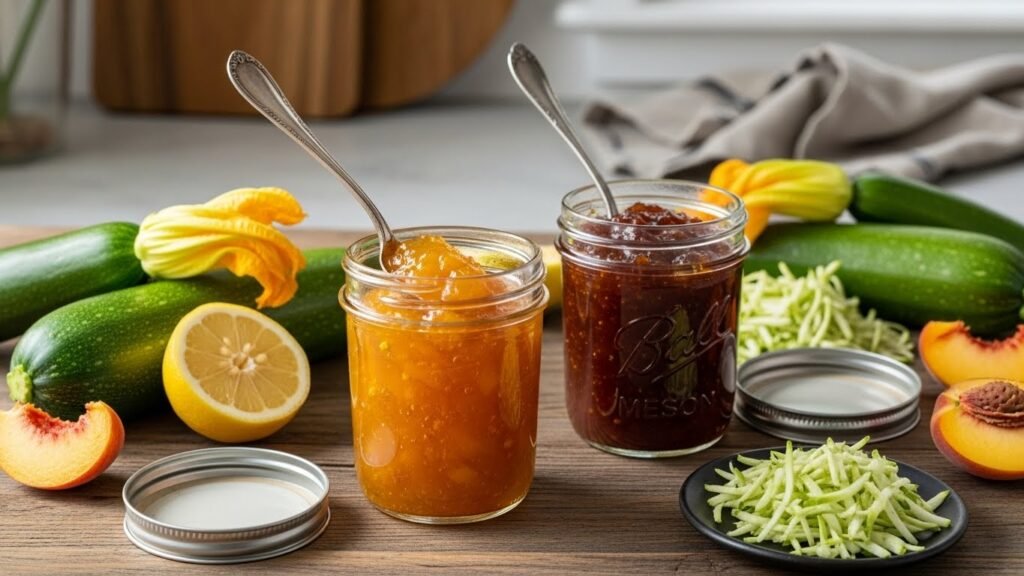
Making a zucchini jam recipe is like magic in your kitchen. You take a plain green veggie and turn it into something sweet. Most people just make bread or muffins with their garden surplus. This guide will show you how to do way more than that. You can make a spread that tastes just like fancy fruit preserves. It is a great way to use up all those big squashes. Your friends will never guess there is a vegetable hidden inside. This guide covers everything from sugary spreads to salty side dishes. You will learn how to cook, jar, and store these treats. Let’s get cooking and save that summer harvest before it wilts.
Introduction to the Versatility of Zucchini Jam
A zucchini jam recipe is the ultimate kitchen hack for gardeners. Zucchini is a neutral vegetable that acts like a flavor sponge. It does not have a strong taste of its own. This makes it the perfect base for adding fruit flavors or savory spices. You can make it taste like peaches, berries, or even caramelized onions. It is the chameleon of the produce drawer.
The Chameleon Vegetable
Zucchini can blend into almost any dish you imagine. When you shred it fine, it loses its veggie shape. It melts into a thick and jammy texture when you cook it. This vegetable can mimic the bulk of expensive fruits. It allows you to make huge batches of jam for very little money. You can even use the yellow squash varieties for a brighter color.
Why Make Zucchini Jam?
Making a zucchini jam recipe helps you beat the garden burnout. Every summer, gardeners find themselves with too many squashes to eat. Giving them away only goes so far before neighbors stop answering the door. Turning them into jam preserves that fresh flavor for months. It is also a fun way to get kids to eat more greens. The jam is naturally high in vitamins but tastes like a dessert.
The Two Worlds of Zucchini Jam
There are two main ways to enjoy this unique spread. The first is the sweet version that uses sugar and gelatin. This type is perfect for breakfast or as a fruity dessert topping. The second world is the savory side which is more like a relish. This version uses salt, garlic, and onions to create a deep flavor. Both styles are delicious and easy to make at home.
A Brief History
Mock jams have been around for a very long time. People used them during times when fruit was hard to find. These recipes became a staple in frugal households during the Great Depression. Families found that zucchini could stretch their sugar supplies further. Today, it is popular again because people want to live sustainably. It is a classic way to practice farm-to-table cooking in your own backyard.
The Science of Jam Making with Zucchini
You do not need to be a scientist to make a great zucchini jam recipe. However, knowing a little bit about the process helps a lot. Jam needs a balance of a few key things to turn out right. If you miss one, you might end up with a runny syrup. If you get it right, you get a thick and glossy spread.
Understanding Pectin, Acid, and Sugar
These three items are the big bosses of the jam world. Pectin is a natural fiber that makes things gel together. Sugar helps the pectin do its job and also keeps the jam fresh. Acid is the final piece that makes the chemical reaction happen. Without acid, the pectin strands will not stick to each other. Together, they create the perfect wobble and texture for your jars.
Zucchini’s Low Acidity
Zucchini is a low-acid vegetable which means it needs some help. For safe canning, you must add an acidic ingredient. This is usually lemon juice or a bit of vinegar. Adding acid prevents bad bacteria from growing in your jars. It also helps the jam look bright instead of dull and brown. Never skip the lemon juice if you plan to keep your jam on a shelf.
The Role of Cellulose
Zucchini has a lot of cellulose which is a tough plant fiber. Unlike soft berries, zucchini holds its shape longer during the boil. This is why shredding it small is very important for the texture. As the cellulose breaks down, the jam becomes smooth and spreadable. The long cooking time ensures the “veggie” feel disappears completely. You are left with a soft and tender consistency that mimics fruit.
Thermal Stages

Watching the temperature is a pro move for jam makers. As the water evaporates, the sugar concentration goes up. You will see the bubbles change from small and fast to large and slow. You can test the set by putting a small drop on a cold plate. If it wrinkles when you push it, the jam is ready. This is called the sheeting stage and it means your gel has formed.
Essential Ingredients and Substitutions
To start your zucchini jam recipe, you need the right supplies. Most of these things are already in your pantry or garden. Using high-quality ingredients will give you the best results. You can also swap things out to make the recipe your own.
The Foundation: Zucchini Selection

- Size Matters: Smaller zucchinis are usually sweeter and have fewer seeds. Large ones are great for jam but require a little more prep work.
- Preparation for Large Zucchini: You should peel the thick skin off the big ones. Also, scoop out any large or hard seeds before you start grating.
- Shredding Techniques: Use the fine side of your box grater for a smooth jam. Use the coarse side if you want a chunky marmalade style.
- Using Frozen Zucchini: You can use frozen shreds if you thawed them first. Just make sure to keep the extra liquid that comes out of them.
Sweetening and Setting Agents
- Granulated Sugar: Standard white sugar is best for a clear and bright color. It acts as a preservative to keep the jam safe in the fridge.
- Natural Sweetener Alternatives: You can try honey or maple syrup for a different taste. Keep in mind that these might make the jam a bit softer.
- Pectin (Sure-Jell): This is the magic powder that ensures your jam sets firm. It is perfect for recipes that you want to store in the pantry.
- Gelatin (Jell-O): Many quick recipes use flavored gelatin for an easy shortcut. It provides both the fruit flavor and the gelling power.
Flavor Enhancers and Mix-ins
- Fruit Additions: Mixing in crushed pineapple adds a nice tropical tang. Fresh peaches also pair perfectly with the texture of zucchini.
- Spices and Extracts: A splash of vanilla or almond extract can elevate the flavor. Cinnamon and nutmeg are great for a cozy fall-style jam.
- Savory Aromatics: For savory versions, you will need lots of garlic and onions. These create a deep and rich base for the condiment.
- Finishing Touches: Toasted sesame oil and black pepper add a fancy touch to savory spreads. Red pepper flakes can give it a spicy kick if you like heat.
Preparation Techniques and Texture Control
Getting the right feel is just as important as the taste. Nobody wants a jam that is too watery or too crunchy. There are a few tricks to control the moisture levels. These steps ensure your zucchini jam recipe turns out perfect every time.
Moisture Management
- The “To Drain or Not to Drain” Debate: Some recipes want you to keep the juice for a thinner syrup. Others ask you to squeeze it out for a thick and chunky spread.
- The Salting Method: Salting the shreds draws out the water before you cook. This is a must for savory jams so they don’t get soggy.
- Manual Extraction: You can use a clean kitchen towel or cheesecloth to squeeze the squash. Getting that extra water out makes the cooking time much faster.
Achieving the Perfect Consistency
- The Melting Phase: As the zucchini cooks, it will start to look translucent. This means it is “melting” into the other ingredients.
- Caramelization: For savory jams, let the onions get nice and brown. Those brown bits at the bottom of the pan are where the flavor is.
- The Rolling Boil: In sweet recipes, a rolling boil is one that stays bubbly even when you stir it. This high heat is what activates the pectin.
Comprehensive Cooking Methodologies
There are several ways to cook your zucchini jam recipe. You can choose the method that fits your schedule and equipment. Some take just a few minutes, while others are a labor of love. All of them lead to a tasty result that you will be proud to share.

Method 1: The Quick Sweet Jell-O Jam (Refrigerator Style)
This is the easiest way to make a zucchini jam recipe at home. You just simmer the shredded zucchini with sugar and lemon juice for about ten minutes. Once the veggie is soft, you stir in a box of flavored gelatin. The gelatin provides an instant fruit flavor like strawberry or apricot. Let it cool down and then pop it into the fridge. It will thicken up into a delicious treat as it gets cold.
Method 2: The Traditional Canned Peach-Zucchini Jam
This method is for people who want to keep jam on their shelves all year. You start by softening the zucchini in pineapple juice. Next, you add a box of pectin and bring it to a big boil. Once it is bubbling hard, you stir in the sugar and crushed pineapple. Cook it for exactly five minutes before adding some peach gelatin for color. This creates a very thick and professional-style preserve.
Method 3: The Savory Zucchini “Melt” (Condiment Style)
Savory jam is a totally different experience and is great for dinner. Start by browning some onions and garlic in a little bit of oil. Add your salted and drained zucchini to the pan. Cook it over medium heat for about twenty minutes until it gets very soft. Keep scraping the pan to mix in all the flavorful brown bits. Finish it with a drizzle of sesame oil for a rich and nutty taste.
Method 4: The Small-Batch Microwave Method
If you only have one zucchini, you can use the microwave. Mix your ingredients in a large glass bowl to prevent messes. Microwave in three-minute intervals and stir between each one. This is a very fast way to make a single jar for breakfast. Just be careful because the sugar gets extremely hot. It is perfect for a quick snack without turning on the stove.
Advanced Flavor Variations and Seasonal Twists
Once you master the basic zucchini jam recipe, you can get creative. There are endless ways to change the flavor profile. You can match the jam to whatever fruit is in season. You can also explore flavors from around the world.
Exotic Sweet Combinations
- Zucchini-Lime & Ginger: This mix tastes like a fancy marmalade. The ginger adds a little bit of spice that balances the lime.
- Tropical Zucchini Jam: Use mango or pineapple gelatin for a beachy vibe. Adding a bit of coconut extract makes it taste like a vacation.
- Berry-Zucchini Blends: You can mix in real blackberries or blueberries. This makes the jam look dark and rich like traditional berry preserves.
Global Savory Profiles
- Mediterranean Style: Stir in some sun-dried tomatoes and dried oregano. A splash of balsamic vinegar gives it a sweet and tangy finish.
- South Asian Influence: Use turmeric and cumin seeds for a bright yellow jam. Green chilies can add a fresh and spicy heat.
- Spicy Zucchini Jam: Mix in some chopped jalapeños for a sweet heat. This is excellent when served over a block of cream cheese.
Canning, Storage, and Food Safety
Keeping your zucchini jam recipe safe is the most important part. If you don’t store it right, it can go bad quickly. You need to know which recipes go in the fridge and which can stay in the pantry. Proper canning prevents waste and keeps your family healthy.
Water Bath Processing for Shelf Stability

Water bath canning is the best way to save your jam for a long time. You put your filled jars into a big pot of boiling water. This heat kills any tiny bugs and seals the lid tight. Make sure the water covers the tops of the jars by at least an inch. Process them for about twenty minutes to be safe. After they cool, you should hear a “ping” sound which means they are sealed.
Refrigerator and Freezer Storage
Not every zucchini jam recipe needs to be canned. Quick gelatin jams should always stay in the fridge. They will last about a month if you keep them cold. You can also freeze your jam for up to a year. Just remember to leave a little space at the top of the jar. This is called headspace and it prevents the glass from breaking when the jam expands.
Shelf Life Expectations
- Refrigerator: Your fresh jam stays good for up to 1 month.
- Freezer: You can store frozen jars for up to 1 year.
- Canned (Shelf): Properly processed jars can stay in the pantry for up to 2 years.
- Opened Jars: Once you open a jar, you should eat it within 2 months and keep it in the fridge.
Comprehensive Shopping List for Peach Zucchini Jam Recipe
Starting your zucchini jam recipe requires a quick trip to the grocery store or a harvest from the garden. For the peach version, you are aiming for a mix of fresh produce and pantry staples. Make sure to check the expiration dates on your pectin to ensure a perfect set.
Fresh Produce and Pantry Staples
- Zucchini: Look for 3 to 4 medium-sized squashes to get the required six cups of shreds.
- Granulated White Sugar: A standard five-pound bag will be plenty for this recipe and more.
- Sure-Jell Pectin: One yellow box of original premium fruit pectin is the industry standard.
- Peach Gelatin: One 6-ounce box or two 3-ounce boxes of peach-flavored Jell-O.
- Lemon Juice: One small bottle of concentrated lemon juice or two fresh lemons.
Canned Goods and Specialized Equipment
- Crushed Pineapple: One 20-ounce can of crushed pineapple in 100% juice.
- Canning Jars: A case of 8 half-pint (8 oz) glass mason jars with brand new lids.
- Jar Lifter: A specialized tool to safely remove hot jars from the boiling water.
- Large Stockpot: A heavy-bottomed pot that can hold at least 6 to 8 quarts.
- Canning Funnel: A wide-mouth funnel to prevent sticky messes on the jar rims.
Comprehensive Shopping List for Savory Zucchini Jam Recipe
The savory zucchini jam recipe leans into aromatics and oils rather than sugars and gelatins. This list focuses on high-quality seasonings that will stand out during the caramelization process. Since this version is a fresh condiment, you do not need canning jars.
The Aromatic Base
- Zucchini or Yellow Squash: Approximately 2 pounds of fresh, firm squash.
- Sweet Yellow Onion: One large onion to provide the natural sugars for caramelization.
- Fresh Garlic: One whole bulb of garlic so you can use the freshest cloves possible.
- Neutral Cooking Oil: A bottle of grapeseed, canola, or vegetable oil for high-heat sautéing.
Seasonings and Finishing Oils
- Toasted Sesame Oil: One small bottle of dark, toasted sesame oil for a nutty finish.
- Sea Salt: A high-quality fine sea salt for the initial zucchini drainage step.
- Black Peppercorns: Whole peppercorns to be freshly cracked for the most potent flavor.
- Red Pepper Flakes: A small jar for those who want to add a spicy kick.
Kitchen Tools for Savory Success
- Box Grater: A sturdy metal grater with a fine shredding side.
- Large Non-Stick Skillet: A wide pan that allows for maximum evaporation and browning.
- Fine Mesh Colander: Essential for draining the zucchini after the salting process.
- Airtight Glass Containers: Small jars or plastic tubs for storing the jam in the fridge.
Mastering the Texture of Your Zucchini Jam Recipe
The texture is the most critical element of a successful zucchini jam recipe. If the shreds are too large, the jam feels like a side dish rather than a spread. If there is too much water, the flavors become diluted and thin.
The Importance of the Fine Grate
- Uniformity: Small shreds ensure that every spoonful of jam has a consistent mouthfeel.
- Melting Point: Fine shreds break down much faster under heat than thick chunks.
- Visual Appeal: Tiny pieces of zucchini look like crushed fruit once they are cooked.
- Flavor Absorption: More surface area allows the sugar and pectin to coat the vegetable.
Liquid Management and Reduction
Managing the water content of your zucchini jam recipe is an art form. Zucchini is over ninety percent water, which can work against a thick gel. You must decide whether to evaporate the water through boiling or remove it manually.
Strategies for the Perfect Set
- Timed Boils: Following the “five-minute rule” for pectin ensures the fibers bond correctly.
- Cold Plate Test: Keeping a saucer in the freezer helps you check the jam’s thickness instantly.
- The Squeeze Method: Using a kitchen towel to remove juice before cooking the savory version.
- Sugar Ratios: Never reduce the sugar in a canning recipe as it affects the final structure.
Flavor Pairing Science for Zucchini Preserves
Understanding why certain flavors work with your zucchini jam recipe helps you innovate. Zucchini is a blank slate, but it has a slight earthy undertone. Certain fruits and spices help mask that earthiness and bring out a bright profile.
The Role of Pineapple and Citrus
- Acidity: Pineapple provides the tartness that mimics traditional acidic fruits like berries.
- Enzymes: The natural enzymes in pineapple help soften the zucchini fibers during the simmer.
- Color Balance: The yellow of the pineapple helps hide the pale interior of the zucchini.
- Zest: Adding lemon or lime zest provides essential oils for a powerful aroma.
Selecting the Right Gelatin Flavors
While peach is a fan favorite, your zucchini jam recipe can change with the seasons. Strawberry gelatin creates a deep red jam that is perfect for PB&J sandwiches. Apricot or orange flavors can make a sophisticated marmalade for brunch. Raspberry gelatin provides a tart edge that pairs beautifully with dark chocolate desserts.
Step-by-Step Guide to Filling and Sealing Jars
The final stage of the zucchini jam recipe involves moving the hot liquid into jars. This step must be done quickly and cleanly to ensure a safe seal. If you are new to canning, take your time and follow these safety steps.
Preparing the Jars and Lids
- Sterilization: Wash your jars in hot soapy water or run them through a dishwasher.
- Warmth: Keep the jars warm in a low oven or pot of water so they don’t crack.
- Lid Prep: You no longer need to boil modern lids, but a quick warm rinse is good.
- Inspection: Check every jar rim for chips or cracks that might prevent a seal.
The Filling Process
- Headspace: Leave exactly one-quarter inch of space between the jam and the lid.
- Air Bubbles: Run a small plastic spatula inside the jar to release trapped air.
- Cleaning the Rim: Use a damp paper towel to wipe every bit of stickiness off the glass.
- Tightening: Turn the rings until they are “finger-tight” but not forced.
Post-Processing Care
- Disturbing the Jars: Once the jars are out of the water, do not move them for 24 hours.
- Checking the Seal: Press the center of the lid; if it doesn’t pop back, it is sealed.
- Labeling: Mark the jars with the date and the specific zucchini jam recipe variation.
- Storage Environment: A dark, cool pantry is the best place to keep your preserves.
Creative Serving Suggestions and Pairings
Now that you have your jam, it is time to eat it. A zucchini jam recipe is not just for toast. There are so many ways to use these spreads throughout the day. From breakfast to dinner, this jam adds flavor to every meal.
Sweet Jam Applications
- Breakfast Classics: Spread it on warm toast, fluffy pancakes, or crispy waffles. It is also amazing when stirred into plain Greek yogurt.
- Dessert Fillings: Use it to fill the middle of thumbprint cookies. It also makes a great layer between sheets of cake.
- Cheese Board Pairings: Fruit-flavored zucchini jam goes great with soft cheeses. Try it with a slice of Brie or some salty crackers.
Savory Jam Applications

- Grains and Legumes: Stir a spoonful into a bowl of white rice. It also tastes great mixed with cold noodles and a bit of soy sauce.
- Protein Pairings: Use savory jam as a side for roasted chicken or pork. It acts like a rich relish that cuts through the fat of the meat.
- Savory Breakfasts: Put a dollop on top of your fried eggs in the morning. You can also spread it on a bagel with some sharp cheddar cheese.
- The Ultimate Burger Topping: Forget the pickles and try savory zucchini jam. It adds a sweet and salty depth that makes a burger gourmet.
Packaging and Gifting Aesthetics
Homemade jam makes a wonderful gift for any occasion. A zucchini jam recipe is extra special because it is so unique. You can make your jars look as good as they taste with a little effort. It shows people that you put time and love into their gift.
Jar Selection and Labeling

- Jar Selection: Small half-pint jars are perfect for gifting. They are the right size for someone to try a new flavor.
- Labeling Essentials: Always write the flavor and the date on the jar. It is also helpful to mention if it needs to stay in the fridge.
- Decorative Finishing: Tie a piece of colorful twine around the lid. You can even tuck a small sprig of dried herbs into the knot.
- Creating Gift Baskets: Put a jar of jam in a basket with some tea bags. Adding a fresh loaf of bread makes it a complete breakfast kit.
Troubleshooting Your Zucchini Jam Recipe
Even seasoned cooks can run into issues when working with the high water content of summer squash. A zucchini jam recipe can be temperamental if the heat levels or ratios are slightly off. Understanding how to diagnose and fix these common problems will save your batch from going to waste.
Fixing a Runny or Thin Consistency
- Insufficient Boiling Time: The most common reason for a runny sweet jam is not reaching a full rolling boil. Pectin requires high heat to activate its bonding properties.
- Excessive Moisture: If you did not drain the zucchini shreds for the savory version, it might remain soupy. You can fix this by simmering the mixture uncovered for an additional ten to fifteen minutes to evaporate the extra liquid.
- Old Pectin: Fruit pectin has a shelf life. If your powder is past its expiration date, it may lose its ability to create a firm gel.
- The Re-Cook Method: For sweet jams that haven’t set after twenty-four hours, you can pour them back into the pot. Add a little more lemon juice and a teaspoon of pectin, then bring it back to a hard boil for two minutes.
Dealing with Discoloration and “Green Flecks”
- Oxidation: If your jam turns a dull brown, it likely lacks enough acid. Always ensure you use the full amount of lemon juice required by the zucchini jam recipe.
- The Importance of Peeling: If you see dark green bits in your peach or strawberry jam, it means the skin was left on. For a professional, fruit-like appearance, always peel the zucchini completely before shredding.
- Overcooking: Cooking the jam for too long at a high temperature can burn the sugars. This results in a darker, caramelized color that might mask the bright fruit flavors.
Addressing Crystallization and Texture Issues
- Sugar Crystals: If your jam feels gritty, the sugar may not have dissolved completely before the boil. Stirring the sugar into the zucchini liquid thoroughly at the start prevents this.
- Spongy Texture: If the zucchini pieces feel tough, they weren’t simmered long enough before the sugar was added. Sugar can “lock in” the texture of vegetables, so ensure they are soft first.
- Frothy Foam: Sometimes a white foam forms on top of the boiling jam. This is just air and is harmless, but you can stir in a half-teaspoon of butter to help it dissolve for a clearer look.
Conclusion: The Sustainable Kitchen
Using a zucchini jam recipe is a smart move for any home cook. it helps you reduce food waste and save money. You turn a common garden vegetable into a gourmet treat. Whether you like it sweet or savory, there is a version for you. This jam is a great way to keep the taste of summer alive all winter long. So, go grab those extra zucchinis and start your first batch today. Your pantry and your family will thank you for it.
Frequently Asked Questions
Can I use yellow summer squash instead of green zucchini?
Yes, you can absolutely use yellow summer squash. In fact, many people prefer it for sweet jam recipes because the yellow skin blends in better with peach or apricot flavors, making it even harder to detect that the jam is made from a vegetable. The texture and water content are nearly identical, so the cooking process remains the same.
Is it safe to reduce the amount of sugar in a canning recipe?
When you are following a water bath canning method, you should not reduce the sugar. Sugar is not just for taste; it acts as a preservative by binding with water to prevent the growth of microorganisms. If you want a low-sugar version, you must use a specific low-methoxyl pectin and keep the jam in the refrigerator or freezer instead of the pantry.
Why did my zucchini jam turn brown instead of a bright fruit color?
Browning usually happens for two reasons: overcooking or oxidation. If you boil the jam too long, the sugars begin to caramelize, which darkens the mixture. Additionally, if you don’t use enough lemon juice, the zucchini can oxidize when exposed to air. Always stick to the recommended boiling times and acid measurements to keep colors vibrant.
Can I use a food processor instead of a box grater?
A food processor is a great time-saver, especially for large batches. Use the shredding disc rather than the S-blade. The S-blade can turn the zucchini into a watery mush, whereas the shredding disc creates the distinct “shreds” that provide the jam with a fruit-like structure.
Do I need to peel the zucchini for savory jam?
For savory jam, peeling is optional. Since savory jam often includes onions and spices, the green flecks of the skin look more natural and “herb-like.” The skin also contains extra nutrients and fiber that hold up well during the long sautéing process required for savory versions.
How do I fix jam that has already cooled but is still runny?
If your jam has cooled and is still thin, you can “re-batch” it. Empty the jars back into a pot, add a little more pectin and a splash of lemon juice, and bring it back to a full rolling boil for one to two minutes. You will need to use fresh lids if you plan on canning the jars again.
Can I add nuts or dried fruit to my zucchini jam?
Yes, adding chopped walnuts, pecans, or golden raisins can add a wonderful texture to the jam. These are best added in the final minute of cooking. This creates a “conserves” style spread that is particularly delicious on toasted bagels or English muffins.
Why are there bubbles trapped in my finished jars?
Bubbles occur when air is trapped during the pouring process. While they are usually harmless, large bubbles can interfere with the vacuum seal. Always use a bubble remover tool or a clean plastic knife to stir the jam inside the jar before applying the lid to release any trapped air.
Is zucchini jam safe for a keto diet?
Standard zucchini jam is very high in sugar and is not keto-friendly. However, because zucchini itself is low-carb, you can make a keto version by using a sugar substitute like erythritol or monk fruit and thickening it with xanthan gum or unflavored gelatin. Note that keto versions must be stored in the fridge.
What causes a “ping” sound after canning?
The “ping” or “pop” sound is the sound of success! It happens as the jars cool and the air inside contracts, creating a vacuum. This vacuum pulls the safety button on the lid downward, sealing the jar. If a jar doesn’t ping or the lid stays flexible, it didn’t seal and must be refrigerated.
Can I make zucchini jam without any Jell-O?
Absolutely. You can make an “old-fashioned” zucchini jam by using fresh fruit (like crushed berries or peaches), sugar, lemon juice, and traditional pectin. The Jell-O method is simply a popular shortcut for flavor and color, but it is not a requirement for making the jam.
Does the age of the zucchini affect the jam quality?
Very old, overgrown zucchinis can be quite bitter. If you are using a “giant” zucchini, taste a small piece of the raw flesh first. If it is bitter, the jam will be bitter too. Younger to medium-sized zucchinis generally provide the sweetest and most neutral base.
Can I use honey instead of white sugar?
You can use honey, but it will change the flavor profile significantly and make the jam “softer.” Honey is also more acidic than sugar, so you may need to reduce the lemon juice slightly. Generally, you should replace only half the sugar with honey to ensure the jam still sets properly.
What is the best way to peel a large, tough zucchini?
For very large zucchinis with thick skin, a standard vegetable peeler might struggle. A sharp paring knife or even a serrated peeler works better to remove the “woody” exterior before you reach the tender flesh inside.
Can I add alcohol like bourbon or rum to the jam?
Adding a tablespoon of bourbon or spiced rum toward the end of the cooking process can add a sophisticated depth to peach or apple-flavored zucchini jam. Most of the alcohol will cook off, leaving behind a rich aroma and flavor.
Why is there liquid separating at the top of my jar?
This is known as syneresis. It happens when the pectin structure is too tight or if the jam was disturbed while it was trying to set. Simply stir the jam before using it to re-incorporate the liquid; it is perfectly safe to eat.
Can I use bottled lemon juice instead of fresh?
In canning, bottled lemon juice is actually preferred over fresh. This is because bottled lemon juice has a consistent, regulated pH level, which is vital for ensuring the safety and shelf-stability of the jam.
How can I make my jam look like professional marmalade?
To get a marmalade look, add very thin strips of citrus peel (lemon or orange) to the zucchini mixture while it simmers. The translucent zucchini combined with the bright citrus rinds creates a beautiful, high-end appearance.
Is it okay to double the recipe?
It is usually not recommended to double jam recipes in one pot. A larger volume of liquid takes much longer to reach a boil, which can break down the pectin and result in a soft set. It is better to make two separate batches.
Can I use zucchini jam as a glaze for meats?
Yes! The savory version is a natural glaze for pork or chicken. For the sweet version, a peach or apricot zucchini jam works beautifully as a glaze for a holiday ham or as a dipping sauce for coconut shrimp.