 Skip to content
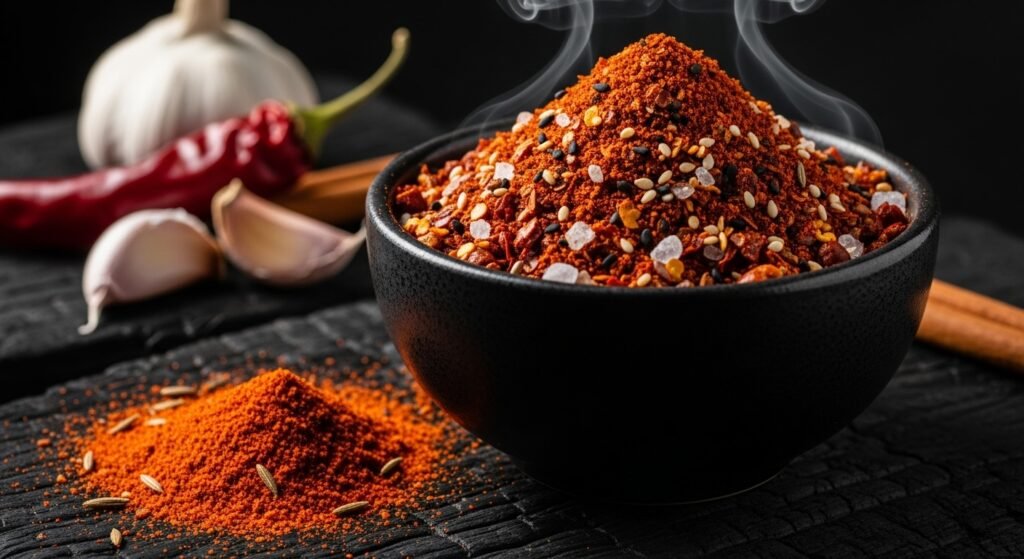
Cooking is a wild ride of flavors and cultures colliding in the kitchen. If you love big flavors, you need to try a korean bbq rub. It brings the heat of Seoul and the smoke of Texas together in one jar. This blend is basically a flavor bomb for your next backyard cookout. You will get a mix of spicy, sweet, and savory that hits every single spot. It is the secret weapon you have been looking for to impress your friends.
Introduction to Korean BBQ Dry Rub
Blending styles is how we get the best food in the world today. This specific rub explores the intersection of traditional American low-and-slow BBQ and bold Korean flavors. You get the classic wood-smoke vibe mixed with vibrant Asian spices. It is a match made in heaven for anyone who loves a good grill session.
The Concept of Magic Dust
The idea of a magic dust rub started with legendary pitmasters like Mike Mills. People loved his original blend because it worked on almost everything. This version adds a Korean-inspired twist to that famous concept. It creates a universal seasoning that you can keep in your pantry at all times. Think of it as your go-to spice mix for any meat or veggie.
Why Use a Dry Rub?
Many people reach for a wet marinade when they start cooking. However, using a dry rub offers some huge benefits for your food. A rub helps create a better bark formation on the outside of the meat. It is also way easier to use when you are in a rush. You just pat it on and you are ready to hit the heat.
The Flavor Profile
This rub is all about balance and hitting different notes at once. You will taste the spicy heat followed by a smoky floral finish. There is also a nice sweet touch that rounds everything out perfectly. It is complex enough for pros but simple enough for a Tuesday night dinner. Your taste buds will definitely thank you for this choice.
The Cultural Roots: Understanding Korean BBQ Traditions
To truly appreciate this rub, you have to look at where it comes from. Korea has a long history of amazing meat dishes that focus on high-quality ingredients. Combining this with American BBQ culture creates something totally new and exciting. It is a celebration of the Korean diaspora and their influence on modern food.
A Brief History of Gogi-gu-i
Gogi-gu-i is the Korean tradition of roasting meat over charcoal. Usually, this involves thin slices of beef or pork cooked very quickly. Families gather around the grill to share a meal and catch up. It is a social way of eating that focuses on community and great taste.
Evolution of the Dry Rub
The Korean dry rub is a relatively new invention in the world of fusion food. As Korean immigrants moved to the USA, they brought their amazing spices with them. They started applying these flavors to big cuts of meat like brisket and ribs. This created a new style of BBQ that people absolutely crave today.
The Role of Banchan
In a traditional Korean meal, you always have banchan or side dishes. These small plates add vinegar, crunch, and fermentation to the meal. A spice-heavy rub on your meat complements these side dishes perfectly. It creates a full sensory experience that keeps you coming back for more.
Core Components and Essential Ingredients

Every great rub starts with a solid foundation of spices. You cannot just throw random things together and expect it to taste good. These ingredients were chosen by experts like Lis Lam and Christian Arfsten to create perfection. Each one plays a specific role in the final flavor of your dish.
| Ingredient | Primary Flavor | Benefit |
| Gochugaru | Spicy & Sweet | Provides a deep red color and smoky heat. |
| Smoked Paprika | Earthy & Smoky | Mimics the flavor of a real wood smoker. |
| Brown Sugar | Sweet & Rich | Creates a beautiful caramelized crust. |
| Granulated Garlic | Savory & Pungent | Adds an essential aromatic foundation. |
| Sea Salt | Salty & Sharp | Enhances all the other spice notes. |
Gochugaru (Korean Chili Flakes)
Gochugaru is the absolute heart of any authentic korean bbq rub. These are Korean dried chili flakes that have a very specific texture. They offer a deep red color and a moderate heat level that most people love. Unlike standard red pepper flakes, these are smoky and slightly sweet.
Smoked Paprika
If you want that BBQ vibe, you need smoked paprika in your mix. It provides a smoky dimension that makes your food taste like it was on a grill. This is especially helpful if you are cooking in an oven or air fryer. It gives the meat a rich, dark color that looks professional.
The Sweetener: Brown Sugar
Brown sugar is the best choice for a sweetener in this recipe. It has a caramel-y depth that white sugar just cannot match. The molasses in the sugar helps the rub stick to the meat. It also plays a huge role in how the meat caramelizes under the heat.
The Savory Base: Granulated Garlic and Mustard Powder
Granulated garlic and mustard powder provide the savory backbone for the rub. Garlic is a pantry staple that everyone knows and loves. Mustard powder adds a little bit of a “bite” and sharpens the other flavors. Together, they make sure the rub isn’t just spicy or sweet.
Earthiness and Depth: Ground Cumin
Ground cumin brings an earthy and warm floral note to the party. It is a bridge that connects the different culinary styles in this fusion. A little bit goes a long way in adding depth to the profile. It makes the rub feel more grounded and sophisticated.
The Heat Elements: Cayenne and Black Pepper
You need different types of heat to make a rub interesting. Cayenne powder provides a sharp kick that hits the back of your throat. Black pepper adds a woody, lingering spice that stays with you. Layering these creates a multidimensional spice level that is very satisfying.
The Texture Secret: Sesame Seeds
Don’t forget the white sesame seeds and black sesame seeds for your mix. These add a beautiful visual appeal to the finished meat. They also provide a tiny bit of nutty crunch in every bite. It is a simple addition that makes your homemade rub look like it came from a shop.
The Science of Spice: Why This Rub Works
There is actually a lot of science behind why this blend tastes so good. Spices are not just for flavor; they change how the food cooks. Understanding this will help you become a much better cook in the long run.
- The Maillard Reaction: This is how sugars and proteins react under heat to create a crust.
- The Role of Capsaicin: This chemical in the chilies stimulates your palate and makes you want more.
- Hygroscopic Ingredients: Brown sugar attracts moisture, which helps the rub set into a glaze.
- Flavor Solubility: Some flavors in the spices only come out when they hit fat or water.
Korean Magic BBQ Dust: The Comprehensive Recipe
Ready to make your own batch of this amazing seasoning? Follow this simple recipe to get the perfect balance every time. It only takes about 5 minutes of prep time to finish.
- Gochugaru (Korean dried chili flakes): 1/2 cup
- Smoked Paprika: 1/2 cup
- Sea Salt (finely ground): 1/4 cup
- Brown Sugar (packed): 1/4 cup
- Ground Cumin: 1/4 cup
- Granulated Garlic: 1/4 cup
- Mustard Powder: 2 Tbsp
- Black Pepper: 2 Tbsp
- Cayenne: 2 Tbsp
- White Sesame Seeds: 1 Tbsp
- Black Sesame Seeds: 1 Tbsp
Preparation and Mixing Instructions
Mixing your rub correctly is the key to a consistent flavor. You don’t want one piece of meat to be too salty and another to be too sweet. Take your time with this part to get the best results.
Combining the Ingredients
Grab a large bowl and dump all your measured spices inside. Make sure you have enough room to stir without making a huge mess. It is best to do this in a well-ventilated area so you don’t sneeze.
The Whisk Technique

You really need to use a whisk for this part of the process. It is the best tool to break up those stubborn brown sugar clumps. A fork just won’t cut it if you want a uniform color and texture. Whisk until everything looks like one consistent blend.
Safety Precautions
Dealing with large amounts of chili powder can be a bit tricky. Be very careful not to inhale the dust while you are mixing. Also, make sure you do not touch your eyes after handling the cayenne or Gochugaru. Wash your hands thoroughly with soap as soon as you are done.
Storage and Shelf Life
One of the best things about this rub is that it lasts a long time. You can make a big batch and use it for months to come. Proper storage will keep those spices tasting fresh and vibrant.
Choosing the Right Container

An airtight container is a must for any dry rub. A glass jar is usually the best choice because it won’t absorb smells. Make sure the lid fits tight so no moisture can get inside.
Storage Environment
Keep your spice jar in a cool and dark cupboard. Exposure to direct sunlight or heat will make the spices lose their punch quickly. Avoid storing it right above your stove where it gets steamy.
Duration of Freshness
- Long Shelf Life: The rub can stay good at room temperature for up to one year.
- Peak Flavor: For the best aroma, try to use it within one month of mixing.
- Clumping: If you see clumps, just give the jar a good shake before using it.
The Crucial Role of Salt in BBQ Rubs
Salt is the most important seasoning in your kitchen. It opens up your taste buds so you can actually taste the other spices. However, how you use it can make a big difference in your BBQ.
Pre-Salting vs. Pre-Mixed Rubs
Some pitmasters prefer a rub that doesn’t have any salt in it at all. This lets them control exactly how much salt goes on each piece of meat. If your rub is salt-free, you should salt the meat first.
Optimal Salt Ratios
A good rule of thumb is to use about 3/4 tsp of salt per pound of meat. Apply this salt separately before you go in with the korean bbq rub. This ensures the meat is seasoned all the way through, not just on the surface.
Sea Salt vs. Table Salt
Sea salt is usually the preferred choice for high-end rubs. Finely ground sea salt provides very even coverage over the meat. It also has a cleaner taste compared to iodized table salt.
Customizing Your Korean Rub
The best part about making your own rub is that you can change it. You aren’t stuck with whatever the store has on the shelf. Feel free to play around with the ratios to find your perfect blend.
Adjusting the Heat
If you love a spicy challenge, you can easily turn up the heat. Try doubling or tripling the amount of mustard powder or cayenne in the mix. If you want it milder, just cut the cayenne in half or leave it out.
Sugar Substitutes
Some people need to watch their sugar intake for health reasons. You can use white sugar if you have to, though it won’t be as rich. There are also many alternative sweeteners that work well for roasting.
Authenticity Notes
Always try to find real Gochugaru for this recipe. Using standard American chili powder will completely change the flavor profile. It won’t have that signature floral and smoky Korean vibe.
Adding an Umami Boost
If you want more savory depth, you can add an umami booster. Mushroom powder or a tiny bit of MSG can make the meat taste incredibly rich. It is a secret trick that many pro chefs use in their kitchens.
Dietary Adaptations and Variations
Everyone should be able to enjoy a good BBQ, no matter their diet. Luckily, this rub is naturally very flexible for different needs. It is naturally dairy-free, gluten-free, and vegan-friendly.
- Keto and Paleo: Swap the brown sugar for monk fruit or coconut sugar.
- Low-Sodium: Reduce the salt and add more garlic and onion powder for flavor.
- Vegan: This rub is amazing on plant-based proteins like tofu or seitan.
Application Techniques for Different Proteins
You can’t treat a delicate fish the same way you treat a tough brisket. Different meats require different approaches when applying your rub.
Beef Specialization

Beef can handle a lot of seasoning because it has a strong flavor. For a beef brisket or chuck roast, apply a very heavy layer of rub. This helps build that famous dark bark during a long smoke. For flanken ribs, a lighter coating works best to mimic the kalbi style.
Poultry Perfection

Chicken skin needs a little help to get crispy. For air fryer chicken wings, pat the wings dry before adding the rub. This ensures the spices stick and the skin crunches up perfectly. You can also mix the rub into your flour for amazing Korean fried chicken.
Pork and BBQ Ribs
Pork and sweet flavors are a match made in heaven. When making traditional ribs, the sugar in the rub reacts with the pork fat. It creates a sticky and savory glaze that is finger-licking good. For pork chops, a quick sear with the rub creates a delicious crust.
Seafood and Vegetables
Seafood is very delicate, so don’t overdo it with the spice. A light dusting on shrimp or fish is all you really need. It also works wonders on roasted vegetables like potatoes or corn. The spices bring out the natural sweetness of the veggies.
Cooking Methods: From Smoker to Air Fryer
How you cook the meat will change how the rub tastes. You have many options depending on what gear you have at home.
- Smoking: Use low and slow heat to let the smoky paprika shine.
- Grilling: Be careful with high heat so the sugar doesn’t burn too fast.
- Air Frying: Great for wings because the air makes the rub very crunchy.
- Oven Roasting: Perfect for easy sheet-pan dinners on busy nights.
Advanced Cooking Tips and Pro Tricks
If you want to take your cooking to the next level, follow these pro tips. These small changes can make a massive difference in the final product.
The Overnight Marinade
If you have the time, let the rub sit on the meat overnight. This gives the spices and salt time to penetrate deep into the fibers. The result is meat that is seasoned all the way through, not just on the outside.
The “Magic Dust” Ratio
A general rule of thumb is to use 1 Tbsp of rub per 1 lb of protein. This ensures you have enough flavor without being totally overwhelmed. Of course, you can always add more if you are a real spice fan.
Using the Rub as a “Finisher”
You don’t always have to cook the rub to enjoy it. It works amazingly well as a finisher for cooked foods.
- French Fries: Sprinkle some on hot fries for a spicy kick.
- Popcorn: It is the best movie-night snack you will ever have.
- Burgers: Dust your burger patties right before they come off the grill.
Temperature Management
Sugar starts to burn at around 350 degrees. If you are grilling over direct flame, keep an eye on your meat. You want a nice char, not a bitter, burnt sugar crust. Move the meat to a cooler part of the grill if it looks like it is getting too dark.
The “Binder” Debate
Some people like to use a binder to help the rub stick. You can use a thin layer of mustard, oil, or even just water. Most of the time, the natural moisture of the meat is enough to hold the rub in place.
Troubleshooting Common Issues
Even the best cooks run into trouble sometimes. Here is how to fix some common mistakes with your rub.
- Clumping: If your rub is clumping, it might be too humid. Add a small food-safe silica packet to the jar.
- Too Bitter: This usually happens if you use too much cumin or if the paprika is old. Balance it with a bit more sugar.
- Too Salty: If the meat is too salty, serve it with something acidic. A splash of lime juice or some kimchi can save the day.
Pairing Suggestions: Completing the Meal
A great main dish needs great sides and drinks to go with it. Think about the full experience when you are planning your menu.
- Sauce: Pair this rub with a gochujang-based glaze for a double dose of Korean flavor.
- Drinks: A cold lager or a crisp IPA stands up well to the heat of the spices.
- Sides: Serve your meat with plenty of kimchi, rice, and fresh lettuce wraps.
Conclusion: The Only BBQ Rub You’ll Ever Need
This korean bbq rub is truly a game changer for any home cook. It is versatile, easy to make, and tastes like it came from a professional kitchen. Whether you are smoking a whole brisket or just making some quick wings, this blend has you covered. It is a fantastic example of how fusion food can bring the best of two worlds together.
Don’t be afraid to experiment and make this recipe your own. Add more heat, change the sugar, or throw in some new spices. The beauty of a homemade rub is that it belongs to you. Grab your whisk and get started on your own jar of magic dust today. Your next BBQ is going to be the talk of the neighborhood!
Frequently Asked Questions
Can I substitute Gochujang for Gochugaru in a dry rub?
No, it is not recommended for a dry rub. Gochujang is a fermented paste that contains moisture and will cause your spice mix to clump and turn into a sticky mess. If you want that specific fermented flavor, apply the dry rub first and then use Gochujang as a wet glaze during the final minutes of cooking.
How do I make the rub stick to the meat without using oil?
You can use a variety of moisture-rich binders if you want to avoid oil. Common alternatives include a very thin layer of yellow mustard, hot sauce, or even a splash of soy sauce. These liquids evaporate during the cooking process but provide enough initial tackiness to hold the spices in place.
Is this dry rub safe for people with gluten sensitivities?
Yes, this specific blend of spices is naturally gluten-free. However, you must check the labels of your individual spice bottles, especially the mustard powder and smoked paprika. Some lower-quality brands use wheat-based anti-caking agents in their manufacturing process.
Can I use this rub on tofu or tempeh?
This rub is incredible on plant-based proteins. For the best results, press your tofu to remove excess water, coat it in a tiny bit of sesame oil, and then apply the rub generously. Bake or air fry until the edges get crispy and the sugar in the rub caramelizes.
Will the brown sugar burn if I use it on a high-heat grill?
Yes, sugar begins to burn and turn bitter at temperatures above 350 degrees Fahrenheit. If you are grilling over direct high heat, apply the rub toward the end of the cooking process. Alternatively, keep the meat on the indirect side of the grill to let the flavors set without scorching.
What is the difference between Gochugaru and crushed red pepper flakes?
Standard red pepper flakes are usually much hotter and have a sharp, stinging spice. Gochugaru is made from seedless sun-dried peppers, giving it a much more complex, smoky, and fruity flavor. Using standard red pepper flakes will make the rub too spicy and take away the authentic Korean profile.
Can I add coffee grounds to this Korean BBQ rub?
Adding a tablespoon of finely ground dark roast coffee can add a wonderful earthy bitterness that pairs well with the Gochugaru. This is particularly popular when using the rub on beef brisket or thick-cut steaks. The coffee helps enhance the “bark” or crust of the meat.
Does this rub work for slow cooker recipes?
It works well, but you will lose the “crust” factor. When you use a dry rub in a slow cooker, the moisture from the meat turns the spices into a flavorful cooking liquid. If you want a crust, you should sear the meat in a pan with the rub before placing it in the slow cooker.
How can I make the rub more floral and aromatic?
Try adding a teaspoon of ground coriander or a small amount of dried citrus peel. These ingredients brighten up the heavy smoky notes of the paprika and cumin. It creates a more “upfront” aroma that hits you as soon as the meat comes off the heat.
Can I use this on fruit like grilled pineapple?
Actually, yes. The mix of salt, heat, and sugar in the rub is a perfect match for the acidity of pineapple or mango. A light dusting before grilling creates a street-food style snack that is very popular in many fusion cultures.
Why did my rub turn into a hard block in the jar?
This happens when moisture gets into the jar, usually from the steam of a cooking pot. To prevent this, never shake the jar directly over a steaming pan. If it does harden, you can pulse it in a spice grinder or blender to return it to a powder.
Is it better to use granulated garlic or garlic powder?
Granulated garlic is better for dry rubs because it has a texture similar to the other spices. Garlic powder is very fine, like flour, and can sometimes clump or blow away. The granulated version stands up better to the long cooking times associated with BBQ.
Can I add MSG to this recipe?
Adding a half-teaspoon of MSG (monosodium glutamate) is a pro move for increasing umami. It makes the savory notes of the garlic and cumin pop. Many people find that it gives the rub a “restaurant-quality” finish that is hard to achieve otherwise.
What is the best way to apply the rub to ribs?
The best method is the “one hand dry, one hand wet” rule. Use one hand to sprinkle the rub and the other hand to pat it into the meat. This keeps your spice jar clean and ensures you don’t cross-contaminate your seasoning with raw meat juices.
How do I store the rub if I live in a very humid climate?
In humid areas, it is best to store your spice jars in the refrigerator or even the freezer. The cold, dry air prevents the brown sugar from absorbing moisture. Just make sure the jar is completely sealed so it doesn’t pick up any “fridge smells.”
Can I use this as a base for a wet marinade?
You can easily turn this into a wet marinade by mixing 1/4 cup of the rub with 2 tablespoons of soy sauce, a splash of rice vinegar, and a bit of toasted sesame oil. This is a great way to prep thin slices of beef for quick stir-frying.
Should I remove the silverskin from ribs before applying the rub?
Yes, always remove the thin membrane (silverskin) from the back of the ribs. If you leave it on, the rub will never reach the meat on that side, and the membrane will become tough and chewy once cooked.
Does the rub contain any common allergens besides sesame?
Outside of the sesame seeds, the ingredients are generally low-risk. However, some people are sensitive to nightshades, which includes all the peppers (Gochugaru, paprika, cayenne). If you have a nightshade allergy, this rub is unfortunately not for you.
Can I use honey instead of brown sugar?
You cannot use honey in a “dry” rub because it is a liquid. If you want the flavor of honey, you can find granulated honey powder in specialty spice shops. Otherwise, stick to brown sugar for the dry mix and drizzle honey on the meat during the last few minutes of cooking.
Why do some people add cornstarch to their dry rubs?
A teaspoon of cornstarch can help the meat develop a much crispier exterior, especially when air frying or oven roasting. It absorbs surface moisture and helps the spices form a tight, crunchy shell around the protein.