 Skip to content
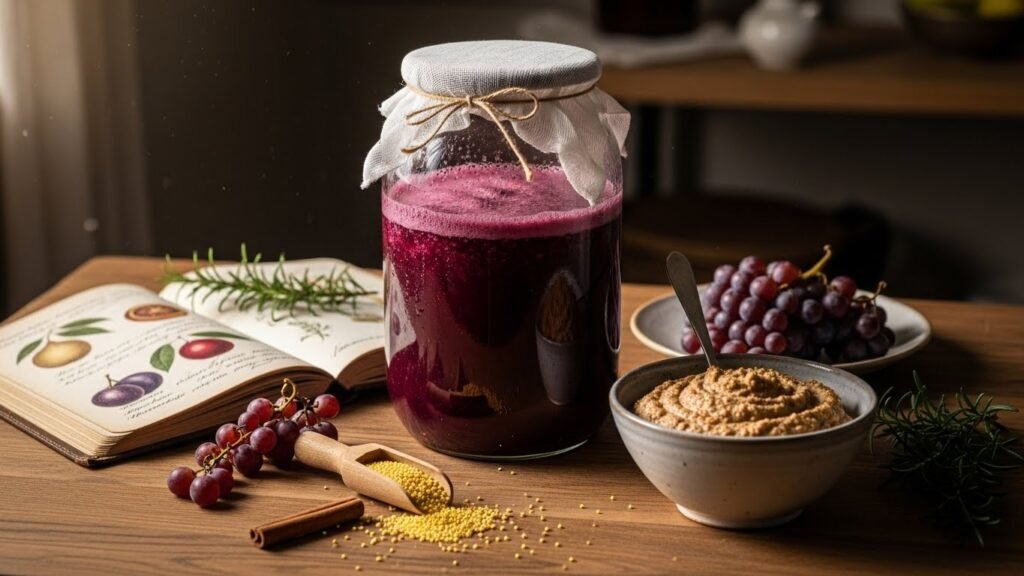
Musté is a vibrant and fermented ingredient that captures the hearts of foodies and health nuts. This fermented delight is way more than just a simple condiment. It is a cultural treasure with very deep roots in old traditions. You can use musté to spice up your favorite dinner dishes. It also works great if you want to explore new and wild drink options. Learning about musté can really level up your skills in the kitchen. This flavorful journey will help you find out everything this special ingredient has to offer. It is time to dive into the world of musté and see why it is so cool.
Introduction to Musté
Musté is an amazing fermented product that people all over the world are starting to love. It is famous for having a very unique flavor that you cannot find anywhere else. Many people who care about their health are now looking at musté as a superfood. Chefs in big restaurants are also using it to make their food taste way better. This ingredient is a total powerhouse when it comes to nutrition and taste. It acts as both a handy kitchen tool and a boost for your body.
- A culinary treasure that has been around for a very long time.
- A versatile base for making all kinds of healthy and tasty drinks.
- A healthy boost that is packed with good stuff for your stomach.
What is Musté?
At its very core, musté is just fermented juice taken from grapes or other fruits. It can also be made from fermented grains or even legumes in some places. This process turns basic fruit juice into something very deep and complex. The fermentation makes the flavors much stronger and more interesting. It is a great example of how simple things can become something special.
Definition and Core Components
Musté starts out as a simple liquid or a thick paste from plants. The main parts are usually fruit juice, grains, or tubers like maize. Natural yeasts and bacteria do all the hard work to change the juice. They eat the sugar and turn it into acids or a little bit of alcohol. This change is what gives musté its famous and bold kick. It is a natural process that has been used by humans for ages.
Physical Characteristics and Flavor Profile
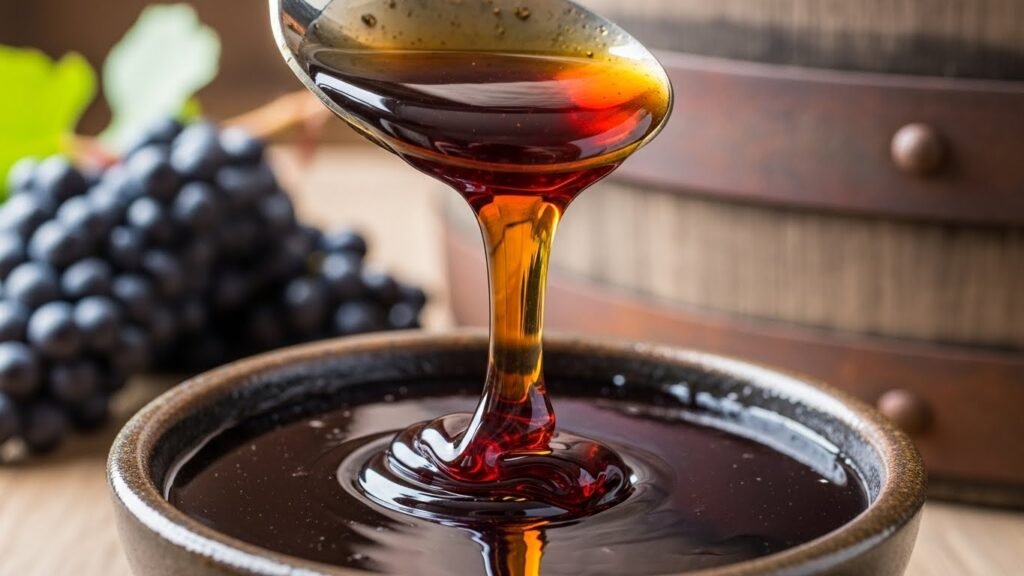
The first thing you will notice about musté is its slightly tangy taste. It has a very cool balance of being sour and sweet at the same time. The texture is often quite thick and almost like a heavy syrup. This thick consistency makes it perfect for many different types of recipes. You can use it in everything from salty sauces to sugary treats. It is a total game changer for anyone who loves to cook.
The Chemistry of Flavor: Why Musté Tastes Unique
The reason musté tastes so good is because of some very cool science. When things ferment, the tiny microbes break down parts of the food. This creates new flavors that were not there in the beginning. It is like a flavor makeover for your juice or grains. This science is what makes musté stand out from regular juices.
The Umami Factor
- Natural glutamates are created when proteins break down during the fermentation process.
- Flavor multiplier is a great way to describe how musté makes savory food pop.
- Depth of taste increases as the fermentation goes on for a longer time.
Volatile Aromatic Compounds
Musté has some very wild and fruity smells thanks to natural yeasts. These yeasts produce special scents that can be very sharp or very sweet. As musté ages, these smells start to get much smoother and more mellow. It is a lot like how a fine wine gets better with time. The smell is just as important as the taste when you use it.
The History and Cultural Significance of Musté
Musté has roots that go back hundreds and hundreds of years. It is a big part of the food history in many different lands. People used fermentation as a way to keep their food from rotting. This was super important before people had refrigerators in their homes. Musté helped families stay fed even when fresh food was hard to find.
Ancient Roots and Evolution
The history of musté is found in places like Italy, Asia, and Africa. Each of these regions had their own special way of making it. Ancient farmers used what they grew nearby to start the process. Over time, travelers brought new ideas and spices to the mix. This helped musté change and grow into many different styles. It is a true survivor of the culinary world.
Social Traditions and Symbolism
- Communal experience was a big part of making musté in small villages.
- Festivals and stories were shared as people gathered around big vats of juice.
- Fertility and abundance are often what musté stands for in old cultures.
- Ritualistic use means it was often served during big celebrations and ceremonies.
Regional Variations of Musté Across the Globe
Musté is not the same everywhere you go in the world. Different cultures use different ingredients to make their own version. This makes musté a very diverse and exciting ingredient to study. You can find it in fancy kitchens and humble homes alike. Each region puts its own special stamp on this fermented treat.
Mediterranean and European Traditions
In Italy and nearby areas, musté is often made from grape must. This is the juice left over from making wine for the season. People use it to make sweet syrups, marinades, and even desserts. It has moved from simple farms to very fancy gourmet restaurants. European musté is known for being very rich and full of flavor.
East Asian Adaptations
In East Asia, musté is often used as a base for stews. It also plays a big role in making fermented pickles. The flavors here are usually very tangy and quite sour. It adds a special kick that you cannot get from regular vinegar. Asian musté is a key secret to many famous regional dishes.
African Heritage
- Local grains like millet, sorghum, and maize are used to make musté.
- Thick pastes are created to add nutrition and flavor to soups.
- Ceremonial drinks are often brewed from these fermented grains for parties.
The Americas and Indigenous Methods
In the Americas, musté often uses tropical fruits like guava or passion fruit. Indigenous people have their own special ways of fermenting these sweet fruits. It is used in fresh dishes like ceviche to balance the seafood. The result is a very bright and refreshing flavor profile. It shows how well musté works with the local flavors of the land.
The Science and Process of Fermenting Musté
Fermenting musté is a very cool natural process that takes some time. It is all about giving tiny microbes the right home to live in. When you do it right, you get a tasty and healthy product. If you do it wrong, it might just turn into a mess. Understanding the science helps you make the best musté possible.
The Fermentation Journey
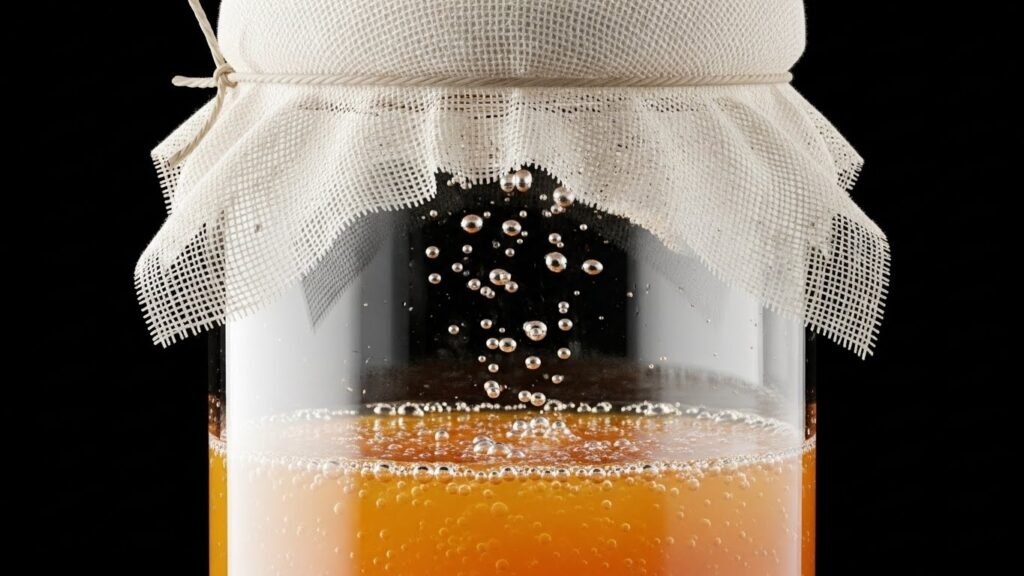
The journey starts with picking the best and freshest ingredients possible. You need things with a lot of natural sugar in them. Natural yeasts on the fruit skins start eating the sugar right away. They turn that sugar into carbon dioxide and a little alcohol. This is why you might see little bubbles in the mixture. It is the sound of the musté coming to life.
Controlled Transformation
- Temperature control is super important for getting the right aroma and taste.
- Lactic acid is made by good bacteria to give it that tangy bite.
- Desired timeline can be a few days or even many weeks long.
- Microbial safety is managed by the acid that forms during the process.
Health and Nutritional Benefits of Consuming Musté
Musté is really good for your body in many different ways. Because it is fermented, it is full of living good stuff. Eating musté can help your body work much better than before. It is a great way to get more nutrition into your daily diet. Most people feel better when they eat fermented foods like musté.
Gut Health and Digestion
Musté is a total powerhouse when it comes to probiotics for you. These are good bacteria that live in your stomach and help you. They make it much easier for your body to digest food. Musté also has enzymes that help break down tough fibers and sugars. It keeps your gut microbiome happy and very well balanced.
Immunity and Nutrient Density
- Vitamins and minerals become much more concentrated during the fermentation process.
- Bioavailability means your body can absorb these nutrients much easier than before.
- Antioxidants in musté help protect your cells from getting damaged or sick.
- Reduced inflammation is a major benefit for people with chronic health issues.
Mental Wellness
There is a very cool link between your gut and your brain. Fermented foods like musté can actually help you feel much happier. Some studies show that it might even help your brain think clearer. It is all about that gut-brain communication that happens every single day. Taking care of your stomach is a great way to help your mind.
Culinary Uses of Musté in Different Cuisines

You can use musté in so many different ways when you cook. It is one of the most versatile tools you can have. It adds a layer of flavor that regular spices just cannot do. Whether you are making dinner or a snack, musté can help. It is all about being creative and trying new things out.
Savory and Main Dishes
In Mediterranean cooking, musté is great for making salad dressings pop. It adds a deep flavor to sauces used for pasta or meat. In Asian kitchens, it is a secret weapon for stir-fries. It also makes a wonderful marinade that makes meat very tender. You only need a little bit to make a big difference.
Baking and Experimental Cooking
- Bread dough gets a cool texture and a tangy taste from musté.
- Sweet glazes made from musté are perfect for topping cakes or fruit.
- Unexpected twists can be found by adding it to regular baked goods.
- Savory pastries also benefit from the deep umami flavor of musté.
Advanced Culinary Techniques: Musté in Modern Gastronomy
Fancy chefs are doing some really wild things with musté today. They use science to change how it looks and feels. This is part of what people call molecular gastronomy in cooking. It takes the old tradition and makes it feel very new. It is a very exciting time to be a musté fan.
Molecular Gastronomy Applications
- Musté spheres look like little caviar pearls but taste like fermented juice.
- Light foams can be made to put on top of fish or vegetables.
- Airy textures are created using special tools and musté liquid.
The Art of Reducing Musté
You can simmer musté on the stove to make it very thick. This process is called making a reduction or a glace. It makes the flavor very intense and almost like a candy. You have to be careful not to let it get too hot. If it gets too hot, it might start to taste bitter.
Popular Beverages Made from Musté

Musté is not just for eating; it is for drinking too. It makes a great base for many refreshing and fun drinks. You can make things that are sweet or things that are tart. Drinks made with musté are often much healthier than regular sodas. They are perfect for sharing with friends at a party.
- Musté wine is a classic drink that captures the essence of grapes.
- Musté soda is a fizzy and fun option for a very hot day.
- Musté sangria uses fruit and spices to make a very social drink.
- Musté tea is a unique way to enjoy a warm and healthy cup.
How to Make Musté at Home: A Step-by-Step Guide

Making your own musté at home is a very rewarding project. You get to see the magic of fermentation happen right before you. It is much easier than most people think it would be. You just need some fresh ingredients and a little bit of patience. Soon, you will have your very own batch to use.
- Prepare your base by washing and crushing your grapes or grains well.
- Start the process by adding your yeast to the fresh juice or paste.
- Cover it up with a clean cloth that lets the air move through.
- Let it rest in a cool and dark place for about two weeks.
- Watch for bubbles because that means the fermentation is working great.
- Strain and bottle the liquid to let it age for one more week.
Hearty Grain-Based Musté Soup
This soup utilizes the thick, nutrient-dense paste of grain-based Musté, which is a staple in many African culinary traditions. It provides a deep umami flavor and a significant nutritional boost to the meal.
- Prepare the base by sautéing onions, garlic, and your choice of vegetables in a large pot.
- Add the liquid such as vegetable or meat broth to the pot and bring it to a gentle simmer.
- Whisk in the Musté by adding several spoonfuls of your fermented grain paste.
- Simmer together for about 10 to 15 minutes to allow the flavors to meld and the soup to thicken naturally.
- Final seasoning should be done at the very end of cooking to preserve the flavor profile of the Musté.
Sweet Fruit-Based Musté Glaze for Baking
Fruit-based Musté is famous for its cool balance of sour and sweet, making it a game-changer for desserts and baked goods. This glaze is perfect for topping cakes, pastries, or fresh fruit.
- Start with fruit Musté by placing about one cup of your fermented grape or fruit liquid into a small saucepan.
- Simmer on low heat to slowly reduce the liquid into a thick, syrupy consistency known as a glace.
- Monitor the temperature carefully because if the mixture gets too hot, it may start to taste bitter.
- Cool slightly before drizzling the reduction over your favorite cake or bread dough creations.
- Serve and enjoy the unique, tangy twist that only a fermented glaze can provide to sugary treats.
Nutritional Comparison of Grape-Based and Grain-Based Musté
| Feature | Grape-Based Musté | Grain-Based Musté |
| Primary Ingredients | Grapes or other sweet fruits. | Millet, sorghum, or maize. |
| Main Nutrient Focus | High in antioxidants and vitamins from fruit. | High in fiber and complex carbohydrates. |
| Sugar Content | Naturally higher initial sugars, reduced by fermentation. | Lower initial sugars; focus is on starch breakdown. |
| Texture | Often a heavy, syrupy liquid. | Typically a thick, nutrient-dense paste. |
| Common Uses | Sweet syrups, marinades, and desserts. | Nutritional base for soups and stews. |
Nutritional Profiles and Benefits
Grape-Based Musté
- Antioxidant Power: Fruit-based versions are packed with antioxidants that help protect your body’s cells from damage.
- Bioavailable Vitamins: The fermentation process makes vitamins from the fruit much easier for your body to absorb.
- Energy Source: While sugars are reduced during fermentation, fruit-based musté provides a quick source of natural energy.
- Heart Health: Natural compounds found in grape skins often carry over into the musté, supporting cardiovascular wellness.
Grain-Based Musté
- Digestive Fiber: Because it is made from grains like millet or sorghum, it is excellent for breaking down tough fibers in the gut.
- Mineral Density: Grains provide essential minerals that become more concentrated during the fermentation journey.
- Complex Nutrition: Grain-based pastes are often used to add significant nutritional “bulk” to traditional soups.
- B-Vitamin Source: Fermented grains are a well-known source of B-vitamins, which are vital for energy metabolism.
Shared Benefits of Both Types
- Probiotic Strength: Both versions act as a powerhouse for good bacteria that keep your stomach balanced.
- Enzymatic Aid: Both types contain enzymes that assist your body in digesting food more efficiently.
- Immune Support: The concentrated nutrients in both grape and grain musté help strengthen the body’s natural defenses.
- Anti-Inflammatory: Consuming these fermented products can help reduce inflammation in the body.
Troubleshooting Your Home Fermentation
Identifying a Healthy Batch
- The Scent Test: A healthy batch should smell tangy, fruity, or slightly like yeast.
- Visual Signs: You should see little bubbles in the mixture, which is the sound of the Musté coming to life as the yeast eats the sugar.
- Active Fermentation: Monitoring the bubbling activity is the best way to know the fermentation is working great.
Common Issues and Solutions
The Batch Has Fuzzy Growth
- What it means: If you see fuzzy mold growing on the surface, the batch has been contaminated.
- The Solution: It is always safer to discard the batch and start over rather than trying to save it.
- Prevention: Always use a clean spoon to keep it from getting dirty and ensure your vessel is glass or ceramic.
The Musté Smells Like Rotten Eggs
- What it means: This is a sign of contamination or that the natural yeasts are stressed.
- The Solution: Unfortunately, this batch has gone bad and should be discarded.
- Prevention: Keep the vessel in a cool and dark place; direct sunlight can kill the beneficial yeasts by making the temperature rise too high.
There is No Bubbling Activity
- What it means: The fermentation has not started, often due to preservatives or temperature issues.
- The Solution: Check if you used store-bought juice with preservatives like potassium sorbate, which are designed to stop fermentation.
- Prevention: Always use fresh, organic ingredients or juice without additives to get good results.
The Liquid is Too Fizzy or Smells Harsh
- What it means: If it gets too fizzy or starts smelling bad after the initial period, it might be over-fermented.
- The Solution: Move the Musté to the refrigerator immediately; the cold helps slow down the process and keep it from “turning”.
- Prevention: Follow the desired timeline of about two weeks for the initial rest before bottling.
The Flavor is Bitter Instead of Tangy
- What it means: This often happens during the reduction process if the heat was too high.
- The Solution: Unfortunately, bitterness from overheating cannot be reversed once it occurs.
- Prevention: When simmering Musté to make a thick glace, you must be very careful not to let it get too hot.
Sustainability and the Zero-Waste Movement
Musté is a very eco-friendly ingredient to make and use. It helps people use up food that might have been thrown away. In a world that wastes a lot, musté is a smart choice. It is a great example of how old ways can help the planet. Sustainable cooking is the future for everyone who loves food.
Upcycling Food Byproducts
You can use “ugly” or bruised fruit to make a great musté. This keeps that fruit from ending up in a trash can. Even the leftover solids can be used as food for animals. They also make a very good fertilizer for your garden plants. It is a true zero-waste way to feed your family well.
Reducing the Carbon Footprint
Fermenting food takes very little energy compared to big factories. You do not need to use a lot of heat or power. It is a very natural and low-impact way to preserve your food. This makes musté a very green choice for your modern kitchen. Every little bit helps when it comes to the environment.
The Commercial Market: Sourcing and Selection
If you do not want to make it, you can buy musté too. More and more stores are starting to carry it on shelves. You just need to know what to look for when you shop. Quality can vary a lot between different brands and types. Being a smart shopper will help you get the best taste.
How to Buy High-Quality Musté
- Check the label for “live cultures” to make sure it is still healthy.
- Avoid pasteurized versions if you want the full probiotic health benefits.
- Look for regional status like “AOC” to find very authentic traditional brands.
- Check for additives and try to find musté with no extra chemicals.
Storage and Shelf Life
You should keep your musté in a cool and dark place. The refrigerator is usually the best spot for your open bottles. If you see it getting too fizzy or smelling bad, it might be over-fermented. Most musté will stay good for a very long time if kept cold. Always use a clean spoon to keep it from getting dirty.
Conclusion: Embracing the Legacy of Musté
Musté is truly more than just a simple thing you eat . it is a bridge that connects us to our very old ancestors. It shows us how to be creative and healthy at the same time. Using musté is a great way to engage more with your food. It turns every meal into a little bit of a journey.
The culinary world is full of amazing things to discover every day. Musté is one of those gems that stays with you forever. It inspires new recipes and starts great talks about heritage. So why not take the plunge and try it out today? You might just find your new favorite way to cook and eat.
| Feature | Benefit of Musté |
| Probiotics | Supports a healthy and happy gut |
| Antioxidants | Helps protect your body from getting sick |
| Flavor | Adds a deep and tangy kick to any dish |
| Eco-Friendly | Reduces food waste and uses less energy |
FAQs
What is the shelf life of homemade musté?
Homemade musté can typically last for several months if it is stored in a cool, dark place like a refrigerator. The high acidity and natural fermentation process act as a preservative that keeps it fresh for a long time. Always ensure the container is sealed tightly to prevent unwanted mold from forming.
Can musté be made from vegetables instead of fruits or grains?
While musté is traditionally made from fruits like grapes or grains like millet, it is possible to use tubers or starchy vegetables. Some cultures use maize or other tubers as a base for their fermented pastes. The key is ensuring the vegetable has enough natural starch or sugar to fuel the yeast.
Does the fermentation of musté require sunlight?
No, the fermentation of musté should actually happen in a shaded or dark area. Direct sunlight can cause the temperature to rise too high, which might kill the beneficial natural yeasts. Keeping it in a cool, dark spot ensures a steady and healthy fermentation journey.
What is the difference between grape must and musté?
Grape must is the freshly crushed juice that contains the skins and seeds, often used as a starting point. Musté refers to the product once it has undergone a specific fermentation process to become a culinary ingredient or beverage base. Musté has a more complex flavor profile and higher probiotic content than raw must.
Can musté be used as a leavening agent for bread?
Yes, musté can be incorporated into bread dough because it contains active natural yeasts and bacteria. It helps the dough rise while adding a unique tangy flavor and improving the texture of the bread. Many traditional bakers use it to give their loaves an artisanal touch.
Is musté high in sugar after fermentation?
The sugar content in musté drops significantly during the fermentation process. The microorganisms eat the natural sugars and convert them into alcohol, carbon dioxide, or organic acids. This results in a final product that is much lower in sugar than the original fruit juice.
Can I use store-bought juice to make musté at home?
It is possible, but you must ensure the juice does not contain preservatives like potassium sorbate. Preservatives are designed to stop fermentation, which would prevent your musté from developing. Using fresh, organic juice with natural yeasts is always the best way to get good results.
What kind of vessel is best for fermenting musté?
Glass or ceramic vessels are the best choices for making musté. These materials do not react with the acids produced during the fermentation process. Avoid using reactive metals like aluminum, as they can change the flavor and safety of the ingredient.
Does musté contain gluten?
Musté made from grapes or other fruits is naturally gluten-free. However, versions made from grains like barley or wheat would contain gluten. If you have a gluten sensitivity, you should stick to musté made from millet, sorghum, or fruits.
How do I know if my musté has gone bad?
A healthy batch should smell tangy, fruity, or slightly like yeast. If you see fuzzy mold growing on the surface or if it smells like rotten eggs, the batch has been contaminated. When in doubt, it is always safer to discard the batch and start over.
Can musté help with lactose intolerance?
While musté itself does not contain dairy, the probiotics it provides can improve overall digestive health. A healthy gut microbiome can sometimes make it easier for the body to process various types of food. It is a great alternative for those looking for probiotics without eating yogurt.
Is musté safe for pregnant women?
Traditional musté may contain trace amounts of alcohol due to the sugar conversion process. Pregnant women should consult with a doctor before adding homemade fermented products to their diet. Commercial versions are often tested for alcohol content and may be safer.
Why is musté called a “bioactive” ingredient?
It is called bioactive because it contains living microorganisms and enzymes that are active in your body. These compounds can help with nutrient absorption and support your immune system. These active parts are what provide the many health benefits associated with the ingredient.
Can musté be used in skincare?
Some people use fermented ingredients like musté because of their antioxidant and acid content. The organic acids can act as a natural exfoliant, while the vitamins help nourish the skin. However, it is primarily used as a culinary ingredient and should be tested on a small area first.
How does musté compare to apple cider vinegar?
Both are fermented liquids, but musté typically has a thicker consistency and a more complex flavor. While vinegar is mostly acetic acid, musté contains a wider range of flavors from the original fruit or grain. Musté is often used more as a sauce base or beverage than a simple acid.
Can you cook musté, or does heat ruin it?
You can cook with musté, but high heat will kill the live probiotics. If you want the health benefits of the bacteria, it is best to add it to dishes at the end of cooking. For flavor development in stews or sauces, cooking it is perfectly fine.
Does musté help with hydration?
When used as a beverage base, musté can be very refreshing. Because it is often mixed with water or soda, it helps with fluid intake. The minerals present in the fermented juice can also provide some electrolytes to the body.
What are “lees” in the context of musté?
Lees are the sediment or solids that settle at the bottom of the fermentation vessel. They consist of dead yeast cells and leftover bits of fruit or grain. In a zero-waste kitchen, these can be used as fertilizer or even as a flavor starter for a new batch.
Is musté expensive to buy?
Artisanal or traditionally made musté can be more expensive than mass-produced condiments. This is because the fermentation and aging process takes a lot of time and care. Making it at home is a very economical way to enjoy high-quality musté for a low cost.
Can I use musté in a vegan diet?
Yes, musté is an excellent addition to a vegan diet. It provides a deep “umami” flavor that is often hard to find in plant-based cooking. It is also a great vegan source of probiotics and B vitamins.