 Skip to content
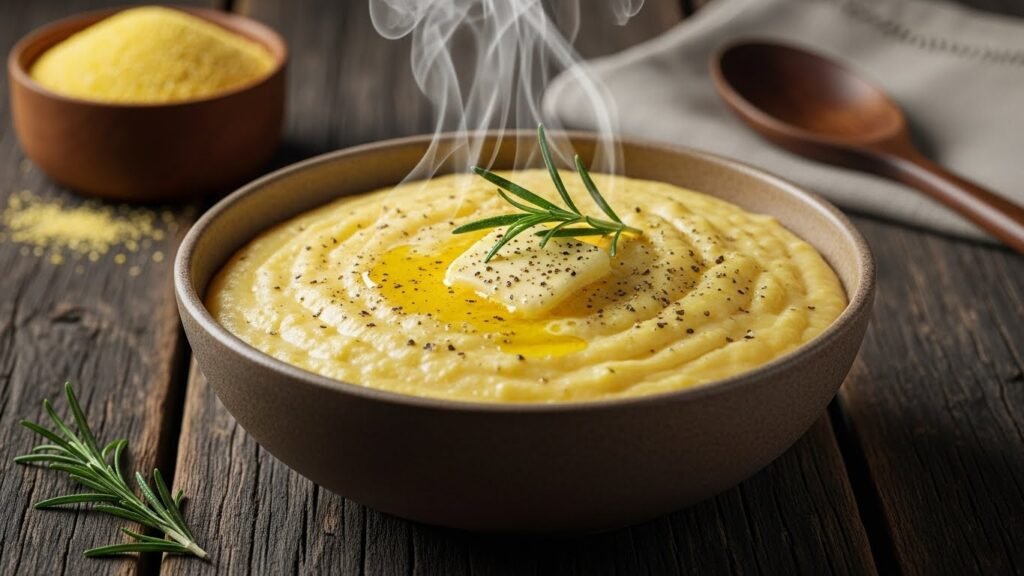
Palentu is a dish that feels like a warm hug in a bowl. It is a simple meal made from boiled cornmeal that tastes amazing. People all over the world love this golden porridge for its creamy texture. You might know it as polenta or grits depending on where you live. This dish is the perfect example of how basic grains can become a masterpiece. It brings a sense of home and comfort to any kitchen table.
Introduction to Palentu
Palentu is much more than just a yellow mush on a plate. It is a hearty food that fills your belly and makes you happy. You make it by mixing cornmeal with boiling water or milk. This creates a smooth and thick base for many different flavors. It is a versatile dish that works for breakfast, lunch, or dinner. You can serve it soft or wait for it to get firm.
This dish is a big part of cultural tradition in many places. It represents a deep connection to the land and local history. Families have eaten this for hundreds of years to stay strong. It is a soul food that brings a rustic feel to your home. Even today, it remains a favorite for people who want authentic flavors.
The global appeal of palentu is truly something special to see. It transcends borders and unites different types of cooking styles. You can find it in fancy restaurants and small country homes. It is cheap to make but tastes like a million bucks. This makes it a staple food for everyone, no matter their budget.
The History and Origins of Palentu
From Humble Beginnings to Noble Tables
Palentu started as a peasant food for people working the land. It was a cheap way to feed a large family. In the old days, people used whatever grains they had. They would cook it over a big wood-burning fire. This gave the meal a smoky and rich flavor profile.
Before corn arrived, people made similar porridges with ancient grains. They used things like spelt, rye, and even buckwheat. These grains were common in Europe for a very long time. The texture was a bit different than what we eat now. However, the idea of a warm grain bowl was already there.
The maize revolution changed everything for this traditional recipe. Explorers brought corn back from the Americas in the 1500s. This new crop grew very well in European soil. It soon replaced the older grains as the main ingredient. This led to the bright yellow palentu we love today.
A Global Traveler: Regional Names and Identities
- Italy: In Northern Italy, it is famous as polenta. It is a main part of the Mediterranean diet there.
- The Balkans: People call it palenta, pura, or kačamak in these areas. It is a deep part of their rural traditions.
- Romania and Moldova: Here, it is known as mamaliga. It often acts as a substitute for bread at dinner.
- Africa and Beyond: Many African countries have similar dishes like ugali or sadza. These are also made from cornmeal and eaten daily.
Key Ingredients: The Anatomy of a Perfect Dish
The Foundation: Grains and Base Starches
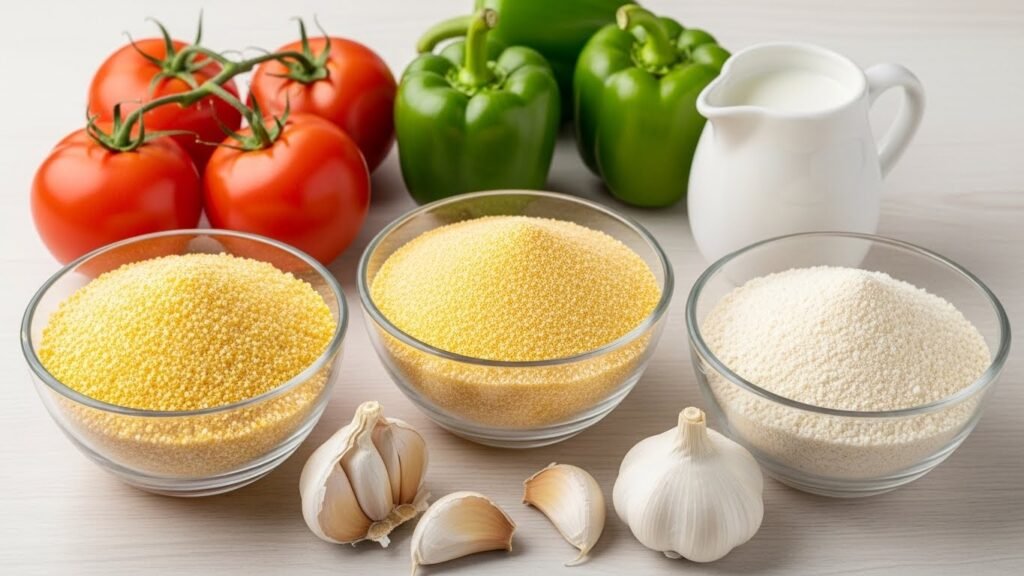
The most important part of palentu is the cornmeal you choose. Yellow cornmeal is the most common type used today. You can also find white cornmeal for a lighter taste. Some people prefer coarse ground for a bit of crunch. Fine ground meal makes the dish feel very silky and smooth.
In some places, the base starch might change a bit. You might see rice or wheat-based versions in some kitchens. These variations offer a different mouthfeel and flavor. However, corn remains the king of the traditional palentu world. Using fresh ingredients is the key to getting it right.
The Flavor Builders: Proteins and Vegetables
You can make your palentu a full meal with proteins. Adding meat, poultry, or fish makes it very filling. Legumes like beans or lentils are great for a healthy diet. These proteins give the dish a hearty and satisfying texture. It turns a simple porridge into a feast for everyone.
Vegetables add a lot of color and extra vitamins. Fresh tomatoes, onions, and peppers are perfect choices. You can also stir in leafy greens for a boost. Locally sourced produce always tastes the best in this dish. These additions make the meal look and taste very vibrant.
Aromatics and Liquids
- Spices and Herbs: Using cumin, coriander, and turmeric adds an aromatic flavor. Local herbs also help create a unique regional taste.
- The Liquid Gold: You can use boiling water for a simple taste. Using milk or meat stock makes the palentu much richer. Vegetable stock is another great way to add deep flavor.
The Art of Preparation: Traditional and Modern Methods
The Traditional Slow-Cook Method
Cooking palentu the old-fashioned way takes a bit of time. Traditionalists love using a large copper pot called a paiolo. This pot helps the heat spread out very evenly. Slow-cooked cornmeal develops a deep and nutty flavor. It is a labor of love that tastes much better.
The secret is to keep stirring the mixture constantly. This prevents lumps from forming in the golden porridge. You must get the water-to-meal ratio just right. A good rule is four parts liquid to one part cornmeal. This ensures the consistency is perfect and never too dry.
Modern Innovations and Efficiency
If you are in a hurry, you can use instant polenta. This is pre-cooked so it only takes a few minutes. It is a great choice for a quick weekday meal. While the flavor is lighter, it is still very yummy. Modern kitchens love this convenience for a fast dinner.
You can also control the texture very easily these days. If you want it creamy, add more liquid at the end. For a firm version, let it sit and cool down. Once it is firm, you can cut it into shapes. This makes it fun to eat in different ways.
Step-by-Step Culinary Process
- Preparing the Base: Start by boiling your water or stock with salt. Slowly whisk in the cornmeal until it starts to thicken.
- Sautéing the Extras: While that cooks, sauté your meat and vegetables in butter. This builds up a lot of extra flavor for the dish.
- The Melding Process: Mix everything together and let it simmer on low heat. This allows the aromatic spices to soak into the grain.
Varieties and Regional Adaptations
Dietary-Specific Variations
- Vegetarian and Vegan Palentu: You can use olive oil instead of butter. Focus on using mushrooms and legumes for a protein-rich meal.
- Meat-Based Powerhouses: This version uses chicken, beef, or savory sausage. It is a very satisfying meal for a cold winter day.
Bold and Unique Styles
Some people like their palentu with a spicy kick. You can add hot peppers or bold regional spices. This creates a vibrant flavor that wakes up your tongue. It is a great way to put a modern twist on it. Many modern chefs love experimenting with these bold heat levels.
You can also change the structure of the dish entirely. Some recipes call for steaming the meal until it is soft. Others like to bake it in the oven for a crust. You can even fry it to make it crispy on the outside. These different textures make every bite a new experience.
I would love to share those regional recipes with you. These dishes show how different cultures take the same base of cornmeal and turn it into something unique. Just like the main guide, these are easy to follow and focus on that delicious palentu flavor.
Balkan Kačamak: The Mountain Comfort Dish
Kačamak is a thick, hearty version of palentu from the Balkan mountains. It is famous for being very heavy and filling for a long day of work. Traditionally, it is served right out of the pot for everyone to share.
Ingredients for Kačamak
- Yellow cornmeal: Use a coarse grind for the best rustic texture.
- Water and salt: This forms the simple boiling base.
- Kajmak or butter: This adds a rich, creamy fat to the mix.
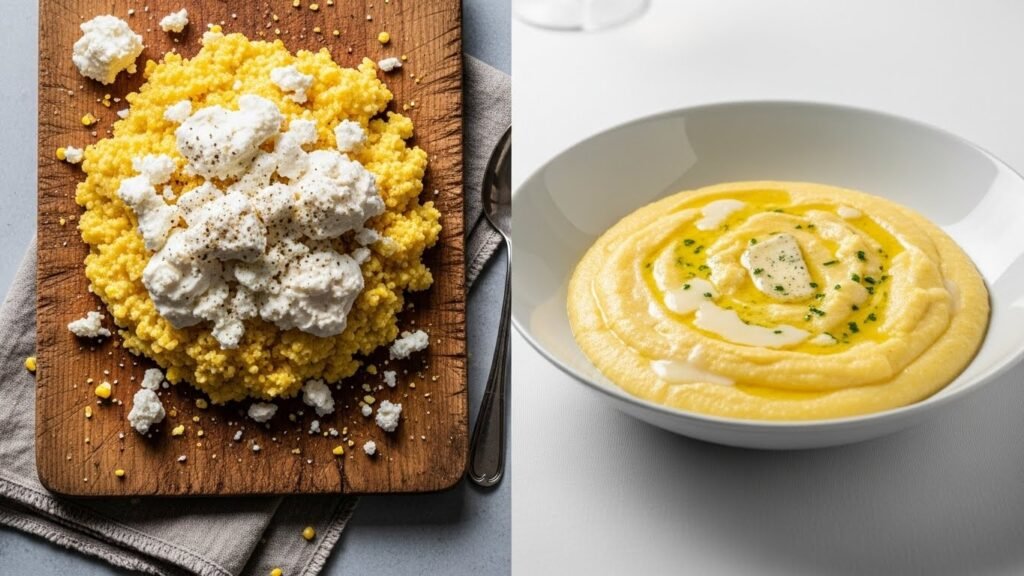
- Feta cheese or crushed white cheese: This provides a salty kick.
- Potatoes (Optional): Some regions boil potatoes first and mash them into the cornmeal.
How to Make Authentic Kačamak
- Boil the water: Start with salted water in a large pot.
- The “Well” Method: Pour the cornmeal in a heap in the center of the boiling water.
- Create a hole: Use a wooden spoon to make a hole in the middle of the meal heap.
- Slow cook: Let it boil like this for about 20 to 30 minutes without stirring.
- The big stir: Drain some water and stir vigorously until it is thick and smooth.
- The topping: Stir in the kajmak and cheese while it is still steaming hot.
Italian Polenta Concia: The Cheesy Northern Delight
Polenta concia is a luxury version of palentu from Northern Italy. It is known for using a massive amount of local mountain cheeses. It is the ultimate winter meal for staying warm in the Alps.
Ingredients for Polenta Concia
- Cornmeal: Usually a fine or medium yellow grind.
- Fontina or Gorgonzola cheese: These melt perfectly into the porridge.
- Butter: You need a generous amount to make it silky.
- Parmesan cheese: This adds a sharp, savory finish.
- Milk or water: Using half milk makes the base even creamier.
How to Make Perfect Polenta Concia
- Cook the base: Prepare your palentu using the traditional slow-cook method.
- Keep it soft: Make sure the consistency is creamy and not too firm.
- Add the fat: Once cooked, stir in the butter until it disappears.
- Layer the cheese: Turn off the heat and fold in cubes of Fontina or Gorgonzola.
- Let it melt: Cover the pot for two minutes so the cheese gets gooey.
- Serve: Top with extra Parmesan and serve immediately in warm bowls.
Comparison of Regional Flavors
| Feature | Balkan Kačamak | Italian Polenta Concia |
| Primary Fat | Kajmak or Lard | Butter |
| Cheese Type | Feta or Hard White Cheese | Fontina or Gorgonzola |
| Texture | Very Thick and Heavy | Creamy and Silky |
| Common Side | Yogurt or Sour Cream | Braised Meats or Stew |
Pro Tips for Both Recipes
- Quality Cheese: Always use fresh, high-quality cheese for better melting.
- Warm the Bowls: Serving palentu in cold bowls makes it get firm too fast.
- Don’t Rush: The longer you cook the grain, the better it digests.
Culinary Versatility: Serving and Pairing Suggestions

Savory Pairings and Toppings
In the Balkans, people love to top palentu with dairy. Sour cream, yogurt, and feta cheese are classic choices. You can also use kajmak for a very rich meal. These toppings add a tangy and creamy layer of flavor. It makes the dish feel very special and authentic.
Palentu also works perfectly as a base for heavy sauces. A rich meat sauce or ragù is a traditional favorite. You can also pour mushroom stews right over the top. It soaks up the juices like a delicious sponge. This makes it a great side dish for any roast.
- The “Fries” Trend: Let your palentu get very firm and cold. Slice it into long sticks and fry them until golden. These make the best gluten-free fries for a snack.
Sweet Interpretations
You can also enjoy palentu as a sweet breakfast treat. Just add some honey, milk, and a little cinnamon. Some people like to throw in dried fruits or nuts. It is a warm and healthy way to start your day. This version is very popular with kids and families.
Modern bakers are now using cornmeal in their dessert recipes. It makes cakes and muffins have a unique crumbly texture. This is a perfect trick for making gluten-free sweets. It adds a rustic taste that you cannot get with flour. It is a great way to use this grain differently.
Nutritional Profile and Health Benefits
Palentu is a fantastic choice for a healthy diet today. It is naturally gluten-free, so it is safe for many people. This makes it a great staple for sensitive stomachs. You can enjoy it without worrying about any gluten issues. It is a clean and simple food for everyone.
This dish is packed with complex carbohydrates for energy. It keeps you feeling full for a long time. This helps you stay active and strong all day. It is a great energy source for busy people and kids. You get a steady burn of fuel from every bowl.
- Micronutrient Density: It contains essential vitamins like Vitamin A. You also get minerals such as magnesium and iron. The fiber in the cornmeal helps with healthy digestion.
The Cultural Significance of Palentu
Palentu is a huge symbol of hospitality in many cultures. Serving a big pot of it shows you care for guests. It is a meal meant to be shared with friends. This tradition helps people stay close and build bonds. It is the heart of many social activities.
Making palentu is often a collaborative process for the family. Everyone can help with the chopping and the stirring. This group effort makes the meal taste even better. It is a way for elders to teach kids about history. These moments create lasting memories around the kitchen table.
You will almost always find palentu at big festivals. It is a main dish for weddings and community events. These celebrations often feature regional recipes for the dish. It represents the heritage of the people who live there. It is a true celebration of local culture and food.
Professional Tips for the Perfect Result
The best palentu starts with high-quality ingredients you find. Try to find locally sourced cornmeal if you can. Fresh vegetables and proteins make a huge difference in taste. Using fresh herbs will give it a better aroma. Quality always shows through in the final dish.
- Spice Balancing: Start with a little bit of spice and taste. You can always add more to match your preference. Try to keep the traditional flavor profile as a guide.
- Patience in Cooking: Do not rush the simmering process at all. Cooking it slowly allows all the flavors to develop. This gives you that professional mouthfeel you want.
Palentu in Modern Global Cuisine
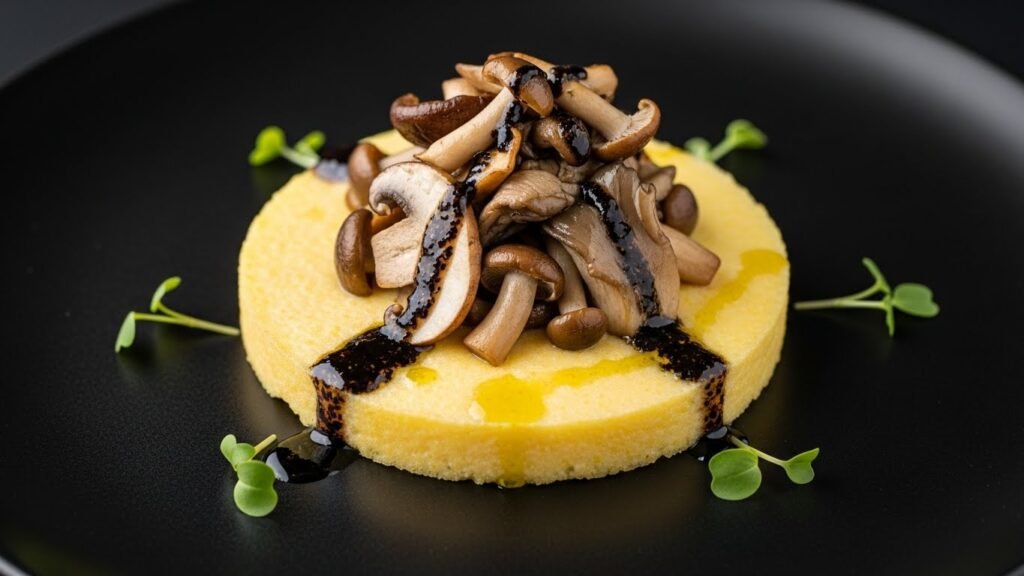
It is amazing to see palentu in modern cuisine lately. Many famous chefs are putting it on their menus. They use it to show off authentic and rustic flavors. You might find it topped with fancy oils or cheeses. It has moved from the farm to the city.
The dish is also changing to meet new health needs. You can find low-fat versions in many healthy restaurants. Chefs are creating new vegan and plant-based interpretations too. This ensures that the dish stays relevant for everyone. It is a food that keeps growing with the times.
| Feature | Traditional Palentu | Modern Palentu |
| Cook Time | 45-60 minutes | 5-10 minutes (Instant) |
| Pot Used | Copper Paiolo | Stainless Steel or Microwave |
| Common Topping | Lard or Kajmak | Truffle Oil or Microgreens |
| Diet Focus | High Energy for Labor | Gluten-Free and Low-Fat |
Conclusion: Embracing the Legacy
Palentu is a timeless dish that celebrates simple things. It proves that you do not need much to be happy. This golden grain has a long and rich history. It connects us to the past while tasting great today. It is a true legacy of global culinary tradition.
I invite you to explore this dish in your kitchen. Try different toppings and find your favorite style. Whether you like it creamy or fried, it is great. Embracing palentu means embracing a world of flavor and home. It is a hearty meal that will never let you down.
Frequently Asked Questions
Is palentu the same thing as polenta?
Yes, they are essentially the same dish made from cornmeal. The name usually depends on the region where it is made.
Can I make palentu without a copper pot?
Absolutely, you can use any heavy-bottomed pot you have. Just make sure to stir it often so it stays smooth.
Is palentu good for weight loss?
It can be if you use water and lots of vegetables. It is very filling, which helps you eat less overall.
What exactly is the maize revolution?
The maize revolution occurred when explorers brought corn back from the Americas in the 1500s. This new crop grew well in European soil and replaced older grains like spelt and rye as the main ingredient for porridge.
Can I use white cornmeal instead of yellow?
Yes, you can find white cornmeal for a lighter taste. While yellow is more common, corn remains the primary grain for traditional versions.
How does the grind of the cornmeal affect the dish?
Coarse ground cornmeal provides a bit of crunch. Fine ground meal makes the dish feel very silky and smooth.
What is the traditional liquid-to-meal ratio?
A good rule is four parts liquid to one part cornmeal. This ensures the consistency is perfect and never too dry.
Why is constant stirring necessary?
Stirring is the secret to preventing lumps from forming in the golden porridge. It ensures a smooth and thick base.
What is a paiolo?
A paiolo is a large copper pot favored by traditionalists for cooking cornmeal. It helps the heat spread out very evenly.
Can palentu be served as a bread substitute?
Yes, in Romania and Moldova, the version known as mamaliga often acts as a substitute for bread at dinner.
How long does traditional palentu take to cook?
Traditional palentu typically requires 45 to 60 minutes of cooking time.
Is there a faster way to prepare it?
If you are in a hurry, you can use instant polenta, which is pre-cooked and only takes 5 to 10 minutes.
Can I bake or fry palentu?
Yes, you can bake it in the oven for a crust or fry it to make it crispy on the outside.
What are palentu fries?
You let the dish get firm and cold, then slice it into long sticks and fry them until golden. These are a great gluten-free snack.
Is palentu suitable for vegans?
Yes, you can make a vegan version by using olive oil instead of butter and focusing on mushrooms and legumes for protein.
What nutrients are found in palentu?
It contains essential vitamins like Vitamin A and minerals such as magnesium and iron. It is also packed with complex carbohydrates.
How does palentu help with digestion?
The fiber found in the cornmeal helps with healthy digestion.
What is the significance of palentu at weddings?
It is often a main dish for weddings and community events, representing the heritage and local culture of the people.
Can palentu be used in desserts?
Modern bakers use cornmeal in dessert recipes for cakes and muffins to create a unique crumbly texture.
What are common Balkan dairy toppings?
In the Balkans, people love to top the dish with sour cream, yogurt, feta cheese, or kajmak.