 Skip to content
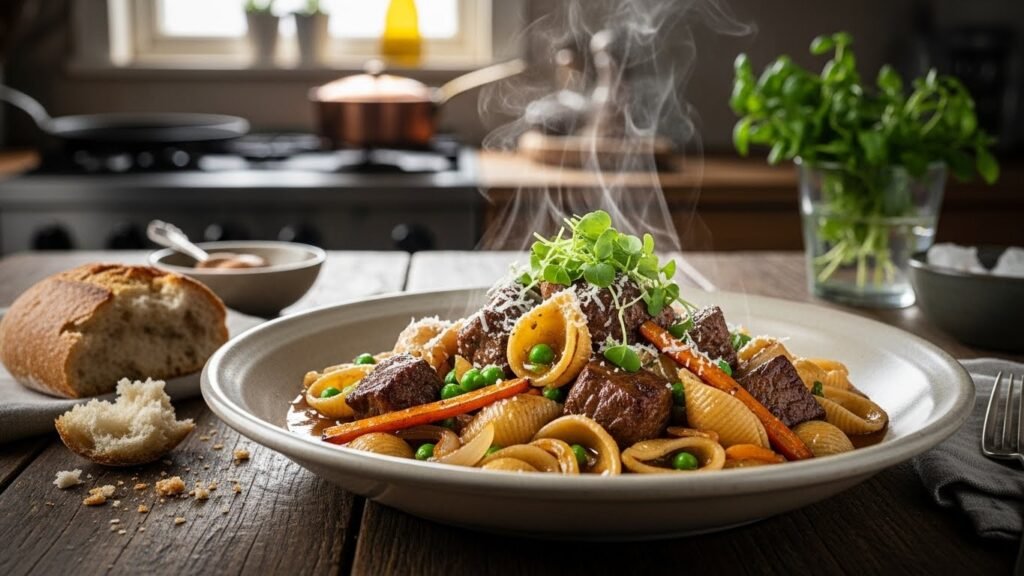
Pizokeelio is the ultimate comfort food for anyone who loves a warm and satisfying meal. This dish brings people together with its rich flavors and simple roots. You can make it at home easily if you follow the right steps. It is all about finding the perfect balance between your favorite proteins and starches.
Introduction to Pizokeelio: A Culinary Masterpiece
Defining Pizokeelio
Pizokeelio is a unique dish that mixes cozy vibes with high-end taste. It is not just a meal but a full experience for your mouth. Most folks describe it as a hearty fusion that feels like a hug in a bowl. It uses basic pantry items to create something truly special and tasty.
Cultural Roots and Origins
The story of pizokeelio starts in small kitchens where home cooks used what they had. It comes from a tradition of making big meals for big families. This heritage is all about sharing love through simple and honest food. It has traveled through generations while keeping its soul very much alive.
The Appeal of Pizokeelio
People love pizokeelio because it fits any mood or event. You can serve it at a fancy dinner or a chill Sunday lunch. It smells amazing and fills the whole house with a warm scent. Even picky eaters usually find something to love in this dish.
The Sensory Experience
When you see a bowl of pizokeelio, you notice the bright colors first. The steam carries hints of garlic and fresh herbs to your nose. Every bite offers a mix of soft and slightly crunchy textures. It leaves a lingering savory taste that makes you want more.
The Science of Flavor: Why Pizokeelio Works
The Maillard Reaction
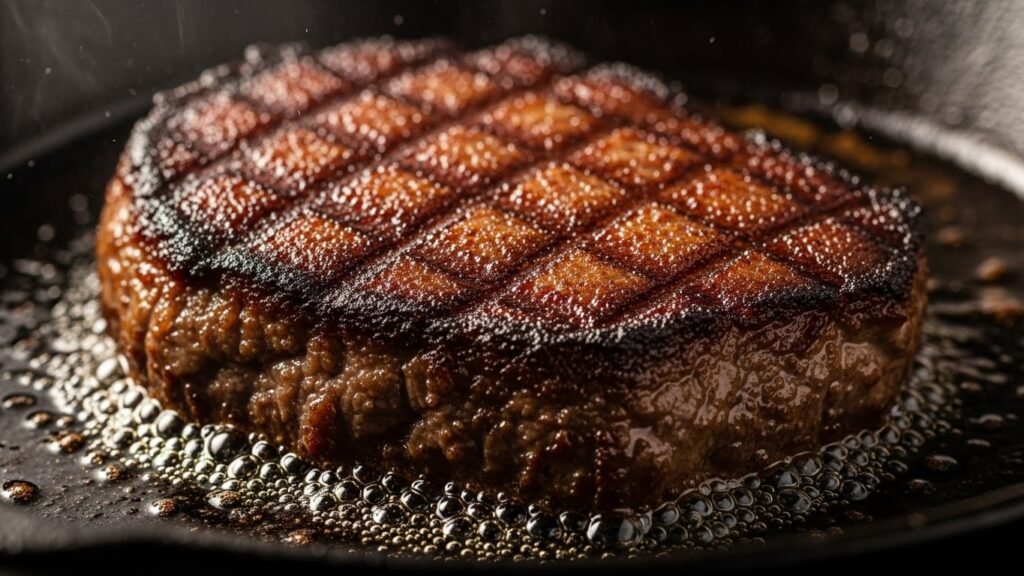
Getting that deep flavor starts with browning your meat properly. This chemical reaction happens when heat hits proteins and sugars. It creates hundreds of different flavor compounds that taste like “umami”. Without this step, your pizokeelio might taste a bit flat or dull.
Emulsification Secrets
A great pizokeelio needs a smooth sauce that does not separate. Emulsification is the process of mixing oil and water into one. You achieve this by stirring slowly and adding liquids at the right time. A velvety sauce makes the whole dish feel way more expensive.
Aromatics and Volatile Compounds
Vegetables like onions and garlic are the quiet heroes here. When they hit the hot oil, they release hidden smells and flavors. These compounds travel through the whole dish as it cooks. They provide the aromatic backbone that makes the kitchen smell incredible.
The Role of Acidity
Sometimes a rich dish can feel a little too heavy on the tongue. A splash of vinegar or lemon juice changes everything instantly. The acid cuts through the fat and wakes up your taste buds. It balances the meal and makes every flavor stand out clearly.
The Essential Ingredients: The Building Blocks of Flavor
The Protein Foundation
- Beef or Pork: These provide a rich and heavy base for a traditional feel.
- Poultry: Chicken or turkey makes for a lighter but still tasty version.
- Plant-based: Tempeh or hearty mushrooms work great for vegetarians.
- Seafood: Shrimp or firm fish can add a coastal twist to the meal.
Starch and Texture
- Grains: Rice or quinoa can soak up all the extra sauce.
- Pasta: Short pasta shapes like penne hold onto the chunky bits well.
- Dough: Some recipes use small dumplings or bread pieces for extra heartiness.
- Potatoes: Roasted or boiled spuds add a creamy element to the bowl.
The Flavor Trio (The Holy Trinity)
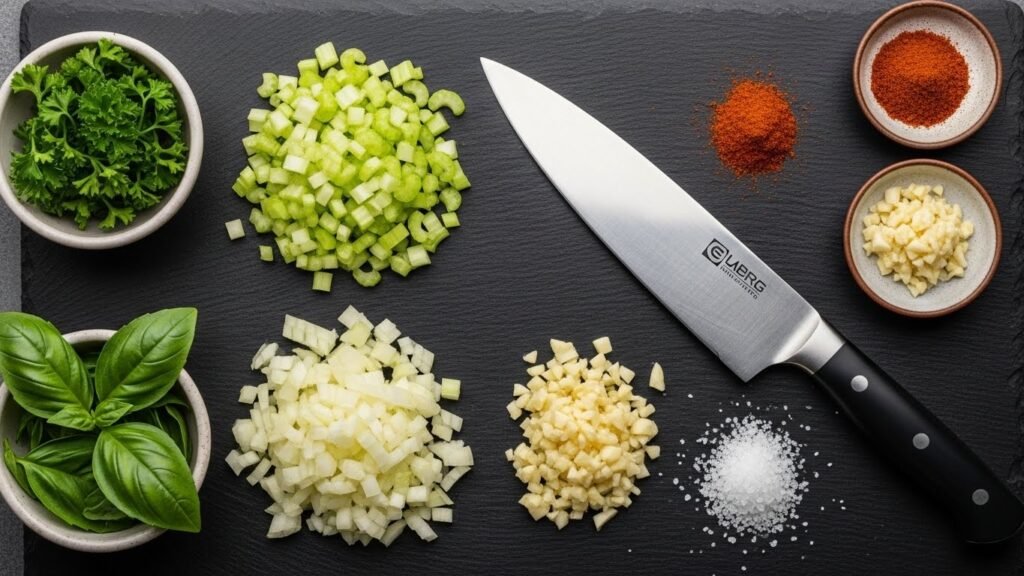
The secret starts with onions, celery, and garlic chopped very finely. These three ingredients build a wall of flavor that supports everything else. You want to cook them until they are soft and see-through. This base is the most important part of a good pizokeelio.
Herbs and Spices
- Fresh Herbs: Parsley and basil added at the end keep things bright.
- Dried Spices: Cumin and smoked paprika give the dish a warm depth.
- Pepper Blends: A little black pepper or chili flakes adds a nice kick.
- Salt: Using sea salt helps bring out the natural sweetness of the veggies.
Selecting High-Quality Produce
You should always try to buy the freshest vegetables you can find. Fresh ingredients have more water and better natural sugars inside. This makes a huge difference in the final texture of the dish. Quality produce means you do not have to hide behind extra salt.
Kitchen Tools and Preparation Fundamentals
Must-Have Equipment
- Cast Iron Skillet: This holds heat perfectly for a great sear on the meat.
- Wooden Spoon: Best for scraping up those tasty bits from the pan bottom.
- Sharp Chef’s Knife: Makes prepping all those veggies much faster and safer.
- Large Mixing Bowl: Gives you plenty of room to toss everything together.
Mise en Place
Mise en place is just a fancy way of saying “get ready”. You should chop every vegetable before you even turn on the stove. Measure out your spices and have your liquids standing by. This keeps you calm and stops the food from burning while you look for things.
Knife Skills for Pizokeelio
Try to cut all your ingredients into roughly the same size. This ensures that every piece cooks at the exact same speed. Small cubes are usually best so you get a bit of everything in one bite. Take your time and keep your fingers tucked away from the blade.
Step-by-Step Guide to Preparing the Perfect Pizokeelio
Building the Flavor Base
Start by heating a bit of oil in your heavy pan. Toss in your meat and let it get a dark brown crust. Take the meat out and add your chopped onions and garlic. Stir them until they smell amazing and look soft and golden.
Deglazing Techniques
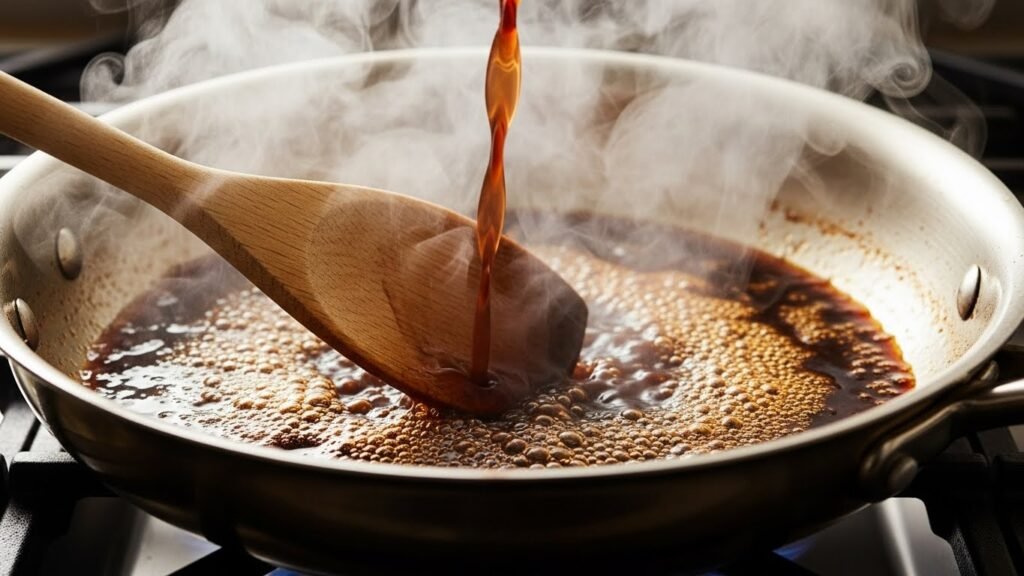
After cooking the veggies, you will see brown bits stuck to the pan. Pour in a little bit of broth or a splash of wine. Use your spoon to scrape those bits into the liquid. This liquid is like liquid gold for your pizokeelio sauce.
Combining the Elements
Put the meat back into the pan with the veggies and liquid. Add your starch or vegetables that take the longest to cook. Pour in the rest of your broth until everything is just covered. Stir gently so you do not break the ingredients apart.
The Cooking Process and Heat Management
Turn the heat down low so the liquid barely bubbles. This slow simmer lets the flavors move into every single piece. Keep a lid on the pan to trap the moisture and heat. Check it every once in a while to make sure nothing sticks.
Dietary Variations and Healthy Alternatives
Low-Carb and Keto-Friendly Pizokeelio
- Cauliflower Rice: A great way to keep the volume without the carbs.
- Zucchini Ribbons: These add a nice crunch and soak up the sauce well.
- Extra Greens: Use spinach or kale to bulk up the dish nutritiously.
- Healthy Fats: Add a bit of avocado on top for a creamy keto finish.
Gluten-Free Modifications
You can easily make pizokeelio without any gluten at all. Use tamari instead of soy sauce if you are going for an Asian vibe. Thickening the sauce with cornstarch or arrowroot works perfectly. Most proteins and fresh veggies are naturally gluten-free anyway.
The Mediterranean Twist
Focus on heart-healthy ingredients like extra virgin olive oil. Use lean proteins like grilled chicken or even white beans. Toss in some olives and sun-dried tomatoes for a bright punch. This version is light, fresh, and very good for your heart.
Nutritional Breakdown
A standard bowl of pizokeelio is quite balanced for a full meal. It usually provides a good mix of protein and complex carbohydrates. You get fiber from the veggies and healthy fats from the oils. It is a complete meal that keeps you full for a long time.
Advanced Techniques and Professional Tips
Temperature Control
The biggest secret to a great pizokeelio is staying patient. If the heat is too high, the outside burns before the inside cooks. Medium-low heat is your best friend for most of the process. It keeps the proteins tender and the vegetables from turning to mush.
The Secret of Resting
Once you turn off the heat, don’t serve it just yet. Let the pan sit for about five to ten minutes. This allows the fibers in the meat to relax and soak up juice. The sauce will also thicken up slightly as it cools down.
Consistency Adjustments
If your pizokeelio is too watery, let it simmer without a lid. If it is too thick, just add a splash of warm broth. You can use a “slurry” of flour and water to thicken it fast. Always adjust the consistency slowly so you don’t overdo it.
Developing a “Crust” or Texture
Some people like a bit of a crunch on their pizokeelio. You can pop the whole dish under the broiler for a minute. This toasts the top layer and creates a wonderful contrast. It adds a professional touch that looks great on the table.
Common Mistakes and How to Avoid Them
The Over-Seasoning Trap
It is easy to add too much salt when you are excited. Remember that the flavors will concentrate as the liquid boils down. Taste your food at the beginning, middle, and very end. You can always add more salt, but you can’t take it out.
Managing Moisture
If you add too many watery veggies, the dish might get soggy. Mushrooms and zucchini release a lot of liquid as they cook. Sauté them separately first to get that extra water out. This keeps your pizokeelio from turning into a soup by accident.
The Danger of Rushing
Trying to cook pizokeelio in ten minutes will usually fail. The flavors need time to marry and get to know each other. If you are in a rush, pick a different recipe for tonight. This dish is a labor of love that rewards your time.
Ingredient Substitutions
Swapping ingredients is fine, but some things don’t work. Replacing a slow-cook meat with a quick-cook one can be tricky. Dried herbs are much stronger than fresh ones, so use less. Always think about how the new item will affect the final texture.
Creative Variations and Global Fusions
Asian-Inspired Pizokeelio
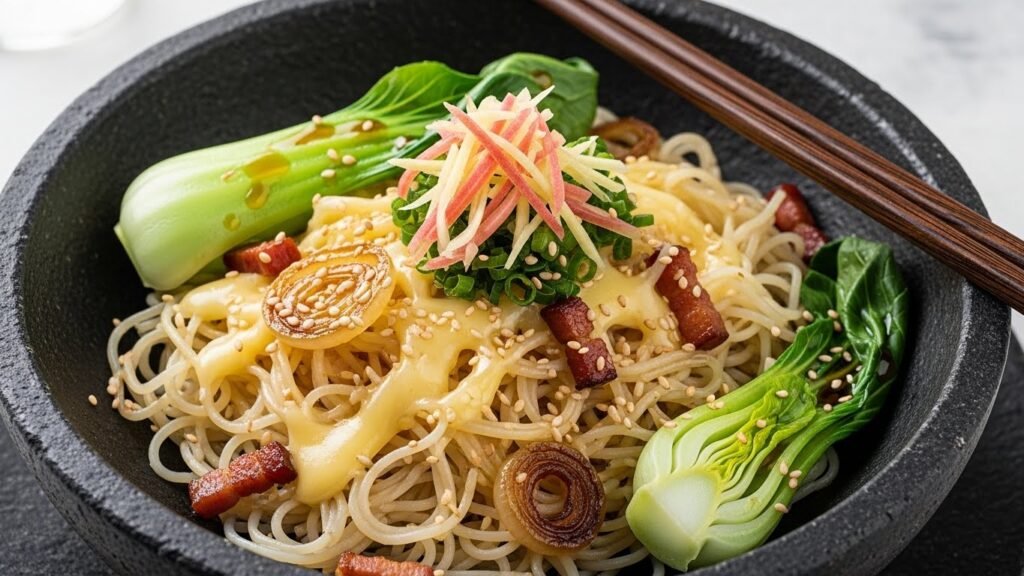
- Soy and Ginger: These give the dish a salty and zingy punch.
- Sesame Oil: A few drops at the end add a deep nutty smell.
- Bok Choy: Use this instead of celery for a different crunch.
- Rice Noodles: A fun alternative to traditional starches or pasta.
The Latin Flare
You can give your pizokeelio a spicy kick with some jalapeños. Use cumin and lime juice to bring out those classic flavors. Topping it with fresh cilantro and onion makes it super bright. It is a great way to change up the routine for dinner.
Vegetarian and Vegan Pizokeelio
Portobello mushrooms are a fantastic stand-in for meat in this dish. They have a meaty texture and absorb sauces really well. You can also use lentils to add protein and earthiness. Vegetable broth works just as well as chicken or beef broth.
Regional Adaptations
In the south, people might add a bit of okra or corn. Up north, you might see more root vegetables like parsnips. Every region puts its own spin on the pizokeelio based on local crops. This is what makes the dish a true global favorite.
Serving Suggestions and Presentation
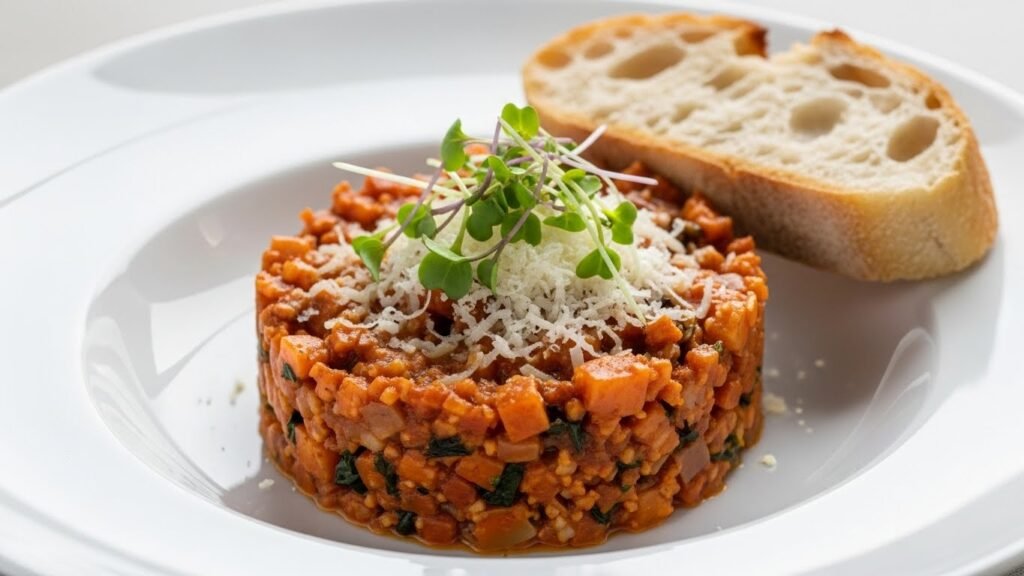
Garnishing for Impact
- Microgreens: These add a pop of green and a bit of nutrition.
- Citrus Zest: A little lemon skin on top makes the flavors dance.
- Hard Cheese: Grated Parmesan adds a salty and nutty finish.
- Cracked Pepper: A final sprinkle looks great and tastes even better.
Oil Drizzles
A high-quality oil can take your dish from good to amazing. Try a little truffle oil if you want to feel really fancy. Chili oil is perfect if you like a bit of heat on top. Even a simple swirl of olive oil adds a nice shine.
Pairing and Accompaniments
Serve your pizokeelio with a side of crusty bread for dipping. A light side salad with a lemon dressing cleans the palate. Roasted carrots or asparagus also make great side dishes. These additions make the meal feel like a full feast.
Beverage Pairings
- Red Wine: A medium-bodied red goes great with the beef version.
- Craft Beer: A crisp lager helps wash down the richer flavors.
- Sparkling Water: With a lime wedge, it’s a refreshing non-alcoholic choice.
- Iced Tea: A classic American choice that fits the comfort food vibe.
Plating Like a Pro
Use a wide and shallow bowl to show off all the ingredients. Wipe the edges of the plate so there are no messy drips. Pile the food a bit higher in the center for a nice look. Good plating makes the food taste better before you even eat.
Storing, Reheating, and Make-Ahead Instructions
Refrigeration Guidelines
Pizokeelio actually tastes even better the next day after sitting. Store it in an airtight container as soon as it cools down. It will stay fresh in the fridge for about three to five days. Label the container so you don’t forget when you made it.
Freezing Pizokeelio
If you made a huge batch, you can freeze the extra portions. Use freezer-safe bags and squeeze out as much air as possible. It will stay good in the freezer for up to three months. Thaw it in the fridge overnight before you plan to eat it.
The Proper Reheating Method
Avoid the microwave if you want to keep the best texture. Reheat it slowly in a pan on the stovetop with a little broth. This keeps the meat tender and prevents the sauce from breaking. It feels just like a fresh meal if you do it right.
Regional Variations
Pizokeelio has traveled through many generations, and as it moved, it kept its soul alive while picking up local flavors along the way. Every region puts its own spin on the dish based on the crops and traditions found in that specific area. This adaptability is exactly what makes the dish a true global favorite.
Southern Style Pizokeelio
In the Southern regions, the dish takes on a heartier, garden-fresh character. Cooks here often lean into the produce that thrives in warmer climates to add unique textures.
- Garden Additions: It is common for people in the South to add ingredients like okra or corn to the mix.
- Flavor Profile: These additions provide a sweetness and a specific thickness to the sauce that defines the regional style.
Northern Root Variations
Up in the North, the recipe shifts to accommodate cooler weather and the sturdy vegetables that grow in that soil. The focus moves toward earthy, dense ingredients that can stand up to a long, slow simmer.
- Hearty Vegetables: You are much more likely to see root vegetables like parsnips included in a Northern bowl.
- Texture: These vegetables hold their shape well during the cooking process, providing a satisfying bite even after hours of heat.
The Coastal and Asian Influence
As Pizokeelio reached coastal areas and international kitchens, the traditional beef and pork foundations began to evolve. These variations prove that the dish can be light and zingy just as easily as it can be rich and heavy.
- Seafood Twists: Coastal versions often swap out land proteins for shrimp or firm fish to create a lighter meal.
- Asian Aromatics: Some regions introduce soy and ginger to give the dish a salty and zingy punch.
- Nutty Finishes: A few drops of sesame oil are often added at the end for a deep, nutty aroma.
- Alternative Starches: In these variations, rice noodles are a fun and popular alternative to traditional pasta or dough.
Latin and Mediterranean Adaptations
The dish also flourishes when combined with the bright, bold flavors of Latin and Mediterranean cooking styles. These versions are perfect for those who want a fresher or spicier experience.
- Spicy Kicks: The Latin flare often includes jalapeños to provide a spicy heat.
- Citrus Brightness: Cumin and fresh lime juice are used to bring out classic, vibrant flavors.
- Heart-Healthy Fats: Mediterranean versions focus on extra virgin olive oil and lean proteins like grilled chicken or white beans.
- Punchy Toppings: Ingredients like olives and sun-dried tomatoes are tossed in for a bright, salty punch.
Conclusion: Mastering the Art of Pizokeelio
The Evolution of a Cook
Making pizokeelio is a great way to practice your kitchen skills. You learn about heat, timing, and how flavors work together. Every time you make it, you will find new ways to improve. It is a journey that makes you a much better chef.
Sharing the Tradition
Don’t keep this amazing recipe all to yourself once you master it. Cook it for your friends and family on special occasions. Teach your kids or roommates how to make their own version. Food is the best way to build memories that last forever.
The Joy of Hospitality
At the end of the day, pizokeelio is about making people happy. There is nothing like seeing a smiling face over a warm bowl. It bridges the gap between different cultures and backgrounds easily. It truly is the king of all comfort food dishes.
Frequently Asked Questions about Pizokeelio
Can I make pizokeelio in a slow cooker?
Yes, you can definitely use a crockpot for this meal. Just brown the meat first before putting it in the pot. Cook it on low for about six to eight hours.
What is the best meat for a traditional recipe?
Most people prefer a mix of beef and pork for richness. You want a cut that has a little bit of fat. This keeps the meat from drying out during the long cook.
Is pizokeelio spicy?
It is only as spicy as you want to make it. The traditional version is savory and mild with no real heat. You can add peppers if you want to spice things up.
How do I fix a sauce that is too salty?
Try adding a peeled potato to the pot while it simmers. The potato will soak up some of the extra saltiness. You can also add more broth or a little sugar.
Can I use frozen vegetables?
Fresh is always best, but frozen veggies work in a pinch. Just be careful because they might add more water to the dish. Add them toward the end so they don’t get too mushy.
What is the ideal liquid-to-solid ratio for the perfect consistency?
The best ratio for a classic pizokeelio is usually two parts solid ingredients to one part liquid. This ensures the dish remains hearty rather than turning into a thin soup. You want enough liquid to submerge the starches but not so much that the proteins go for a swim.
Can I prepare the base of the dish a day in advance?
Yes, you can sauté your aromatics and brown your meat twenty-four hours before the final cook. Storing this flavor base in the fridge allows the spices to penetrate the proteins even deeper. Just make sure to bring it back to room temperature before adding your starches and liquids.
Which type of onion provides the best flavor profile?
Yellow onions are the gold standard because they have a high sugar content that caramelizes beautifully. Red onions can turn the dish a strange muddy color, and white onions might be too sharp. If you want a milder taste, shallots are a fantastic gourmet swap.
How do I prevent garlic from burning during the sauté phase?
Garlic burns much faster than onions, so you should always add it last. Aim to cook the garlic for only thirty to sixty seconds before adding your liquids. If it turns dark brown or black, it will make your whole pizokeelio taste bitter.
Is it possible to make a seafood version without it getting rubbery?
Seafood pizokeelio requires a different timing strategy where you add the fish at the very end. Firm fish like cod or halibut should only simmer for about five minutes. Shrimp only need two or three minutes until they turn pink and opaque.
What is the best way to clean a cast iron skillet after cooking this?
Avoid using heavy soap which can strip the seasoning you worked so hard to build. Use hot water and a stiff brush, then dry it immediately on a warm burner. Rub a tiny bit of oil into the surface to keep it ready for your next meal.
Can I use a pressure cooker to speed up the process?
A pressure cooker can cut your cooking time by more than half for tough meats. However, you must be careful not to overcook the vegetables into a mushy paste. It is often better to pressure cook the meat first and add veggies during a final quick simmer.
Why does my sauce look oily or separated?
This usually happens if the heat was too high during the emulsion phase. You can fix a broken sauce by whisking in a tablespoon of warm water or broth very quickly. Keeping the temperature at a gentle simmer prevents the fats from breaking away from the liquids.
What kind of salt is best for finishing the dish?
Maldon or flaky sea salt is the best choice for a final touch because it adds a nice crunch. Table salt is too fine and can easily make the dish taste metallic if you use too much. Using a high-quality salt at the end makes the other flavors pop.
How can I make the dish kid-friendly without losing the essence?
Try cutting the vegetables into tiny pieces so they blend into the sauce. You can also reduce the amount of strong herbs like rosemary and stick to milder parsley. Kids usually love the version that uses small pasta shapes as the primary starch.
What are the signs that my pizokeelio is finished cooking?
The meat should be tender enough to break with a spoon, and the sauce should coat the back of that spoon. If you are using rice or grains, they should be soft but still have a tiny bit of bite. The color of the sauce should be deep and rich rather than pale.
Can I use bouillon cubes instead of fresh broth?
Bouillon cubes work fine, but they are often very high in sodium. If you use them, hold off on adding any extra salt until the very end of the cooking process. Taste the dish frequently to ensure it doesn’t become a salt bomb.
Does the type of water I use matter?
If your tap water has a strong chlorine smell, it can actually change the taste of the dish. Using filtered water ensures that the natural flavors of your fresh ingredients are the main stars. It is a small detail that professional chefs always pay attention to.
How do I scale this recipe for a party of twenty?
When doubling or tripling the recipe, use a much wider pot rather than a deeper one. This allows for better evaporation and prevents the bottom layers from getting crushed. You may need to brown the meat in several batches to avoid steaming it.
What should I do if the starch absorbs all the liquid too fast?
Keep a kettle of warm broth nearby to add small splashes as needed. Never add cold water, as it will drop the temperature and stop the cooking process. Stirring occasionally helps distribute the moisture evenly so the bottom doesn’t burn.
Is there a specific type of oil that is better for searing?
Avocado oil or grapeseed oil are great because they have high smoke points. Butter tastes amazing but can burn quickly if you aren’t careful. A mix of oil and butter is often the best compromise for flavor and heat tolerance.
How do I achieve a smoky flavor without a grill?
A teaspoon of smoked paprika or a tiny drop of liquid smoke can do wonders. You can also sear your meat until it is nearly charred to get that “burnt ends” taste. Smoked salts are another great way to add that campfire vibe to the kitchen.
Can I make this dish in a single pot to save on cleanup?
Yes, the one-pot method is actually the traditional way to prepare it. Just be sure to follow the correct order of operations so nothing gets overcooked. It keeps all the flavor locked into one place and makes your life much easier.
What is the best way to chop herbs so they don’t bruise?
Make sure your knife is extremely sharp and use a gentle rocking motion. If you see green stains on your cutting board, you are crushing the herbs instead of slicing them. Cut them just before serving to keep the color bright and the scent fresh.
Why is my meat tough even after simmering for a long time?
You might be using a cut of meat that is too lean for slow cooking. Lean meats get tougher the longer you cook them, while fatty cuts get softer. Always look for “marbling” in your beef or pork to ensure a melt-in-your-mouth texture.