 Skip to content
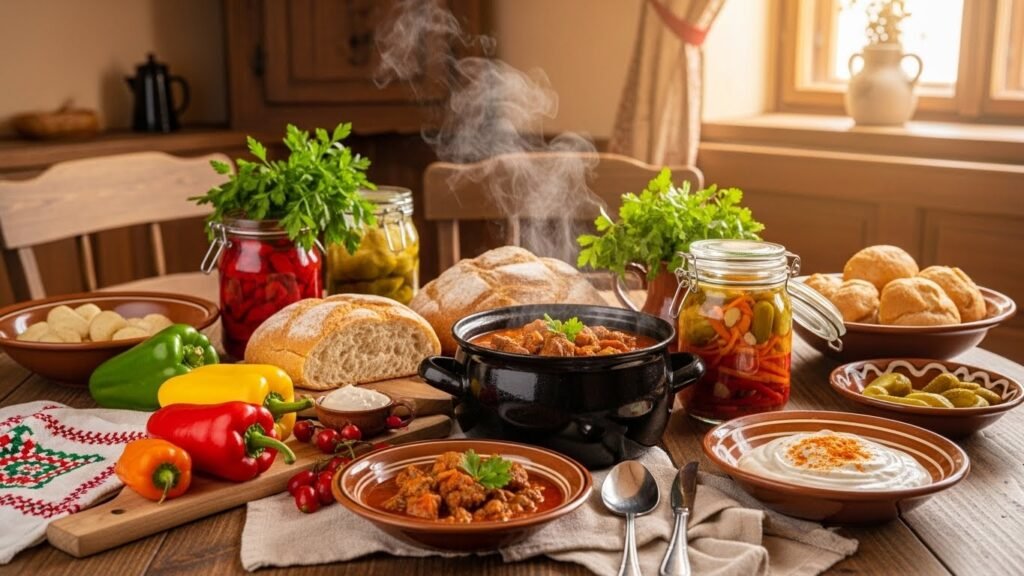
Sodziu is a name that resonates with those who seek authentic culinary experiences. While often overshadowed by more famous cuisines, Sodziu offers a delicious hidden gem for food lovers. This cuisine is deeply rooted in rich history and tradition, offering a unique blend of flavors that are sure to delight anyone who loves discovering new tastes.
This article will take you on a food journey to explore Sodziu—its flavors, cooking techniques, ingredients, and the culture behind it. We’ll dive deep into how Sodziu is more than just food—it’s an experience that tells stories of heritage, tradition, and community. Whether you’re a seasoned food lover or someone looking to explore new cuisines, Sodziu should definitely be on your culinary bucket list.
Key Ingredients and Flavor Profiles of Sodziu Cuisine

Reliance on Local, Seasonal Ingredients
Sodziu cuisine thrives on using fresh, seasonal ingredients that change with the time of year. Local vegetables, fruits, and grains are staples in many dishes. These ingredients not only add freshness but also reflect the region’s agricultural roots. Seasonal produce like root vegetables, peppers, and leafy greens play a vital role in crafting Sodziu’s unique flavors.
- Local vegetables such as carrots, potatoes, onions, and tomatoes are commonly used in many dishes.
- Seasonal fruits, like apples and berries, add a fresh contrast to savory dishes, offering balance.
- Herbs and greens such as parsley, dill, and thyme enhance the aroma and richness of the food.
Incorporating these local ingredients ensures that each meal is tied to the region’s rich agricultural traditions, giving each dish a flavor that’s unique to Sodziu.
Spices and Seasonings
Sodziu cuisine is known for its bold and distinctive flavors, with spices playing a key role in shaping the taste profile of many dishes. Paprika is the star of Sodziu, lending a smoky and sometimes spicy heat to a variety of meals.
- Paprika: The most important spice in Sodziu, it adds a vibrant red color and deep smoky flavor. Used generously in stews, soups, and meats, it’s a hallmark of the cuisine.
- Garlic and Onion: These two ingredients are the base of many traditional Sodziu dishes. They enhance the natural flavors of vegetables and meats.
- Herbs: Dill, thyme, caraway, and marjoram are frequently used, imparting freshness and subtle complexity to the food.
Spices are not just about adding heat but about layering flavors that harmonize in every dish. The careful use of paprika and other seasonings creates a balanced and satisfying taste that draws people back for more.
The Role of Meat, Bread, and Dairy
Sodziu meals are hearty and filling, with meat playing a central role in many dishes. Pork, beef, and poultry are the most commonly used meats, and they are often slow-cooked to bring out their full flavors.
- Meat: Slow-roasted meats, especially pork and beef, are staples in Sodziu cuisine. Stews like Pörkölt (a thick meat stew) are popular, where meat is simmered with paprika, onions, and tomatoes for hours, creating a rich, tender dish.
- Bread: Bread is an essential part of every meal, often served alongside stews or used to soak up the flavorful sauces. From simple rustic loaves to rich flatbreads, bread in Sodziu is always fresh and satisfying.
- Dairy: Sodziu cuisine makes use of sour cream, cheese, and quark (túró), which provide creaminess and tanginess. These dairy products are often used as garnishes or incorporated into sauces.
In many ways, the combination of hearty meats, comforting bread, and rich dairy products gives Sodziu dishes a sense of warmth and satisfaction.
Traditional Cooking Methods
The cooking techniques used in Sodziu are as important as the ingredients. Much of the cuisine’s authenticity comes from the methods passed down through generations.
- Slow-cooking in Clay Pots: Slow-cooking meats and vegetables in clay pots is a traditional method that allows flavors to meld over time, resulting in rich, deeply flavored stews and soups.
- Grilling on Open Flames: Many meats are grilled over open flames, which imparts a smoky depth to the food. This method is perfect for adding a rustic, charred flavor to dishes.
- Steaming and Roasting: Steaming vegetables and roasting meats allow for minimal use of fats, preserving the natural flavors of the ingredients while ensuring a healthier meal.
These methods help retain the nutrients of the food, ensuring that each dish is not only flavorful but also nourishing.
Signature Dishes of Sodziu Cuisine

Hearty Soups and Stews
Sodziu cuisine is known for its rich, hearty stews and soups that are perfect for any season. These dishes are often made with locally sourced ingredients and slow-cooked to bring out their flavors.
- Goulash (Gulyás): This is probably the most famous dish from Sodziu. A warming soup made with beef, vegetables, and paprika, Goulash is a perfect example of Sodziu’s love for hearty meals. The depth of flavor in Goulash comes from the slow cooking process, allowing the ingredients to blend beautifully.
- Pörkölt: A meat stew that’s even thicker than Goulash, Pörkölt is made with pork or beef, onions, and paprika. It’s often served with dumplings or bread.
- Halászlé (Fisherman’s Soup): A spicy soup made with freshwater fish like carp, Halászlé is flavored with paprika and cooked with vegetables. It’s particularly popular near rivers and lakes.
These soups and stews embody the essence of Sodziu cuisine: hearty, flavorful, and designed to bring comfort.
Poultry and Meat-based Dishes
Meat is central to Sodziu’s cuisine, and there are numerous dishes that showcase the region’s love for rich, flavorful meats.
- Chicken Paprikash (Paprikás Csirke): A creamy dish made with chicken cooked in a paprika-based sauce. It’s often served with dumplings or noodles, making it a filling and satisfying meal.
- Stuffed Dishes: Many traditional Sodziu recipes involve stuffing vegetables or meats. Stuffed cabbage rolls, for example, are a beloved dish, where cabbage leaves are filled with a mixture of meat and rice and simmered in a rich tomato sauce.
These dishes highlight the love for hearty meats and creamy sauces in Sodziu cuisine, offering a delicious way to experience local flavors.
Vegetable and Side Dishes
While Sodziu is known for its meat-heavy dishes, it also offers a variety of vegetable-based meals that are just as flavorful.
- Lecsó: A vegetable stew made with peppers, tomatoes, onions, and paprika. It’s a versatile dish that can be eaten on its own or served as a side dish with meats.
- Fermented Foods and Pickles: Many Sodziu meals are served with fermented vegetables like pickled cucumbers or cabbage, which add a tangy contrast to the rich flavors of the main dishes.
- Potato-based Dishes: Potatoes are a common ingredient in Sodziu cuisine, used in various forms, including mashed, roasted, or even stuffed.
These vegetable-based dishes offer a refreshing balance to the richness of the meat dishes, showcasing the diversity of Sodziu cuisine.
Health Benefits of Sodziu Cuisine

Sodziu cuisine is not only rich in flavor, but it also offers numerous health benefits. The combination of fresh, wholesome ingredients and traditional cooking techniques ensures that each meal is nourishing and promotes overall well-being. Here, we’ll explore the nutritional advantages of Sodziu dishes and the impact of key ingredients on your health.
Wholesome and Nutritious Ingredients
Sodziu cuisine emphasizes the use of fresh, locally grown ingredients. These ingredients, whether vegetables, fruits, or lean proteins, are rich in essential vitamins, minerals, and antioxidants. The focus on nutrient-dense food helps to support a balanced diet.
- Vegetables: Sodziu cuisine incorporates a wide range of vegetables, such as root vegetables, peppers, onions, and tomatoes. These vegetables are not only flavorful but also provide key nutrients like fiber, vitamins A and C, and potassium.
- Grains: Many dishes feature grains such as barley, buckwheat, and rice, which are great sources of fiber and provide long-lasting energy. Grains also support digestive health and help maintain stable blood sugar levels.
- Lean Proteins: Meats like beef, pork, and poultry are used in Sodziu cooking, but they are typically slow-cooked or grilled, which retains nutrients without excessive fats. These proteins are essential for muscle repair and immune function.
By focusing on fresh, whole ingredients, Sodziu cuisine ensures that meals are not only satisfying but also beneficial to overall health.
Benefits of Traditional Fermented Foods
Fermented foods play a crucial role in Sodziu cuisine. These foods provide probiotic benefits that are essential for gut health. The fermentation process enriches the food with beneficial bacteria that aid in digestion and boost the immune system.
- Pickles: Pickled cucumbers, cabbage, and other vegetables are common in Sodziu meals. These pickled foods help to balance the richness of stews and meats while providing gut-friendly probiotics.
- Fermented Dairy: Sour cream, quark (túró), and other fermented dairy products are often used in Sodziu cuisine. These dairy products support digestion, enhance calcium absorption, and contribute to overall digestive health.
Fermented foods in Sodziu cuisine do more than just add flavor; they play an essential role in promoting good digestive health and strengthening the immune system.
Spices for Health
The spices used in Sodziu cuisine offer a wealth of health benefits. Beyond providing bold flavors, many of these spices are known for their medicinal properties. Let’s look at some key spices that contribute to the health benefits of Sodziu dishes.
- Paprika: Paprika, a core ingredient in Sodziu cuisine, is rich in antioxidants, including vitamin C and carotenoids. These antioxidants help combat inflammation, reduce oxidative stress, and protect cells from damage.
- Garlic: Garlic is known for its heart health benefits. It helps to lower blood pressure, improve cholesterol levels, and reduce the risk of heart disease.
- Marjoram: Marjoram is often used in Sodziu stews and soups. It has anti-inflammatory properties and can help with digestion by soothing the stomach and relieving bloating.
By incorporating these spices into daily meals, Sodziu cuisine provides natural ways to promote health while enjoying delicious flavors.
Cultural, Social, and Historical Significance of Sodziu Cuisine

Sodziu is more than just a type of food; it’s a reflection of the region’s rich cultural and historical heritage. The way food is prepared, served, and enjoyed in Sodziu communities has been passed down through generations, preserving both the culinary traditions and social bonds that have shaped the culture.
Cuisine as a Reflection of Geography and History
Sodziu cuisine is deeply connected to the land and history of the region. The food tells the story of a people whose culinary practices have been shaped by geography, climate, and historical influences. Let’s explore how Sodziu cuisine reflects its environment and history.
- Geography: Sodziu, like many other cuisines, is influenced by the availability of local produce. The region’s climate dictates which vegetables, fruits, and grains can be grown, leading to a diet rich in root vegetables, seasonal fruits, and grains. This close connection to the land ensures that Sodziu dishes are fresh and tied to the seasons.
- History: Over the centuries, Sodziu cuisine has absorbed influences from various cultures. The Ottoman Empire, for example, brought new spices and cooking techniques to the region, which have been integrated into traditional dishes. The legacy of these cultural exchanges is still evident today in the vibrant flavors of Sodziu cuisine.
The cuisine of Sodziu is not just about food—it’s a reflection of the land, history, and cultural identity of its people.
Social and Cultural Traditions Linked to Food
In Sodziu, food plays a central role in social and cultural life. Meals are not only about nourishment but also about community, celebration, and tradition. The act of sharing food brings people together and strengthens social bonds.
- Family Meals: Many Sodziu dishes are prepared in large quantities, meant to be shared by families and friends. These communal meals foster a sense of togetherness and reflect the importance of family in Sodziu culture.
- Festivals and Celebrations: Food is an integral part of many cultural celebrations in Sodziu. Traditional dishes are often served during holidays, festivals, and family gatherings, keeping the culinary heritage alive for future generations.
- Heritage and Rituals: Cooking and eating in Sodziu communities is often tied to rituals and customs. Dishes are passed down from generation to generation, with each recipe telling a story of the family or region from which it originated.
Through food, Sodziu preserves its cultural identity, making each meal an opportunity to connect with history and heritage.
Global Recognition and Modern Interpretations of Sodziu Cuisine

As the world becomes more interconnected, Sodziu cuisine is starting to gain recognition beyond its traditional borders. Chefs, food lovers, and travelers are beginning to appreciate the rich flavors and cultural history behind Sodziu dishes. This growing global interest is helping to shape the future of Sodziu cuisine.
Sodziu Dishes Gaining Popularity Internationally
Sodziu cuisine is being embraced worldwide as people seek new culinary experiences. Traditional dishes are making their way to global menus, and chefs are putting their own spin on these classic meals. From local eateries to fine dining restaurants, Sodziu-inspired dishes are gaining popularity.
- Global Food Trends: With the rise of food festivals and global gastronomy, Sodziu cuisine is being showcased as part of a larger movement to preserve and celebrate traditional cooking methods. As people become more adventurous with their food choices, the appeal of Sodziu grows.
- Fusion Dishes: Some chefs are experimenting with Sodziu flavors and integrating them into fusion dishes. For example, Sodziu spices and techniques might be used in modern interpretations of Western or Asian cuisines, creating unique culinary experiences.
The growing popularity of Sodziu dishes highlights its timeless appeal and the desire for authentic culinary experiences that connect us to culture and tradition.
Why Sodziu Should Be on Your Culinary Bucket List

Sodziu cuisine offers a unique and authentic culinary experience that is rooted in tradition, culture, and local flavors. With its rich history, bold flavors, and a wide variety of dishes, Sodziu is more than just food—it’s a journey of discovery. Whether you’re an adventurous food lover or someone seeking comfort in traditional flavors, Sodziu should be at the top of your culinary bucket list. Here’s why.
Authenticity and Uniqueness
In a world filled with globalized food trends, Sodziu offers something truly special. This cuisine is far from the mainstream offerings you see in typical restaurants. It’s an authentic reflection of the region’s agricultural roots, cultural heritage, and time-honored cooking techniques.
- Traditional Recipes: The dishes of Sodziu have been passed down through generations, preserving the authenticity of the cuisine. Each meal tells a story of the land and people who have been cooking these recipes for centuries.
- Rich History: The flavors of Sodziu are deeply connected to the region’s past. Whether it’s the influence of the Ottoman Empire, the agricultural traditions of local farmers, or the cultural influences of neighboring countries, Sodziu cuisine brings together a rich history in every bite.
- Local Ingredients: What makes Sodziu unique is its reliance on fresh, locally sourced ingredients. Vegetables, grains, meats, and dairy products are chosen based on the seasons, ensuring that every dish is fresh, flavorful, and authentic to the region.
For food lovers seeking to experience something that is both deeply cultural and deliciously satisfying, Sodziu cuisine is a must-try.
Variety of Dishes for Every Palate
Whether you’re a meat lover or prefer vegetarian dishes, Sodziu cuisine offers a wide range of options. The cuisine is not only diverse in terms of flavors but also in its ability to cater to different dietary preferences.
- Meat-heavy Dishes: If you’re a fan of hearty, meat-based meals, Sodziu has plenty to offer. From tender stews like Goulash and Pörkölt to grilled meats cooked over open flames, there’s no shortage of satisfying meat dishes.
- Vegetarian Options: While meat is a central component of many Sodziu dishes, there are also plenty of vegetarian-friendly options. Lecsó (a vegetable stew made with peppers, tomatoes, and paprika) and other vegetable-based dishes showcase the region’s reliance on fresh, seasonal produce.
- Healthy and Nutritious: Sodziu cuisine incorporates plenty of healthy ingredients like vegetables, grains, and lean proteins. The use of fresh ingredients, along with slow-cooking techniques, ensures that the meals are both nutritious and satisfying.
Sodziu cuisine’s versatility makes it a great choice for anyone, no matter their dietary preferences.
A Deep Dive Into History and Culture Through Food
Sodziu cuisine is a gateway to understanding the culture, traditions, and history of the region. Each dish has a story to tell, and through food, you can connect with the people and the land that shaped it.
- Cultural Heritage: The food of Sodziu is not just about taste—it’s about preserving cultural identity. The dishes are a reflection of the region’s traditions and agricultural practices, offering a sense of connection to the past.
- Historical Influence: From the Ottomans to the Austro-Hungarians, Sodziu cuisine has been shaped by centuries of history. These influences are still evident in the spices, cooking methods, and ingredients used in modern-day Sodziu dishes.
- Cultural Experience: Eating Sodziu food is not just about nourishment; it’s a cultural experience. The way meals are prepared and shared, the rituals surrounding food, and the pride in traditional recipes all contribute to making Sodziu cuisine a journey through culture.
Food is a powerful tool for cultural exploration. By experiencing Sodziu cuisine, you’re not just tasting new flavors—you’re immersing yourself in a rich cultural narrative.
Conclusion
Sodziu cuisine is a hidden gem waiting to be discovered. Its rich history, diverse flavors, and deep cultural roots make it a must-try for anyone who loves food. Whether you’re savoring a hearty bowl of Goulash, enjoying a slice of freshly baked bread, or diving into a bowl of creamy Paprikash, Sodziu offers something for everyone.
What makes Sodziu so special is not just the flavors—it’s the story behind the food. Each dish reflects the traditions, heritage, and history of the people who have been cooking it for generations. It’s a cuisine that is deeply connected to the land, and every bite offers a taste of that connection.
So, if you’re a food lover looking for something new, adventurous, and authentic, put Sodziu on your culinary bucket list. Explore the flavors, savor the stories, and enjoy the unique experience that Sodziu cuisine has to offer. With its diverse dishes, cultural significance, and bold flavors, it’s a culinary adventure you won’t want to miss.
FAQs about Sodziu Cuisine
What makes Sodziu cuisine unique?
Sodziu cuisine stands out because of its deep roots in tradition and culture. It uses locally sourced, seasonal ingredients and features slow-cooking methods, such as cooking in clay pots, grilling over open flames, and fermentation. The use of bold spices like paprika, garlic, and marjoram gives Sodziu dishes a distinct, rich flavor profile that is not only delicious but also tied to the region’s history and geography.
What are some common ingredients in Sodziu cuisine?
Common ingredients in Sodziu cuisine include:
- Meats: Pork, beef, and poultry are commonly used in stews and grilled dishes.
- Vegetables: Root vegetables such as potatoes, carrots, and onions, along with seasonal vegetables like peppers and tomatoes.
- Spices: Paprika, garlic, marjoram, caraway, and dill.
- Dairy: Sour cream, quark (túró), and other local dairy products.
- Grains: Barley, buckwheat, and rice, which form the base of many dishes.
Is Sodziu cuisine healthy?
Yes, Sodziu cuisine is generally healthy due to its reliance on fresh, whole ingredients. The dishes use seasonal vegetables, lean proteins, and grains that are packed with nutrients. The slow-cooking methods used in Sodziu help retain vitamins and minerals, ensuring that meals are nutritious as well as flavorful. Additionally, fermented foods like pickles and sour cream contribute to gut health by providing probiotics.
How is Sodziu cuisine connected to Hungarian food?
Sodziu cuisine shares many similarities with traditional Hungarian cuisine, as both are influenced by the region’s agricultural practices and history. Both cuisines make extensive use of paprika, meat-heavy dishes like goulash and pörkölt, and a variety of vegetable-based stews. The influence of Ottoman, Austro-Hungarian, and Balkan cultures also plays a significant role in shaping the dishes.
Can I find Sodziu cuisine outside its region?
Yes, Sodziu-inspired dishes are becoming more popular globally. While it might be difficult to find authentic Sodziu food outside of its traditional home, many restaurants and food festivals featuring Hungarian and Central European cuisines include Sodziu-inspired dishes. Additionally, food enthusiasts and chefs worldwide are experimenting with Sodziu ingredients and flavors, bringing them to global audiences.
What are some traditional Sodziu dishes I should try?
Some traditional Sodziu dishes include:
- Goulash (Gulyás): A hearty soup made with beef, vegetables, and paprika.
- Pörkölt: A thick meat stew, often made with pork or beef.
- Chicken Paprikash (Paprikás Csirke): Chicken cooked in a creamy paprika sauce.
- Halászlé (Fisherman’s Soup): A spicy soup made with freshwater fish and paprika.
- Lecsó: A vegetable stew made with peppers, tomatoes, and paprika.
How does Sodziu cuisine reflect the culture of the region?
Sodziu cuisine is a reflection of the region’s history, culture, and agricultural practices. The reliance on seasonal, local produce shows the connection to the land, while the use of meats and dairy reflects the traditional farming lifestyle. Food in Sodziu is often shared communally, emphasizing the importance of family and social bonds. Many dishes have been passed down through generations, preserving cultural traditions and heritage.
Is Sodziu cuisine suitable for vegetarians?
Yes, Sodziu cuisine offers several vegetarian-friendly dishes. While meat is a central part of many traditional dishes, Sodziu also features vegetable-based meals like Lecsó (a vegetable stew), Főzelék (a thick vegetable soup), and various side dishes made from root vegetables. Additionally, dairy products such as sour cream and quark (túró) are commonly used in vegetarian dishes.
What are the health benefits of fermented foods in Sodziu cuisine?
Fermented foods like pickles, sauerkraut, and fermented dairy products (such as sour cream and quark) are an essential part of Sodziu cuisine. These foods are rich in probiotics, which are beneficial bacteria that help maintain a healthy gut. They support digestion, improve nutrient absorption, and boost immunity. Fermented foods also provide enzymes that aid in the breakdown of nutrients, making them easier for the body to process.
Can I recreate Sodziu dishes at home?
Yes, many Sodziu dishes can be recreated at home with the right ingredients. While some dishes may require special spices or cooking techniques, such as slow-cooking in a clay pot, you can easily adapt recipes to suit your kitchen. Ingredients like paprika, sour cream, and quark are available in many international grocery stores, and traditional Sodziu recipes can be found online to guide you in preparing these dishes.