 Skip to content
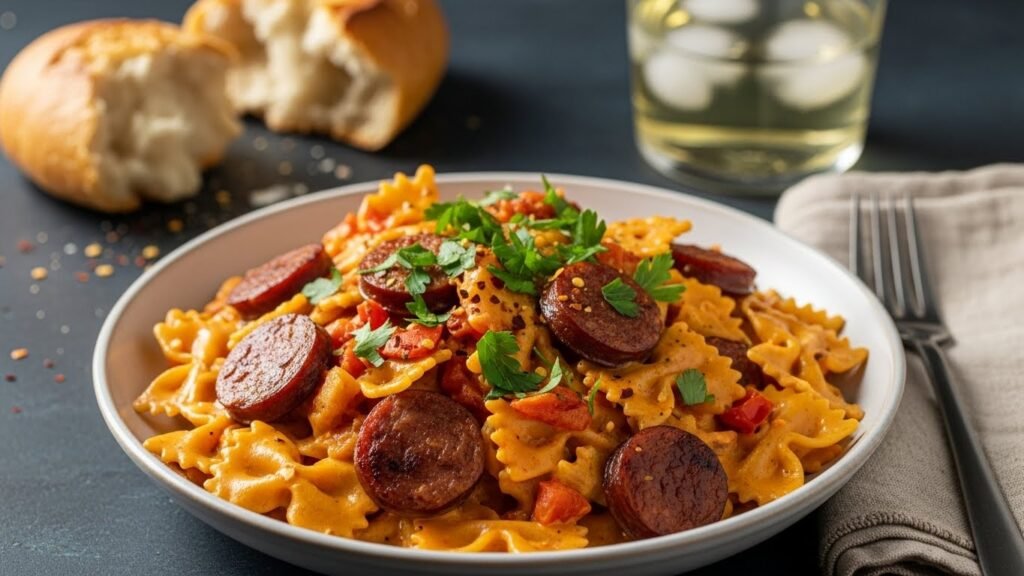
Dinner time can be a real drag when you’re tired. You want something that tastes like a five-star meal without the five-hour cleanup. That is exactly why this cajun sausage pasta is about to become your new best friend. It is fast, it is cheesy, and it has just the right amount of kick to wake up your taste buds.
This recipe brings that famous Louisiana flavor straight to your kitchen table in about 30 minutes. You only need one single pot to make the magic happen. No more boiling water in one pot and sautéing in another. We are doing it all together to keep things simple and delicious.
The Appeal of One-Pot Cajun Cooking
One-pot meals are the ultimate life hack for anyone with a busy schedule. You get to enjoy a hearty, home-cooked meal without a sink full of dishes. It is the perfect solution for weeknight chaos when everyone is hungry right now.
Efficiency and Cleanup
The best part of this cajun sausage pasta is how much time you save. You don’t have to wait for a massive pot of water to boil. You also don’t have to deal with a messy colander or multiple greasy pans.
- Single Vessel: Everything from the meat to the noodles cooks in one skillet.
- Faster Prep: You can chop and drop ingredients as you go.
- Easy Cleanup: You only have one pan and a few spoons to wash at the end.
- Water Savings: Since you aren’t draining pasta, you use less water overall.
Speed
Most people think a good pasta dish takes forever to simmer. This recipe proves that theory totally wrong. You can go from a cold stove to a hot plate in just half an hour. It is faster than ordering a pizza and way more satisfying.
The Flavor Profile
This dish is a beautiful mix of smoky, spicy, and creamy textures. The andouille sausage gives it a deep, wood-fired taste. The cream and cheese wrap everything in a velvety blanket of goodness. It is comfort food with a serious southern attitude.
The Renaissance of the One-Pot Meal
People are moving away from complicated multi-step recipes. We all want food that is honest, fast, and packed with flavor. The one-pot revolution is all about working smarter, not harder, in the kitchen.
The Evolution of Weeknight Dining
Dinner used to mean three separate parts on a plate. Now, we love “all-in-one” dishes that combine protein, carbs, and veggies. This cajun sausage pasta fits that modern lifestyle perfectly. It is a complete meal that feels special every time you make it.
The “Dishwasher’s Dream”
If you are the one stuck doing the dishes, this recipe is a gift. By using only one pan, you eliminate about 70% of the usual kitchen mess. You can spend your evening relaxing instead of scrubbing the stove. It makes the whole cooking process feel less like a chore.
Efficiency vs. Flavor
Some folks think one-pot meals are bland or mushy. That is a total myth when you do it right. Because the pasta cooks in the broth and tomato juices, it absorbs way more flavor than plain water. Every bite of the noodle is infused with cajun spice and sausage goodness.
The Cultural Roots of the Dish
Cajun food is famous for being bold and soulful. It comes from a place where people know how to make simple ingredients taste like a celebration. This pasta dish honors those traditions while making them accessible for home cooks everywhere.
The History of Cajun and Creole Cuisine
Cajun cooking started with French settlers who moved to the bayous of Louisiana. They learned to use whatever was available, like spicy peppers and local meats. Creole cooking is a bit more refined and comes from New Orleans. Our cajun sausage pasta blends the best of both worlds.
The Birth of Andouille
Andouille is the king of sausages in the south. It is usually double-smoked to give it a very distinct, punchy flavor. It provides the base layer of spice that makes this pasta so addictive. Without good andouille, it just wouldn’t be the same.
Fusion Cooking
Mixing Italian pasta with Louisiana spices might seem wild, but it works. The starch in the pasta helps thicken the southern-style sauce. It is a match made in culinary heaven that brings different cultures together on one plate.
The Science of One-Pot Pasta
There is actually some cool science behind why this method works so well. It isn’t just about saving time; it’s about chemistry. Understanding these basics will help you nail the texture every single time.
Starch Concentration
When you boil pasta in a huge pot of water, you throw all that starch down the drain. In a one-pot recipe, that starch stays in the pan. It acts as a natural thickener for your sauce. This makes the final result much creamier and richer.
The Emulsification Process
Emulsification is just a fancy word for getting oil and water to mix. The heavy cream and cheese need to bond with the starchy liquid. This prevents the sauce from separating or looking oily. The result is a smooth, glossy sauce that clings to every noodle.
Liquid-to-Pasta Ratios
Getting the liquid right is the most important part. You need enough broth to cook the pasta but not so much that it becomes soup. Typically, you want about two parts liquid for every one part dry pasta. Bowtie pasta and penne have different needs, so you have to keep an eye on it.
Essential Kitchen Equipment
You don’t need a professional kitchen to make this cajun sausage pasta. A few basic tools will ensure your dinner turns out perfect. Having the right gear makes the process much smoother.
Choosing the Right Skillet
You need a pan that is big enough to hold all the ingredients at once. A tiny frying pan just won’t cut it for this meal. Look for something with high sides so the broth doesn’t splash out.
- Cast Iron: Great for browning sausage but can be heavy to handle.
- Enameled Cast Iron: This is the gold standard because it heats evenly and cleans up fast.
- Deep Stainless Steel: Excellent for sautéing and very durable for high-heat cooking.
- Non-Stick Braiser: Good for preventing the pasta from sticking to the bottom.
The Importance of a Large Skillet
A 3.5-quart braiser or a deep 12-inch skillet is ideal. The pasta needs room to expand as it soaks up the chicken broth. If the pan is too crowded, the noodles won’t cook evenly. You want enough surface area so the sausage can brown properly too.
The Role of the Lid
The lid is your best friend during the simmering stage. It traps the steam inside, which helps the pasta soften quickly. A glass lid is even better because you can see what is happening without lifting it. Lifting the lid too often lets out the heat and slows down dinner.
Spatulas and Stirring Tools
You need a sturdy tool to scrape up the browned bits from the bottom of the pan. Those bits are packed with flavor that you don’t want to waste. A wooden spoon or a high-heat silicone spatula works best. Make sure you can reach the corners of the pan to keep the pasta moving.
Master Ingredient List and Variations
One of the best things about cajun sausage pasta is how flexible it is. You can stick to the classic recipe or swap things out based on what you have. It is a very forgiving dish for any home cook.
Protein Selection
The meat is the star of the show here. While andouille is traditional, you have plenty of other choices. You can mix and match to find your favorite combo.
- Andouille: The classic choice for that spicy, smoky Louisiana kick.
- Kielbasa: A great alternative if you want a milder flavor.
- Italian Sausage: Works well if you want a more herb-forward taste.
- Turkey Sausage: A leaner option that still packs a smoky punch.
- Shrimp: Add these in the last 3 minutes of cooking for a seafood twist.
- Chicken: Sliced breast or thighs work great if you brown them first.
The Sausage Spectrum
Authentic andouille is usually coarse-ground and very firm. If you can’t find it, look for any “smoked” sausage in the deli section. Avoid raw sausages like breakfast links, as they won’t give you the same texture. The double-smoked varieties offer the most depth for the sauce.
Regional Swaps
If you want to get creative, try using Spanish Chorizo. It has a different kind of spice but still offers that beautiful red oil. You could also try Portuguese Linguiça for a garlic-heavy flavor. Each sausage changes the personality of the cajun sausage pasta slightly.
The Lean Option
Using chicken or turkey sausage is a smart way to cut down on fat. Just keep in mind that these lean meats can dry out faster. Don’t over-brown them at the start of the recipe. You might also need to add a tiny bit of olive oil since they don’t render much fat.
Beyond the Bowtie: Pasta Selection
The shape of your pasta actually changes how the dish feels. You want a shape that can “grab” onto the creamy sauce. Flat or smooth noodles aren’t usually the best choice here.
- Farfalle (Bowtie): Fun to eat and great at catching bits of meat in the “wings”.
- Penne Rigate: The ridges on the outside are perfect for holding onto cheese sauce.
- Rotini: The spirals create little pockets for the cajun seasoning and cream.
- Shells: These act like tiny scoops for the diced tomatoes and sausage.
Surface Texture
Look for pasta that says “bronze cut” if you can find it. It has a rougher surface that helps the sauce stick better. Smooth pasta can sometimes let the sauce slide right off, which you don’t want. The goal is to have every inch of the noodle covered in flavor.
Artisanal vs. Commercial
High-end artisanal pasta often takes a little longer to cook. Cheap, thin pasta might cook in under 10 minutes. Always check the box and start testing the tenderness early. If you use a very thick pasta, you might need an extra 1/4 cup of broth.
Whole Wheat and High Protein
You can use whole wheat or chickpea pasta to make this healthier. Just be careful because these types can get grainy if overcooked. They also tend to soak up more liquid than white pasta. You may need to add a little extra cream at the end to keep it moist.
Gluten-Free Considerations
If you need to go gluten-free, this recipe is still totally doable. Just be sure to pick a sturdy gluten-free noodle like one made from brown rice or corn. Some gluten-free pastas break apart easily in one-pot meals. Add the noodles a bit later if the box says they cook very fast.
The Aromatic Foundation

A great cajun sausage pasta starts with the right veggies. These ingredients create the “base” layer of flavor that supports the spices. Skipping these would make the dish feel flat.
The “Holy Trinity” Variations
In Louisiana, the “Holy Trinity” is onion, celery, and green bell pepper. In this pasta, we usually swap the celery for more garlic or different colored peppers. Red and yellow peppers add a nice sweetness that balances the heat. Onions are non-negotiable because they provide that essential savory depth.
Garlic Mastery
Garlic is the secret weapon of this dish. You want enough to be able to taste it, but not so much that it’s bitter. Freshly minced garlic is always better than the stuff in a jar. It has a brighter, sharper flavor that cuts through the heavy cream.
Flavor Base: Aromatics and Seasoning
Once your veggies are soft, the seasonings take over. This is where the “Cajun” part of cajun sausage pasta really comes to life. You want a bold blend of spices that fills the whole house with a great aroma.
- Onions and Peppers: These should be sautéed until they are translucent and sweet.
- Garlic: Add this at the very end of browning so it doesn’t burn.
- Cajun Seasoning: This usually includes paprika, cayenne, garlic powder, and onion powder.
- Salt and Pepper: Always taste before adding extra salt, as some sausages are very salty.
Cajun vs. Creole Seasoning
Cajun seasoning is usually all about the peppers and heat. Creole seasoning often includes more herbs like thyme and oregano. Tony Chachere’s is a famous Creole blend that works perfectly in this recipe. If you want it really spicy, look for a “Cajun” specific brand like Slap Ya Mama.
Tomato Foundations
Tomatoes add a necessary acidity to the creamy sauce. Most recipes call for a can of diced tomatoes, and you should use the juice too. Fire-roasted tomatoes are a game changer because they add a subtle char flavor. If you have kids who hate “chunks,” you can swap them for tomato sauce or crushed tomatoes.
Advanced Flavor Layering Techniques
If you want to take your cajun sausage pasta from “good” to “legendary,” use these tricks. It’s all about building layers of taste as you cook. Small changes in when you add ingredients can make a big difference.
Toasting the Spices
Instead of dumping spices into the liquid, try “blooming” them. This means adding your cajun seasoning to the hot oil and veggies for 30 seconds. The heat wakes up the oils in the spices and makes them much more fragrant. It creates a deeper, more professional flavor profile.
Deglazing the Pan
When you brown sausage, it leaves behind little brown bits called “fond”. This is basically pure flavor stuck to the pan. When you pour in the chicken broth, use your spoon to scrape those bits up. They will dissolve into the sauce and give it a rich, meaty backbone.
Wine Deglazing
For a fancy twist, splash in a little dry white wine before the broth. Let it bubble away for a minute until most of it is gone. The acidity in the wine helps cut through the heavy cream and cheese. It makes the dish feel a bit more sophisticated and balanced.
The Creamy Element
The sauce is what keeps everyone coming back for second helpings. It should be thick, rich, and completely smooth. There are a few ways to achieve that perfect creamy finish.
Heavy Cream vs. Cream Cheese
Heavy cream gives you a traditional, silky pasta sauce. It is very smooth but can be a bit thin if you don’t simmer it long enough. Cream cheese is a great shortcut because it thickens the sauce instantly. It also adds a nice little tang that goes great with spicy sausage. Many people like to use a little bit of both for the ultimate texture.
Cheese Varieties
Cheddar is the most common choice because it melts so well. Use a sharp cheddar for more flavor or a mild one for the kids. You could also try pepper jack if you want even more heat. A sprinkle of parmesan at the end adds a nice salty bite that ties everything together.
Healthier Swaps
If you want to save some calories, you don’t have to give up the creaminess. You can use half-and-half instead of heavy cream, but the sauce won’t be as thick. Greek yogurt is another option, but add it at the very end so it doesn’t curdle. Low-fat cream cheese also works surprisingly well in this one-pot setting.
Step-By-Step Culinary Process
Now that we know the “why,” let’s get into the “how”. Following these steps in order ensures your cajun sausage pasta turns out like the pictures. It is an easy flow that anyone can master.
Phase 1: The Maillard Reaction

The Maillard reaction is just a fancy way to say “browning”. It is what makes the sausage taste so good. Don’t rush this part!
- Heat the Pan: Get your skillet nice and hot with a little olive oil.
- Sausage Coins: Lay the sausage slices in a single layer if possible.
- Brown Both Sides: Let them get a little crusty and dark on the edges.
- Remove and Rest: Take the meat out so it stays firm while the pasta cooks.
Phase 2: Building the “Liquid Gold”
Now we use that same pan to create the cooking liquid. This is where all the aromatics come into play.
- Veggies In: Toss in your onions and peppers and cook until they are soft.
- Garlic Power: Stir in the garlic for just a minute until you can smell it.
- Broth and Tomatoes: Pour in the chicken broth and the canned tomatoes.
- Seasoning: Add your cajun or creole spices and stir well.
Phase 3: The Precision Simmer

This is the most hands-off part, but you still need to pay attention. The pasta needs to cook perfectly without burning.
- Add Pasta: Dump in your dry noodles and make sure they are mostly submerged.
- Boil and Cover: Bring the liquid to a bubble, then put the lid on tight.
- Lower the Heat: Turn the stove down to a low simmer.
- Stir Occasionally: Every few minutes, give it a quick stir to prevent sticking.
Phase 4: Final Emulsification

This is where the dish goes from “pasta in broth” to “creamy masterpiece”. It happens very quickly at the end.
- Check Tenderness: Once the pasta is soft, you should still have a little liquid left.
- Dairy Time: Stir in your heavy cream or cream cheese chunks.
- Cheese Melt: Add the shredded cheddar and stir until it’s a thick sauce.
- Return Meat: Mix the browned sausage back into the pot.
Customizing the Heat and Spice Level
Not everyone likes their mouth on fire. You can easily adjust this cajun sausage pasta to fit your family’s preference. It is all about how you handle the spices and the meat.
Managing Salt Intake
Cajun spices can be very salty. Some brands list salt as the very first ingredient. If you use one of those, don’t add any extra salt to the pot. You can also make your own spice blend at home to control exactly how much salt goes in. Using low-sodium chicken broth is another smart move.
Scaling for Children
If you are cooking for picky eaters, keep it mild. Use a “mild” version of Rotel or just plain diced tomatoes. Swap the spicy andouille for a sweet smoked turkey sausage. You can always add extra hot sauce to your own bowl at the table.
Increasing the Burn
If you love the heat, there are plenty of ways to level up. Add extra red pepper flakes or a few dashes of your favorite Louisiana hot sauce. You can also sauté a fresh jalapeño or habanero with the onions. Some people even use “hot” cajun sausage for an extra punch.
Nutritional Enhancements and Veggie Add-ins
You can make this cajun sausage pasta a bit more balanced by sneaking in some greens. It is a great way to clear out the crisper drawer in your fridge. The creamy sauce makes almost any vegetable taste good.
- Spinach: Stir in a few handfuls of fresh baby spinach at the very end.
- Mushrooms: Baby bella mushrooms add a great earthy flavor to the smoky sausage.
- Zucchini: Diced zucchini cooks fast and soaks up all that cajun spice.
- Broccoli: Small florets can simmer right along with the pasta.
Hidden Veggie Techniques
If you have kids who won’t touch a green vegetable, try grating them. Grated carrots or zucchini will practically melt into the sauce. They add vitamins and fiber without changing the texture of the dish. It is a sneaky way to make a comfort food meal a little healthier.
Professional Tips for Success
Even simple recipes have a few tricks to make them perfect. These small details are what separate home cooks from pro chefs.
Preventing Stickiness
Pasta loves to stick to the bottom of the pan when there isn’t much water. Make sure you are using a heavy-bottomed pan that distributes heat evenly. Give the pot a good stir every 3 or 4 minutes. This moves the starch around and keeps the noodles from clumping together.
Texture Control
If your sauce looks too thin, let it simmer uncovered for a few minutes. This will reduce the liquid and thicken it up. If it looks too thick or “gloppy,” just add a splash of broth or milk. You want a sauce that is pourable but still sticks to the pasta.
Doneness Checks
Never rely solely on the timer. Start tasting your pasta about 2 minutes before you think it’s done. You want it “al dente,” which means it still has a little bit of a bite. Remember that the pasta will continue to cook slightly even after you turn off the heat.
Troubleshooting Common Errors
Don’t panic if things don’t go perfectly the first time. Most kitchen mistakes are easy to fix with a little know-how.
The “Mushy Pasta” Crisis
If you accidentally overcook the noodles, don’t throw them out. Try adding some crunchy toppings to save the texture. Toasted breadcrumbs or crushed crackers can provide that missing “snap”. Next time, use a slightly larger pasta shape like penne, which is harder to overcook.
The Broken Sauce
If your sauce looks oily or separated, it probably got too hot. Take it off the heat immediately. Add a tablespoon of cold heavy cream or a splash of hot pasta water and whisk it vigorously. This can often “reset” the emulsion and make it smooth again.
The “Salty Mess”
If you went overboard with the cajun seasoning, you can fix it. Add a little more cream or a spoonful of sugar to balance the salt. You can also squeeze in some fresh lemon juice. The acid helps distract your tongue from the saltiness.
Serving and Aesthetic Plating
We eat with our eyes first, so take a second to make it look pretty. A few simple garnishes can make a one-pot meal look like a gourmet feast.
Garnish Ideas
Fresh herbs are the best way to add a pop of color. Finely chopped Italian parsley or sliced green onions look great against the orange sauce. You can also add a final dusting of parmesan cheese or some extra red pepper flakes for drama.
Plating for Impact
Instead of deep bowls, try using wide, shallow pasta bowls. This allows you to see all the different components, like the sausage coins and bright peppers. Make sure you get plenty of that creamy sauce in every serving. Serve it hot while the cheese is still perfectly melty.
Side Dish Pairings
You don’t need much with a meal this hearty, but a few sides can help. A simple green salad with a light vinaigrette helps cut through the richness. Garlic bread or cornbread is also a classic choice for soaking up any extra sauce.
Storage, Reheating, and Meal Prep

One-pot cajun sausage pasta makes excellent leftovers. In fact, many people think it tastes better the next day after the flavors have melded.
The Science of Leftovers
As the dish sits in the fridge, the spices continue to penetrate the pasta. This makes the flavor more intense and complex. The starch in the sauce will also firm up, so it might look more solid when cold.
Reheating Best Practices
Don’t just blast it in the microwave on high. This can cause the cream to separate and become oily. Instead, put your portion in a small pan with a splash of milk or broth. Heat it slowly over low heat while stirring gently. This will bring back that original creamy texture.
Freezer-Friendly Advice
Creamy pasta dishes can be tricky to freeze. The dairy can sometimes become grainy when it thaws. If you must freeze it, do it in individual portions and thaw them overnight in the fridge. Reheat very slowly on the stove for the best results.
Your Ultimate Shopping List for Cajun Sausage Pasta
Getting ready to hit the grocery store? This list is organized by aisle to help you get in and out quickly so you can start cooking your cajun sausage pasta.
The Meat Department
- Andouille Sausage: Look for a 13 to 16-ounce package of smoked andouille links.
- Alternative Protein: Pick up kielbasa or smoked turkey sausage if you want less spice.
- Optional Seafood: Grab a pound of peeled and deveined shrimp if you want a surf-and-turf vibe.
Fresh Produce Aisle
- Bell Peppers: One red and one yellow bell pepper for color and sweetness.
- Onions: One medium yellow or white onion.
- Garlic: A fresh head of garlic (you will need at least 3 to 4 large cloves).
- Fresh Herbs: One bunch of Italian flat-leaf parsley for garnishing.
- Extra Veggies: Pick up a small package of baby bella mushrooms or a bag of fresh spinach if you want more greens.
The Dry Goods and Pasta Aisle
- Pasta: One 12-ounce or 16-ounce box of bowtie (farfalle) or penne rigate.
- Chicken Broth: One 32-ounce carton of low-sodium chicken broth.
- Canned Tomatoes: One 14.5-ounce can of fire-roasted diced tomatoes or Rotel.
- Cajun Seasoning: A tin of Tony Chachere’s or Slap Ya Mama (check for salt-free options).
- Olive Oil: A small bottle of extra virgin olive oil if you don’t have any at home.
Dairy and Refrigerated Section
- Heavy Cream: A small pint of heavy whipping cream.
- Cream Cheese: One 8-ounce block of full-fat cream cheese.
- Cheddar Cheese: An 8-ounce block of sharp cheddar (grating it yourself is best).
- Butter: A small pack of salted butter for extra richness if desired.
Essential Pantry Staples Check
- Black Pepper: To season the veggies while they sauté.
- Red Pepper Flakes: For those who want to add extra fire at the table.
- Kosher Salt: To keep on hand, though your seasoning might have enough.
- Hot Sauce: A bottle of Tabasco or Louisiana hot sauce for a final vinegary kick.
Conclusion: Your New Favorite Weeknight Tradition
Mastering the art of one-pot creamy Cajun sausage pasta is more than just learning a recipe; it is about reclaiming your evening. By combining the bold, smoky traditions of Louisiana with the modern necessity of a thirty-minute meal, you create a dish that is as satisfying to cook as it is to eat. The magic lies in the simplicity of using a single pan to build deep layers of flavor, allowing the pasta to absorb every bit of savory broth and spicy seasoning.
Whether you are cooking for a family of picky eaters, hosting a casual dinner with friends, or simply looking for a high-reward meal after a long day, this dish delivers on every front. It is flexible enough to accommodate whatever is in your fridge and flavorful enough to taste like you spent hours at the stove.
- Minimal Effort: Transition from prep to plate in half an hour.
- Maximum Flavor: Enjoy a restaurant-quality sauce that stays thick and creamy.
- Versatile Ingredients: Swap proteins or veggies to keep the recipe fresh every week.
- Stress-Free Cleanup: Spend your post-dinner time relaxing instead of scrubbing a sink full of pots.
Now that you have the techniques, the science, and the professional tips to succeed, it is time to heat up your skillet. This Cajun sausage pasta isn’t just a meal—it’s a reliable, delicious solution for the modern home cook. Grab your favorite wooden spoon, turn up the heat, and enjoy the rich, comforting taste of the bayou from the comfort of your own kitchen.
Frequently Asked Questions
Can I use a different type of broth like beef or seafood stock?
While chicken broth is the standard for its neutral yet savory profile, you can certainly swap it. Seafood stock is an excellent choice if you are adding shrimp or crawfish, as it reinforces the coastal flavors. Beef stock will result in a much darker, saltier, and more aggressive sauce that might overshadow the delicate cream, so use it sparingly or dilute it with water.
What is the best way to prevent the heavy cream from curdling?
Curdling usually happens when cold dairy hits a boiling, acidic liquid or if the heat is too high. To prevent this, pull your cream out of the fridge early so it reaches room temperature. Turn the heat down to low before stirring the cream into the pasta, and never let the sauce reach a rolling boil once the dairy has been added.
How do I make this dish in a slow cooker?
To adapt this for a slow cooker, brown the sausage and aromatics in a pan first, then transfer them to the crockpot with the broth, tomatoes, and spices. Cook on low for 3 to 4 hours, but do not add the pasta until the last 30 to 40 minutes of cooking. Stir in the cream and cheese right before serving to ensure the sauce stays emulsified.
Is it possible to use frozen bell peppers instead of fresh?
Yes, frozen pepper strips are a great time-saver for this recipe. Since they are already soft from the freezing process, you do not need to sauté them as long as fresh ones. Add them directly to the pan with the garlic and proceed with the liquid ingredients as usual.
Can I substitute the heavy cream with evaporated milk?
Evaporated milk is a solid substitute if you want to reduce the fat content while keeping a creamy consistency. It is more stable than regular milk and less likely to curdle under heat. Use it in a one-to-one ratio for the heavy cream, though your sauce may be slightly thinner.
What should I do if my Cajun seasoning is too spicy?
If you realize mid-cook that the heat level is over the top, add more dairy. Heavy cream, sour cream, or extra cheese are all alkaline and contain fats that neutralize the capsaicin in the peppers. A teaspoon of honey or brown sugar can also help mask excessive heat without making the dish taste sweet.
Can I add a roux to the one-pot method for a thicker sauce?
Typically, the starch from the pasta acts as your thickener, but if you want an ultra-thick gravy-like sauce, you can start with a quick roux. Melt two tablespoons of butter after browning the sausage, whisk in two tablespoons of flour, and cook for a minute before adding your liquids.
How do I store and reheat this if the pasta absorbs all the sauce?
Pasta continues to soak up liquid even in the fridge. When you go to reheat it, the dish might look dry or clumpy. Add a splash of milk or water to the container before microwaving or heating on the stove to “loosen” the sauce back to its original creamy state.
Can I use pre-shredded cheese from a bag?
While convenient, pre-shredded cheese is coated in potato starch or cellulose to prevent it from clumping in the bag. This coating can sometimes make a one-pot sauce feel grainy. For the smoothest, most professional result, buy a block of sharp cheddar and grate it yourself.
What are the best herb garnishes besides parsley?
If you want to move away from parsley, fresh chives or scallions offer a mild onion bite that complements the sausage. Fresh thyme or a tiny bit of oregano can also work, but use them sparingly as they are much more potent than parsley.
Can I add wine to the sauce and which type is best?
A splash of dry white wine like Sauvignon Blanc or Pinot Grigio can elevate the dish. Add it after sautéing the vegetables to deglaze the pan, allowing it to reduce by half before adding the chicken broth. Avoid sweet wines like Moscato, as they will clash with the spicy Cajun profile.
How can I make this dish more “Creole” than “Cajun”?
The main difference lies in the use of tomatoes and herbs. To make it more Creole-style, increase the amount of diced tomatoes or add a tablespoon of tomato paste, and include a “trinity” that features celery. You can also add dried basil and thyme to the spice mix.
Can I use a different pasta like spaghetti or fettuccine?
You can use long noodles, but they are much harder to manage in a one-pot skillet. Long pasta tends to clump together if not stirred constantly in the limited liquid. If you use them, you may need to break the noodles in half so they fit submerged in the broth.
What is a good substitute for andouille sausage if I can’t find any smoked sausage?
If you are completely out of smoked sausage options, you can use bulk ground pork or turkey. To mimic the andouille flavor, season the raw meat heavily with liquid smoke, smoked paprika, garlic powder, and cayenne pepper while browning it in the skillet.
Can I add acid like lemon juice or vinegar?
A squeeze of fresh lemon juice right before serving can “brighten” the dish and cut through the heavy fats of the cheese and cream. A teaspoon of apple cider vinegar added to the broth can also provide a subtle tang that balances the smoky notes.
Is it safe to cook the dry pasta directly in the canned tomato juice?
Yes, the acidity in the tomatoes will not prevent the pasta from softening as long as there is enough water or broth in the mixture. In fact, the pasta will absorb the tomato flavor, making it taste much more integrated into the dish.
How do I prevent the garlic from burning while browning the meat?
Garlic burns much faster than sausage or onions. Always add your minced garlic during the last 60 seconds of your vegetable sauté. This gives it enough time to become fragrant without turning bitter or black.
Can I use half-and-half instead of heavy cream?
Half-and-half works, but because it has a lower fat content, it won’t thicken the sauce as effectively as heavy cream. You may need to simmer the sauce for an extra few minutes uncovered to help it reduce to the desired consistency.
What can I use if I don’t have a lid for my skillet?
If your pan doesn’t have a matching lid, you can tightly cover the skillet with a sheet of aluminum foil. This traps the steam necessary to cook the pasta. Just be careful when removing it, as the steam buildup underneath will be very hot.
Can I prepare the ingredients ahead of time for meal prep?
Absolutely. You can slice the sausage, dice the peppers, and chop the onions up to two days in advance. Store them in airtight containers in the fridge so that when you are ready to cook, the entire process takes less than 20 minutes of active work.