
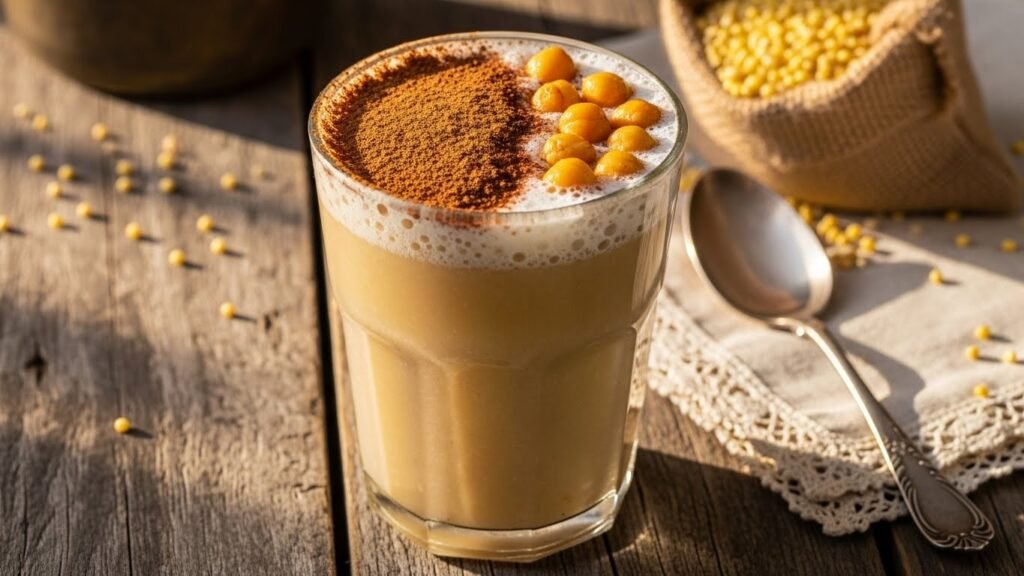
Have you ever wanted a drink that feels like a hug in a cup? You need to try the boza drink right now. It is a thick and tangy treat that has been around for ages. People in Turkey and the Balkans absolutely love this stuff. It is not just a tasty snack but also a massive win for your gut health. You will find it is creamy and fizzy all at the same time. It is basically the original energy drink from the old days. If you like trying new things, this fermented magic is for you.
What is the Boza Drink Exactly?
The boza drink is a super cool fermented grain beverage. It is known for having a really thick texture that stands out. Imagine a mix between a smoothie and a pudding. It is famous for being both tangy and a little bit sweet. Most people say it tastes like a party in your mouth. The fermentation gives it a light fizz that feels awesome on your tongue. It is one of those drinks that stays with you forever.
Core Characteristics of this Tasty Brew

- Fizzy Vibes: The fermentation process creates tiny natural bubbles that make it pop.
- Tangy Flavor: It has a sharp and bright taste thanks to the healthy acids inside.
- Creamy Body: The grains make it smooth and very filling for your stomach.
- Satisfying Feel: One cup can actually keep you full for quite a while.
The Dietary Profile of Your New Favorite Drink
- Naturally Vegan: There are zero animal products used in the traditional recipe.
- Dairy-Free Joy: It is a perfect creamy choice for people who do not do milk.
- Gluten-Free Choice: When you use millet, it is totally safe for gluten-free diets.
- Lectin-Free Bonus: Millet is also great for people avoiding lectins in their food.
A Texture Like No Other
The boza drink has a very special way of feeling when you drink it. People often describe it as a runny custard that flows slowly. It is so thick that many folks prefer to eat it with a spoon. You can adjust the thickness by adding a little water if you want. Most fans love it exactly how it comes out of the jar. It is definitely not your average watery juice or soda.
The 10,000-Year Epic History of the Boza Drink
This drink is not some new health fad from a fancy store. The boza drink has been around since the very beginning of farming. It actually started in Mesopotamia about 10,000 years ago. That was way back in the 9th century BCE when people first grew grains. They probably left some millet porridge out and it accidentally bubbled up. That happy accident gave the world one of its oldest fermented treasures.
Where the Name Comes From
The word actually has some really deep roots in ancient languages. It comes from the Persian word “Buze” which literally means millet. This shows how important that specific grain was to the original recipe. Over time, the name spread as the drink traveled across different lands. Now, almost everyone in that part of the world uses a similar name. It is a simple word for a drink with a massive history.
How the Recipe Changed Over Time
- Early Porridge: It began as a basic thick grain mash left to sit.
- Accidental Bubbles: Wild yeast from the air turned the mash into a drink.
- Refining the Taste: People eventually learned to add sugar and spices for flavor.
- Modern Variety: Today we see many different grains being used in the mix.
The Golden Age of the Ottoman Empire
The boza drink really became a superstar during the Ottoman Empire days. In the 17th century, the city of Istanbul was totally obsessed with it. There were over 300 boza shops scattered across the city back then. More than a thousand people worked just to make and sell this drink. It was the go-to beverage for soldiers and workers who needed energy. It was a massive part of daily life for everyone in the empire.
Street Vendors and Their Famous Calls
- Metal Containers: Sellers carried the drink in big pails on their shoulders.
- Winter Nights: The vendors usually walked the streets during the cold months.
- Unique Sounds: Each seller had a special shout to let people know they arrived.
- Nighttime Traditions: It was a classic late-night snack for people staying warm indoors.
Keeping the Tradition Alive Today

There are still places where you can taste the original history. Vefa Bozacısı is a world-famous shop in Istanbul that started in 1876. The same family has been running it for four generations now. Even the founder of modern Turkey, Atatürk, used to drink there. It feels like stepping back in time when you walk through the doors. They still serve it the same way they did over a century ago.
Cultural Significance in Art and Books
This drink is so famous it even shows up in great novels. The writer Orhan Pamuk wrote a whole book about a boza seller. It is called “A Strangeness in My Mind” and it is a total classic. It tells the story of how the city changed through the eyes of the vendor. The drink is a symbol of old traditions staying strong in a fast world. It is more than a beverage; it is a piece of cultural identity.
Why You Should Make Boza Drink at Home
Making your own boza drink is a total game changer for your kitchen. It is one of the easiest ways to get into fermenting your own food. You get to control exactly what goes into your body every single day. Plus, it is a lot of fun to watch the bubbles start to form. It makes your house smell like a traditional bakery in the best way. You will feel like a kitchen pro once you finish your first batch.
Massive Health and Probiotic Wins
- Gut Health: It is packed with live microbes that help your tummy feel great.
- Immune Support: A healthy gut usually means a much stronger immune system.
- Natural Fermentation: You get real probiotics without any weird pills or powders.
- Smooth Digestion: The acids in the drink help break down your food better.
Better Ingredients and Less Junk
When you make it yourself, you can skip all the weird chemicals. Store-bought drinks often have way too much sugar or preservatives inside them. You can use high-quality organic grains and natural sweeteners instead. This makes the drink a lot healthier for you and your family. You get all the ancient goodness without any of the modern junk. It is the cleanest way to enjoy this legendary beverage.
Saving Money with Ancient Grains
- Cheap Grains: Millet and corn are very affordable in most grocery stores.
- Big Batches: You can make a huge amount of drink for just a few dollars.
- No Fancy Tools: You mostly just need a pot, a jar, and a sieve.
- Sustainable Choice: Using simple grains is great for the planet and your wallet.
A Versatile Drink for Any Occasion
The boza drink is not just for sipping out of a glass. You can use it as a base for a bunch of other cool recipes. It works as a healthy snack when you are feeling a bit hungry. Some people even use it as a breakfast replacement because it is so filling. It is a multitasker that fits into your busy life very easily. You will find yourself reaching for it at all times of the day.
Nutrients and Health Benefits You Need to Know
The boza drink is basically a liquid multivitamin from nature. It is loaded with stuff that your body craves to stay strong. Since it is fermented, your body can absorb these nutrients much faster. It is a fantastic way to fuel up without a sugar crash later on. You will feel a steady stream of energy after having a glass. It is truly a powerhouse for anyone trying to live a healthy life.
A Probiotic Powerhouse for Your Tummy
- Lactic Acid Bacteria: This helps keep your gut flora balanced and happy.
- Active Cultures: Every sip is full of live microbes that fight bad bacteria.
- Microbiome Boost: It helps grow the good bugs that live inside your digestive system.
- Better Absorption: Fermentation makes it easier for you to soak up minerals.
Vitamins and Minerals Inside Every Cup
- B-Vitamins: It is rich in B1, B2, and B6 for a healthy brain.
- Vitamin A and E: These are great for your skin and your eyes.
- Iron Source: It helps keep your blood healthy and your energy high.
- Niacin Content: This mineral is awesome for your heart and metabolism.
Energy and Smooth Digestion
If you need a pick-me-up, the boza drink has your back. It is full of healthy carbohydrates that give you a clean energy boost. Unlike coffee, it won’t make you feel jittery or weird. The enzymes from the fermentation process also help your stomach relax. It is a great choice after a big meal to help everything move along. You will feel lighter and more energized after drinking it.
Traditional Benefits for Moms and Mood
- Nursing Support: Many cultures believe it helps moms make more milk for babies.
- Mood Lifter: The gut-brain connection means a happy tummy leads to a happy mind.
- Stress Buster: Fermented foods are known to help lower stress levels naturally.
- Nourishing Drink: It provides a calming and warming sensation for the whole body.
Ingredients and Grain Variations to Try
The beauty of the boza drink is that it is super flexible. You can use a bunch of different grains depending on what you like. Each grain gives the drink a slightly different flavor and feel. Millet is the classic choice, but don’t be afraid to experiment. You can even mix a few grains together for a custom blend. It is like being a scientist in your own kitchen laboratory.
The Traditional Masterpiece: Millet
- Golden Color: It gives the drink a beautiful light yellow hue.
- Creamy Finish: Millet creates the smoothest texture of all the grains.
- Gluten-Free: It is the safest bet for anyone with food sensitivities.
- Mild Taste: It has a gentle nutty flavor that goes well with sugar.
Regional Variations and Grain Choices
- Maize and Corn: Used often in the Balkans for a sweeter, yellow drink.
- Wheat and Barley: These provide a deeper and more earthy flavor profile.
- Bulgur Wheat: A common choice in Turkey for a very traditional taste.
- Mixed Grains: Some people blend corn and wheat for a complex finish.
Alternative Ancient Grains for Modern Cooks
- Sorghum: A great gluten-free option that creates a very rich drink.
- Amaranth: Adds a unique earthy punch and extra protein to the mix.
- Teff: This tiny grain makes a very dark and flavorful version.
- Buckwheat: For those who want a really bold and distinct boza experience.
Sweeteners and Water Quality
- Golden Caster Sugar: This is the most common way to get that classic sweetness.
- Cane Sugar: A solid backup that works perfectly in any recipe.
- Filtered Water: Using clean water is key to a healthy fermentation process.
- Natural Alternatives: Some people experiment with honey or maple syrup for a twist.
Global Varieties: The Boza Drink Around the World
Even though it started in one place, the boza drink has traveled everywhere. Different countries have put their own spin on the ancient recipe. Some like it thin and sour, while others prefer it thick and sweet. It is fascinating to see how a simple grain drink can change so much. Exploring these varieties is like taking a trip around the globe from your kitchen. You might find a new favorite version you never knew existed.
The Balkan Style Experience
In countries like Albania and Bulgaria, boza is a daily staple. Their version is often a bit thinner than the Turkish one. It also tends to be slightly darker in color because of the grains used. People there often drink it with breakfast to start their day right. It has a sharper tang that is very refreshing on a cold morning. It is a proud part of their local food culture.
Variations from the Caucasus Mountains
- High Altitude: The mountain air can change how the drink ferments.
- Local Grains: They often use whatever is growing nearby in the valleys.
- Stronger Fizz: Some mountain versions are known for being extra bubbly.
- Herbal Adds: Sometimes local herbs are added for a unique mountain flavor.
The Egyptian “Bouza” Connection
Don’t get confused if you hear about “bouza” in Egypt. It is a very similar name but sometimes refers to a different thing. In some places, it might be an ancient wheat beer with a bit more punch. In others, it is actually a type of traditional ice cream. However, the root of the word still points back to that ancient grain drink. It shows how influential the original boza really was across history.
Central Asian Roots and Maksym
- Nomadic Heritage: Traveling tribes carried grain drinks across the vast plains.
- Maksym Drink: A close relative made from barley or corn in Kyrgyzstan.
- Dairy Blends: Some Central Asian versions mix in a little bit of yogurt.
- Hardy Grains: They use tough grains that can survive the harsh climate.
Step-by-Step Guide: How to Make the Best Boza Drink
Ready to get started? Making the boza drink is a journey of patience and flavor. You don’t need a degree in science to get this right. Just follow these simple steps and you will be golden. It takes a few days, but the result is totally worth the wait. Your first sip of homemade boza will be a moment you never forget. Let’s break it down so you can start brewing today.
Preparing Your Kitchen for Success
- Sterilize Everything: Use hot soapy water on your jars and spoons first.
- Clean Surface: Make sure your counters are tidy and ready for work.
- Gather Tools: You need a large pot, a blender, and a fine sieve.
- Quality Grains: Start with the freshest millet or corn you can find.
The Cooking Phase
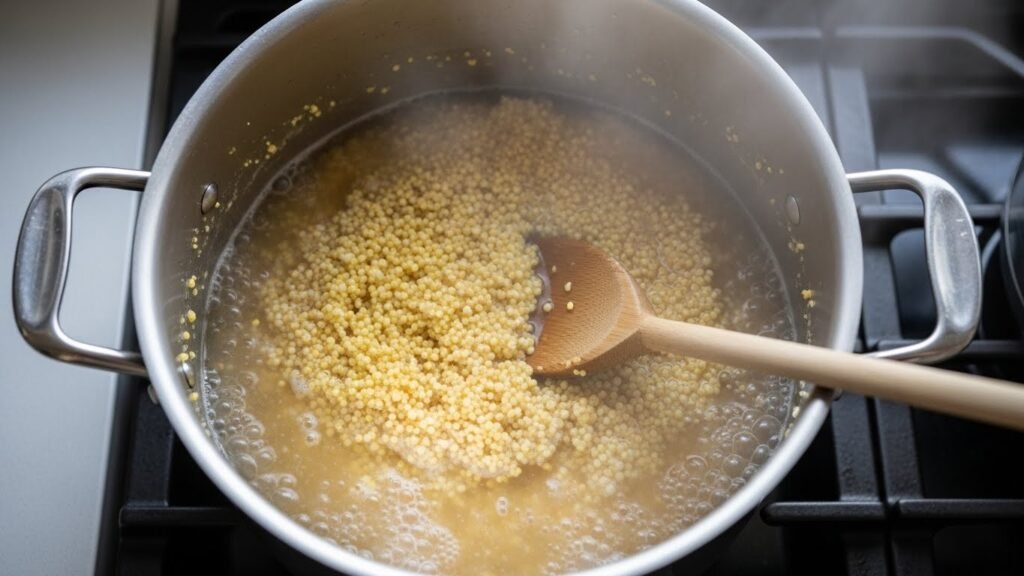
- Washing First: Always rinse your millet well before you start cooking.
- The Big Simmer: Boil your grain in plenty of water for about an hour.
- Keep it Loose: Leave the lid ajar so it doesn’t boil over and make a mess.
- Check for Softness: The grains should be totally mushy and porridgy when done.
Blending and Straining for Smoothness
- Cooling Down: Let the cooked grain reach room temperature for a couple of hours.
- The Power Blend: Use an immersion blender to get it as smooth as possible.
- Sieve Work: Press the mix through a fine sieve to remove any grit.
- Pulp Reuse: Save the leftover mush for your morning oatmeal or baking.
The Fermentation Process
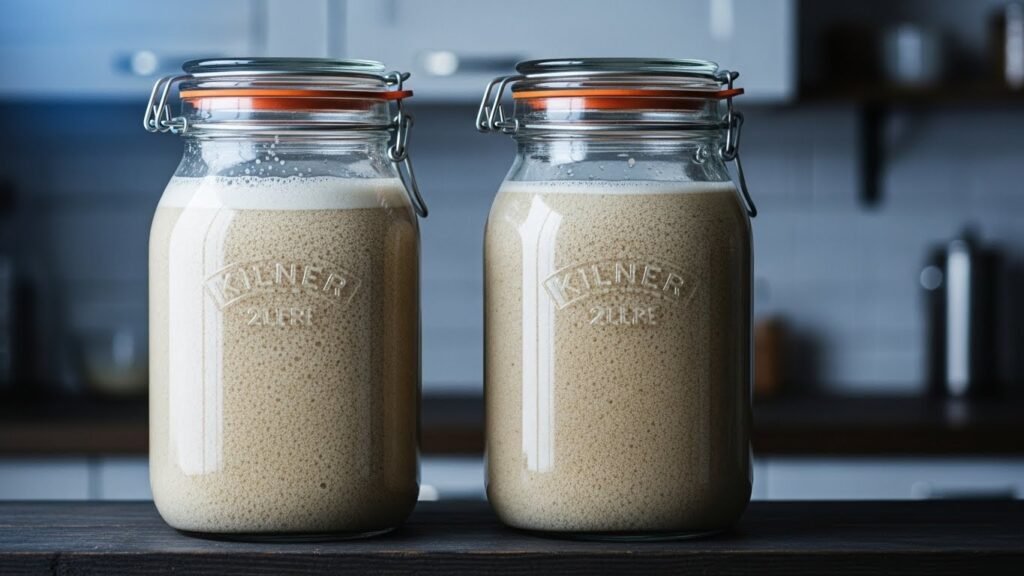
- Dark and Cool: Place your jar in a spot away from direct sunlight.
- Daily Stirring: Use a clean spoon to stir the boza once every single day.
- Watch the Bubbles: You will start to see tiny bubbles forming on the top.
- Patience Wins: It usually takes 2 to 4 days to get that perfect tang.
Finishing and Adjusting Your Brew
- Add Sweetness: Stir in your sugar once the taste is just right for you.
- Check Thickness: Add a tiny bit of water if it feels too much like a solid.
- Final Refrigeration: Put it in the fridge for 24 hours to let the flavor set.
- Taste Test: Do a final check to see if it needs more sugar or tang.
Master the Fermentation: Pro Tips for Success
Fermenting the boza drink is an art form that gets better with practice. You are working with tiny living microbes that need a little love. Don’t panic if your first batch isn’t perfect; it’s a learning curve. These pro tips will help you avoid common mistakes and get a great result. You will soon be the person your friends ask for fermentation advice. Let’s look at how to handle those little bacteria like a boss.
Understanding the Microbes at Work
- Wild Yeast: These tiny guys from the air help create the natural fizz.
- Lactic Acid Bacteria: They provide the healthy sour taste that we all love.
- The “Backslop” Trick: Add a bit of an old batch to start the new one.
- Consistent Stirring: This keeps the bacteria moving and prevents any surface mold.
Choosing Your Starter Culture
- Natural Start: Let the air do the work for a truly traditional flavor.
- Sourdough Option: You can use a bit of bread starter for a faster tang.
- Commercial Yeast: Use a tiny pinch if you want a guaranteed quick bubble.
- The Millet Starter: Make a mini-batch with sugar to kick things off right.
Temperature and Seasonality Matters
- Winter Advantage: Cooler temps allow for a slower and more complex fermentation.
- Summer Strategy: Move your jar to the fridge if it starts bubbling too fast.
- Consistency is Key: Try to keep the room temperature steady for the best result.
- Light Control: Always keep your jar in a dark place to protect the microbes.
The Chemistry of Boza: What’s Happening Inside?
Under the surface, the boza drink is a busy chemical factory. A lot of cool science is happening while you wait for it to ferment. The starch from the grain is being broken down into simpler sugars. Then, the bacteria and yeast turn those sugars into acid and gas. This process makes the drink much easier for your body to process. It is a beautiful dance of nature and chemistry happening in your kitchen.
Lactic Acid vs. Yeast Fermentation
- Acid Power: Bacteria create the tang that preserves the drink and aids digestion.
- Carbonation Gas: Yeast creates the carbon dioxide that gives it a light fizz.
- Teamwork: Both work together to create the unique flavor and texture we love.
- Preservation: The natural acids help keep the drink safe to consume for days.
Breaking Down the Anti-Nutrients
Grains often have things called phytates that can block nutrient absorption. The fermentation process in the boza drink helps break these down completely. This means your body can actually get more iron and zinc from the drink. It makes the grains much more nutritious than if you just ate them as porridge. It is a natural way to unlock the hidden power of ancient grains. You are getting the most out of every single calorie.
Starch Conversion and Texture
- Gelatinization: Cooking the grains turns the starches into a thick, gooey base.
- Microbe Food: These starches are the primary fuel for the fermenting microbes.
- Viscosity: The balance of water and grain determines how thick the drink feels.
- Smoothness: Blending ensures the starches are evenly spread for a creamy mouthfeel.
Sensory Profile: What to Expect When You Sip
Drinking the boza drink is a total sensory experience that hits every part of your palate. It is not just about the taste; it’s about the feel and the smell too. You will notice a bright, slightly yeasty aroma as soon as you open the jar. The first sip is usually a surprise for people used to thin juices. It is a complex drink that reveals new flavors as you go. Let’s talk about what makes it so special to your senses.
A Complex Flavor Profile
- Initial Sweetness: The added sugar hits your tongue first with a gentle hug.
- Following Tang: A bright citrus-like sourness follows closely behind the sweet.
- Nutty Undertones: The millet or corn provides a deep, earthy finish to the sip.
- Yeasty Notes: A light bready flavor reminds you that it is a live ferment.
The Unique Mouthfeel and Fizz
- Velvety Smooth: It coats your mouth in a way that feels very luxurious.
- Prickly Fizz: You will feel a light tingle on your tongue from the bubbles.
- Heavy Body: It feels substantial and “thick” as you swallow it down.
- Cooling Sensation: Even when thick, it has a very refreshing effect on the throat.
Alcohol Content: Keeping it Safe
- Low Levels: Most homemade boza has less than 1% alcohol inside.
- Turkish Law: Commercial versions in Turkey must be under 2% alcohol.
- Natural Byproduct: A tiny amount of alcohol is a normal part of yeast fermentation.
- Family Friendly: Because it is so low, it is traditionally given to kids too.
Traditional and Modern Serving Suggestions
How you serve the boza drink can totally change the experience. In Istanbul, there is a very specific way they do it every time. But in your own home, you can get as creative as you want. It is a very flexible drink that pairs well with many different toppings. Whether you want to be traditional or modern, there is a way to love it. Let’s look at how to dress up your cup of boza.
The Classic Istanbul Experience

- Ground Cinnamon: A heavy dusting on top is the absolute gold standard.
- Roasted Chickpeas: Known as leblebi, these are dropped right on top.
- The Crunch Factor: The chickpeas provide a nutty contrast to the creamy drink.
- Cold Serving: Traditionally enjoyed chilled in a glass with a spoon.
Innovative and Fun Ways to Enjoy Boza
- Warm it Up: Gently heat it in winter for a cozy, nourishing mug of joy.
- Yogurt Swap: Use it to top your morning fruit or a bowl of hot oatmeal.
- Smoothie Power: Mix it with cocoa powder or fruits for a probiotic smoothie.
- Popsicle Fun: Freeze it into molds for a healthy summer treat for kids.
- Nutty Additions: Top it with toasted walnuts or ground linseed for extra health.
Troubleshooting for New Brewers
Don’t worry if things don’t go perfectly on your first try. Fermenting is a living process and sometimes things go a little sideways. Most problems are very easy to fix once you know what to look for. These tips will help you navigate the tricky parts of making boza. You will be a master brewer in no time with a little bit of guidance. Let’s answer the most common questions people have about this drink.
Identifying Spoilage vs. Good Fermentation
- Good Bubbles: Active, small bubbles are a sign of a happy and healthy ferment.
- Bad Mold: If you see fuzzy green or black spots, throw it out and start over.
- The Smell Test: It should smell tangy and bready, not like rotten eggs.
- Texture Check: A little bit of separation is normal; just give it a good stir.
Pro Proactive Troubleshooting Checklist for Your First Boza Drink Batch
Starting your first fermentation can feel a little bit like a science experiment in your kitchen. It is totally normal to have a few questions as you watch your boza drink change over several days. Use this handy checklist to make sure your microbes are happy and your drink stays safe. These tips will help you fix common issues before they become real problems. You will feel much more confident as you watch those first bubbles appear in your jar.
Watching for Healthy Fermentation Signs
- Tiny Bubbles: You should see small bubbles moving up the sides of the jar after day two.
- A Bright Scent: The jar should smell like fresh bread dough or a little bit like lemons.
- Color Check: Your boza drink should stay a consistent pale yellow or creamy off-white color.
- Gentle Pressure: If you use a sealed jar, you might hear a tiny hiss when you open it to stir.
- Active Tang: The taste should get sharper and more interesting every single day you leave it.
Dealing with Common Texture and Appearance Issues
- Too Thick: If it looks like a solid block, just whisk in a little filtered water until it moves again.
- Separation: It is common for water to sit on top; just give it a vigorous stir with a clean spoon.
- Grainy Feel: This usually means it needs more blending or a finer sieve next time you make it.
- Thin Consistency: You might have added too much water during the blending phase or didn’t cook the grains long enough.
- Ropey Texture: If it feels slimy, the temperature might be too high; try a cooler spot for the next batch.
When to Toss Your Batch and Start Over
- Fuzzy Spots: Any sign of green, black, or white fuzz on the surface means mold has moved in.
- Bad Smells: If it smells like a trash can or rotten eggs, the wrong bacteria are winning the fight.
- Pink or Orange Tints: Strange bright colors are a major red flag for dangerous spoilage in your jar.
- Total Stillness: If there are zero bubbles or changes after four days, your starter might be dead.
- Slimy Film: A thick and oily film on top that won’t stir back in is a sign of contamination.
Tips for a Better Second Batch
- Boil the Water: If your tap water has chlorine, boil it first and let it cool to protect the yeast.
- Check the Temp: Use a thermometer to make sure your house isn’t dropping below 60 degrees at night.
- Cleaner Jars: Try boiling your glass jars in a big pot of water to kill every single bad microbe.
- Better Grains: Switch to organic hulled millet to ensure there are no pesticides slowing down the bubbles.
- The Power of Sugar: Don’t skip the sugar, as it provides the essential fuel the bacteria need to grow.
The Future of the Boza Drink
The boza drink is making a massive comeback in the modern world. More people are looking for functional beverages that actually do something for them. It fits right in with the popularity of kombucha and kefir. We are starting to see it show up in health food stores and fancy cafes. This ancient drink is finally getting the global respect it deserves. It is a bridge between our ancient past and a healthy future.
Moving from Streets to Shelves
- Bottled Convenience: You can now find boza in bottles in many international markets.
- Modern Labels: New brands are highlighting the probiotic benefits for young buyers.
- Global Access: Online stores make it easy to get boza ingredients anywhere.
- Artisanal Makers: Small-batch producers are keeping the craft methods alive.
Preservation of a Cultural Treasure
It is so important to keep these traditional food ways going strong. When we make the boza drink at home, we are honoring thousands of years of history. It is a way to connect with the wisdom of our ancestors in a practical way. Every jar of boza is a small victory for traditional food culture. Let’s keep the bubbles going for another 10,000 years. It is a delicious legacy that belongs to all of us.
FAQs About the Legend of Boza
Can I make boza with a different sweetener like honey or maple syrup?
While you can use alternative sweeteners, they contain their own antimicrobial properties which might slow down the initial fermentation. If you want to use honey, it is best to add it after the fermentation is complete and right before you put the drink in the refrigerator to ensure the healthy bacteria have already established themselves.
Is boza safe for people with a yeast allergy?
Because boza is a fermented product that relies on wild or added yeast, it is generally not recommended for individuals with a severe yeast allergy. The drink contains active yeast cultures that are essential for its characteristic fizz and flavor profile.
Why do some people call boza a “winter drink” specifically?
Historically, boza was sold by street vendors in the winter because the cold temperatures prevented the drink from fermenting too quickly and turning overly sour or alcoholic. Before modern refrigeration, the natural outdoor chill acted as a temperature regulator for the delicate fermentation process.
Can boza be frozen for long-term storage?
You can freeze boza, but the texture may change slightly upon thawing, becoming a bit more grainy. If you freeze it as popsicles, the texture is perfect, but if you want to drink it later, you will likely need to give it a quick whisk or a spin in the blender to restore its creamy smoothness.
Does the type of pot I use for cooking the millet matter?
It is best to use a heavy-bottomed stainless steel or ceramic-coated pot. Avoid reactive metals like aluminum or unlined copper, as the acidity of the fermented drink can react with the metal and give the boza a metallic aftertaste or change its color.
Can I use store-bought millet flour instead of whole grains?
Yes, you can use millet flour to speed up the process. However, you must whisk it constantly while cooking to avoid lumps. Most traditionalists prefer whole grains because they believe the straining process results in a superior, more authentic texture.
Does boza contain caffeine?
No, boza is naturally caffeine-free. Unlike kombucha, which is made from tea leaves, boza is grain-based, making it an excellent energy-boosting alternative for people who are sensitive to caffeine or for children.
What is the difference between Turkish Boza and Bulgarian Boza?
Turkish boza is typically made from millet and has a lighter color and a thicker, custard-like consistency. Bulgarian boza is often made from toasted wheat or rye, giving it a much darker brown color and a slightly different, more “toasty” flavor profile.
Can boza go bad if it stays in the fridge too long?
While the cold temperature slows fermentation, it doesn’t stop it entirely. After about five to seven days, the boza will become increasingly sour and may develop a very strong alcoholic smell. It is best consumed within the first four days for the ideal balance of sweet and tangy.
Is there a specific type of glass I should use to serve it?
Traditionally, boza is served in a wide-mouthed water glass or a small bowl. This is because the drink is so thick that a wide opening makes it easier to use a spoon to scoop up the roasted chickpeas and cinnamon toppings.
Can I drink boza if I am on a keto diet?
Boza is quite high in carbohydrates because its main ingredients are grains and sugar. Therefore, it is generally not considered keto-friendly. However, it is a great source of complex carbohydrates for those on more flexible or high-energy diets.
Why is cinnamon the traditional spice for boza?
Cinnamon is used because its warm, sweet aroma perfectly complements the sour tang of the fermentation. Historically, spices like cinnamon were also believed to have digestive benefits that paired well with the probiotic nature of the drink.
Does homemade boza have more probiotics than store-bought?
Often, yes. Homemade boza is usually unpasteurized, meaning the beneficial bacteria are alive and active. Some mass-produced commercial versions are heat-treated to extend shelf life, which can kill off the very probiotics that make the drink healthy.
Can I use the leftover pulp from straining for anything else?
The leftover pulp is highly nutritious and fiber-rich. You can stir it into muffin batter, add it to pancakes, or mix it into your morning porridge so that nothing from the ancient grains goes to waste.
How do I make boza less gassy?
If you find the fizz too intense, you can stir the drink vigorously to release some of the carbon dioxide before drinking. Additionally, shortening the fermentation time at room temperature will result in a milder, less bubbly beverage.
Is boza a good post-workout drink?
Absolutely. Because it contains both simple sugars for immediate energy and complex carbohydrates for sustained recovery, along with B-vitamins, it serves as an excellent natural recovery drink after physical exercise.
Can I use a plastic container for fermentation?
It is highly recommended to use glass or food-grade ceramic jars. Plastic can sometimes harbor old bacteria in microscopic scratches, and the acidity of the fermentation could potentially leach chemicals from lower-quality plastics over time.
Why is my boza turning grey?
If your boza looks grey or dull, it might be due to the oxidation of the grains or the use of a reactive metal pot. Ensure your jar is airtight and your cooking equipment is stainless steel to maintain that beautiful golden-yellow hue.
Can I add fruit to the fermentation process?
While you can add fruit purees, it is best to add them after the boza has already fermented. Adding fruit early on can introduce different types of wild sugars and yeasts that might make the fermentation unpredictable or cause it to bubble over.
Is boza considered an alcoholic beverage?
No, it is classified as a non-alcoholic or “soft” fermented drink. While it contains trace amounts of alcohol (usually under 1%), it is not enough to cause intoxication, which is why it has been a popular alternative in various cultures for centuries.