 Skip to content
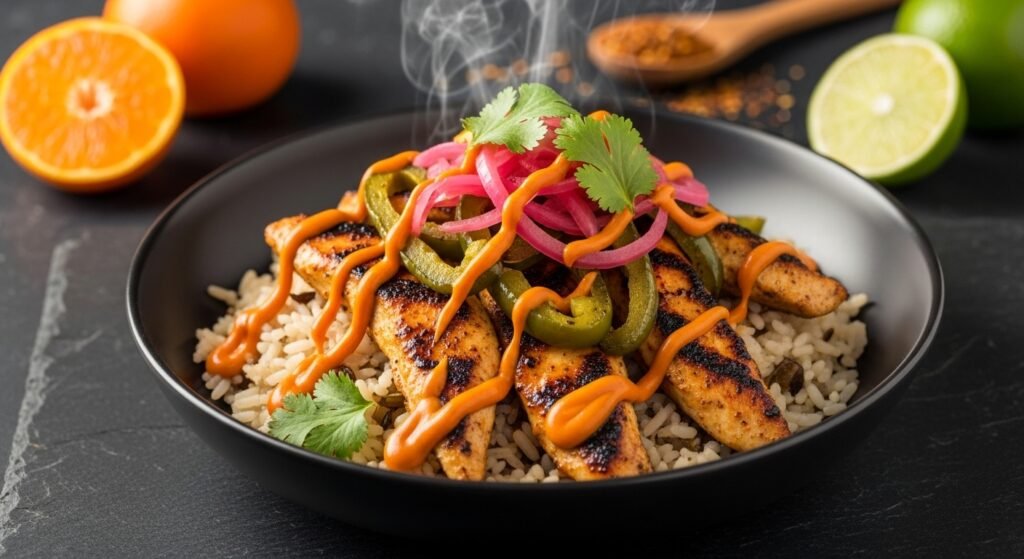
The Yucatan Citrus Chicken Bowl is more than just a meal; it is a fusion of ancient Mayan influences and Spanish culinary traditions. This guide provides an exhaustive breakdown of how to recreate this vibrant, citrus-forward dish, ensuring every element—from the zesty marinade to the smoky crema—is executed to perfection.
Understanding the Yucatan Culinary Profile
The culinary landscape of the Yucatán Peninsula is a distinct departure from the heavy, cheese-laden dishes often associated with Mexican food in the United States. Instead, it relies on a sophisticated interplay of bright acidity and deep, earthy spices that reflect its unique geography and history.
The Role of Citrus
Unlike traditional Mexican cuisine which relies heavily on dried chilies, Yucatan cooking focuses on “Agrio” (sour) profiles using Seville oranges and limes. These acidic components serve as both a flavoring agent and a structural element in the cooking process.
The Earthy Undertones
Exploring the use of Annatto (Achiote) and warm spices to balance the acidity is essential for authenticity. These spices provide the deep orange hue and musky scent that define the region’s most famous exports.
The “Bowl” Concept
Modern meal-prepping techniques have transformed traditional plated “Pollo Pibil” styles into convenient, nutritious bowls. This evolution allows for a customizable dining experience that fits a fast-paced lifestyle while honoring traditional flavors.
Historical Roots of Yucatecan Flavors
The Mayan Legacy involves the use of underground ovens (pibs) and native spices like allspice and habanero. These ancient methods still influence how modern chefs approach heat and smoke.
The Caribbean Influence
Because of its coastal location, trade routes brought unique citrus varieties and tropical flair to the peninsula. This exchange resulted in a lighter, fresher palette of ingredients compared to the mountainous regions of central Mexico.
Essential Ingredients and Precise Quantities

To achieve the perfect balance of flavors, precise measurements are required for each component of the bowl.
The Protein Base
- Chicken Breast Strips: 10 oz (high-quality, lean protein).
- Alternative options: Thighs or plant-based strips (adjust cooking time accordingly).
Fresh Produce and Aromatics
- Mandarin Orange: 1 unit (for sweet acidity).
- Lime: 1 unit (divided for zest, juice, and garnishing).
- Yellow Onion: 1 unit (divided for pickling and sautéing).
- Poblano Pepper: 1 unit (for mild, earthy heat).
- Cilantro: 1/4 oz (fresh stems and leaves).
The Grain Foundation
- Jasmine Rice: 1/2 cup (chosen for its ability to absorb citrus notes).
- Water: 3/4 cup (for boiling).
- Butter: 1 tbsp (for finishing the rice).
Spices, Pastes, and Condiments
- Tex-Mex Paste: 1 unit (approx. 1 tbsp—typically a blend of tomato, chili, and cumin).
- Southwest Spice Blend: 1 tbsp (garlic powder, onion powder, paprika, and cumin).
- Ancho Chili Powder: 1 tsp (for a deep, raisin-like smokiness).
- Smoky Red Pepper Crema: 4 tbsp (the cooling element).
- Sugar: 1/4 tsp (essential for the quick-pickling process).
- Cooking Oil: 4 tsp (neutral oil like avocado or vegetable).
| Ingredient | Primary Flavor Profile | When to Use in the Process |
| Chicken Breast Strips | Savory and mild | Marinate first, then sear at the end. |
| Mandarin Orange | Sweet and citrusy | Squeeze into the marinade for tenderizing. |
| Lime Juice & Zest | Sharp and zesty | Use zest in marinade; juice for pickling. |
| Yellow Onion | Sweet when cooked, sharp raw | Sauté half with peppers; pickle the rest. |
| Poblano Pepper | Earthy and mildly smoky | Sauté in the pan until slightly blistered. |
| Jasmine Rice | Floral and buttery | Cook as the base layer for the bowl. |
| Tex-Mex Paste | Umami and spiced | Whisk into the marinade for the chicken. |
| Southwest Spice Blend | Bold and savory | Add to the rice water and chicken marinade. |
| Ancho Chili Powder | Deep, dark, and fruity | Sprinkle over chicken during the final sear. |
| Smoky Red Pepper Crema | Creamy and roasted | Drizzle over the finished bowl as a topper. |
| Cilantro | Fresh and herbal | Sprinkle over the top as a final garnish. |
| Butter | Rich and creamy | Stir into cooked rice for a silky finish. |
| Sugar | Sweet | Stir into the lime juice for quick-pickling. |
| Cooking Oil | Neutral | Use for sautéing veggies and searing meat. |
Step-by-Step Cooking Methods and Culinary Techniques
Preparation is the key to success when working with complex citrus-based marinades and quick-pickled components.
Mise en Place and Produce Preparation
Techniques for zesting the lime without hitting the bitter pith and maximizing juice yield from the mandarin are foundational steps. Proper knife skills for vegetables involve slicing onions into uniform “half-moons” for even caramelization and julienning the poblano pepper into strips that match the size of the chicken. Roughly chopping cilantro releases essential oils without bruising the leaves.
The Marinade Process
Flavor layering starts by combining the Tex-Mex paste with citrus juices to create a chemical reaction that tenderizes the chicken fibers. Massaging the Southwest spices and lime zest into the meat ensures maximum penetration for a deep flavor profile.
Mastering the Spiced Jasmine Rice
Achieving the perfect ratio of water to rice is the first step in creating the grain foundation. Adding the Southwest blend to the water allows the flavor to be absorbed into the grain rather than just sitting on top. Keeping the pot covered off-heat during the resting phase allows steam to finish the grain texture perfectly. Folding in butter and salt creates a silky mouthfeel that complements the lean chicken.
Quick-Pickling the Red Onions
The chemistry of vinegar and sugar transforms raw, pungent onions into bright, pink, tangy accents. Using a 60-second microwave burst accelerates this pickling process, making it suitable for immediate service.
Expert Sautéing of Vegetables
Using medium-high heat is necessary to achieve a “blister” on the poblano peppers without turning them to mush. Layering textures involves sautéing the peppers first, followed by the onions, to ensure both reach peak tenderness simultaneously.
Achieving the Perfect Sear on Chicken

The single layer rule is vital; avoiding overcrowding the pan ensures the chicken sears via the Maillard reaction rather than steaming. The sugars in the mandarin juice will caramelize against the heat of the pan, providing a beautiful brown char. Adding Ancho chili powder at the very end prevents the spices from burning and turning bitter.
Deep Dive into Component Customization
While the base recipe is balanced, there is significant room for personal flair and dietary adjustments.
Sauce Variations and Enhancements
- Adjusting Heat Levels: Incorporating chipotle or habanero into the Smoky Red Pepper Crema for those who prefer more fire.
- Dairy-Free Alternatives: Using coconut cream or cashew-based lime crema for a vegan-friendly drizzle.
Choosing the Best Rice Varieties
The floral notes of Jasmine complement the Yucatán citrus profile better than the nuttiness of Basmati. For those seeking increased fiber, substituting with brown rice or quinoa is a viable option, though cooking times will require adjustment.
Flavor Dynamics and Texture Profiles
A successful bowl is a study in contrasts, ensuring that every bite offers a different sensation.
The “Acid-Fat-Heat” Balance
- Acidity: Provided by the lime-pickled onions and mandarin marinade.
- Fat: Delivered through the butter-fluffed rice and the smoky crema.
- Heat: A mild, manageable warmth from the poblano and Ancho chili.
Texture Contrasts
- Crunch: Provided by the fresh-pickled onions.
- Softness: The tender jasmine rice and sautéed aromatics.
- Creaminess: The signature red pepper crema drizzle.
Assembly and Presentation Standards
The visual appeal of the bowl is just as important as its flavor, especially given the vibrant colors of the Yucatán ingredients.
Constructing the Bowl

The assembly begins by spreading the yellow-tinted rice evenly as the base layer. The charred chicken and peppers are placed as the centerpiece to draw the eye. Thinning the crema with water allows for “restaurant-style” ribbons to be drizzled across the top. Placing cilantro and lime wedges on the side allows the diner to control the final hits of freshness.
Nutritional Benefits and Dietary Considerations
This dish is a powerhouse of nutrients, providing a balanced profile of macros and micros.
Health Analysis
The use of chicken breast strips provides a high-quality, lean protein intake. The inclusion of peppers and onions increases vegetable density, offering essential fiber and Vitamin C. Identifying naturally gluten-free components and verifying spice blends makes this dish accessible for those with gluten sensitivities.
Professional Tips for Success
To ensure the best results, home cooks should follow an efficient workflow and pay attention to moisture levels.
- Efficiency Workflow: Always start the rice first, then pickle the onions, and finish with the high-heat sautéing.
- Moisture Management: Patting the chicken dry before adding the marinade ensures the paste sticks effectively.
- Scaling the Recipe: Adjusting quantities for larger groups requires careful balancing to avoid over-powering the dish with citrus.
Advanced Storage and Meal Prep Strategies

The Yucatán chicken bowl is an excellent candidate for meal prepping due to its hearty components.
Make-Ahead Tips
Storing and reheating jasmine rice while maintaining moisture requires keeping it airtight. The window of time for marinating chicken is critical; if it sits too long, the citrus begins to break down the protein texture unfavorably.
Leftover Management
Using glass containers instead of plastic helps preserve the freshness and prevents the pickled onions from staining. A quick pan-sear is significantly better than the microwave for reheating leftover chicken to maintain its texture.
Common Mistakes to Avoid
Many cooks struggle with texture when working with peppers and rice.
- Overcooking the Poblano: It is essential to keep the pepper vibrant and crisp rather than grey and soggy.
- Rushing the Rice: The danger of lifting the lid too early is releasing the steam necessary for tender grains.
- Imbalanced Acidity: If the marinade tastes too sour, a touch more honey or sugar can restore the balance.
Frequently Asked Questions about Yucatán Citrus Chicken Bowls
What is the best substitute for Tex-Mex paste?
If you cannot find a pre-made Tex-Mex paste, you can create a quick substitute by mixing tomato paste with a dash of cumin, chili powder, and a drop of liquid smoke. This mimicry provides the concentrated umami and spice base required for the chicken marinade.
Can I use frozen chicken for this recipe?
Yes, you can use frozen chicken breast strips, but they must be completely thawed and patted dry before marinating. Excess moisture from frozen poultry can prevent the citrus and spices from adhering properly and may lead to steaming rather than searing in the pan.
How do I store leftovers without the rice getting hard?
To keep your jasmine rice fluffy when stored in the fridge, add a small splash of water or a damp paper towel over the container before sealing. This creates a humid environment that prevents the starch from crystallizing and becoming brittle.
Is there a way to make this bowl even spicier?
For those who crave high heat, adding finely diced habanero peppers to the onion and poblano sauté is the most authentic Yucatán method. Alternatively, you can mix a teaspoon of adobo sauce from a can of chipotles into your red pepper crema.
What makes Yucatán citrus flavors different from Caribbean citrus?
While both regions use lime and orange, Yucatán cooking specifically favors the “Naranja Agria” or sour orange. This fruit has a much lower sugar content and a more floral aroma than the sweet oranges typically found in Caribbean jerk or tropical marinades.
Can I grill the chicken instead of pan-fostering it?
Absolutely. Grilling the marinated chicken strips over charcoal adds a smoky depth that closely resembles the traditional “Pibil” cooking style. Ensure your grill is very hot to get those characteristic char marks quickly without drying out the lean breast meat.
Is this recipe suitable for a Keto diet?
To make this bowl Keto-friendly, simply replace the jasmine rice with riced cauliflower. The cauliflower absorbs the lime and Southwest spices beautifully and keeps the net carb count significantly lower.
How long do the pickled onions stay fresh?
When kept in an airtight glass jar in the refrigerator, lime-pickled onions will stay vibrant and crunchy for up to two weeks. The color will actually deepen over the first 48 hours, becoming a bright, neon pink.
What if I don’t have a microwave for the onions?
You can use the traditional stovetop method by bringing the lime juice, sugar, and salt to a boil in a small saucepan. Pour the hot liquid over the sliced onions and let them sit at room temperature for at least 30 minutes to achieve the same softened texture.
Why is my chicken sticking to the pan?
Sticking usually occurs if the pan isn’t hot enough or if you try to move the chicken too soon. Wait for the proteins to sear and naturally “release” from the surface of the pan before flipping or stirring them.
Can I use a different type of onion?
While yellow onions provide a nice balance of sweetness when sautéed, red onions are the gold standard for the pickling step. They provide the iconic visual pop that defines a Yucatán-style plate.
Is the smoky red pepper crema very spicy?
The red pepper crema is generally mild and focuses more on the roasted, smoky flavor of the peppers rather than capsaicin heat. It is designed to be the cooling element that ties the acidic chicken and rice together.
How can I make this dish vegan?
Replace the chicken with firm tofu cubes or soy curls and use a vegan butter substitute for the rice. For the crema, a blend of soaked cashews, lime juice, and roasted red peppers provides a rich, dairy-free alternative.
Does the zest of the lime really matter?
Yes, the lime zest contains the essential oils that provide a bright, punchy aroma that juice alone cannot replicate. It adds a “top note” to the flavor profile that makes the dish taste professionally made.
What can I use if I don’t have butter for the rice?
A high-quality extra virgin olive oil or even a splash of coconut milk can be used to finish the rice. These fats help separate the grains and provide a luxurious texture.
Is it necessary to wash the jasmine rice?
Washing the rice removes excess surface starch, which prevents the grains from becoming gummy or clumping together. For a “bowl” presentation, you want distinct, fluffy grains that hold their shape.
Can I add fruit to the bowl?
Adding diced mango or pineapple is a great way to lean into the tropical elements of the Yucatán. The sweetness of the fruit creates a delicious contrast with the salty Tex-Mex paste and charred poblano.
What is a good substitute for poblano peppers?
If poblanos are unavailable, Anaheim peppers are the closest match in terms of heat and texture. In a pinch, green bell peppers can be used, though they lack the slightly smoky undertone of the poblano.
How do I prevent the cilantro from wilting?
Add the cilantro as the very last garnish just before serving. If you are meal-prepping, store the chopped cilantro in a separate small container or herb saver to keep it crisp until you are ready to eat.
Can I use this marinade for other proteins?
This Yucatán citrus marinade works exceptionally well on shrimp, white fish like tilapia or cod, and even thin-cut pork chops. Because of the high acid content, reduce the marinating time for seafood to 15–20 minutes to prevent the “cooking” effect of the citrus.