 Skip to content
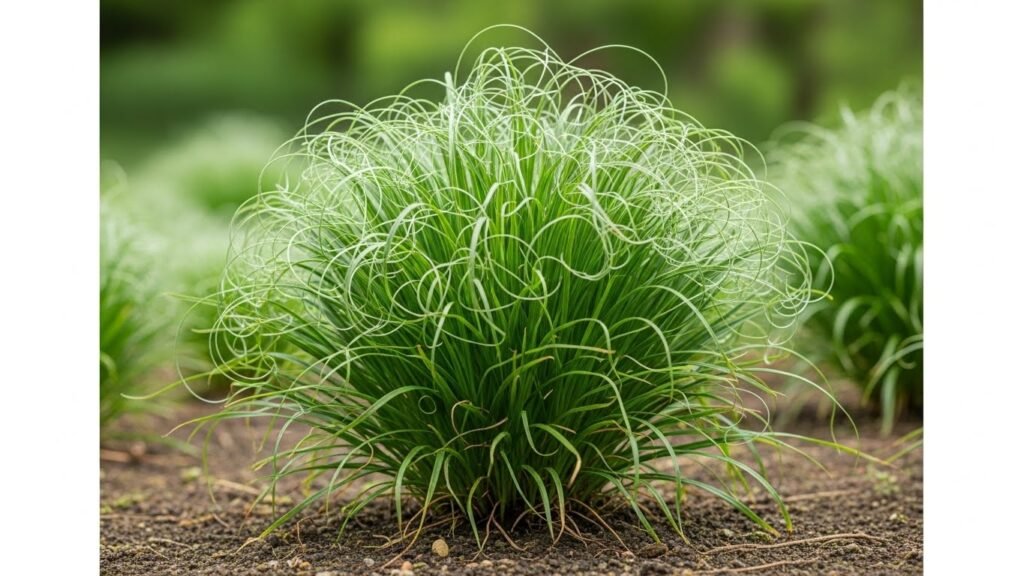
Lyposingrass is a green plant that has been gaining attention in the world of wellness for its numerous health benefits. It is a plant packed with essential nutrients, antioxidants, and vitamins that contribute to a healthier lifestyle. As the demand for natural, plant-based remedies increases, lyposingrass has become a valuable addition to modern diets and wellness routines.
This powerful plant is native to Southeast Asia, where it has been used for centuries by indigenous communities for its medicinal properties. It is now being recognized worldwide for its potential to boost health in several ways, from supporting metabolism to enhancing skin health.
In this article, we will explore the many benefits of lyposingrass, its nutritional profile, how it works in the body, and how it can be incorporated into your daily routine. We will also take a closer look at the environmental and sustainability aspects of cultivating this remarkable plant.
What is Lyposingrass?
Definition and Characteristics
Lyposingrass is a nutrient-dense plant known for its vibrant green color and fibrous texture. It is often used in the form of powdered leaves or fresh sprigs, which can be added to a variety of dishes. It contains a rich combination of bioactive compounds, including antioxidants, vitamins, and minerals, which make it a valuable addition to any diet.
This plant thrives in specific climates and requires certain growing conditions, making it a resilient crop suitable for many agricultural settings. Its deep root system not only helps it survive in nutrient-poor soils but also contributes to soil health by preventing erosion and maintaining microbial activity.
Historical and Cultural Significance
Lyposingrass has a long history of use in Southeast Asia, where it has been incorporated into traditional diets and medicinal practices. Indigenous communities have used lyposingrass as a natural remedy for various ailments, from digestive issues to skin conditions.
In addition to its medicinal uses, it has been celebrated for its role in sustainable agriculture. Farmers have grown it as part of crop rotation systems to improve soil health and enhance biodiversity in their fields.
Today, lyposingrass is gaining recognition not only for its health benefits but also for its potential to contribute to global food security and sustainable farming practices.
Health Benefits of Lyposingrass

Lyposingrass is packed with nutrients that offer a wide range of health benefits. From supporting metabolism to enhancing immune function, it plays a vital role in promoting overall well-being. Let’s take a closer look at the key health benefits lyposingrass has to offer.
Nutritional Profile
Lyposingrass is rich in essential nutrients that support various bodily functions:
- Vitamin C: A powerful antioxidant that boosts the immune system and helps maintain healthy skin.
- Fiber: Supports digestive health, promotes regular bowel movements, and aids in weight management.
- Calcium and Iron: Essential minerals that contribute to strong bones and effective oxygen transport throughout the body.
- Omega-3 Fatty Acids: These healthy fats help reduce inflammation and support heart health.
The high antioxidant content of lyposingrass helps protect cells from oxidative stress, which can lead to chronic diseases such as heart disease and diabetes. By including lyposingrass in your diet, you can easily enhance your intake of vital nutrients that contribute to a healthy and balanced lifestyle.
Metabolism Support & Fat-Burning
One of the most notable benefits of lyposingrass is its ability to support metabolism and promote fat burning. The bioactive compounds in lyposingrass can help regulate fat metabolism, which may aid in weight management.
- Increased Fat Metabolism: The compounds in lyposingrass stimulate the body’s natural fat-burning processes, helping to reduce fat storage and increase fat utilization for energy.
- Weight Management: Its high fiber content helps regulate appetite and promotes feelings of fullness, which can prevent overeating and support weight loss.
Lyposingrass can be a great addition to a weight management plan, especially when paired with a balanced diet and regular exercise.
Anti-Inflammatory and Antioxidant Properties
Lyposingrass is rich in antioxidants, which help combat oxidative stress and reduce inflammation in the body. This makes it a valuable plant for managing chronic conditions related to inflammation, such as arthritis, cardiovascular diseases, and metabolic syndrome.
- Reducing Oxidative Stress: The antioxidants in lyposingrass protect cells from free radicals, which can damage cellular structures and contribute to the aging process.
- Anti-Inflammatory Effects: By reducing inflammation, lyposingrass can help alleviate pain and discomfort caused by conditions like joint inflammation and muscle soreness.
Incorporating lyposingrass into your diet can support your body’s natural defense against oxidative damage and inflammation.
Boosting Immunity and Skin Health
Lyposingrass is also beneficial for supporting the immune system and maintaining healthy skin. The high vitamin C content in lyposingrass helps strengthen the immune system, enabling the body to fight off infections more effectively.
- Immune Boosting: Vitamin C plays a crucial role in the production of white blood cells, which help defend the body against pathogens.
- Skin Health: The antioxidants and vitamin C in lyposingrass promote a healthy complexion by protecting the skin from UV damage and pollution, preventing premature aging.
Including lyposingrass in your diet can help support overall wellness, enhance your immune response, and promote healthy, glowing skin.
Disease Prevention
Lyposingrass has the potential to reduce the risk of several chronic diseases. Its combination of antioxidants, anti-inflammatory compounds, and essential nutrients makes it a powerful plant for disease prevention.
- Heart Disease: The anti-inflammatory and antioxidant properties of lyposingrass may help reduce the risk of cardiovascular disease by protecting the heart and blood vessels from damage.
- Diabetes: By improving metabolic health and regulating blood sugar levels, lyposingrass can contribute to the prevention and management of diabetes.
- Cancer: Some studies suggest that the compounds found in lyposingrass may help prevent cancer by reducing oxidative damage and inhibiting the growth of cancer cells.
By regularly consuming lyposingrass, you may reduce your risk of developing chronic diseases and improve your overall health.
How Lyposingrass Works: The Science Behind Its Benefits
The benefits of lyposingrass are not just anecdotal; they are backed by science. Let’s dive into how the plant’s bioactive compounds work to improve health and wellness.
Bioactive Compounds
Lyposingrass contains several bioactive compounds, including flavonoids, polyphenols, and alkaloids. These compounds are responsible for its many health benefits, from supporting metabolism to reducing inflammation.
- Flavonoids: Known for their antioxidant properties, flavonoids help neutralize free radicals and protect cells from oxidative stress.
- Polyphenols: These compounds support the body’s metabolic processes and may contribute to fat burning and weight management.
- Alkaloids: Some studies suggest that alkaloids in lyposingrass may help reduce inflammation and pain, supporting its traditional use as a natural remedy.
These bioactive compounds work together to provide comprehensive health benefits, making lyposingrass an effective plant for overall wellness.
Metabolic and Digestive Effects
Lyposingrass has been shown to increase the body’s metabolic rate, helping to burn fat and regulate energy expenditure. Its high fiber content also promotes digestive health by supporting regular bowel movements and preventing constipation.
- Fat Metabolism: The compounds in lyposingrass help regulate lipid metabolism, improving fat utilization and reducing fat storage in the body.
- Gut Health: The fiber in lyposingrass serves as a prebiotic, promoting the growth of beneficial bacteria in the gut, which is essential for digestive health.
Incorporating lyposingrass into your daily routine can help boost metabolism, improve digestion, and promote a healthy gut microbiome.
Anti-Inflammatory Mechanism
The anti-inflammatory effects of lyposingrass are due to its ability to inhibit pro-inflammatory cytokines, which are molecules involved in the inflammatory process. This makes it a valuable plant for managing conditions related to chronic inflammation, such as arthritis and metabolic syndrome.
- Reducing Inflammation: By reducing inflammation, lyposingrass can help alleviate pain and discomfort in joints and muscles.
- Chronic Disease Management: Chronic inflammation is linked to many diseases, including heart disease, diabetes, and cancer. By incorporating lyposingrass into your diet, you can help reduce the risk of these diseases.
Incorporating Lyposingrass into Your Daily Routine

Dietary Integration
Incorporating lyposingrass into your daily meals is easier than you might think. With its neutral flavor and rich nutrient profile, it can be added to a wide variety of dishes. Whether you’re looking to add a nutritional boost to your breakfast or enhance your lunch or dinner, lyposingrass fits seamlessly into many meals.
- Smoothies: One of the easiest ways to incorporate lyposingrass into your diet is by adding it to smoothies. Simply blend a teaspoon of lyposingrass powder with fruits, leafy greens, protein powder, and a liquid of your choice (like almond milk or coconut water). This will provide you with a nutrient-packed drink to start your day.
- Soups and Stews: Lyposingrass can be added to soups or stews. Its neutral flavor won’t overpower the dish, but it will enhance the nutrient profile, providing added fiber, vitamins, and antioxidants. Simply sprinkle some powdered lyposingrass or add chopped fresh leaves towards the end of cooking.
- Salads and Grain Bowls: Add lyposingrass to fresh salads or grain bowls like quinoa or brown rice. It serves as a great garnish or mix-in for added nutrition and flavor. You can either use dried lyposingrass or fresh leaves, finely chopped.
- Herbal Teas: One of the traditional uses of lyposingrass is in herbal teas. Steep the dried leaves in hot water, and you’ve got a soothing, health-boosting beverage. It’s perfect for sipping during the day, especially if you’re looking for something calming and nourishing.
Lyposingrass is a versatile addition to any diet, making it easy to reap the benefits of this superfood without any drastic changes to your meals.
Non-Culinary Uses
Lyposingrass isn’t just great for culinary uses; it also has several non-culinary applications. Its long history in traditional medicine showcases its effectiveness as a natural remedy for a variety of ailments. Here’s how you can incorporate lyposingrass outside the kitchen:
- Herbal Remedies: In some cultures, lyposingrass has been used as a natural remedy for digestive issues, including bloating, indigestion, and constipation. Drinking lyposingrass tea can provide relief from these ailments by promoting regular bowel movements and soothing the stomach.
- Skin Care: The antioxidants in lyposingrass are beneficial for skin health. Some people apply its infusion topically to reduce redness and irritation caused by acne or eczema. The anti-inflammatory properties can help calm inflamed skin, providing a natural solution for skin issues.
- Traditional Healing: Historically, lyposingrass has been used to treat respiratory issues like coughs or colds. Its soothing properties help clear up congestion, and it is sometimes included in herbal mixtures for respiratory support.
Recipes and Ideas for Use
Here are some creative ideas for using lyposingrass in your daily meals and health routines:
- Lyposingrass Smoothie: Combine lyposingrass powder with banana, spinach, almond milk, and flaxseeds for a nutrient-rich smoothie.
- Lyposingrass Soup: Add powdered lyposingrass to a vegetable or lentil soup to boost its nutritional value without altering the flavor.
- Lyposingrass-Infused Water: Simply add a few leaves of lyposingrass to a jug of water and let it infuse overnight. This natural water infusion provides a refreshing way to enjoy its benefits throughout the day.
- Herbal Lyposingrass Tea: Steep dried leaves of lyposingrass in hot water for a simple, detoxifying drink. You can also combine it with other herbs like ginger or mint for added flavor.
Sustainability and Ethical Practices in Farming Lyposingrass
Environmental Benefits
Lyposingrass offers a range of environmental benefits that make it an attractive crop for sustainable agriculture. With climate change threatening food security and sustainability, lyposingrass is proving to be a resilient and eco-friendly option for farmers.
- Soil Health: Lyposingrass’s deep root system helps prevent soil erosion and maintain soil quality. It also supports microbial activity, which is crucial for nutrient retention in the soil. By growing lyposingrass as part of crop rotation systems, farmers can enhance soil health and improve the productivity of their fields.
- Carbon Sequestration: Like many plants, lyposingrass absorbs carbon dioxide from the atmosphere, acting as a natural carbon sink. This helps mitigate the effects of climate change by reducing greenhouse gases in the atmosphere. The carbon sequestration potential of lyposingrass is an important environmental benefit that can contribute to the fight against global warming.
- Water Efficiency: Lyposingrass is a drought-tolerant plant, requiring less water than many other crops. Its efficient use of water makes it an ideal candidate for regions with water scarcity. Additionally, when grown using sustainable practices like drip irrigation or rainwater harvesting, it minimizes water waste and helps conserve valuable resources.
Support for Biodiversity
The cultivation of lyposingrass supports biodiversity in several ways. As part of crop rotation or intercropping systems, it helps maintain a balanced ecosystem on farms. Here’s how it contributes to biodiversity:
- Habitat for Pollinators: Lyposingrass provides a habitat for beneficial insects like bees and butterflies, which are essential for pollination in other crops.
- Soil Diversity: By growing lyposingrass, farmers support a variety of soil organisms that contribute to nutrient cycling and overall soil health. The plant’s root system promotes the growth of beneficial microbes, which enhances soil quality.
- Wildlife Support: In some areas, lyposingrass is part of regenerative agriculture initiatives aimed at restoring ecosystems and increasing wildlife populations. Its growth helps create a more biodiverse landscape, attracting a variety of species and promoting a healthier environment.
Ethical Sourcing and Local Farming Practices
Lyposingrass is often cultivated using eco-friendly, ethical farming practices. By sourcing lyposingrass from responsible farms, you are supporting sustainable agriculture and helping promote fair trade. Here are some important aspects of lyposingrass cultivation:
- Fair Trade Practices: Farmers growing lyposingrass are often part of fair trade initiatives, ensuring they receive fair wages and are supported in their agricultural practices. This helps empower local communities and boosts the economy in farming regions.
- Sustainable Farming Methods: Lyposingrass is typically grown using sustainable farming techniques, such as organic farming, crop rotation, and agroforestry. These methods minimize the environmental impact of farming and promote long-term soil health.
- Local Sourcing: When possible, sourcing lyposingrass locally reduces the carbon footprint associated with transport and supports regional food systems. Local sourcing also ensures that the plant is harvested at its peak, retaining the highest levels of nutrients.
Challenges and Considerations
While lyposingrass is a promising superfood with numerous benefits, there are several challenges to its widespread adoption. These include climate conditions, awareness, and market demand. Understanding these challenges is key to unlocking its full potential.
Climate and Growing Conditions
Lyposingrass, like any plant, thrives under specific environmental conditions. While it is a resilient crop, it requires certain factors to grow optimally:
- Temperature and Climate: Lyposingrass does best in warm climates. It grows in regions with moderate to high temperatures, typically between 60°F and 85°F (15°C to 29°C).
- Soil Type: It thrives in well-drained, fertile soil that has a neutral to slightly acidic pH. Farmers looking to cultivate lyposingrass must ensure their soil meets these requirements to maximize yield.
- Watering Needs: Although it’s drought-tolerant, lyposingrass still requires consistent watering during dry spells. It can withstand some water stress but does best with efficient irrigation systems.
These specific growing conditions can limit lyposingrass’s reach, especially in regions with harsh or extreme climates. However, its drought tolerance and soil health benefits make it an ideal choice for climate-resilient agriculture in many parts of the world.
Awareness and Adoption
One of the biggest hurdles for lyposingrass is the lack of awareness surrounding its health benefits and uses. Though its nutritional and environmental advantages are significant, many people are unfamiliar with the plant. This creates barriers to widespread adoption:
- Consumer Education: While lyposingrass has been part of traditional diets in certain regions, many people outside of these areas are not aware of its potential. Educating consumers on its health benefits—such as fat-burning, immune support, and anti-inflammatory properties—is essential to increasing demand.
- Farmer Knowledge Gap: In some regions, there is a knowledge gap among farmers regarding the best cultivation practices and the plant’s full potential. Local farming communities may not be aware of lyposingrass as a viable crop, especially in areas that are not accustomed to growing it.
Increasing awareness through campaigns and educational initiatives can help bridge this gap. As more consumers and farmers learn about the benefits of lyposingrass, its presence in global markets will likely increase.
Market Demand and Investment
Lyposingrass is still in the early stages of market penetration, which limits investment in large-scale production and product development. Despite its numerous benefits, it faces competition from more well-known superfoods like kale, spinach, and spirulina. For lyposingrass to truly thrive in the global market, several factors need to be addressed:
- Market Demand: While the superfood industry is growing rapidly, lyposingrass is still relatively niche. Establishing a strong consumer base will be key to increasing market demand.
- Product Development: There is a need for more products that incorporate lyposingrass, such as supplements, teas, and health foods. As demand for plant-based nutrition continues to rise, there will likely be more room for lyposingrass in this sector.
- Investment: To scale up production and distribution, investment in lyposingrass cultivation, product research, and market expansion is crucial. Government incentives for sustainable farming and eco-friendly practices could further drive investment in this area.
Case Studies: Successful Applications of Lyposingrass
Lyposingrass is already showing its potential in various regions of the world. Several case studies highlight how this plant is being used to improve agricultural practices, boost economic productivity, and enhance food security.
Brazil: Soil Fertility and Crop Yields
In Brazil, farmers have successfully integrated lyposingrass into their crop rotation systems. This integration has led to several key benefits for both the environment and agricultural productivity:
- Improved Soil Quality: Lyposingrass helps improve soil fertility by enriching the soil with essential nutrients. Its deep root system promotes nutrient retention and supports microbial activity, enhancing soil health.
- Higher Crop Yields: Farmers who use lyposingrass report increased crop yields due to its ability to enhance soil quality and prevent erosion. This makes lyposingrass a valuable addition to sustainable farming practices.
- Economic Benefits: By improving soil health and crop productivity, lyposingrass offers farmers a more sustainable and profitable farming system.
India: Livestock Feed and Sustainable Farming

In India, lyposingrass is being used as an alternative feed source for livestock. This application provides both economic and environmental benefits:
- Animal Health: Lyposingrass is a rich source of nutrients that promote animal health. It is particularly beneficial for cattle and goats, providing a sustainable feed alternative that reduces feed costs.
- Sustainable Farming: By incorporating lyposingrass into farming systems, farmers can reduce their reliance on chemical fertilizers. Lyposingrass helps maintain soil health, making it an essential part of sustainable agricultural practices in India.
- Productivity: Livestock raised on lyposingrass-based feed exhibit better growth and higher productivity, contributing to the economic stability of farming families.
Africa: Land Restoration and Biodiversity

In Africa, lyposingrass is being used in land restoration projects to combat the effects of soil erosion and promote biodiversity:
- Soil Erosion Control: Lyposingrass’s deep roots make it an effective tool in preventing soil erosion. It stabilizes the soil, particularly in arid regions prone to desertification.
- Biodiversity Enhancement: As part of regenerative agriculture efforts, lyposingrass is helping to restore ecosystems, providing a habitat for local wildlife and promoting the return of native plant species.
- Community Impact: By restoring degraded lands, lyposingrass is improving agricultural yields and providing sustainable livelihoods for local farmers. This contributes to food security in rural areas.
These case studies show how lyposingrass can play a critical role in sustainable farming, economic development, and environmental restoration in various parts of the world.
The Future of Lyposingrass
Growing Popularity and Research
Lyposingrass has the potential to become a mainstream superfood as more research highlights its benefits. Currently, studies are being conducted to better understand its full range of health advantages, from metabolic support to its role in disease prevention. As consumer demand for natural remedies and plant-based nutrition continues to grow, lyposingrass will likely gain a larger presence in health food markets.
Expanding its Role in Sustainable Agriculture
Lyposingrass’s environmental benefits make it a promising crop for sustainable farming. Its ability to improve soil health, enhance biodiversity, and reduce water consumption makes it a key player in regenerative agriculture. As the world grapples with the challenges of climate change and food security, lyposingrass may become a staple crop in eco-friendly farming systems.
Potential for Global Impact
With its multiple health and environmental benefits, lyposingrass has the potential to impact both global health and food production systems. As more farmers adopt sustainable farming practices, and consumers seek plant-based solutions to support their health, lyposingrass could become an essential crop in the fight against climate change and chronic diseases.
Increasing Market Demand
As awareness of lyposingrass’s benefits grows, so will its market demand. More companies are likely to start producing lyposingrass-based products, such as supplements, herbal teas, and nutritional powders. This could lead to increased availability and affordability, allowing more people to access this powerful plant.
Lyposingrass: A Pathway to Holistic Health and Environmental Sustainability
Final Thoughts on Lyposingrass
Lyposingrass is emerging as a key player in both the wellness and agricultural sectors. With its nutrient-dense profile and anti-inflammatory properties, it offers a wide range of health benefits, from improving metabolic function to boosting immune health. But what sets it apart from other superfoods is its potential to contribute significantly to sustainable agriculture and environmental conservation.
Why Lyposingrass is the Superfood of the Future
As the global population grows and the demand for sustainable, eco-friendly practices intensifies, lyposingrass provides a solution that meets both human health needs and the planet’s environmental requirements. It is a plant that supports healthier lifestyles, combats chronic disease, and plays an essential role in environmental sustainability.
- Health Benefits: Lyposingrass supports fat metabolism, digestion, and immune function. It provides a steady stream of essential vitamins and minerals, helping to maintain energy, enhance vitality, and prevent disease.
- Environmental Impact: Its ability to improve soil quality, support biodiversity, and act as a carbon sink makes it an eco-friendly crop. Lyposingrass reduces the environmental footprint of food production, aligning with the growing demand for sustainable farming practices.
As plant-based nutrition becomes increasingly popular, lyposingrass is poised to play a vital role in the global market. With more farmers adopting regenerative agriculture practices and consumers seeking natural, plant-driven supplements, lyposingrass will continue to expand its presence in both agricultural systems and the wellness market.
Conclusion
Lyposingrass is much more than just a superfood. It is a plant that offers numerous health benefits, ranging from metabolic support to immune boosting, while also playing a significant role in promoting sustainable agriculture. With its high levels of fiber, vitamins, and antioxidants, it is an excellent addition to any diet, helping to improve digestion, boost energy levels, and promote a healthy lifestyle.
The environmental benefits of lyposingrass cannot be overlooked. It helps improve soil health, contributes to carbon sequestration, and supports biodiversity. As farmers and consumers begin to understand the importance of lyposingrass, it will become a key player in both global agriculture and health and wellness.
The challenges to lyposingrass’s widespread adoption are real, but with increasing awareness and demand, it has the potential to transform farming practices, promote better health outcomes, and reduce the environmental impact of food production.
As more research is conducted and consumer demand increases, lyposingrass may soon become a staple in both sustainable farming and modern diets. Its adaptability, health benefits, and environmental impact make it a powerful ally in the pursuit of a healthier, more sustainable future.
FAQs
What are the key nutrients found in Lyposingrass?
Lyposingrass is packed with vitamin C, fiber, calcium, iron, omega-3 fatty acids, and various antioxidants. These nutrients contribute to its various health benefits, such as immune support, bone health, and anti-inflammatory effects.
Can Lyposingrass help with weight loss?
Yes, lyposingrass contains bioactive compounds that help increase fat metabolism. Its fiber content also promotes feelings of fullness, helping to control appetite and reduce overeating, which can support weight management.
Is Lyposingrass safe for pregnant women?
While lyposingrass is considered safe for most people, pregnant women should consult with a healthcare provider before incorporating it into their diet. It’s always important to ensure that any new supplement or herb is safe during pregnancy.
Can Lyposingrass be used as a natural remedy for digestive issues?
Yes, lyposingrass has traditionally been used to improve digestive health. The high fiber content helps regulate digestion, prevent constipation, and promote a healthy gut. It also has soothing properties that can help alleviate bloating and indigestion.
How does Lyposingrass compare to other superfoods like kale or spinach?
Lyposingrass is similar to other leafy greens like kale and spinach in terms of its nutrient density, but it stands out due to its unique combination of antioxidants, anti-inflammatory properties, and metabolic support. It also offers better drought tolerance and contributes positively to soil health.
Can Lyposingrass be grown at home?
Yes, lyposingrass can be grown in home gardens, especially in warm climates with sunlight and well-drained soil. It’s a low-maintenance plant that can be cultivated using organic farming practices, making it ideal for sustainable home gardening.
How does Lyposingrass help in preventing chronic diseases?
Lyposingrass has antioxidant and anti-inflammatory properties that help combat oxidative stress and inflammation, which are key factors in the development of chronic diseases such as heart disease, diabetes, and cancer.
What is the best way to consume Lyposingrass for maximum health benefits?
Lyposingrass can be consumed in various ways:
- Add it to smoothies for a nutrient boost.
- Sprinkle it over salads or mix it into grain bowls.
- Brew it into herbal tea to enjoy its soothing and digestive benefits.
- Incorporate it into soups or stir-fries to retain its nutrients and enhance flavor.
What are the potential side effects of consuming Lyposingrass?
Lyposingrass is generally safe for most people, but in rare cases, it may cause mild digestive discomfort, especially if consumed in large amounts. It’s important to start with small quantities and observe how your body responds. If any adverse effects occur, it’s best to consult a healthcare provider.
Can Lyposingrass help reduce inflammation in the body?
Yes, one of the primary benefits of lyposingrass is its ability to reduce inflammation. The bioactive compounds in lyposingrass help inhibit pro-inflammatory molecules in the body, which can be beneficial for managing conditions like arthritis and other inflammation-related disorders.
Where can I purchase Lyposingrass?
Lyposingrass can be found in health food stores, specialty herbal shops, or online retailers. It is typically available in dried or powdered form for easy incorporation into meals and beverages. Always look for reputable sources to ensure the product is of high quality.
Can Lyposingrass be used in skincare products?
Yes, lyposingrass is used in some skincare products due to its anti-inflammatory and antioxidant properties. It helps soothe irritated skin, reduce redness, and promote a healthy complexion. Some people even use it as a topical remedy for acne or other skin conditions.
How does Lyposingrass support environmental sustainability?
Lyposingrass is an eco-friendly crop that requires less water than many other plants, making it suitable for drought-prone areas. Its cultivation helps improve soil quality, reduces erosion, and contributes to carbon sequestration, making it an excellent choice for sustainable farming.
Can Lyposingrass be used for livestock feed?
Yes, lyposingrass has been used as a livestock feed due to its high nutrient content. It provides a cost-effective, sustainable alternative to traditional feed sources. It is particularly beneficial for cattle and goats, improving their overall health and productivity.
Is there any research supporting the health benefits of Lyposingrass?
Yes, numerous studies have been conducted on the health benefits of lyposingrass. Research suggests that it may help with weight management, digestive health, heart health, and inflammation control. While more studies are needed, the current evidence supports its role as a natural remedy and nutritional powerhouse.
What makes Lyposingrass different from other herbs like mint or ginger?
Unlike herbs like mint or ginger, which are often used for their digestive and flavor-enhancing qualities, lyposingrass is more focused on supporting metabolic health, immune function, and anti-inflammatory effects. It’s a unique herb with a distinct combination of bioactive compounds that provide a range of health benefits.
Can Lyposingrass help improve mental clarity and reduce stress?
Yes, lyposingrass has properties that can help improve mental clarity and reduce stress. The plant’s ability to support cognitive balance and emotional well-being makes it a valuable addition to a holistic health routine. Some studies suggest it may also help reduce symptoms of anxiety and promote calmness.