 Skip to content
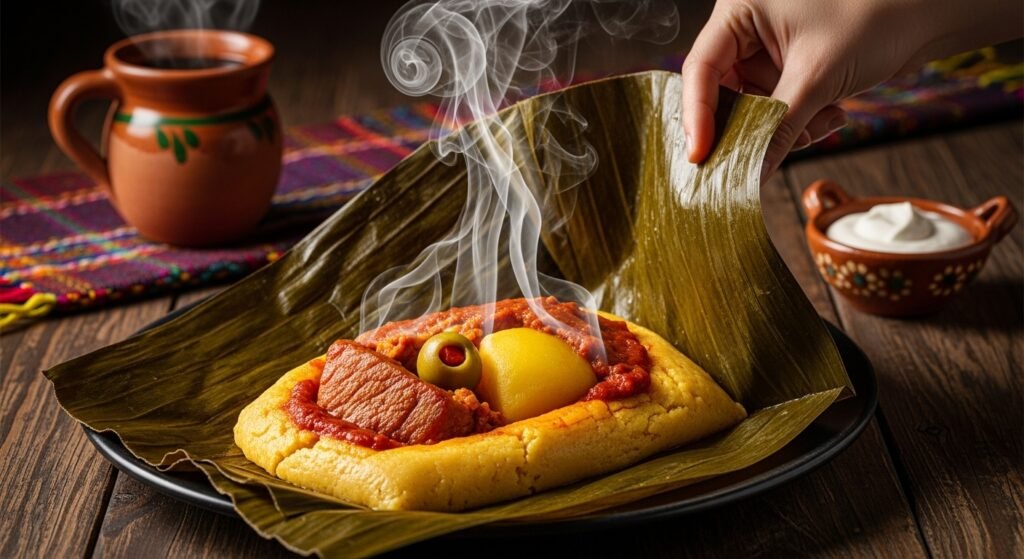
Honduran tamales are the soul of Central American comfort food. These tasty treats are a big deal in every Honduran home. Most folks call them nacatamales. They are much different than the tamales you find in Mexico. Honduran tamales are soft and almost creamy. They use banana leaves instead of corn husks. This gives them a smoky and earthy smell. You will find them at every big party. They are a true symbol of love and hard work. Making them takes a lot of time. But the first bite makes it all worth it. You are about to learn everything about this famous dish. Get ready to cook like a true pro.
The Cultural Heart of Honduras
A Tradition of Unity and Celebration
Honduran tamales bring people together like nothing else can. Making them is never a solo job. Families hold big events called a tamalada. Everyone has a specific job to do. Some clean the big green leaves. Others mix the heavy corn dough. Even the kids help tie the strings. This builds a very strong bond. It is a time for sharing old stories. You learn the secrets of your elders. It is more than just cooking food. It is about keeping a family legacy alive.
- Family Bonding happens while everyone sits around a big table.
- Teamwork is needed to finish hundreds of tamales in one day.
- Sharing is a big part of the local culture.
- Generosity shines when families give tamales to their neighbors.
Indigenous and Spanish Fusion
The story of Honduran tamales is very old. It started with the Lenca people long ago. They used corn as their main life source. Corn was a sacred gift to them. Later, people from Spain came to the land. They brought new things like pork and olives. They also brought capers and sweet raisins. This mix created a brand new flavor profile. It is a blend of the old and the new world. This history is inside every single bite you take. You can taste the centuries of change.
- Corn Masa comes from the ancient indigenous roots.
- Pork and Lard were introduced by Spanish settlers later on.
- Spices like cumin and achiote add a deep yellow color.
- Olives and Capers provide a salty kick that people love.
Regional Variations Across Honduras
Honduran tamales change depending on where you are. Every town has its own special secret. In the north, the food is very tropical. They might use more coconut flavors there. In the mountains, the tamales are very thick. They use a lot of pork ribs there. Some people like them very spicy. Others prefer a mild and sweet taste. These small changes make the food very exciting. You can travel the country through its tamales. Every bite tells a different local story.
- North Coast versions often have a lighter and silkier dough.
- Western Highlands make them very large and very filling.
- City Styles might use modern tools like blenders.
- Rural Styles still use old stones to grind the corn.
Essential Ingredients and Tools
The Masa (Corn Dough)

The masa is the most important part of Honduran tamales. You need a very smooth corn flour to get the right feel. Most people use a brand called Maseca for consistency. You can also use fresh ground corn if you have a mill. The texture must be soft and spreadable like thick cream. It is not like a dry bread dough at all. You add a lot of fat to it to keep it moist. Lard is the traditional choice for the best flavor. It makes the dough melt in your mouth after steaming. You also need a good broth for moisture and depth. This adds a deep savory taste to every single bite.
- 5 lbs Corn Masa Harina is the base for a large traditional batch.
- 6 cups Chicken Stock should be warm to mix in easily.
- 2 cups Lard provides the authentic and rich fatty flavor.
- 2 tbsp Salt is added slowly to ensure it tastes just right.
- 1 tbsp Achiote gives the dough a beautiful golden orange glow.
The Savory Filling (The Recado)
The filling is where the magic really happens in this dish. We call the special flavored sauce the recado. It is a thick and seasoned veggie mix that coats the meat. You can use chicken or pork meat for the protein. Usually, the meat is raw or half-cooked before wrapping. It finishes cooking inside the leaf to stay juicy. You also add rice and potatoes for extra heartiness. These soak up all the delicious juices during the long steam. Some people add peas or garbanzo beans for more color. It is like a tiny stew inside a leafy wrap.
- 5 lbs Pork or Chicken acts as the main protein source.
- 4 large Tomatoes are blended into a thick red sauce.
- 2 large Onions provide the aromatic base for the recado.
- 2 Green Bell Peppers add a fresh and bright garden taste.
- 3 cloves Garlic are the main spice for this dish.
- 2 cups Cooked Rice add bulk and a great soft texture.
- 3 large Potatoes diced into cubes add a creamy bite.
- 1 cup Green Olives give a salty pop to the center.
- 1/2 cup Capers provide a traditional tangy flavor.
Wrapping and Steaming Supplies
You need the right gear for making perfect Honduran tamales. Banana leaves are a must-have item for this recipe. They are much better than corn husks for moisture. They keep the corn dough from drying out in the pot. You also need kitchen twine or string to tie them. This keeps the little presents from opening while boiling. A very large pot is also needed for the big batch. We call this a tamalera in the Spanish language. It has a rack at the bottom to hold the food. This keeps the tamales above the water level. The steam does all the hard work for you.
- 30 large Banana Leaves must be cleaned and very soft.
- Aluminum Foil 1 roll can help hold the shape of the leaf.
- A single spool of Kitchen Twine is used to tie the tamales very tight.
- This large Steamer Pot needs to hold a lot of water.
- Use one pair of Scissors which are handy for cutting the leaves and string.
Master Ingredient Table
| Ingredient | Exact Quantity | Preparation Stage | Purpose & Usage |
| Corn Masa Harina | 5 lbs | Masa Preparation | The main structural base; mixed with broth to create the dough. |
| Chicken or Pork Stock | 6 cups (warm) | Masa Preparation | Hydrates the corn flour; added gradually to achieve a creamy texture. |
| Lard | 2 cups | Masa Preparation | Whipped until fluffy before adding flour to ensure a silky mouthfeel. |
| Achiote (Annatto) | 1 tbsp | Masa & Recado | Provides the signature golden-orange color to the dough and sauce. |
| Salt | 2 tbsp | All Stages | Used to season the masa, the recado sauce, and the meat marinade. |
| Pork or Chicken | 5 lbs | Filling Prep | The primary protein; cubed and seasoned with spices before assembly. |
| Tomatoes | 4 large | Recado (Sauce) | Blended into the sauce base to provide acidity and moisture. |
| Onions | 2 large | Recado (Sauce) | Blended with tomatoes; provides the aromatic foundation for the filling. |
| Green Bell Peppers | 2 large | Recado (Sauce) | Added to the blender for a fresh, garden-style flavor in the sauce. |
| Garlic | 3 cloves | Recado (Sauce) | Minced or blended to infuse the meat and sauce with deep savory notes. |
| Cumin | 1 tsp | Recado (Sauce) | The essential spice that gives the tamale its traditional earthiness. |
| Cooked White Rice | 2 cups | Assembly | Placed inside the leaf; absorbs the juices from the meat and sauce. |
| Potatoes | 3 large | Assembly | Peeled and diced; placed raw or parboiled into each individual parcel. |
| Green Peas | 1/2 cup | Assembly | Dropped into the center of the tamale for a pop of color and sweetness. |
| Green Olives | 1 cup | Assembly | One or two olives per tamale to provide a distinct salty contrast. |
| Capers | 1/2 cup | Assembly | Added sparingly to the center for a traditional tangy Mediterranean kick. |
| Banana Leaves | 30 large pieces | Wrapping | Cleaned and softened over fire to serve as the moisture-locking wrap. |
| Aluminum Foil | 1 roll | Wrapping | Optional outer layer used to provide extra structural support. |
| Kitchen Twine | 1 spool | Wrapping | Used to tie the parcels tightly to prevent water from entering during steam. |
| Water | As needed | Steaming | Kept at a constant boil in the steamer pot to cook the tamales. |
Step-by-Step Preparation Methods
Preparing the Flavor Base (Recado)
First, you have to make the tasty sauce for the filling. Blend your tomatoes and onions together in a mixer. Add in some garlic and green peppers for flavor. This mixture should be very smooth and liquid. Pour it into a pan with some hot oil. Let it cook until it smells amazing in your kitchen. Add your achiote and cumin spices now. This makes the sauce dark and very rich. This sauce will flavor your meat during the steam. It also flavors a part of your dough for color. This is the secret to great Honduran tamales.
- Blending the veggies makes the sauce very consistent.
- Sautéing helps release all the hidden veggie oils.
- Simmering thickens the sauce so it stays in place.
- Tasting is vital to make sure it has enough salt.
Mastering the Masa Texture
Mixing the dough is a big workout for your arms. You start by whipping the lard in a big bowl. It should look like white frosting when you finish. Then you add your corn flour very slowly. Pour in your warm chicken broth to help it mix. Keep stirring until there are no lumps left. The dough should look like thick dairy cream. It should not be hard like a bread loaf. Some people cook the dough in a pot first. This is called a cooked masa style in the mountains. It makes the tamales very soft and very uniform.
- Creaming the Lard makes the tamales light and airy.
- Adding Broth keeps the corn from being too dry.
- Whisking ensures that every bite is perfectly smooth.
- Consistency should be like a thick pancake batter.
Preparing the Banana Leaves

Banana leaves are very tough when they are fresh. You cannot fold them when they are cold and stiff. You have to clean them very well first. Use a wet cloth to wipe them down carefully. Then you must heat them up to soften them. You can use a stove flame for a quick sear. Or you can dip them in hot water for a minute. The leaf will change color to a dark green. It will become very soft like silk in your hands. Now you can fold it without any trouble. It will not crack or break during the wrapping. This step is very important for a good seal.
- Cleaning removes any dirt from the tropical fields.
- Heating makes the leaf bendy and very strong.
- Sizing means cutting them into perfect squares.
- Sorting helps you find the best leaves for wrapping.
Assembly and Wrapping Techniques
Creating the Perfect Parcel

Now it is time to build your individual tamale. Lay a leaf square on your flat table. Put a big scoop of white dough in the middle. Spread it out into a small flat circle. Add a scoop of the red recado sauce on top. Place your meat right in the center of that. Add a few olives and some cooked rice now. Top it with a slice of raw potato. This is like building a little food mountain. Make sure you do not overfill the leaf. You need space to fold the edges tightly. A leaking tamale is a sad thing to see.
- Layering starts with the plain white corn dough.
- Filling goes right in the center of the dough.
- Garnishing adds the final touches like peas and raisins.
- Centering ensures the filling stays inside the wrap.
The Steaming Process

Steaming is the final cooking step of the day. Put the rack inside your big metal pot. Add water but keep it below the rack height. Line the rack with leftover leaf scraps now. This adds even more flavor to the steam. Stack your tamales carefully inside the big pot. Some people stand them up straight in rows. Others lay them down in flat stacks. Cover them with more leaves on the very top. Put a heavy lid on the pot to seal it. Let them cook for a long time on the stove. The steam will make everything inside perfect.
- Water Levels must be checked every thirty minutes.
- Boiling Water should be used for the refills.
- Lid Sealing keeps the heat trapped inside the pot.
- Timing usually takes about two to three hours.
Pro-Tips for Advanced Tamale Making
The Secret to Sabor Catracho
The best flavor comes from high quality pig lard. Real pig fat makes the best dough for tamales. It gives it a smoky and very rich taste. Also, use a very strong chicken broth for mixing. Make your own broth from a whole bird. This adds more gelatin to the corn mix. It makes the tamales set perfectly when they are cold. Do not be afraid of the salt in the dough. Corn absorbs a lot of salt while it is steaming. If it tastes salty now, it will be perfect later.
- Homemade Broth is way better than using a box.
- Fresh Achiote gives a better color than old powder.
- Resting the Meat in spices makes it very tender.
- Patience is the most important ingredient you have.
Troubleshooting Common Mistakes
Sometimes things go wrong in the kitchen for beginners. You can double wrap them for extra safety. If the water runs out, the bottom will burn. Always listen for the bubbling sound in the pot. If the tamale is mushy, it needs more time. Do not open them too early to check them. Let the steam do its job completely for hours. You can do this with a bit of practice.
- Dry Masa can be fixed with more warm stock.
- Torn Leaves should be covered with a foil layer.
- Burned Bottoms happen when the water gets too low.
- Oily Masa means you used too much lard.
Serving, Storage, and Nutrition
How to Serve Like a Local

Honduran tamales are best when they are served hot. Carefully unwrap the leaf on a big plate. The steam will smell like a tropical forest. Most people eat them with a slice of bread. Or you can use a fresh corn tortilla. Add a big dollop of thick sour cream. We call this mantequilla in the country of Honduras. Some people like a dash of spicy hot sauce. A cold lime wedge adds a nice tangy zing. Drink a hot cup of coffee with your meal. This is the ultimate breakfast of champions there.
- Sour Cream adds a cool and tangy flavor.
- Pickled Onions give a nice crunch to the meal.
- Hot Sauce is great for those who like heat.
- Black Coffee balances the rich fat of the lard.
Storage and Reheating Guidelines
You will likely have a lot of leftovers today. Tamales stay good in the fridge for one week. You can also freeze them for many months. To reheat them, you should steam them again. This keeps them moist and very soft inside. You can also use a microwave in a hurry. Just keep the leaf on while you are heating. This prevents the dough from getting very hard. Some people fry the cold tamales in a pan. This makes the outside very crispy and delicious.
- Fridge Life is about five to seven days.
- Freezer Life can be up to six months.
- Steaming is the best way to keep them juicy.
- Pan Frying creates a whole new crunchy texture.
Nutritional Context and Modern Adaptations
Tamales are a very heavy and filling meal. They have a lot of carbs and healthy fat. This gave workers energy for long days outside. One tamale is usually enough for a whole meal. Modern cooks are making lighter versions todayModern adaptations allow you to use olive oil and more vegetables instead of heavy lard and pork. You can even create a delicious vegan version by using seasoned black beans as your primary filling.They are still very delicious in this style. Just remember to enjoy them in small amounts.
- Carbohydrates come from the corn and the rice.
- Protein is found in the chicken or pork meat.
- Vitamin A is present because of the achiote.
- Fats are high due to the lard used.
Important Points
Making Honduran tamales is a very long process. You should plan for a whole day of hard work. It is best to do it with many friends. The leaves must be handled very gently today. Always keep the water level high in the pot. Let the tamales rest before you try to eat them. This helps the dough firm up very nicely. If you wait ten minutes, they will not fall apart. Enjoy the process as much as the food itself. Cooking is a way to share your whole heart.
- Resting Time is key for a perfect shape.
- High Heat is needed to start the steam.
- Cleaning Up is easier if you do it as you go.
- Love is what makes every tamale taste special.
Frequently Asked Questions (FAQs)
What is the difference between a Mexican Tamale and a Honduran Tamale?
The primary difference lies in the texture of the masa and the wrapping material. Mexican tamales are generally firmer and wrapped in corn husks, while Honduran tamales are very soft, almost creamy, and wrapped in banana leaves which provide a distinct flavor.
Can I make these without lard if I have dietary restrictions?
Yes, you can substitute lard with vegetable shortening or even high-quality vegetable oil. However, keep in mind that lard provides a specific savory depth and silkiness that is hard to replicate perfectly with plant-based fats.
How do I prevent my tamales from being too dry?
Dryness usually happens because there isn’t enough fat or broth in the masa. Ensure your masa has the consistency of a thick pancake batter before wrapping, as the corn flour will absorb a significant amount of moisture during the steaming process.
Can I use frozen banana leaves found in international supermarkets?
Absolutely. Frozen banana leaves are very common in the United States and Europe. Just make sure to thaw them completely at room temperature and wipe them down with a damp cloth before heating them over a flame to regain their pliability.
What should I do if my tamales are still soft after three hours of steaming?
Tamales need time to set once they are removed from the heat. If they have been steaming for the recommended time, take one out and let it sit on the counter for ten minutes; if it firms up during that rest period, the whole batch is ready.
Is it possible to use a slow cooker or Crock-Pot instead of a steamer?
While not traditional, it is possible. You can stand them upright in a slow cooker with a bit of water at the bottom, but it takes much longer (up to six hours on high) and the texture might be slightly denser due to the lack of intense steam.
How can I tell if the meat is fully cooked inside the leaf?
Since the meat is cut into small cubes or shredded, the two to three hours of intense steaming is more than enough to cook the protein thoroughly while keeping it tender and juicy.
Why do some people add raisins to their savory Honduran tamales?
This is a culinary tradition influenced by Spanish colonial flavors. The raisins provide a small burst of sweetness that balances the salty olives, capers, and savory meat, creating a complex flavor profile known as agridulce.
Can I prepare the masa and the filling on different days?
Yes, many people prepare the recado and the meat filling one day in advance. This actually allows the flavors to develop and makes the actual assembly day much less stressful for the family.
What is the best way to clean fresh banana leaves from a backyard?
If you are lucky enough to have a banana tree, cut the leaves and remove the thick center rib. Wash them in a tub of cool water with a tiny bit of white vinegar to remove any insects or debris, then dry them before wilting them over heat.
Can I make vegetarian Honduran tamales?
Yes, you can substitute the meat with extra vegetables like sliced zucchini, mushrooms, or green beans. Use vegetable broth instead of chicken stock and vegetable shortening instead of lard to keep the entire recipe plant-based.
Why do some recipes call for bitter orange juice?
Bitter orange, or sour orange, is a common marinade ingredient in Honduras. It helps tenderize the meat and provides a bright acidity that cuts through the richness of the fatty masa.
How do I store leftovers if I don’t have enough room in the freezer?
Tamales will stay fresh in a standard refrigerator for up to seven days if kept in an airtight container or a sealed plastic bag to prevent the leaves from drying out and cracking.
What is the most common mistake beginners make?
The most common mistake is not tying the tamales tight enough. If the twine is loose, water can seep into the leaf during steaming, which makes the masa watery and prevents it from ever reaching the right solid consistency.
Can I use a pressure cooker to save time?
Yes, an Instant Pot or pressure cooker can reduce the cooking time to about 45 to 60 minutes. Use the steam rack and make sure the water level is below the rack to avoid boiling the tamales directly.
Does the type of corn flour really matter?
While any corn masa flour works, the “Masa Harina” specifically meant for tamales is usually a coarser grind than the one used for tortillas. This coarser grind helps create the signature Honduran texture.
Why do some people use aluminum foil over the leaves?
Foil is used as an extra insurance policy. It protects the banana leaf from tearing and ensures that the steam stays trapped inside, which is especially helpful if your banana leaves are small or prone to breaking.
Are Honduran tamales gluten-free?
Pure corn masa is naturally gluten-free. However, you must check your chicken bouillon or stock labels to ensure no wheat-based thickeners were added, which is a common hidden source of gluten in commercial products.
What is the significance of the “two-tone” masa?
The white masa provides the clean corn flavor base, while the red masa (mixed with recado) provides the intense spice and color. Mixing both in one wrap ensures that every bite has a different level of flavor intensity.
How many tamales does a standard recipe usually make?
A standard large family recipe using five pounds of masa usually yields between 40 and 50 medium-sized tamales, which is why they are so popular for sharing during the holiday season.