 Skip to content
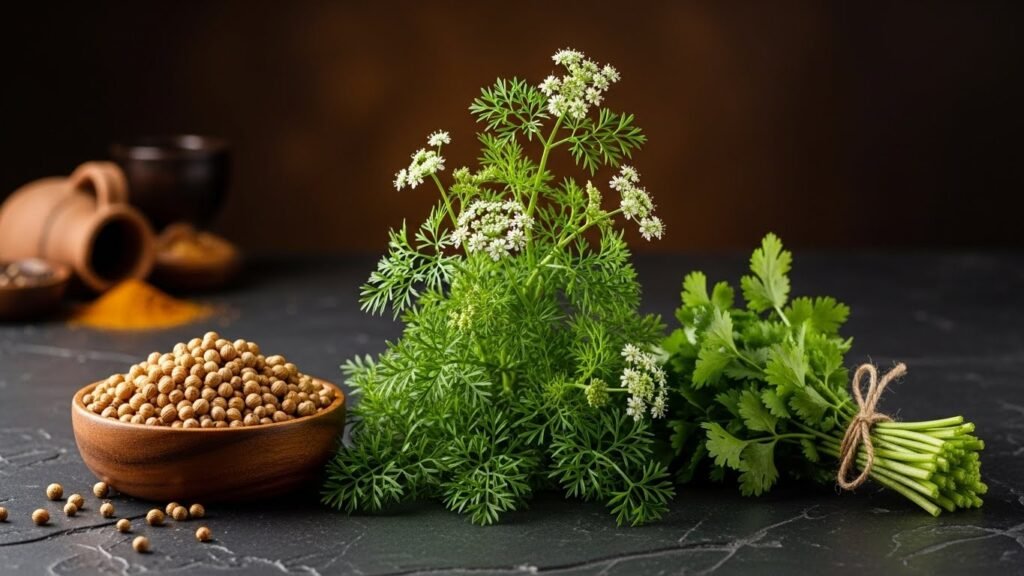
Koriandri is way more than just a green leaf on your plate. Most people know it as cilantro or coriander. It is a total game changer for your kitchen and your health. This plant has two different personalities depending on which part you use. You can use the fresh leaves or the crunchy dried seeds. It is a must-have if you want to level up your cooking game.
Introduction to Koriandri
Koriandri is the fancy name for a plant called Coriandrum sativum. It belongs to a big family of plants called Apiaceae. This family also includes carrots and parsley. It is one of the most famous herbs in the whole world. You will find it in almost every type of food.
Defining Koriandri
Koriandri is an aromatic herb that people use for many things. It works great in food and also as a natural medicine. The plant smells very fresh and strong. It is a very versatile ingredient for any chef.
Dual Identity
This plant has a very cool double identity.
- Cilantro is what people call the fresh green leaves.
- Coriander is the name for the dried seeds of the plant.
- Stems are also edible and have a lot of flavor.
- Roots are used in some cultures for deep flavor in soups.
Botanical Classification
Koriandri is a member of the carrot family. It grows very fast in the right spots. The plant is an annual, which means it lives for one year. It finishes its whole life cycle in just one season.
The Global Gem
This herb is a total superstar across the planet. It is a core part of Mexican and Indian cooking. You will also see it in Middle Eastern and Asian meals. It connects different cultures through its unique taste.
Botanical Description and Physical Characteristics
Koriandri looks very pretty and delicate when it grows. It has soft leaves that look a bit like parsley. The plant grows upright and can get quite tall. It is a very interesting plant to watch grow.
Appearance and Structure

The leaves are bright green and have a feathery shape. As the plant gets older, the leaves change their look. They become even more fine and lacy. It produces tiny flowers that grow in clusters.
Growth Cycle and Height
The plant usually grows between one and three feet tall. It starts as a small seed and sprouts quickly. It likes to grow when the weather is not too hot. Within a few weeks, you can start picking the leaves.
The Seed Pods
After the flowers bloom, small round seeds appear. These seeds are green at first. They turn golden-brown when they are ready to harvest. These seeds are what we call coriander spice.
Aromatic Profile
Koriandri has two very different smells.
- Leaves smell very zesty and like fresh citrus.
- Seeds have a warm and nutty scent when crushed.
- Stems carry a mix of both leaf and seed aromas.
- Flowers have a very light and sweet fragrance.
The Ancient History and Global Journey

Koriandri has been around for a very long time. It is one of the oldest spices in history. People have loved this herb for thousands of years. It has a very rich and cool past.
Origins in Antiquity
This herb started in the Mediterranean and Southwest Asia. It has been used for over 7,000 years. Ancient people knew it was something special. It was a big part of early civilization.
Archaeological Significance
Archaeologists found koriandri seeds in very old places. They even found them in the tomb of King Tutankhamen. This shows that ancient Egyptians really valued it. They might have used it as a sacred offering.
Greco-Roman Traditions
The Greeks and Romans used koriandri for many things. They put it in their bread to make it tasty. They also used it to flavor their wine. It was also a popular medicine back then.
Trade Route Expansion
The herb traveled across the world on old trade routes. It moved along the Silk Road into China and India. Traders brought it to Europe and eventually the Americas. Now it is a global favorite for everyone.
Nutritional Profile and Powerhouse Ingredients
Koriandri is a total nutritional powerhouse for your body. It is loaded with things that keep you healthy. Adding it to your meals is a smart move. It gives you a lot of value for very few calories.
Essential Vitamins
This herb is full of vitamins that you need.
- Vitamin K helps your bones stay strong and healthy.
- Vitamin A is great for keeping your eyes sharp.
- Vitamin C boosts your immune system to fight germs.
- Vitamin E helps protect your skin from damage.
Vital Minerals
Your body needs minerals to work correctly.
- Iron is important for keeping your blood healthy.
- Magnesium helps your muscles and nerves relax.
- Potassium is good for your heart and blood pressure.
- Calcium works with vitamin K to build bones.
Antioxidant Compounds
Koriandri has many powerful antioxidants in its leaves. These include things like quercetin and linalool. Antioxidants protect your cells from being damaged. This can help you stay young and fit.
Dietary Value
It is a great choice if you watch your weight.
- Low calories make it easy to add to any diet.
- Dietary fiber helps your stomach process food better.
- Essential oils provide a natural boost to your health.
- No fat means it is heart-healthy for everyone.
Health Benefits and Therapeutic Properties

People have used koriandri as medicine for ages. It has many healing properties that science now proves. It can help your body in so many ways. It is like having a pharmacy in your kitchen.
Digestive System Support
This herb is amazing for your stomach and gut. It helps your body make enzymes to digest food. It can stop you from feeling bloated or gassy. Many people drink it as a tea for tummy troubles.
Anti-Inflammatory Effects
Koriandri helps reduce swelling and pain in the body. This is great for people with sore joints. It fights oxidative stress that causes inflammation. Keeping inflammation low helps you feel much better.
Cardiovascular and Metabolic Health
It is very good for your heart and blood. It can help lower bad cholesterol levels. Some studies show it helps manage blood sugar. This makes it a great herb for long-term health.
Antimicrobial and Detoxification
Koriandri is a natural cleaner for your system. It can help your body get rid of heavy metals. It also fights off bad bacteria in your food. This keeps your gut healthy and safe.
Skin and Immune Vitality
It helps your skin look clear and bright. Some people use the oil to treat acne. It also makes your immune system much stronger. You will stay healthy more often with this herb.
The Science of Taste: Why Koriandri is Polarizing
Not everyone likes the taste of koriandri leaves. Some people think it tastes like a fresh lemon. Others think it tastes exactly like hand soap. There is a very cool scientific reason for this.
The Genetic Factor
Your genes decide if you like this herb or not. There is a specific gene called OR6A2. This gene controls how you smell certain chemicals. It is not your fault if you hate it.
The “Soapy” Perception
The leaves contain chemicals called aldehydes. These same chemicals are often found in soaps. People with the OR6A2 gene are very sensitive to them. To them, eating the herb feels like eating bubbles.
Cultural Adaptations
Different cultures have ways to fix this soapy taste. Cooking the leaves can sometimes change the flavor. Using the seeds instead is a great alternative. Many people learn to love it over time.
Culinary Applications Across Global Cuisines

Koriandri is a superstar in the kitchen. It adds a layer of flavor that nothing else can. You can use it in so many different ways. It makes every meal feel special.
Koriandri Leaves (Cilantro)
Fresh leaves are best used at the very end.
- Guacamole needs fresh cilantro to taste authentic.
- Salsas get a zesty kick from the chopped leaves.
- Garnish on soup makes it look and smell great.
- Salads become more refreshing with a handful of leaves.
Koriandri Seeds (Coriander)
The seeds are a completely different spice.
- Roasting the seeds makes them taste nutty and rich.
- Garam Masala uses these seeds as a main base.
- Pickling mixes often include whole coriander seeds.
- Meat rubs benefit from the earthy flavor of ground seeds.
Regional Masterpieces and Popular Dishes
Every part of the world has a favorite koriandri dish.
- Indian Sambar uses the seeds for a deep aroma.
- Mexican Tacos are always topped with fresh leaves.
- Vietnamese Pho uses the herb for a fresh finish.
- Albanian Tava e Dhiut features this aromatic herb.
Traditional Medicine and Modern Wellness Trends
Koriandri is making a big comeback in wellness circles. People are rediscovering its ancient healing powers. It fits perfectly into a modern healthy lifestyle. It is much more than just a seasoning.
Ayurvedic Healing
In India, it is used to balance the body. It is considered a cooling herb for the stomach. It helps calm down heat and irritation inside. It is a key part of natural healing.
Traditional Chinese Medicine (TCM)
Chinese medicine uses koriandri for long life. They believe it helps with energy and vitality. It is often used to help with kidney health. This tradition has lasted for thousands of years.
Unani and Folk Remedies
Folk medicine uses it for many daily issues. It can help regulate menstruation for women. People use it to treat simple fevers or chills. It is a trusted home remedy in many places.
Modern Wellness Applications
Today, people put it in their detox juices.
- Herbal teas made from seeds help you relax.
- Plant-based diets use it for extra nutrients.
- Detox drinks use it to clean out heavy metals.
- Immunity shots often include a bit of this herb.
Aromatherapy
The essential oil has a very calming effect. It is used to help people feel less stressed. Smelling the oil can reduce feelings of anxiety. It is a great natural way to relax.
Non-Culinary and Industrial Uses
This herb is useful even outside of the kitchen. Its special properties make it good for products. It is a very hard-working plant for us. You might be using it without knowing it.
Skincare and Cosmetics
Koriandri oil is a secret in many beauty products. It helps to soothe red or irritated skin. It is great for fighting off skin bacteria. You can find it in creams and lotions.
Oral Hygiene
The leaves are a natural way to clean your mouth. Chewing on a fresh leaf kills bad germs. This helps to stop bad breath instantly. It is much better than sugary gum.
Sustainable Gardening
It is a hero for your home garden too.
- Bees love the flowers and will visit your garden.
- Pest repellent qualities keep bad bugs away from veggies.
- Companion planting helps other plants grow better.
- Soil health is improved by growing this herb.
Cultivation: Growing Koriandri at Home

Growing your own koriandri is very easy and fun. You don’t need a big farm to do it. It grows perfectly in a small pot or bed. Fresh-picked leaves always taste the best.
Soil and Sunlight Requirements
The plant likes soil that drains water away easily. It needs about 4 to 6 hours of sun. Don’t let the soil get too dry or soggy. It is a very happy plant in temperate weather.
Sowing and Germination
You should start by planting seeds in the soil. Put them about half an inch deep. You will see little green shoots in two weeks. It is very exciting to see them sprout.
Managing Temperature
Koriandri does not like it when it gets too hot. If it is too warm, the plant will “bolt”. This means it grows flowers and stops making leaves. Planting in spring or fall works best.
Urban Kitchen Gardening
You can grow it on your windowsill in the city.
- Small pots are perfect for a few plants.
- Watering should be done gently and regularly.
- Trimming the leaves often helps the plant grow more.
- Drainage holes in the pot are a must for success.
Harvesting and Storage Techniques
Knowing when to pick koriandri is very important. You want to get the best flavor possible. Storing it correctly keeps it fresh for longer. You don’t want your herbs to go bad.
Harvesting Strategy
Wait until the plant is at least 6 inches tall. Only snip off a few leaves at a time. Never take more than one-third of the plant. This lets the plant keep growing for you.
Preserving Freshness
Keep fresh leaves in the fridge to stay crisp.
- Damp paper towels help keep the leaves moist.
- Glass of water method keeps stems fresh like flowers.
- Airtight bags stop the leaves from drying out.
- Cold temp is the best friend for fresh cilantro.
Long-term Storage
You can save koriandri for a very long time.
- Air-drying seeds makes them last for many months.
- Freezing leaves in oil works great for cooking.
- Ice cube trays are perfect for freezing small portions.
- Vacuum sealing keeps the seeds very fresh and strong.
Scientific Research and Modern Applications
Scientists are very interested in koriandri these days. They are finding new ways to use it for health. It is a very powerful plant for modern science. Its potential is really huge.
Clinical Trials
Doctors are testing it for many different illnesses. Research shows it might help with brain health. It is also being studied for its heart benefits. Science is finally catching up to tradition.
Sustainable Agriculture
It is a great crop for a healthy planet. Farmers use it in crop rotation to help soil. It helps to keep the environment in balance. It is an eco-friendly choice for everyone.
Myths, Misunderstandings, and Safety Precautions
There are some wrong ideas about koriandri out there. It is important to know the real facts. Most people can eat it safely without issues. But you should always be a little careful.
Common Myths
Some people think leaves and seeds are different plants. This is a total myth, they are the same. Others think it has zero nutritional value. Science proves that it is actually a superfood.
Side Effects and Precautions
Eating too much might cause a little stomach upset. A few people might have a small allergy to it. This is very rare but can still happen. Just start with a little bit first.
Medical Considerations
Certain groups of people should talk to a doctor.
- Pregnant women should stick to normal food amounts.
- Blood thinners might interact with the herb’s vitamin K.
- Allergies to carrots or parsley might mean an issue.
- Surgeries might require you to stop eating it before.
Cultural Folklore and Language Variants
Koriandri has a special place in human culture. It is more than just an ingredient in food. It carries a lot of deep meaning for people. It is a symbol of many good things.
Symbolism
In many stories, it stands for health and warmth. Some cultures use it at weddings for good luck. It is often a symbol of being a good host. People believe it can bring prosperity to a home.
The Language of Koriandri
This herb goes by many names around the world.
- India: Dhania
- USA: Cilantro or Coriander
- Middle East: Kuzbara
- Albania: Koriandri
- Latin America: Cilantro
Practical Recipes for a Healthy Lifestyle
It is time to get cooking with this amazing herb. These recipes are very easy and taste great. You can make them in just a few minutes. They are perfect for a healthy daily routine.
Fresh Koriandri Chutney
This is a classic sauce from India.
- Leaves are blended with mint and garlic.
- Green chili adds a little bit of heat.
- Lemon juice keeps it bright and zesty.
- Salt brings all the fresh flavors together.
Spiced Koriandri Rice
This rice dish smells absolutely incredible.
- Crush seeds and fry them in a little oil.
- Basmati rice is then cooked with the spiced oil.
- Vegetables like peas or carrots can be added.
- Fresh leaves are sprinkled on top at the end.
Herbal Koriandri Tea
This tea is perfect for after a big meal.
- Whole seeds are boiled in hot water.
- Ginger adds a nice warm kick to the tea.
- Fennel works with the seeds to help digestion.
- Honey can be used to make it a bit sweet.
Coriander Chicken Curry
This is a deep and flavorful main course.
- Ground seeds are used to make the curry base.
- Yogurt makes the sauce creamy and very smooth.
- Fresh garnish on top adds a pop of color.
- Spices like turmeric go perfectly with coriander.
Salad Dressing
Make your own healthy dressing at home.
- Chopped leaves are mixed with olive oil.
- Lime juice gives it a sharp citrus flavor.
- Honey balances out the sour lime juice.
- Cumin adds a little bit of smoky depth.
Conclusion: Embracing the Flavorful World of Koriandri
Koriandri is a gift for every kitchen and body. It bridges the gap between old times and today. Its ability to flavor food and heal is unique. You won’t regret making it a staple in your home.
Whether you love the fresh leaves or the warm seeds, it is a winner. It is easy to grow, fun to cook, and great for health. Start using koriandri today and feel the difference. Your taste buds and your health will thank you.
Frequently Asked Questions
What are the main differences between koriandri leaves and seeds?
The leaves, often called cilantro, have a fresh and citrusy taste used mostly as a garnish. The seeds have a warm and nutty profile used as a dry spice or ground powder. They are parts of the same plant but offer totally different flavors in cooking.
How do I stop my koriandri plant from bolting?
Bolting happens when the weather gets too hot and the plant starts growing flowers instead of leaves. To stop this, you should plant it in a cool spot or during the early spring and fall. Keeping the soil moist and trimming the leaves often can also help the plant stay bushy longer.
Can I use the stems of the koriandri plant in my food?
Yes, the stems are completely edible and pack a lot of flavor. Many chefs chop them up finely and add them to soups or stews. They have a similar taste to the leaves but are a bit more crunchy.
What is the best way to dry my own koriandri seeds?
You should wait for the flowers to fade and the seeds to turn from green to a golden-brown color on the plant. Cut the stems and hang them upside down in a paper bag in a dry place. Once they are fully dry, the seeds will fall off easily into the bag.
Is there a difference between Albanian koriandri and other varieties?
The term “Koriandri” is the specific name used for this herb in Albania. While the plant is the same Coriandrum sativum, it is a major part of traditional Albanian dishes like Tava e Dhiut and Fërgesë. The flavor remains the same, but the local recipes give it a unique cultural twist.
What other names is this herb known by around the world?
In India, it is commonly called dhania. People in the Middle East refer to it as kuzbara. In the USA and Latin America, the green parts are usually called cilantro while the seeds are called coriander.
Does koriandri help with heavy metal detox?
Traditional medicine and some modern studies suggest that this herb can help the body get rid of heavy metals. It is often used in detox juices for this specific reason. It is considered a natural way to support the body’s cleaning process.
Can I freeze fresh koriandri leaves for later use?
Yes, the best way is to chop the leaves and place them in ice cube trays with a little water or oil. Once they are frozen, you can pop a cube into your soups or stews. This keeps the flavor better than just putting the leaves in a freezer bag.
Why is koriandri used in aromatherapy?
The essential oils found in the plant, such as linalool, have a very calming effect. Using it in aromatherapy can help people reduce feelings of stress and anxiety. The scent is considered very soothing for the mind.
Is it hard to grow koriandri in an urban kitchen?
Not at all, it is considered very container-friendly for small apartments. It only needs a pot with good drainage and about 4 to 6 hours of sunlight. It is a great choice for people who want fresh herbs year-round without a big garden.
Are there any people who should avoid eating koriandri?
People who have allergies to other plants in the Apiaceae family, like carrots or parsley, should be careful. Also, because it contains Vitamin K, people on blood thinners or anticoagulants should talk to their doctor. Pregnant women should stick to normal food amounts and avoid high-dose supplements.
What are the main vitamins found in this herb?
It is a great source of Vitamin A, which is good for your eyes. It also has a lot of Vitamin C for your immune system and Vitamin K for your bones. Adding it to your diet provides a quick boost of these essential nutrients.
Can chewing the leaves really help with bad breath?
Yes, the plant has natural antimicrobial properties that kill germs in the mouth. Chewing on a few fresh leaves is an old folk remedy for bad breath. It works much better and more naturally than sugary mints.
How does koriandri benefit the soil in a garden?
When used in crop rotation, it can actually improve the health of the soil. Its flowers also attract helpful insects like bees which help pollinate the whole garden. It is often grown next to other plants to act as a natural pest repellent.
What is the history of koriandri in ancient Egypt?
Ancient Egyptians used the herb for both food and medicine over 3,000 years ago. Seeds have been found by archaeologists in the tomb of King Tutankhamen. This proves it was highly valued as a sacred or essential item in their culture.
Does koriandri help with blood sugar levels?
Some scientific research suggests that the herb can help lower blood sugar. It is often studied for its potential anti-diabetic properties. Including it in a healthy diet may help support better metabolic health.
Can I use koriandri in skincare?
The essential oils from the plant are sometimes used in cosmetics to treat acne. It has anti-inflammatory properties that can soothe irritated skin. It is a popular natural ingredient for maintaining skin clarity.
What is the best soil for growing this herb?
It grows best in well-drained soil that is soft and light. It does not like to sit in soggy or very hard ground. Adding a little organic compost can help the plant grow faster and produce more leaves.
Is the “soapy” taste of koriandri an allergy?
No, it is not an allergy; it is a genetic trait related to the OR6A2 gene. People with this gene perceive the natural aldehyde compounds in the leaves as a soapy flavor. It is a matter of taste perception rather than a physical health risk.
How do I harvest the seeds for cooking?
Once the plant flowers and the seeds turn golden-brown, they are ready. You should collect them and let them air-dry completely. Store them in an airtight jar away from heat to keep them fresh for many months.