 Skip to content
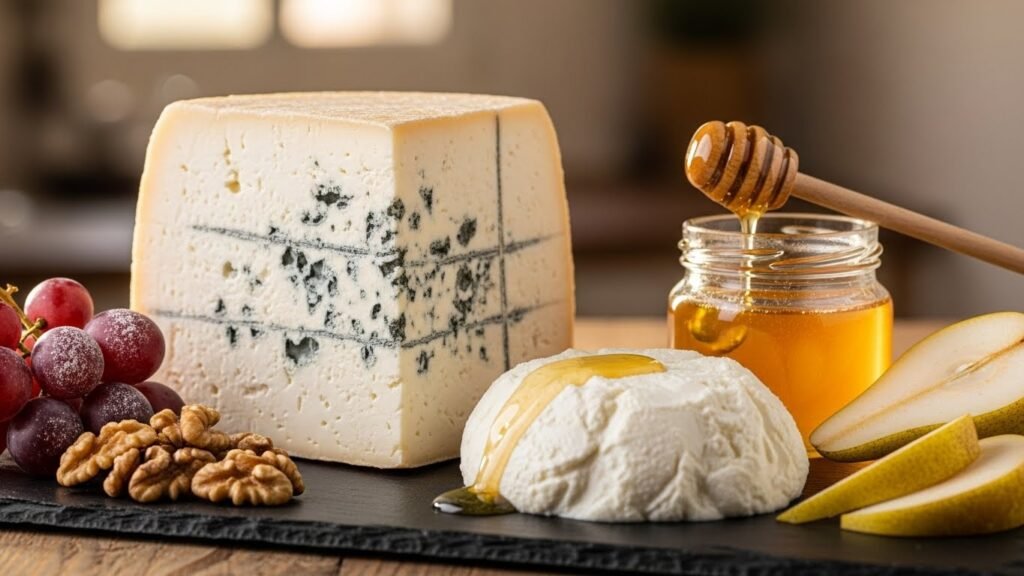
Have you ever tasted something so good it felt like a dream? That is exactly what happens when you try masgonzola for the first time. This Italian cheese is a mix of two world-class favorites. It brings a smooth vibe to any meal you make. You will love how it changes your cooking game forever.
Introduction to Masgonzola
Masgonzola is the ultimate blend of Mascarpone and Gorgonzola cheeses. It is a luxurious Italian cheese sauce that feels like silk. The name itself tells the story of this perfect marriage. You get the sweetness of one and the kick of the other. It is truly a semi-soft marvel from the heart of Italy.
Definition and Essence
This cheese is more than just a simple dairy product. It represents the best of Italian culinary traditions. The texture is incredibly creamy and easy to spread. It hits your tongue with a bold and tangy flavor. You really get a deep blue cheese sharpness in every bite.
The Hidden Gem Status
Many people are just now finding out about this awesome cheese. It is a hidden gem in the world of gourmet foods. Foodies love it because it is so different and special. It surprises your palate with every single taste you take. This cheese is a must-have for any serious kitchen.
The Name
The word masgonzola is a clever mix of two names. It takes the “Mas” from Mascarpone and joins it with Gorgonzola. This name perfectly captures the soul of the blend. It tells you exactly what kind of magic is inside. It is a name that cheese lovers never forget.
The Rich History and Origins of Masgonzola
Italy is famous for making some of the best food ever. Masgonzola comes from a place with deep roots in farming. Local people have made cheese there for many long years. They know exactly how to handle high-quality cow’s milk. This history makes the cheese taste even better today.
The Lombardy Region

The story of masgonzola begins in the beautiful Lombardy region. This area sits right between cool lakes and big mountains. It is a very pretty place with a lot of nature. The land there is perfect for raising healthy dairy cows. Lombardy is the true home of this creamy delight.
Agricultural Heritage
Lombardy has a very rich agricultural heritage that goes back. Farmers there have worked the land for many generations. They use their skills to produce the best dairy products. This heritage is the foundation of every cheese wheel. You can taste the hard work in the cheese.
Generational Tradition
Cheese skills are passed down from parents to their children. These families preserve ancient traditions while trying new things. They take great pride in their local food culture. Their dedication ensures that the quality never drops down. It is a labor of love that never ends.
Cultural Significance
Masgonzola became a staple in many local Italian households. It reflects the identity of the people who make it. The cheese is often shared during big family meals. It is a symbol of gathering and celebrating life. This cheese is a big part of Italy’s soul.
The Anatomy of the Parent Cheeses
To understand masgonzola, you must know its two parents. Each one brings something unique to the final mix. One is sweet and thick like heavy cream. The other is spicy and has those blue veins. Together, they create a flavor that is totally balanced.
Mascarpone: The Velvety Foundation
Mascarpone is famous for being super thick and very smooth. It provides the base that makes masgonzola so creamy. It is often used in sweet desserts like tiramisu. In this blend, it adds a lovely buttery sweetness. It keeps the blue cheese from being too strong.
Gorgonzola: The Blue Soul
Gorgonzola is the part that gives the cheese its kick. It has a pungent and tangy flavor profile. This cheese is known for its blue-green marbling look. It adds depth and a bit of a bite. Without it, masgonzola would not be so exciting.
The Traditional Production and Crafting Process
Making masgonzola is a very slow and careful process. It starts with the freshest milk you can find. Every step must be done just the right way. This ensures the final product is always top tier. Artisans follow rules that have worked for centuries.
- Fresh Cow’s Milk: High-quality milk is sourced from local lush pastures.
- Rennet Addition: The milk is heated and combined with rennet.
- Curd Formation: This step turns the liquid milk into solid curds.
- Cutting the Curd: Curds are cut into small pieces to release whey.
- Pressing and Salting: This enhances the flavor and helps preserve it.
Sourcing the Milk
The milk comes from cows that eat green grass. This diet makes the milk very rich and fatty. High-quality ingredients are the secret to great cheese. Farmers in Lombardy are very picky about their milk. They only use the best for their masgonzola.
Curd Formation
Heating the milk is the first big move here. Then, rennet is added to start the curdling process. This transforms the milk into a soft solid form. It is a delicate stage that requires perfect timing. The temperature must be kept just right throughout.
Cutting and Stirring
Once the curds are set, they get cut up. This helps the watery whey separate from the cheese. Small pieces of curd mean a different texture later. Stirring them gently helps them cook very evenly. It is a task that requires a soft touch.
Pressing and Salting
The curds are then put into molds and pressed. Salting is done to add flavor and protect it. This step is vital for the cheese’s long life. It also helps create the right rind on outside. It is a traditional part of the craft.
The Science of the Unique Aging Process
Aging is where the real magic finally happens. It turns simple curds into a complex masterpiece. The cheese sits in special places for a while. During this time, the flavors get much deeper. It is a natural process that takes patience.
Cave Aging
The cheese wheels are often stored in cool caves. These caves have the perfect natural temperature for cheese. The environment helps the cheese develop its character. It is a method that has worked for ages. Caves give the cheese an earthy and unique vibe.
Controlled Environments
Modern aging rooms mimic the conditions of old caves. Humidity levels are kept very high to help growth. This allows the cheese to breathe as it ages. If it is too dry, the cheese fails. Control is the key to a consistent taste.
Aging Duration
Masgonzola is usually aged for at least three months. Some batches might stay even longer for more flavor. During these weeks, the texture becomes very creamy. The sharpness of the blue mold also increases. Time is the most important ingredient here.
Flavor Transformation
Proteolysis and lipolysis happen while the cheese just sits. These fancy words mean fats and proteins break down. This creates the umami and sharp notes we love. The sweetness of the cream meets the salt. It is a total transformation of the basic milk.
Natural Molds
The blue-green marbling comes from natural molds like Penicillium. These molds grow inside the cheese during the aging. They create those beautiful veins that look so cool. These molds are safe to eat and taste great. They are the soul of the Gorgonzola part.
Detailed Flavor Profile and Sensory Experience
Eating masgonzola is a full sensory experience for you. It looks, smells, and tastes absolutely amazing. You will notice many different layers of flavor. It is both a familiar and surprising taste. Your taste buds will thank you for it.
Texture and Consistency
The texture is semi-soft and very luscious to touch. It feels like velvet when it hits your tongue. You can easily spread it on a cracker. It melts very quickly when you add heat. It is the definition of creamy dairy goodness.
Taste Complexity
You get a mix of sweet, salty, and tangy. The Mascarpone brings a light and buttery sweetness. The Gorgonzola adds a sharp and pungent punch. There are also earthy undertones from the aging. It is a very balanced and deep flavor.
Visual Appeal
The cheese looks stunning on a food board. You see bright white cream mixed with blue. The marbling creates a very sophisticated and gourmet look. It makes any dish look like a masterpiece. It is a feast for your eyes first.
Choosing the Right Variety: Dolce vs. Piccante
Not all masgonzola is exactly the same every time. The type of Gorgonzola used makes a difference. You can choose a milder or sharper version. It depends on what you like to eat. Both options are delicious in their own way.
Gorgonzola Dolce
Gorgonzola Dolce is the sweeter and milder choice here. It has a very buttery and gentle flavor. It makes the masgonzola extra creamy and soft. This is great for people new to blue. It is perfect for light snacks and desserts.
Gorgonzola Piccante
Gorgonzola Piccante is the bold and spicy brother. It has a much stronger and sharper kick. The cheese is a bit firmer and crumbly. It makes a masgonzola that really stands out. Use this if you want a big flavor.
How to Make Masgonzola Sauce at Home
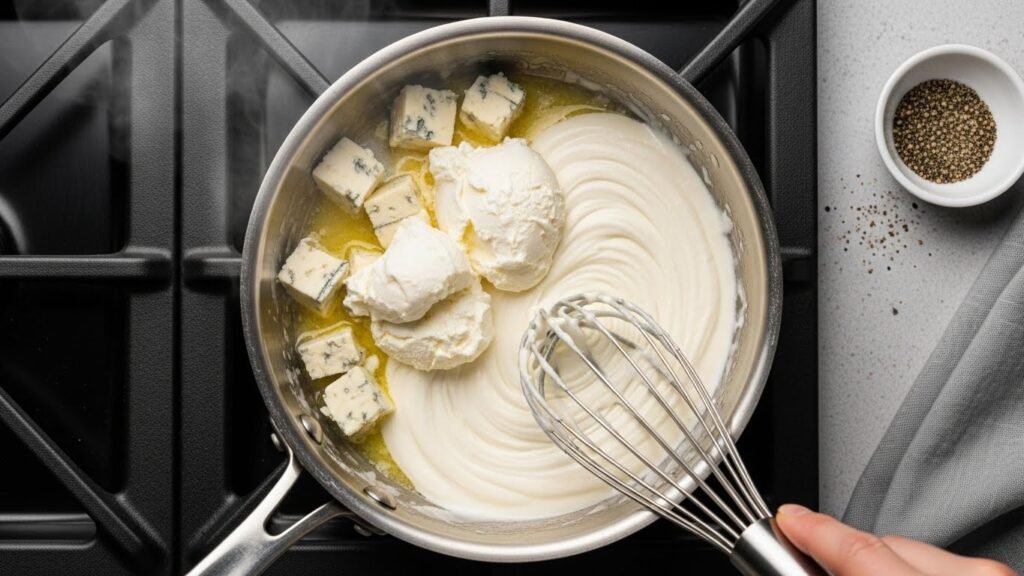
Making your own sauce is actually quite easy. You only need a few high-quality ingredients. It takes very little time to get it right. Your kitchen will smell like a professional restaurant. It is a great way to impress guests.
Essential Ingredients
- Crumbled Gorgonzola: 100g of your favorite blue cheese.
- Mascarpone Cheese: 100g of fresh and creamy Mascarpone.
- Heavy Cream: 2 tablespoons for a silky finish.
- Olive Oil: 1 teaspoon to help it blend.
- Seasoning: A pinch of salt and black pepper.
Step-by-Step Preparation
Melting
Start by putting your Gorgonzola in a small saucepan. Use very low heat so it melts slowly. Stir it often so it does not burn. You want it to just start becoming liquid. Patience is key for a smooth sauce.
Blending
Next, add the Mascarpone into the warm pan. Stir gently until the two cheeses are one. The mixture should look very creamy and thick. Make sure there are no big lumps left. It should look like a smooth dream.
Refining
Now, whisk in the heavy cream for silkiness. Add your salt and freshly ground black pepper. Keep whisking until the texture is like velvet. This creates a high-end gourmet sauce for you. It is now ready to be served warm.
Pro Tips for Consistency
Always keep the heat on a low setting. If it gets too hot, it might separate. Using fresh ingredients makes a massive difference here. If it is too thick, add more cream. Serve it immediately for the best results possible.
DIY Artisanal Masgonzola: Layering Your Own Cheese Wheel
You can also make a solid version of masgonzola. This is often called a “Torta” in Italy. It looks amazing when you slice into it. It is a fun project for cheese fans. You can customize it exactly how you want.
The Layering Technique
You alternate layers of Mascarpone and Gorgonzola cheese. Start with a layer of the white cream. Then add a layer of the blue cheese. Repeat this until your mold is full up. It creates a cool striped look inside.
Pressing and Setting
Press the layers down firmly so they stick together. Put the mold in the fridge to set. It needs a few hours to become firm. This makes it easy to slice later on. It is the ultimate party appetizer move.
Culinary Applications and Serving Suggestions
Masgonzola is incredibly versatile in your home kitchen. You can use it in so many ways. It works for breakfast, lunch, or dinner meals. It is the perfect ingredient for foodies everywhere. You will never get bored of it.
As a Decadent Pasta Sauce
This is the most popular way to enjoy it. It coats the pasta in a thick hug. The flavor is rich and very satisfying. It turns a plain meal into gourmet. It is an easy win for dinner.
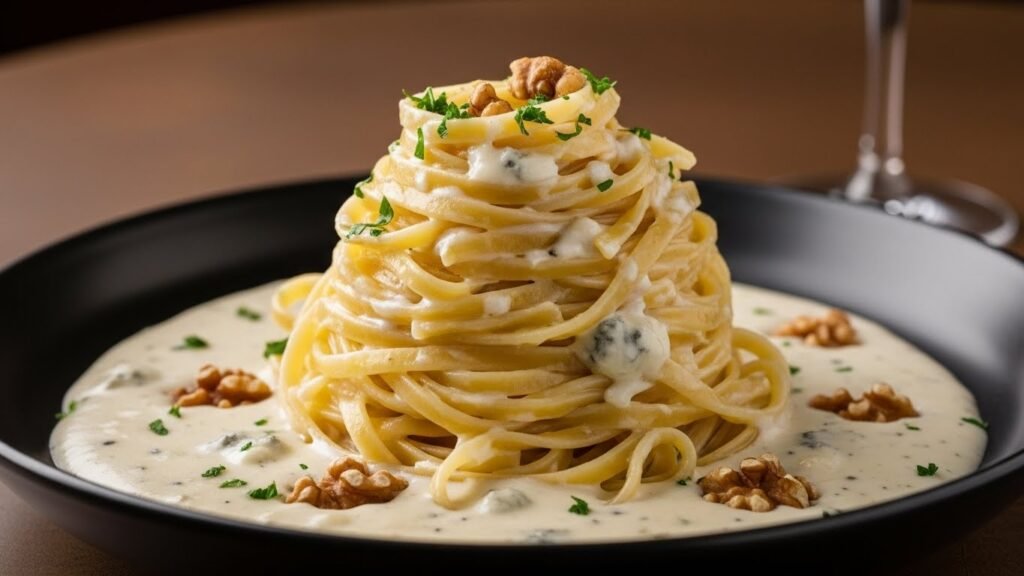
- Penne or Tagliatelle: These shapes hold the sauce very well.
- Gnocchi: The soft potato pillows love the cream.
- Fettuccine: A classic choice for a rich sauce.
Gourmet Appetizers and Spreads
You can serve it as a simple dip. It goes great with crusty Italian bread. It is a hit at any party. You can even use it to stuff food. It adds a fancy touch to snacks.
- Crostini: Spread it on toasted baguette slices.
- Stuffed Dates: A sweet and salty treat for guests.
- Breadsticks: The perfect dipping partner for warm sauce.
Pizzas and Flatbreads
Try using it as a gourmet pizza base. It adds a deep flavor to the dough. You can also add dollops on top. It melts into a delicious pool of cheese. Your pizza night will never be the same.
Main Course Enhancements
Use it as a sauce for your meats. It works wonders on a grilled steak. It adds richness to simple roasted chicken. You can even stir it into risotto. It gives the rice a velvety finish.
The Art of Pairing Masgonzola
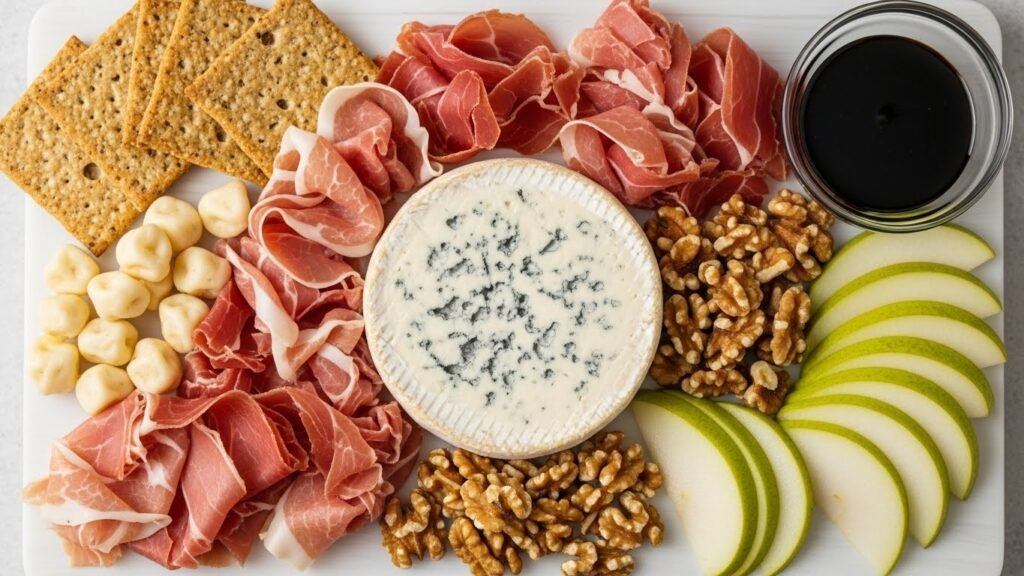
Pairing is all about finding balance in flavor. You want to match the cheese’s intensity well. Some things provide a sweet contrast to it. Others add a nice crunch or saltiness. Experimenting is the best part of eating.
Fruit and Sweet Pairings
Sweet things are the best friends of masgonzola. They cut through the richness of the cream. The sugar balances the salty blue veins well. It is a classic combo for reason.
- Figs and Pears: Their soft sweetness is a perfect match.
- Honey: A drizzle on top adds a lot.
- Grapes: Fresh grapes add a nice juicy pop.
Savory and Protein Pairings
Savory items help highlight the cheese’s depth. Salty meats are a very popular choice. They make for a great charcuterie board. It is a very filling and tasty mix.
- Prosciutto: Thin, salty ham works so perfectly.
- Salami: Adds a spicy and meaty kick.
- Roasted Veggies: Like beets or pears for earthiness.
Textural Contrasts
Texture is just as important as the taste. Since the cheese is soft, add crunch. This makes the eating experience more fun. It keeps every bite very interesting for you.
- Walnuts: The classic crunch for blue cheese blends.
- Pecans: Their sweetness works well with the cream.
- Crackers: Use firm ones that won’t break easily.
Wine and Beverage Pairings
The right drink can elevate the whole meal. You want something that can handle the cheese. Acidic wines help clean your palate after. It makes every bite feel very fresh.
- Chianti or Barbera: Robust reds with good acidity.
- Dessert Wines: Like Sauternes for a sweet finish.
- Craft Beer: A strong stout can handle the blue.
Modern Twists and Fusion Recipes
Chefs are getting very creative with this cheese. They use it in ways you wouldn’t expect. It is moving beyond just being a sauce. You can try these ideas at home. It is all about culinary creativity now.
- Gourmet Burgers: Use it as a melting topping.
- Fusion Tacos: Add a dollop to savory meat.
- Salad Upgrade: Crumbed over beets with balsamic vinaigrette.
- Savory Cheesecake: A wild and tasty dessert twist.
Mastering the Ultimate Masgonzola Pasta Sauce
Making a high-end pasta sauce does not have to be hard. This recipe focuses on creating a velvety texture that sticks to every noodle. You will get a restaurant-quality meal in under fifteen minutes.
- The Cheese Mix: Start with equal parts of Mascarpone and Gorgonzola to get that perfect balance.
- Low and Slow: Always use a low heat setting on your saucepan so the dairy does not separate.
- The Emulsion Trick: Save a little bit of the salty pasta water before you drain your noodles.
- The Final Whisk: Add the pasta water and heavy cream to the melted cheese and whisk until it is smooth.
- Perfect Pairing: This sauce works best with penne or tagliatelle because the shapes hold the cream well.
Creating the Perfect Masgonzola Party Dip
If you want to be the star of the next party, make this dip. It is a great way to show off the richness of Italian cheese. It pairs perfectly with both salty and sweet snacks.
- Base Layer: Mix your masgonzola blend in a bowl until it is very soft and easy to scoop.
- Sweet Contrast: Drizzle a generous amount of honey over the top of the dip.
- Added Crunch: Sprinkle some crushed walnuts or pecans over the cheese for a nice texture.
- Fresh Fruit: Serve the dip with sliced pears or fresh figs on the side.
- Bread Choices: Use warm breadsticks or toasted crackers to scoop up the cheesy goodness.
Masgonzola Steak Topping for a Gourmet Dinner
You can turn a regular steak into a five-star meal with just a dollop of cheese. The tanginess of the blue cheese cuts through the fat of the meat. It creates an umami explosion in your mouth.
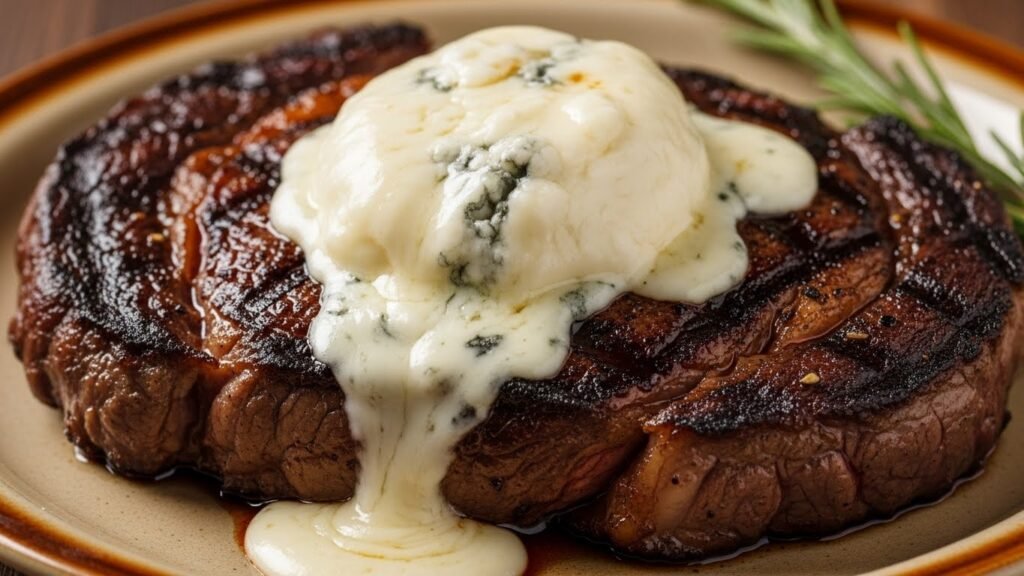
- Timing is Everything: Add a thick slice of masgonzola to your steak right after you take it off the grill.
- The Melt: Cover the steak with a piece of foil for one minute to let the cheese soften.
- Black Pepper: Add a fresh crack of black pepper on top to highlight the earthy undertones.
- Side Dish: This goes great with roasted vegetables or a simple side of risotto.
The Gourmet Masgonzola Dessert Pizza
This might sound wild, but it is a total game changer for foodies. It uses the sweetness of the Mascarpone to create a dessert vibe. It is a unique twist on traditional Italian cooking.
- The Crust: Use a thin pizza base and bake it until it is just a little bit crispy.
- The Spread: While the crust is hot, spread a thin layer of the masgonzola blend across it.
- Fruit Topping: Add thin slices of fresh pear or even some sweet berries.
- Final Touch: Finish with a balsamic vinaigrette drizzle for a tangy and sweet combo.
| Dish Type | Best Cheese Base | Top Garnish |
| Pasta | Gorgonzola Dolce | Black Pepper |
| Steak | Gorgonzola Piccante | Fresh Herbs |
| Dessert | Mascarpone Heavy | Sliced Pears |
| Appetizer | Equal Blend | Honey & Walnuts |
Nutritional Insights and Dietary Considerations
Cheese is a dense source of energy for you. It has many good things but eat it moderately. It is a rich and fatty dairy product. Knowing what is inside is always smart.
- Calcium Source: Great for your bones and teeth.
- Vitamins: Contains Vitamin A and B12 for health.
- Protein: Provides a good amount of dairy protein.
- Lactose: Aging reduces lactose, but be very careful.
Buying and Storage Guide
You want to make sure you buy quality. And you must keep it fresh at home. Good storage keeps the flavor from changing. It is a delicate fresh cheese product.
How to Select
Look for bright colors and fresh smells. The blue veins should be well-distributed. Avoid anything that looks dry or yellowed. Freshness is the most important factor here. Buy from a trusted cheese shop.
Serving Temperature
Take it out 30 minutes before eating. This lets the fats soften up nicely. The flavors are much stronger at room temperature. Cold cheese can taste a bit muted. It is a simple trick for better taste.
Proper Storage
Keep it tightly wrapped in your fridge. Use wax paper or a sealed container. This prevents it from drying out quickly. It also keeps other smells out of it. Treat it with care for best results.
Shelf Life
Masgonzola is best eaten within a few days. The fresh Mascarpone does not last forever. Usually, 3 days is the limit for peak flavor. Always check it before you start cooking. It is meant to be enjoyed fresh.
Culinary Troubleshooting: Common Mistakes to Avoid
Sometimes things can go a little wrong. But do not worry, you can fix it. Most issues come from heat or age. Learning from mistakes makes you a pro.
- Grainy Sauce: This happens if the heat is too high.
- Oily Finish: The cheese has separated from the fat.
- Too Strong: You used too much Gorgonzola Piccante.
- Too Bland: Add more blue cheese or some salt.
Masgonzola in the Global Gastronomy Scene
This cheese is traveling far beyond Italy now. People all over the world love the taste. It is becoming a star in high-end dining. It shows the power of Italian food culture.
Italian Export Success
Italy exports its best cheeses to many countries. Masgonzola is finding fans in the USA. It is now available in many specialty shops. People want authentic and artisanal food products. It is a global culinary success story.
Chef Perspectives
Professional chefs love its versatility and depth. They use it to add “wow” factor dishes. It helps them create unique and memorable meals. It is a tool for modern food art. Chefs appreciate the traditional craftsmanship behind it.
Conclusion: A Testament to Italian Gastronomy
Masgonzola is a true masterpiece of Italian flavor . it brings together the best of two worlds. It is creamy, sharp, and totally unforgettable. Whether you are a pro or a beginner, you will love it.
Every bite is a journey through Italian tradition. It shows the love and care of local farmers. It is more than just a simple food item. It is a celebration of life and great taste. Bring some masgonzola to your table tonight.
| Feature | Mascarpone | Gorgonzola | Masgonzola |
| Texture | Very creamy, thick | Crumbly or soft | Semi-soft, spreadable |
| Flavor | Sweet, buttery | Sharp, tangy | Balanced, sweet/tangy |
| Color | Ivory white | White with blue veins | White with blue marbling |
| Origin | Italy | Italy | Italy |
Frequently Asked Questions (FAQs) About Masgonzola
What does Masgonzola taste like?
Masgonzola offers a creamy, buttery flavor with the tangy edge of blue cheese. It is described as being both mild and bold, making it an ideal choice for various savory dishes.
Can I make Masgonzola without Gorgonzola?
Yes, you can substitute it with other blue cheeses or Roquefort if needed. However, Gorgonzola is what gives the blend its signature name and specific Italian taste.
Is Masgonzola suitable for vegetarians?
Yes, it is suitable for vegetarians as long as you ensure the Gorgonzola is produced using non-animal rennet. You should check the product label specifically for vegetarian-friendly certifications.
Can I freeze Masgonzola sauce?
It is best enjoyed fresh, as freezing can alter the creamy, velvety texture. While refrigeration for a few days works well, freezing is generally discouraged for maintaining quality.
What dishes pair best with Masgonzola?
A wide variety of dishes benefit from its richness, including pasta, steak, risotto, roasted vegetables, and even gourmet pizzas.
Is Masgonzola a good source of calcium?
Yes, being a dense dairy product, it serves as a great source of calcium, which is beneficial for bones and teeth.
Does Masgonzola contain vitamins?
This cheese contains essential vitamins such as Vitamin A and Vitamin B12, which are important for overall health.
How much protein is in Masgonzola?
It provides a good amount of dairy protein derived from the high-quality cow’s milk used in its production.
Is the lactose content lower in Masgonzola than fresh milk?
The aging process used for the Gorgonzola component helps reduce lactose levels, though those with sensitivities should still be very careful.
How should I select a high-quality Masgonzola?
You should look for bright colors and fresh smells, ensuring the blue veins are well-distributed throughout the white cream. Avoid any pieces that appear dry or yellowed.
What is the ideal serving temperature for this cheese?
For the best flavor experience, take the cheese out of the refrigerator 30 minutes before eating to let the fats soften.
Why does Masgonzola taste better at room temperature?
The flavors are much stronger when not chilled; cold temperatures can mute the complex earthy and sweet notes.
How should Masgonzola be stored at home?
It should be kept tightly wrapped in the refrigerator using wax paper or a sealed container to prevent it from drying out.
What is the shelf life of fresh Masgonzola?
Because of the fresh Mascarpone content, it is best eaten within 3 days for peak flavor.
Why did my Masgonzola sauce become grainy?
A grainy texture usually occurs if the heat was set too high during the melting process, causing the cheese to break.
What causes an oily finish on the sauce?
An oily appearance indicates that the cheese has separated from the fat, often due to improper temperature control.
How can I fix a sauce that is too strong?
If the flavor is too pungent, it may be because you used a higher ratio of Gorgonzola Piccante; you can balance it by adding more Mascarpone or heavy cream.
What should I do if the Masgonzola flavor is too bland?
You can enhance the taste by adding a bit more blue cheese or a pinch of salt to highlight the existing notes.
Is Masgonzola widely available outside of Italy?
Yes, it has become an Italian export success and is now finding many fans in specialty shops across the USA and other countries.
Why do professional chefs use Masgonzola?
Chefs appreciate its versatility and the “wow” factor it adds to modern food art and memorable meals.