 Skip to content
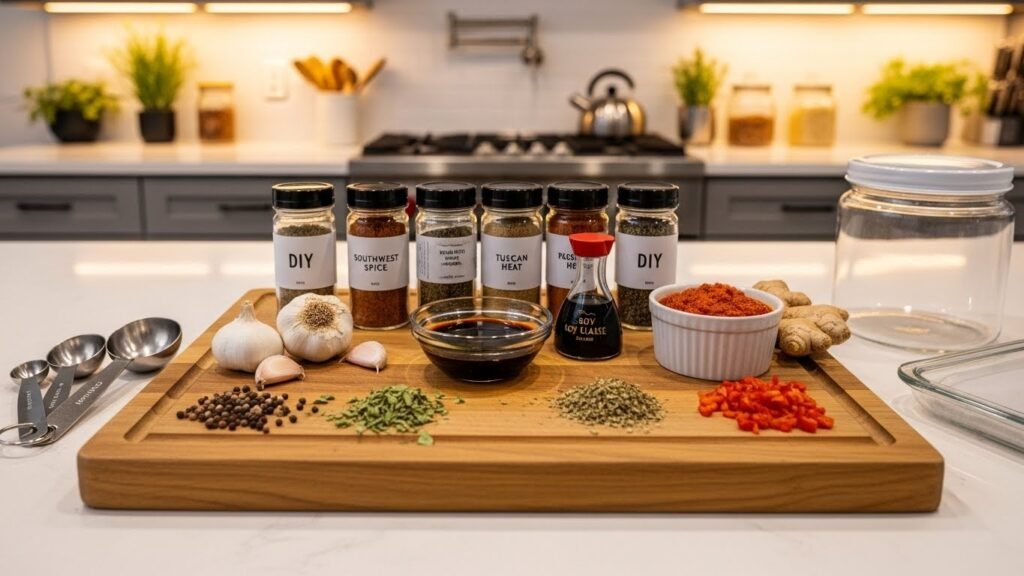
The rise of meal kit convenience has changed how we cook at home. Many people love the easy steps but hate the “missing ingredient” dilemma. You might find yourself wanting that specific flavor after your subscription ends. This guide helps you hack your favorite HelloFresh meals with ease. Making your own blends is a total game changer for your kitchen.
Introduction to Recreating the HelloFresh Experience at Home

Starting your DIY journey brings a ton of cool perks to your table. You get total sodium control and can save a lot of cash. Preparing these blends in bulk means you are always ready to cook. It is like having a chef in your pantry every single night. You can finally stop worrying about running out of those tiny plastic spice packets.
Essential Kitchen Tools and Preparation Tips
You need a few basic tools to get these recipes just right. Grab some airtight containers to keep your DIY spices fresh for months. Using high-quality ingredients makes a huge difference in the final taste. For example, smoked paprika tastes very different from the sweet version. Always check your labels before you start mixing your big batches.
Understanding Parts vs. Measurements
Scaling recipes is easy once you understand the “parts” system. One “part” can be a teaspoon, a tablespoon, or even a full cup. This method lets you make a small amount or enough for a year. It keeps the ratios perfect no matter how much you decide to make. Just pick a scoop and stay consistent throughout the whole process.
HelloFresh Signature Sauce Recipes

Sauces are the secret weapon that makes meal kits taste so good. They tie all the different parts of the dish together perfectly. Learning these basics will level up your cooking skills instantly. You will be able to turn a boring chicken breast into a gourmet meal. These recipes are the foundation of many fan-favorite dinners.
The Famous Hello Fresh Soy Glaze
The hello fresh soy glaze is a staple for Asian-inspired bowls and stir-fries. This hello fresh soy glaze adds a perfect salty and sweet finish to meats. You can make it easily with items already in your kitchen cabinet. It is way better than most store-bought options you find at the shop. Here is what you need for this hello fresh soy glaze:
- Soy Sauce: This provides the salty base for the entire glaze.
- Honey: It adds a natural sweetness and a thick texture.
- Rice Vinegar: This gives the sauce a necessary tangy kick.
- Brown Sugar: It helps the sauce caramelize when you heat it.
- Ginger: Fresh or ground ginger adds a bright, spicy note.
- Cornstarch: This is the key for getting that thick, glossy look.
HelloFresh Cream Sauce Base
This cream sauce is the foundation for many pasta dishes and gratins. It is a smooth and rich base that carries flavor very well. You only need three main ingredients to get this started. A tiny pinch of nutmeg can transform it into a professional sauce. Always keep your heat low so you do not burn the milk.
- Unsalted Butter: Using unsalted butter lets you control the salt levels.
- All-Purpose Flour: This mixes with the butter to thicken the liquid.
- Heated Whole Milk: Warm milk prevents the sauce from getting lumpy.
- Whisking Constantly: This pro-tip ensures a silky and smooth texture.
Roasted Red Pepper-Cashew Pesto
This pesto is a great dairy-free alternative to the traditional green version. It uses nuts and peppers to create a very rich mouthfeel. The flavor is bold, smoky, and a little bit nutty. It works great on pasta or as a spread for sandwiches. You will love how easy it is to whip up.
- Roasted Red Peppers: These provide the sweet and smoky main flavor.
- Cashews: They offer a creamy texture without using any cheese.
- Lemon Juice: The acid brightens up the heavy flavors.
- Red Chili Flakes: These add a subtle heat to the background.
- Pulse Instead of Blend: Pulsing leaves some texture for a better mouthfeel.
HelloFresh Spice Blend Recipes: The Master Collection

Having a master collection of spice blends makes weeknight cooking very fast. These blends cover cuisines from all around the entire world. You just need to measure, mix, and store them for later use. Each one has a specific flavor profile that matches certain ingredients. Your pantry will soon look like a professional spice shop.
The Most Popular All-Purpose Blends
Some blends are used much more often than others in meal kits. These are the workhorses of the kitchen that go on almost anything. You should probably make these in larger batches to save time. They are great for beginners who want instant flavor success. Kids and adults usually love these classic tastes.
- Southwest Spice Blend: A fan favorite with garlic, cumin, and chili powder.
- Fry Seasoning: A 1:1:1 ratio of garlic, onion, and paprika.
- Meatloaf Seasoning: A simple duo of onion and garlic powders.
Mediterranean and European Flavors
These blends bring the taste of Europe right to your home kitchen. They use a lot of dried herbs to create deep aromas. They are perfect for roasted vegetables, chicken, or white fish. You will feel like you are on a sunny vacation. These scents will fill your whole house while you cook.
- Tuscan Heat Spice Blend: Features basil, rosemary, oregano, fennel, and cayenne.
- Italian Seasoning Blend: A classic mix of garlic, oregano, and parsley.
- Herbes de Provence: A floral mix with savory, thyme, and lavender.
Middle Eastern and African-Inspired Blends
These blends are known for being very aromatic and complex. They use warm spices like turmeric, cinnamon, and allspice. They can turn a simple bowl of rice into something special. You might need to visit a specialty shop for some items. The effort is totally worth it for the amazing taste.
- Shawarma Spice Blend: Uses turmeric, cumin, coriander, and allspice.
- Turkish Spice Blend: A cumin-forward mix with a hint of chili.
- Tunisian Spice Blend: Features caraway seeds, smoked paprika, and cinnamon.
- Berbere Spice Blend: An Ethiopian staple with cardamom and fenugreek.
Specialized Regional and Seasonal Blends
As you get more comfortable, you can try these specific blends. Some are for BBQ, while others are for specific regional dishes. They help you nail the exact flavor of your favorite recipes. These are often the “secret” to those high-rated meal kit dinners. You can adjust the heat to fit your own family.
American BBQ and Seasonal Blends
These blends are perfect for grilling or making comfort food. They often balance sweet and smoky flavors for a deep taste. The seasonal blends bring out the best in holiday-style cooking. They are great for slow-cooked meats or roasted root vegetables. Everyone will ask for your secret recipe at the next cookout.
- Sweet and Smokey BBQ: Balances smoked paprika, sugar, and earthy cumin.
- Fall Spice Blend: A comfort mix of thyme, sage, and onion.
- Cajun Spice Blend: A zesty mix of paprika, oregano, and cayenne.
- Blackening Spice Blend: Focuses on peppers for a charred flavor profile.
Gourmet Steak and Burger Seasonings
Making a great burger or steak requires the right seasoning. These blends are designed to enhance the natural flavor of beef. Some use coarse ingredients to add a nice crust to meat. Others use sugar to help with browning on the grill. You will never want a plain burger ever again.
- All American Spice Blend: A multi-ingredient blend with cloves and mustard.
- Bold and Savory Steak: Uses crushed coriander and dill for texture.
- Burger Spice Blend: A specific ratio of paprika, salt, and sugar.
Specialized Regional Blends
These blends focus on very specific international flavor profiles. They often include unique ingredients like shrimp extract or chipotle. They are what make international meal kit nights so exciting. Using these will make your home cooking taste very authentic. Don’t be afraid to try something totally new.
- Mexican Spice Blend: A mix of chili powder, oregano, and cumin.
- Enchilada Spice Blend: Sweet and spicy with chipotle and brown sugar.
- Thai Seven Spice Blend: A unique profile using white sesame seeds.
Technical Guides and Cooking Tips

Mastering the blends is only the first part of the job. You also need to know how to use them correctly. Small adjustments can make a big difference in your final dish. This section helps you avoid common mistakes that home cooks make. You will learn to cook with more confidence and skill.
The Cayenne Caution and Heat Control
Some blends like Tuscan Heat can get very spicy quickly. The “Cayenne Caution” means you should add heat slowly. It is much easier to add spice than to take it out. Taste your food as you go to find the perfect level. This keeps the dish from becoming too overpowering for others.
Mastering the Cream Sauce Ratios
Understanding the flour-to-spice ratio is very important for sauces. There is a difference between a spice blend and a sauce base. Using the right amount of flour ensures your sauce isn’t too thin. A small pinch of nutmeg extract really elevates the white sauce. Practice makes perfect when you are working with dairy bases.
Essential Shopping List for DIY Spice Blends and Glazes
Building your own pantry allows for great cost-effectiveness and sodium control. You can now recreate that signature meal kit taste anytime you want. This list covers the core items needed for the most popular blends and sauces. Stocking these items helps you avoid the “missing ingredient” dilemma.
Core Pantry Staples for Sauces and Glazes
These liquids and thickeners are the foundation for the secret weapons of meal kits. They help you build the famous hello fresh soy glaze and rich cream bases.
- Soy Sauce: The primary salty base for the hello fresh soy glaze.
- Honey and Brown Sugar: Essential sweeteners for achieving a perfect glaze consistency.
- Rice Vinegar: Provides the necessary tang for Asian-inspired stir-fries.
- Cornstarch: The key thickening agent for a glossy hello fresh soy glaze.
- Unsalted Butter: The starting point for any silky cream sauce base.
- All-Purpose Flour: Necessary for creating a roux to thicken pasta sauces.
- Whole Milk: Provides the creamy texture for gratins and white sauces.
Essential Dried Spices and Herbs
These dry ingredients allow you to mix the master collection of spice blends. Grouping them by cuisine helps you organize your bulk preparation.
- Garlic and Onion Powder: The most used duo for everything from meatloaf to fry seasoning.
- Smoked and Sweet Paprika: High-quality paprika is vital for BBQ and Mexican blends.
- Cumin and Chili Powder: The “fan favorite” ingredients for Southwest and Mexican flavors.
- Dried Basil, Oregano, and Rosemary: Mediterranean staples for Tuscan and Italian blends.
- Turmeric, Coriander, and Allspice: Warm spices used in Shawarma and Turkish recipes.
- Thyme and Sage: Essential herbs for the comforting Fall Spice Blend.
- Cayenne Pepper: Used sparingly to add heat to zesty Cajun or Tuscan mixes.
Specialty Ingredients and Textures
Some recipes require specific items to achieve an authentic aroma and mouthfeel. These items give your DIY versions a professional edge.
- Roasted Red Peppers and Cashews: The main components for a dairy-free pesto.
- Sesame Seeds: Specifically white sesame seeds for the Thai Seven Spice profile.
- Fennel and Caraway Seeds: Adds a robust and complex flavor to European and Tunisian blends.
- Ground Nutmeg: A small pinch transforms a basic cream sauce into a gourmet base.
- Chipotle Chili Powder: Adds a specific smokiness to enchilada seasonings.
Storage and Organization Checklist
- Airtight Containers: Essential for keeping your DIY spices fresh and preventing clumping.
- Labels: Use these to distinguish between similar-looking blends like Cajun and BBQ.
- Measuring Spoons: Necessary for maintaining the correct “parts” and ratios.
Conclusion: Mastering the Art of the At-Home Meal Kit
Building a “HelloFresh Pantry” from scratch is a rewarding project. It gives you the freedom to cook what you want. Feel free to experiment with the ratios to fit your taste. You now have the tools to recreate that meal kit magic. Happy cooking and enjoy your homemade hello fresh soy glaze and spices!
Frequently Asked Questions
Why is using high-quality ingredients important for DIY blends?
Using high-quality ingredients makes a huge difference in the final taste of your homemade recipes. For instance, choosing a specific variety like smoked paprika provides a flavor profile that is significantly different from the sweet version.
How can I ensure my DIY spices stay fresh for a long time?
You should grab some airtight containers to store your mixtures. These containers are essential for keeping your spices fresh for months and preventing the powder from clumping together.
What are the benefits of preparing spice blends in bulk?
Preparing these blends in bulk means you are always ready to cook without extra preparation time. It also helps you save a lot of cash and provides total control over the sodium levels in your food.
How do I scale a spice recipe for a larger group?
Scaling is easy once you understand the “parts” system, where one “part” can be any consistent unit of measure like a teaspoon or a full cup. This method keeps the ratios perfect regardless of whether you are making a small amount or enough for a year.
What is the best way to maintain consistency when mixing spices?
To keep your flavors consistent, you should pick one specific scoop or measuring tool and use it throughout the entire mixing process. Using proper measuring spoons is necessary for maintaining the correct ratios.
Why should I check spice labels before mixing big batches?
It is important to check your labels before starting because many spices look similar but have vastly different flavors. Using labels on your finished containers also helps you distinguish between similar-looking blends like Cajun and BBQ.
How does the Soy Glaze compare to store-bought options?
The homemade version of the soy glaze is considered much better than most store-bought options found at the shop. It allows you to create a professional, glossy finish using items already in your kitchen cabinet.
What role does cornstarch play in the signature soy glaze?
Cornstarch is the key ingredient responsible for giving the sauce its thick and glossy appearance. It acts as a thickening agent to ensure the glaze sticks to meats and vegetables.
How can I prevent my cream sauce from becoming lumpy?
Using heated whole milk is a pro-tip that prevents the sauce from getting lumpy. Additionally, whisking the mixture constantly ensures a silky and smooth texture.
Why is unsalted butter recommended for cream bases?
Using unsalted butter is preferred because it allows the cook to have total control over the salt levels in the dish. This is the starting point for creating a professional-grade silky sauce.
Can I make the Roasted Red Pepper Pesto if I have a dairy allergy?
Yes, this pesto is a great dairy-free alternative to traditional green versions. It uses cashews to provide a creamy texture and rich mouthfeel without the need for any cheese.
What is the “Cayenne Caution” rule?
The “Cayenne Caution” is a technical tip suggesting that you should add heat slowly to blends like Tuscan Heat. Because it is much easier to add spice than to take it out, you should taste as you go to find the perfect level.
How can I make a basic white sauce taste more professional?
Adding a small pinch of ground nutmeg can transform a basic white sauce into a professional, gourmet base. This tiny addition elevates the flavor profile of pasta dishes and gratins.
What makes the Fry Seasoning blend so versatile?
The Fry Seasoning is a simple but effective workhorse in the kitchen that uses a 1:1:1 ratio of garlic, onion, and paprika. Because it uses classic flavors, it is usually loved by both kids and adults.
Why do some blends require a specialty shop visit?
Middle Eastern and African-inspired blends often use very aromatic and complex spices like cardamom or fenugreek. While you might need to visit a specialty shop for these, the effort is worth it for the authentic and amazing taste.
How do BBQ blends achieve a deep flavor profile?
Successful BBQ blends typically balance sweet and smoky flavors. For example, the Sweet and Smokey BBQ blend balances smoked paprika and sugar with earthy cumin to create a deep taste.
What ingredients help meat brown better on the grill?
Some burger and steak seasonings use sugar to help with the browning process. Other blends use coarse ingredients like crushed coriander and dill to add a nice crust to the meat.
How can I make international dishes taste more authentic at home?
Using specialized regional blends that include unique ingredients like shrimp extract, chipotle, or white sesame seeds makes home cooking taste authentic. These specific flavor profiles are what make international meal kit nights exciting.
What is the difference between a spice blend and a sauce base?
It is important to understand that there is a distinction between the two; for example, a sauce base requires specific flour-to-spice ratios to ensure proper thickening. Using the right amount of flour in a base ensures the final sauce isn’t too thin.
How do I organize my pantry for efficient DIY cooking?
Grouping your essential dried spices and herbs by cuisine type helps you organize your bulk preparation. Stocking these core items allows you to avoid the dilemma of missing a single ingredient when you want to cook.