
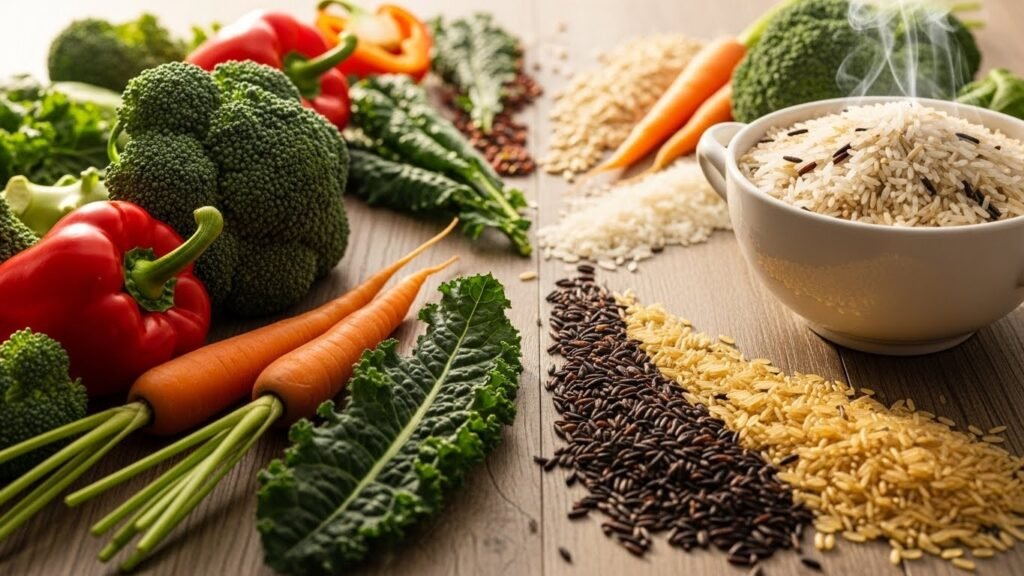
Rice is a food that almost everyone on the planet knows. You probably see it on your plate multiple times a week. It goes with beans, chicken, or even in a bowl by itself. But many people ask a funny question: is rice vegetable or something else? People often get confused because rice grows in the ground just like a carrot or a potato. If you are trying to eat healthy, you need to know what you are putting in your body. This guide will break down the whole story so you can shop and eat like a pro.
So, Is Rice Actually a Vegetable?
The short answer is no, rice is definitely not a vegetable. Even though it is a plant-based food, it belongs to a different family entirely. Rice is known as a cereal grain. This puts it in the same group as wheat, oats, and corn. While it grows from the soil, the part we eat makes it unique.
The biological distinction is quite simple once you look at the plant. Rice comes from the seeds of a grass species called Oryza sativa. When you eat rice, you are eating the reproductive part of the grass. This is very different from eating a vegetable. Vegetables are usually the vegetative parts of a plant, like the roots or leaves.
People make common categorization errors because they use the word plant-based for everything. Just because something is a plant does not mean it is a vegetable. Fruits, nuts, and seeds are all plants, but they have their own special names. Rice is the seed of the plant, which is why it is a grain.
Why Do People Think Rice Is a Vegetable?
It is easy to see why people get this wrong. There are a few big reasons for the confusion. Most of it comes from how we look at our food and how we cook it.
It’s Plant-Based
Many folks use a simple rule for their diet. If it grows in the ground and is not meat, they call it a vegetable. This is why people ask if is rice vegetable or grain. However, this logic is a bit too simple. Think about a walnut or an apple. Those grow on trees and are plants, but we don’t call them vegetables.
It’s Served Like a Side Vegetable
In many homes and restaurants, rice takes the spot of a side dish. You might get a plate with steak, a salad, and a scoop of rice. Because it sits right next to the greens, your brain groups them together. Restaurant menus often list rice under the sides section right next to steamed broccoli. This meal structure makes the myth feel real.
It’s Confused With Starchy Vegetables
Rice feels a lot like starchy vegetables when you eat it. Potatoes, corn, and yams are very filling. Rice is also very filling and heavy in your stomach. Your body processes the energy from rice almost the same way it handles a potato. This sensory similarity is a major reason for the mix-up.
How Rice Is Classified Scientifically and Nutritionally
To really understand the answer to is rice vegetable, we have to look at science. Scientists and doctors look at food in two different ways.
Botanical Classification
Botanists, or plant scientists, have a very specific way of labeling things.
- The Cereal Grain Family: Rice belongs to the Poaceae family, which is the grass family.
- Anatomy of a Grain: A single grain has a few layers called the husk, bran, germ, and endosperm.
- The Caryopsis: This is a fancy science word meaning a dry fruit where the seed and skin are fused together.
Nutritional Classification
Doctors and dietitians look at what is inside the food.
- Macronutrient Profile: They label rice as a carbohydrate or a starch.
- The Role of Energy: Grains are meant to give you fuel for your day.
- Micronutrients: Unlike vegetables that give you tons of vitamins, grains focus on delivering energy through sugar and fiber.
Understanding What Rice Is
Rice is one of the oldest foods in human history. It is a species of grass that loves water. There are two main types called Oryza sativa, which is from Asia, and Oryza glaberrima, which is from Africa.
When you look at a rice plant, you see the difference clearly. Vegetables are the vegetative parts like roots, stems, or leaves. Rice is the reproductive seed that grows at the top of the grass. If you eat a carrot, you eat the root. If you eat spinach, you eat the leaf. If you eat rice, you eat the baby plant’s food supply.
The life cycle of a rice plant is also very cool. It starts in a flooded field called a paddy. Farmers harvest the grass once the seeds turn golden and dry. Then they take the seeds out to be cleaned and sold.
The Cultural History of Rice as a Staple
Rice has been around for thousands of years. It helped build some of the biggest civilizations in history. In Asia and Africa, rice was more than just food; it was like money.
There is a lot of symbolism with rice too. In many cultures, rice represents life and being fertile. This is why people throw rice at weddings. It is a way of wishing the new couple a busy and happy life.
Today, more than half of the people in the whole world eat rice every single day. It is the most important calorie source for humans. Without rice, many parts of the world would not have enough to eat.
Different Types of Rice
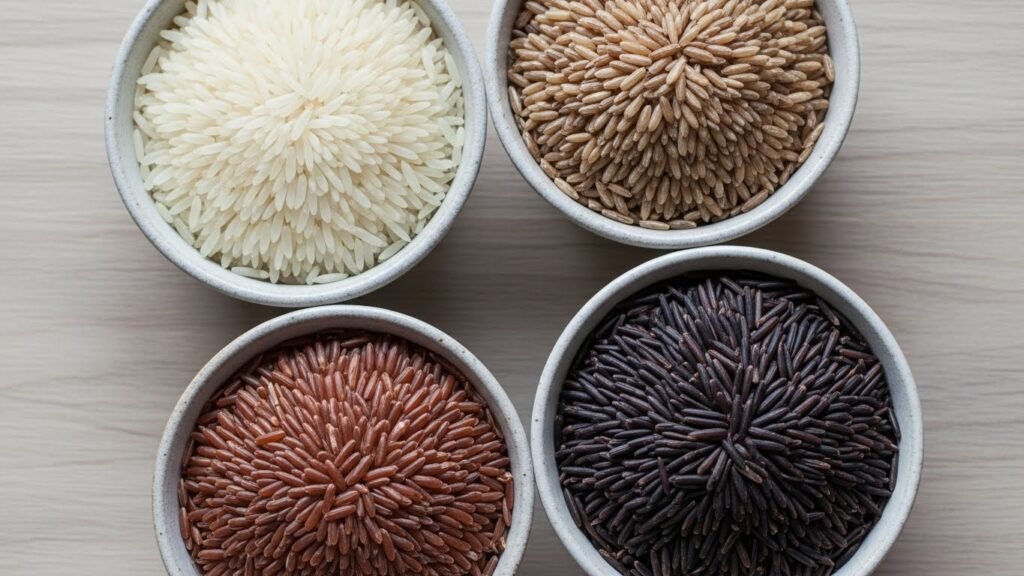
Not all rice is the same. There are thousands of kinds, but we usually see a few main ones.
White Rice
- Processing Methods: This rice has the husk, bran, and germ removed.
- Pros: It lasts a long time on your shelf and is very easy to digest.
- Cons: It loses a lot of its natural vitamins and fiber during the cleaning process.
Brown Rice
- Whole Grain Status: This is a whole grain because it still has the bran and germ.
- Health Benefits: It is packed with fiber, magnesium, and phosphorus.
- Texture: It takes longer to cook and has a chewy, nutty taste.
Wild Rice
- The Imposter Grain: This is actually a seed from an aquatic grass called Zizania.
- Nutritional Edge: It has more protein and antioxidants than regular white rice.
Specialty Varieties
- Basmati and Jasmine: These are long-grain rices that smell amazing when they cook.
- Black and Red Rice: These get their color from antioxidants called anthocyanins.
- Arborio: This is a short, fat rice used to make creamy Italian risotto.
Nutritional Profile of Rice
When you ask is rice vegetable, you are usually thinking about health. Rice has a very specific set of nutrients.
- Carbohydrates: Most of the calories in rice come from complex carbs.
- Fiber Content: Brown rice has a lot of fiber, but white rice has almost none.
- Gluten-Free Status: All natural rice is gluten-free, which is great for people with allergies.
- Essential Micronutrients: It has Manganese, Selenium, and B-vitamins like Thiamin.
- Amino Acid Profile: Rice is not a complete protein, so you should eat it with beans.
Rice vs. Vegetables: What’s the Real Difference?
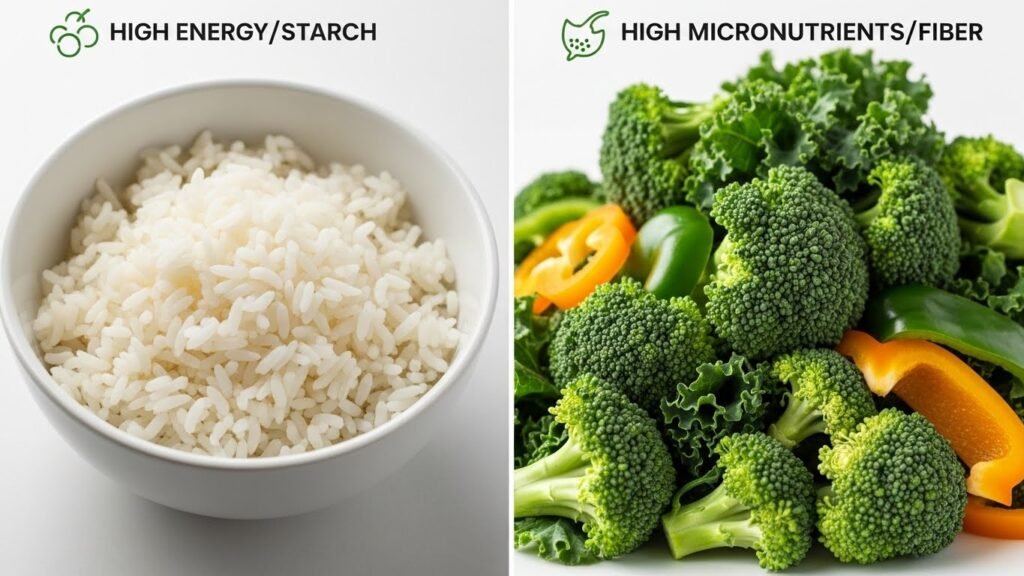
The differences are huge when you look at the numbers.
- Caloric Density: One cup of rice has about 200 calories, while a cup of spinach has only 7.
- Vitamin Spectrum: Vegetables are full of Vitamin A, C, and K. Rice doesn’t have much of those.
- Starch Content: Rice is full of starch for energy. Most green vegetables are full of water and fiber.
- Grains vs. Pulses: Rice is a grain, but things like peas and lentils are pulses or legumes.
The “Vegetable Rice” Trend: Cauliflower and Broccoli Rice
Lately, people have started making “rice” out of vegetables. This adds more confusion to the is rice vegetable question.
- What is Vegetable Rice?: This is just cauliflower or broccoli chopped into tiny bits that look like rice.
- Comparison of Nutrition: Cauliflower rice has way fewer carbs and calories than real rice.
- Culinary Benefits: It is a great trick if you are on a Keto diet or trying to lose weight.
- Texture: It doesn’t taste like rice, but it soaks up sauces in a similar way.
Agricultural Perspectives: How Rice is Grown
Rice farming is a huge job. Most rice grows in paddy fields which are covered in water. This water helps stop weeds from growing and keeps the plants hydrated.
There is also upland rice, which grows on dry land like wheat. The way the rice is grown can change how it tastes. Rice also takes a lot of water to grow. Some people worry about the environmental cost compared to growing vegetables.
The Science of Cooking Rice
Cooking rice is a science project in your kitchen.
- The Gelatinization Process: This is when the starch grains soak up hot water and burst, making the rice soft.
- Absorption vs. Boiling: Absorption is usually better because it keeps the vitamins inside the pot.
- The Role of Rinsing: You should always rinse your rice. It removes extra starch so the rice isn’t sticky.
Is Rice Healthy?
Rice can be very healthy if you eat it the right way.
- Glycemic Index: White rice can make your blood sugar spike fast. Brown rice is much slower.
- Weight Management: Since rice has many calories, you have to watch your portion sizes.
- The Arsenic Concern: Rice can soak up arsenic from the soil. You can fix this by rinsing it well or boiling it in lots of water.
- Phytic Acid: This is found in brown rice and can sometimes make it hard for your body to soak up minerals.
Is Rice a Carb or a Starch?
The answer is both. Starch is just a specific type of carbohydrate.
- Amylose vs. Amylopectin: These are the two types of starch in rice.
- Fluffy vs. Sticky: Rice with more amylose stays separate and fluffy. High amylopectin makes rice sticky.
- Resistant Starch: If you cook rice and then let it cool down, it creates resistant starch. This is very good for your gut health.
If Rice Isn’t a Vegetable, What Should You Eat With It?
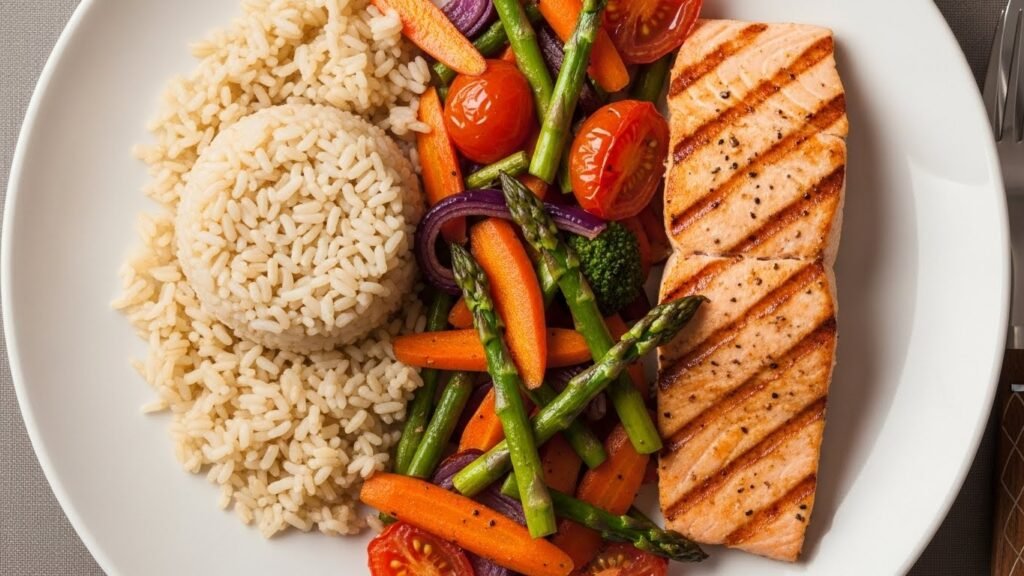
Since rice is a grain, you need to balance your plate.
- Achieving Plate Balance: Use the MyPlate rule. Fill half your plate with real vegetables.
- Pairing with Non-Starchy Vegetables: Eat your rice with broccoli, peppers, or zucchini.
- Complementary Proteins: Mix your rice with beans or tofu to get all your proteins.
Conclusion
Understanding the difference between grains and vegetables is key to a good diet. Now you know that rice is a seed from a grass and not a vegetable. While it is a great source of energy, it cannot replace the vitamins you get from greens. To stay healthy, enjoy your rice but make sure your plate is full of colorful vegetables too. By knowing the truth about is rice vegetable, you can make better choices for your body and your family.
Frequently Asked Questions About Rice and Vegetables
Is corn a vegetable or a grain?
Corn is similar to rice in its confusion. Botanically, it is a cereal grain because it is the seed of a grass plant. However, in the culinary world and on the USDA food pyramid, fresh corn is often treated as a starchy vegetable due to its moisture content and how it is eaten.
Is quinoa a vegetable?
Quinoa is not a vegetable. It is often called a pseudocereal because it is cooked and eaten like a grain, but it actually comes from a flowering plant rather than a grass. It is technically a seed, making it closer to a grain than a vegetable.
Can rice be part of a plant-based diet if it is not a vegetable?
Absolutely. A plant-based diet includes all foods derived from plants, which encompasses grains, legumes, nuts, seeds, and fruits. Rice is a foundational staple for plant-based eating because it provides the necessary calories to sustain energy levels.
Does rice count toward my five-a-day servings of produce?
No, rice does not count toward your daily recommended intake of fruits and vegetables. Since rice is a grain, it occupies its own category on the nutritional plate. You still need to consume distinct servings of greens, roots, and cruciferous vegetables.
Is rice paper made from vegetables?
Rice paper, commonly used for spring rolls, is made from rice flour, water, and sometimes tapioca flour. It is a grain-based product. However, it is almost always used as a wrapper for fresh vegetables, which helps you meet your vegetable intake goals.
Why is rice categorized with bread and pasta?
Rice, bread, and pasta are all grouped together because they are primary sources of starch. They provide the body with glucose, which is the preferred fuel for the brain and muscles. Vegetables provide some carbs, but not in the concentrated amounts found in these staples.
Is there such a thing as a rice vegetable hybrid?
There is no biological hybrid between a grain and a vegetable. Products like cauliflower rice are simply vegetables that have been mechanically shredded to mimic the size and shape of rice grains for culinary convenience.
Are peas a vegetable or a grain?
Peas are legumes. While they are often served as a vegetable side dish, they are actually the seeds found inside a pod. This makes them more closely related to beans than to leafy vegetables like kale or lettuce.
Does the body digest rice and vegetables differently?
Yes. The body uses specific enzymes to break down the dense starches in rice into simple sugars for energy. Vegetables, especially fibrous ones, take longer to break down and often contain cellulose, which the body cannot fully digest, helping with bowel movements.
Can you get scurvy if you eat rice but no vegetables?
Yes, you can. Rice does not contain Vitamin C. Scurvy is caused by a severe deficiency of Vitamin C, which is found in high amounts in vegetables and fruits. This is why sailors who only had grains and dried meats often fell ill.
Is rice milk a vegetable juice?
Rice milk is a grain-based beverage made by processing rice with water. It lacks the fiber and specific phytonutrients found in vegetable juices like carrot or tomato juice. It is considered a dairy alternative, not a vegetable serving.
Do rice and vegetables grow in the same type of soil?
Usually not. Most rice requires semi-aquatic conditions or very heavy, clay-like soil that can hold water for long periods. Most vegetables prefer well-drained, loamy soil where their roots will not rot from too much moisture.
Are there any vegetables that grow like rice?
Water chestnuts and lotus roots grow in similar aquatic environments as rice. While they share a habitat, they are still categorized as vegetables because we eat the corms or the roots of the plant rather than the seeds of a grass.
Is rice flour a vegetable starch?
Rice flour is a grain starch. Vegetable starches are usually derived from tubers, like potato starch or arrowroot. Grain starches and vegetable starches behave differently in baking and thickening sauces.
Does white rice have any vegetable-like nutrients?
White rice is very low in the vitamins usually associated with vegetables. It is often “enriched” in the United States with iron and B vitamins to replace what was lost during processing, but it still lacks the antioxidants found in fresh produce.
Why do some cultures eat rice with every meal?
In many regions, rice is the most affordable and accessible way to get enough calories to survive. In these cultures, vegetables are used as a seasoning or a small accompaniment to add flavor to the large portion of grain.
Is risotto a vegetable dish?
Risotto is a rice dish. While it often includes vegetables like mushrooms, peas, or asparagus, the main ingredient is high-starch Arborio or Carnaroli rice. It is considered a starch-heavy entree.
Does soaking rice make it more like a vegetable?
Soaking rice can soften the grain and remove some surface starch, but it does not change the biological nature of the food. It remains a grain regardless of the preparation method.
Is “fried rice” a healthy way to eat vegetables?
Fried rice can be a great vehicle for vegetables. By adding carrots, peas, onions, and sprouts to the rice, you can create a balanced meal that combines the energy of grains with the vitamins of vegetables.
Can a person be allergic to rice but not vegetables?
Yes. Allergies are usually reactions to specific proteins. The proteins found in cereal grains like rice are different from the proteins found in vegetables. It is possible to have a grain allergy while still being able to eat all vegetables safely.