 Skip to content
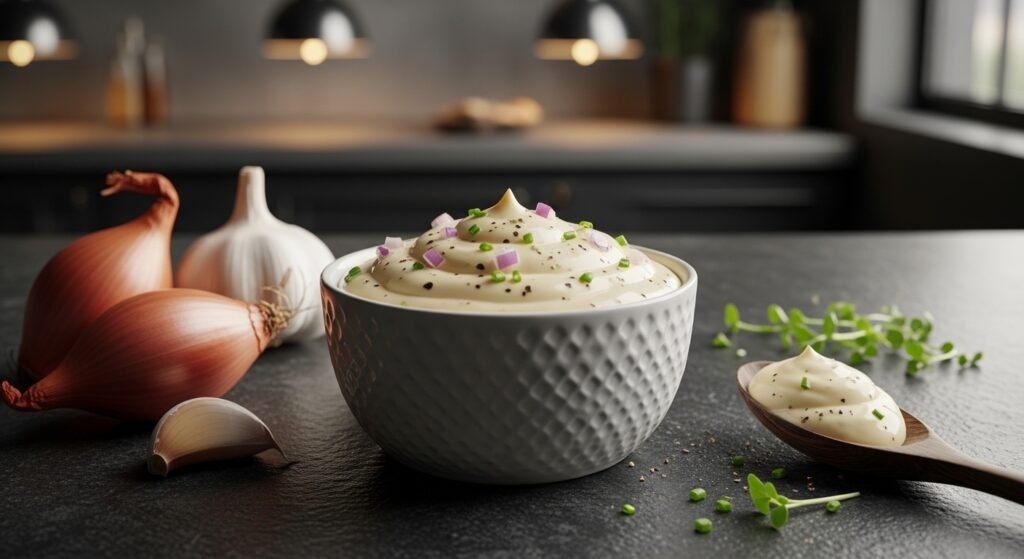
Shallot aioli is a total game changer for your kitchen. This zingy sauce is a modern twist on the classic Mediterranean garlic staple. It takes basic pantry items and turns them into something fancy. You will love how it makes simple meals taste like they came from a restaurant. This specific recipe is a huge favorite for anyone who loves big flavor. It is the perfect way to add some spark to your favorite snacks.
Overview of Shallot Aioli
This sauce is a creamy dream with a sharp kick. It uses shallots to give a sweet and complex onion vibe. Traditional aioli usually just relies on heavy garlic and oil. Our version adds a little more depth with the help of dijon. It is smooth, rich, and very easy to whip up. You can use it on almost anything to make the flavors pop.
The History and Evolution of Aioli
Aioli started out a long time ago in places like Spain and France. Back then it was just garlic crushed with olive oil. People worked hard to get that perfect emulsion by hand. Over time folks started using mayonnaise as a shortcut base. Adding shallots is a newer trick that chefs use today. It represents a modern way to keep things fresh and exciting.
The Flavor Profile and Culinary Appeal
The taste of this sauce is all about balance. You get the richness of the fat with a sharp bite. The aromatics hit your tongue first with a spicy punch. Then the creamy mayo smooths everything out at the end. It creates a zingy sensation that keeps you coming back. It is much more interesting than plain old store-bought mayo.
Understanding the Allium Family
Shallots are part of the same family as onions and garlic. They are like a fancy cousin to the standard white onion. Shallots have a much more delicate and sweet taste. They do not leave that harsh aftertaste that regular onions do. This makes them perfect for a raw sauce like this one. You get the onion flavor without the lingering bad breath.
Essential Ingredients for Premium Results

You only need a few things to make this magic happen. Quality is key when you have so few ingredients. Use the best stuff you can find for the best taste.
- The Aromatics are the stars of the show here.
- 2 medium shallots give you that sweet and spicy hybrid flavor.
- 1 garlic clove adds just enough heat without being too much.
- The Base and Emulsifiers hold everything together.
- ½ cup mayonnaise provides a thick and creamy structure.
- 2 tablespoons of good quality olive oil adds a silky and fruity touch.
- 2 tablespoons Dijon mustard helps keep the sauce from separating.
- ½ teaspoon salt wakes up all the other flavors in the jar.
| Ingredient | Quantity | Primary Flavor | Culinary Role |
| Medium Shallots | 2 bulbs | Sweet, delicate onion | Main aromatic and flavor base |
| Garlic Clove | 1 large clove | Sharp, spicy, pungent | Adds a classic aioli “bite” |
| High-Quality Mayonnaise | ½ cup | Creamy, rich, neutral | Provides the thick, spreadable body |
| Extra Virgin Olive Oil | 2 tablespoons | Fruity, peppery, rich | Emulsifies the sauce for a silky finish |
| Dijon Mustard | 2 tablespoons | Tangy, sharp, acidic | Acts as a stabilizer and flavor bridge |
| Fine Sea Salt | ½ teaspoon | Salty, savory | Enhances and balances all aromatics |
| Lemon Juice (Optional) | 1 teaspoon | Bright, citrusy, tart | Adds acidity to cut through the fat |
| Smoked Paprika (Optional) | 1 pinch | Smoky, earthy | Provides depth and a hint of color |
| Fresh Chives (Optional) | 1 tablespoon | Mild, grassy onion | Adds visual appeal and fresh top notes |
Sourcing and Ingredient Quality
Pick shallots that feel heavy and firm in your hand. Avoid any that have green sprouts coming out of them. If the shallot is soft it might be past its prime. Use a heavy-duty mayo for a thicker final sauce. Check the date on your olive oil to ensure it is fresh. Fresh oil has a much better flavor than old dusty oil.
Required Kitchen Equipment
You do not need a whole professional kitchen for this. A few simple tools will get the job done right. Having the right size tools makes a big difference.
- A small blender is perfect for this amount of sauce.
- Food processors also work great if they are small.
- Immersion blenders are excellent for making small batches in a jar.
- A spatula helps you scrape every last drop out of the bowl.
Maintenance and Cleaning Tips
Garlic and shallots can leave a strong smell behind. Wash your blender right away with hot soapy water. A little lemon juice can help remove any stubborn odors. Stainless steel tools are easier to clean than plastic ones. Keep your blades sharp so they chop instead of smashing. Proper care makes your gear last a lot longer.
Step-by-Step Preparation Guide
Making this sauce is super fast and very fun. Just follow these steps for the perfect result. It only takes a few minutes of active work.
Initial Preparation of Aromatics
First you need to peel your shallots and garlic. Give them a rough chop before putting them in the blender. This helps the machine do its job much faster. Pulse the shallots a few times all by themselves first. This ensures you do not end up with huge chunks. You want a fine mince before the liquids go in.
The Blending Process

Now throw in your mayo, oil, mustard, and salt. Turn the blender on and let it run until smooth. You want a very creamy and uniform texture. Stop and scrape the sides if you need to. Check to make sure all the shallot bits are tiny. It should look glossy and beautiful when it is done.
The Crucial Chilling Phase
Do not eat it right away because it needs a rest. Put the sauce in the fridge for 30 minutes. This “inactive time” is when the real magic happens. The raw bite of the garlic and shallot will soften up. The flavors will blend together into one perfect taste. It is worth the wait for the best results.
Serving and Final Touches
Once the time is up, take it out of the fridge. Give it one last good stir with a spoon. This helps fix any oil that might have moved around. It also makes the sauce look creamy and fresh again. You can put it in a nice small bowl for serving.
Temperature and Texture
This sauce tastes best when it is slightly cold. The cold temperature makes the zingy flavor feel refreshing. It should have a nice glossy shine to it. If it looks too thick you can stir it more. The texture should be thick enough to stay on a fry. It should not be runny like a thin salad dressing.
Optimal Food Pairings and Applications
There are so many ways to use this amazing sauce. It goes way beyond just a simple dip. Use your imagination to find new favorite pairings.
The Perfect Sandwich Companion

- Grilled Cheese is the best way to use this sauce.
- The creamy aioli cuts right through the heavy melted cheese.
- Basil & Herb sandwiches get a big boost from the shallots.
- Chicken Croissants stay moist and flavorful with a thick spread.
- Burgers and Sliders taste like gourmet meals with this topping.
Beyond Sandwiches

- French Fries are the classic partner for any aioli.
- Roasted Potatoes get a fancy upgrade with a dollop on top.
- Salmon and Crab Cakes love the acid from the mustard.
- Raw Veggies like carrots and cucumbers become a great snack.
- Salad Dressing can be made by adding a splash of lemon.
Vegetable Pairings
- Roasted Asparagus is amazing when dipped in this sauce.
- Steamed Broccoli becomes a kid-favorite with a little aioli.
- Potato Salad gets way more flavor if you use this as a base.
- Grilled Corn can be brushed with aioli for a tasty treat.
Recipe Yield and Storage Specifications

One batch usually makes about one full cup of sauce. This is plenty for a family dinner or a small party. You can easily double it if you have a big crowd.
- Store in glass jars to keep the flavor the cleanest.
- Airtight lids are a must to keep other fridge smells out.
- Freshness lasts for about 3 to 5 days in the fridge.
- Label your jar with the date so you know it is fresh.
Food Safety Precautions
Always keep this sauce in the refrigerator when not using it. Mayonnaise can spoil if it sits out too long. The mustard and oil help keep it stable for a few days. If it smells off or changes color throw it away. Use clean spoons every time you dip into the jar. This keeps bacteria out and keeps the sauce safe.
Troubleshooting and Customization
If your sauce is too thin just add more mayo. You can also add a tiny bit more oil and whisk it. If it is too spicy you can add more creaminess. Making it your own is the best part of cooking.
- Smoky flavors come from adding a bit of smoked paprika.
- Herbed versions use fresh parsley or even some tarragon.
- Vegan options are easy if you use plant-based mayonnaise.
- Citrus kicks come from a little lemon juice or zest.
Conclusion: Mastering the Art of the Condiment
Shallot aioli is a hero ingredient for any home cook. It is simple to make but tastes very expensive. You now have all the tools to make it perfect. Do not be afraid to try it on different foods. Experiment with different types of shallots from your local market. You will find that this sauce becomes a staple in your home.
Frequently Asked Questions about Shallot Aioli
What is the main difference between aioli and mayonnaise?
Traditional aioli is an emulsion made from just garlic and oil. Mayonnaise uses egg yolks as an emulsifier to create a creamy base. Modern recipes like this shallot version use mayonnaise to save time while adding aromatics for flavor. This creates a hybrid sauce that is much richer than plain mayo.
Can I use dried shallots instead of fresh ones?
Fresh shallots are much better for this recipe because they provide moisture and a crisp texture. Dried shallots often have a toasted flavor that changes the profile of the sauce. If you must use dried ones, soak them in a teaspoon of water first. However, the zingy “bite” of the sauce will be significantly reduced.
Why did my aioli turn out too bitter?
Bitter aioli usually happens if you over-blend high-quality extra virgin olive oil. The high speed of the blades can break down the oil molecules and release bitter polyphenols. To fix this, try blending the other ingredients first and then whisking the oil in by hand. You can also balance bitterness with a tiny pinch of sugar or extra honey.
Is shallot aioli keto-friendly?
Yes, this condiment is excellent for a keto or low-carb diet. It is made mostly of healthy fats from the mayonnaise and olive oil. Since shallots and garlic are used in small amounts, the carb count remains very low. Always check your mayonnaise label to ensure there are no added sugars or seed oils.
How do I make the sauce thicker?
If your sauce is too runny, you can slowly whisk in more mayonnaise. Another trick is to let it sit in the fridge for a full hour instead of thirty minutes. Cold temperatures help the fats solidify and create a thicker consistency. Make sure you are using a full-fat mayonnaise for the best structure.
Can I freeze shallot aioli for later use?
Freezing is not recommended for mayonnaise-based sauces. The emulsion will break when it thaws, leaving you with a watery and oily mess. It is best to make this sauce in small batches that you can finish within a week. Freshness is the key to the flavor and texture.
What is a good substitute for Dijon mustard?
If you do not have Dijon, you can use spicy brown mustard or even a small amount of dry mustard powder. Avoid using standard yellow mustard as it is too vinegary and lacks the depth needed for aioli. The mustard is important because it keeps the oil and mayo from separating.
How can I make a low-fat version of this recipe?
You can substitute the regular mayonnaise with low-fat mayo or Greek yogurt. If you use Greek yogurt, the sauce will be much tangier and slightly thinner. You may need to add a bit more salt to balance the extra acidity from the yogurt. It remains a healthy way to enjoy the shallot flavor.
Is it safe to eat raw garlic and shallots?
Yes, it is safe for most people to consume raw alliums like garlic and shallots. They contain many health benefits including antioxidants and anti-inflammatory properties. However, some people with sensitive stomachs may find raw aromatics difficult to digest. Chilling the sauce helps “cook” them slightly in the acid of the mustard.
Can I use a mortar and pestle instead of a blender?
Using a mortar and pestle is actually the traditional way to make aioli. You can grind the shallots and garlic into a fine paste before stirring in the mayo. This method often results in a better flavor because it crushes the cells rather than cutting them. It takes more physical effort but the results are very professional.
What should I do if the garlic flavor is too strong?
If the garlic is overpowering the shallot, add another quarter cup of mayonnaise to dilute the mixture. You can also add a squeeze of lemon juice to cut through the sharp garlic oils. Next time, try blanching the garlic clove in boiling water for one minute before blending. This removes the harsh “burn” while keeping the flavor.
Is this sauce gluten-free?
Most of the ingredients in shallot aioli are naturally gluten-free. However, you must check the label on your Dijon mustard and mayonnaise. some brands use thickeners or grain-based vinegars that contain gluten. For a safe bet, look for a certified gluten-free label on your store-bought bases.
How long can the sauce sit out on a party platter?
Because this contains mayonnaise, it should not sit out for more than two hours at room temperature. If the weather is hot, that time drops to only one hour. It is a good idea to place the serving bowl inside a larger bowl filled with ice. This keeps the aioli cold and safe for your guests to enjoy.
Can I add honey to make a sweet shallot aioli?
Adding a teaspoon of honey can create a delicious sweet and savory version. This variation is especially good on fried chicken sandwiches or ham sliders. The honey complements the natural sweetness that comes from the shallots. It also helps mellow out the heat from the raw garlic.
Why do some recipes call for egg yolks?
Egg yolks are the traditional base for a “from scratch” aioli. Since our recipe uses store-bought mayonnaise, the egg yolks are already included in that base. Using mayo is a much safer and faster way for home cooks to get a consistent result. It removes the risk of the sauce “breaking” or curdling.
Can I use red onions if I cannot find shallots?
Red onions are a decent substitute, but they are much sharper and more pungent. If you use red onion, use about half the amount and soak the pieces in cold water for ten minutes. This removes some of the sulfur and makes the taste closer to a mild shallot. Drain them well before adding to the blender.
Does shallot aioli go well with steak?
Absolutely, shallot aioli is a fantastic alternative to traditional steak butter. The richness of the sauce pairs perfectly with a seared ribeye or filet mignon. You can even add a little cracked black pepper to the aioli to enhance the meat’s flavor. It is a common steakhouse trick for a modern presentation.
Can I use avocado oil mayonnaise?
Avocado oil mayo is a great healthy alternative for this recipe. It has a slightly earthier taste than soybean-based mayo but works just as well. It provides a good dose of healthy fats and keeps the sauce very creamy. Just make sure the avocado mayo is well-chilled before you start.
How do I peel shallots quickly?
Shallots have very thin, papery skins that can be hard to remove. To make it easier, cut off the root and the top first. Soak the shallots in warm water for two minutes, and the skin should slide right off. This saves you from the frustration of picking at the tiny layers.
What are some other herbs I can add?
Fresh chives, dill, or even cilantro can be added for a different twist. Chives will double down on the onion flavor without adding extra moisture. Dill makes the sauce perfect for seafood like poached salmon or shrimp cocktail. Always add fresh herbs at the very end of the blending process.