 Skip to content
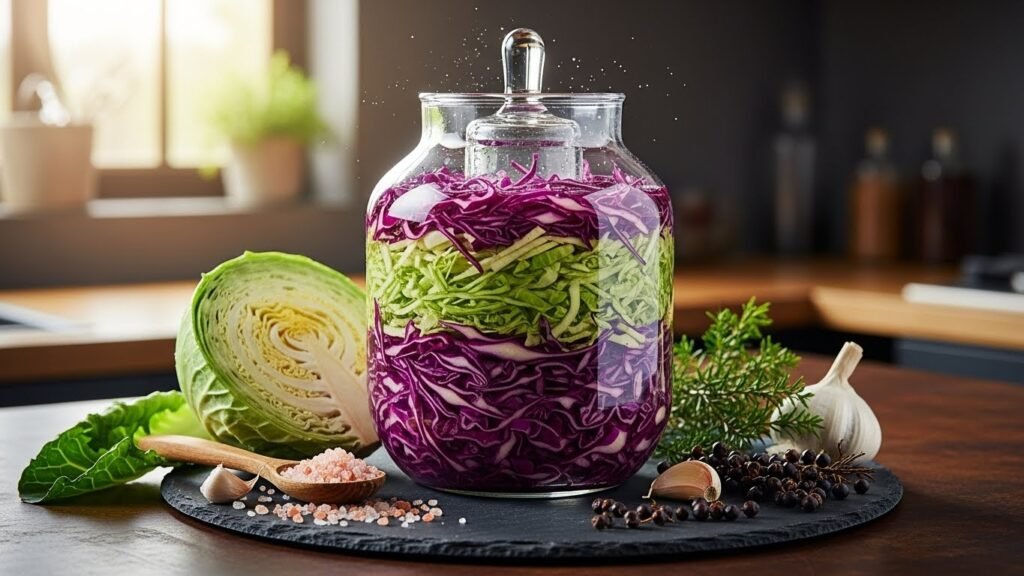
Making your own food at home is a huge win for your health and your wallet. If you have ever tasted something so tangy it made your mouth water, you probably met sourthrout. This fermented delight is not just some fancy food trend for hipsters. It is a massive powerhouse of flavor that is sitting right there in your kitchen. You do not need to be a top chef to get this right. Even if you just started cooking, making sourthrout is fun and super rewarding. You get to take basic veggies and turn them into a dish with tons of personality.
Introduction to Sourthrout
Sourthrout is a fermented masterpiece that brings a serious kick to any plate. It is one of those foods that makes every bite way more interesting. People have been making it for a long time because it stays fresh forever. Now, it is making a big comeback in kitchens all over the world. It is cheap to make and tastes way better than the store stuff. Once you try the homemade version, you will never go back.
Making sourthrout at home is a vibe that feels totally productive. It is like a science experiment you actually want to eat. You just need a few things from the grocery store to get started. It is the perfect way to spend a rainy afternoon. Plus, your gut will totally thank you for it later. It is all about that zest and that crunch.
What is Sourthrout?
Sourthrout is a special fermented dish that comes from old traditions in Eastern Europe. At its heart, it is just shredded cabbage mixed with salt and some cool spices. It is a probiotic-rich condiment that adds a punch to your meals. The natural process of fermentation is where the real magic happens. It turns boring cabbage into something truly extraordinary.
Historical Origins
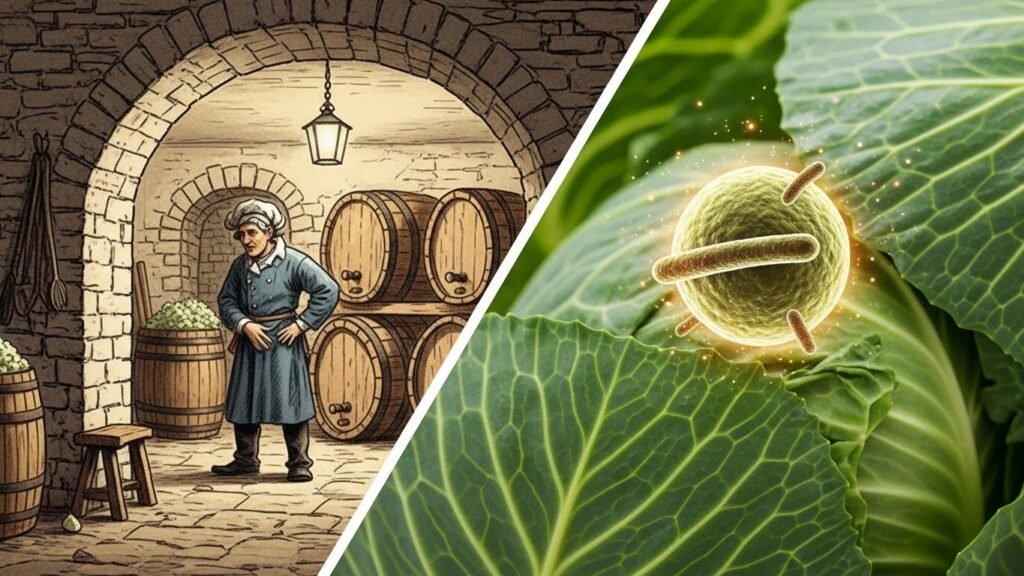
The roots of this dish go back deep into Eastern European culinary history. Families used fermentation to keep food good through the cold winter months. It was a staple on every dinner table because it was so reliable. These old-school methods are still the best way to do it today. It is a piece of history you can make in your own kitchen.
The Science of Fermentation
The science here is actually pretty simple but very cool. When you mix cabbage with salt, it creates a home for good bacteria to grow. These bacteria eat the natural sugars in the veggie and make acid. This acid gives sourthrout its famous sour flavor and keeps it safe to eat. It is a natural process that boosts the flavor and keeps the nutrients locked in.
Flavor Profile
The taste of sourthrout is sharp, tangy, and very refreshing. It has a brightness that can wake up any boring meal. You get a salty hit followed by a deep sour finish. Some batches might even have a little bit of sweetness. It all depends on how long you let it sit.
Texture and Consistency
Texture is a huge deal when you are talking about good sourthrout. You want it to have a satisfying crunch in every single bite. Shredding the cabbage into thin, even strips helps it ferment the right way. If the pieces are the same size, the texture stays consistent throughout the jar. No one wants mushy cabbage, so that crunch is key.
Exceptional Health Benefits of Sourthrout
Sourthrout is way more than just a tasty topping for your food. It is actually packed with crazy good health benefits for your whole body. It is full of probiotics which are the good guys for your gut. These bacteria help keep your insides balanced and happy. Adding a little bit to your plate every day can make a big difference.
Gut Health and the Microbiome
- Balance Bacteria: Probiotics help keep the good and bad bacteria in check.
- Support Digestion: Eating fermented foods helps your body break down meals easier.
- Microbiome Boost: A healthy gut can lead to better health all over your body.
Nutritional Powerhouse
- Vitamin C: This helps your immune system stay strong against getting sick.
- Vitamin K: This is great for keeping your bones healthy and strong.
- Antioxidants: Sourthrout helps fight off things that cause aging and illness.
Physical Wellness
The high fiber in sourthrout is great for keeping your bathroom trips regular. Fiber also helps you feel full so you do not snack on junk. It can even help keep your blood sugar levels from jumping around too much. It is a low-calorie way to add a ton of nutrition to your day. Your body will feel much more energized when you eat clean like this.
The Gut-Brain Connection
There is a weird but cool link between your gut and your brain. The probiotics in sourthrout might actually help improve your mood. Some studies show that a happy gut can lead to less anxiety. It is amazing how food can change how you feel mentally. Eating well really is the first step to feeling great.
The Chemistry of Success: Understanding Brine and Bacteria
You do not need a lab coat to understand how this works. It is all about creating the right environment for the “good guys.” When you get the brine right, the bacteria do all the heavy lifting. It is a slow process that requires a little bit of patience. But the result is a living food that is super healthy.
Lactobacillus Explained
Lactobacillus is the star of the show when making sourthrout. This is the friendly bacteria that turns the cabbage sour. It is naturally found on the leaves of the cabbage already. You are just giving it the perfect place to grow. It is safe, natural, and very effective.
Anaerobic Environment
The word anaerobic just means “without oxygen.” Your sourthrout needs to stay under the liquid to stay safe. If air gets to the cabbage, it might grow the wrong kind of stuff. Keeping it submerged is the most important rule of the game. That is why we use weights to hold everything down.
pH Levels
As the bacteria work, the liquid becomes more acidic. This drop in pH level is what preserves the food. It makes the environment too tough for bad bacteria to survive. This is how people kept food safe before fridges existed. It is nature’s way of keeping things fresh.
Essential Equipment and Ingredients for Home Fermentation
You do not need a bunch of expensive gear to start. Most of this stuff is probably already in your kitchen right now. Having the right tools just makes the job a lot easier. It also ensures that your batch comes out perfect every time. Quality ingredients are the secret to a professional taste.
Choosing the Best Cabbage
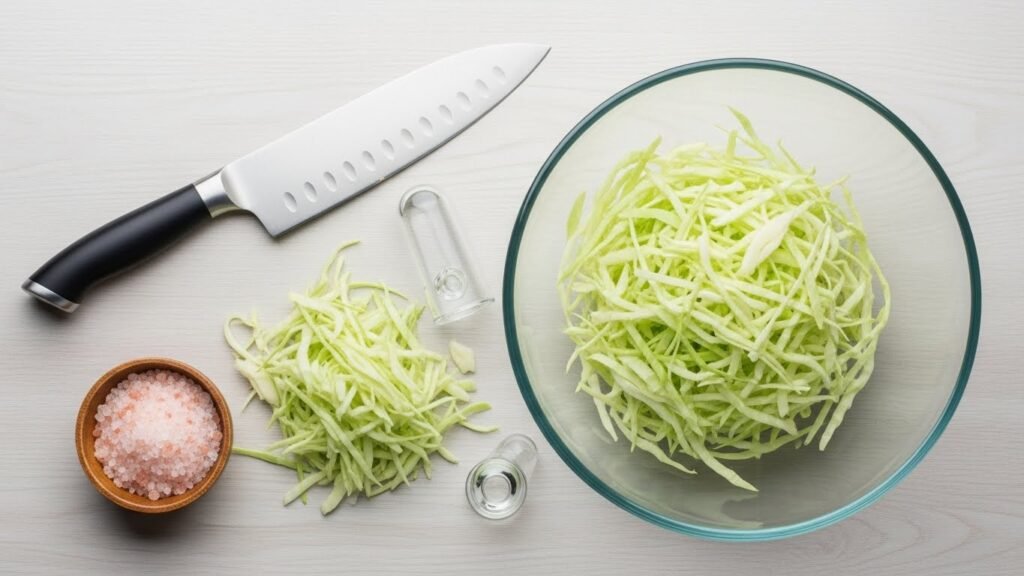
- Green Cabbage: This is the classic choice and gives the most traditional flavor.
- Red Cabbage: This makes a beautiful purple sourthrout with a slightly earthy taste.
- Savoy Cabbage: This has crinkly leaves and creates a more delicate texture.
Salt Selection
- Sea Salt: A great natural choice that has extra minerals for flavor.
- Himalayan Pink Salt: Very popular and works perfectly for fermentation.
- No Iodine: Make sure your salt has no iodine because it can hurt the bacteria.
Required Tools
- Sharp Knives: You need a good blade to get those thin, even cabbage strips.
- Large Bowls: A big glass or stainless steel bowl is best for mixing.
- Glass Jars: Wide-mouth jars are the easiest to pack and clean.
- Weights: You need something heavy to keep the cabbage under the brine.
The Step-by-Step Guide to Making Your Own Sourthrout
Ready to get your hands dirty? Making your own sourthrout is a very simple process. Once you learn the steps, you can do it without even thinking. It is a great skill to have in your back pocket. Let’s break it down so you can start your first batch today.
Preparing the Vegetables
Start by washing your cabbage and taking off the ugly outer leaves. Do not throw all of them away yet. Save one or two big, clean leaves for later. Then, cut the cabbage in half and take out the hard core. Now you are ready to start shredding it into thin pieces.
The Salting and Massaging Phase
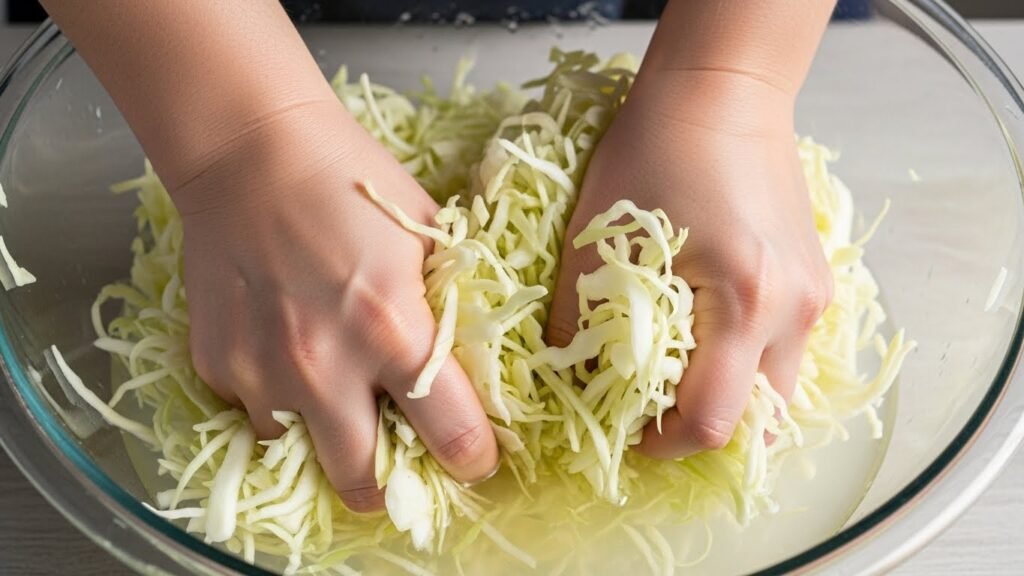
Put all your shredded cabbage into that big bowl and add your salt. The salt is what pulls the water out of the cabbage to make brine. Use your hands to massage and squeeze the cabbage really well. Do this until the cabbage feels soft and there is a lot of liquid in the bowl. It should look like the cabbage is wilting.
Packing and Submerging
Grab your clean glass jar and start stuffing the cabbage inside. Use your fist or a tool to pack it down really tight. You want to get rid of any air bubbles that are trapped in there. The liquid should rise up and cover the top of the cabbage. If you do not have enough liquid, you can add a little salty water.
The Fermentation Timeline
- Week One: This is when the most action happens and you might see bubbles.
- Week Two: The flavor starts to get deeper and more tangy.
- Week Three: The crunch stays but the sourness becomes very bold.
- Week Four: Most people find this is the perfect time to stop and eat.
Advanced Tips and Tricks for Maximum Flavor
If you want to be a pro, you have to try some extras. Basic sourthrout is great, but you can make it legendary. It is all about experimenting and finding what you like best. These little tweaks can change the whole vibe of your batch. Do not be afraid to try something new.
Spicing It Up
- Caraway Seeds: These add a traditional earthy flavor that is very popular.
- Juniper Berries: These give a slightly peppery and piney taste to the mix.
- Garlic: Adding fresh garlic cloves creates a bold and savory punch.
- Ginger: For a spicy and fresh kick, try adding some grated ginger.
The 2% Rule
The amount of salt you use is actually very important for safety. A good rule is to use 2% of the weight of your cabbage in salt. This keeps the cabbage crunchy and prevents the bad germs from growing. If you have a kitchen scale, use it to get the math right. It makes your results way more consistent.
Temperature Control
The room where you keep your jar matters a lot for the taste. You want a cool spot that stays between 65 and 72 degrees Fahrenheit. If it is too hot, the fermentation happens too fast and can get mushy. If it is too cold, it will take forever to get sour. Keep it away from the oven or direct sunlight.
Patience and Development
It is tempting to open the jar early, but waiting is better. The longer it sits, the more complex the flavors become. A quick one-week ferment is okay, but three weeks is usually the “sweet spot.” Let the bacteria do their work without rushing them. The best things in life take a little time.
Common Mistakes to Avoid in Sourthrout Production
Even pros mess up sometimes, so do not sweat it. Most problems come from a few simple mistakes that are easy to fix. If you know what to look for, you can save your batch. Keeping things clean is the biggest factor in your success. Let’s look at what usually goes wrong.
Insufficient Salt
If you do not use enough salt, your sourthrout might turn out soft. Salt is what keeps the cell walls of the cabbage strong. It also keeps the environment safe from the wrong bacteria. Always measure your salt to make sure you have enough. It is better to be a little too salty than not salty enough.
Improper Containers
Using the wrong jar can ruin your hard work. Stay away from containers that have holes or are made of porous material. Glass is the king of fermentation because it does not react with acid. Make sure your jar is super clean before you start. Any old food bits can cause the wrong kind of growth.
Ignoring Temperature Fluctuations
If the temperature jumps around, your fermentation will be uneven. A kitchen that gets really hot during the day and cold at night is tough. Try to find a pantry or a cupboard that stays the same temperature. Consistency helps the “good guys” stay on track. If it gets too warm, your batch might smell a bit funky.
Neglecting the “Taste Test”
You should start tasting your sourthrout after the first week. This helps you find the exact moment when it tastes perfect to you. If you wait too long, it might get more sour than you actually like. Use a clean fork every time you take a sample. Once it is perfect, put it in the fridge to stop the process.
Troubleshooting Your Batch: Safety and Quality Checks
It is normal to be a little nervous about fermented food. But your nose and eyes are actually great at telling you if it is safe. Most of the time, everything is totally fine. Learning the difference between “fermenting” and “spoiled” is a big part of the hobby. Here is how to check your work.
Identifying Kahm Yeast
Sometimes a thin white film grows on top of the liquid. This is usually just Kahm yeast, and it is not dangerous. You can just scoop it off with a spoon and keep going. It usually happens if the temperature is a bit too warm. It does not mean your batch is ruined.
Signs of Spoilage
- Fuzzy Mold: If you see green, black, or pink fuzz, throw the whole thing out.
- Bad Smell: A healthy ferment smells sour, but a bad one smells like rotting trash.
- Slime: If the liquid becomes thick and slimy, it is time to start over.
- Discoloration: If the cabbage turns dark brown or black, it is likely spoiled.
Texture Issues
If your sourthrout is mushy, it might have been too warm. It could also mean you did not use enough salt. If it is too tough, you might need to shred it thinner next time. Don’t worry, even a “fail” batch is a great way to learn. Most people get it perfect by their second try.
Creative Ways to Incorporate Sourthrout into Your Meals
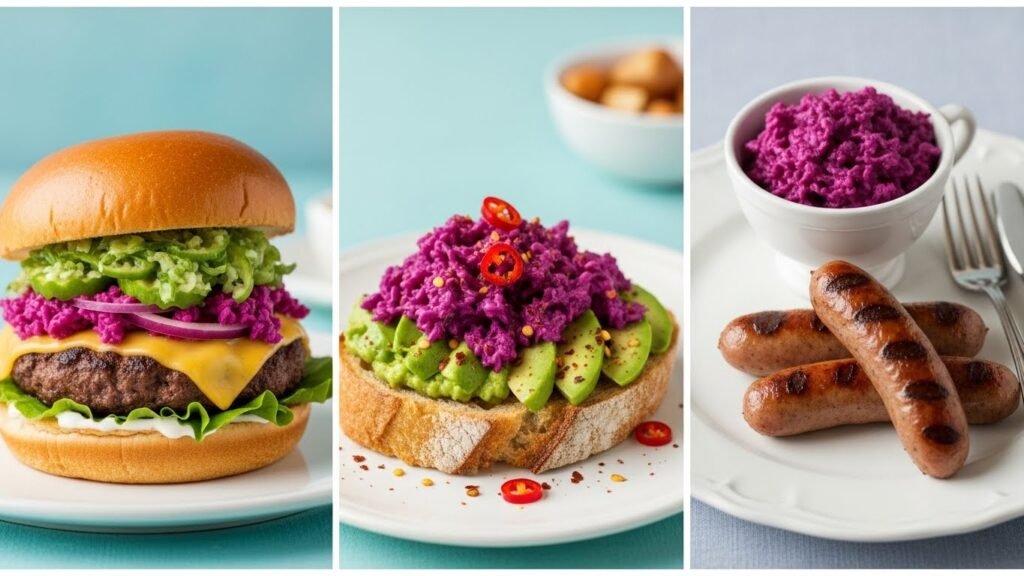
Now for the best part—eating it! Sourthrout is a total beast in the kitchen and goes with almost anything. It adds a pop of flavor that makes regular food taste gourmet. You can eat it straight out of the jar or cook with it. Here are some easy ways to use it every day.
Salads and Side Dishes
- Salad Topping: Toss a handful into your leafy greens for a major crunch.
- Potato Salad: Mix it into creamy potato salad to balance the richness.
- Side Dish: Serve a small scoop alongside grilled chicken or fish.
Sandwiches and Wraps
- Burgers: Use it instead of pickles for a new kind of tang.
- Reuben Sandwich: This is the classic way to enjoy fermented cabbage with meat.
- Veggie Wraps: Add it to roasted vegetable wraps for an acidic kick.
Warm Dishes and Stir-fries
- Stir-fry Finish: Toss it into your stir-fry right before you serve it.
- Sausage Pairing: It is the perfect partner for grilled sausages or hot dogs.
- Grain Bowls: Scoop it over rice or quinoa bowls for extra zest.
Breakfast and Snacks
- Eggs: Mix a little into your scrambled eggs for a cool flavor twist.
- Avocado Toast: Top your avocado toast with sourthrout for a healthy breakfast.
- Dips: Blend it into sour cream or hummus for a tangy snack.
| Meal Type | How to Add Sourthrout | Why it Works |
| Lunch | Sandwich Topping | Cuts through fat and adds crunch |
| Dinner | Side for Grilled Meat | Balanced the savory flavors |
| Breakfast | Omelet Filling | Adds a surprise tang to eggs |
| Snack | Mixed into Hummus | Boosts the nutrition and zest |
Managing the Passion: The Concept of Hyperfiksaatio in Fermentation
Sometimes a new hobby can totally take over your brain. This intense focus is called hyperfiksaatio. It is when you get so excited about something like sourthrout that you want to learn everything. This can be a great way to master a new skill fast. But you also have to keep things balanced.
Understanding the Intense Focus
You might find yourself spending hours watching videos on fermentation. Or maybe you start buying ten different kinds of cabbage to test. This drive can lead to some amazing results in the kitchen. It is fun to be passionate about something healthy. Just enjoy the ride and keep learning as much as you can.
The “Fine Line”
Make sure your new love for sourthrout doesn’t get in the way of real life. It is easy to fill your whole kitchen with jars and forget about other chores. Try to schedule your fermentation time so it stays a fun hobby. Balance is the key to making it a long-term habit. You want it to be a joy, not a stress.
Managing “Information Overload”
There is a ton of advice online, and some of it is confusing. Stick to the basics first before you try the really complicated stuff. You do not need a degree in science to make good food. Trust your senses and follow a simple guide. Too much info can make you feel stuck, so keep it easy.
Compliance and Quality Control: Lessons from the Pharmaceutical Industry
Even at home, you can learn from how the big guys do things. Companies like KVK-Tech have to follow very strict rules to keep things safe. They get warning letters if they mess up their quality control. You can use some of their tricks to make sure your food is top-notch. It is all about being careful and consistent.
Regulatory Parallels
The FDA watches over big companies to make sure their products are safe. In your kitchen, you are the inspector. You have to make sure your jars are clean and your ingredients are fresh. Following a set of rules helps you avoid any “safety violations” at home. It is better to be safe than sorry when it comes to food.
Documentation
Big companies write everything down so they don’t forget. You can keep a little “fermentation log” in your kitchen. Write down the date you started and how much salt you used. This helps you figure out why one batch tasted better than another. It makes you a better cook over time.
Corrective Actions
If you notice something is off, you have to decide what to do. If it is just a little yeast, you can fix it. If it is mold, you have to throw it away—that is your “corrective action.” Knowing when to save a batch and when to toss it is a pro move. Always prioritize safety over saving a few dollars.
Storage and Longevity
Once your sourthrout is perfect, you need to keep it that way. Proper storage is how you enjoy your hard work for months. Fermented foods are very stable, but they still need a little care. The right environment keeps the flavor from getting too crazy. Here is how to handle your finished jars.
Refrigeration
Putting your jar in the fridge is like hitting the “pause” button. The cold temperature makes the bacteria move very, very slowly. This stops the sourthrout from getting more sour too quickly. Always keep the lid on tight to keep other smells out. It is best to store it in the back of the fridge where it is coldest.
Shelf Life
Homemade sourthrout can stay good in the fridge for six months or even a year. As long as it stays under the brine, it is usually safe. The flavor might change slightly over time, but it stays delicious. If it ever starts to smell “off” or gets mushy, it is time to let it go. Most people eat it way before it has a chance to spoil.
To Freeze or Not to Freeze?
Freezing your sourthrout is generally a bad idea. The extreme cold can kill off all the healthy probiotics you worked so hard to grow. It also ruins that beautiful crunch and turns the cabbage into mush. Since it lasts so long in the fridge, there is really no reason to freeze it. Keep it fresh and keep it alive.
Conclusion: Embracing the Sourthrout Lifestyle
Making sourthrout at home is a journey from simple cabbage to a superfood masterpiece. It is one of the easiest ways to boost your health and make your meals taste better. You get to be the boss of your own kitchen and create something truly special. Don’t be afraid to get in there and start your first batch today.
The more you practice, the better you will get at finding your favorite flavors. Share your jars with friends and family to spread the fermented love. It is a rewarding hobby that pays off every time you sit down to eat. Embrace the tang, enjoy the crunch, and live that sourthrout life!
Frequently Asked Questions
Is sourthrout the same thing as sauerkraut?
Yes, these terms are essentially synonymous, as sourthrout is simply a fun way to describe the classic tangy, fermented cabbage dish.
Can I make sourthrout without using salt?
No, salt is a mandatory ingredient because it preserves the food’s safety and maintains the crunch of the cabbage. It acts as a barrier against harmful bacteria while allowing beneficial probiotics to thrive.
How do I know if my batch is safe to eat?
A safe batch should have a pleasant, sour aroma similar to a pickle and a firm crunch. You must avoid consuming anything that exhibits fuzzy mold or a putrid, rotten smell.
What should I do if there is not enough liquid in the jar?
If the cabbage is not fully submerged, you can create a small amount of extra brine by mixing salt into filtered water and pouring it over the top. It is vital that the cabbage stays completely covered at all times.
Why is homemade sourthrout considered better than store-bought?
The homemade version is significantly cheaper to produce and generally offers a superior, fresher taste compared to processed store-bought varieties.
Can I use red cabbage instead of green?
Yes, red cabbage is an excellent choice that results in a beautiful purple color and provides a slightly more earthy flavor profile.
What is the purpose of the “2% Rule” in fermentation?
The 2% rule suggests using salt equal to 2% of the cabbage’s weight to ensure the environment is safe from bad germs while keeping the cabbage cell walls strong and crunchy.
Why should I avoid iodized table salt?
You should use sea salt or Himalayan pink salt because the iodine found in standard table salt can negatively affect or “hurt” the beneficial bacteria needed for fermentation.
What happens if the fermentation temperature is too high?
If the environment is too hot, the fermentation process occurs too rapidly, which often leads to a mushy texture and a potentially “funky” or unpleasant smell.
Is the white film on top of my brine dangerous?
A thin white film is usually Kahm yeast, which is not dangerous to consume. It can simply be scooped off the surface without ruining the entire batch.
How long can sourthrout stay fresh in the refrigerator?
When stored properly in the back of the fridge, a finished batch can stay good for six months to a year, provided it remains submerged in its brine.
Why is freezing sourthrout discouraged?
Freezing is a bad idea because the extreme cold kills the healthy living probiotics and turns the crisp cabbage into a mushy consistency.
What are the benefits of using a glass jar for fermentation?
Glass is considered the best material for fermentation because it is non-porous and does not react with the natural acids produced during the process.
Can I add ginger to my sourthrout?
Yes, adding grated ginger is a great way to introduce a fresh, spicy kick to your traditional recipe.
How does sourthrout help with bone health?
Sourthrout is a nutritional powerhouse containing Vitamin K, which is essential for maintaining strong and healthy bones.
Why do I need to remove air bubbles when packing the jar?
Removing air bubbles ensures an anaerobic (oxygen-free) environment, which is necessary to prevent the growth of harmful pathogens that thrive in the presence of air.
What is the benefit of keeping a fermentation log?
Keeping a log helps you document dates and salt ratios, allowing you to track why certain batches taste better than others and improving your skills over time.
Can sourthrout help with weight management?
Yes, because it is high in fiber and low in calories, it helps you feel full longer and prevents unnecessary snacking on unhealthy foods.
How often should I taste my batch during fermentation?
It is recommended to start tasting your sourthrout after the first week to find the exact moment the tanginess meets your personal preference.
Does sourthrout affect blood sugar levels?
The high fiber content in this fermented dish can assist in keeping blood sugar levels from fluctuating too drastically.
What role does Lactobacillus play in the process?
Lactobacillus is the “star” bacteria that naturally exists on cabbage leaves; it consumes the vegetable’s sugars to produce the acid that creates the sour flavor.