 Skip to content
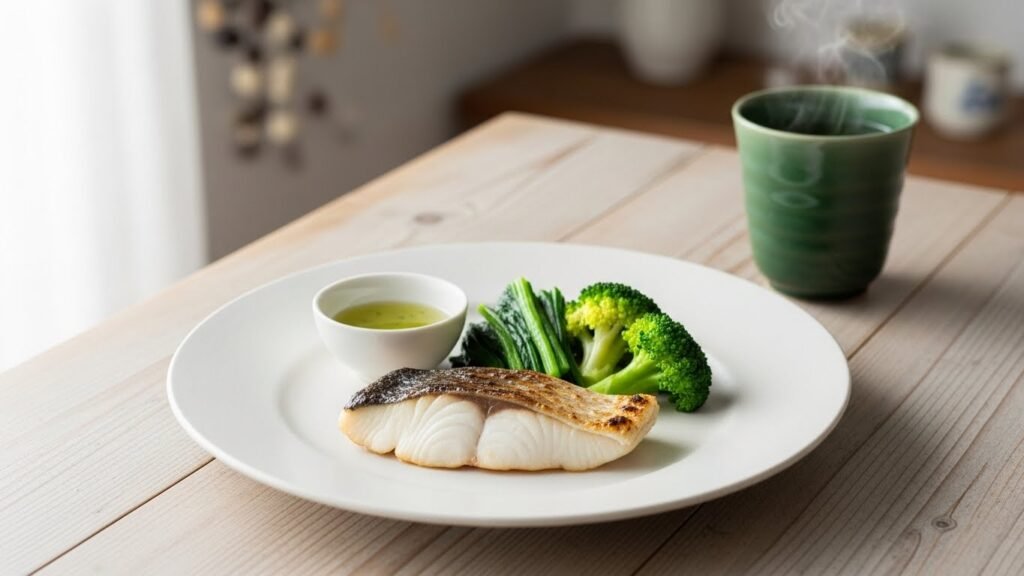
Soutaipasu is an emerging culinary trend that has been gaining recognition for its unique approach to dining. At its core, Soutaipasu revolves around the concept of pairing drinks with food to create a harmonious and balanced dining experience. This practice goes beyond simply quenching thirst or complementing food; it’s about enhancing the overall flavors, textures, and enjoyment of a meal.
The philosophy of Soutaipasu is rooted in the idea of balance and harmony. This concept, which has been central to traditional Japanese cuisine for centuries, involves the careful selection of beverages that can complement or contrast the flavors of the food. By pairing the right drink with the right dish, Soutaipasu helps create a more fulfilling and mindful eating experience.
Soutaipasu combines both traditional culinary techniques and modern dining trends, making it relevant in today’s global culinary landscape. From traditional green tea pairings to innovative sparkling water and wine choices, Soutaipasu offers something for everyone. In this article, we will explore the essence of Soutaipasu, its origins, and how this practice can be embraced in modern dining, from restaurants to home settings.
Origins and Cultural Heritage of Soutaipasu

Soutaipasu finds its roots in traditional Japanese dining culture, where the pairing of food with drinks has long been a part of the culinary tradition. In Japan, meals are carefully crafted to ensure balance between flavors and textures, and pairing drinks is a key part of this process. The practice of pairing beverages such as green tea, sake, and herbal teas with specific meals has been passed down through generations.
The term “Soutaipasu” itself reflects the core principles of harmony and balance. These principles are not just applied to food but are ingrained in many aspects of Japanese culture, including their approach to food and drink pairings. Meals in Japan are seen as an experience that involves all of the senses, and the right drink is just as important as the food itself.
Over time, the practice of pairing food and drinks has evolved and spread across the globe, incorporating various flavors and beverages from different cultures. Today, Soutaipasu is not limited to Japanese cuisine but has been embraced by many other culinary traditions, blending the old with the new. The practice continues to thrive as people around the world seek to create more meaningful and mindful dining experiences.
The Unique Flavors and Ingredients of Soutaipasu

One of the key elements that make Soutaipasu unique is its focus on fresh, high-quality ingredients. Soutaipasu meals often feature a combination of seafood, lean meats, vegetables, and herbs. These ingredients are chosen not only for their flavors but also for their ability to work together to create a harmonious balance.
The flavor profile of Soutaipasu meals is built around the integration of the following key tastes:
- Sweet: Adds richness and complexity to the dish.
- Sour: Balances out richness and adds brightness.
- Salty: Enhances other flavors and adds depth.
- Umami: The savory taste that completes the flavor profile.
In terms of ingredients, grilled fish, sushi, and grilled meats are commonly found in Soutaipasu dishes. These proteins provide the foundation of the meal, and they are often accompanied by fresh vegetables like broccoli, spinach, and seaweed, which add fiber and nutrients.
Other ingredients include lemongrass, basil, and turmeric, which add brightness, freshness, and complexity to the dish. These ingredients work together to create a vibrant tapestry of flavors, with each element complementing and enhancing the others.
Health Benefits of Soutaipasu

In addition to its flavorful and harmonious meals, Soutaipasu offers several health benefits. Many of the ingredients used in Soutaipasu dishes are nutritious and provide a wide range of vitamins, antioxidants, and minerals. For example, seaweed is rich in iodine and other trace minerals, while leafy vegetables like spinach are packed with iron and fiber.
The spices used in Soutaipasu meals also offer health benefits. Ginger, for instance, is known for its anti-inflammatory properties and its ability to aid digestion. Turmeric, another common spice, is praised for its anti-inflammatory effects and its ability to support a healthy immune system. These spices not only add flavor to the dishes but also help aid digestion and promote overall wellness.
Another key health benefit of Soutaipasu is its focus on mindful eating. By focusing on the balance and harmony of food and drink pairings, diners are encouraged to slow down and engage more fully with their food. This approach promotes better digestion, improved hydration, and an overall enhanced sense of well-being.
Pairing Drinks with Soutaipasu: The Key to Balance

The art of pairing drinks with food is at the core of Soutaipasu. The idea is to select beverages that enhance the food’s flavors while maintaining a delicate balance. Pairing the right drink with the right dish can elevate the meal, adding complexity and depth to the dining experience.
Traditional Drinks for Soutaipasu
In traditional Soutaipasu, green tea is one of the most common drink pairings. Its natural bitterness helps to balance delicate dishes like sushi or light seafood. Green tea also has digestive properties, making it a great accompaniment to rich or oily meals.
Sake, or rice wine, is another traditional drink often paired with Soutaipasu meals. Its slightly sweet flavor works well with grilled meats and seafood, creating a smooth contrast to savory dishes. Herbal teas, such as Mugicha (barley tea) and Genmaicha (roasted rice tea), are also popular choices. These teas are typically caffeine-free, soothing, and known for their ability to aid digestion.
Modern Alternatives for Pairing Drinks
While traditional drinks are a hallmark of Soutaipasu, modern alternatives have become increasingly popular. Sparkling water is often used to cleanse the palate between bites, especially when paired with rich or spicy meals. It is refreshing, calorie-free, and helps to reset the taste buds.
Wine pairings have also become a common feature in Soutaipasu. Red wine is well-suited to rich dishes like steak, while white wine pairs perfectly with seafood or sushi. For those who prefer non-alcoholic beverages, mocktails, kombucha, and fruit-infused waters are excellent alternatives that provide refreshing, flavorful drinks without the alcohol.
Choosing the right drink is all about creating synergy between food and drink. A spicy dish, for example, may be paired with a mildly sweet or refreshing drink, while a creamy dish might be paired with a beverage that offers a contrast in acidity. The aim is to enhance the overall experience of the meal and ensure that each element complements the others.
The Art of Pairing Drinks: Practical Tips
Pairing drinks with food is not just about following a set of rules. It’s an art form that requires a good understanding of flavors, textures, and the way they interact. To master the art of pairing drinks with Soutaipasu meals, here are some practical tips to keep in mind:
Assessing the Meal’s Flavor Profile
Before choosing a drink, it’s essential to assess the meal’s flavor profile. Is it spicy, creamy, light, or rich? Each type of dish pairs best with specific drinks that complement or contrast the flavors. For instance, a spicy dish like a chili seafood stir-fry might be best paired with a mildly sweet or refreshing drink to balance the heat. On the other hand, a creamy pasta dish pairs well with a drink that has some acidity to cut through the richness.
Choosing Beverages Based on Meal Characteristics
Once you understand the flavor profile, choose a beverage that complements the meal. For example, if you’re serving grilled meats, a red wine with a deep, full-bodied flavor would be ideal to match the intensity of the dish. Alternatively, if you’re serving sushi or delicate seafood, a light and crisp white wine or green tea would be a better option.
Experimenting with Drink Options
Don’t be afraid to experiment with different drink options. While traditional beverages like green tea and sake are popular choices, more modern alternatives such as sparkling water or kombucha can provide an exciting twist. Mocktails and fruit-infused waters are great for non-alcoholic pairings that still offer depth and complexity.
Temperature Matters
The temperature of both the food and the drink can significantly affect the overall experience. For instance, serving a cold drink with a hot meal can offer a refreshing contrast, while a chilled white wine can enhance the flavors of a grilled seafood platter. On the other hand, a warm drink like green tea may pair better with lighter or more delicate dishes, such as sushi or ramen.
Soutaipasu in Dining: From Restaurants to Home Settings

Soutaipasu is not just for fine dining. It can be embraced in both high-end restaurants and casual home dining settings. The practice of pairing food with drinks has been adopted by many restaurants worldwide, offering a refined dining experience that elevates each meal.
In Gourmet Restaurants
Fine dining restaurants, especially those focusing on traditional Japanese cuisine, have long embraced Soutaipasu. These restaurants often have extensive drink-pairing menus, where chefs meticulously select the beverages that will best complement their carefully crafted dishes. In these settings, pairing drinks is taken seriously, and diners are often encouraged to explore new combinations to enhance the flavors of the food.
For example, sake or green tea might be paired with dishes like sushi, grilled fish, or tempura. Herbal teas and fruit-infused waters are often served alongside lighter meals to cleanse the palate and refresh the senses. The ambiance and atmosphere of these restaurants are designed to reflect the thoughtful and mindful nature of Soutaipasu dining, with careful attention to the smallest details.
At Home Dining
Soutaipasu can also be practiced at home. Whether it’s a casual dinner with friends or a family meal, pairing drinks with food can add a new dimension to your dining experience. At home, the approach to Soutaipasu is more relaxed but can still be incredibly rewarding.
For instance, if you’re preparing a grilled chicken dish, you could pair it with a light white wine or a sparkling water with a hint of lemon. For a more elaborate meal, such as steak or grilled salmon, pairing with a full-bodied red wine or sake could be a great way to elevate the flavors. At home, the key is to match the drink with the food in a way that feels natural and enjoyable for you and your guests.
Tips for Practicing Soutaipasu at Home
- Assess the meal: Start by considering the type of dish you are serving (spicy, creamy, light, or rich) and select drinks that will complement the flavors.
- Experiment: Don’t hesitate to try different combinations of drinks. Start with traditional options like green tea or sake, and then explore modern alternatives like kombucha or fruit-infused waters.
- Mind the temperature: Pairing hot dishes with cold drinks or cold dishes with warm beverages can create an exciting contrast that enhances the overall experience.
- Create the right atmosphere: While it’s easy to get caught up in the details of drink pairings, the atmosphere of your home dining experience is equally important. Set the table thoughtfully, play relaxing music, and enjoy the company of your guests.
The Benefits of Practicing Soutaipasu
Beyond enhancing the flavor of meals, Soutaipasu offers a variety of health benefits and encourages mindful eating. By focusing on the balance of flavors and pairing food with complementary drinks, you create a more intentional and enjoyable dining experience.
Health Advantages
Soutaipasu meals are often made with fresh vegetables, lean proteins, and herbs that are rich in essential nutrients. The health benefits of these ingredients, such as fiber, antioxidants, and vitamins, help support overall wellness. Additionally, the practice of pairing food with drinks, especially those with digestive properties like green tea and herbal infusions, can help improve digestion and hydration.
Drinks like kombucha, sparkling water, and fruit-infused waters are also calorie-free and provide hydration without excess sugar or artificial additives. These drinks complement meals and ensure that the overall dining experience remains health-conscious.
Mindful Eating
One of the key benefits of practicing Soutaipasu is the focus on mindful eating. By taking the time to consider the flavors of the food and the drinks you are pairing it with, you engage more fully in the eating experience. This practice encourages you to slow down, savor each bite, and appreciate the effort that has gone into creating a balanced and flavorful meal.
Mindful eating has been shown to have numerous psychological benefits, including reducing stress, improving digestion, and fostering a deeper connection with food. By paying attention to the harmony between food and drink, Soutaipasu helps you develop a more intentional and satisfying relationship with food.
Soutaipasu Trends and Innovations

Soutaipasu, while deeply rooted in tradition, is also a dynamic and evolving practice. As global dining trends change, new interpretations and innovations in the art of pairing food and drinks are emerging. From the integration of new beverages to the fusion of flavors, Soutaipasu is adapting to modern tastes while maintaining its cultural significance.
The Rise of Fusion Trends in Soutaipasu
In recent years, chefs and food enthusiasts have begun experimenting with fusion cuisines that blend traditional Soutaipasu with contemporary flavors. This has led to innovative pairings, such as pairing Asian teas with Western dishes or integrating global spices into traditional Japanese food. The idea is to broaden the scope of Soutaipasu while still honoring its fundamental principles of balance and harmony.
For example, some restaurants now offer sushi paired with craft cocktails or barbecue dishes complemented by fruit-infused mocktails. These fusion pairings push the boundaries of traditional Soutaipasu, introducing diners to new combinations that surprise and delight the taste buds.
The Role of Sustainability and Ethical Sourcing
As sustainability becomes an increasingly important aspect of dining, Soutaipasu is embracing the trend of using locally sourced and seasonal ingredients. This not only enhances the freshness of the dishes but also supports ethical sourcing practices that align with the growing demand for environmentally conscious food production. By focusing on ingredients that are ethically sourced, such as locally grown vegetables and sustainably caught seafood, Soutaipasu is helping promote a healthier planet while offering high-quality, flavorful meals.
Moreover, the focus on plant-based ingredients in Soutaipasu is gaining traction. With growing awareness of the environmental impact of animal agriculture, many restaurants and home cooks are exploring plant-based alternatives that complement the principles of Soutaipasu. These changes are helping Soutaipasu evolve to meet the needs of a more health-conscious and eco-aware dining audience.
Innovations in Drink Pairings
Drink pairings are also undergoing innovation. In addition to traditional pairings like green tea and sake, there is a growing trend of pairing food with more modern options such as kombucha, craft beers, and even cold brew coffee. These beverages offer unique flavors and textures that can enhance the dining experience in new and unexpected ways.
For example, pairing grilled meats with a dark beer or a sour kombucha can provide a satisfying contrast to the rich, smoky flavors of the meat. Similarly, pairing seafood with fruit-infused sparkling water or a citrus mocktail can balance the natural sweetness of the dish while refreshing the palate.
These modern drink pairings, along with traditional beverages, are expanding the possibilities of what Soutaipasu can be. With more options available, diners can experiment and find their own perfect pairings, allowing for a greater diversity of experiences.
The Rise in Popularity of Soutaipasu Restaurants
The global popularity of Soutaipasu is growing rapidly, and restaurants are starting to recognize the value in offering this unique dining experience. From high-end sushi bars to casual dining establishments, Soutaipasu has found its place in various types of restaurants.
The Influence of Social Media on Soutaipasu Dining
One of the main drivers behind the rise of Soutaipasu in restaurants is the influence of food media, particularly social media platforms like Instagram and TikTok. Food enthusiasts and influencers share their dining experiences, showcasing the beauty of well-paired meals and drinks. Stunning photographs of Soutaipasu-inspired meals are shared widely, creating buzz and encouraging others to try this dining style.
This online presence has sparked a global interest in Soutaipasu restaurants, making them destinations for adventurous eaters and culinary explorers. The trend is no longer confined to Japan or traditional Japanese restaurants but has expanded globally, with restaurants in Europe, North America, and Asia embracing the concept.
The Popularity of Health-Conscious Dining
Another key factor in the growing popularity of Soutaipasu restaurants is the rise of health-conscious dining. Today’s diners are more focused on well-being, and Soutaipasu aligns perfectly with this shift. Meals that emphasize fresh ingredients, lean proteins, and antioxidant-rich beverages appeal to those who want a more mindful and nourishing dining experience.
Many restaurants are now incorporating health-focused menus that feature Soutaipasu-style pairings. These meals offer not only delicious flavors but also nutritional benefits, such as digestive support and antioxidant properties. As people become more aware of the health benefits of eating well, they are increasingly seeking out dining experiences that provide both pleasure and nourishment.
Local Adaptations and International Appeal
Soutaipasu has also become more adaptable to local cuisines, allowing it to appeal to a broader audience. Many chefs have taken the fundamental principles of Soutaipasu—balance, harmony, and mindful pairing—and applied them to regional ingredients and cooking methods. For example, Italian restaurants might pair grilled vegetables with Italian wines, while Mexican restaurants could pair spicy salsas with agave-based drinks like tequila or mezcal.
This adaptability has contributed to the growing popularity of Soutaipasu restaurants across the world. Whether you’re in New York, London, or Tokyo, you’re likely to find a restaurant offering Soutaipasu-inspired dishes and drink pairings that reflect both local flavors and global culinary influences.
Soutaipasu Pairings for Special Occasions
Soutaipasu is not just a casual dining practice; it can also enhance special occasions. Pairing the right drinks with food during holidays, celebrations, or milestones adds an extra layer of enjoyment and sophistication to the event.
Pairing Drinks for Celebrations
During special occasions, such as weddings or festive gatherings, Soutaipasu can make the meal feel even more memorable. The careful selection of drinks to accompany gourmet meals creates a luxurious experience. For example, a wedding reception could feature champagne paired with sushi, or a holiday dinner might include a sake pairing with grilled meats.
These pairings not only complement the food but also set the tone for the event, making it feel more elevated and thoughtfully curated. By choosing the right drink to pair with a dish, hosts can offer a memorable experience that reflects the importance of the occasion.
Enhancing the Dining Experience for Special Meals
For those hosting special meals at home, the same principles can be applied to elevate the dining experience. Imagine serving a holiday roast with a carefully chosen red wine, or offering a fruit-infused sparkling water to balance the richness of a creamy dessert. These thoughtful pairings make the meal feel more festive and memorable, ensuring that every element of the meal works in harmony.
By using Soutaipasu techniques for special occasions, you can create a dining experience that’s as enjoyable for the taste buds as it is for the soul.
Conclusion: Why You Should Try Soutaipasu Now
Soutaipasu is more than just a food trend; it is an experience that brings together the art of food and drink pairing, mindfulness, and cultural appreciation. Whether you’re a seasoned foodie or someone who simply enjoys a good meal, practicing Soutaipasu can enhance your dining experience in many ways.
Enhancing the Dining Experience
One of the most significant benefits of Soutaipasu is its ability to elevate the dining experience. By thoughtfully pairing food with drinks, each element of the meal — from the appetizers to the dessert — is enhanced, creating a more enjoyable and memorable experience. Whether you’re pairing delicate sushi with green tea or a rich grilled steak with a full-bodied red wine, the right pairing brings out the best in both the food and the drink. The careful balance of flavors adds complexity and depth, making the meal feel more complete and rewarding.
A Healthy Approach to Dining
Beyond its impact on flavor, Soutaipasu encourages a healthier approach to dining. By focusing on fresh ingredients and mindful pairing, this practice promotes wellness. The fresh vegetables, lean proteins, and healthy spices commonly used in Soutaipasu meals provide numerous nutritional benefits, such as improving digestion, supporting immune health, and reducing inflammation. The emphasis on mindful eating — slowing down to savor each bite and appreciate the meal — can help people develop a more balanced relationship with food, fostering healthier eating habits.
Additionally, the practice of pairing non-alcoholic drinks like kombucha or fruit-infused water offers a refreshing, calorie-free alternative to sugary sodas, helping people stay hydrated without compromising flavor. This health-conscious approach makes Soutaipasu a modern and sustainable way to enjoy food and drink.
Mindful Eating and Social Connection
Another key advantage of Soutaipasu is its ability to foster a sense of mindfulness during meals. The practice of paying attention to the balance of flavors and how they interact encourages a deeper connection to food. This can help people eat more intentionally, savoring each bite and appreciating the ingredients and drinks that complement them. Mindful eating has been shown to improve digestion, enhance meal satisfaction, and even promote emotional well-being.
Moreover, the social aspect of Soutaipasu enhances its appeal. Whether you’re sharing a meal with friends, family, or colleagues, pairing food with drinks thoughtfully adds a layer of richness to the experience. The discussions around food and drink pairings, the joy of discovery, and the pleasure of sharing a delicious meal with others can create lasting memories and strengthen relationships.
A Global Trend That Reflects Tradition and Innovation
Soutaipasu has become a global trend, embraced by restaurants and home cooks alike. The practice honors traditional Japanese culinary principles while incorporating new, creative elements to fit contemporary tastes. As restaurants around the world adapt the principles of Soutaipasu to their menus, diners are introduced to new ways of enjoying food, whether through fusion pairings or innovative drink options like kombucha and sparkling waters.
The widespread popularity of Soutaipasu also highlights its universal appeal. From high-end restaurants in urban centers to casual eateries in smaller towns, this dining trend is being incorporated into various types of meals. It’s not just about eating; it’s about creating an experience that brings together flavor, culture, and mindfulness.
Why You Should Embrace Soutaipasu
Soutaipasu is for anyone who wants to take their dining experience to the next level. Whether you’re hosting a dinner party, celebrating a special occasion, or simply enjoying a meal at home, pairing drinks with food thoughtfully can enhance every aspect of the meal. By practicing Soutaipasu, you can experience the harmony of flavors, enjoy the health benefits of fresh ingredients, and deepen your connection to food.
It’s an opportunity to slow down, savor each bite, and appreciate the beauty of balance in both food and drink. So, whether you’re a beginner or an experienced foodie, now is the perfect time to embrace Soutaipasu and enjoy its many benefits.
Frequently Asked Questions
What are the origins of Soutaipasu?
Soutaipasu has its roots in traditional Japanese dining culture, where the balance of flavors and pairing drinks with food is a centuries-old practice. It draws inspiration from the Japanese approach to food, particularly in tea ceremonies and formal banquets. Over time, the practice has evolved and expanded globally, incorporating various flavors and drink options from different cultures.
How can I practice Soutaipasu at home?
To practice Soutaipasu at home, start by assessing the flavor profile of the meal you are preparing. Choose drinks that complement or contrast these flavors. For instance, a spicy dish may pair well with a refreshing drink like fruit-infused sparkling water, while a creamy dish can be balanced with a drink that has acidity, like white wine or green tea. Experiment with different pairings and focus on balancing the flavors to enhance the dining experience.
Can Soutaipasu be practiced with non-alcoholic drinks?
Yes, Soutaipasu can definitely be practiced with non-alcoholic drinks. Many people prefer using kombucha, sparkling water, fruit-infused water, or herbal teas like chamomile or peppermint. These beverages work wonderfully with meals, offering refreshing and flavorful alternatives without alcohol. Non-alcoholic drinks can enhance the flavors of the food just as much as alcoholic ones.
Is Soutaipasu suitable for all types of cuisines?
While Soutaipasu originated in Japan, its principles of pairing drinks with food can be applied to various cuisines. The idea of achieving balance and harmony in meals transcends cultural boundaries. For example, you can pair grilled meats with a robust red wine in Western dining or balance spicy Mexican food with a refreshing fruit-infused water. The core principles of Soutaipasu are versatile enough to suit a variety of dishes from different culinary traditions.
What are the health benefits of practicing Soutaipasu?
Practicing Soutaipasu can promote health in several ways. The focus on fresh, whole ingredients such as vegetables, lean proteins, and herbs offers essential vitamins and antioxidants. The beverages commonly paired with Soutaipasu meals, like green tea and kombucha, are known to support digestion and offer anti-inflammatory benefits. Mindful eating, a key component of Soutaipasu, helps promote better digestion, hydration, and overall wellness.
Can Soutaipasu help with weight management?
Yes, Soutaipasu can support weight management. By practicing mindful eating and focusing on the balance of food and drinks, Soutaipasu encourages you to slow down and pay attention to the meal. This practice may lead to healthier portion sizes and help prevent overeating. Additionally, the emphasis on lean proteins and nutritious vegetables, combined with hydrating drinks, makes Soutaipasu a more health-conscious dining choice.
How do I pair drinks with desserts in Soutaipasu?
Pairing drinks with desserts in Soutaipasu is all about complementing the sweetness or richness of the dish. For example, a light and refreshing fruit-infused sparkling water could balance a rich chocolate dessert, while a dessert wine or sake might pair beautifully with fruit tarts or creamy pastries. The key is to find a drink that enhances the dessert without overpowering its sweetness.
What are some creative drink pairings with Soutaipasu meals?
Beyond traditional drinks like sake and green tea, there are many creative drink pairings that can complement Soutaipasu meals. For example, you can try pairing spicy seafood with a light citrus mocktail, or serve grilled vegetables with a refreshing cucumber-infused water. Craft beers also pair wonderfully with grilled meats, offering a unique combination of bitterness and flavor that can enhance the richness of the dish.
Can Soutaipasu be adapted for vegan or vegetarian diets?
Absolutely! Soutaipasu can easily be adapted for vegan or vegetarian diets. The core principle of the practice is to focus on the balance of flavors and drink pairings, which can be achieved with plant-based ingredients. For instance, a tofu stir-fry or grilled vegetables can be paired with a light white wine or herbal tea, and a vegetable sushi roll can go beautifully with green tea or kombucha. The key is to match the drink to the specific characteristics of the dish, ensuring harmony and balance.
How do I incorporate Soutaipasu into daily meals?
Incorporating Soutaipasu into daily meals is all about mindfulness and intentional pairings. Even for simple meals, you can thoughtfully choose a beverage that complements or contrasts the flavors of the dish. For example, you could pair a simple grilled chicken salad with a fruit-infused water or green tea. The idea is to consider the balance of the meal and select a drink that enhances the overall experience, helping you enjoy the meal more fully and mindfully.
How is Soutaipasu different from traditional wine pairing?
While wine pairing is a well-known practice, Soutaipasu takes a more holistic approach by not only focusing on wine but considering a broader range of beverages. Soutaipasu is about pairing the food with drinks that enhance the flavors of the meal, whether it’s green tea, sake, kombucha, sparkling water, or even fruit-infused drinks. Traditional wine pairing is often more limited to a specific set of drinks, usually wines that complement the food, whereas Soutaipasu allows for a wider variety of drink options to create a more balanced and holistic dining experience.