 Skip to content
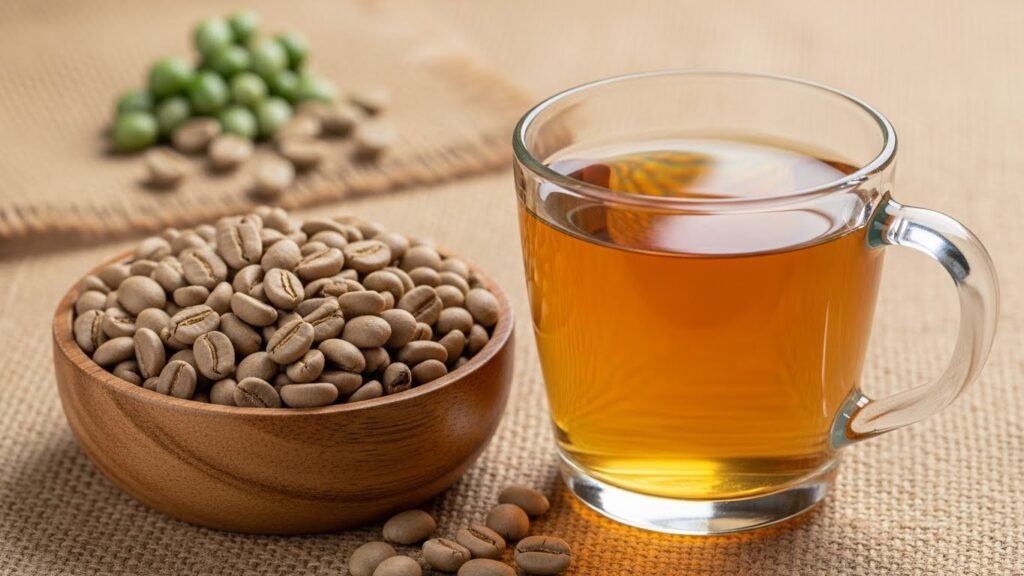
What is a light roast coffee exactly? Many folks think coffee is just a bitter, dark drink. But light roast coffee is like a whole different world. It is a drink that tastes like fruit and flowers. Modern roasters love this style because it shows off the bean. You can taste where the coffee grew and how it was picked. It is the purest way to enjoy your morning cup.
Introduction: Discovering the World of Light Roast Coffee
The world of coffee changed with the third-wave coffee movement. Before this, most coffee was roasted very dark to hide bad flavors. Now, people want to taste the actual coffee beans. They want to know the story of the farm. Light roasting makes this possible by being gentle with the heat. It turns a boring drink into a wild experience.
The Renaissance of the Light Roast
- Third-Wave Focus: This movement treats coffee like a fine wine instead of a simple tool.
- Origin Stories: Roasters now want you to taste the dirt, rain, and sun from the farm.
- New Tech: Better machines let roasters control the heat very carefully.
Defining the Light Roast
What is a light roast coffee in terms of flavor? It is known for having a very bright acidity. This means it feels snappy and lively on your tongue. The body is usually thin, almost like a herbal tea. It doesn’t have that heavy, syrupy feel of dark coffee. You will notice smells of jasmine, honey, or even berries.
The Essence of the Bean
The coffee bean is actually a seed of a fruit. When you roast it lightly, you keep those fruit flavors alive. Darker roasts burn these delicate oils away. A light roast keeps the terroir, which is the taste of the land. It is the most honest way to drink coffee. You get to taste what nature intended.
What Defines Light Roast Coffee?
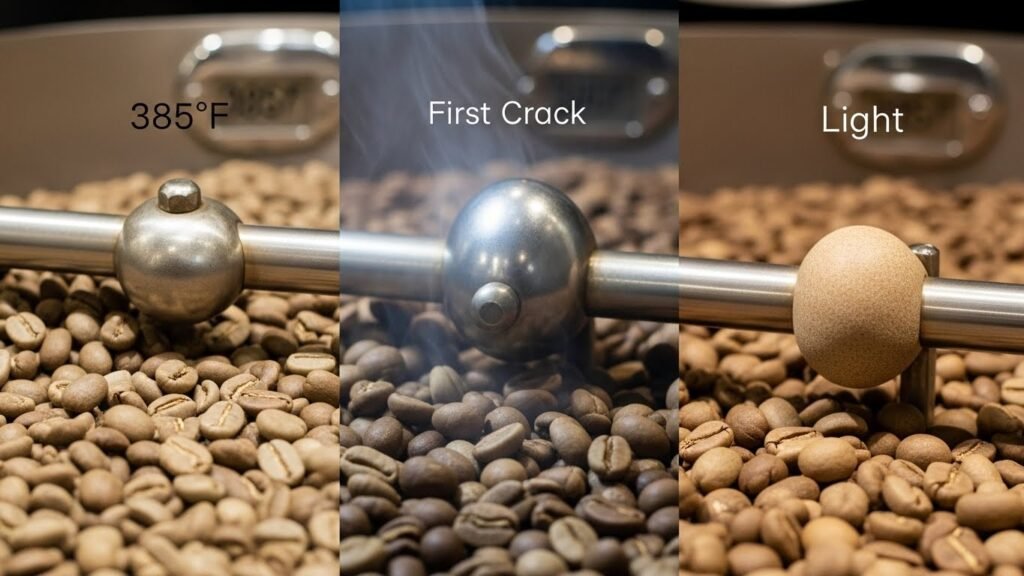
To understand what is a light roast coffee, you have to look at science. It is not just about the color of the bean. It is about how much heat the bean took during the roast. Roasters watch the beans very closely in the machine. They look for specific signs to stop the heat. This timing is what makes it light.
The Roasting Chemistry
- Internal Temperature: The beans usually reach between 350-401°F inside.
- Maillard Reaction: This is a chemical change that creates sweetness and brown colors.
- Chemical Bonds: Light roasting preserves the chlorogenic acid and other antioxidants.
The First Crack
The first crack is a big deal in the coffee world. It sounds like popcorn popping inside the roaster. This happens when steam breaks through the bean shell. For a light roast, the process stops right after this sound. If you wait longer, the bean becomes a medium roast. This quick stop keeps the flavors vibrant.
Visual Characteristics
You can tell it is a light roast just by looking. The beans will be a light brown or tan color. They look dry and have a matte surface. You will not see any shiny oil on the outside. Dark roasts are oily because the heat pushed the oils out. Light beans keep all that goodness locked inside the shell.
The Quality Prerequisite
You cannot make a good light roast with bad beans. If the beans are cheap, they will taste like grass or paper. Roasters only use specialty coffee for this style. High-quality beans have complex flavors like blueberry pie or peach tea. Light roasting acts like a spotlight on those flavors. It shows off the hard work of the coffee farmers.
Comparing Roast Profiles: Light vs. Medium vs. Dark
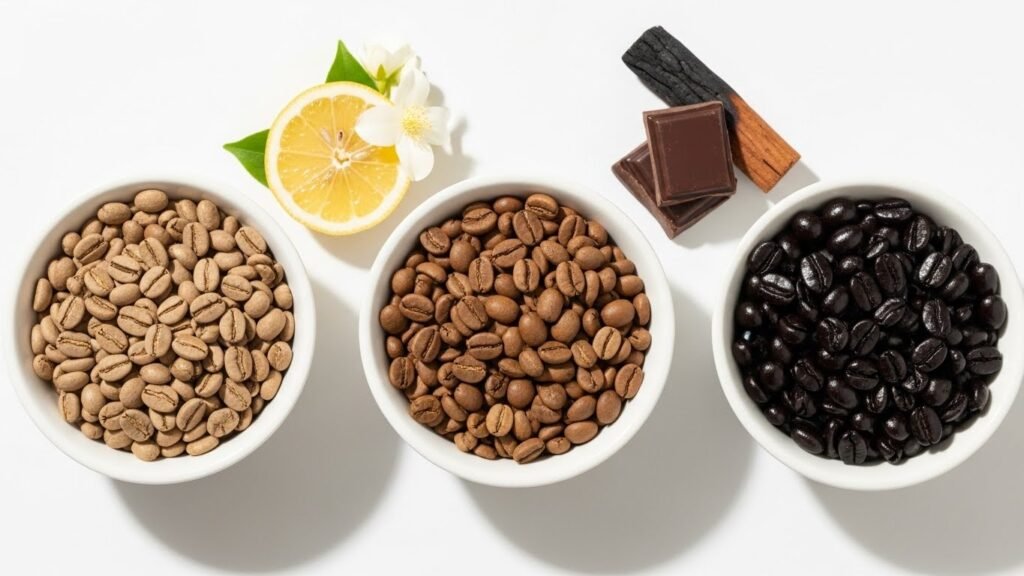
People often get confused about the different roast levels. Each one has a different job for your taste buds. What is a light roast coffee compared to the others? It is the one that tastes the most like the original plant. The others start to taste more like the fire. Choosing the right one depends on what you like.
Light Roast
- High Acidity: It has a sharp and exciting kick that wakes up your mouth.
- Complex Profiles: You can find hundreds of different flavor notes in one bag.
- Light Body: It feels very clean and crisp, never heavy or coating.
Medium Roast
Medium roasts are a balance of two worlds. They have some of the fruit of the light roast. They also have some of the sweetness of the dark roast. The acidity is a bit lower than the light version. Most people find this to be a safe and easy choice. It is a good bridge for beginners.
Dark Roast
Dark roast is what most people grew up drinking. It is roasted until it is oily and almost black. The flavors are mostly smoky, ashy, and bitter. You usually taste dark chocolate or burnt sugar. It has a very heavy body that sticks to your throat. It is great with lots of cream and sugar.
The Steak vs. Sauce Analogy
Think of the coffee bean like a high-end steak. A light roast is like a rare steak. You taste the quality of the meat itself. A dark roast is like a steak covered in heavy sauce. You mostly just taste the sauce, not the meat. If you have a great bean, you don’t want the sauce.
Is Light Roast Coffee Actually Stronger?
There is a big myth about caffeine and roasting. Many people think dark roast is stronger because it tastes bitter. That is not how caffeine works at all. To know what is a light roast coffee in terms of kick, look at the bean. The heat actually breaks down caffeine very slowly. So, the roast level doesn’t change much.
The Caffeine Myth
Studies show that caffeine stays pretty stable during roasting. Light roast and dark roast have almost the same amount of caffeine. The bitter taste of dark roast is just burnt carbon. It does not mean it will wake you up more. The real difference comes down to how you measure your coffee. You should use a scale for the best results.
Density and Measurement
- Volume Measuring: Light beans are smaller and more dense than dark beans.
- More Beans: A scoop of light roast has more actual beans in it.
- Weight Measuring: If you use 20 grams of each, the caffeine is equal.
Extraction and Strength
How you brew the coffee matters more than the roast. If you use more coffee grounds, the drink gets stronger. Fine grinds also help pull out more caffeine from the beans. The type of bean also plays a huge role in the kick. Some plants just naturally have more caffeine than others. Your brewing method is the real boss of strength.
The Journey from Green Coffee Bean to Roasted Perfection
Every cup starts as green coffee beans. These are raw seeds that look like little green pebbles. They don’t smell like coffee yet; they smell like grass. The roasting process is what unlocks the magic inside them. It takes a lot of skill to get it right. Roasters spend years learning how to handle the heat.
Selecting the Raw Ingredient
Roasters look for beans grown at high altitudes. These beans are harder and have more sugar inside. They can handle the heat of the roaster much better. The soil quality and rainfall also change how the bean develops. A good roaster knows which farm has the best seeds. They buy the best green beans they can find.
The Roaster’s Art
Roasting is a mix of art and hard science. The roaster has to watch the clock and the heat. They listen for the cracks and watch the color change. If they are off by ten seconds, the flavor changes. They want to hit that sweet spot of acidity and sweetness. It is a very delicate balance to maintain.
Degassing and Structural Integrity
- Moisture Content: Light beans keep more of their natural moisture inside.
- Carbon Dioxide: After roasting, beans need to release gas for a while.
- Long Life: Light roasts stay fresh a bit longer because they aren’t oily.
Light Roast Flavor Profiles by Growing Region
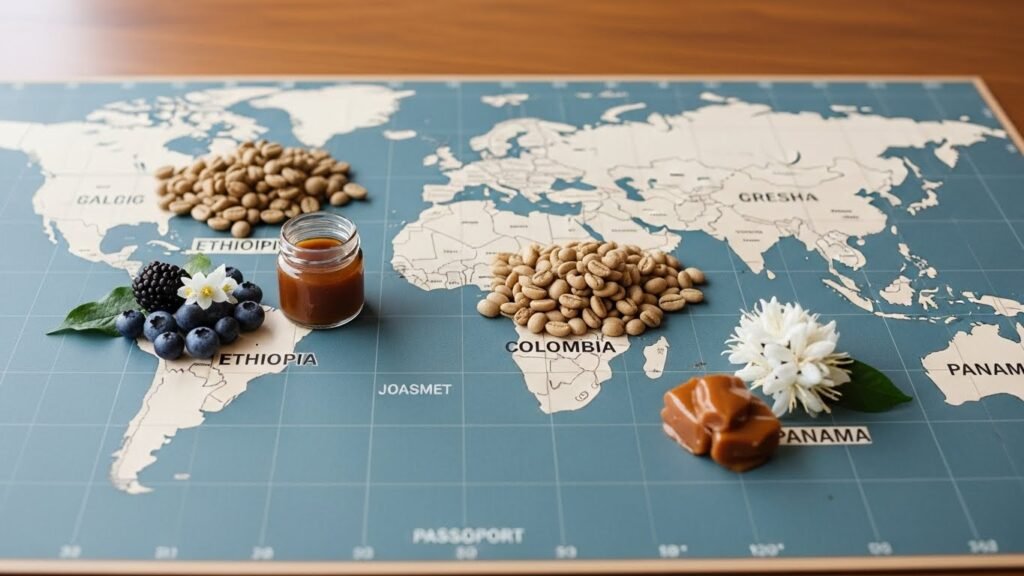
Where the coffee grows changes everything about the taste. This is why single-origin coffee is so popular now. What is a light roast coffee from Africa? It will taste totally different from one from South America. Each region has its own “vibe” that roasters try to protect. You can travel the world through your coffee mug.
African Coffees (The High-Acid Powerhouse)
African beans are famous for being very wild and fruity. They often have a lot of sparkling acidity. Many people say they taste more like tea than coffee. They are perfect for people who love bright flavors. They are usually the most exciting light roasts you can buy.
- Ethiopia: You might taste blueberry notes or jasmine flowers.
- Kenya: These are known for being bold and juicy like a tropical fruit.
- Tanzania: The peaberry beans here have a very citrusy and clean finish.
Central American Coffees (The Balanced Selection)
Central American beans are usually very friendly and balanced. They are not too wild, but they are never boring. They often have a nice mix of fruit and chocolate. These are great for people who are new to light roasts. They feel very smooth and easy to drink.
- Panama: This is home to the famous Gesha coffee plant.
- Guatemala: Expect to find notes of cocoa and soft spices here.
- Honduras: These beans are often very sweet with a crisp finish.
South American Coffees (Sweetness and Body)
South America produces more coffee than anywhere else on earth. These coffees are famous for being very reliable and sweet. They often have flavors like caramel or toasted nuts. They work great as a light roast because they stay sweet. Many people love them for their smooth mouthfeel.
- Colombia: This is the classic coffee taste with a caramel sweetness.
- Brazil: Usually has a nutty flavor and lower acidity than others.
Island and Exotic Origins
Island coffees are often very rare and expensive. They grow in volcanic soil which gives them a unique taste. Roasters treat these beans with a lot of respect. They use very light roasts to keep the expensive flavors safe. It is a luxury experience in a cup.
- Hawaiian Kona: This is famous for being very delicate and smooth.
- Indonesia: These beans can have an earthy or even meaty complexity.
Optimal Brewing Methods for Light Roast
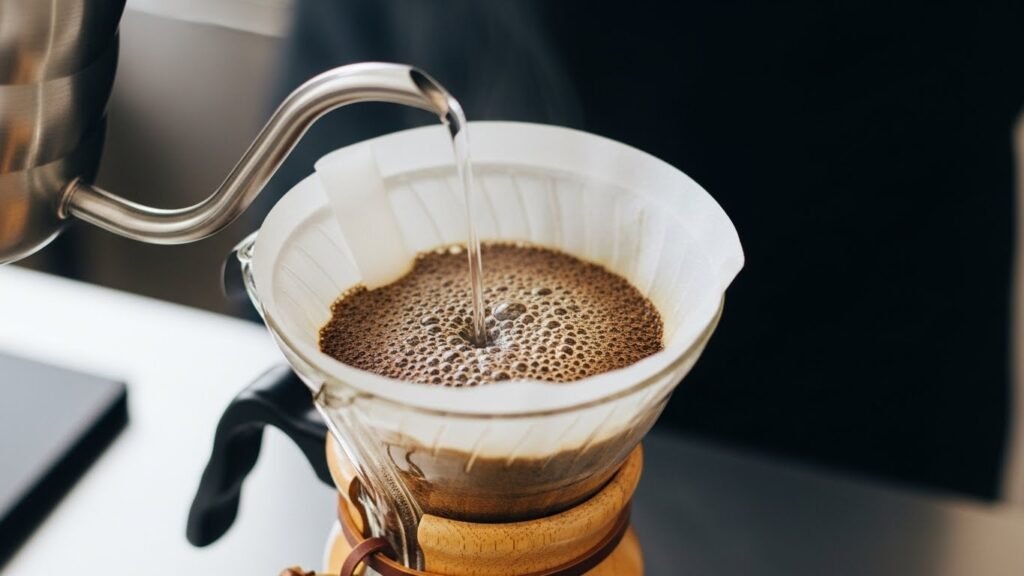
To enjoy a light roast, you need the right tools. Because the beans are dense, they are hard to extract. You need to be careful with your water and time. Some methods are much better at showing off fruit notes. What is a light roast coffee’s best friend? Usually, it is a paper filter.
The Pour-Over (Hario V60, Chemex)
- Clarity: Paper filters catch the oils and fine dust for a clean cup.
- Control: You can pour the water slowly to get all the flavor out.
- Brightness: This method makes the acidity and floral notes really pop.
The French Press
The French press is an immersion method. The grounds sit in the water for a long time. This gives the coffee a bit more body and weight. It is great if you want a light roast that feels stronger. Just make sure to use a coarse grind for this. It is a very easy way to brew at home.
Drip Coffee
A standard drip machine can work just fine for light roasts. The key is to use high-quality, fresh-ground beans. Many modern machines now have settings for specialty coffee. It is the most convenient way to get a good cup. Just make sure your machine gets the water hot enough.
Light Roast (Blonde) Espresso
Blonde espresso is a huge trend right now in big shops. It uses a light roast instead of the traditional dark one. The result is a shot that is very sweet and acidic. It tastes great in a latte because it doesn’t taste burnt. It is a fun way to change up your morning routine.
Cold Brew
Cold brew is usually made with dark roasts, but try a light one. Since there is no heat, the acidity stays very low. You get a drink that tastes like a refreshing fruit juice. It is perfect for hot summer days when you need a boost. It shows off the floral side of the coffee beautifully.
Mastering the Extraction: Tips for Success
Brewing light roast coffee is a bit like a science project. You have to get the variables right to avoid sour tastes. If the coffee tastes like grass, you didn’t extract enough. If it tastes bitter, you extracted too much. Here is how to hit the target every time.
Water Temperature
Light roast beans are very dense and tough. You need very hot water to break them down. Use water that is between 200°F and 212°F. Dark roasts need cooler water, but light roasts love the heat. Hotter water helps pull out the sugars and fruit acids. This prevents your coffee from tasting thin or weak.
Grind Size Selection
- Fine Grinds: Use these for espresso or if your coffee tastes sour.
- Medium Grinds: These are perfect for your daily pour-over or drip.
- Coarse Grinds: Use these for French press or cold brew methods.
The Importance of Resting
Do not brew light roast coffee the day it was roasted. It needs time to release carbon dioxide gas. This process is called degassing. If you brew too early, the gas blocks the water from the flavor. Wait at least 10-14 days after the roast date. This is when the flavor will be the most clear.
Water Quality
Coffee is mostly water, so the quality matters a lot. If your tap water tastes like chlorine, your coffee will too. Use filtered water or spring water for the best results. The minerals in the water actually help pull flavor out of the beans. Good water makes the acidity feel sparkling and clean.
Pairing and Serving Light Roast Coffee
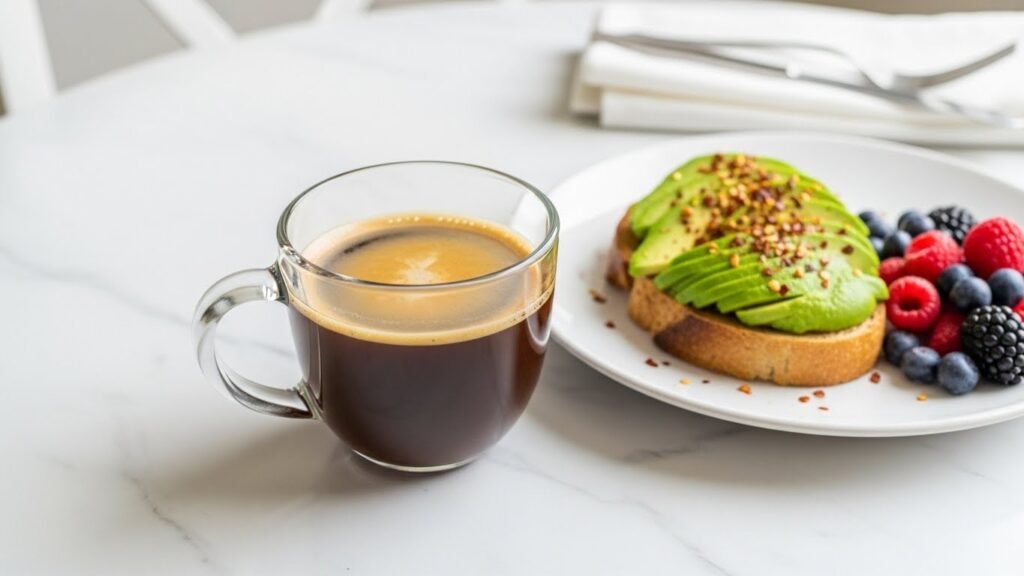
How you serve your coffee changes how it tastes. What is a light roast coffee supposed to look like on the table? Usually, it is served black in a clean glass. This helps you see the color and smell the aromas. It is a very sophisticated way to enjoy a drink.
The No-Additive Philosophy
Most experts say you should drink light roasts black. Adding milk or cream can hide the delicate fruit notes. Sugar can also make the natural acidity taste weird. If the coffee is high quality, it should be sweet on its own. Try it black first to see what the roaster intended. You might be surprised at how good it is.
Food Pairings
- Cheesy Scones: The salt and fat balance the bright acidity perfectly.
- Fruit Pies: The fruit in the pie matches the fruit notes in the bean.
- Avocado Toast: A creamy pairing that works great for a healthy breakfast.
Cultural Significance and Modern Trends
Light roast coffee is a big part of the new coffee culture. It represents a move toward being more mindful about what we eat. People want to support farmers and protect the environment. Drinking light roast is a way to join this global community. It is more than just caffeine; it is a movement.
The Third Wave Movement
The third wave is all about transparency and quality. Roasters now tell you the name of the farmer on the bag. They want you to appreciate the skill of the people who grew it. This movement has made light roasting the standard for specialty shops. It has turned coffee into a respected craft like making beer.
Specialty Coffee Trends
New methods of processing beans are popping up everywhere. Some farmers ferment their beans with fruit or yeast. This creates wild flavors like bubblegum or tropical salad. These “modern” coffees are almost always roasted light. They are pushing the limits of what coffee can taste like. It is an exciting time to be a coffee lover.
Conclusion: Elevating Your Coffee Routine
Learning what is a light roast coffee is the start of a great journey. It opens up a world of flavors you never knew existed. You can taste the mountains of Ethiopia or the valleys of Colombia. It turns a boring morning chore into a moment of joy.
A light roast is the ultimate expression of the coffee bean. It respects the farmer, the roaster, and the earth. While it takes a little more work to brew, it is worth every second. You get a cup that is clean, complex, and full of life. So, go out and grab a bag of fresh light roast today. Your taste buds will thank you for the adventure.
FAQs
What is the origin of light roast coffee?
- Early History: Coffee roasting dates back to the 15th Century, but for most of history, beans were roasted until they were dark brown.
- Modern Evolution: Within the last 50 years, roasters developed lighter roasting techniques to preserve the high-quality, unique flavors of specialty beans.
Is light roast coffee less bitter than dark roast?
- Flavor Profile: Light roast is generally less bitter because it is not roasted long enough to develop the smoky, ashy flavors found in darker roasts.
- Acidity Balance: While it lacks traditional bitterness, it has higher acidity, which can sometimes be mistaken for sourness if not brewed correctly.
Does light roast coffee have more sugar?
- Caramelization: Light roasts undergo less caramelization than medium roasts, which means the natural sugars are preserved rather than burnt.
- Sweetness Perception: Because it has high acidity, a skilled roaster can produce a cup that tastes much sweeter than a bitter dark roast.
Why are light roast beans harder to grind?
- Density: Light roast beans are much denser than dark roast beans because they have not been exposed to high heat for a long time.
- Moisture Content: They retain more internal moisture and structural integrity, making them physically tougher for a grinder to break apart.
Does light roast coffee cause more stomach acid?
- Acidity Levels: Light roast coffee is known for having higher perceived acidity (brightness) than darker roasts.
- Chemical Composition: Some people find this “bright” acidity harder on the stomach, though the actual pH difference between roasts is often small.
What is a Cinnamon Roast?
- Roast Level: This is an extremely light roast level where the beans are pulled just as the first crack begins.
- Taste: It often has a very high acidity and can taste grainy or like toasted bread.
What is a New England Roast?
- Regional Style: This is a term for a light roast that is popular in the Northeastern United States.
- Appearance: The beans are light brown and represent a standard light roast level used by specialty roasters.
Is light roast coffee good for making lattes?
- Milk Interaction: While light roast is usually drank black, it can be used for “blonde” lattes to create a drink with distinct fruit nuances.
- Flavor Clashing: Some find that the high acidity of a light roast can make milk taste slightly sour compared to a nutty dark roast.
Why is light roast coffee more expensive?
- Bean Quality: Roasters typically only use high-quality, expensive “specialty” beans for light roasts because defects cannot be hidden by the roasting process.
- Shrinkage: Light roasts lose less weight during roasting, but the cost of sourcing high-altitude beans often keeps the price high.
Can I use a French Press for light roast?
- Immersion Brewing: Yes, the French Press is a great way to extract the unique and vibrant qualities of a light roast.
- Coarse Grind: Using a coarse grind with a longer steep time helps capture the full flavor profile without over-extracting.
What is a Half City Roast?
- Terminology: This is another name for a light roast that falls between a Cinnamon roast and a City roast.
- Characteristics: It is slightly more developed than the lightest roasts but still lacks any surface oil.
Does light roast coffee have more antioxidants?
- Heat Sensitivity: Light roasts are exposed to heat for a shorter time, which preserves more natural antioxidants like chlorogenic acid.
- Health Benefits: These polyphenols are often lost when coffee is roasted to a dark, oily stage.
Why do light roasts smell like tea?
- Aromatics: Because the roast is light, you are smelling the organic compounds of the coffee fruit, which often overlap with floral and herbal tea scents.
- Delicate Nature: The thin body and floral notes frequently lead people to describe the experience as “tea-like”.
How long does light roast coffee stay fresh?
- Porosity: Light roast beans are less porous than dark roast beans, which helps them stay fresh for a bit longer.
- Peak Flavor: Even though they last, they should still be consumed within a few weeks of roasting to enjoy the full spectrum of aromas.
What is the “First Crack” in roasting?
- Physical Change: This is the moment during roasting when the beans expand and release steam, making a loud popping noise.
- Signaling: For a light roast, the process is usually stopped right as this sound occurs to prevent the beans from darkening.
Can you cold brew light roast coffee?
- Unique Result: Cold brewing light roast produces a very different flavor than dark roast, often tasting like a refreshing, floral fruit juice.
- Acidity Reduction: The cold water extraction method naturally reduces the acidity, making it smoother for those with sensitive stomachs.
Why is there no oil on light roast beans?
- Cell Structure: The internal temperature (350-400°F) is not high enough to break the bean’s cell walls and push oils to the surface.
- Matte Finish: This lack of oil gives the beans a dry, matte appearance.
What does “terroir” mean in light roast coffee?
- Environment: It refers to how the altitude, soil, and rainfall of a farm affect the bean’s flavor.
- Preservation: Light roasting is the only way to truly taste the terroir because dark roasting covers these traits with “roast” flavors.
Should I use a paper filter for light roast?
- Flavor Clarity: Paper filters are excellent for light roasts because they remove oils and sediment, leaving a very clean and bright cup.
- Highlighting Notes: This clarity allows the subtle notes of honey, citrus, or jasmine to stand out.
What is the best water temperature for brewing light roast?
- High Heat: Because light roast beans are dense, they often require hotter water (near 200-212°F) to properly extract the flavors.
- Avoiding Sourness: If the water is too cool, the coffee may taste sour or underdeveloped.