 Skip to content
The world of food has changed. We often grab quick meals or rely on delivery services today. This leads to a distance from the simple, deep act of cooking. But what if your kitchen held the secret to better health and stronger connections? That’s where the Heartumental philosophy comes in. It’s a powerful guide to cooking that feeds your body, spirit, and soul all at once. This approach shows how every step, ingredient, and recipe can be a moment of mindfulness and care. The goal is simple: to make your meals not just delicious but deeply satisfying and truly heart-friendly.
The Heartumental Philosophy: Definition and Dual Purpose
The Heartumental approach sees cooking as an act of love and creation, not just a job. It is a language of the heart, showing creativity, care, and identity. This philosophy goes beyond listing ingredients and steps. It turns everyday cooking into a cozy, meaningful ritual. When you follow a recipe, you embrace tradition and emotional expression. This blending of the practical with the personal is the core of being Heartumental for long-term wellness.
Etymology: The Fusion of Heart (Emotion) and Instrumental (Instruction)
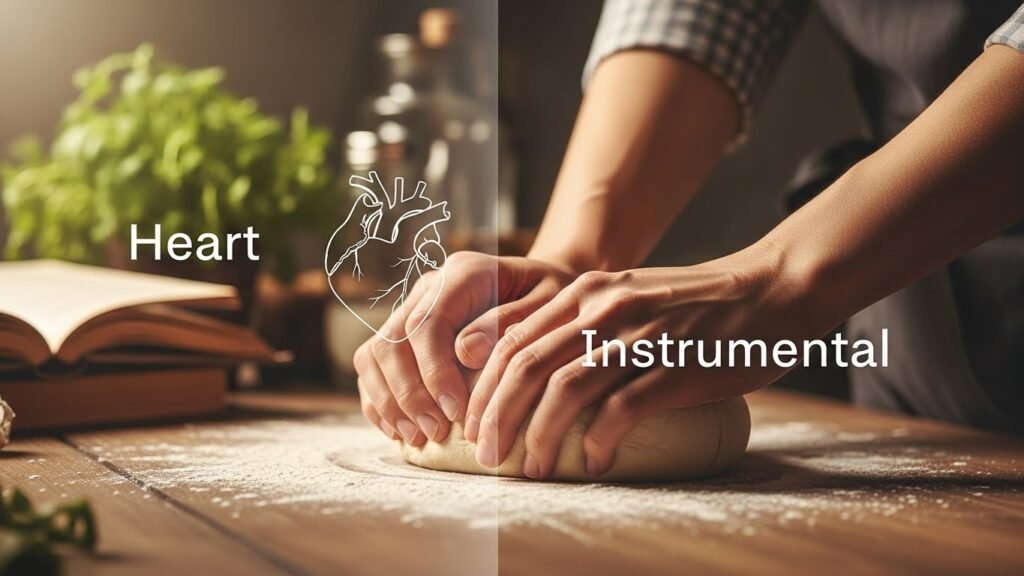
The word “Heartumental” mixes two strong ideas. It combines the word heart—which means emotion, care, and love—with the word instrumental. Instrumental refers to something practical and functional, like a guide or a tool. This fusion perfectly captures the approach: a recipe is a practical instrument (structure) filled with deep emotion (heart). This blend raises the whole act from simply preparing food to a deep emotional practice.
Structure, Consistency, and Nutritional Control
The “instrumental” side of a recipe gives fundamental value that is key for both physical and mental health. Following a recipe gives you a clear roadmap, which cuts down on guesswork and stress in the kitchen. This clarity makes cooking feel manageable and peaceful. Using precise measurement ensures consistency in flavor and timing. This leads to reliable, nutritious meals. This control lets you consistently include nutrients, helping cardiovascular health and long-term wellness.
Therapeutic Benefits: Reducing Stress and Fostering Mindfulness
The “heart” side of Heartumental brings amazing therapy benefits. The structure and predictability of a recipe naturally lessen anxiety, bringing peace of mind. Mindfulness is crucial here: as you chop, stir, and taste, you focus completely on the present moment. This is mindfulness in motion. The rhythmic, repetitive actions are soothing. This makes cooking a good exercise for reducing stress and promoting calmness. Studies show that this mindful cooking can boost happiness and strengthen social bonds.
Physiological Impact: The Science of Heartfelt Food
Real science supports why cooking with heart feels so good. Sensory psychology shows that your mood and intention affect how you experience and enjoy food. When you cook with love and care, the result touches you emotionally. This makes the taste and satisfaction of the dish better. For instance, preparing a meal for loved ones can subtly affect your experience. Cooking can put emotions—like joy, nostalgia, or even sorrow—into something real and beautiful.
Memory, Identity, and the Legacy of Flavor
The Heartumental philosophy highlights that food is much more than just fuel. It’s a strong link to our past, our identity, and our shared culture. Every dish has a story, a spark of passion, and is often tied to generations of traditions. This emotional bond makes homemade food very special.
Memory and Nostalgia: Tastes that Bind Time
For a Heartumental cook, ingredients carry memory, heritage, and history. Certain flavors can instantly move us to another place. The aroma of fresh basil might quickly bring back memories of an Italian countryside. The warmth of cinnamon can recall the comfort of childhood desserts and home. Our brains are naturally wired to link specific tastes and smells with strong emotions. This explains why some meals can instantly bring deep comfort. Weaving these emotions into a recipe on purpose is what the Heartumental process is about.
Honoring Ancestry and Family Legacy
Tradition is key in this emotional cooking. Recipes are often passed down through generations. They carry a true legacy of care and love. Grandma’s secret soup or a parent’s holiday dessert becomes a symbol of family unity. The emotional bond from these family recipes goes beyond time. They are gifts that preserve love for future generations. The simplest handwritten note on an old recipe page becomes a precious treasure.
The Global Language of Flavor and Cultural Empathy
Across the world, people speak different languages, but everyone understands the language of food. It is the best bridge for cultures and communities. The emotional depth in Heartumental recipes is felt everywhere. For example, the careful balance in a Japanese kaiseki shows respect for nature. Mexican food is a bright expression of celebration. A seemingly simple dish is not just sustenance; it’s heritage, pride, and affection served on a plate. By valuing the food stories of others, we grow our empathy and understanding of people.
Practical Application: Building a Heartumental Kitchen

To truly live the Heartumental lifestyle, you must blend emotion with smart planning. The instrumental side of the guide is all about smart choices and thoughtful organizing. This makes the kitchen a peaceful place for efficient cooking. Having a reliable plan ensures you consistently make nutritious, heart-healthy meals.
Optimizing the Kitchen Workspace
An organized kitchen workspace lowers stress and makes cooking fun, not a chore. Start by creating a special recipe binder, either on paper or digital, to hold your treasured meals. This simple act turns scattered recipes into an organized, Heartumental keepsake.
- Collect favorite recipes.
- Organize by meal type (e.g., breakfast, desserts, dinners).
- Add personal notes (e.g., your own variations or special touch).
- Prep ingredients ahead. This easy trick keeps stress low and makes weekday cooking much faster.
- Keep your binder accessible. Store it in a handy spot so you can grab inspiration quickly.
General Principles for Heart-Healthy Meals
The Heartumental Recipe Guide focuses on making wholesome meals that actively support cardiovascular health. The key is using ingredients rich in fiber, lean protein, healthy fats, and essential vitamins. This balance of nutrients is vital for keeping your heart strong.
- Choose Lean Proteins: Pick fish, chicken, tofu, and legumes instead of red meats. These give protein without too many saturated fats.
- Cook with Healthy Oils: Use olive oil and avocado oil for cooking and dressings. Avoid butter and tropical oils high in saturated fat.
- Flavor Focus: Limit salt and instead use herbs and spices like garlic and rosemary for flavor.
- Plate Balance: Fill half your plate with vegetables and leafy greens. A quarter should be lean protein and the last quarter should be whole grains.
Heart-Healthy Recipe Prototypes (Focusing on Key Benefits)
These recipes are simple yet powerful. They are designed with cardiovascular wellness in mind. They prove that heart-friendly food can be incredibly delicious and satisfying.
| Recipe Name | Focus Ingredient | Key Benefit (Why It Works) |
| Heartumental Salmon & Quinoa Bowl | Salmon | Omega-3 fatty acids reduce inflammation and protect arteries. |
| Oatmeal with Berries & Flaxseeds | Oats & Legumes | Fiber-rich ingredients lower LDL cholesterol. |
| Chickpea & Spinach Stew | Spinach & Greens | Leafy greens support blood pressure regulation. |
Salmon & Quinoa Bowl: Fueling Your Body
This recipe features salmon (4 oz), quinoa (1 cup cooked), broccoli (1 cup steamed), and sliced avocado. Season the salmon with salt, pepper, and lemon juice, then cook it with olive oil. Avocado and olive oil provide important healthy fats.
Oatmeal with Berries & Flaxseeds: A Warming Start
Mix rolled oats (½ cup) with unsweetened almond milk and cook until creamy. Top the oatmeal with mixed berries and ground flaxseeds. This simple dish is full of fiber for cholesterol management.
Chickpea & Spinach Stew: Plant-Powered Comfort
This stew uses chickpeas, spinach, onion, garlic, and vegetable broth. Legumes and leafy greens are the essential parts here. The cumin adds depth of flavor, making a warming and wholesome meal.
The Art of Cooking: Sensory Experience and Creative Expression
Cooking with emotion is an art form, much like painting. Just as artists use colors, cooks use ingredients to show their mood, personality, and perspective. Every recipe becomes a unique reflection of the person. This is where the true joy of Heartumental cooking lives.
The Multi-Sensory Art of Cooking (Sight, Smell, Touch, and Presentation)

Cooking uses all of our senses. The appeal starts visually with colorful vegetables and extends to the crackle of oil. The texture of dough under your hands or the aroma of garlic sizzling—it’s all part of the satisfaction. This multi-sensory experience makes every dish a part of a larger storytelling. The final presentation—how you plate the food—can increase the emotional impact.
Innovation vs. Fidelity: Finding the Creative Balance
The world of culinary art loves adaptability. Heartumental recipes honor the legacy of tradition while allowing for modern innovation. You can take a classic family recipe and change it. For example, turning an apple pie into a vegan-friendly version keeps the tradition alive while embracing change. This balance between past comfort and present health keeps cooking evolving. Cooks show creativity by trying new ingredients or techniques.
Heartumental Stewardship: Ethics, Sustainability, and Simplicity
The Heartumental philosophy asks that care goes beyond the kitchen and the body. It requires a conscious focus on sustainability and ethical choices. This practice is about respect—for the ingredients, the producers, and the planet itself.
Ethical Sourcing and Environmental Consciousness
Caring for the planet is part of cooking with heart. You should actively choose local ingredients whenever possible. This approach also promotes waste reduction. Ethical cooking shows empathy for the entire food chain. This thoughtful approach makes cooking an act of respect and conservation.
Embracing Seasonal Rhythms and Simplicity
Nature affects our emotions through changing seasons, and our food should show this. Heartumental cooking uses seasonal rhythms, matching our meals with nature’s cycles.
- Seasonal Flow: Summer needs light meals; winter asks for warming, hearty stews and comfort food.
- Simplicity’s Power: Some of the most meaningful meals come from humble ingredients.
- Focus on Essence: Simplicity reminds us that emotional value depends on sincerity, not extravagance or complexity. A simple dish prepared with love is more satisfying than a fancy feast.
Societal Impact: Community, Family, and Connection
The Heartumental philosophy serves as a strong tool for building human bonds. In a world of busy lifestyles and digital separation, food brings us back to what matters most. The kitchen is the heart of the home, a place for shared laughter and stories.
Reconnecting Families and Building Strong Bonds
Cooking and eating together actively strengthen family bonds. It creates important moments of connection, replacing routine duties.
- Teamwork: When children take part in cooking, they learn valuable values.
- Life Lessons: They absorb lessons like patience, teamwork, and gratitude.
- Emotional Core: The simple act of making a meal together provides a sense of unity and shared experience.
Sharing Food as an Act of Love and Empathy
The act of sharing a meal prepared with heart increases the joy of cooking. It is a deep form of generosity that words cannot fully express. Food acts as a connector that breaks down social barriers. Sitting at a shared table encourages conversation and deepens empathy. This shared feeling reminds us that meals are truly meant to be experienced collectively.
Essential Kitchen Skills and Techniques (Practical Mastery)

The Heartumental philosophy relies on the instrumental foundation of skills. When your knife skills are sharp and your techniques are confident, the act of cooking becomes less stressful and more meditative. Mastering these fundamentals turns preparation into a rhythmic, mindful activity, allowing your emotional focus to stay on the care you put into the food, rather than the difficulty of the task.
Mastering Foundational Knife Skills
Proper knife technique is the single greatest factor in transforming kitchen time from a chore into a joy. A sharp knife is safer and more efficient, making repetitive tasks soothing.
- The Claw Grip: Always curl your guiding fingers inward, using the first knuckle of your middle finger as the guide against the flat side of the blade. This protects your fingertips.
- The Rocking Motion: For mincing herbs or dicing vegetables (like onions or carrots), use a smooth rocking motion rather than lifting the knife completely off the board. This is fast, efficient, and mentally calming.
- Uniformity is Key: Aim for consistently sized pieces (uniform dice, chop, or slice). This ensures that all ingredients cook evenly and contributes to the visual appeal of the final dish.
The Art of Substitution and Improvisation
A true Heartumental cook moves beyond simply following a recipe to interpreting it. This flexibility is key to low-stress cooking and creative confidence.
- The Rule of Three (Fats, Acids, Seasonings): Understand that most recipes rely on a balance of fat (oil, butter, avocado), acid (lemon juice, vinegar, wine), and salt/seasoning. If a recipe calls for rice vinegar, you can likely use lemon juice in a slightly smaller amount. If it calls for butter, you can often substitute a heart-healthy oil.
- Flavor Profiles: Learn basic flavor pairings (e.g., rosemary and potato, ginger and citrus, basil and tomato). If you don’t have basil, but you have oregano, you can often make a successful, if slightly different, substitution based on the dish’s intent.
- Build Confidence: Start by making small, purposeful substitutions. This turns unexpected missing ingredients into a creative challenge, building culinary intuition without inducing panic.
Fundamental Cooking Methods for Flavor and Health
Mastering a few core cooking methods ensures your healthy ingredients taste fantastic and retain their nutrients.
- Dry-Heat Searing: Use high heat and a small amount of oil to quickly sear proteins (like salmon or chicken) or vegetables. This creates a crisp, flavorful crust while locking in moisture—a simple technique that elevates lean ingredients.
- Perfect Roasting: Roasting at high temperatures (400°F/200°C) caramelizes natural sugars in vegetables (like broccoli, sweet potato, or Brussels sprouts). This deep flavor requires minimal added salt or fat, maximizing the health benefit.
- Basic Broth Making: Learning to make a simple vegetable or chicken broth from kitchen scraps (the ultimate waste-reduction technique) provides a foundation for heart-healthy soups and stews without the high sodium content of commercial options.
Managing Emotional Roadblocks in the Kitchen
The kitchen, while a source of joy, can also be a source of frustration. Heartumental living requires specific strategies to manage the psychological friction points that turn pleasure into pressure.
Dealing with Perfectionism and Fear of Failure
Perfectionism is an enemy of mindful cooking; it replaces self-care with self-criticism.
- Embrace Imperfection: Understand that homemade food is meant to be imperfect. A slightly lopsided loaf of bread or a soup with an unexpectedly smoky flavor carries the unique energy of your effort. Reframing these “mistakes” as signatures of home cooking reduces stress.
- Reframing Failure: View a failed dish not as a waste of time, but as a quick learning experience. What did you learn about the oven temperature, the strength of the spice, or the cooking time? This turns the outcome into neutral data, not personal judgment.
- Low-Stakes Practice: Dedicate one cooking session a week to “low-stakes experimentation,” where the only goal is to try something new, regardless of the outcome.
Overcoming Cooking Fatigue (Burnout)
When the emotional practice of cooking starts to feel like a demanding obligation, the Heartumental spirit suffers.
- The “Assembly Only” Day: Designate one or two meals a week as “assembly only.” This means using pre-cooked grains (batch-cooked quinoa), pre-washed greens, and canned proteins (beans, tuna). Minimal effort, maximum nutrition, zero active cooking required.
- Micro-Batch Cooking: Instead of a massive Sunday cooking session, try cooking a single extra portion of an ingredient (like rice or roasted chicken) whenever you’re already in the kitchen. This builds a useful supply without overwhelming you.
- Emotional Sourcing: Revisit the recipes that bring you the most comfort and nostalgia, rather than always seeking new, complex dishes. Cooking what you love reconnects you with the “heart” of the practice.
The Psychology of Waste Guilt
The moral distress caused by throwing away food (waste guilt) can undermine the positive emotions associated with cooking.
- Repurposing Leftovers: Create a “Use It Up” meal once a week. This could be a “Kitchen Sink Frittata,” a “Leftover Soup,” or a “Everything Stir-Fry.” This turns scraps into a creative victory.
- Composting and Recycling: By setting up an accessible composting system, you change the fate of unavoidable waste (like peels and coffee grounds) from a “loss” to a “contribution” to the planet, aligning with the stewardship ethos.
Instrumental Preservation: Food Safety and Storage
The instrumental element of the Heartumental guide requires discipline in food safety. This ensures that the care you put into your food translates into sustained health benefits and efficient use of your time.
Essential Food Safety Practices
Safe handling is non-negotiable for long-term health and preventing food-borne illness.
- The Zone of Danger: Never leave food between 40°F (4°C) and 140°F (60°C) for more than two hours. This is the temperature range where harmful bacteria multiply rapidly.
- Cross-Contamination Prevention: Use separate cutting boards and utensils for raw meat/seafood and fresh produce. Always wash hands, knives, and surfaces thoroughly after handling raw proteins.
- Checking Temperatures: Invest in a digital thermometer. Ensure poultry reaches 165°F (74°C), ground meats reach 160°F (71°C), and pork reaches 145°F (63°C).
Advanced Batch Cooking and Freezing Techniques

Batch cooking is a cornerstone of a low-stress, consistent Heartumental lifestyle, but it requires proper preservation techniques.
- The Rapid Chill: To avoid the “Danger Zone,” never put hot food directly into the freezer or refrigerator. Instead, use an ice bath (placing the container in a larger bowl filled with ice and water) to rapidly bring down the temperature before chilling.
- Freezing Flat: Liquids (soups, sauces, stews) should be frozen in heavy-duty zip-top bags laid flat on a baking sheet. This saves significant freezer space and allows for quick thawing.
- Portion Control: Freeze meals in individual, labeled portions. This makes thawing quick, reduces waste, and helps maintain the plate balance principles discussed in the main guide.
Tools for Tranquility: Equipment That Enhances the Experience
The right tools minimize effort and maximize enjoyment, enabling the cook to focus on the emotional connection rather than physical labor.
Investment Tools for the Heartumental Kitchen
Focus on a few quality tools that actively reduce friction and stress in your workflow.
- A High-Quality Chef’s Knife: As discussed, a sharp, comfortable knife is the single best investment.
- Heavy-Bottomed Pots and Pans: These distribute heat evenly, preventing scorching and ensuring consistent results, which reduces anxiety over a burned meal.
- Digital Scale: Essential for accurate measurement in baking and useful for precise portioning in health-focused recipes.
The Role of Time-Saving Devices
Modern appliances should be viewed as instrumental partners in your Heartumental practice, not substitutes for cooking itself.
- Pressure Cookers/Instant Pots: These allow you to rapidly cook fiber-rich foods (beans, whole grains) or tough cuts of meat, ensuring a nutrient-dense, home-cooked meal is possible even on a busy weeknight.
- Slow Cookers: Perfect for “set it and forget it” meals like stews and chili. This lets you front-load the emotional effort (prepping the ingredients with care) and reap the rewards hours later.
- Air Fryers: Offer a heart-healthy way to get crispy textures (e.g., roasted vegetables, chicken wings) using minimal oil, satisfying cravings without compromising health goals.
Heartumental Cooking for Specific Life Stages
Applying the philosophy to various life circumstances ensures it remains adaptable, inclusive, and emotionally supportive.
Cooking for One: Fighting Isolation with Food
Cooking for yourself requires shifting the focus from portion control to ritual and self-care.
- The Beautiful Plate: Even when dining alone, use your finest plate and create an appealing presentation. This validates the effort and honors the self-care aspect of the meal.
- Embrace Repurposing: Cook one protein (e.g., a chicken breast) and use it in three entirely different dishes throughout the week (e.g., salad, wrap, pasta). This avoids repetitive meals and prevents fatigue.
Cooking During Grief or Illness
When energy is low, the focus must shift entirely to nourishment and comfort.
- The Comfort Core: Stock the pantry with easily digestible, comforting items (oatmeal, broth, simple pasta, rice).
- Pre-made Components: Utilize store-bought, high-quality components (rotisserie chicken, pre-chopped vegetables) to minimize effort while still assembling a nourishing meal at home. The emotional goal is simply to sustain oneself with minimal friction.
Accommodating Allergies and Restrictions with Empathy
A core tenet of Heartumental cooking is empathy toward those you feed.
- The Inclusive Dish: Focus on preparing naturally restricted-diet-friendly dishes first (e.g., a lentil stew is naturally gluten-free and vegan).
- Separation, Not Substitution: If necessary, cook the restricted component separately, but serve it with the same flavorful sauces and vegetables as the main dish. This ensures the guest feels included in the shared food experience, which is an important emotional bond.
- Open Communication: Always communicate openly about ingredients and restrictions, prioritizing safety and peace of mind over a surprise.
Conclusion: The Lasting Legacy of Heartfelt Food
The Heartumental philosophy is much more than a set of recipes; it is a full lifestyle. It is a conscious choice to put long-term health and wellness first. The power is in turning the routine of cooking into a source of personal peace, health, and connection.
The Emotional Reward of Creation
Few experiences compare to the satisfaction of making something nourishing with your own hands. The reward comes not just from eating but from the accomplishment and pride felt during the creation process. Cooking emotionally boosts your self-worth and your ability to bring happiness to others. It reminds you that even simple dishes hold deep emotional value when made with sincerity.
The Ultimate Goal: A Journey to Better Wellness
Adopting heart-healthy recipes and the benefits of cooking at home can improve your whole lifestyle. It promotes mindful eating habits and regular use of nutrient-rich ingredients. It gives a total boost to both physical and mental health. The Heartumental Guide serves as your practical and emotional guide on this journey.
The Secret Ingredient is Always Emotion
Ultimately, the most powerful part in any Heartumental recipe is emotion.
- Final Takeaway: By approaching the kitchen with mindfulness, gratitude, and creativity, you transform ordinary ingredients into extraordinary, lasting experiences.
- The Legacy: Every dish tells a story worth remembering—a story of care, tradition, and love.
Advanced Strategies for Deepening the Heartumental Practice
The journey into Heartumental cooking is about always learning and connecting more deeply. It means realizing that food is not just nutrients but a powerful way to show self-expression and social closeness. Focusing clearly on mindfulness in the kitchen becomes a main part of a truly healthy lifestyle.
Advanced Ingredient Wisdom: Understanding Nutritional Roles
Moving beyond basic recipes means understanding why each ingredient works. This knowledge builds confidence and awareness.
| Ingredient Group | Nutritional Focus | Action in the Body |
| Legumes (Chickpea, Lentil soup) | Fiber and Protein | Helps lower cholesterol and promotes gut health. |
| Healthy Fats (Olive oil, Avocado) | Omega-3 fatty acids & Monounsaturated fats | Reduce inflammation and protect arteries. |
| Leafy Greens (Spinach, Broccoli) | Vitamins K & A, Magnesium | Supports blood pressure regulation and bone health. |
| Whole Grains (Quinoa, Oats) | Complex Carbohydrates & Fiber | Provides long-term energy and helps stabilize blood pressure. |
Advanced Planning for Consistency and Wellness
For long-term health, consistency is key. Advanced Heartumental users use planning to keep their peaceful approach. Simple fixes like prepping ingredients on Sunday keep stress low all week. When you know your meals are ready, you feel calmness and accomplishment. This method changes cooking from a hurried chore into a trusted partner in wellness.
The Legacy of Flavor: Passing Down the Art
Passing down the Heartumental guide ensures that love and tradition continue. Generational inheritance is about more than the steps. It’s about sharing the stories and emotions tied to the meals. This process keeps the family’s heritage alive through taste.
Final Commitment to the Heartumental Lifestyle
The commitment to Heartumental cooking is a commitment to a wholesome, healthy lifestyle. It is the best blending of care and skill. By choosing ingredients with intention and cooking with emotion, you fuel your body with the right balance of nutrients. You are actively taking steps toward a stronger body and a more peaceful spirit. This is the true power of Heartumental food.
Heartumental Lifestyle: Frequently Asked Questions (FAQs)
How does the Heartumental philosophy define “healthy” eating?
Heartumental eating defines “healthy” holistically. It includes the instrumental aspect (nutrient density, balanced macronutrients, low sodium/sugar, and high fiber for physical health) and the heart aspect (emotional satisfaction, connection to memory, joy of creation, and sustainability). A meal is truly healthy only when it nourishes both the body and the spirit.
What is the first step I should take to transition to Heartumental cooking?
The first step is to focus on intentionality. Before you cook your next meal, spend 60 seconds thinking about why you are cooking it and who it is for. This simple act of focusing your mind and intent is the quickest way to engage the “heart” element of the philosophy.
How can I make my quick weeknight meals more Heartumental?
Focus on high-impact sensory experiences. Use a fresh herb garnish (like basil or cilantro), a squeeze of fresh lemon juice, or a dash of flavorful oil (like toasted sesame) just before serving. These small additions require minimal time but vastly increase the sensory appeal and emotional satisfaction of a simple dish.
Does Heartumental cooking require expensive or niche ingredients?
Absolutely not. The philosophy emphasizes simplicity and integrity. It encourages using humble, seasonal ingredients available locally. The value comes from the care and intention put into the preparation, not the cost or rarity of the ingredients.
How can I involve my children in Heartumental cooking?
Assign age-appropriate, low-risk, and repetitive tasks. This includes tearing lettuce, washing vegetables, stirring dry ingredients, or setting the table beautifully. These tasks are meditative and help children develop patience and a sense of shared contribution.
What role does mindful eating play in the Heartumental philosophy?
Mindful eating is the essential completion of the Heartumental cycle. It means eating slowly, chewing thoroughly, focusing on the flavor and texture, and being present at the table. This maximizes the emotional reward and fully absorbs the health benefits of the meal you prepared with care.
How can I find balance between following a recipe and being creative?
Treat the recipe as a secure launchpad. Follow it exactly once to understand the foundational ratios and techniques. The next time, make one small, controlled change (e.g., swapping one spice or one vegetable). This allows you to build creative confidence without the risk of major failure.
How does the philosophy view “cheat days” or occasional indulgence?
The philosophy is compassionate and realistic. Occasional indulgences are acceptable and often necessary for emotional well-being. The key is to make those indulgences intentional and fully savored, avoiding guilt. They should be chosen acts of pleasure, not impulsive reactions to stress or restriction.
What should I do if a recipe I cherish from my family is extremely unhealthy?
Honor the memory, modify the method. Do not abandon the dish, but seek instrumental ways to improve it. For example, switch from saturated fats to healthy oils, replace white flour with whole grains, or halve the sugar content. This preserves the emotional legacy while updating the dish for modern health goals.
How does Heartumental cooking help with budgeting?
It encourages conscious consumption. By prioritizing seasonal, local, and whole ingredients (which are often cheaper than pre-packaged goods), and by focusing on minimal waste, you naturally reduce your grocery budget and ensure that every dollar spent contributes to both health and ethics.
I live in a small apartment with minimal kitchen tools. Can I still practice Heartumental cooking?
Yes. The philosophy prioritizes intention over inventory. Focus on one-pot or one-pan meals, which minimize cleanup and stress. A quality cutting board, a good knife, and one sturdy pot or pan are sufficient to prepare nourishing, intentional meals.
How do I handle cooking for people with highly contrasting tastes?
Prepare a base dish that everyone likes (e.g., plain quinoa, rice, or a neutral soup base) and offer Heartumental Topping Bars. Let each person customize their bowl with different sauces, spices, healthy proteins, or fresh herbs. This allows for individual expression within a communal meal structure.
What is the best way to incorporate more fiber (for heart health) without shocking my system?
Increase fiber slowly and consistently. Start by replacing half of your refined grains with whole grains (e.g., half white rice, half brown rice) or adding one tablespoon of ground flaxseed to your morning oatmeal daily. This is a gentle, sustainable instrumental approach.
Is baking considered Heartumental cooking?
Yes, absolutely. Baking involves rhythmic, meditative actions (kneading, stirring) and requires precise instrumental execution. When done with the intention of sharing joy or creating a moment of comfort, it is a deeply Heartumental practice.
How can I use the Heartumental approach to manage emotional eating?
Before reaching for a comforting snack, engage in a micro-mindfulness check. Ask yourself: Am I hungry (physical need) or emotional (stress/boredom)? If it’s emotional, take 5 minutes to engage in a sensory activity (smelling a fresh herb or brewing a mindful cup of tea) to address the emotional need without food.
What are the best ways to infuse my cooking with a sense of “love” or “care”?
Engage in a positive mental state while cooking. Think about the person you are cooking for, or focus on self-care if cooking for yourself. Choose music that enhances your mood. The intention you pour into the process is the definition of “love” in this context.
How can I quickly cool large batches of food to store safely?
The instrumental best practice is the ice bath method. Place the pot of hot food into a larger basin filled with ice and cold water. Stir the food occasionally to hasten cooling. This gets the food out of the danger zone quickly for safe freezing or refrigeration.
What is the role of presentation (plating) in the Heartumental philosophy?
Plating is the final creative act of the “heart.” It shows respect for the ingredients and the consumer. A simple garnish or a colorful arrangement enhances the sensory experience, making the meal feel special and fully honoring the effort put into its creation.
How can I make my kitchen a more tranquil space?
Reduce visual clutter, as this contributes to mental noise. Play calming music (or silence, if preferred). Ensure surfaces are clean before you start cooking, so the process begins from a place of peace.
I feel pressure to cook complicated meals. How can Heartumental principles guide me?
Prioritize authenticity over complexity. The philosophy values sincerity and connection more than performance. A simple, perfectly roasted vegetable seasoned with care is far more Heartumental than an elaborate dish prepared under duress. Simplify your repertoire to reduce pressure.