 Skip to content
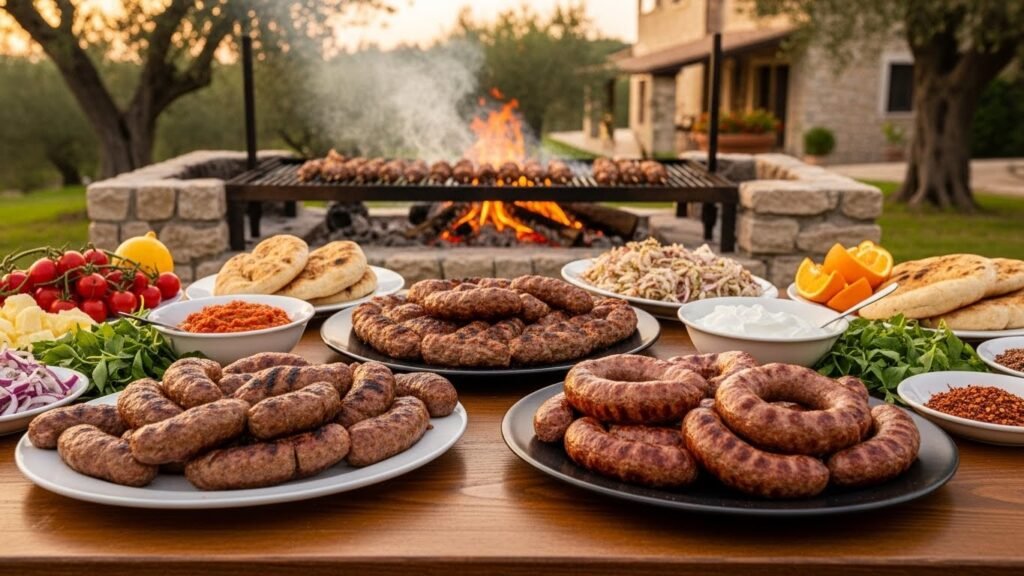
Levapioli is way more than just a regular meal. It is a big celebration of culture and deep flavors. Think about juicy meat skewers cooking over an open fire. The smoky aroma fills the air and makes everyone hungry. This dish comes from the heart of the Mediterranean and the Balkans. People all over the world now love this savory treat. It has a very rich history and many different styles. Whether you are a pro chef or just like food, levapioli is worth checking out.
A Culinary Journey Through Tradition and Flavor
Levapioli is a true journey through history and taste. It shows off the best parts of Italian and Balkan food. The dish uses succulent meat wrapped in yummy spices. Every single bite tells a story of local pride. It is a legendary international treasure for foodies.
Defining Levapioli
Levapioli is a special kind of grilled meat dish. It usually features minced meat shaped into small pieces. The texture is tender on the inside but crispy on the outside. It is basically a mix of tradition and pure flavor.
The Sensory Experience
- The smell of the charcoal grill is amazing.
- You get a hit of aromatic spices like paprika and garlic.
- The sizzling sound of the meat is like music.
- Every bite has a perfect smoky essence.
A Symbol of Global Hospitality
In the Balkans, levapioli stands for being a great host. It is a main dish for parties and big celebrations. Friends and family sit together to share the food. It builds a real connection between people at the table.
The History and Global Migration of Levapioli
The story of levapioli starts a long time ago. It is a mix of ancient recipes and new ideas. This dish has moved across many borders over the years.
Balkan Roots
This culinary treasure is deep in the heart of Balkan cuisine. It is a huge part of cultural identity in Bosnia and Serbia. For people there, it is not just food. It is a way to remember their heritage.
Ottoman and Mediterranean Influences
The Ottoman Empire helped spread these meat traditions. Italy also added its own flair to the recipe. This mix of cultures created the savory delight we see today. It is a blend of old-school ways and modern twists.
The Path of Migration
People moved around the world and took their recipes along. Levapioli landed in different countries and changed a bit. It adapted to what locals liked to eat. Now, you can find it in restaurants everywhere.
The Art of Traditional Preparation and Cooking

Making real levapioli takes a bit of skill. The heart of the dish is in its simplicity. You only need a few good ingredients.
The Core Ingredient Profile
- Minced meat is the star of the show.
- Most recipes use a mix of beef and lamb.
- Some people add pork for extra fat and flavor.
- Garlic, salt, and pepper are must-have spices.
- Onions and paprika add a nice kick.
Hand-Crafting Techniques
You have to blend the meat until it is smooth. This ensures the flavor is the same in every bite. Then, you shape them into small sausages or patties. This step helps the meat cook evenly.
Mastering the Flame
- Grilling over an open flame is the best way.
- Charcoal grills give it that classic smoky flavor.
- You can also fry them in olive oil.
- Frying makes the outside extra crispy and delicious.
The Traditional Table
You usually serve levapioli hot on fresh bread. Warm pita bread or flatbread is perfect for this. Add some chopped onions on the side. A scoop of ajvar or yogurt makes it even better.
Regional Variations Across Italy: A Local Perspective

Italy has a deep-seated love for Levapioli, and this affection is reflected in how each region puts its own unique spin on the dish. Local chefs utilize the specific ingredients found in their surroundings to create versions that are entirely distinct from one another. From the rich, dairy-heavy recipes of the North to the fiery, citrus-infused styles of the South, the Italian landscape of Levapioli is a testament to the country’s diverse culinary geography.
Northern Italy: The Creamy and Rich Twist
In Northern Italy, the preference leans toward rich and creamy flavor profiles. This region is known for its heavy use of dairy, which translates directly into how they prepare their minced meat blends.
- Dairy Integration: Chefs in the North often incorporate milk and cheese directly into the meat mixture to create a smoother, more decadent texture.
- Cheese Varieties: The most common choices for these variations are Parmigiano-Reggiano or Gorgonzola, which add a sharp or creamy depth to the meat.
- Aromatic Herbs: Fresh herbs such as parsley and rosemary are frequently used to provide an earthy, fragrant balance to the heavy dairy components.
- Balkan Contrast: While traditional Balkan versions of the dish are typically dairy-free, the Northern Italian adaptation has fully embraced these local ingredients.
Central Italy: Simplicity and Gourmet Elegance
Central Italy approaches Levapioli with a focus on simplicity and cleanliness, aiming to let the natural quality of the meat shine without excessive distraction.
- The Minimalist Philosophy: The seasoning in this region is often kept light and precise to ensure the primary flavor remains the high-quality beef or lamb.
- Tuscan Herbals: In Tuscany, the meat is traditionally infused with aromatic herbs like sage, which adds a subtle, savory undertone.
- Roman Heat: In Rome, the profile becomes more robust with the addition of garlic and red pepper flakes to provide a distinct heat.
- Umbrian Luxury: Umbria takes a more gourmet approach, often incorporating wild mushrooms or truffles into the blend to elevate the dish into a luxury experience.
Southern Italy: Bold, Spicy, and Coastal
The South of Italy is celebrated for its big, bold tastes and its willingness to experiment with unconventional ingredients that reflect the Mediterranean climate.
- Spicy Profiles: Southern versions are characterized by a heavy use of spicy ingredients, particularly chili flakes, which provide a sharp kick.
- Sicilian Citrus: Sicily offers one of the most unique variations by adding orange zest to the meat. This provides a fresh, citrusy contrast that balances the bold and spicy flavors favored in the region.
- Coastal Innovation: In coastal towns, the traditional meat is sometimes swapped or mixed with fresh seafood, creating a regional coastal flair that is unique to the Mediterranean shorelines.
- Traditional Pairing: In these regions, the dish is often served with a side of caponata, a sweet and savory eggplant dish that complements the grilled meat.
Influence of Geography on Taste
The variations found across Italy are not accidental; they are shaped by centuries of migration and local culture. For example, the Ottoman Empire acted as a historical bridge that spread meat-grilling traditions to Italy, but once they arrived, they were molded by Italian hands. This mix of old-school Balkan ways and modern Italian twists created the savory delights seen today.
- Texture Consistency: Regardless of the region, the core hand-crafting technique remains: blending the meat until smooth to ensure the flavor is consistent in every single bite.
- Even Cooking: Shaping the mixture into uniform small sausages or patties is a universal requirement to ensure the meat cooks evenly over the high heat of an open flame.
Each regional version of Levapioli—from the snowy North to the sunny South—serves as a piece of human history that diners can taste, showcasing the incredible creativity of local Italian cuisine.
Global Adaptations and Fusion Innovations

Levapioli has traveled far beyond its European roots, finding new life in kitchens across the globe. As chefs around the world love to experiment with this dish, it remains exciting, fresh, and relevant to modern palates. These global adaptations reflect a blend of traditional Balkan and Italian methods with local ingredients and contemporary dining trends.
The North American Scene (USA and Canada)
In the United States, levapioli has become a major hit within the street food culture. It is frequently featured on food truck menus where it receives an American-inspired twist.
- Bold Toppings: American versions often incorporate barbecue sauce or jalapeños to cater to local preferences for spicy and smoky flavors.
- Health-Conscious Variations: Some restaurants and vendors swap traditional red meats for lean turkey or chicken to provide a lighter option for health-conscious diners.
- Canadian Sweetness: In Canada, culinary experimentation has led some chefs to add maple syrup to the recipe, providing a unique northern sweetness to the savory meat.
The Southern Hemisphere and Asian Influence
The spread of levapioli to the Southern Hemisphere has resulted in some of the most creative fusion concepts seen today.
- Australian Fusion: In Australia, the dish often draws from cool Asian flavor profiles. It is common to find ginger incorporated directly into the meat blend to add a zesty, aromatic kick.
- Brazilian Barbecue Style: In Brazil, the dish is adapted into a barbecue style known as “espetinho”. These versions use picanha seasoning and are typically served with a toasted cassava flour called farofa to provide a distinct local texture.
Modern Culinary Reimagining
Beyond regional shifts, modern chefs are rethinking the structure and presentation of levapioli to fit contemporary social settings.
- Levapioli Sliders: Sliders have become a popular way to serve this dish at parties and large gatherings. These small, bite-sized portions allow for a wide variety of experimental toppings.
- Unique Toppings: Modern interpretations frequently feature avocado salsa or kimchi slaw, blending Balkan traditions with Mexican and Korean influences.
- Plant-Based Options: To ensure the dish remains inclusive, culinary reimagining has led to the creation of plant-based versions specifically designed for vegetarians who want to enjoy the traditional flavor profile.
The Modern Landscape: Trends, Visuals, and Challenges

Levapioli is staying relevant in the modern world. It is a big deal in the global food culture, and everyone wants to try this authentic treasure. This section explores how the dish has transitioned from a traditional kitchen staple to a modern culinary trend.
The Industry Appeal
Gourmet food trucks love this dish because it is easy to eat on the go. It offers the bold flavors that modern diners crave, making it a versatile choice for any menu. Restaurants are also using the dish to show off their specific culinary heritage and connect with diners looking for authentic stories behind their food.
Visual Concepts and Aesthetics
In the age of digital dining, the look of the dish is just as important as the taste.
- Plating techniques are getting much more creative to appeal to a wider audience.
- Chefs use vibrant garnishes to make the presentation look pretty and professional.
- Food photography on social media has made the dish famous among global foodies.
- A good-looking plate helps the dish trend online and reach new markets.
Common Myths and Preparation Challenges
Despite its popularity, several misconceptions exist about how to prepare and understand the dish.
- Some people think it is just a plain, simple meat dish, but that is a big myth because it has deep historical roots.
- Another myth is that it is hard to make at home or requires professional training.
- You do not need to be a pro to grill it up; anyone can cook it at home with a flame and the core ingredients.
The Future of Levapioli
The future looks very bright for this classic dish as it continues to evolve.
- There is a growing trend of more people using locally sourced ingredients to create their versions.
- Authenticity remains very important to today’s food lovers, who value traditional roots even in modern settings.
- Social media will keep spreading the love for levapioli, ensuring it reaches the next generation of food enthusiasts.
Conclusion: A Delicious Testament to Human History
Levapioli is truly a masterpiece of gastronomy. It shows how food can bring different cultures together. From the snowy North to the sunny South, it is a hit. Every plate is a piece of human history you can taste.
Summary of Heritage
This dish carries the weight of centuries of tradition. It reflects the migrations and connections of our world. It remains a true international treasure today.
Final Thoughts
Whether you like it spicy or creamy, there is a version for you. It is a tasty example of human creativity. Go ahead and try some levapioli today. You will not regret taking this flavor journey.
FAQs
What does the name Levapioli literally mean?
The term represents a fusion of culinary heritage, combining elements that signify the small, minced meat shapes traditional to Balkan and Italian styles.
Is Levapioli considered a healthy meal option?
While traditionally rich in fats for flavor, modern variations in the United States often use lean turkey or chicken to cater to health-conscious diners.
What is the ideal fat-to-meat ratio for the mixture?
To achieve a texture that is tender on the inside and crispy on the outside, a mix of beef and lamb is used, sometimes with added pork for extra fat and flavor.
Can Levapioli be prepared without a grill?
Yes, while charcoal is preferred for smoky essence, it can be fried in olive oil to achieve an extra crispy exterior.
Why is the meat blended until smooth?
Blending the meat thoroughly is a crucial hand-crafting technique that ensures the flavor remains consistent in every single bite.
How does the size of the sausage affect the cooking?
Shaping the meat into uniform small sausages or patties is necessary to help the meat cook evenly over the high heat of an open flame.
What specific role does the Ottoman Empire play in its history?
The Ottoman Empire acted as a historical bridge, helping to spread these specific meat-grilling traditions across the Balkans and toward Italy.
Are there vegetarian versions of Levapioli?
Modern culinary reimagining has led to the creation of plant-based options designed specifically for vegetarians who want to enjoy the flavor profile.
What is Ajvar and why is it served with this dish?
Ajvar is a vibrant, pepper-based condiment that provides a savory kick and balance to the rich, grilled meat.
Does Levapioli contain dairy in its traditional form?
Traditional Balkan versions are typically dairy-free, but Northern Italian variations often incorporate milk and cheese into the meat blend.
What kind of cheese is best for Italian variations?
Chefs in Northern Italy frequently choose Parmigiano-Reggiano or Gorgonzola to add a rich and creamy twist to the dish.
Can seafood really be used in Levapioli?
In certain coastal towns of Southern Italy, the traditional meat is sometimes swapped or mixed with seafood for a regional coastal flair.
Why is orange zest used in Sicilian versions?
Sicily adds orange zest to the meat mixture to provide a fresh, citrusy contrast to the bold, spicy flavors favored in the south.
How do Canadian adaptations differ from American ones?
While the US focuses on barbecue sauce and jalapeños, Canadian chefs have experimented by adding maple syrup to the recipe.
What is the Brazilian equivalent of this dish?
In Brazil, the dish is adapted into a barbecue style known as espetinho, featuring picanha seasoning and cassava flour.
Why are sliders becoming a popular way to serve Levapioli?
Sliders are a modern trend used for parties and gatherings, allowing chefs to add unique toppings like avocado salsa or kimchi slaw.
How has social media impacted the dish?
Food photography on social media has helped the dish trend online, making it famous among global foodies who value visual aesthetics.
Is it difficult for a beginner to cook Levapioli at home?
It is a common myth that you need to be a professional; anyone can grill it at home once they have the core ingredients and a flame.
Why is the “smoky essence” so important?
The smoky essence from a charcoal grill is considered a key part of the sensory experience, giving the meat its legendary flavor.
What part does heritage play for people in Bosnia and Serbia?
In these regions, the dish is not just food; it is a way to remember their heritage and maintain their cultural identity.
How does the future of the dish look in terms of ingredient sourcing?
The future is focused on authenticity, with a growing trend toward using locally sourced ingredients to satisfy modern food lovers.