 Skip to content
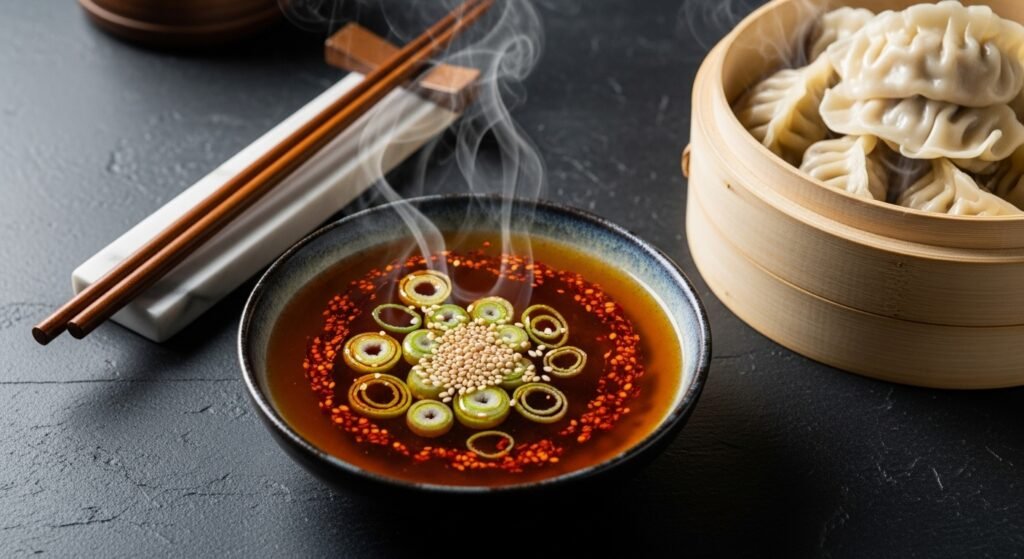
Finding a killer Chinese dipping sauce recipe can totally change your home cooking game. This sauce is a big deal in Chinese food culture because it brings out the best in every bite. It hits all the right spots like salty, sour, and sweet. Making it yourself is way better than buying those bottled versions from the store.
Introduction to Chinese Dipping Sauce
A good Chinese dipping sauce recipe is more than just a side dish. It is the soul of appetizers like dumplings and sushi. In China, these sauces are tailored to fit the specific meal you are eating. You get that perfect mix of umami and zip that makes your taste buds dance.
When you whip this up at home, you control the freshness and the quality. Most store-bought stuff is loaded with preservatives and too much sugar. Your kitchen will smell amazing once you start mixing these ingredients. It is super easy and takes almost no time at all.
Learning this recipe gives you a serious edge in the kitchen. You can impress your friends at the next potluck or dinner party. It is a versatile tool that every home cook should have in their back pocket. Let’s dive into what makes this sauce so legendary.
The Science of the Perfect Base Sauce
The foundation of a great Chinese dipping sauce recipe is all about the ratios. Most pros stick to a simple 1:1 or 2:1 ratio for the liquids. This balance ensures that no single flavor overpowers the others. You want enough salt from the soy and enough zing from the vinegar.
Adjusting the acidity is the key to matching the sauce with your main dish. Fried foods usually need more vinegar to cut through the grease. Steamed dishes might lean more toward the savory side of things. Fermentation also plays a huge role in how the flavors develop over time.
Choosing the Right Soy Sauce

- Regular or Light Soy Sauce is the most common choice for a standard base. It provides a sharp saltiness and that classic umami flavor.
- Dark Soy Sauce is much thicker and adds a deep caramel color to the mix. It is less salty but very rich in flavor.
- Mushroom Soy Sauce introduces a wonderful earthy note that goes great with veggies. It adds a layer of complexity you won’t get elsewhere.
- Black Bean Soy Sauce is pungent and fermented for those who like a bold taste. It is perfect for hearty meat dishes.
- Top Recommended Brands include names like Yamaroku, Kikkoman, or Lee Kum Kee for high quality. Using a cheap brand can ruin the whole vibe of your sauce.
Selecting the Vinegar Component
- Rice Vinegar is the classic choice for a clean and sharp acidic hit. It is light enough not to mask the other ingredients.
- Black Vinegar (Chinkiang) is famous for its smoky and malty profile. It has a complex tartness that is traditional for soup dumplings.
- Rice Wine Vinegar is a bit milder and sweeter than regular rice vinegar. It is a great option if you want a softer flavor.
Essential Ingredients and Precise Quantities
To get that authentic taste, you need to measure your ingredients carefully. This Chinese dipping sauce recipe is designed for a perfect single-serving batch. You can easily double or triple it if you are feeding a crowd. Here is what you will need on your counter.
Primary Base

- 2 Tbl Soy Sauce can be regular, light, or a mix of dark and mushroom. This provides the main liquid volume and salt.
- 2 Tbl Rice Vinegar or black vinegar, depending on your taste for tang. This matches the soy sauce for that 1:1 balance.
Oils and Fats
- 1/2 tsp Sesame Oil gives the sauce a beautiful nutty aroma. A little goes a long way with this potent oil.
- 1/2 tsp Peanut Oil is a good neutral choice if you want more body. It helps carry the flavors across your palate.
- 1/4 tsp Chili Oil is where the magic happens for spice lovers. You can add more if you want a real kick.
Sweeteners and Balancing Agents
- 1/2 tsp Mirin adds a touch of sweetness and a hint of rice wine flavor. It rounds out the sharp edges of the vinegar.
- 1/2 tsp of white or Brown Sugar is a simple way to fix a sauce that is too salty. It creates a smooth finish that everyone loves.
Fresh Aromatics and Herbs
- 1 Stalk Green Onion should be finely chopped for the best texture. It adds a fresh, peppery bite to every dip.
- 1 Clove of garlic must be minced very finely to release its oils. Garlic is the backbone of most great Chinese sauces.
- 1/4 tsp Ginger can be freshly grated or minced into tiny bits. It adds a warm zing that balances the heavier soy.
Adding Heat and Spice Profiles
If you like things spicy, this Chinese dipping sauce recipe is a great canvas. You can customize the type of heat to match your mood. Some people like it sharp and fast, while others like it slow and smoky. There are so many ways to turn up the temperature.
Heat Varieties

- Wasabi provides a sharp, sinus-clearing heat that works well with seafood. It is a popular addition for fusion-style dipping.
- Chinese Chili Sauce is usually oil-based and contains bits of fermented beans. It adds a gritty and savory spice profile.
- Sriracha is a fan favorite because it adds both heat and a garlicky sweetness. It thickens the sauce slightly for better clinging.
- Korean Red Chili Flakes (Gochugaru) are perfect for a smoky and vibrant red look. They offer a mild heat that won’t blow your head off.
- Fresh Chilies like Red Thai or Bird’s Eye chilies give a raw, intense fire. Use these only if you are a true spice warrior.
- Hot Horseradish is a unique way to get a pungent kick. It mimics the wasabi vibe but with a different earthy flavor.
Flavor Enhancers and Custom Add-Ins
Once you have the basics down, you can start playing with extra flavors. Small additions can make your Chinese dipping sauce recipe stand out. This is how you create a signature sauce that people talk about. It is all about the little details in the mix.
Enhancer Options
- Garlic Variations can include using fresh cloves or even garlic powder for a smoother mix. Dehydrated garlic flakes add a nice crunch to the dip.
- Ginger Notes are best from fresh roots, but ginger powder works in a pinch. Each version gives a slightly different level of warmth.
- The Onion Family includes shallots or even chives for a more delicate onion taste. Dehydrated onion flakes are another way to add texture.
- White Pepper is a secret weapon in traditional Chinese cooking. It adds a floral, lingering heat that black pepper just can’t match.
Step-by-Step Preparation Guide
Making this Chinese dipping sauce recipe is as easy as it gets. You don’t need any fancy tools or a stove. Just follow these simple steps to get the best results every time. It is all about how you combine the ingredients.
The Process
- Mixing Technique is important; always whisk the liquids first to combine them well. This ensures the sugar or mirin dissolves completely.
- Infusion Time is a total game-changer for flavor. Let the sauce sit for at least 10 minutes so the garlic and ginger can meld.
- Equipment Needed is just a small mixing bowl and a spoon or whisk. You can even mix it directly in the serving dish to save on cleaning.
- Storage Tips include keeping the sauce in a sealed jar in the fridge. It usually stays fresh for a few days, though the aromatics might get stronger.
Versatile Culinary Applications
This Chinese dipping sauce recipe is a total workhorse in the kitchen. You can use it for way more than just one dish. It works with everything from snacks to full dinners. Here are some of the best ways to use your new favorite sauce.
Traditional Dumpling Pairings

- Chinese Pork Dumplings are the most classic partner for this sauce. The vinegar cuts right through the savory pork filling.
- Gyoza are pan-fried Japanese dumplings that love this dip. The sauce complements the crispy, golden bottoms perfectly.
- Wontons can be dipped or even drizzled with this sauce after boiling. It adds a punch of flavor to the delicate wrappers.
Noodle and Soup Integration
- Wok Hoisin Noodles can be made using this sauce as a starting point. Just add 3 tablespoons of hoisin sauce for a thick, sweet coating.
- Wonton Soup Base benefits from a small splash of this sauce in the bowl. It deepens the flavor of the broth instantly.
- Chow Mein can be seasoned with a modified version of this recipe. Just leave out most of the vinegar so it isn’t too tart.
Modern Fusion and Meat Dishes
- Sushi Companion is a great way to use this if you want more than plain soy sauce. It adds a zing that makes the fish pop.
- Karaage (Japanese Fried Chicken) is amazing when dipped in this savory mix. It balances the heavy fried texture with acidity.
- Meat Glazes can be created by mixing this sauce with a little cornstarch. Brush it on chicken or pork while it grills for a shiny finish.
- Grilled Meats and Seafood get a huge boost from the umami-rich base. It is a perfect light marinade for shrimp or salmon.
- Appetizers like spring rolls or fried wings are better with a good dip. This sauce is a crowd-pleaser at every party.
- Vegetable Sides, like sautéed bok choy, can be dressed with this sauce. It turns a simple veggie into a high-end side dish.
Tips for Customizing Your Signature Sauce
You should totally make this Chinese dipping sauce recipe your own. Everyone has different tastes, so don’t be afraid to tweak it. You can adjust the levels of salt, heat, or sweetness easily. Here is how to nail your personal preference.
Customization Ideas

- For Sweet Tooths, try adding a bit more mirin or even a teaspoon of honey. This makes the sauce stickier and more kid-friendly.
- For Heat Seekers, go heavy on the chili oil and add fresh sliced chilies. You can even add a dash of cayenne if you are feeling bold.
- For Umami Lovers, use mushroom soy sauce and double the minced garlic. This creates a very deep, savory experience.
- Texture Adjustments are fun; use dehydrated onions for a bit of crunch. Fresh herbs like cilantro can also add a nice leafy texture.
Troubleshooting Common Flavor Imbalances
Sometimes things don’t go exactly as planned with your Chinese dipping sauce recipe. Maybe you slipped and poured too much of something. Don’t worry because most mistakes are easy to fix. Here is how to save a sauce that tastes a bit off.
Quick Fixes
- Too Salty? Add a small splash of water or a bit more sugar and vinegar. This helps dilute the sodium without losing the flavor profile.
- Too Sour? Balance the extra vinegar with more soy sauce or a pinch of sugar. The sweetness will counteract the tartness of the vinegar.
- Too Bland? Increase the fresh aromatics like ginger and garlic, or add more sesame oil. Sometimes a tiny pinch of salt or more chili oil does the trick.
Conclusion: The Art of the Dip
Mastering a good Chinese dipping sauce recipe is a true kitchen win. It is flexible, fast, and always hits the spot. You can use the basic 1:1 ratio as your starting point forever. From there, the sky is the limit for your creativity.
Remember that the quality of your ingredients makes a huge difference. Always go for the good soy sauce and fresh ginger when you can. Your family and friends will definitely notice the extra effort. It is the best way to make your belly smile after a long day.
Keep experimenting with different spice levels and add-ins. Every time you make it, you might find a new favorite twist. Cooking should be fun and delicious, and this sauce proves it. Enjoy your meal and happy dipping.
| Ingredient | Standard Quantity | Purpose |
| Soy Sauce | 2 Tbl | Salty Base & Umami |
| Rice Vinegar | 2 Tbl | Tartness & Acidity |
| Sesame Oil | 1/2 tsp | Aroma & Nutty Flavor |
| Sugar/Mirin | 1/2 tsp | Balancing the flavors |
| Chili Oil | 1/4 tsp | Heat & Color |
| Fresh Garlic | 1 Clove | Bold Pungent Taste |
FAQs About Your Chinese Dipping Sauce Recipe
Can I use honey instead of white sugar in my Chinese dipping sauce recipe?
Yes, you can totally use honey if you want a thicker texture. It adds a floral sweetness that white sugar lacks. Just make sure to whisk it well so it fully blends into the soy sauce.
Is it okay to substitute lemon juice for rice vinegar?
If you are in a pinch, lemon juice provides the necessary acidity. The flavor will be more citrusy and less traditional than rice vinegar. It works great for seafood-based dumplings or shrimp appetizers.
How do I make my Chinese dipping sauce recipe less salty?
The easiest way is to add a tablespoon of water or unsalted broth. You can also increase the amount of vinegar and sugar to balance the sodium. This trick saves the sauce without losing the overall flavor profile.
Can I add toasted sesame seeds for texture?
Adding a teaspoon of toasted sesame seeds is a pro move. It adds a nice little crunch and looks great for presentation. They also reinforce the nutty aroma of the sesame oil.
What is the best way to mince garlic for this recipe?
Using a microplane or a garlic press gives you the finest texture. This allows the garlic oils to mix better with the liquid base. You won’t get huge chunks of raw garlic in your mouth that way.
Is there a low-sodium version of this Chinese dipping sauce recipe?
You can use coconut aminos or low-sodium soy sauce as your base. This cuts the salt significantly while keeping the umami flavor strong. It is a healthy choice for anyone watching their salt intake.
Can I use olive oil if I run out of sesame oil?
Olive oil has a very strong flavor that might clash with the Asian profile. If you must, use a very light or neutral-tasting oil like canola. It won’t have the same nutty smell, but it works for texture.
Should I serve the sauce warm or cold?
Most people prefer this sauce at room temperature or slightly chilled. If you are serving it with hot soup dumplings, room temp is best. It provides a nice contrast to the steaming hot food.
Can I add fish sauce to the mix?
A small dash of fish sauce adds an extra punch of salt and funky umami. Be careful not to use too much, or it will smell very strong. It is a secret ingredient in many Southeast Asian variations.
How can I make the sauce thicker for dipping?
You can whisk in a tiny bit of cornstarch slurry and heat it briefly. Or, you can just add more hoisin sauce or peanut butter for a creamy dip. This helps the sauce cling better to large items like spring rolls.
Is it possible to freeze leftovers of this sauce?
Freezing is not recommended because the fresh aromatics, like garlic and onion, will lose their texture. Since it only takes five minutes to make, it is better to whip up a fresh batch.
What kind of chili oil is best for an authentic taste?
Look for chili crisp or oil that has fried shallots and garlic bits in it. This adds a savory crunch that plain chili oil just can’t match. It makes your Chinese dipping sauce recipe look very professional.
Can I use balsamic vinegar as a substitute for black vinegar?
Balsamic is much sweeter and thicker than Chinese black vinegar. If you use it, cut back on the sugar in the recipe. It creates a fusion taste that is actually quite delicious with beef.
Is cilantro a good herb to add to this sauce?
Freshly chopped cilantro adds a bright, citrusy note that many people love. It works especially well if your dumplings have a lot of ginger or scallions. Just stir it in right before you serve.
How do I store fresh ginger for future batches?
You can peel and freeze your ginger root in a plastic bag. When you need it, just grate it while it is still frozen. It is much easier to grate, and it stays fresh for months.
Can I use this sauce as a stir-fry starter?
Yes, this mix is basically a concentrated stir-fry seasoning. Just pour it into the pan with your veggies and meat at the very end. Add a little extra water or broth to create a proper sauce.
What should I do if the sauce is too spicy?
Add more soy sauce and vinegar to dilute the heat of the chili. You can also add more sugar or mirin to coat the tongue and dull the spice. A little extra sesame oil can also help smooth things over.
Is it safe to leave the sauce out during a long party?
Because of the high salt and vinegar content, it is safe for several hours at room temperature. Just keep it covered so the garlic aroma doesn’t take over the room.
Can I use maple syrup as a sweetener?
Maple syrup adds a unique woody sweetness that is quite nice. It is a bit thinner than honey but thicker than plain sugar. It is a fun way to experiment with the flavor.
Why does my garlic turn blue or green in the sauce?
This is a natural reaction between the sulfur in the garlic and the acid in the vinegar. It is totally safe to eat and doesn’t change the flavor at all. Using very fresh garlic can sometimes prevent this.