 Skip to content
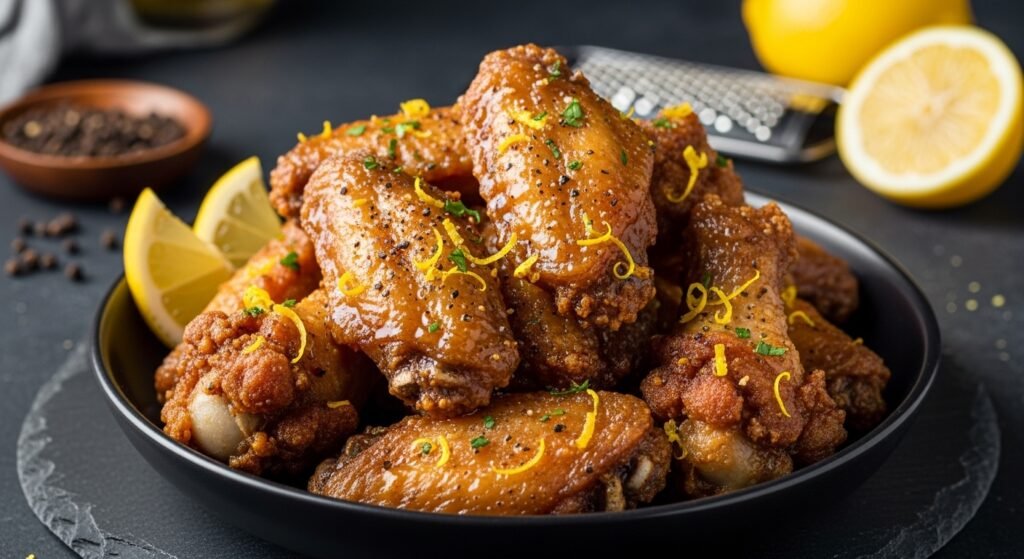
The world of chicken wings is vast and competitive. Everyone has a favorite flavor that they swear by. Some love the heat of buffalo sauce. Others prefer the sweet taste of barbecue. But lemon pepper wing sauce holds a special place in the hearts of wing lovers. It offers a unique mix of bright citrus and sharp black pepper. This flavor profile has become a staple in wing culture across the country. It is more than just a seasoning; it is a culinary experience.
The evolution of this flavor is quite interesting to track. It started as a simple dry rub in many southern kitchens. Chefs would toss fried wings in a lemon pepper seasoning powder. Over time, people wanted something richer and more decadent. They began mixing these spices into a buttery liquid base. This transformation created the gourmet wet sauce we know and love today.
The true magic of this sauce lies in the balance of flavors. You need the right amount of fat to carry the spices. The acidity of the lemon cuts through the richness of the chicken. Salt enhances every other ingredient on the palate. Finally, the heat from the pepper adds a kick that lingers. When these four elements meet, you get the perfect wing.
Essential Ingredients

Making the best lemon pepper wing sauce requires high-quality ingredients. You cannot just grab the cheapest items on the shelf. The quality of your butter and lemons determines the final result. Using fresh produce makes a world of difference in the taste. Precision in your measurements ensures that no single flavor overpowers the others. Here is what you need to gather for your kitchen.
The Butter Base
The foundation of any great wet wing sauce is butter. It provides a smooth and velvety texture that coats the wings perfectly. You should use 1/2 stick, which is about 4 tablespoons, of unsalted butter. Unsalted butter is preferred because it allows you to control the sodium level. High-quality European-style butter often has a higher fat content for more richness.
Fresh Citrus Components
Acidity is the star of the show in this recipe. You need both the juice and the skin of the lemon. This dual approach provides layers of citrus flavor that you cannot get from a bottle.
- 2 tablespoons Lemon Juice: This usually comes from one small fresh lemon.
- 1 tablespoon Lemon Zest: You should grate this from the same lemon before you juice it.
- Aromatic Oils: The zest contains essential oils that provide a bright scent.
- Tartness: The juice provides the sharp tang that balances the heavy butter.
The Pepper Profile
Black pepper provides the “pepper” half of the name and all the heat. It is vital to use the right kind of pepper for this sauce.
- 1 tablespoon Black Pepper: You want a fine or medium grind for the best coverage.
- Freshly Cracked: If you can, grind your pepper fresh for a stronger “bite”.
- Potency: Pre-ground pepper often loses its spicy kick over time on the shelf.
Sweetness and Umami Boosters
To make a complex sauce, you need more than just lemon and pepper. These ingredients add depth and prevent the sauce from being one-dimensional.
- 1 tablespoon Honey: This adds a touch of sweetness to mellow the tart lemon.
- 1/2 tablespoon Worcestershire Sauce: This provides a fermented, savory umami note.
- Balance: These ingredients create a savory “bar and grill” depth of flavor.
Aromatics and Seasoning
The final touches bring the whole sauce together. These are small additions that have a massive impact on the final taste.
- 1 clove Garlic: You must mince this very finely so it distributes evenly.
- Heavy Pinch of Kosher Salt: Salt is necessary to brighten the citrus and pepper.
- Freshness: Fresh garlic infuses the butter with a pungent and delicious aroma.
Step-by-Step Sauce Preparation

Preparing the lemon pepper wing sauce is a quick process. However, you must pay attention to the details to get it right. If you rush, the sauce might break or separate. Follow these steps to ensure a smooth and delicious coating for your wings.
Melting and Mixing
Start by melting your butter in a small saucepan or microwave-safe bowl. Use low heat to prevent the butter from browning or burning. Once the butter is a warm liquid, you can start adding the other ingredients.
- Whisking the Base: Add the honey, Worcestershire sauce, and minced garlic while the butter is still warm.
- Emulsifying: Whisk vigorously to ensure the honey and butter are fully integrated.
- Final Additions: Add the lemon zest, lemon juice, salt, and black pepper last.
- Freshness Preservation: Adding the citrus at the end keeps the flavor bright and fresh.
Scaling the Recipe
Sometimes you are cooking for a crowd and need more sauce. You can easily double or triple these measurements. Just maintain the same ratios to keep the flavor balance.
- 1 lb of Wings: The standard recipe listed above is perfect for about a pound of wings.
- 5 lbs of Wings: Multiply every ingredient by five for a large party batch.
- Storage Tips: You can store leftover sauce in a sealed container in the fridge.
- Reheating: Warm it gently over low heat to avoid breaking the butter emulsion.
The Secret to the Perfect Wing: Preparation Methods

The sauce is only half the battle when making great wings. If the chicken is soggy, even the best sauce won’t save it. You need a crispy exterior to hold the lemon pepper wing sauce properly. Achieving that crunch requires some preparation before you even start cooking.
The Dry Brine Technique
Dry brining is a game-changer for homemade wings. It involves coating the raw wings in salt and letting them rest.
- Moisture Removal: Salt draws moisture out of the skin so it can get crispier.
- Refrigeration Time: Let the salted wings sit in the fridge for 1 to 6 hours.
- Wire Racks: Place the wings on a wire rack over a baking sheet.
- Airflow: This setup allows air to circulate around the entire wing for even drying.
Preparing the Surface
Once the brining is done, you must prepare the wings for the heat. Moisture is the biggest enemy of a crispy wing.
- Drying the Skin: Use paper towels to pat the wings completely dry before cooking.
- Flour vs. No Flour: You can lightly dust them in flour for extra crunch or leave them naked.
- Naked Wings: Many purists prefer naked wings to let the lemon pepper sauce shine.
Cooking Techniques for Lemon Pepper Success

There are many ways to cook a chicken wing. Each method offers a different texture and flavor. For lemon pepper wing sauce, you want a method that creates a sturdy crust. Here are the most popular ways to cook your wings to perfection.
Deep Frying
Deep frying is the classic way to make wings. It produces the crunchiest skin and the juiciest meat.
- Gold Standard: This method provides the best surface for the sauce to stick to.
- Oil Temperature: Keep your oil between 350 and 375 degrees Fahrenheit.
- Small Batches: Fry in small groups so the oil temperature does not drop too low.
Charcoal Grilling
If you want a smoky flavor, charcoal is the way to go. It adds a layer of complexity that frying lacks.
- Vortex Method: Use a charcoal vortex to create intense indirect heat.
- Smoky Profile: The smoke complements the black pepper and citrus beautifully.
- High Heat: Ensure the grill is very hot to render the fat from the skin.
Alternative Methods
Not everyone wants to deal with hot oil or charcoal. Modern appliances make it easy to get great results with less mess.
- Gas Grilling: This is easier to control than charcoal but still provides good char.
- Air Frying: A great healthy option that uses very little oil at 400 degrees.
- Oven Baking: You can roast wings at high heat on a wire rack for a fried-like finish.
The Art of Coating the Wings

How you apply the lemon pepper wing sauce is just as important as how you make it. You want an even coat without making the wings soggy. This requires the right equipment and the right timing.
- The Mixing Bowl Technique: Always use a large metal or glass mixing bowl.
- Even Distribution: A large bowl allows you to toss the wings so the sauce hits every spot.
- Hot-on-Hot Rule: Toss the wings in the sauce immediately after they come out of the heat.
- Absorption: Hot wings absorb the flavors of the sauce much better than cold ones.
- Tossing vs. Painting: Tossing is faster and ensures a more consistent coat than using a brush.
Tips for a Professional Finish
Small details can take your wings from “good” to “restaurant quality.” Professionals know that freshness and timing are everything. If you want to impress your guests, keep these tips in mind.
- Freshness Matters: Never use bottled lemon juice as it tastes artificial and flat.
- Zest Power: The zest provides a fragrance that juice alone cannot replicate.
- Spicy Variation: Add a pinch of red pepper flakes if you want more heat.
- Sweeter Variation: Increase the honey to 2 tablespoons for a thicker, sweeter glaze.
- Preventing Soggy Wings: Serve the wings immediately after tossing to keep them crunchy.
Serving and Pairing Suggestions

Lemon pepper wings are delicious on their own, but they are even better with the right sides. The goal is to provide a cool contrast to the spicy pepper and buttery sauce.
- Classic Accompaniments: Traditional sides include celery sticks and carrot sticks.
- Dipping Sauces: Both Ranch and Blue Cheese dressing work well to cool the palate.
- Side Dishes: Pair your wings with French fries, creamy coleslaw, or a fresh salad.
- Drink Pairings: Cold beer or a sparkling lemonade are great choices to wash them down.
Troubleshooting Common Issues
Sometimes things go wrong in the kitchen. Do not worry; most sauce problems are easy to fix. Understanding why a sauce fails helps you prevent it next time.
- Sauce Separation: If the butter separates, whisk it vigorously while adding a teaspoon of warm water.
- Too Much Zing: If it is too sour, add a little more melted butter or a tiny bit of honey.
- Overpowering Pepper: If it is too spicy, add more butter to dilute the pepper concentration.
- Weak Flavor: Add an extra pinch of salt to make the lemon and pepper pop.
Why This Recipe Stands Out
This lemon pepper wing sauce recipe is a favorite for a reason. It is a massive upgrade over the dusty dry rubs found in most stores. By using a butter base, you get a rich and satisfying mouthfeel.
- Depth of Flavor: The garlic and Worcestershire sauce provide a savory backbone.
- Restaurant Quality: This recipe mimics the “wet” style found in the best wing joints.
- Easy to Make: You can have professional-grade sauce ready in less than five minutes.
- Home Success: It allows anyone to create a gourmet experience right in their own kitchen.
| Ingredient | Quantity | Purpose |
| Butter | 1/2 stick | Rich base and carrier for flavors |
| Lemon Juice | 2 tbsp | Bright acidity |
| Lemon Zest | 1 tbsp | Fragrant citrus oils |
| Black Pepper | 1 tbsp | Sharp heat and signature spice |
| Honey | 1 tbsp | Sweetness to balance acid |
| Worcestershire | 1/2 tbsp | Deep savory umami |
| Garlic | 1 clove | Pungent aroma |
| Kosher Salt | Heavy pinch | Enhances all flavors |
Creating the perfect lemon pepper wing sauce is an art. With these ingredients and methods, you are well on your way to becoming a wing master. Enjoy the process and the delicious results!
FAQs About Lemon Pepper Wing Sauce
Can I use margarine instead of butter for the sauce?
You can use margarine, but the flavor will change. Butter provides a creamy, rich taste that margarine cannot match. Margarine also has a higher water content. This might make your sauce a bit thinner. For the best lemon pepper wing sauce, stick with real butter.
How do I make this sauce vegan friendly?
You can easily swap the butter for a high-quality plant-based butter. Use maple syrup or agave nectar instead of honey. Make sure your Worcestershire sauce is a vegan version. Most standard brands contain anchovies, so check the label carefully. These swaps keep the citrus flavor bright and delicious.
Is it possible to freeze leftover lemon pepper wing sauce?
Yes, you can freeze this sauce for up to three months. Place it in an airtight container or a heavy-duty freezer bag. When you are ready to use it, thaw it in the fridge. Warm it slowly on the stove while whisking to bring the emulsion back together.
What is the best way to zest a lemon without a microplane?
If you do not have a microplane, use the smallest holes on a box grater. You can also use a vegetable peeler to remove thin strips of skin. Chop those strips very finely with a sharp knife. Be careful not to include the white pith, as it tastes bitter.
Can I apply this sauce to boneless wings or chicken tenders?
This lemon pepper wing sauce works perfectly on boneless options. The breading on tenders actually absorbs the butter sauce very well. Toss them in a bowl just like you would with traditional bone-in wings. It also makes a great dipping sauce on the side.
How can I make a low-carb or keto version of this recipe?
This recipe is already very low in carbs. To make it strictly keto, simply remove the honey. You can use a sugar-free liquid sweetener if you still want that hint of sweetness. The butter and lemon are perfectly fine for a keto lifestyle.
Why does my sauce taste too salty?
The saltiness usually comes from using salted butter or adding too much kosher salt. If the sauce is too salty, add a little more melted unsalted butter. You can also increase the honey slightly to balance the salt. Always taste your sauce before adding that final pinch of salt.
Can I use dried lemon peel instead of fresh zest?
Dried lemon peel is much more concentrated and lacks the fresh oils. If you must use it, use only one-third of the amount called for. Fresh zest is always better for a vibrant lemon pepper wing sauce. Dried peel can sometimes feel gritty in a smooth butter sauce.
What should I do if my sauce is too thick?
If the sauce sits for too long, the butter will start to firm up. Simply place it back over very low heat for a few seconds. Whisk in a teaspoon of warm water or lemon juice to thin it out. Do not let it boil, or the honey might scorch.
Is this sauce safe for people with gluten sensitivities?
Most of the ingredients are naturally gluten-free. However, some brands of Worcestershire sauce contain barley malt vinegar. Check the label of your specific brand to ensure it is certified gluten-free. If it is, then your lemon pepper wing sauce is safe to enjoy.
Can I prepare the sauce a day in advance?
Preparation in advance is a great way to save time. Store the finished sauce in the refrigerator overnight. When you are ready to serve, heat it gently until it returns to a liquid state. Give it a good whisk to make sure the pepper hasn’t settled at the bottom.
Does the type of black pepper matter for the heat level?
The coarseness of the pepper changes how the heat hits your tongue. Fine pepper distributes the heat evenly throughout every bite. Coarse pepper provides big bursts of spicy flavor when you crunch on a peppercorn. Most people prefer a medium grind for a balanced experience.
Can I add buffalo sauce to this for a lemon pepper mix?
Mixing buffalo and lemon pepper is a popular trend called “Lemon Pepper Wet.” Simply mix equal parts of this sauce with your favorite buffalo sauce. It gives you the vinegary heat of buffalo with the citrus kick of lemon. It is a favorite in many famous wing spots.
What is the best oil for frying wings before saucing?
Use an oil with a high smoke point and neutral flavor. Canola oil, vegetable oil, or peanut oil are the best choices. These oils allow the flavor of the lemon pepper wing sauce to stand out. Avoid olive oil, as it can burn at high frying temperatures.
How do I prevent the garlic from burning in the sauce?
Never add the garlic to a screaming hot pan of butter. Melt the butter on low heat and add the garlic while the temperature is mild. You want to infuse the flavor, not brown the garlic bits. Burnt garlic will make your sauce taste bitter.
Can I use lime instead of lemon for a different twist?
Lime pepper wings are a delicious variation of the classic. Use the same measurements for lime juice and lime zest. The flavor will be slightly more tropical and sharp. It pairs exceptionally well with a little extra honey or even some cilantro.
Why do my wings lose their crunch after I add the sauce?
Wings lose their crunch if they sit in the sauce for too long. The moisture in the butter and juice eventually softens the skin. To prevent this, toss the wings right before you eat them. Never let sauced wings sit under a heat lamp or in a closed container.
Can I use this sauce as a marinade for grilled chicken?
This sauce makes an excellent marinade for chicken breasts or thighs. The acid in the lemon helps tenderize the meat while the butter keeps it moist. Let the chicken soak in the mixture for at least 30 minutes before grilling. Save some fresh sauce to brush on at the very end.
Is it better to use a whisk or a spoon to mix the sauce?
A whisk is much better for creating a smooth emulsion. It helps incorporate the honey and lemon juice into the fats of the butter. A spoon might leave streaks of honey at the bottom of the bowl. A small whisk ensures every wing gets the same amount of flavor.
How many wings will this specific recipe cover?
The measurements provided will perfectly coat about 10 to 12 standard-sized wings. If you are serving a large party, you will need to scale the recipe up. Always make a little more sauce than you think you need. People love having extra sauce at the bottom of the bowl for dipping.