 Skip to content
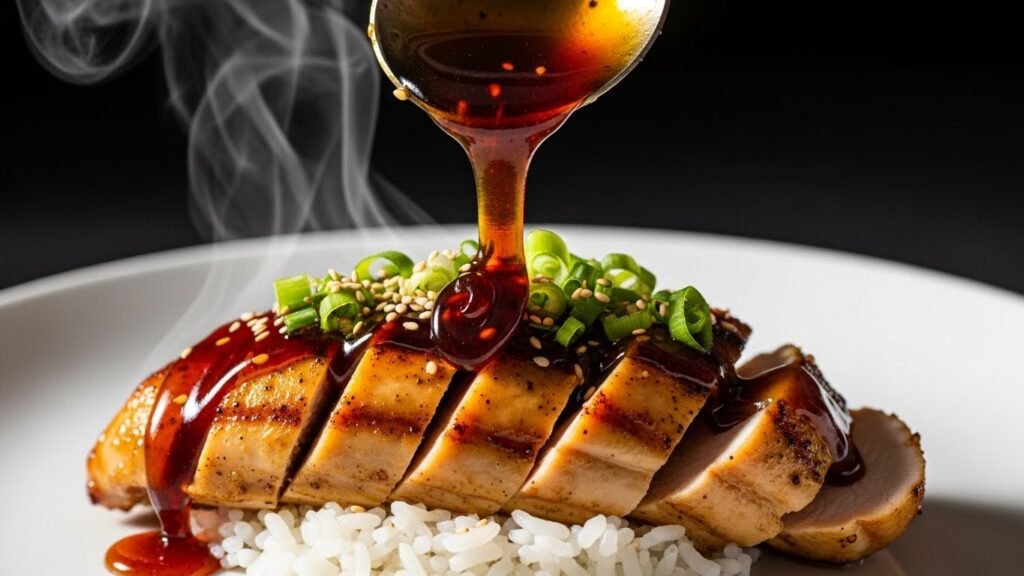
The world of home cooking changed forever when meal kits arrived at our doorsteps. One specific sauce captured everyone’s heart and taste buds. That sauce is the legendary hello fresh sweet soy glaze. It has a perfect balance of salty and sweet notes. This glaze makes every dish taste like it came from a five-star restaurant. You do not need to be a pro chef to master it. This guide will show you how to recreate that magic in your own kitchen.
Introduction to Sweet Soy Glaze

A sweet soy glaze is a thick and savory condiment used in Asian fusion cooking. It is much thicker than standard soy sauce. The texture is syrupy and clings to food beautifully. It adds a deep mahogany color to any meat or vegetable. This sauce is the backbone of many popular meal kit recipes.
The hello fresh sweet soy glaze became a hit because it is so easy to love. It satisfies that craving for something savory but with a sugary kick. Most people first try it on a pork bowl or glazed salmon. Once you taste it, you will want it on everything you eat. It is truly a game-changer for boring weeknight dinners.
The secret to this glaze is the “Umami” flavor profile. Umami is known as the fifth taste. It is that savory goodness that makes your mouth water. This glaze combines soy sauce for salt with sugar for sweetness. Aromatics like ginger and garlic add a spicy warmth to the mix.
- Salty base: The soy sauce provides the foundation.
- Sweet notes: Brown sugar or honey creates the sticky texture.
- Tangy finish: A splash of vinegar cuts through the richness.
- Aromatic punch: Fresh garlic and ginger bring the sauce to life.
Core Ingredients and Their Roles

To make a great hello fresh sweet soy glaze, you need the right tools. Each ingredient has a very specific job to do. If you swap one out, the whole flavor changes. Understanding these roles helps you become a better cook. Let’s look at what goes into this liquid gold.
The Liquid Base
The most important part of the sauce is the soy sauce. This provides the salt and the dark color. You can use regular soy sauce for a bold punch. Many people prefer low-sodium soy sauce to keep things healthy. It allows you to add more flavor without too much salt.
If you cannot eat gluten, you have other great options. Tamari is a popular choice that tastes very similar to soy sauce. You could also try liquid aminos for a lighter flavor. These bases ensure that everyone can enjoy the hello fresh sweet soy glaze. Always choose a high-quality brand for the best results.
The Sweeteners
The sweetness is what makes this glaze so addictive. Brown sugar is the most common sweetener used in these recipes. It contains molasses which helps the sauce caramelize. This creates those beautiful charred bits on grilled meat. It also gives the sauce a very deep and rich color.
You can also use liquid sweeteners like honey or maple syrup. Honey adds a lovely floral note and a bright shine. Maple syrup provides a unique woody sweetness that works well with pork. Some chefs use a mix of both sugar and syrup. This creates a more complex flavor profile for your hello fresh sweet soy glaze.
The Aromatics
Aromatics are the ingredients that provide the scent and depth. Fresh ginger is a total must-have for this recipe. It adds a spicy heat that balances the sugar. You can grate it finely so it melts into the sauce. Ground ginger works in a pinch but fresh is always better.
Garlic is the second half of the flavor duo. It adds a pungent and savory kick to the glaze. You should mince it very small or use a garlic press. This ensures you do not get big chunks of garlic in your mouth. If you want a smoother sauce, you can use garlic powder instead.
Acidity and Balance
A good sauce needs a little bit of acid to wake up the palate. Rice vinegar is the traditional choice for Asian glazes. It is mild and slightly sweet on its own. It cuts through the heavy sugar and salt perfectly. This keeps the sauce from feeling too “heavy” or cloying.
If you do not have rice vinegar, do not worry. You can use apple cider vinegar for a fruitier tang. White wine vinegar also works if you want a cleaner finish. Just avoid using strong balsamic vinegar as it will ruin the color. A tiny splash of lime juice can also add a fresh zing.
- Soy Sauce: Adds the essential salt and dark color.
- Brown Sugar: Provides the sticky texture and caramelization.
- Fresh Ginger: Offers a sharp and spicy aromatic heat.
- Rice Vinegar: Balances the sweetness with a gentle tang.
The HelloFresh Copycat Recipe: Step-by-Step
Making this hello fresh sweet soy glaze at home is fast. You can finish it in less than fifteen minutes. It is much cheaper than buying pre-made bottled sauces. Plus, you know exactly what is going into your food. Follow these simple steps for a perfect result every time.
Preparation and Mise en Place
First, gather all your kitchen gear and ingredients. You will need a small saucepan and a whisk. A measuring cup and spoons are also very helpful. Get your ginger and garlic prepped before you turn on the stove. This keeps you from burning the sauce while you chop.
The Cooking Process

Start by whisking all the cold ingredients together in the pan. This includes the soy sauce, sugar, vinegar, and aromatics. Whisking them cold helps the sugar dissolve evenly. Turn the heat to medium and wait for small bubbles to appear. Do not leave the stove during this part.
Once it reaches a gentle boil, turn the heat down low. Let the sauce simmer for about five to ten minutes. You will see the sauce start to look shiny and thick. It should coat the back of a spoon easily. This is called the “nappe” stage in professional kitchens.
The Cooling Phase
The sauce will look a bit thin while it is hot. Do not be tempted to keep boiling it forever. The hello fresh sweet soy glaze thickens a lot as it cools. Take it off the heat once it looks like maple syrup. Let it sit at room temperature for at least ten minutes.
- Whisk cold: Mix everything before heating to prevent lumps.
- Low simmer: Avoid high heat so the sugar does not burn.
- Watch the bubbles: Small bubbles are good, big foam is too hot.
- Let it rest: The sauce needs time to set its final texture.
Troubleshooting Common Issues
Sometimes things go wrong in the kitchen even for experts. You might find your hello fresh sweet soy glaze is too thick. Or maybe it tastes way too salty for your liking. Most of these problems are very easy to fix. You do not have to throw the sauce away.
Texture and Consistency Problems

If your sauce is too thin, you can simmer it longer. Just be careful not to burn the sugars. Another trick is to use a cornstarch slurry. Mix a little cornstarch with cold water and stir it in. This will make the sauce thick and glossy in seconds.
If the sauce becomes a hard brick, it got too hot. You can try to save it by adding a little water. Whisk it over very low heat until it thins out. If it tastes burnt, however, you must start over. Burnt sugar has a bitter flavor that you cannot hide.
Flavor Balancing
If the glaze is too salty, add more sugar or honey. This will balance out the sodium levels. You can also add a tablespoon of water to dilute it. If it is too sweet, add another splash of rice vinegar. The acid will cut through the sugar immediately.
- Runny sauce: Simmer longer or use a cornstarch slurry.
- Hard sauce: Add a bit of water and reheat gently.
- Too salty: Balance with extra honey or a little water.
- Too sweet: Increase the amount of rice vinegar.
Serving Suggestions and Pairings

Now that you have the perfect hello fresh sweet soy glaze, use it. This sauce works with almost any savory dish you can imagine. It is especially good for meal prepping for the week. You can make a big batch and use it in different ways. Here are some of the best ways to eat it.
Protein Highlights
Chicken is the most popular partner for this glaze. You can brush it on grilled chicken thighs for a sticky finish. It also makes an incredible marinade for chicken wings. The sugar in the hello fresh sweet soy glaze creates a crispy skin. It is much better than plain buffalo sauce.
Salmon is another fantastic option for this savory sauce. The richness of the fish pairs well with the sweet soy. Brush the glaze on the salmon during the last few minutes of baking. This prevents the sugar from burning in the oven. It also works wonders on pork chops or shredded beef bowls.
Vegetable and Side Dish Pairings
Do not forget your greens when using this glaze. It can make even the pickiest eater love broccoli. Toss roasted vegetables in a little glaze before serving. It works great with carrots, green beans, and bell peppers. The hello fresh sweet soy glaze adds a beautiful shine to the plate.
- Chicken Thighs: Perfect for a sticky and savory dinner.
- Glazed Salmon: A classic meal kit favorite you can make at home.
- Roasted Broccoli: Turns a simple veggie into a treat.
- Steamed Rice: Drizzle over jasmine rice for extra flavor.
Nutritional Comparison: Homemade vs. Store-Bought Glaze

While the taste of homemade glaze is superior, understanding the nutritional differences can help you make better choices for your diet. Below is a comparison of a typical 1-tablespoon (15g) serving of homemade HelloFresh-style glaze versus a standard commercial brand like Kikkoman.
| Nutrient | Homemade (HelloFresh Style) | Store-Bought (Commercial Brand) |
| Calories | 45 – 55 kcal | 40 – 50 kcal |
| Total Fat | 0g | 0g |
| Sodium | 390mg – 450mg | 590mg – 710mg |
| Total Carbohydrates | 10g – 12g | 8g – 10g |
| Sugars | 9g – 11g | 8g – 9g |
| Protein | <1g | <1g |
| Preservatives | None | Potassium Sorbate, Sodium Benzoate |
| Additives | Fresh ginger & garlic | Caramel Color, Xanthan Gum, MSG |
Sodium Levels: Homemade versions typically contain 30-40% less sodium, especially if you use low-sodium soy sauce as the base.- Sugar Source: Homemade glazes use natural sugars like honey or brown sugar, whereas many store-bought brands rely on high fructose corn syrup.
- Freshness: The homemade version provides active health benefits from fresh ginger and garlic, which are often absent or highly processed in bottled versions.
- Chemical Additives: Commercial glazes frequently use thickeners like xanthan gum and artificial colors (Caramel E150) to mimic the natural reduction process of a homemade sauce.
Frequently Asked Questions About Hello Fresh Sweet Soy Glaze
Can I use this glaze as a cold dipping sauce?
Yes, you can use the hello fresh sweet soy glaze as a dip for appetizers like spring rolls or potstickers. Just make sure the sauce has cooled completely to room temperature so it reaches the right thickness.
Is it possible to make this recipe without any alcohol?
Most rice vinegars used in the glaze are alcohol-free, but you should always check the label. If a recipe calls for mirin, you can substitute it with extra sugar and water to keep it alcohol-free.
How do I prevent the garlic from burning and turning bitter?
To keep your garlic tasting sweet, add it to the liquid base before you turn on the heat. Simmering on a low setting ensures the garlic infuses the sauce without scorching.
Can I substitute brown sugar with stevia or monk fruit?
You can use sugar substitutes, but the hello fresh sweet soy glaze may not get as sticky. These sweeteners do not caramelize the same way real sugar does during the simmering process.
What is the best way to clean a pan with burnt soy glaze?
If you overcook the sauce, soak the pan in hot water and baking soda for an hour. This helps break down the hardened sugars without you having to scrub too hard.
Does this sauce work well in a slow cooker?
It is better to add the hello fresh sweet soy glaze during the last 30 minutes of slow cooking. If it cooks too long, the high sugar content might cause the sauce to break or burn against the ceramic pot.
Can I use dried ginger instead of fresh ginger?
You can use dried ginger, but use only about one-third of the amount called for in the fresh version. Dried spices are much more concentrated and can easily overpower the other flavors.
Is the hello fresh sweet soy glaze safe for people with peanut allergies?
The basic ingredients are typically peanut-free, but you must check the labels on your soy sauce bottle. Some brands are processed in facilities that handle nuts, which can cause cross-contamination.
How can I make the glaze look more professional on the plate?
To get that high-end restaurant look, use a squeeze bottle to drizzle the hello fresh sweet soy glaze in thin lines. This gives you more control than using a spoon.
Can I add fruit juices like pineapple or orange to the glaze?
Adding fruit juice is a great way to create a tropical version of the hello fresh sweet soy glaze. Replace half of the water or vinegar with the juice of your choice.
What should I do if the sauce tastes too much like vinegar?
If the acid is too strong, let the sauce simmer for a few extra minutes to let the vinegar mellow out. You can also add a tiny pinch of baking soda to neutralize some of the acidity.
Is it okay to use dark soy sauce instead of regular soy sauce?
Dark soy sauce is much thicker and less salty, so it will make the glaze very dark and earthy. It is best to use a mix of both regular and dark soy sauce for the best color and flavor.
Can I use this glaze on plant-based meat substitutes?
The hello fresh sweet soy glaze tastes amazing on seitan, tofu, or plant-based burgers. It helps give these proteins a “meaty” charred flavor when grilled.
Why did my sauce separate after I put it in the fridge?
Separation usually happens if the honey or sugar settles at the bottom. Simply give the jar a good shake or stir it while reheating to bring the ingredients back together.
Can I make a large batch of this for canning?
This sauce is not recommended for traditional water-bath canning due to the density and low acidity. It is much safer to keep it in the refrigerator or freezer.
How do I make the glaze stick better to wings?
Pat your chicken wings completely dry with a paper towel before cooking them. Toss them in the hello fresh sweet soy glaze immediately after they come out of the air fryer or oven.
What kind of salt should I add if it isn’t salty enough?
If you need more salt, add a teaspoon of miso paste instead of table salt. Miso adds more umami and helps thicken the hello fresh sweet soy glaze naturally.
Can I use sesame oil in the recipe?
Toasted sesame oil is a great addition, but you should only add it after you turn off the heat. Cooking sesame oil for too long can make it lose its nutty aroma.
Is this glaze similar to the sauce used in Mongolian Beef?
It is very similar, though Mongolian Beef often uses more brown sugar and a lot of green onions. You can easily adapt the hello fresh sweet soy glaze by adding those extra ingredients.
Can I use a microwave to thicken the sauce?
You can use a microwave in 30-second bursts, stirring in between each interval. However, be very careful as the sugar can boil over and create a big mess quickly.
Would you like me to create a printable recipe card featuring these measurements and tips?