 Skip to content
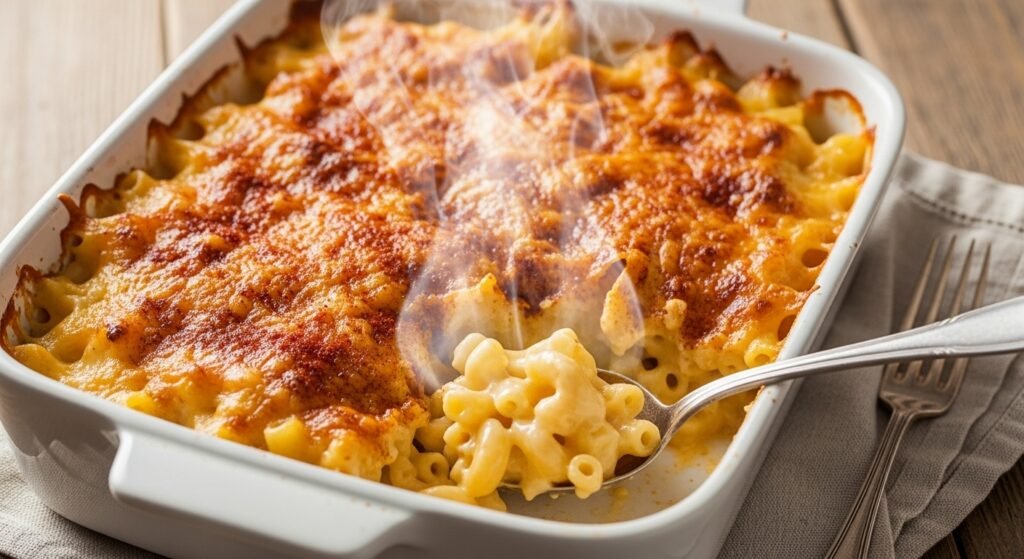
This guide reveals how to make the best old fashioned macaroni and cheese you ever tasted. You will learn every trick for a cheesy meal that feels like a warm hug. It is time to get cooking and make your kitchen smell amazing.
Introduction to the Classic Baked Macaroni and Cheese
Old fashioned macaroni and cheese is the king of comfort foods in America. It is the dish everyone wants at the family reunion or holiday dinner. This meal is not just about noodles and cheese mixed together. It represents a long history of home cooking and love.
The Heritage of the Dish
This recipe has deep roots in American kitchens for over a hundred years. Many folks remember their grandma making it in a big ceramic bowl. It started as a fancy meal for rich people long ago. Later, it became a simple staple for every family in the country.
- Early Origins: Thomas Jefferson brought macaroni recipes back from France to Virginia.
- The 1950s Boom: Cookbooks like Betty Crocker made this dish a weekly favorite for moms.
- Southern Roots: Southern style versions added more eggs and milk for a richer feel.
The Evolution of Comfort Food
Mac and cheese changed from a side dish to a main event. People used to eat it only on special days like Thanksgiving. Now, it is a go-to dinner for busy weeknights when you need comfort. It is the ultimate soul food that brings people together.
Custard-Style vs. Stovetop
There is a huge difference between stovetop and old fashioned macaroni and cheese. Stovetop versions use a roux or flour to thicken a sauce. Old fashioned versions use eggs and milk to make a custard. This custard bakes around the pasta to make it firm yet moist.
Why Baking Matters
Baking is what gives this dish its famous personality and texture. The oven heat makes the cheese on top get bubbly and brown. It also helps the flavors of the different cheeses melt deep inside. Without the oven, you just have wet noodles instead of a casserole.
The Science of the Perfect Mac and Cheese
Cooking great old fashioned macaroni and cheese involves a little bit of science. You need to know how ingredients react under heat to get it right. Understanding these rules helps you avoid a dry or oily mess.
The Role of the Custard
The eggs in the recipe act as a glue for the milk and cheese. When they bake, the proteins in the eggs tighten up and hold moisture. This creates a structure that you can actually slice with a knife. It makes the dish feel heavy and satisfying in your belly.
The Chemistry of Melting Cheese
Not all cheese melts the same way because of their fat content. Some cheeses get very stringy while others turn into a smooth liquid. Sharp cheddar has a lot of flavor but can get oily if overheated. Mixing different types helps balance the fat and the protein perfectly.
Emulsification Secrets
Emulsification is just a fancy word for keeping fats and liquids mixed. Ingredients like evaporated milk have special properties that prevent the sauce from breaking. Even using a little Velveeta helps keep the whole dish creamy and smooth. These stabilizers are the secret to a professional look and feel.
Starch Management
Pasta releases starch while it boils in the water in your pot. Some of that starch stays on the noodles after you drain them. This starch helps the cheese and milk stick to every single noodle. Never rinse your pasta after boiling or the sauce will just slide off.
Core Ingredients

To get the best results, you must measure your ingredients very carefully. Using the right amounts ensures the dish is neither too dry nor too soupy. Here are the exact values you need for a perfect batch.
The Pasta Base
The macaroni is the foundation of your entire cheesy masterpiece. You want a shape that can hold onto a lot of sauce.
- Standard Batch: Use 4 cups of cooked macaroni, which is about 8 ounces of dry pasta.
- Family Size: Use a full 24-ounce box of elbow macaroni for a large crowd.
- Alternative Shapes: You can use shells or cavatappi if you want to be fancy.
The Liquid Gold Custard Binder
This liquid mixture is what makes the dish moist and tender inside.
- Whole Milk: Use 3 cups of whole milk for a classic, light taste.
- Rich Version: Mix 1 cup of whole milk with 1 cup of evaporated milk.
- The Eggs: Use 2 or 3 large eggs and beat them until they are smooth.
The Butter and Cream Elements
Fat is where all the delicious flavor lives in this recipe.
- Butter Amount: Use 2 tablespoons of cubed butter or 1 full stick for extra richness.
- Secret Ingredient: Add ¼ cup of sour cream to make the dish extra tangy.
The Essential Seasonings
Seasoning is what wakes up the flavor of the cheese and pasta.
- Salt: Use ½ teaspoon of regular salt or 2 tablespoons of seasoning salt.
- Pepper: Use ¼ teaspoon to 1 ½ teaspoons of black pepper for a kick.
- Enhancers: Add a dash of mustard powder or garlic salt for more depth.
- Finish: Sprinkle paprika on top for a beautiful red color and smoky smell.
| Component | Item | Quantity | When to Use | Purpose/Action |
| Pasta | Elbow Macaroni | 24 oz (dry) | Initial Step | Boil in salted water until very al dente; drain and do not rinse. |
| Rich Base | Unsalted Butter | 1 stick (8 tbsp) | Post-Draining | Toss with hot noodles immediately to melt and prevent sticking. |
| Rich Base | Sour Cream | ¼ cup | Post-Draining | Mix into hot noodles with butter for extra tang and moisture. |
| Custard | Large Eggs | 3 eggs | Mixing Phase | Lightly beat in a separate bowl to act as the structural binder. |
| Custard | Whole Milk | 1 cup | Mixing Phase | Whisk with eggs to create the base of the creamy custard. |
| Custard | Evaporated Milk | 1 cup | Mixing Phase | Whisk with whole milk to add depth and prevent the sauce from breaking. |
| Seasoning | Seasoning Salt | 2 tbsp | Mixing Phase | Whisk into the egg and milk mixture for uniform flavor distribution. |
| Seasoning | Black Pepper | 1 ½ tsp | Mixing Phase | Whisk into liquid mixture to provide a mild, consistent heat. |
| Cheese | Velveeta | 8 oz (cubed) | Assembly | Fold into the buttered noodles to provide a smooth melting agent. |
| Cheese | Colby Jack | 8 oz (shredded) | Assembly | Fold into the noodle mixture for stretch and creamy texture. |
| Cheese | Smoked Gouda | 6 oz (shredded) | Assembly | Mix into noodles for a deep, sophisticated smoky flavor profile. |
| Cheese | Gruyere | 4 oz (shredded) | Assembly | Mix into noodles to add a professional, nutty gourmet finish. |
| Cheese | Sharp Cheddar | 8 oz (shredded) | Assembly & Topping | Mix half into noodles; save the rest for a thick golden crust. |
| Topping | Paprika | Dash | Before Baking | Sprinkle over the final cheese layer for color and a smoky aroma. |
The Ultimate Cheese Profile: Varieties and Textures

Choosing the right cheese is the most important part of the process. A mix of flavors and textures creates the most interesting bite. You want some cheese to melt and some to stay a bit chunky.
The Foundations
Cheddar is the star of every old fashioned macaroni and cheese.
- Sharp Cheddar: This gives the dish that classic, bold, and salty flavor.
- Mild Cheddar: This melts easier and adds a creamy, smooth background taste.
The Melting Agents
Some cheeses are added just to make the texture perfect and gooey.
- Velveeta: Add 8 ounces of cubed Velveeta for a super smooth sauce.
- Monterey Jack: This is a great choice if you want extra moisture and stretch.
The Complexity Blend
For a gourmet taste, you can add small amounts of specialty cheeses.
- Colby Jack: Use 8 ounces to get those long, beautiful cheese pulls.
- Smoked Gouda: Add 6 ounces if you like a deep, woody, and smoky flavor.
- Gruyere: Use 4 ounces for a nutty and sophisticated professional chef finish.
Cubed vs. Shredded
Using different shapes of cheese changes how the dish feels in your mouth. Shredded cheese melts into a uniform sauce that coats every single noodle. Cubed cheese creates little pockets of pure melted gold that surprise you. Mixing both techniques gives you the best of both worlds in every bite.
The Case for Blocks
Never buy the bags of pre-shredded cheese at the grocery store. Those bags have potato starch to keep the cheese from sticking together. This starch prevents the cheese from melting smoothly in your hot oven. Buying blocks and grating them yourself makes a huge difference in quality.
Essential Kitchen Tools and Preparation
Having the right gear makes cooking old fashioned macaroni and cheese much easier. You do not need anything fancy, just a few sturdy kitchen staples. Preparation is the key to avoiding stress while you are cooking.
Choosing the Right Vessel
The dish you use to bake your macaroni affects how it cooks.
- Small Batch: A 1 ½ quart baking dish is perfect for a small family.
- Large Crowd: Use a 9×13 inch deep-dish casserole for parties or holidays.
- Cast Iron: A cast iron skillet creates the most amazing crispy edges.
Oven Calibration
Your oven needs to be at the right temperature before you start.
- Classic Bake: Set your oven to 350°F for a slow and even cook.
- Crispy Top: Use 375°F if you want a darker, crunchier crust on top.
Pro Tip for Cheese
Grating a large block of cheese can be a real workout. Put your cheese blocks in the freezer for about 30 minutes first. The cold cheese will be much firmer and easier to shred quickly. This trick also keeps the cheese from turning into mush in your hands.
Step-by-Step Cooking Methods: From Pot to Oven
Now it is time to put everything together in the right order. Follow these steps carefully to ensure your dish turns out perfectly every time. Each step is designed to build flavor and create the best texture.
Preparing the Macaroni
The way you boil your pasta sets the stage for the whole meal.
- The Al Dente Rule: Boil your pasta until it is still a bit firm.
- Timing: Shave 2 minutes off the time suggested on the pasta box.
- Salting: Always salt your boiling water heavily so the noodles have flavor.
Draining and Coating
Once the pasta is done, you must work quickly while it is hot. Drain the water but do not rinse the noodles with cold water. Toss the hot noodles with your butter and sour cream immediately. This coats the pasta and prevents it from sticking into a big clump.
Constructing the Casserole
Building the layers is where you ensure every bite has enough cheese.
- Mixing: Combine the buttered noodles with your salt, pepper, and cheese.
- Layering: Some people like to put half the noodles then a layer of cheese.
- Whisking: Beat your eggs and milk in a separate bowl until very smooth.
The Pour-Over Method

After your noodles and cheese are in the dish, add the liquid. Pour the egg and milk mixture slowly over the top of the macaroni. Make sure the liquid reaches the bottom and fills all the empty spaces. This ensures the custard bakes evenly throughout the entire baking dish.
The Baking Process
Baking is the final transformation that makes the dish legendary.
- Topping: Add a final heavy layer of shredded sharp cheddar on top.
- Garnish: Sprinkle on some paprika or buttered breadcrumbs if you like crunch.
The Two-Phase Bake

Using two different baking phases gives you the best internal and external results.
- Phase 1: Cover the dish with foil and bake for 25 minutes.
- Phase 2: Remove the foil and bake for another 15 to 25 minutes.
- Finishing: Wait for the top to get bubbly and turn a beautiful golden brown.
Visual Cues
You will know the dish is done when it has a slight jiggle. The center should not be liquid, but it should not be dry either. If the edges are pulling away from the dish, it is ready. Pull it out of the oven before the top starts to burn.
| Step | Action | Description |
| Preheat | Set Oven | Preheat your oven to 375°F for a perfect balance of melt and crust. |
| Grease | Prepare Dish | Lightly grease a large 9×13 deep-dish casserole or a large cast-iron skillet. |
| Boil | Cook Pasta | Boil for 2 minutes less than the box directions; the pasta must be firm. |
| Combine | Mix Ingredients | Gently fold the noodles, butter, sour cream, and cheeses together in the dish. |
| Pour | Add Liquid | Pour the egg and milk mixture evenly over the pasta until it reaches the top. |
| Cover | First Bake | Cover with foil and bake for 25 minutes to melt the internal cheese. |
| Uncover | Second Bake | Remove foil and bake for 15–20 minutes until the top is bubbly and brown. |
| Rest | Set Custard | Let the dish sit for 15 minutes before slicing to allow the custard to firm up. |
Important Points for the Perfect Texture
Getting the texture right is the hardest part for most home cooks. You want it to be creamy on the inside but firm enough to serve. Here are the secrets to achieving that perfect balance every time.
Avoiding Dryness
Pasta absorbs a lot of liquid while it sits in the hot oven. If you do not add enough milk, the dish will turn out dry. Always make sure the liquid line is visible near the top of the pasta. Using whole milk instead of skim milk also helps keep it moist.
The Resting Period
This is the most important step that many people skip because they are hungry. You must let the dish rest for at least 15 minutes after baking. During this time, the custard finishes setting and the flavors fully develop. If you cut it too soon, the cheese sauce will just run everywhere.
Temperature Control
If you add cold eggs to hot noodles, the eggs might scramble immediately. Try to let your milk and eggs sit out for a bit first. This lets them reach room temperature so they mix smoothly with the pasta. It prevents little white egg bits from showing up in your cheese sauce.
Dietary Variations and Substitutions
Everyone should be able to enjoy old fashioned macaroni and cheese. You can change a few things to fit different needs or diets. These swaps still result in a very tasty and comforting meal.
- Gluten-Free: Use chickpea or rice pasta and ensure your seasonings are gluten-free.
- Lower-Fat: You can use 2% milk, but the dish will be less creamy.
- Vegetarian: Most cheeses are fine, but check for animal-free rennet in the brand.
- Extra Protein: Add some Greek yogurt instead of sour cream for a protein boost.
Gourmet Upgrades and Flavor Additions
If you want to take your dish to the next level, try these ideas. These small additions can turn a simple side into a five-star meal. Do not be afraid to get creative with your favorite ingredients.
- The Savory Crunch: Use crushed Ritz crackers or Panko for a buttery crust.
- Meat Add-ins: Mix in crispy bacon bits, lobster meat, or smoked brisket.
- Vegetable Mix: Add diced jalapenos or broccoli for a bit of a healthy crunch.
- Infused Milk: Warm your milk with a clove of garlic or fresh thyme first.
Serving, Storage, and Reheating

Now that you have made the perfect dish, you need to know how to serve it. Mac and cheese is very versatile and goes with almost anything. It also makes for some of the best leftovers you can imagine.
- Classic Side Pairings: Serve it with Southern greens, fried chicken, or BBQ ribs.
- Holiday Favorite: It is a must-have for Thanksgiving, Christmas, or Easter dinner.
- Storage: Put leftovers in an airtight container in the fridge for up to four days.
- Reheating: Add a splash of milk before heating it up to keep it from drying out.
Frequently Asked Questions
Can I use different pasta shapes like bowties or penne?
Yes, you can substitute shapes, but textured pastas like cavatappi or campanelle work best. These shapes have ridges and hollow centers that trap the liquid custard better than smooth pastas.
Is it possible to make this recipe in a slow cooker?
While possible, the texture will change significantly. A slow cooker lacks the dry heat needed to create a crispy top, resulting in a softer, more uniform consistency throughout the dish.
How do I prevent the cheese from becoming grainy?
Avoid high-heat boiling once the cheese is added and never use pre-shredded bags. The cellulose in pre-shredded cheese prevents a smooth melt and often creates a gritty mouthfeel.
Can I substitute heavy cream for milk?
Using 100% heavy cream may make the dish too heavy and oily. A better balance is a mix of half-and-half and whole milk to maintain the custard’s structural integrity.
What is the best way to freeze baked macaroni and cheese?
Freeze it after assembly but before baking. Wrap the dish tightly in plastic wrap and foil; when ready, bake it directly from frozen, adding about 20 minutes to the total time.
Why do some recipes call for mustard powder?
Dry mustard acts as a flavor emulsifier. It doesn’t make the dish taste like mustard but sharpens the flavor of the cheddar and helps the fats blend more effectively.
Can I use a glass baking dish instead of metal?
Glass is ideal because it distributes heat slowly and evenly. Keep in mind that glass retains heat longer, so the dish will continue to cook for several minutes after leaving the oven.
How do I make the top extra crunchy without burning it?
Mix melted butter with panko breadcrumbs and sprinkle them on during the last 15 minutes of baking. This creates a fried-texture crust without overcooking the pasta.
Is there a vegan alternative for the egg binder?
You can use a “flax egg” or a starch-based thickener, but the traditional custard texture is difficult to replicate exactly without real eggs and dairy proteins.
What should I do if my cheese sauce separates?
Separation usually means the fats have overheated. If it happens during mixing, add a splash of cold milk and whisk vigorously to bring the emulsion back together.
Can I add fresh herbs like thyme or rosemary?
Fresh herbs add a gourmet touch. Woody herbs like rosemary should be finely minced and mixed into the milk, while delicate herbs like chives are best as a garnish.
How do I scale this recipe for a massive crowd?
When doubling or tripling, use multiple shallow pans rather than one very deep pan. This ensures the center of every batch reaches the safe temperature for the egg custard.
Is it safe to eat if the custard is still a bit wobbly?
Yes, as long as the internal temperature has reached 160°F. The custard will firm up significantly as it rests on the counter for 15 to 20 minutes.
Can I use goat cheese or feta in the mix?
Tangy cheeses like feta don’t melt well for this style. If you want that flavor, crumble it on top during the final 10 minutes rather than mixing it into the base.
What is the best seasoning salt to use?
Lawry’s or a similar Creole seasoning works well. These contain paprika, garlic, and onion powder which complement the sharp notes of the cheddar cheese.
Why did my macaroni turn out mushy?
The pasta was likely overcooked during the initial boil. Always aim for “very al dente,” meaning the noodle still has a firm bite before it goes into the oven.
Can I use evaporated milk instead of fresh milk?
Yes, using entirely evaporated milk creates a very rich, almost fudge-like cheese consistency. It is a popular technique in Caribbean-style macaroni recipes.
Does the type of salt matter?
Kosher salt is preferred for the pasta water because it dissolves cleanly. Fine sea salt is better for the custard mixture to ensure it distributes evenly without clumps.
Can I add a kick of heat without using hot sauce?
Fold in diced pickled jalapeños or a pinch of cayenne pepper. These provide a clean heat that doesn’t alter the creamy color of the cheese sauce.
How do I stop the milk from curdling?
Ensure your eggs and milk are whisked thoroughly before adding them to the pasta. Avoid pouring ice-cold liquid onto boiling-hot noodles to prevent thermal shock.