 Skip to content
Introduction to the Toastul Phenomenon
Definition and Philosophy
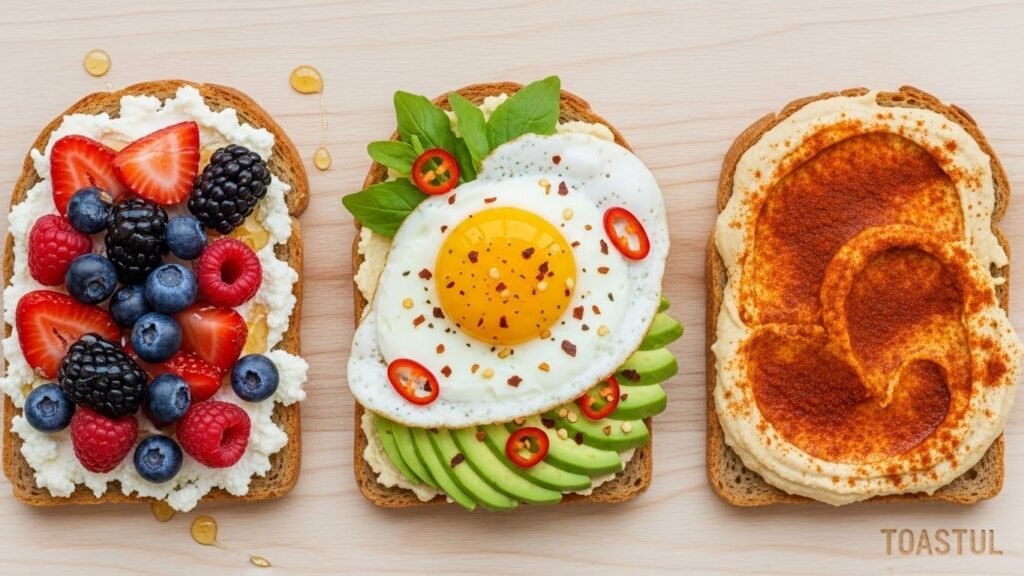
Toastul is way more than just a piece of bread; it’s a full-on culinary revolution. It takes ordinary toast and transforms it into an artistic, modern, and aesthetically pleasing meal. Think of it as a canvas of crunchy bread layered with vibrant, flavorful layers. This dish is intentionally composed with spreads, toppings, fruits, herbs, seeds, and drizzles. The goal is simple: to create a visual experience that tastes as extraordinary as it looks. Unlike plain toast, you treat each Toastul as an edible piece of art. It’s about being deliberate and elevated in your food preparation.
Origins, First Mentions, and Naming
The Toastul phenomenon has its roots firmly planted in social media food trends. It took off like wildfire, gaining major traction online in early 2025. Creators were already sharing dishes like “aesthetic breakfast bowls,” which led to the same artistic logic being applied to toast. The term itself is a clever blend of “toast” and the idea of “style” or “ritual,” hence the name Toastul. This name is short, catchy, and unique, making it perfect for modern branding language and hashtags. Some food historians even speculate the trend began in Scandinavian or French-inspired kitchens. These culinary traditions are famous for turning simple ingredients into edible works of art.
Toastul vs. Similar Dishes: How It Stands Out
Toastul is often confused with other open-faced dishes, but its philosophy sets it apart. It’s a concept that pushes past basic preparation into full-blown culinary curation. Below is a table detailing how this trend differs from its close relatives:
| Dish | Key Difference / Overlap |
| Traditional Toast | Features minimal toppings; it is strictly functional and not meant to be visual. |
| Tartine / Bruschetta | While similar in being open-faced, Toastul emphasizes layering, aesthetics, and creativity. |
| Smoothie Bowl / Pancake Stack | Uses a different base (bread) but shares the same logic of artistic, visual layering. |
| Avocado Toast | Similar, but Toastul pushes past a single main topping into a full, layered composition. |
| Crostini | These are small, crunchy, thin baguette slices used primarily as appetizers. |
The Culinary and Scientific Foundation of Toastul
The Science Behind Why Toastul Works
The success of Toastul isn’t just luck; it’s backed by food science. This dish brilliantly appeals to both your eyes and your brain.
- Aesthetic Appeal (Dopamine Release): Highly colorful toppings and artful plating activate the release of dopamine in the brain. This makes the meal feel significantly more enjoyable and rewarding.
- Textural Contrast: The combination of a crunchy bread base and soft, creamy toppings is essential. Researchers identify this blend of sensory triggers as a key factor in food satisfaction.
Core Architecture and Layering Principles

To build a truly great Toastul, structure matters just as much as flavor. There is a specific underlying architecture that ensures balance and stability.
- Bread Base: This is your foundation and must be sturdy. It needs to hold the weight of all your toppings but still be crisp when toasted. Excellent examples include sourdough, thick artisan slices, or rustic brioche.
- Spread / Cream Layer (The Adhesion Layer): This crucial step bridges the bread and the main toppings. It helps with adhesion and adds a critical layer of flavor and texture. Creamy options include ricotta, nut butter, yogurt, cream cheese, or avocado mash.
- Main Toppings (The Core Statement): This section is your chance to shine. It includes your core ingredients like fruits, vegetables, proteins, nuts, or seeds. Your choice here fully defines the style—whether sweet or savory.
- Accent Garnishes & Drizzles (The Finishing Touch): These final elements are key to both flavor and visual flair. Think microgreens, herbs, honey, balsamic reduction, olive oil, or spice dust.
Flavor Profiling and Balance
Creating exceptional flavor goes beyond simply piling ingredients high. It requires careful balance and intention.
- Sweet vs. Savory Balance: Don’t be afraid to combine different flavor elements. For example, use a salty ricotta spread with sweet fig slices. This contrast makes each bite more complex and exciting.
- Aromatic Elements: Fresh herbs and citrus zest can dramatically elevate a dish. Add fresh mint, basil, or a little lemon zest right before serving for aroma.
- Temperature Contrast: The combination of the warm, crunchy toast and a cool spread (like Greek yogurt or cream cheese) is highly satisfying. This contrast adds depth to the overall culinary experience.
Preparation Mastery: Execution and Expert Techniques
Step-by-Step Assembly and Pro Kitchen Hacks
Making Toastul is a straightforward process, but getting the details right is what makes it a culinary masterpiece. Follow these steps for perfect results every time.
- Basic Assembly:
- Toast your bread until it’s golden and reliably crunchy.
- Generously spread your chosen base layer evenly onto the toast.
- Arrange your main toppings with artistry, considering texture, color, and height.
- Finish by adding your accents and drizzles right before serving.
- Optimal Toasting: Avoid burning the bread; you want a golden, crisp edge. For the best results, use a high-quality toaster oven set to 375°F for even toasting.
- Preventing Sogginess: Nothing ruins a good Toastul faster than a soggy base. Pat any wet ingredients (like sliced tomatoes or berries) dry before placing them on the spread. Also, remember to layer heavier ingredients closer to the base and lighter ones on top.
- Time-Saving Techniques: You can make this dish work even for a rushed Monday morning. For busy times, pre-chop fruits, vegetables, and prepare your spreads ahead of time.
- Essential Pro Tools: Investing in a few simple tools can significantly improve your results. An offset spatula helps you spread creamy toppings smoothly. A food ring mold can make avocado or egg toppings perfectly circular and Instagrammable.
The Psychology of Toastul Aesthetics
The appeal of this food trend extends into wellness and mental health. This simple dish becomes a mindful practice.
- Mindful Activity: Arranging food into intentional patterns and color palettes can be incredibly calming. The act of creating a Toastul is similar to journaling or painting.
- Wellness Practice: It’s more than just a meal; it’s a form of self-care. You are not only nourishing your body but also engaging in a mindful activity that calms your mind.
Customizing Toastul for Optimal Health and Diet

Nutritional Benefits and Health Perspective
Despite its indulgent appearance, Toastul can be an incredibly nutrient-rich meal. Think of it as a blank canvas where you control the health outcomes.
- Macronutrient Focus: Choosing whole grain or sourdough bread provides high fiber and gut-friendly bacteria. Spreads like Greek yogurt or ricotta offer protein for muscle recovery.
- Micronutrient Boost: Fresh fruits and vegetables deliver essential vitamins, antioxidants, and immune support. Seeds (chia, flax, hemp) and nuts provide omega-3s and healthy fats.
- Controlling Intake: Unlike sugary cereals or pre-made pastries, this dish empowers you to eat with purpose. It allows for excellent control over portions and ingredient quality.
Adaptability for Specialized Dietary Needs
One of the main reasons for the viral success of Toastul is its adaptability. It can be easily customized to fit nearly any nutritional goal or food sensitivity.
- Gluten-Free Solutions: Simply swap the base for a gluten-free bread, such as almond flour bread or chickpea flatbreads. These alternatives still toast well and provide a strong foundation.
- Vegan Alternatives: Dairy can be swapped for plant-based yogurt (coconut or cashew) or vegan cream cheese. Tofu ricotta works well as a savory protein base.
- Weight-Conscious Builds: Focus on low-calorie sprouted bread and light spreads like non-fat cottage cheese. Use berries (high-fiber, low-sugar) and natural flavor enhancers like lemon zest or cinnamon.
Sustainable and Zero-Waste Principles
Toastul naturally supports a sustainable, zero-waste kitchen lifestyle.
- Eco-Friendly Toppings: It allows leftover ingredients to be transformed into beautiful toppings. Instead of tossing a half tomato or stray herbs, they can become a gourmet garnish.
- Conscious Sourcing: Choosing local breads and seasonal produce can help reduce your carbon footprint, making this dish both stylish and eco-friendly.
Exploring Creative Styles and Global Fusion
Signature Sweet and Savory Style Examples
The versatility of Toastul means you never run out of ideas. It can be a hearty meal or a sweet treat.
- Sweet Indulgences:
- Fruity Fantasy: Thick-cut brioche with whipped vanilla ricotta, mixed berries, and a crushed pistachio crunch.
- Cinnamon Apple Pie: Almond butter base topped with apples sautéed in maple syrup and cinnamon, finished with sea salt.
- Savory Powerhouses:
- Spicy Avocado Egg: Sourdough base with mashed avocado, chili flakes, a soft-boiled egg, and a drizzle of chili oil.
- Savory Hummus and Za’atar: Hummus spread topped with roasted red pepper, cherry tomatoes, and a sprinkle of the bold Middle Eastern spice blend, za’atar.
Global Fusion and Cultural Takes
The core idea behind Toastul is a global one, allowing for incredible fusion possibilities. You can borrow regional flavors to keep your creations exciting.
- Mediterranean Influence: Use a base of hummus or olive tapenade. Top it with grilled veggies, feta cheese, and a balsamic glaze.
- Asian Twists: Try a Korean-style version with kimchi, a fried egg, and sesame seeds. A Japanese take could feature miso butter, nori seaweed, and sesame.
- Latin American Inspiration: A Mexican-style Toastul uses a base of refried beans and is topped with avocado and salsa.
- Borrowing from Cultural Roots: Incorporate elements found in the Spanish tostada (tomato and olive oil) or the French tartines (open sandwiches).
Family and Children’s Toastul
This trend is ideal for making mealtime engaging for the whole family. Kids love being involved in the creation process.
- Customization Stations: Set up a “Toastul bar” with small bowls of spreads and toppings. This encourages healthy eating and creativity in children.
- Playful Presentation: Cut the bread into fun shapes using cookie cutters before toasting. Use simple, colorful toppings like peanut butter swirls and sliced bananas.
Preparation Mastery: Execution and Expert Techniques
The Slicing Dilemma

For achieving a professional, clean look, slicing delicate, high-moisture toppings like heirloom tomatoes, soft mozzarella, or fresh mango requires a specific approach:
- Knives: Always use a non-serrated, sharp ceramic or chef’s knife. A dull knife will crush the cells, leading to bruising and excessive liquid release.
- Temperature: Ensure high-moisture foods like soft cheeses (mozzarella, goat cheese logs) are chilled firm before slicing. This prevents them from sticking to the knife or deforming under pressure.
- The Wipe Technique: When slicing something particularly juicy, wipe the blade clean with a damp towel between each slice. This prevents the previous slice’s liquid from contaminating the next, ensuring clean edges and minimal moisture transfer to the toast.
Preventing Spread Oxidation
Oxidation is the chemical process that causes spreads like avocado mash, hummus, or nut butters to turn an unappetizing brown or grey upon air exposure.
- Acid Barrier: For avocado, immediately folding in an acidic element like lemon or lime juice (a key technique for savory Toastuls) slows the oxidation process significantly.
- Air Seal: Store leftover spreads in small, airtight containers. The professional technique is to press plastic wrap directly onto the surface of the spread, eliminating the air pocket between the food and the lid, which dramatically maintains freshness for 2–3 days.
- Oiling the Surface: For hummus or nut butters, pouring a thin, protective layer of olive oil (hummus) or neutral oil (nut butter) over the surface before sealing acts as a physical barrier against oxygen.
The Butter Question and Uniform Thickness
Two common technical questions for beginners concern the pre-toasting process and bread consistency:
- The Butter Question: Should you butter the bread before toasting? Generally, no. For the classic Toastul, you want a dry, structural crunch created by toasting plain bread. Adding butter can make the toast softer and prone to sogginess once topped. If a buttery flavor is desired, brush the toast with clarified butter or a light oil (like olive oil) immediately after it comes out of the toaster.
- Achieving Uniform Thickness: For the most professional presentation and for even toasting, all slices of bread should be the same thickness (typically $1/2$ to $3/4$ inch). If you are hand-slicing a loaf, use a bread knife with a thickness guide or slice the entire loaf and discard any end pieces that are obviously uneven. This guarantees that multiple Toastuls served together will cook consistently and look symmetrical.
Customizing Toastul: Leftovers and Reheating
Utilizing Dinner Leftovers
Toastul is a genius way to manage food waste and transform yesterday’s dinner into a fresh, gourmet lunch.
- Shredded Meats: Leftover roasted chicken, pork shoulder, or turkey can be shredded, mixed with a creamy sauce (like a light ranch or homemade pesto), and piled onto a savory Toastul base.
- Roasted Vegetables: Leftover roasted vegetables (carrots, Brussels sprouts, sweet potato) can be pureed into a textured spread or chopped and mixed with hummus or feta cheese for an easy topping.
- Grains and Beans: Leftover grains like quinoa or rice can be mixed with avocado and spices for a new texture. Pureed beans (cannellini or black beans) make a hearty, protein-rich spread, especially when blended with a little lemon juice and cumin.
Reheating and Freshness
Knowing which elements can be saved and which cannot is essential for maximizing quality and minimizing waste.
- Definitive Answer: Toastul cannot be reheated well once fully assembled. The moisture from the toppings will be absorbed by the toast, resulting in a soggy, disappointing texture.
- Storage Solution: Store the components separately. Keep the toasted bread in an airtight container at room temperature. Store wet spreads (like ricotta or avocado) in the refrigerator, sealed tightly.
- The Assembly Rule: The rule of thumb for best quality is: Always add the spread and moist toppings fresh or chilled, and only assemble immediately before eating. If you have a fully built savory Toastul, the best option is to eat it cold rather than attempt to reheat the bread.
Niche Flavor Balancing and Advanced Concepts
The Power of Acid vs. Salt
Both acid and salt are used as finishing agents, but they serve distinct purposes in balancing flavor profiles:
- Role of Acid (Savory Finish): A final squeeze of lemon or lime, or a drizzle of vinegar (e.g., balsamic or sherry), is crucial for “finishing” a savory Toastul. Acid provides a bright contrast that cuts through the richness of fats (avocado, cheese) and rounds out the flavor complexity. It’s the final punctuation mark.
- Role of Salt (Sweet Balance): In sweet Toastuls (e.g., chocolate, caramel, or fruit builds), a tiny pinch of flaky sea salt (like Maldon) is essential. Salt does not make the dish taste savory; rather, it amplifies the perception of sweetness and prevents the flavor from becoming cloyingly saccharine, adding a layer of complexity and sophistication.
Aromatics vs. Spices
Using fresh or dried flavor enhancers correctly is a sign of an experienced Toastul maker:
- Aromatics (Fresh): Aromatics like garlic or onion are best used for foundational flavor. For a savory Toastul, the classic chef’s trick is to take a raw clove of garlic and lightly rub it across the surface of the warm, toasted bread before adding any spread. This imparts a subtle, fresh aroma without the overwhelming intensity of raw garlic chunks.
- Spices (Dried): Dried spices like cumin, paprika, or chili flakes are used for color, heat, and deep, dry flavor layers. They are best sprinkled over the spread to prevent them from becoming lost in the wet mixture, ensuring their visual and aromatic impact remains high.
Toastul on a Budget
Creating high-impact, gourmet-looking Toastul doesn’t require expensive artisan ingredients.
- Inexpensive Bases: Substitute pricey sourdough with thick-sliced whole wheat bread or sturdy day-old French baguettes (which toast excellently).
- High-Impact, Low-Cost Toppings: Utilize canned beans (pureed white beans for a cheap, creamy spread), lentils, and frozen fruit (thawed berries work perfectly with yogurt).
- Pantry Power: Maximize the impact of dried spices (smoked paprika, chili powder) and vinegars (balsamic) for depth of flavor and color, substituting for fresh herbs which can be costly out of season.
Community and Competitions
The informal culture surrounding Toastul extends far beyond passive consumption:
- Online Challenges: Food influencers and dedicated online groups frequently host Toastul challenges where participants compete to create the most innovative or visually stunning slice based on a theme (e.g., “Monochromatic,” “Global Flavors”). This system of community competition is a major driver of the trend’s creative limits and sustained engagement.
- Skill-Building: These challenges encourage home cooks to develop technical skills in plating and flavor balancing, transforming a simple meal idea into a celebrated culinary art form.
Mastering Visual Impact: Styling and Photography

Plating Strategy: Color, Height, and Negative Space
Presentation is non-negotiable for Toastul; the look is integral to its identity. Good styling turns your dish into shareable content.
- Color Contrast: Use colors that oppose each other to create visual pop. For example, dark fruit (blueberries, figs) against a light spread (ricotta, cream cheese).
- Height and Architecture: Don’t lay ingredients flat; stack them to give the dish dimension. Use a creamy base to build a delicious tower effect.
- Using Negative Space: Avoid overloading the slice. Leaving some “negative space” highlights the artistry and helps focus the viewer’s eye on the main composition.
Photography and Props: Techniques for Virality
To ensure your Toastul is truly viral, you need to follow a few simple photography rules.
- Optimal Angles: Shoot from a top-down angle or a 45° angle. These shots showcase the intricate layering and composition best.
- Prop Selection: Use rustic wooden boards, colorful ceramic plates, or linen to complement the food. Choose props that enhance the dish without overpowering it.
- Artful Drizzles: Use an offset spatula or a squeeze bottle to create artistic swirls with balsamic reduction or honey. Always add fresh herbs and microgreens just before shooting to preserve their vibrancy.
The Social, Economic, and Future Impact
Social Media Traction and Aspiration
The rise of Toastul is a direct reflection of our social media food culture. It’s a perfect example of how aesthetics drive virality.
- Viral Dynamics: Short videos on TikTok showing time-lapse builds and bite reactions have amassed millions of views. This proves that the visual appeal sells the concept instantly.
- Influencer Role: Food bloggers and culinary creators didn’t just make the dish beautiful; they made it aspirational. They elevated the concept into a macro-balanced, shareable lifestyle moment.
Commercialization and High Profit Margins
The simple elegance of the Toastul has created a business opportunity in the food industry.
- Attracting Modern Consumers: Many small cafés and brunch spots have successfully added it to their menus to attract younger, social-media-savvy customers.
- Pricing Strategy: Because the dish looks gourmet but uses relatively simple ingredients, it has a high profit margin. The price is justified by the required plating, culinary curation, and overall dining experience.
Toastul’s Staying Power and Culinary Forecast
The question remains: Is Toastul just another fad? The evidence suggests it has staying power.
- Long-Term Potential: Because it successfully combines nutrition, aesthetics, and creative flexibility, it is likely to evolve into a lasting culinary category. The core concept is highly adaptable.
- Toastul offers a rare sweet spot—it’s simple enough for anyone to try, yet expressive enough to become a culinary signature. By mastering the balance and visual presentation, you can transform a humble slice of bread into something extraordinary.
Frequently Asked Questions About Toastul
How long does a Toastul stay fresh, and can I make it ahead of time?
A fully assembled Toastul is best consumed immediately—within about 15 minutes—while the bread is still warm and crisp, and the toppings are fresh. To make it ahead, you should prepare the components separately: toast the bread and store it in an airtight container, and keep spreads and toppings refrigerated. Assemble right before serving to prevent the toast from becoming soggy.
What is the recommended bread thickness for a sturdy Toastul?
The ideal thickness for an artisan bread slice is between half an inch ($0.5\text{ in}$) and three-quarters of an inch ($0.75\text{ in}$). This range ensures the bread is thick enough to hold generous toppings without tearing, but thin enough to toast thoroughly and maintain a satisfying crunch.
Can Toastul be served warm, cold, or both?
Toastul can be served at various temperatures depending on the toppings. Savory builds featuring eggs or roasted vegetables are often served warm (on warm toast). Sweet builds with fresh berries and yogurt are usually best served with cool toppings on warm toast to highlight the temperature contrast.
What are some common mistakes to avoid when making Toastul?
The three most common mistakes are: 1) Under-toasting the bread, which leads to immediate sogginess. 2) Overloading the slice, leading to structural collapse. 3) Using watery spreads without stabilization, which soaks the base too quickly.
Is Toastul a legitimate meal replacement, or is it just a snack?
Due to its customizable nature, Toastul can absolutely be a legitimate meal replacement. By balancing the core ingredients (whole grain base, protein-rich spread, and high-fiber toppings), a single slice can provide a balanced profile suitable for breakfast, lunch, or a light dinner.
What are some affordable, budget-friendly topping ideas?
Affordable options include canned chickpeas (mashed with lemon and garlic), non-fat cottage cheese, hard-boiled eggs, sliced bananas, and simple pantry spices like smoked paprika and black pepper. Choosing seasonal fruits and vegetables over imported or specialty items also keeps costs down.
How can I make my Toastul look professional without using fancy tools?
Focus on precise knife work (neat, even slices) and clean plating. Use a spoon to make neat swirls in creamy spreads before adding toppings. Arrange small ingredients in a line or circle rather than scattering them randomly. The contrast of colors is the most effective “tool” you have.
What is the best way to slice soft fruits like kiwi or mango for Toastul?
Always use a sharp, non-serrated knife. For soft fruits, chill them briefly before slicing to firm them up. Cut them into thin, uniform rounds or cubes, which allows for easier and more attractive arrangement on the spread.
Can I use store-bought jam or preserves as a spread?
While delicious, store-bought jams and preserves are often too liquid or sticky to serve as the main spread without making the toast soggy. It is better to use them sparingly as a thin layer on top of a sturdier base like ricotta or almond butter.
How do I stabilize a thin spread like Greek yogurt?
To make Greek yogurt sturdy enough for Toastul, mix it with a very small amount of chia seeds or a thickener like cornstarch or protein powder. Letting the mixture rest for 5-10 minutes will help it set and prevent it from running off the toast.
What is a “Dessert Toastul”?
A Dessert Toastul is a sweet version, typically using brioche or challah bread, topped with ingredients like mascarpone, chocolate spreads, caramelized fruits, nuts, or even ice cream (served immediately). It functions as an alternative to traditional plated desserts.
How can I make a savory Toastul base taste less plain?
Before spreading your toppings, rub the toasted bread with a fresh clove of garlic or brush it lightly with high-quality olive oil and a pinch of sea salt. This infuses the bread with an initial layer of flavor.
Are there any specific cheeses that melt well on a Toastul?
Toastul is traditionally served open-faced without significant melting. However, if you are lightly grilling a savory Toastul, use cheeses with good melt characteristics like thinly sliced halloumi, fresh mozzarella, or grated Gruyère.
What are the best methods for keeping my herbs fresh for garnish?
Fresh herbs (basil, mint, cilantro) should be stored upright in a glass of water, much like flowers, then covered loosely with a plastic bag and kept in the refrigerator. Snip them with sharp scissors just before garnishing to prevent bruising and maximize aroma.
Does Toastul work with gluten-free bases other than bread?
Yes, creative gluten-free alternatives include toasted sweet potato slices, thick rice cakes, corn tortillas (toasted crisp), or even plantain rounds. These alternatives provide different textures and nutritional profiles while maintaining the open-faced concept.
What is the role of salt in balancing the flavors of a sweet Toastul?
A tiny sprinkle of flaky sea salt (like Maldon) on top of a sweet Toastul (e.g., chocolate or caramel) is a professional technique. The salt enhances the sweetness and prevents the flavor from being overwhelmingly saccharine, adding a layer of complexity.
How can I use Toastul to utilize leftover dinner ingredients?
Toastul is perfect for leftovers. Use leftover roasted chicken (shredded with a creamy sauce), roasted vegetables (pureed into a spread), or even leftover rice (mixed with avocado for texture) to create a quick, gourmet meal the next day.
What kind of drink pairs best with a spicy savory Toastul?
A spicy savory Toastul (like a chili-avocado build) pairs excellently with cooling, slightly acidic drinks. Think plain iced water with lemon, unsweetened sparkling cucumber water, or a light, crisp craft beer.
Should I butter the bread before toasting it for a Toastul?
Generally, no. For Toastul, you want a dry, structural crunch created by toasting plain. Adding butter can make the toast softer and prone to sogginess once topped. If you want a buttery flavor, brush the toast with clarified butter or a light oil immediately after it comes out of the toaster.
How do I properly store leftover spreads?
Store leftover spreads in small, airtight containers, pressing plastic wrap directly onto the surface of the spread to minimize air exposure. This prevents browning (oxidation) and helps maintain freshness for 2–3 days.