 Skip to content
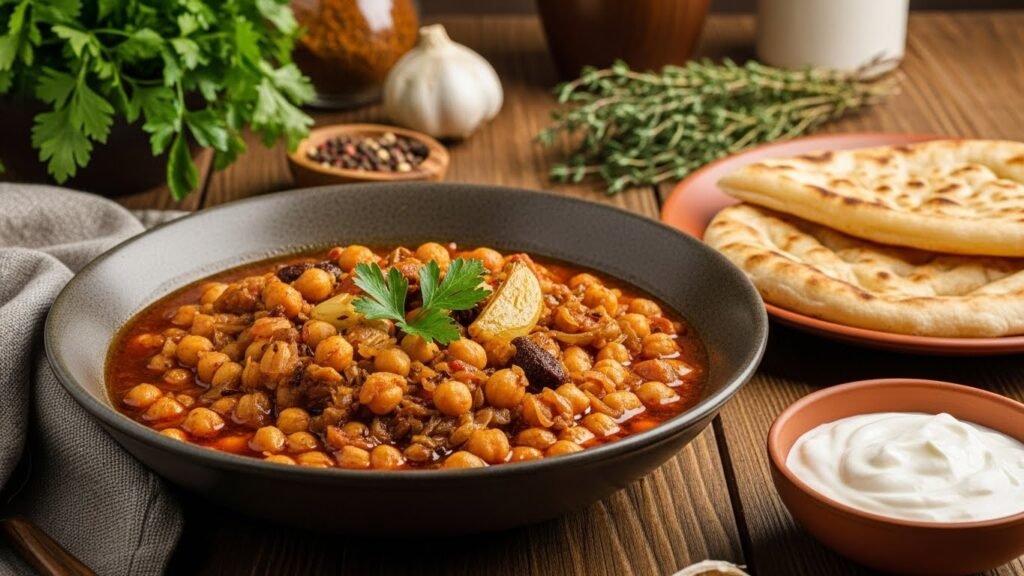
Çeciir, a traditional Turkish dish made from chickpeas, is gaining popularity in modern kitchens due to its versatility, health benefits, and cultural significance. This dish, which can be served as a stew, roasted snack, or even chickpea flour, showcases the perfect combination of nutrition, flavor, and sustainability. As the global food culture shifts toward health-conscious and sustainable eating, Çeciir has found its place in the farm-to-table movement, linking fresh, local ingredients with age-old culinary traditions.
In this article, we will explore how Çeciir fits into the farm-to-table philosophy, its nutritional benefits, and its role in modern kitchens. We’ll also delve into its cultural roots, its evolution, and the reasons why it is becoming a go-to dish for health-conscious eaters and home cooks alike.
What Is Çeciir?
Çeciir is a dish primarily made from chickpeas, an ancient legume that has been a staple in many cultures around the world. While Çeciir is traditionally associated with Turkish and Middle Eastern cuisine, its use of chickpeas is common in various global diets. The dish can take many forms, with the most popular being a stew made from boiled chickpeas, seasoned with spices such as cumin and paprika. Roasted chickpeas, on the other hand, are enjoyed as a crunchy, nutritious snack. Additionally, chickpea flour, a key component of Çeciir, is often used in baking, creating gluten-free treats like cookies and pancakes.
The main ingredients of Çeciir are simple yet powerful—chickpeas, olive oil (or butter), salt, and optional spices. In Turkey and the Middle East, Çeciir is a symbol of hospitality, often served to guests as a gesture of welcome and friendship. This cultural importance of sharing food has contributed to Çeciir’s lasting popularity, transcending generations.
How Çeciir Fits into the Farm-to-Table Movement

The farm-to-table movement emphasizes the importance of sourcing food locally and seasonally, reducing the carbon footprint associated with food production, and supporting sustainable agriculture. Çeciir fits perfectly into this philosophy due to its reliance on locally grown ingredients like chickpeas, olive oil, and herbs. These ingredients, when sourced locally, help minimize the environmental impact of transportation and ensure the freshness of the food.
By supporting small-scale, local farmers, the farm-to-table approach promotes sustainable farming practices that focus on crop rotation, soil fertility, and natural pest control. Çeciir, when made with locally sourced, organic chickpeas and vegetables, becomes not only a healthy meal option but also an environmentally conscious choice. It embodies the principles of freshness-driven cooking, where each ingredient is chosen based on the season and the quality it brings to the dish.
Fresh, Local Ingredients
Çeciir thrives on the use of fresh, seasonal ingredients. Chickpeas, being a hardy crop, are grown in many regions around the world. In areas where they are cultivated, they form the foundation of the dish, providing protein, fiber, and essential nutrients. When paired with fresh herbs and vegetables, such as parsley, garlic, and onions, Çeciir becomes a nutrient-dense meal that supports a healthy diet.
- Chickpeas: A rich source of plant protein and fiber.
- Fresh Herbs: Parsley and garlic add flavor and nutrients.
- Local Vegetables: Sourced from nearby farms to ensure freshness and quality.
Local sourcing of ingredients like chickpeas also supports community-driven food systems. By choosing foods that are grown nearby, we can reduce the reliance on long supply chains, which often have a significant environmental impact. Instead, Çeciir embraces the concept of ingredient traceability, ensuring that the food on our plates is fresh and sustainably produced.
Sustainability and Supporting Local Farmers
The farm-to-table movement is built on the idea of sustainable agriculture, which focuses on producing food in a way that preserves the environment for future generations. Sustainable farming methods used by local farmers—such as organic farming, crop rotation, and water conservation—help maintain soil health and biodiversity, which are crucial for the long-term health of our ecosystems. By choosing locally grown ingredients for Çeciir, consumers contribute to the sustainability of agricultural practices, helping to preserve local ecosystems and promote eco-conscious farming.
- Organic Farming: No synthetic fertilizers or chemicals used.
- Crop Rotation: Enhances soil fertility and reduces pest issues.
- Water Conservation: Sustainable irrigation methods like drip irrigation.
In addition, local sourcing promotes fair trade and provides economic opportunities for small-scale farmers. By purchasing directly from these farmers, consumers ensure that they are supporting regional producers and fostering community involvement. This creates a positive cycle where local farmers can thrive, and consumers can enjoy fresh, high-quality ingredients.
Connection Between Consumer and Food Source
One of the key tenets of the farm-to-table philosophy is the connection between the consumer and the food source. Çeciir, when made with locally sourced chickpeas and fresh vegetables, fosters this connection by bringing awareness to where the food comes from and how it is produced. This transparency in food sourcing builds trust between consumers and local farmers, encouraging people to be more mindful of their food choices.
This connection extends beyond just the ingredients. It also influences how we cook and eat. When consumers are more aware of the origins of their food, they are more likely to appreciate the quality and value of each ingredient. Çeciir, with its simple, wholesome ingredients, is a dish that celebrates this connection, making it a perfect choice for anyone looking to embrace the farm-to-table movement.
Nutritional Value and Health Benefits of Çeciir
Çeciir is not just delicious—it’s also packed with health benefits that make it a great addition to any diet. Chickpeas, the primary ingredient in Çeciir, are rich in protein, fiber, and essential nutrients. These qualities contribute to the dish’s ability to support a healthy, plant-based diet.
High in Protein
Chickpeas are an excellent source of plant-based protein, making them an essential component of vegetarian and vegan diets. Protein is vital for building and repairing tissues, and it plays a crucial role in immune function. By incorporating Çeciir into your diet, you can enjoy a protein-rich meal that helps meet your nutritional needs without relying on animal-based products.
Rich in Fiber
Fiber is another key nutrient found in chickpeas. It supports digestive health by promoting regular bowel movements and helping to prevent constipation. Additionally, fiber plays a role in weight management by keeping you feeling fuller for longer, reducing the likelihood of overeating. The fiber content in Çeciir makes it an ideal meal for those looking to maintain a healthy weight.
Packed with Essential Nutrients
In addition to protein and fiber, Çeciir is packed with essential nutrients such as iron, magnesium, potassium, folate, and Vitamin B6. These nutrients support a range of bodily functions, from maintaining healthy bones and muscles to supporting the immune system. The combination of these nutrients in Çeciir makes it a nutrient-dense meal that provides a wide range of health benefits.
Low in Fat
Çeciir is a heart-healthy dish when roasted with minimal oil. Chickpeas are naturally low in fat, and when prepared with olive oil or other healthy fats, the dish remains low in saturated fat. This makes Çeciir a great choice for those looking to lower their cholesterol and promote heart health.
Blood Sugar Regulation
The slow digestion of chickpeas helps maintain stable blood sugar levels, making Çeciir a good option for individuals managing diabetes. The fiber and protein in chickpeas slow the absorption of sugar into the bloodstream, preventing spikes and crashes in blood sugar levels. As part of a balanced diet, Çeciir can help manage and regulate blood sugar.
How to Make Çeciir: Preparation and Cooking

Çeciir can be prepared in different ways, offering flexibility for both savory and snack preferences. Whether you’re making a hearty stew or a crunchy roasted snack, the cooking process is simple and adaptable to your taste.
Roasted Chickpeas (Snack)
Roasted chickpeas are one of the simplest and most popular forms of Çeciir. They can be enjoyed as a snack or used to add crunch to salads and soups. The process is straightforward and requires minimal ingredients.
Ingredients:
- 2 cups dried chickpeas
- 2 tablespoons olive oil
- 1 teaspoon salt
- Optional spices: paprika, cumin, garlic powder, chili powder, or cinnamon
Steps:
- Soak the Chickpeas: Begin by soaking the chickpeas overnight. This softens them, making them easier to roast.
- Dry Thoroughly: Once soaked, drain the chickpeas and dry them thoroughly using a towel or paper towel. Any excess moisture will prevent them from becoming crispy.
- Season the Chickpeas: Toss the dried chickpeas with olive oil, salt, and your choice of spices. Make sure the chickpeas are evenly coated.
- Roast: Spread the chickpeas out evenly on a baking tray and roast them at 375°F–400°F for 30–40 minutes. Stir them every 10 minutes to ensure they roast evenly and become golden brown.
- Cool and Serve: Let the roasted chickpeas cool before serving. Once cooled, they will have a crunchy texture, perfect for snacking.
Çeciir Stew
Çeciir stew is a comforting, hearty dish that is perfect for colder months or when you’re craving a nutritious meal. The stew is typically made with chickpeas, onions, garlic, and a variety of spices, all simmered together in olive oil.
Ingredients:
- 2 cups soaked chickpeas
- 1 onion, finely chopped
- 3 garlic cloves, minced
- 2 tablespoons tomato paste
- 1 teaspoon cumin
- 1 teaspoon paprika
- 1/2 teaspoon oregano
- 4 cups water or vegetable broth
- 2 tablespoons olive oil
- Salt and pepper to taste
- Optional: lemon juice and fresh parsley for garnish
Steps:
- Boil the Chickpeas: If you haven’t already done so, soak and boil the chickpeas until they are tender. This usually takes 1-1.5 hours depending on whether you use fresh or canned chickpeas.
- Sauté the Vegetables: In a large pot, heat olive oil over medium heat. Add the chopped onion and garlic, and sauté until they become golden and fragrant.
- Add the Spices and Tomato Paste: Stir in the cumin, paprika, oregano, and tomato paste. Cook for an additional 2–3 minutes, allowing the spices to bloom and infuse the mixture.
- Combine the Chickpeas and Liquid: Add the boiled chickpeas to the pot, followed by 4 cups of water or vegetable broth. Bring the mixture to a simmer.
- Simmer the Stew: Allow the stew to simmer for 30–40 minutes, stirring occasionally. The flavors will meld together as the chickpeas absorb the spices.
- Garnish and Serve: Once the stew has thickened, garnish with lemon juice and fresh parsley before serving. The stew can be enjoyed as a main course, accompanied by rice, flatbread, or a dollop of yogurt.
Çeciir in Modern Kitchens: Serving Ideas and Creative Adaptations

Çeciir’s versatility allows it to be incorporated into a wide variety of dishes, from simple snacks to elaborate meals. Whether you’re enjoying it as a snack or a main dish, there are countless ways to prepare and serve Çeciir to suit your needs.
Traditional Serving Ideas
- As a Snack: Roasted chickpeas make for an easy, healthy snack. They’re perfect for munching between meals or serving alongside tea or coffee.
- In Salads: Roasted chickpeas can be sprinkled on top of salads to add a crunchy texture and an extra dose of plant-based protein.
- As a Soup Garnish: Roasted chickpeas can be used to top soups, providing a satisfying crunch and a flavorful contrast to the creamy texture of the soup.
Modern Adaptations of Çeciir
- Grain Bowls: Çeciir can be added to grain bowls, such as quinoa or rice, to create a balanced, protein-rich meal. Combine it with vegetables and a dressing for a complete dish.
- Baking: Chickpea flour can be used to make gluten-free baking treats like cookies, brownies, and pancakes. It adds a unique texture and nutty flavor to these baked goods.
- Smoothies: For a protein-packed twist, chickpeas can be blended into smoothies, making them thicker and more filling. Add fruits, leafy greens, and a dash of honey for a nutritious treat.
- As a Topping: Roasted chickpeas can be used as a topping for pasta, rice dishes, or grain bowls, giving the meal an extra crunch and a nutritional boost.
Why Çeciir is Gaining Popularity Today
In recent years, Çeciir has gained significant traction due to its health benefits, versatility, and cultural roots. As people become more health-conscious and aware of the impact of their food choices, dishes like Çeciir, which are plant-based, nutritious, and easy to make, have become increasingly popular.
Sustainability
Çeciir aligns perfectly with the growing trend of sustainable eating. By using locally sourced, seasonal ingredients, it helps reduce food miles and the environmental impact of food production. Supporting local farmers and small-scale agricultural practices also contributes to a more sustainable food system.
Health Consciousness
Çeciir’s high protein, fiber, and nutrient content make it a great option for health-conscious individuals. With the increasing demand for plant-based diets, this dish offers a satisfying and nutritious alternative to animal-based protein sources. The rich flavor, combined with its health benefits, makes Çeciir a go-to dish for those looking to enhance their nutrition.
Versatility
Çeciir’s versatility makes it adaptable to a variety of meal types. Whether served as a snack, main dish, or dessert, it can be incorporated into numerous cuisines, making it a staple in many households. Its simplicity and ease of preparation make it an attractive option for busy people seeking a quick, nutritious meal.
Cultural Relevance
Çeciir is not just about food—it’s about tradition and cultural heritage. As a dish that has been passed down through generations, it connects people to their roots and to each other. It’s a dish that represents hospitality and the sharing of meals, two key aspects of Turkish and Middle Eastern cultures. In today’s globalized world, people are increasingly seeking ways to connect with their cultural heritage through food, and Çeciir offers a simple, yet meaningful way to do that.
Çeciir and Its Role in Modern Kitchens: Creative Adaptations and Global Appeal
Çeciir’s rise in modern kitchens highlights its versatility and adaptability across different cuisines. As food trends evolve towards plant-based, sustainable, and healthy eating, Çeciir continues to appeal to home cooks and professional chefs alike. Its ability to fit into various dietary needs—whether vegan, gluten-free, or heart-healthy—makes it a staple in modern kitchens.
Modern Adaptations of Çeciir
Çeciir’s popularity is fueled by its adaptability. While it holds strong roots in traditional Turkish and Middle Eastern cuisines, it is now finding its place in kitchens around the world. The dish’s ability to be molded into different forms—whether served as a savory stew, a crunchy snack, or a gluten-free ingredient in baked goods—makes it highly versatile. Below are some creative ways Çeciir is being adapted:
Grain Bowls and Salads
Çeciir can be incorporated into nutrient-packed grain bowls or salads, which have become increasingly popular as a wholesome, filling meal option. The chickpeas in Çeciir provide a rich source of protein and fiber, making it an ideal base for these bowls. Paired with other fresh, seasonal vegetables and a flavorful dressing, it becomes a balanced meal.
- Example: A Mediterranean grain bowl featuring quinoa, roasted chickpeas, tomatoes, cucumbers, olives, and a tahini dressing. This combination mirrors traditional ingredients found in Çeciir while offering modern nutritional benefits.
Gluten-Free Baking
Chickpea flour, made from finely ground chickpeas, is an excellent substitute for wheat flour, especially in gluten-free baking. This flour is commonly used in a variety of baked goods, such as cookies, brownies, and pancakes. As a result, it fits perfectly within the growing gluten-free market, providing those with dietary restrictions a delicious and healthy alternative.
- Example: Chickpea flour can be used to make chickpea flour brownies, which offer a unique nutty flavor while retaining moisture and richness, making them a healthier alternative to traditional brownies.
Dips and Spreads
Another modern adaptation of Çeciir is in the form of dips and spreads. Ground chickpeas can be used to create hummus, a popular Middle Eastern dip, which is similar in texture and taste to the roasted chickpea variant of Çeciir. Hummus is now a global favorite and can be easily adapted to different flavors such as garlic, roasted red pepper, or lemon and tahini.
- Example: A chickpea-based dip served with fresh vegetables or whole grain crackers for a healthy snack option.
Soups and Stews
Çeciir is also finding its place in modern kitchens as an ingredient in soups and stews. It can be used as a base in both traditional and contemporary recipes. The chickpeas, when cooked in broths with herbs and vegetables, create a hearty and filling soup that serves as a comforting meal. The flavor of Çeciir combines seamlessly with other ingredients like tomatoes, carrots, and spinach, adding a plant-based protein punch to soups.
- Example: A chunky chickpea and vegetable soup with garlic, onions, and cumin, served with crusty bread for a filling meal.
Healthy Snacks

Roasted chickpeas, a popular form of Çeciir, have become a go-to healthy snack for those looking for a low-calorie, high-protein alternative to traditional chips and processed snacks. They are simple to prepare and can be seasoned with various spices to suit different tastes. Whether enjoyed on their own or sprinkled on top of a salad, roasted chickpeas offer a satisfying crunch and a boost of nutrition.
- Example: Roasted chickpeas seasoned with smoked paprika and garlic powder, served as a snack or salad topping.
Global Cuisine Adaptation
Çeciir’s widespread appeal is not limited to Turkish or Middle Eastern regions. As globalization has allowed the exchange of culinary ideas, this humble dish has traveled far and wide. From North America to Europe, and even to Asia, Çeciir has been embraced by chefs and home cooks for its nutritious value and flexibility in various types of cuisine.
- American Cuisine: In the United States, where plant-based diets are gaining traction, Çeciir has found a place in restaurants and home kitchens. Chefs are experimenting with chickpeas as a sustainable protein source, using them in everything from grain bowls to veggie burgers.
- European Cuisine: In Europe, Çeciir has been integrated into Mediterranean and vegetarian dishes, often used as a main protein in plant-based meals. It is also a popular ingredient in street food, such as falafel, and continues to evolve into new, creative variations in local cuisines.
- Asian Cuisine: Although traditionally not part of Asian food, the versatility of chickpeas has led to their inclusion in vegetarian dishes in places like India, where chickpeas (known as “chana”) are already a key ingredient in dishes like chana masala.
Çeciir in Eco-Conscious and Sustainable Eating
As the focus on sustainable eating grows, Çeciir plays a significant role due to its minimal environmental impact. Chickpeas are considered a low-impact crop because they require less water and fertilizer compared to other protein sources like meat. This makes Çeciir an attractive option for those adopting a more eco-conscious diet.
Moreover, the farm-to-table movement aligns with Çeciir’s principles by emphasizing the use of locally sourced, seasonal ingredients. In areas where chickpeas are grown, choosing locally produced chickpeas for Çeciir helps reduce food miles, thereby reducing the carbon footprint associated with transportation.
Community Support and Sustainability
Çeciir also supports local communities and farmers by promoting regional agriculture. Supporting local farms helps boost the local economy and ensures that food production remains sustainable and ethical. Additionally, by choosing ingredients that are organic and grown with minimal use of synthetic fertilizers, Çeciir promotes healthier, chemical-free food production.
This connection between food and local farming supports a sense of community and collective responsibility for the planet. The growing interest in organic and sustainable foods, combined with the rise of conscious consumerism, has made dishes like Çeciir even more relevant in modern culinary culture.
Conclusion
Çeciir is more than just a traditional dish—it’s a reflection of both cultural heritage and modern culinary trends. Rooted in the rich culinary traditions of Turkey and the Middle East, this humble chickpea-based dish has evolved to fit seamlessly into the contemporary food scene. Its versatility, health benefits, and sustainable origins make Çeciir a standout option in the farm-to-table movement.
By embracing locally sourced, seasonal ingredients, Çeciir aligns with the principles of sustainable eating. It not only supports healthy eating but also promotes environmental stewardship by reducing the carbon footprint associated with food production. Its adaptability in various forms—from a hearty stew to a crunchy snack or even gluten-free baked goods—makes it an excellent choice for diverse diets, whether you follow plant-based, gluten-free, or heart-healthy eating habits.
Çeciir’s growing popularity today is also a testament to its timeless appeal. Its nutritional profile—high in plant protein, fiber, and essential vitamins—makes it a nutritious choice for those seeking to maintain a balanced diet. As more people become health-conscious and seek out sustainable food options, Çeciir’s place in modern kitchens will continue to grow.
What makes Çeciir even more special is its cultural significance. As a dish that represents hospitality, shared meals, and tradition, it serves as a reminder of the bonds that food can create among people. Whether you’re enjoying it with family, friends, or as part of your solo meals, Çeciir offers a meaningful connection to the past while serving as a modern, eco-conscious dish for today’s food enthusiasts.
Frequently Asked Questions About Çeciir
What is the best way to store roasted chickpeas for later use?
Roasted chickpeas can be stored in an airtight container at room temperature for up to a week. For longer storage, you can keep them in the refrigerator for up to 2 weeks. Ensure they are completely cooled before storing to maintain their crunch.
Can I use canned chickpeas for making Çeciir?
Yes, you can use canned chickpeas for making Çeciir, especially if you’re short on time. Simply rinse and drain them before roasting or adding them to a stew. However, using dried chickpeas that have been soaked and cooked from scratch offers a fresher, more authentic texture and flavor.
How can I make Çeciir spicier?
If you prefer a spicier version of Çeciir, you can increase the amount of chili powder, add cayenne pepper, or incorporate other hot spices like paprika or harissa. You can also garnish the dish with fresh chili peppers or a spicy sauce to add an extra kick.
Can I make Çeciir in a slow cooker or pressure cooker?
Yes, you can make Çeciir stew in a slow cooker or pressure cooker. For the slow cooker, combine all ingredients and cook on low for 6-8 hours or high for 3-4 hours. For the pressure cooker, you can cook it in under 30 minutes after sautéing the onions and garlic, which will speed up the process.
How do I make Çeciir more filling?
To make Çeciir more filling, add grains such as rice, quinoa, or couscous to the stew or grain bowl. You can also mix in roasted vegetables or add a plant-based protein source like tofu or tempeh to boost the dish’s nutritional value and make it a more substantial meal.
Can I add other legumes to Çeciir?
Yes, you can experiment by adding other legumes like lentils or beans to your Çeciir. While chickpeas are the traditional base, these additions will provide variety in flavor and texture. Just be sure to adjust cooking times accordingly based on the legumes used.
Is Çeciir suitable for people with gluten intolerance?
Yes, Çeciir is naturally gluten-free. If you’re using chickpeas and preparing them with ingredients like olive oil, garlic, and spices, it remains safe for individuals with gluten intolerance. Additionally, chickpea flour can be used in gluten-free baking.
How do I make Çeciir more flavorful?
To enhance the flavor of Çeciir, experiment with different spices. Common spices include cumin, paprika, garlic, and onion, but you can also try adding turmeric, coriander, or cinnamon for a different flavor profile. Fresh herbs like parsley, cilantro, or mint also add brightness and aroma to the dish.
Can I make a vegan version of Çeciir?
Yes, Çeciir is naturally vegan if you prepare it with olive oil, vegetables, and spices. Avoid using animal-based ingredients like butter or meat, and focus on plant-based ingredients. You can also use plant-based yogurt as a topping or add more vegetables for additional flavor.
How does Çeciir contribute to a balanced diet?
Çeciir is a nutrient-dense dish that provides a variety of essential nutrients, including plant-based protein, fiber, and important vitamins and minerals like iron, magnesium, and B6. It supports digestive health, helps manage blood sugar, and contributes to a heart-healthy, balanced diet.
Can I freeze Çeciir leftovers?
Yes, Çeciir stew can be frozen for later use. Allow the stew to cool completely before transferring it to an airtight container or freezer bag. It can be stored in the freezer for up to 3 months. When ready to eat, thaw it in the refrigerator overnight and reheat it on the stove.