 Skip to content
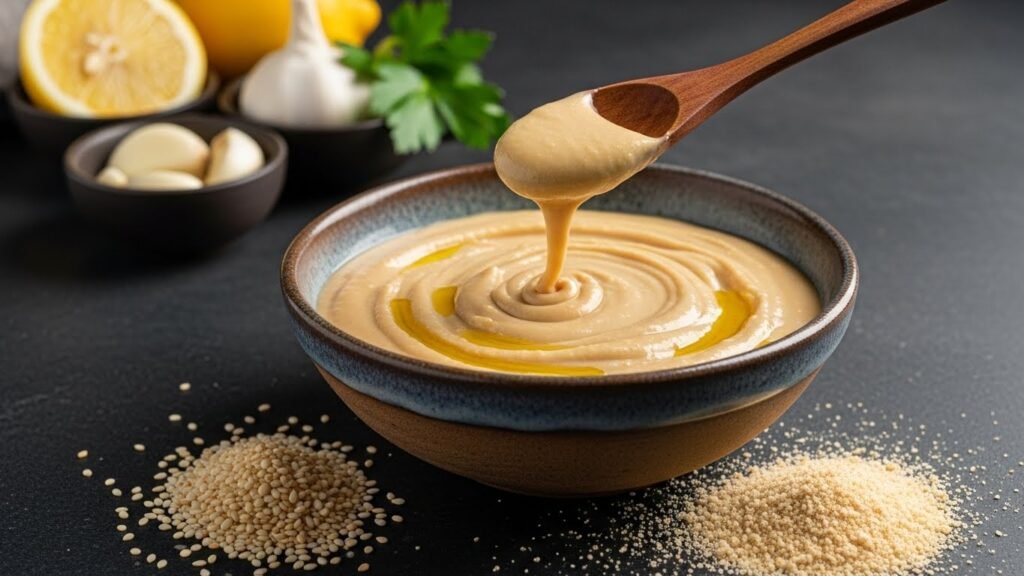
Tahhiini is more than just a creamy dip or a simple ingredient in your pantry. It is a culinary treasure that has traveled through time for thousands of years. This smooth paste comes from ground sesame seeds and packs a huge punch of flavor. People all over the world are now using it as a superfood to boost their daily health. You can find it in fancy restaurants or use it right at home in your own recipes. It truly is a nutritional powerhouse that belongs in every single kitchen today.
Introduction to Tahhiini
Tahhiini is basically a smooth paste made by grinding up tiny sesame seeds. Most of the time, those seeds are lightly roasted before they get blended together. This roasting process brings out a deep and nutty flavor that people love. It has a very creamy texture that makes it perfect for many different types of food. You might have seen it in Middle Eastern or Mediterranean dishes for a long time. Now, it is becoming a hit in global healthy eating circles everywhere.
The flavor profile is quite unique because it is both earthy and slightly bitter. It adds a rich feel to any meal without needing a bunch of heavy cream. Many folks call it a superfood because it is so dense with good nutrients. It works well in savory snacks and even in sweet treats like brownies. Since it is plant-based, it is a favorite for vegans and vegetarians alike. You can drizzle it on veggies or mix it into a thick morning smoothie.
The Historical Journey of Tahhiini
The story of this sesame paste starts a very long time ago in history. It is one of the oldest prepared foods that humans still eat today. Its journey shows how a simple seed can change the way the world cooks.
Ancient Mesopotamian Roots
Tahhiini traces its earliest roots back to ancient Mesopotamia around 3000 BCE. This area is often called the cradle of civilization because so many things started there. The fertile land was perfect for growing strong and healthy sesame seeds. Old artifacts and historical texts show that people were grinding seeds into paste back then. They knew these seeds were special for flavor and for keeping bodies strong. In their culture, sesame was a sign of abundance and great fertility.
Cultural Evolution and Trade
As people began to travel and trade, tahhiini moved across many different borders. It spread through the Middle East and into the Mediterranean regions quite quickly. Each culture found its own special way to use this versatile sesame paste. It became a way for communities to bond during big feasts and family meals. Because it stays fresh for a long time, it was a vital food source. Today, it remains a symbol of hospitality and warmth in many traditional homes.
The Nutritional Powerhouse: A Detailed Profile
When you look at the nutritional profile, it is easy to see why it is famous. Every spoonful is loaded with things your body needs to stay very healthy.
- Healthy Fats are found in high amounts through unsaturated fatty acids that help your heart.
- Protein levels are great for a plant-based food, helping muscles grow and stay strong.
- Calcium and Magnesium are two minerals found in tahhiini that are vital for your bones.
- Iron and Zinc help your immune system fight off germs and keep your energy high.
- B Vitamins like thiamine and riboflavin help your metabolism work the right way every day.
- Antioxidants such as sesamin and sesamol protect your cells from getting damaged over time.
Comprehensive Health Benefits of Tahhiini
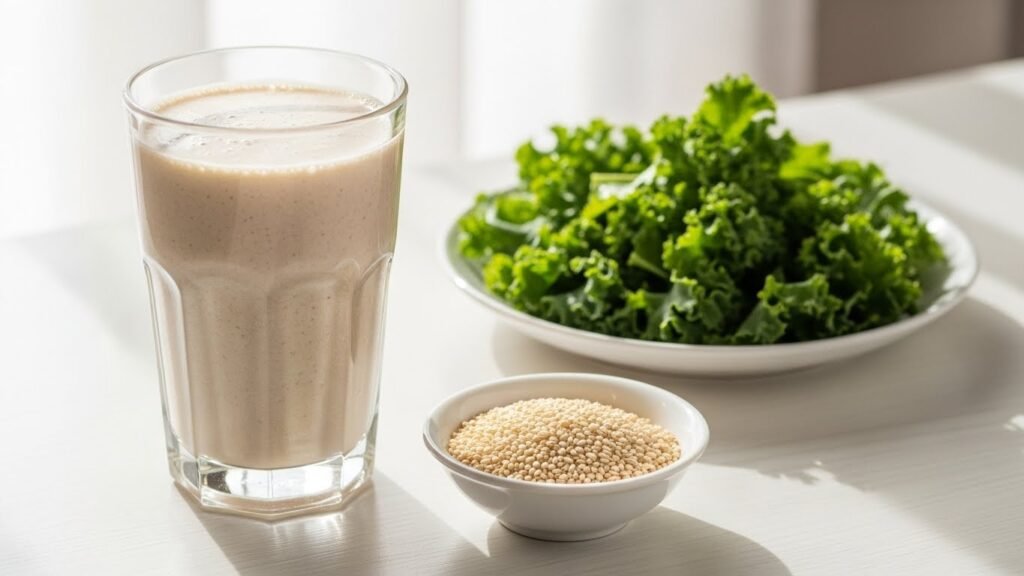
Eating tahhiini can do wonders for your overall wellness and physical health. It is much more than just a tasty topping for your favorite salad.
Cardiovascular and Heart Health
The healthy fats in this paste are great for keeping your heart pumping well. These unsaturated fats help lower bad cholesterol levels in your blood stream. By keeping your arteries clear, it supports a strong cardiovascular function for years. It is a simple way to eat for heart health without much effort.
Bone Density and Strength
Many people do not realize that tahhiini is a fantastic source of calcium. This makes it a perfect choice for folks who do not eat dairy. The magnesium in the paste also helps your body absorb that calcium better. Eating it regularly can help keep your skeletal system very dense and strong. It is a smart move for anyone looking to avoid bone issues later.
Energy, Metabolism, and Immunity
If you feel tired, the iron and B vitamins in tahhiini can help. These nutrients work together to give you a natural and long-lasting energy boost. Zinc is also present to make sure your immune system stays totally ready. It helps your metabolism turn your food into the fuel you need to move. You get a steady flow of energy rather than a quick sugar crash.
Anti-Inflammatory and Digestive Support
Sesame seeds contain special antioxidants that fight inflammation throughout your entire body. This can help with joint pain or other swelling issues you might have. Tahhiini is also a good source of fiber, which is great for your gut. It helps your digestive system move things along smoothly and keeps you feeling full. A happy gut often leads to a much happier and healthier person.
Culinary Traditions Across the Globe
Different parts of the world have their own classic ways to eat tahhiini. It is a main star in many traditional dishes you might already know.
Middle Eastern Staples
- Hummus is a world-famous chickpea dip that requires tahhiini for its creamy texture.
- Baba Ganoush uses roasted eggplant mixed with sesame paste for a smoky and rich flavor.
- Falafel Sauce is often made by thinning out tahhiini with some water and lemon juice.
- Grilled Meats in Levantine cooking are frequently topped with a savory and nutty sesame drizzle.
Mediterranean and Greek Variations
- Tarator is a special sauce used in Greece and surrounding areas for fish.
- Halva is a sweet treat that combines tahhiini with honey or sugar and nuts.
- Breakfast Spreads in Turkey often feature tahhiini mixed with sweet grape or date molasses.
- Salad Dips in these regions use the paste to make appetizers more filling and tasty.
Modern and Creative Culinary Applications
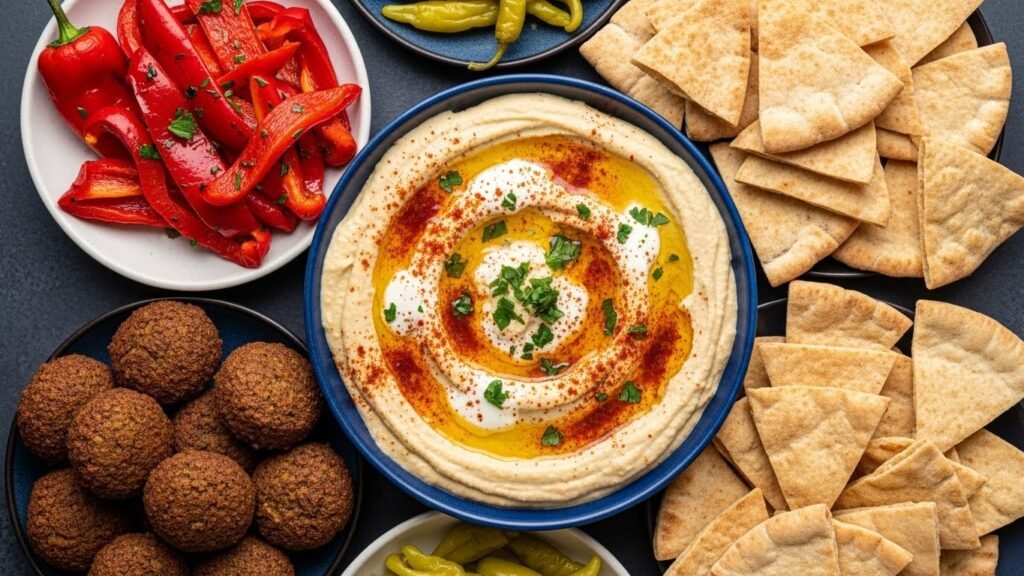
New chefs are finding amazing ways to use tahhiini in modern fusion recipes. You do not have to stick to just traditional Middle Eastern food.
Savory Innovations
You can whisk tahhiini with lemon juice and garlic to make a killer dressing. This dressing tastes amazing on kale salads or even a simple grain bowl. Some people mix it with soy sauce and ginger for an Asian twist. This blend makes a great sauce for noodles or grilled tofu dishes. Drizzling it over roasted carrots or cauliflower adds a nice and nutty crunch.
Sweet and Breakfast Uses
Believe it or not, tahhiini is incredible in sweet desserts and snacks. You can add it to cookie dough to make the treats extra chewy. It works perfectly in brownies to add a deep flavor that balances sugar. Many people put a big spoonful in their morning fruit and spinach smoothies. You can even mix it with maple syrup for a delicious pancake topping.
The Art of Homemade Tahhiini
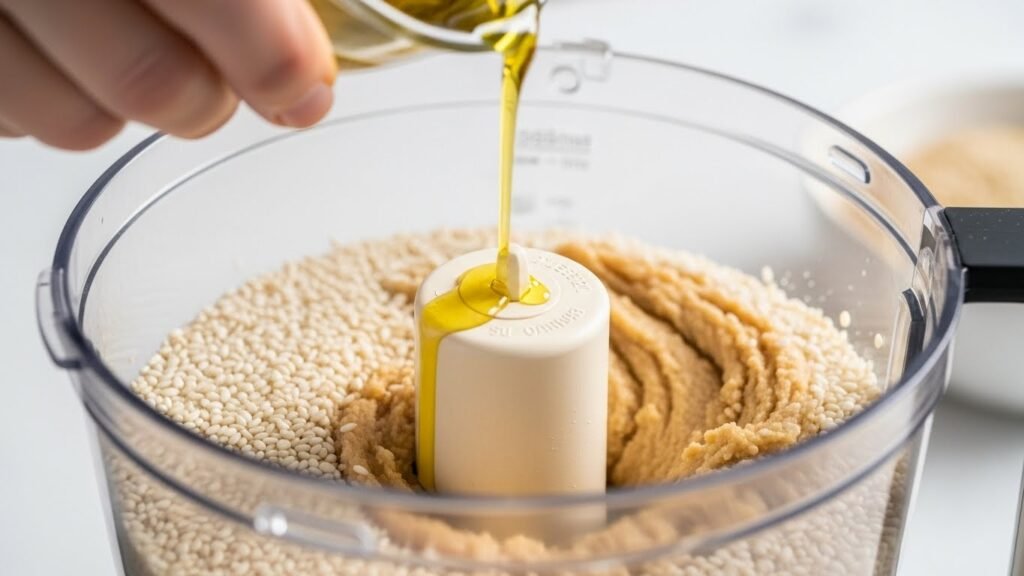
Making your own sesame paste at home is surprisingly easy and very rewarding. You get to control exactly what goes into your jar every time.
Selecting and Roasting the Seeds
You can choose between hulled or unhulled sesame seeds for your homemade batch. Hulled seeds are lighter and make a much smoother and creamier paste. Unhulled seeds have more fiber but can taste a bit more bitter. It is best to roast the seeds lightly in a dry pan first. Watch them closely so they do not burn and get too dark.
Blending and Consistency
- Blending starts by putting your cooled roasted seeds into a good food processor.
- Grinding the seeds until they look like a thick and crumbly sand is key.
- Oil Selection involves adding a neutral oil like olive or grapeseed oil slowly.
- Final Texture should be thin enough to pour but thick enough to stay creamy.
Tahhiini Selection and Maintenance
If you buy it from a store, you need to know how to keep it. Proper care ensures it stays fresh and tastes great for every meal.
Storage and Preservation
An unopened jar of tahhiini can stay in your pantry for a long time. Once you open it, most experts say you should put it in the fridge. This keeps the natural oils from going bad or smelling a bit funky. If it gets too cold and hard, just let it sit out for a bit. It will soften back up so you can use it easily again.
Managing Oil Separation
It is totally normal for the oil to rise to the top of the jar. This does not mean the tahhiini has gone bad or is broken. You just need to give it a very good stir before you use it. Sometimes the bottom can get a little bit hard and dry. Storing the jar upside down can sometimes help keep the paste more mixed.
Tahhiini vs. Other Nut and Seed Butters
Tahhiini is quite different from peanut butter or almond butter in many ways. It has a much thinner and more liquid texture than thick nut butters. This makes it way easier to blend into sauces and light salad dressings. It also has more calcium than most other types of seed or nut spreads. The flavor is earthy and savory rather than being naturally sweet like peanuts.
The Future of Tahhiini: Global Trends
The world is waking up to how awesome this sesame paste really is. Its popularity is only going to keep growing in the coming years.
- Plant-Based Growth is huge as more people look for dairy-free and vegan options.
- Gourmet Menus in the USA now feature tahhiini in everything from lattes to cakes.
- Eco-Friendly Farming makes sesame a great crop because it uses less water than nuts.
- Health Consciousness is driving people to find foods that are high in minerals and fiber.
Conclusion: Why Tahhiini Belongs in Every Kitchen
Tahhiini is truly a cultural staple that has stood the test of time. It offers a rare mix of incredible flavor and powerful health benefits. From ancient Mesopotamian rituals to modern vegan smoothies, it has proven its worth. You can use it as a simple dip or as a secret ingredient in baking. It is affordable, easy to find, and packed with vitamins and minerals. If you want a healthier kitchen, this sesame paste is the way to go.
Frequently Asked Questions About Tahhiini
Is tahhiini safe for people with tree nut allergies?
Yes, tahhiini is made from sesame seeds, which are classified as seeds rather than tree nuts. However, some people are specifically allergic to sesame, and cross-contamination can occur in facilities that process nuts.
What is the difference between hulled and unhulled tahhiini?
Hulled tahhiini uses seeds with the outer skin removed, resulting in a creamier, lighter paste. Unhulled tahhiini is darker and more bitter because it includes the whole seed, which also provides more fiber and calcium.
Can tahhiini be used as a substitute for butter in vegan recipes?
Tahhiini is a great vegan alternative to butter due to its high healthy fat content and creamy consistency. It works particularly well in savory sauces or dense baked goods like brownies.
Why does some tahhiini taste more bitter than others?
The bitterness usually depends on how long the sesame seeds were roasted before grinding. Over-roasting or using unhulled seeds can lead to a much stronger, more pungent bitter flavor.
How do I fix tahhiini that has become too hard at the bottom?
If the bottom of the jar is dry and hard, you can add a small amount of neutral oil or warm water and stir vigorously. Using a small food processor or a sturdy fork can help re-emulsify the paste.
Is it normal for tahhiini to have a strong smell?
Fresh tahhiini has a pleasant, nutty aroma. If it smells sour, soapy, or metallic, the natural oils have likely gone rancid, and the product should be discarded.
Can I freeze tahhiini to make it last longer?
You can freeze tahhiini in airtight containers or ice cube trays for up to six months. While the texture may change slightly upon thawing, a quick stir usually restores its creaminess.
Is tahhiini okay to eat during pregnancy?
Generally, tahhiini is considered safe and very healthy during pregnancy because it is loaded with iron and folate. However, it is important to use pasteurized versions to avoid any risk of foodborne bacteria.
How does the color of tahhiini affect its use?
Light-colored tahhiini is best for delicate dressings and desserts where you want a mild flavor. Darker, roasted tahhiini is better for hearty stews or meat marinades where a bold taste is needed.
Is there a difference between tahhiini and Chinese sesame paste?
Yes, Western or Middle Eastern tahhiini is usually made from hulled, lightly toasted seeds. Chinese sesame paste uses unhulled, deeply roasted seeds, resulting in a much darker color and a different flavor profile.
Can tahhiini help with skin health?
The high levels of zinc and antioxidants in sesame seeds support collagen production and protect skin cells. Regular consumption may help maintain a healthy glow and skin elasticity.
Does tahhiini contain any natural sugars?
Tahhiini has almost no sugar, making it an excellent choice for low-carb or ketogenic diets. Its rich flavor comes entirely from natural fats and proteins rather than sweeteners.
What is the best way to thin out tahhiini for a drizzle?
The best method is to slowly whisk in cold water or lemon juice. Interestingly, the paste will initially thicken up before turning into a smooth, pourable liquid.
Can tahhiini be used as a face mask?
Some people use tahhiini in DIY skincare because of its oil content and minerals. However, due to its strong scent and potential for irritation on sensitive skin, it is better enjoyed as a food.
Does tahhiini interfere with any medications?
Because sesame seeds contain vitamin K, people on blood-thinning medications should monitor their intake. Always consult with a doctor if you are making major changes to your diet while on medication.
Is organic tahhiini significantly better than non-organic?
Organic tahhiini ensures that the sesame seeds were grown without synthetic pesticides. While the nutritional profile is similar, organic options are often preferred by health-conscious consumers for purity.
Can tahhiini be given to pets?
While not toxic in small amounts, the high fat content in tahhiini can cause stomach upset or pancreatitis in dogs and cats. It is generally best to avoid feeding it to your pets.
Why is tahhiini often found in health food stores?
It is a staple in health food stores because it is a “complete” plant-based food containing minerals, protein, and fiber. It meets many dietary needs for vegan, paleo, and keto lifestyles.
Does roasting sesame seeds at home improve the taste?
Roasting seeds at home allows you to control the depth of the flavor. Freshly roasted seeds produce a more aromatic and vibrant paste than store-bought versions that may have sat on shelves.