 Skip to content
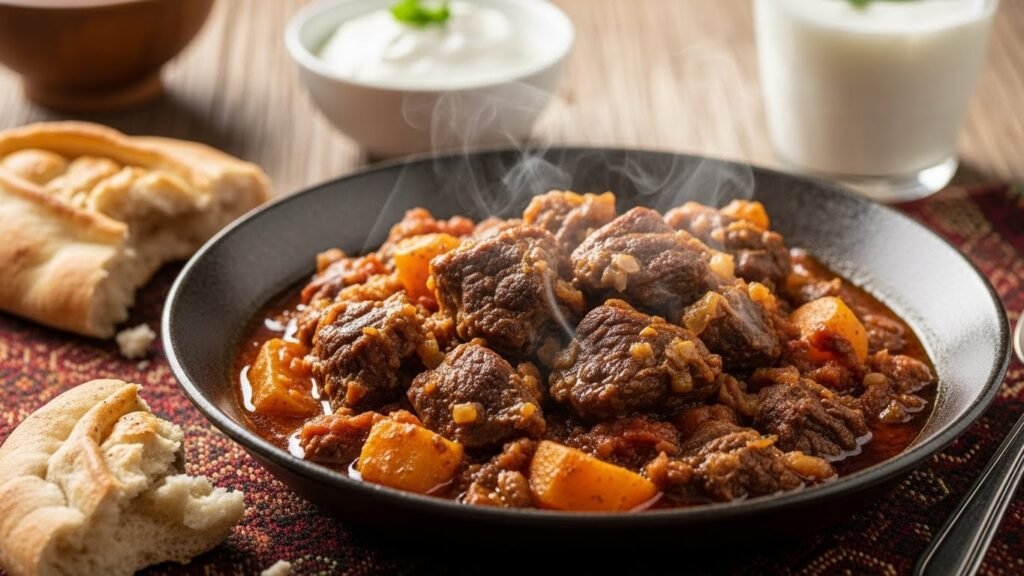
Cevurı is a captivating and comforting savory dish that is quickly gaining recognition in the landscape of global cuisine. While it is an emerging name to many outside its place of origin, its roots reach deep into traditional culinary practices. This hearty meal perfectly blends rustic cooking methods with rich ingredients , resulting in a food experience that feels comforting and contemporary all at once.
This delightful savory dish represents a culinary tradition passed down through generations in countless households and local eateries. It is a quintessential example of how regional kitchens can transform simple ingredients into hearty meals. The core essence of Cevurı has always emphasized warmth, depth of flavor, and community. As interest in artisanal and heritage foods continues to grow worldwide , Cevurı offers a perfect illustration of how timeless recipes can evolve without losing their soul.
Understanding the Origins and Evolution of Cevurı
The history of Cevurı traces back to humble rural communities. These communities depended heavily on simple, wholesome ingredients and the efficiency of slow cooking techniques. Historically, families often prepared this meal during the harvest season, festive gatherings, and cold evenings when a rich, hearty dish could bring people together. It was a meal intrinsically linked to celebrating life and connection.
Each region where Cevurı was prepared eventually developed its own unique version of the dish. Despite these variations, the core philosophy always remained the same: warmth, deep flavor, and togetherness. As culinary exchange increased over time, Cevurı began to move beyond its local roots. Chefs started experimenting with the dish’s structure, introducing new spices, fresh produce, and even modern plating styles. Even with these contemporary changes, the dish continues to pay homage to its origins through its earthy profile and its comforting textures.
Historical Context of Slow Cooking
The reliance on slow cooking techniques for Cevurı stems from practical necessities in historical rural settings. This method was essential for two main reasons. Firstly, slow cooking helped to tenderize the tougher, less expensive cuts of meat, maximizing the quality of the meal. Secondly, it allowed cooks to extract and combine maximum flavor from basic, locally available ingredients. The fact that Cevurı is generally cooked in a large batch also underscores its communal aspect. This type of food consumption reflects historical patterns where meals were fundamentally shared family or community affairs.
Core Ingredients That Define and Shape Cevurı

Cevurı relies on a calculated combination of vegetables, grains, and a slow-cooked protein. The selection of these core ingredients defines the traditional, authentic flavors of the dish. While some ingredients vary by location, several elements remain consistent, contributing to Cevurı’s signature richness.
Meat Base and Protein Options
The primary protein in most traditional Cevurı recipes is either lamb or beef. The meat is marinated before cooking; this step is critical to soften its texture and allow the rich, balanced mix of spices to properly seep into the tissue. Choosing the right cut of meat, such as the shoulder or shank, is crucial for the slow-cooking process to ensure maximum tenderness and flavor release. Modern food lovers have introduced variations, including chicken, fish, and innovative plant-based proteins. These alternatives, such as grilled tofu or chickpea patties, help Cevurı appeal to a broader audience and different dietary preferences.
Vegetable Companions (Root Vegetables and Aromatics)
Root vegetables typically form the foundational body of the savory dish. Carrots, turnips, and parsnips are often included, as they release natural sweetness during the long slow cooking process. This natural sweetness plays an important role by balancing the savory components and the intensity of the spices. Additional vegetable companions like onions, bell peppers, and tomatoes are frequently added to further balance the richness of the meat base. Aromatics, specifically garlic and onions, shape the fundamental and fragrant base aroma, laying the groundwork for the entire dish. These vegetables also provide essential vitamins and antioxidants, supporting immunity and overall well-being.
Grains or Legumes
Traditionally, Cevurı recipes incorporated hearty grains or legumes. Cooks traditionally used ingredients such as bulgur, lentils, or cracked wheat. These items serve a vital function: they absorb the broth and aromatic oils remarkably well, which helps to create a satisfying, hearty, and thick consistency. Furthermore, they add significant nutritional value to the meal, making Cevurı wholesome and very filling. The specific choice of grain or legume is important because it significantly influences the final texture and the body of the resulting stew.
Essential Spices and Herbs
The characteristic aroma and distinct depth of Cevurı are shaped by a carefully balanced mix of spices. Essential spices often include cumin, black pepper, and paprika. These primary spices add necessary warmth and flavor to the dish. Aromatics like bay leaves are used, and fresh herbs such as coriander or parsley are added to bring brightness and a fresh finish. To ensure the spices unlock their full potential, they are typically bloomed, or briefly fried, in oil at the start of the cooking process.
Broth or Stew Base
The final critical component is the broth or stew base, which is necessary to tie all the rich ingredients together. A robust broth, whether bone, chicken, or vegetable, enhances the Cevurı’s signature depth of flavor. The use of bone broth, in particular, can add a layer of deep umami flavor and also provide extra nutritional value. This liquid component is what ultimately allows the ingredients to meld harmoniously.
Traditional Preparation Techniques of Cevurı

Cevurı stands out in the culinary world not because of unnecessary complexity, but because of thoughtful technique, precise timing, and careful layering of ingredients. The preparation is generally straightforward but requires attention to detail to achieve the unforgettable, authentic flavors.
Building the Flavor Base
The cooking process begins with a crucial first step: building the flavor base. Cooks start by sautéing onions and garlic until they are fragrant. This step is vital as it lays the aromatic foundation for the entire savory dish. Next, the root vegetables are added to the pot, followed by the dry spices. Adding the spices at this stage allows them to “bloom” in the heat and oil, which intensifies their flavor profiles before the liquid is added.
Adding and Browning the Protein
Once the aromatics and vegetables have started to soften, the marinated protein is introduced. The chosen meat is lightly browned or fried to enrich the flavor of the final meal. As the meat sears, it develops caramelized edges. These caramelized bits and the mixture of juices create a rich savory base that later contributes depth to the broth. The meat and vegetables are sometimes fried together until they reach a beautiful golden brown color.
Incorporating Grains or Legumes
Following the browning of the protein, the grains or legumes are added to the mixture. They are stirred gently into the pot. This light stirring allows them to fully absorb the aromatic oils and the initial meat juices. This pre-soaking helps the dish develop its signature hearty structure and ensures the grains or legumes carry the full flavor of the dish.
Slow Cooking to Perfection
The final stage is the characteristic slow cooking. The rich broth is poured over all the ingredients, and the mixture is brought to a gentle simmer. The slow cooking process, which may take hours, allows all the individual ingredients to fully meld harmoniously. As the stew naturally thickens, the flavors intensify , creating the distinctive and comforting depth that Cevurı lovers admire. The ideal simmering time is carefully managed to allow the starches in the grains and legumes to break down, which naturally and perfectly thickens the stew base.
Traditional Cookware

The cooking pot makes a big difference in the flavor:
- Güveç Pot: This is a heavy clay or earthenware pot. Cooking in it is traditional because the thick clay walls heat up slowly and evenly. This keeps the stew from burning and gives it a distinct, lovely earthy flavor that metal pots miss.
- Tandir (Oven): In villages, the tandir (a traditional clay oven dug into the ground) provided a constant, low heat. Placing the güveç pot inside created a wonderful smoky smell and gave the stew a deeply rustic taste.
The Traditional Recipe: A Step-by-Step Guide
Making Cevurı at home doesn’t require complex skills, but it does require patience and attention to the order of steps. This thoughtfulness is what creates its deep, comforting flavor.
Building the Flavor Base
The whole taste of Cevurı starts here. This step is about setting the foundation for the stew:
- Heat the Fat: Start by warming a good amount of oil or butter in your sturdy cooking pot (güveç is best, but a heavy stockpot works).
- Sauté Aromatics: Add chopped onions and garlic. Cook them until they become soft and smell wonderful (fragrant). This process releases their natural sweetness.
- Bloom the Spices: Add your key spices (cumin, paprika, black pepper) right after the onions have softened, but before adding any liquid. Stir them for about a minute in the hot oil. This vital process, called “blooming,” wakes up the spices and releases their full, intense flavor.
- Add Root Vegetables: Put in the hard root vegetables, like carrots and turnips, and stir them around to coat them in the spiced oil.
Adding and Browning the Protein
This step adds rich color and deep flavor to the dish:
- Sear the Meat: Add your marinated meat (lamb, beef, or chosen protein) to the pot.
- Brown Quickly: Cook the meat until it is lightly browned on all sides. You don’t need to cook it all the way through yet. This quick searing creates caramelized edges, and the meat juices stick to the bottom of the pot. These bits are called fond and will later dissolve into the liquid to create a richer broth.
- Combine: Stir the browned meat with the vegetables and spices.
Incorporating Grains or Legumes
Now, you add the ingredients that will give the stew its body:
- Add Starches: Add the pre-soaked grains (like bulgur or cracked wheat) or legumes (like lentils) to the pot.
- Stir to Coat: Stir the grains gently. It’s important to mix them so they get fully coated with the aromatic oils and meat juices. This ensures they absorb the flavor from the very start, which is essential for a hearty texture.
Slow Cooking to Perfection
Patience is the secret to Cevurı. This is where the magic happens:
- Add Broth: Pour in the rich broth (chicken, beef, or vegetable) until all the solids are covered by about two inches.
- Bring to a Simmer: Bring the mixture up to a quick boil, then immediately turn the heat down to the lowest setting possible. The stew should only be at a gentle, consistent simmer—not a rolling boil.
- Cook for Hours: Cover the pot tightly and let it simmer. The time needed is typically 3 to 4 hours for a traditional recipe, or until the meat is falling-apart tender.
- Monitor and Adjust: Check the pot every 45 minutes or so. If the liquid is being absorbed too quickly, add more hot broth to keep the stew moist. The starches in the pot will naturally break down and thicken the liquid, turning it into the signature velvety stew. The final result should be a thick, rich stew where all the flavors have perfectly blended together.
Modern Adaptations and Regional Variations of Cevurı
The traditional Cevurı recipe is deeply beloved, but its inherent adaptability has allowed for widespread contemporary adaptations and distinct regional variations. The dish continues to thrive due to the diversity of Turkish cuisine. It can easily adapt to different climates, local produce, and modern palates.
Regional Variations of Cevurı
- Southeastern Turkey: In this region, the Cevurı often includes bold spices and intensely hot peppers, making it a fiery option for those who enjoy heat. Ingredients like Urfa Biber or Marash pepper are often used to achieve this spice level.
- Mediterranean Coast: Cevurı recipes found near the coast sometimes incorporate seafood or lighter, brighter herbs for a fresher take on the savory dish, reflecting the local coastal proximity and available ingredients.
- Northern Regions: Communities in colder, northern areas often add legumes, grains, or other heartier ingredients, making the dish more filling and energy-dense to help endure harsher climates.
- Variations in Cooking Vessel: While generally cooked in a large pot, some regional variations might use a saj (a metal griddle) or a tandir (a clay oven) for a smoky flavor.
Culinary Adaptations and Fusion
- Vegetarian and Vegan Cevurı: Many home cooks and chefs now replace the meat with plant-based options. Ingredients like chickpeas, mushrooms, or marinated grilled vegetables provide a lighter flavor profile while still maintaining the dish’s traditional richness.
- Spicy Cevurı: For those who crave extra warmth and heat, the dish can be elevated with ingredients like chili flakes, hot paprika, or jalapeños. The underlying natural sweetness of the root vegetables perfectly balances the added spice.
- Fusion Cevurı Bowls: Restaurants often serve Cevurı in modern “bowl” formats. This involves serving the stew over non-traditional bases like jasmine rice, quinoa, or couscous.
- Toppings and Enhancements: The modern touch also includes adding toppings such as yogurt, roasted nuts, or a generous sprinkle of fresh herbs. These enhancements give the dish a contemporary feel while honoring its core, traditional essence.
- Fast-Casual Concept: Cevurı’s customizable and robust nature makes it highly suitable for modern fast-casual or streamlined meal-prep concepts.
The Global Appeal and Nutritional Value of Cevurı

Cevurı is rapidly gaining global popularity because it aligns perfectly with several key trends in today’s food culture. Beyond its broad appeal, it offers a surprisingly rich nutritional profile.
Reasons for Global Popularity
- Comfort and Nourishment: Cevurı provides both emotional satisfaction and physical satisfaction. Its warm spices, tender ingredients, and rich broth-based structure make it the perfect comforting food for any weather.
- Adaptability: The dish’s inherent structure makes it highly adaptable. Whether someone needs a high-protein, plant-based, gluten-free, or low-fat meal, Cevurı can be modified effortlessly without losing its authentic character.
- Sustainability: Many traditional versions of Cevurı rely primarily on locally available vegetables and seasonal grains. Because of this, the dish supports sustainable cooking practices and helps reduce reliance on imported ingredients.
- Culinary Creativity: Chefs appreciate the dish because it serves as a blank canvas for experimentation. Cevurı successfully thrives in diverse culinary spaces, ranging from rustic home-cooked versions to elegant fine dining reinterpretations.
Nutritional Breakdown and Health Benefits
Cevurı is built on a foundation of natural, wholesome ingredients, making it highly nutritious.
- Sustained Energy: The combination of protein (meat or plant-based) and complex carbohydrates (grains/legumes) provides slow-digesting compounds. This helps keep you energized and provides satisfaction for longer periods.
- Nutrient-Rich Vegetables: The generous use of vegetables like onions, peppers, and tomatoes supplies essential vitamins (like Vitamin C and A) and antioxidants. These components are rich in antioxidants, which are vital for supporting immunity and well-being.
- Healthy Fats: Many traditional and modern recipes call for healthy fats, such as olive oil. These heart-healthy fats can play a role in lowering bad cholesterol and promoting cardiovascular health.
- High in Fiber: The generous inclusion of both root vegetables and legumes makes the dish naturally high in dietary fiber, aiding digestion.
- Balanced Macronutrients: The dish offers a natural and balanced mix of proteins, carbohydrates, and healthy fats. This makes it a complete and wholesome meal designed to fuel both the body and the soul.
Cevurı in Home Kitchens, Sourcing, and Serving

Cevurı has become a favored meal among modern home cooks because of its simplicity and unmatched versatility. Cooking it at home is deeply rewarding and provides ample room for personal creativity.
Home Cooking Convenience
- One-Pot Convenience: A major benefit for the busy home cook is that Cevurı cooks entirely in a single pot. This significantly simplifies the cooking process and makes cleanup incredibly easy.
- Better Leftovers: The flavors in the stew actually intensify overnight as they settle. This makes the leftovers even better and makes Cevurı an excellent meal for batch cooking.
- Budget-Friendly Ingredients: Vegetables, grains, and legumes—the bulk of the dish—remain relatively inexpensive in most regions. This means Cevurı offers substantial flavor and nutrition without requiring a large budget.
- Family-Friendly Appeal: The dish’s soft textures and its mild yet rich flavor profile make it widely appealing to both children and adults. It often becomes a beloved, easy household staple.
Sourcing, Serving, and Enhancements
To truly recreate the authentic flavors of Cevurı, attention to detail and high-quality ingredients are essential.
- Sourcing Authentic Ingredients: For those who cannot make it, local restaurants often feature the dish on their menus, sometimes with their own unique twists. Street food vendors and cultural festivals are excellent places to find authentic regional cooking. Internationally, specialty boutique delis or ethnic grocery stores are the best places to find key spices and ready-made versions. Online food platforms have also made authentic Cevurı more accessible than ever before.
- Ingredient Quality: The key to an unforgettable Cevurı is the use of fresh, high-quality ingredients, especially the spices, as they are crucial for the dish’s signature flavor profile. Even a simple handful of quality spices and a sharp knife can be enough to start.
- Serving the Dish: Cevurı should always be served hot, which maximizes its comforting properties. It is traditionally enjoyed with fresh bread or flatbread, but serving it over rice or couscous is also common.
- Flavor Enhancements: A small drizzle of fresh lemon juice or a splash of vinegar can be added for extra brightness and tang.
- Accents: A spoonful of cold yogurt or sour cream offers a cooling contrast to the warmth of the stew. Pickled vegetables, known as tursu, add a layer of sharp contrast that cuts through the richness.
- Garnish: A final garnish of fresh herbs like parsley or dill elevates the dish’s appearance and aroma.
Cultural Significance and Lasting Legacy
Beyond its delicious taste, Cevurı carries a profound cultural meaning that contributes to its modern presence. This meal is more than just food; it embodies a tradition of connection. It symbolizes hospitality, togetherness, and the fundamental importance of sharing a warm meal with loved ones.
- Many families diligently pass down their unique, time-tested versions of Cevurı through successive generations, reinforcing family identity and upholding tradition.
- As communities migrate and global cultures blend, Cevurı continues its evolution. However, for those experiencing it for the first time, or those far from home, it remains a comforting reminder of heritage and home.
- Every single bite of this rich dish carries with it a deep sense of history and community, making Cevurı not just a simple meal, but truly a celebration of life itself.
Cevurı as a Symbol of Hospitality
- Offering a hearty and robust dish like Cevurı to guests is a deeply traditional form of showing honor and generosity. It is considered a cornerstone of hospitality.
- The dish’s traditional ability to be easily scaled up or down makes it perfect for large gatherings, community events, and significant family festivals. It thrives on the concept of togetherness.
When and How Cevurı Is Celebrated
Cevurı is great any day, but it becomes extra special during certain holidays and life events. It’s a dish that brings people together and helps them celebrate.
Festival and Rites of Passage
Cevurı is often part of big celebrations:
- Feasts: During big religious festivals like Eid al-Adha, this dish is a perfect way to cook and share meat with family and neighbors, showing kindness and thanks.
- Life Events: Because it’s easy to make a huge batch, it’s served at big events like weddings, birth parties, or coming-of-age ceremonies. It truly represents the warm hospitality of the culture.
- Fasting: During the holy month of Ramadan, this hearty, filling meal is excellent for the pre-dawn meal (Sahur) because it gives people energy that lasts all day while fasting.
Traditional Beverage Pairings
Since Cevurı is rich and savory, people traditionally drink cool, tangy beverages with it to cleanse the mouth between bites. They don’t usually drink sweet sodas.
- Ayran: This is the most common drink. It’s a cold, slightly salty drink made from yogurt and water. Its cool, sour taste is a perfect match for the warm, spiced stew.
- Şıra: This is a non-alcoholic drink made from slightly fermented grape juice. It’s served cold and adds a natural fruity sourness that refreshes the taste buds.
- Kefir: Another healthy, fermented milk drink, sometimes served for its slightly fizzy and tart taste, which aids digestion after a heavy meal.
How Cevurı Compares to Other Stews
To know Cevurı well, it helps to know how it is different from other popular Turkish and Middle Eastern stews.
Distinctions from Similar Turkish Dishes
- Güveç: This is usually a vegetable-focused casserole that’s baked slowly in a clay pot, often without the grains or legumes found in Cevurı. It is thicker and less soupy.
- Tas Kebabı: This stew focuses mainly on small, cubed pieces of meat in a simple tomato sauce. The key difference is that it usually does not mix grains or legumes into the stew itself; it’s designed to be poured over rice.
- Kuru Fasulye: This is a basic bean stew. While also hearty, its flavor is simpler, focused on the earthiness of the beans and tomato, lacking the complex layers of spice and other vegetables found in Cevurı.
Old-School Ways to Keep Ingredients Fresh

Since Cevurı comes from a time before refrigerators, its ingredients had to be preserved using clever, natural methods.
Meat Preservation
Meat was often prepared right after a slaughter to make it last:
- Kavurma: Large pieces of meat were slowly cooked in their own fat until all the water was gone. This cooked meat was then stored in jars, totally covered by the solidified fat. This technique let the meat be stored without cooling for a long time, ready to be added to Cevurı when needed.
- Curing and Drying: Some cuts were heavily salted and air-dried, similar to cured ham. This resulted in a very intense, flavorful piece of meat to add to the stew.
Preserving the Finished Dish
A big batch of Cevurı could be stored in sealed clay pots. The layer of fat that settles on the top of the cooled stew acts like a natural lid, keeping air out. This allowed the stew to be kept safely for a few weeks, especially during the cold winter months.
Conclusion: Savoring the Story of Cevurı
Cevurı represents something far more significant than just a flavorful, hearty savory dish. It truly embodies a powerful mix of tradition, culinary creativity, and the universal joy found in sharing good food. Its compelling blend of slow-cooked ingredients, aromatic spices, and highly comforting textures has made it appealing to a very wide range of tastes across the globe.
Its remarkable adaptability ensures that Cevurı remains deeply relevant in modern kitchens , whether it is being enjoyed through classic rustic preparations, innovative fusion bowls, or thoughtful plant-based versions. As the dish continues to gain global recognition, it stands as a perfect reminder that the most memorable meals are often rooted in simplicity, heritage, and the warmth of community. Whether you choose to prepare this culinary gem at home or savor it at a local restaurant, Cevurı is an invitation to enjoy both its rich, unforgettable flavors and its centuries-old story.
The Future of Cevurı
- Cevurı’s increasing rise in global popularity suggests a growing worldwide appreciation for authentic, heritage dishes that prioritize wholesome ingredients and deep flavor over simply being fast.
- The dish’s strong potential for culinary innovation, combined with a deep respect for its traditional roots, absolutely ensures its continued and vibrant presence on global tables for generations to come.
Frequently Asked Questions (FAQs) About Cevurı
What is the typical texture of the final Cevurı dish?
Cevurı should have a rich, hearty, and thick texture, but it is not completely dry. It falls somewhere between a very thick soup and a dense stew. The broth is reduced and naturally thickened by the starches released from the grains or legumes and the collagen from the slow-cooked meat. The vegetables should be very tender, and the meat should be fall-apart soft.
Can Cevurı be made in an instant pot or pressure cooker?
Yes, Cevurı can be adapted for modern appliances like an Instant Pot or pressure cooker. This significantly reduces the cooking time, typically from 3–4 hours down to about 45–60 minutes. While faster, some people feel the extended, low heat of traditional slow cooking allows the flavors to meld more deeply, which a pressure cooker might not fully replicate.
How is Cevurı stored, and how long does it last?
Cevurı stores exceptionally well due to its slow-cooked nature. It should be kept in an airtight container in the refrigerator and will generally stay fresh and flavorful for 4–5 days. It is also excellent for freezing; store it in freezer-safe containers for up to 3 months. The texture of the grains or legumes may change slightly upon thawing but the flavor will remain robust.
What is the difference between a “stew” and a “casserole” version of Cevurı?
The difference relates to the amount of liquid used. The traditional stew version (like the one described in the article) is cooked with sufficient broth to make it thick and comforting. A casserole version, sometimes found in modern recipes, uses less liquid and is usually baked uncovered in an oven until the top layer is slightly crusty and all the ingredients are packed tightly together.
Is Cevurı a suitable meal for people who are gluten-sensitive?
Cevurı can easily be made gluten-free. Traditionally, it uses grains like bulgur or cracked wheat, which contain gluten. However, these can be substituted perfectly with naturally gluten-free options such as rice, millet, buckwheat (kasha), or potatoes to maintain the stew’s hearty texture.
What is the most important spice to achieve the authentic Cevurı flavor?
While a blend of spices is used, Cumin is often considered the most essential spice. It provides the earthy, warm, and slightly nutty base flavor that distinguishes many traditional Turkish and Middle Eastern stews. Ensuring the cumin is fresh and “bloomed” in oil at the start is key to authenticity.
Are there sweet variations of Cevurı?
No, Cevurı is fundamentally a savory dish. It belongs to the category of hearty meat and vegetable stews. While the root vegetables (carrots, parsnips) lend a natural sweetness, there are no known traditional sweet versions of Cevurı.
Can I use bone-in meat instead of boneless?
Yes, using bone-in meat (such as lamb shanks or short ribs) is actually encouraged, especially for traditional slow cooking. The bones release collagen and gelatin into the broth as they cook, which naturally enriches the flavor, adds body to the stew, and boosts the overall nutritional profile.
What is the best way to reheat leftover Cevurı?
The best way to reheat Cevurı is gently on the stovetop over low to medium-low heat. You may need to add a splash of water or broth, as the grains continue to absorb liquid while refrigerated. Avoid reheating it in the microwave, as this can dry out the meat and cause the grains to become mushy.
What wine or alcoholic beverage would pair well with a traditional Cevurı?
For a rich, savory dish like traditional lamb or beef Cevurı, a medium-bodied dry red wine would pair best. Look for an Anatolian Kalecik Karası or an international Merlot, Cabernet Franc, or a robust Chianti. The subtle tannins and acidity will cut through the richness of the meat and spices.
Can Cevurı be prepared completely ahead of time?
Yes, Cevurı is an ideal make-ahead meal. Preparing it a day in advance is common, as the flavors deepen and marry overnight, often tasting even better the next day. The cook only needs to gently reheat and garnish before serving.
Why is browning the meat important in the preparation process?
Browning the meat (searing) is crucial because of the Maillard reaction, a chemical process that creates hundreds of complex flavor compounds, adding deep, savory notes and umami that cannot be developed through simmering alone. This step ensures the finished stew is complex, not just “boiled.”
What is the ideal consistency for the broth before it’s fully cooked?
The broth should not be overly thick, but rather velvety. The desired consistency is a creamy texture that still pours easily, achieved by the natural starches of the vegetables and legumes breaking down, rather than by adding flour or a thickener.
Is there a specific type of parsley used in Cevurı?
Flat-leaf parsley, also known as Italian parsley, is the preferred herb. It offers a cleaner, stronger flavor than curly parsley and is used as a fresh, bright garnish to cut through the stew’s richness right before serving.
What is a common mistake when cooking Cevurı?
The most common mistake is not cooking the dish long enough. If the cooking time is cut short, the meat will be chewy, the vegetables will be under-tender, and the flavors will not have fully blended, resulting in a thin and one-dimensional stew.
Is Cevurı typically considered expensive or budget-friendly?
Cevurı is highly budget-friendly, particularly the traditional versions. The majority of the ingredients consist of inexpensive, shelf-stable items like legumes, root vegetables, and grains. The use of slow cooking also allows the cook to use more affordable, tougher cuts of meat that become tender over time.
Can the root vegetables be substituted with other types of vegetables?
Yes, while traditional recipes call for root vegetables, the dish is adaptable. You can use seasonal vegetables like pumpkin, zucchini, or even green beans. However, using starchy vegetables like potatoes or sweet potatoes helps maintain the hearty consistency and sweetness that is characteristic of the dish.
How does the altitude or climate affect the cooking process?
In high-altitude regions, the lower boiling point of water means the stew will take longer to cook (sometimes requiring an additional 30-60 minutes). Conversely, in very hot climates, cooks must monitor the liquid level constantly to prevent the stew from reducing too quickly and burning.
What is the best way to thicken Cevurı if it ends up too watery?
If the stew is too thin, the best natural thickening method is to scoop out a ladleful of the cooked legumes and vegetables, mash them into a paste, and then stir the paste back into the stew. Alternatively, you can uncover the pot and let the stew simmer for an additional 15–20 minutes to allow the excess liquid to evaporate.
Is there a special bread traditionally served with Cevurı?
Yes, flatbreads like soft, yeast-risen Pide or thin Lavash are the most traditional. These breads are often used to scoop up the stew, ensuring that not a drop of the rich, flavorful broth is left behind.