 Skip to content
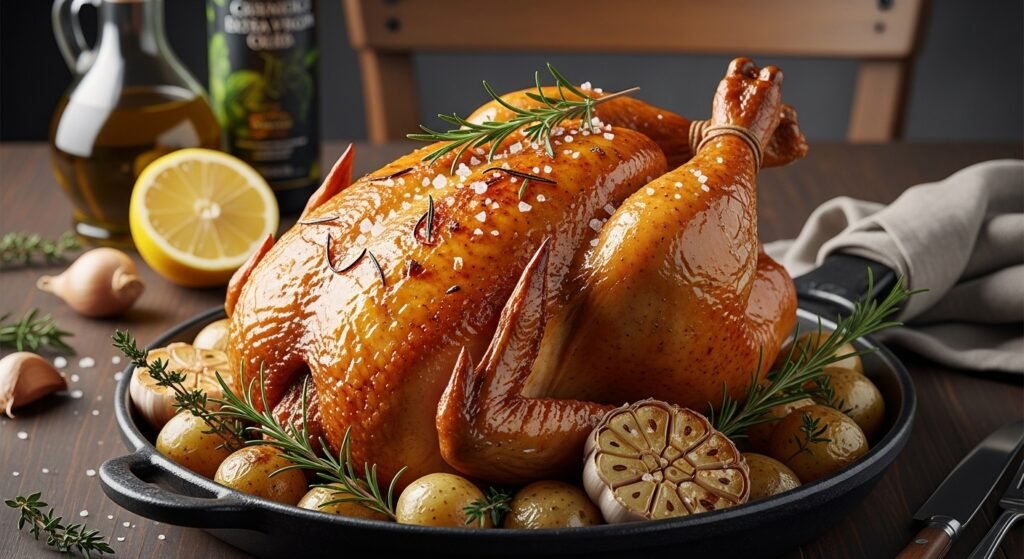
The world of food is full of amazing secrets. One of the coolest terms you might hear is pollaste. This isn’t just a fancy name for a regular bird. It is a whole vibe that mixes history with great taste. When we talk about pollaste, we are talking about top-tier poultry. This dish shows us how to treat ingredients with real respect. It is the king of the dinner table in many homes.
- Etymology and Linguistic Roots: The word comes from the Spanish word pollo. It adds a little extra flair to the end of the word. This change usually means the meal is extra special or festive. People use this name when they want to show the food is better than average.
- A Multi-Dimensional Definition: It is more than just a simple recipe you find in a book. It is a way of life in the kitchen. This concept focuses on taking your time to get things right. It stands for high quality and amazing flavor in every bite.
- The Whole Bird Philosophy: You do not just use the breast or the wings. You honor the whole animal by using every single part. This creates a much deeper flavor in the final dish. It is the most sustainable way to cook in your kitchen.
The Cultural and Historical Origins
The story of pollaste goes way back in time. It started in places where life moves a bit slower. You can find its heart in the sunny areas of the Mediterranean. People there have always known how to cook birds perfectly. It is a legacy passed down through many generations of chefs.
- Mediterranean and Latin American Influences: The style comes from sunny Spain and parts of Latin America. They use big clay pots to keep the heat steady. This keeps the meat tender and very juicy for hours. It is a classic way to feed a big, hungry crowd.
- The Evolution of the Dish: It started as a simple meal for country folks. Over time, it became a fancy dish in big cities. Now, it is a huge part of the slow food movement. People everywhere love it because it tastes like real home cooking.
- Symbolism in Social Gatherings: You usually see this meal at big family parties. It is the star of the show on Sunday afternoons. Having this on the table means you really care for guests. It is all about love, family, and sharing a great feast.
Sourcing and Selection: The Foundation of Quality
If you want great pollaste, you need a great bird. You cannot just grab any old chicken from the store. The quality of the meat is the most important part. It is the foundation of the whole entire meal. Better birds always lead to a much better dinner.
Selecting the Premium Bird

You want to look for a bird that lived well. A free-range chicken is always the best choice here. These birds have much more muscle and better flavor. Their lives make the meat taste way more complex. You can really tell the difference once you start cooking.
- The Case for Free-Range and Organic: These birds eat natural food and run around outside. This makes their meat firm and very healthy for you. Organic birds don’t have any of the bad chemicals. It is the cleanest way to enjoy a big meal.
- Corn-Fed vs. Foraged: Corn-fed birds usually have a bright yellow skin tone. Foraged birds have a very earthy and deep taste. Both options are way better than industrial factory birds. Look for firm meat when you touch the package.
- Age Matters: Younger birds are great if you want to roast fast. Older birds are better for long, slow stews and soups. The older meat holds up better during long cooking times. It gives the broth a very rich and deep feel.
Ethical and Sustainable Farming
Buying from local farmers is a really smart move. It helps the planet and your local community too. Sustainable farming means the birds are treated with kindness. This ethical choice actually makes the food taste better. You can feel good about what you are eating.
The Anatomy of Flavor: Essential Ingredients
The flavor of pollaste comes from a few key items. You don’t need a million different spices to win. It is about using the right things in the right way. Each ingredient has a special job to do here. When they mix together, magic happens in the pan.
The Aromatic Base (The Sofrito)

Every great pollaste starts with a good aromatic base. In many cultures, this is called a sofrito base. It smells amazing as soon as it hits the oil. This base builds a wall of flavor for meat. You should never rush this very first step.
- The Holy Trinity: This is a mix of garlic, onion, and peppers. These three items work together to create deep flavor. They are the backbone of almost every great dish. Use fresh ones for the very best results possible.
- Sautéing Techniques: You need to cook them over a very low heat. This lets the natural sugars come out and caramelize. The goal is to make them soft and sweet. Don’t let them burn or the dish gets bitter.
Herbs, Spices, and Seasonings
Herbs bring the scent of the garden to your plate. They make the pollaste smell like a fancy restaurant. Spices add the warmth and the beautiful golden color. Choosing the right ones is a real art form. It is how you make the dish your own.
- The Herb Garden: Fresh rosemary and thyme are the best buddies here. Bay leaves add a hidden layer of great scent. Always try to use fresh herbs instead of dried ones. They have more oils and way more punchy flavor.
- The Spice Palette: Smoked paprika gives it a nice woody, red tint. Saffron is the king of spices for a golden look. A little bit of cumin adds a nice warmth. These spices make the kitchen smell like a dream.
- Salt and Pepper: Use coarse sea salt to help crisp the skin. Freshly cracked black pepper adds a little spicy bite. Seasoning the bird early helps the salt get deep. This is called dry-brining and it is a pro tip.
Fats and Liquids
You need some moisture to keep things moving along. Fat is where most of the flavor actually lives. Liquid keeps the meat from getting tough and dry. Picking high-quality liquids makes a huge difference in taste. It turns the juices into a world-class sauce.
- Liquid Gold: Extra virgin olive oil is the only way to go. It adds a peppery and fruity taste to everything. It helps the skin get that perfect golden crunch. Use plenty of it to keep the pan happy.
- Deglazing Elements: A splash of dry white wine is a classic move. You can also use a rich, homemade chicken stock. This picks up all the brown bits from the pan. Those bits are where the most intense flavor hides.
- Acidity Balance: A squeeze of fresh lemon juice is very important. It cuts through the heavy fat and the salt. It makes the whole dish feel light and fresh. Citrus zest also adds a great pop of color.
Master Methods: Traditional Cooking Techniques
Cooking pollaste is about being patient and very careful. You cannot rush a masterpiece like this roasting bird. The old ways are often the most effective ways. Following these steps ensures your chicken is always perfect. It is all about controlling the heat and time.
The Art of the Slow Roast

Slow roasting is the secret to the best chicken. It lets the heat soak into the bones slowly. This process breaks down the tough parts of meat. You end up with something that melts in mouth. It is the ultimate way to cook a bird.
- Thermal Consistency: Use a heavy clay pot or a cast iron pan. These materials hold onto heat better than thin metal. They keep the temperature the same all the way through. This means no cold spots or burnt edges anywhere.
- The Low and Slow Approach: Keep your oven at a lower temperature for longer. This prevents the delicate meat from drying out fast. It gives the flavors more time to mix together. Patience is literally an ingredient in this famous dish.
- The Finishing Blast: Turn the heat up at the very end. This makes the skin bubble up and get crispy. It creates a great contrast with the soft meat. Everyone loves that perfect golden-brown crunch on top.
One-Pot Mastery
One-pot cooking is easy and very smart for flavor. All the ingredients live together in one single space. This means they share all their tasty juices constantly. It makes cleanup a total breeze for the cook. It is the most efficient way to make dinner.
- Flavor Melding: The veggies soak up the juice from the bird. The bird picks up the scent of the veggies. Everything ends up tasting like one big happy family. It is a beautiful harmony of different food items.
- Basting Techniques: Spoon the juices back over the bird every hour. This keeps the meat moist and full of flavor. It adds another layer of seasoning to the skin. It is a simple task that yields big results.
Modern Adaptations and Kitchen Innovations
We live in a fast world, but we still want pollaste. New tools can help us get there a bit faster. You can use modern tech to get traditional results. These tricks are great for busy people on go. You don’t have to wait all day anymore.
Technology in the Kitchen

Your kitchen gadgets are secret weapons for great chicken. They can handle the hard work for you easily. You can get amazing results with just one button. It is about working smarter, not harder, in kitchen. Technology makes great food available to everyone today.
- Air Fryer Adaptations: These machines are like tiny, super-fast convection ovens. They make the skin extra crispy in minutes. It is a great way to cook smaller pieces. You get that fried taste with way less oil.
- Pressure Cooking and Slow Cookers: A pressure cooker can make tender meat very fast. A slow cooker lets you cook while working. Both keep the moisture locked inside the pot forever. They are perfect for making dinner on a Tuesday.
- Sous Vide Poultry: This involves cooking meat in a warm water bath. It ensures the bird is cooked perfectly every time. You never have to worry about overcooking it again. It is how the fancy professional chefs do it.
The Meal Prep Revolution
Cooking one big bird can feed you for days. This is the ultimate hack for saving some money. You can make several different meals from one pollaste. It saves you so much time during the week. It is a very clever way to eat well.
- Batch Cooking: Roast two birds at once if you have room. Freeze the extra meat for a later date. It is just as easy as cooking only one. You will thank yourself later when you are tired.
- Leftover Transformation: Use the cold meat for a great Caesar salad. Shred it up and put it in some tacos. It works perfectly in a hot chicken noodle soup. The possibilities for leftovers are truly endless here.
Nutritional Profile and Health Benefits

Eating pollaste is actually really good for your body. It is packed with the things your muscles need. It is a clean source of energy for everyone. When you cook it right, it stays very healthy. It is a win for your taste buds too.
- High-Quality Lean Protein: Chicken is famous for being a great protein source. It helps your muscles grow and stay very strong. It keeps you feeling full for a long time. This helps you avoid snacking on unhealthy junk food.
- Vitamins and Minerals: It is full of B-vitamins for your brain power. Phosphorus helps keep your bones and teeth very hard. Selenium is great for your immune system’s health. It is like a natural multivitamin on a plate.
- Digestibility and Wellness: Slow-cooked meat is much easier for you to digest. The herbs like rosemary are good for your tummy. It is much better than eating greasy fast food. You will feel light and energized after eating.
- The Healing Power of Broth: Don’t throw away those bones after the meal. Boil them to make a collagen-rich bone broth. This is amazing for your skin and your joints. It is a true superfood that costs zero dollars.
The Art of Serving and Presentation
A great meal should also look really beautiful too. Presentation is the final step in the cooking process. It shows your guests that you did your best. How you serve the bird matters a lot. It makes the eating experience much more special.
Resting the Meat
This is the most skipped step in home kitchens. You must let the bird sit after cooking it. This lets the hot juices settle back inside meat. If you cut too soon, juices run out. Ten minutes of waiting makes a huge difference.
Classic and Contemporary Side Pairings

The bird needs some good friends on the plate. Sides should complement the flavor of the pollaste. You want a mix of textures and bright colors. It turns a single dish into a full feast. Choose sides that soak up all the extra sauce.
- Starchy Accompaniments: Saffron rice is a beautiful and very tasty choice. Roasted potatoes with garlic are always a big hit. A thick piece of bread is perfect for dipping. These help fill up the hungriest people at table.
- Fresh Balances: A simple green salad with lemon is very refreshing. Steamed asparagus adds a nice crunch and color. Roasted carrots bring a natural sweetness to the meal. Balance is the key to a great plate.
Wine and Beverage Pairing
The right drink can make the flavors really pop. You want something that matches the herbs and fat. It doesn’t have to be a very expensive bottle. Even simple drinks can elevate the whole dining experience. It is all about the right flavor match.
- White Wines: A crisp Sauvignon Blanc is a very safe bet. A buttery Chardonnay matches the roasted fat perfectly. Look for something with a bit of acidity. It cleans your palate between every single bite.
- Red Wines: Pinot Noir is light enough for roasted poultry meat. A Spanish Garnacha is a very traditional pairing choice. Avoid very heavy reds that might overwhelm the bird. You want the chicken to be the star.
- Non-Alcoholic Options: Sparkling water with a lime slice is great. An iced herbal tea with honey is delicious. Apple cider is a fun choice for fall. These keep you hydrated and happy during dinner.
Regional Variations and Global Interpretations
Pollaste looks different depending on where you travel today. Every culture puts their own spin on the bird. This variety is what makes cooking so much fun. You can explore the world from your own kitchen. It is a global language of delicious food.
- Spanish Provincial Styles: Some areas add salty green olives or capers. Others use a lot of sweet roasted peppers. The south of Spain loves to use Sherry. Each town has its own secret family recipe.
- Latin American Twists: You might find raisins for a sweet little pop. Some versions use spicy local chilies for extra heat. Coconut milk is used in some coastal versions too. It is a vibrant and very exciting style.
- Global Fusion: Chefs in Asia use soy and ginger techniques. American versions might focus on BBQ smoke flavors. People are always finding new ways to enjoy it. The basic idea of great chicken never changes.
Summary of Important Points for Culinary Success
To win at pollaste, keep these simple tips in mind. It is a journey of flavor and real skill. If you follow the basics, you will succeed. Your friends and family will be so impressed. Here is the cheat sheet for your kitchen.
- Quality Over Quantity: Buy the best olive oil you can afford. One great chicken is better than two cheap ones. Fresh ingredients make the chef’s job much easier. You cannot hide bad quality in this dish.
- Patience as an Ingredient: You cannot rush the slow-roasting process at all. Give the aromatics time to get very soft. Time is what turns a bird into pollaste. Good things really do come to those who wait.
- Zero-Waste Commitment: Save the fat for roasting your potatoes later. Use the bones for a very healthy soup stock. Nothing should go into the trash after cooking. It is a sign of a true master.
- The Social Experience: Food is meant to bring people together today. Put the whole pot in the middle table. Let everyone help themselves to the big feast. That is the real magic of the pollaste.
| Feature | Traditional Pollaste | Modern Adaptation |
| Cooking Vessel | Clay Pot or Cazuela | Air Fryer or Instant Pot |
| Cooking Time | 3 – 4 Hours (Slow) | 30 – 60 Minutes (Fast) |
| Main Fat Source | Extra Virgin Olive Oil | Avocado Oil or Butter |
| Flavor Profile | Herbal and Earthy | Spicy or Fusion Inspired |
FAQs
What is the ideal weight for a bird when making pollaste?
For the best results, you should look for a bird that weighs between three and four pounds. If the bird is too small, it might dry out during the long roasting process. If it is too large, the center might not cook evenly while the skin gets too dark. This middle weight allows the heat to penetrate the bones perfectly.
Can I prepare this dish using a clay baker or a Romertopf?
Yes, using a clay baker is actually one of the most traditional ways to handle this meat. You should soak the lid of the clay baker in water for about fifteen minutes before you start. This creates a small amount of steam inside the oven which keeps the chicken incredibly moist. It helps mimic the ancient style of cooking used in rural villages.
How do I store leftovers to keep the skin from getting soggy?
The best way to store your extra food is in a shallow airtight container. You should let the meat cool down to room temperature before you put the lid on tight. If you put hot meat in the fridge, steam builds up and makes the skin very soft. For the best texture, keep the skin facing up and don’t stack the pieces.
What is the best way to reheat pollaste without drying it out?
You should avoid the microwave if you want to keep that great texture. Instead, place the pieces in an oven set to three hundred degrees Fahrenheit. Add a tiny splash of water or stock to the bottom of the pan and cover it with foil. This gently warms the meat through while keeping all those juices locked inside.
Is it safe to leave the bird at room temperature before roasting?
It is actually a great idea to let the bird sit on the counter for about thirty minutes. You should never leave it out for more than an hour for safety reasons. Taking the chill off the meat helps it cook much more evenly in the oven. Cold meat often results in a bird that is burnt on the outside and raw in the middle.
Can I use dried herbs if I cannot find fresh ones?
You can use dried herbs, but you must change the amount you use. Dried herbs are much more concentrated and stronger than fresh ones. Use about one teaspoon of dried herbs for every tablespoon of fresh herbs called for. Rub the dried herbs between your palms to wake up the oils before adding them to the bird.
Why does the skin sometimes turn out rubbery instead of crispy?
Rubbery skin usually happens because there was too much moisture on the surface. You must pat the chicken completely dry with paper towels before you add the oil. If the skin is wet, it will steam rather than fry in the oven. Also, make sure you are using enough fat to help that skin crisp up.
Should I cover the chicken with foil while it is roasting?
You should only cover the chicken if you see the skin getting too dark too fast. Leaving it uncovered for most of the time is what creates that beautiful golden color. If you cover it the whole time, the skin will stay pale and soft. Use a loose tent of foil only during the last twenty minutes if needed.
Does the type of salt I use really make a difference?
Yes, using a coarse salt like Kosher salt or sea salt is much better than table salt. Coarse salt grains stick to the skin better and draw out moisture more effectively. This leads to a much crunchier skin and a better seasoned bird. Table salt is very fine and can make the dish taste way too salty very quickly.
What can I do if the pan drippings start to smoke?
If the oil in the pan starts to smoke, your oven might be a little too hot. You can add a half-cup of water or chicken broth to the bottom of the roasting pan. This lowers the temperature of the fat and stops it from burning. It also helps create the base for a very delicious gravy later on.
Is it okay to cook vegetables underneath the chicken?
This is a fantastic idea and is actually highly recommended for flavor. Potatoes, carrots, and onions soak up the fat that drips off the bird as it roasts. This makes the vegetables taste incredible and keeps them from drying out. Just make sure you don’t crowd the pan or the chicken won’t crisp up.
How can I tell if the bird is done without a meat thermometer?
You can check by piercing the thickest part of the thigh with a small knife. If the juices that run out are completely clear, the bird is ready to eat. If the juices are pink or red, it needs more time in the heat. Also, the legs should wiggle very easily in their joints when the meat is tender.
Can I make a spicy version of pollaste?
Absolutely, you can add red pepper flakes or a bit of cayenne pepper to your spice rub. Some people like to use a spicy oil or add sliced jalapeños to the roasting pan. Just be careful not to use so much heat that you hide the natural flavor of the poultry. Balance is always the most important thing.
What is the difference between roasting and braising this dish?
Roasting uses dry heat and results in a very crispy skin. Braising involves cooking the meat in a larger amount of liquid and usually produces softer skin. Most pollaste recipes use a mix of both by roasting the bird with a small amount of liquid. This gives you the best of both worlds with tender meat and good skin.
Can I use butter instead of olive oil?
You can use butter, but it has a lower smoke point than olive oil. This means butter can burn and turn bitter if the oven is very hot. Many people like to use a mix of half butter and half olive oil. This gives you the rich flavor of butter with the protection of the oil.
How do I get the herbs to stay on the skin?
Mixing your chopped herbs directly into the olive oil or softened butter is the best trick. This creates a paste that you can rub all over the bird easily. The oil acts like a glue that keeps the herbs from falling off. It also helps the herb flavors soak directly into the skin.
Is it necessary to tie the legs together before cooking?
Tying the legs, also known as trussing, helps the bird keep a nice shape. It also prevents the cavity from opening up too much and drying out the breast meat. You don’t have to do it, but it makes for a much prettier presentation. Use simple kitchen twine that is safe for the oven.
Can I cook two birds in the same pan at once?
You can cook two birds, but you must make sure they are not touching each other. There needs to be space for the hot air to move all the way around each bird. If they are touching, the skin will stay soggy in those spots. You might also need to increase the total cooking time slightly.
What should I do with the giblets found inside the bird?
Never throw the giblets away because they are full of amazing flavor. You can simmer them in a small pot with water to make a quick stock. This stock can be added to the roasting pan or used to make a gravy. They are a secret weapon for making your sauce taste professional.
Why do some recipes suggest putting a lemon inside the bird?
Placing a halved lemon in the cavity releases steam and citrus oil from the inside out. This seasons the meat from within and keeps the breast meat very juicy. It also gives the finished dish a very bright and fresh aroma. You can also add a few cloves of garlic for even more scent.