Skip to content
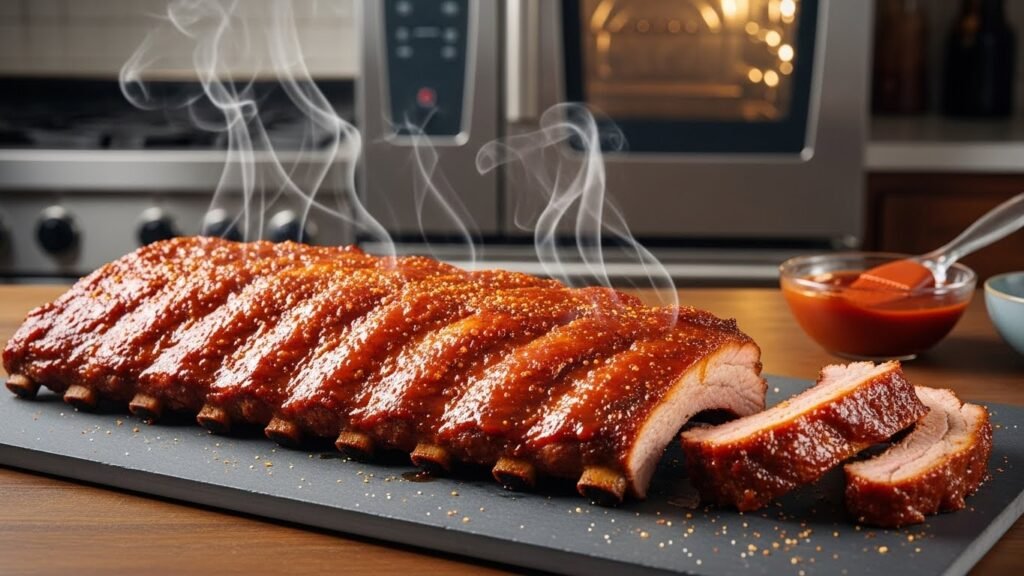
When the weather turns cold, you do not have to stop eating great BBQ. You can use your oven to make ribs that taste just like they came off a smoker. This guide will show you how long to cook ribs in the oven so they come out perfect every time.
Cooking ribs inside is easy and keeps you warm while you wait. Your oven provides steady heat which helps the meat stay juicy and tender. You can get that competition flavor without even stepping outside.
We will cover everything from picking the right meat to hitting the perfect internal temperature. You will learn the best tricks for trimming, seasoning, and glazing your ribs. Let’s get started on your journey to becoming an indoor pitmaster.
Introduction to Oven-Baked Ribs
You might think you need a big grill for good ribs. That is simply not true at all. Your kitchen oven is a secret weapon for making world-class barbecue. It allows you to cook low and slow in any season.
The main goal is to reach a texture that passes the professional wave test. This means the meat is tender but still has a little bite. We want a sticky glaze and a rich bark on the outside.
- Year-round BBQ: You can make these on the coldest winter days.
- Steady Heat: Ovens hold a constant temperature better than many grills.
- Simple Prep: You do not need to mess with charcoal or wood chunks.
- Great Texture: Low heat helps the fat render into the meat.
Understanding Your Meat: Types of Ribs
Knowing your meat is the first step to a great meal. Different cuts need different times in the oven. Here are the main types of ribs you will find at the store.
Baby Back Ribs (Pork)
These ribs come from the top of the pig’s back. They are lean and usually smaller than other types. They weigh about one to two pounds per rack. These are a fan favorite because they cook relatively fast.
Spare Ribs
Spare ribs are cut from the belly of the pig. They are flatter and have more fat than baby backs. This extra fat means they have a ton of flavor. They usually weigh between two and four pounds.
St. Louis-Style Ribs
These are spare ribs that have been trimmed up neat. The sternum and cartilage are removed to make a rectangle. This shape helps them cook very evenly in the oven. They look very professional on a serving platter.
Country-Style Ribs
These are actually more like rib steaks than true ribs. They come from the shoulder end and are very meaty. You can buy them with bones or without bones. They are great if you want a lot of meat in every bite.
Beef Ribs
Beef ribs are much larger than pork ribs. You might see back ribs or short ribs at the market. They have a very rich and beefy taste. A single rack can weigh up to five pounds.
Selecting Quality Ribs at the Grocery Store
Getting the right meat makes your job much easier. You want to look for specific signs of quality. Do not just grab the first package you see.
- Pinkish Color: Look for meat that is a nice pink or light red.
- Good Marbling: White flecks of fat inside the meat add flavor.
- No Shiners: Avoid racks where the bone is sticking out too much.
- Natural Pork: Try to find meat that has no added salt water.
Essential Tools and Equipment
You need a few basic tools to get the best results. Most of these are likely already in your kitchen. Having everything ready helps the process go smoothly.
- Baking Sheets: A rimmed sheet will catch all the fat drippings.
- Cooling Rack: This lifts the meat so air flows underneath it.
- Thermometer: An instant-read tool tells you exactly when they are done.
- Aluminum Foil: This is used for lining pans and wrapping the meat.
- Gloves: Heat-resistant gloves protect your hands from the hot tray.
Preparing the Ribs for the Oven
Good prep work leads to a better eating experience. You want to take your time with these steps. It only takes a few minutes but makes a huge difference.
The Trimming Process

Start by taking the ribs out of the plastic wrap. Use a paper towel to pat the meat dry. This helps your seasonings stick better to the surface.
- Remove Membrane: Use a butter knife to lift the skin on the bone side.
- Grip with Paper: Use a paper towel to pull the membrane off.
- Square the Ends: Trim off any thin or loose pieces of meat.
- Fat Removal: Cut away any large chunks of hard white fat.
Using Binders
A binder helps your dry rub stay on the meat. It does not change the flavor much. It just acts like a glue for your spices.
- Yellow Mustard: This is the most popular choice for BBQ.
- Olive Oil: This works well if you do not like mustard.
- Water: A light splash can work in a pinch.
Mastering Flavor: Rubs and Seasonings

The rub is where you build the foundation of flavor. You can buy a mix or make your own. A good rub has a balance of salt and sweet.
The Dry Rub Foundation
Most BBQ rubs start with sugar and salt. Paprika is added to give the meat a deep red color. Garlic and onion powder add a savory depth.
- Honey Granules: These add a nice sweetness that caramelizes well.
- Black Pepper: This provides a little bit of back-end heat.
- Smoked Paprika: This helps mimic the flavor of a real fire.
Advanced Flavor Profiles
You can change the rub based on what meat you use. Beef ribs often do better with more salt and pepper. Pork ribs love a little bit of heat from jalapeño or chili powder.
- Sweet Rubs: Use brown sugar for a classic sticky rib.
- Zesty Rubs: Add lemon pepper for a bright and fresh taste.
- Savory Rubs: Use extra garlic for a deeper flavor profile.
Applying the Seasoning
Do not be shy when you put the rub on. You want a heavy coating on every side. This creates the bark that everyone loves to eat.
- All Sides: Remember to season the edges and the bone side.
- Pat it In: Press the spices into the meat with your hand.
- Let it Sit: Wait a few minutes for the rub to look wet.
The Science of Oven Temperatures and Timing
Choosing the right temp is key to the question of how long to cook ribs in the oven. Lower temps take longer but make the meat softer. Higher temps are faster but require more attention.
Low and Slow vs. Hot and Fast
If you have the time, stay between 250°F and 300°F. This gives the fat time to melt away. If you are in a rush, you can go up to 350°F.
- 250°F: The best for a true “fall off the bone” texture.
- 300°F: A great middle ground for speed and quality.
- 350°F: Use this if you need dinner ready in under two hours.
Detailed Cooking Duration
How long to cook ribs in the oven depends on the cut of meat. Baby backs usually cook faster than large spare ribs. Here is a quick guide for your kitchen.
- Baby Backs at 300°F: Usually takes about 2.5 to 3 hours.
- Spare Ribs at 300°F: Usually takes about 3 to 4 hours.
- Beef Ribs at 275°F: Can take 5 to 6 hours to get tender.
| Rib Type | Best Oven Temp | Avg. Cook Time | Target Internal Temp | Primary Characteristics |
| Baby Back Ribs | 300°F | 2.5 – 3 Hours | 195°F – 200°F | Lean, small, and very tender; easy to handle. |
| Spare Ribs | 275°F | 4 – 5 Hours | 195°F – 203°F | Higher fat content; flatter and very flavorful. |
| St. Louis Style | 300°F | 3 – 4 Hours | 195°F – 203°F | Uniform rectangular shape; cooks very evenly. |
| Country Style | 350°F | 45 – 60 Mins | 165°F – 170°F | Very meaty; can be served more like a steak. |
| Beef Back Ribs | 275°F | 4 – 5 Hours | 200°F – 205°F | Rich marrow flavor; less meat on top of bone. |
| Beef Short Ribs | 275°F | 5 – 6 Hours | 203°F – 205°F | Extremely beefy; needs the most time to render. |
To Wrap or Not to Wrap?
Wrapping your ribs in foil is a common trick. It is often called the Texas Crutch. It helps you control the moisture and speed.
The Texas Crutch (Foil Wrapping)

Wrapping ribs traps steam against the meat. This makes them cook much faster. It also guarantees the meat will be very soft.
- Pros: Speeds up the cook and prevents the meat from drying out.
- Cons: Can make the crust or bark a little bit soft.
- Liquids: You can add apple juice or butter inside the foil.
The Unwrapped Method
Some people prefer to leave the ribs open the whole time. This creates a much better bark on the outside. You just have to watch them so they do not dry out.
- Airflow: Use a rack so heat hits the bottom of the ribs.
- Rotation: Move the ribs between racks for even browning.
- Basting: You can spray them with juice to keep them moist.
Mimicking the Smoker: Infusing Wood Flavor Indoors
You can still get a smoky taste without a real fire. There are a few easy ways to do this in an oven. It makes the ribs taste more authentic.
- Liquid Smoke: Add a few drops to your binder or sauce.
- Smoked Spices: Use smoked salt or smoked paprika in your rub.
- Dark Sugar: Use dark brown sugar for a deeper, toasted flavor.
The Glazing and Finishing Stage
The glaze is the final layer of flavor. It gives the ribs a beautiful shine. It also adds a sweet and sticky texture.
Crafting the Perfect Sauce
You can mix different sauces together for a unique taste. A sweet sauce works great with a spicy glaze. It creates a complex flavor that people love.
- Sweet Base: Start with a thick ketchup-based BBQ sauce.
- Fruit Notes: Add a cherry or apple glaze for brightness.
- The Heat: A dash of habanero sauce can add a nice kick.
The Final Touch: Broiling and Tacking
Once you add sauce, you need to set it with heat. This is called “tacking up” the sauce. It keeps the sauce from running off the meat.
- Glaze Time: Apply the sauce in the last 30 minutes of cooking.
- Broiler Trick: Use the broiler for 2 minutes to get a char.
- Resting: Let the ribs sit so the glaze firms up slightly.
Essential Post-Cook Steps
Do not cut the ribs right when they come out. You need to be patient for a few more minutes. This ensures the best possible results.
The Rest Period
Resting the meat lets the juices settle back in. If you cut too soon, all the moisture will run out. Your ribs will end up dry.
- Time: Let them rest for at least 10 to 15 minutes.
- Cover: Use a loose piece of foil to keep them warm.
Slicing for Presentation

Turn the ribs over so the bones face up. This makes it much easier to see where to cut. You will get clean, even slices every time.
Target Internal Temperatures for Perfection
Using a thermometer is better than guessing. It takes all the worry out of the process. Different meats have different target numbers.
- Pork Ribs: Aim for 195°F to 203°F for the best texture.
- Beef Ribs: These need to go slightly higher, up to 205°F.
- Safety: Pork is safe at 145°F, but it won’t be tender yet.
Serving and Side Dish Pairings

Ribs are the star, but sides make the meal complete. You want items that balance the heavy meat. Traditional BBQ sides always work best.
- Coleslaw: The crunch and vinegar cut through the fat.
- Potato Salad: A creamy side that everyone loves at a BBQ.
- Baked Beans: You can cook these in the oven at the same time.
- Cornbread: Perfect for soaking up any extra BBQ sauce.
Storage and Reheating Guidelines
If you have leftovers, store them the right way. They can be just as good the next day. You just have to reheat them slowly.
- Fridge: Keep in a sealed container for up to 4 days.
- Freezer: They stay good for up to 5 months if wrapped well.
- Reheating: Use the oven at 250°F with a little extra sauce.
Common Mistakes to Avoid
Even pros make mistakes sometimes. Watch out for these common errors to stay on track.
- Skipping the Membrane: This leaves a tough skin on the ribs.
- Too Much Sauce: Don’t put sauce on too early or it will burn.
- High Heat: Cooking too fast can make the meat tough.
- Not Resting: Cutting too soon leads to dry meat.
Conclusion
Mastering how long to cook ribs in the oven is the ultimate secret to enjoying championship-quality barbecue regardless of the weather or your equipment. By focusing on a low and slow approach—typically between 275°F and 300°F—you allow the tough connective tissues to transform into a tender, succulent texture that rivals any outdoor smoker.
The process is simple but requires attention to detail: start with high-quality meat, remove the membrane for better flavor penetration, and use a reliable meat thermometer to hit that 195°F–203°F sweet spot. Whether you choose the lean Baby Back, the flavorful Spare rib, or a hearty rack of Beef ribs, the oven provides the consistent environment needed for a perfect “wave test” finish. With the right dry rub and a final sticky glaze, you can confidently serve a professional-grade meal right from your kitchen.
Frequently Asked Questions
Can I cook ribs in a toaster oven?
Yes, you can cook ribs in a larger toaster oven if the rack fits. You will need to cut the rack of ribs in half or into thirds to ensure they don’t touch the heating elements. Because toaster ovens are smaller, they may have hot spots, so it is important to rotate the meat more frequently to avoid burning.
What is the silver skin and do I really have to remove it?
The silver skin is a tough, white connective tissue found on the bone side of the ribs. Unlike fat, it does not melt during the cooking process. If left on, it acts as a barrier that prevents seasonings and heat from penetrating the meat, resulting in a rubbery texture that is difficult to chew.
Can I use parchment paper instead of aluminum foil?
Parchment paper can be used for the initial baking phase to prevent sticking, but it is not as effective as aluminum foil for the “wrapping” or “steaming” phase. Aluminum foil provides a tighter seal that traps steam, which is essential for the tenderization process known as the Texas Crutch.
How do I prevent the ribs from becoming too salty?
Many store-bought BBQ rubs contain high amounts of salt. To avoid over-salting, look for “low sodium” rubs or make your own so you can control the ratio. Additionally, remember that as the ribs cook and shrink, the salt concentration becomes more intense, so a lighter hand is often better.
Why did my ribs turn out mushy instead of tender?
Mushy ribs are usually the result of over-steaming during the foil-wrap phase. If you leave the ribs wrapped in foil with too much liquid for too long, the meat loses its structural integrity and becomes similar to boiled meat. Limit the foil time to no more than 60 to 90 minutes.
What is the difference between wet and dry ribs?
“Wet” ribs are generously brushed with BBQ sauce several times during the final stages of cooking to create a thick, sticky coating. “Dry” ribs are served with only the dry rub seasoning and no sauce, relying entirely on the flavor of the spices and the rendered fat.
Can I use a glass baking dish instead of a metal sheet pan?
While a glass dish works, metal sheet pans are preferred for ribs. Metal conducts heat more efficiently and allows for better airflow, especially when using a wire rack. Glass dishes tend to hold moisture in, which can prevent the ribs from developing a proper crust or bark.
Is it safe to cook ribs at a very low temperature like 200°F?
While it is technically safe if the meat reaches the proper internal temperature, cooking at 200°F takes an extremely long time and may leave the fat feeling “waxy” rather than melted. For the best balance of safety and texture, 225°F is generally considered the lowest ideal temperature.
How do I get a “smoke ring” in the oven?
A true smoke ring is a chemical reaction between nitrogen dioxide and the meat’s myoglobin, which requires wood smoke. However, you can “fake” a smoke ring in the oven by using a curing salt (like Pink Salt #1) in your rub, though this is primarily for aesthetics and does not add smoke flavor.
What should I do if my ribs are still tough after the allotted time?
If your ribs are tough, they are likely undercooked, not overcooked. The connective tissue needs time and heat to turn into gelatin. Simply wrap them back up and put them back in the oven, checking the tenderness every 20 minutes until a toothpick slides in easily.
Can I cook ribs ahead of time and finish them later?
Yes, you can cook ribs until they are tender, cool them down, and refrigerate them. When you are ready to serve, bring them to room temperature, apply your sauce, and place them under the broiler or on a hot grill to caramelize the glaze and heat them through.
Does the grade of meat (Choice vs. Prime) matter for ribs?
While Prime ribs have more intramuscular fat (marbling) and can be more forgiving, the “Choice” grade found in most grocery stores is perfectly fine for ribs. Because ribs are cooked low and slow, even leaner cuts will become tender if handled correctly.
Can I use apple cider vinegar as a mop or spray?
Apple cider vinegar is an excellent tool for oven ribs. Spritzing the ribs with a mixture of vinegar and water (or apple juice) every 45 minutes helps keep the surface moist and adds a subtle tang that cuts through the richness of the fat.
Why do my ribs smell like vinegar after cooking?
If you use a heavy mustard binder or an acidic mop spray, you might smell vinegar during the cook. This scent usually dissipates as the ribs finish, leaving behind a balanced flavor. If the smell is overwhelming, you may be using too much liquid during the wrapping phase.
How do I cook ribs in the oven without a wire rack?
If you don’t have a wire rack, you can create “joists” out of crumpled aluminum foil or use thick slices of onion and celery to prop the meat up off the bottom of the pan. This prevents the ribs from boiling in their own rendered fat.
What is the “Bend Test”?
The bend test is a manual way to check for doneness. Pick up the rack of ribs about one-third of the way down with a pair of tongs. If the rack bends significantly and the meat surface begins to crack or “tear” slightly, the ribs are perfectly tender and ready.
Can I use honey instead of sugar in my rub?
Fresh honey is difficult to use in a dry rub because it is a liquid, but you can use “granulated honey” or “honey powder.” If using liquid honey, apply it during the foil-wrap stage or as part of the final glaze to avoid burning it during the long bake.
How many ribs should I plan per person?
For Baby Back ribs, plan on roughly half a rack per person. For larger, meatier Spare ribs or St. Louis ribs, 3 to 4 individual bones per person is usually sufficient, depending on what side dishes are being served.
Can I use a convection setting for ribs?
You can use convection, but you should lower the suggested oven temperature by about 25°F. The fan in a convection oven moves hot air rapidly, which can dry out the surface of the meat faster than a conventional oven.
Why is my BBQ sauce burning on the ribs?
Most BBQ sauces are high in sugar (from molasses, honey, or high fructose corn syrup). Sugar burns at approximately 325°F. To prevent burning, only apply your sauce during the final 20–30 minutes of cooking once the oven temperature is stable or lower.