Skip to content
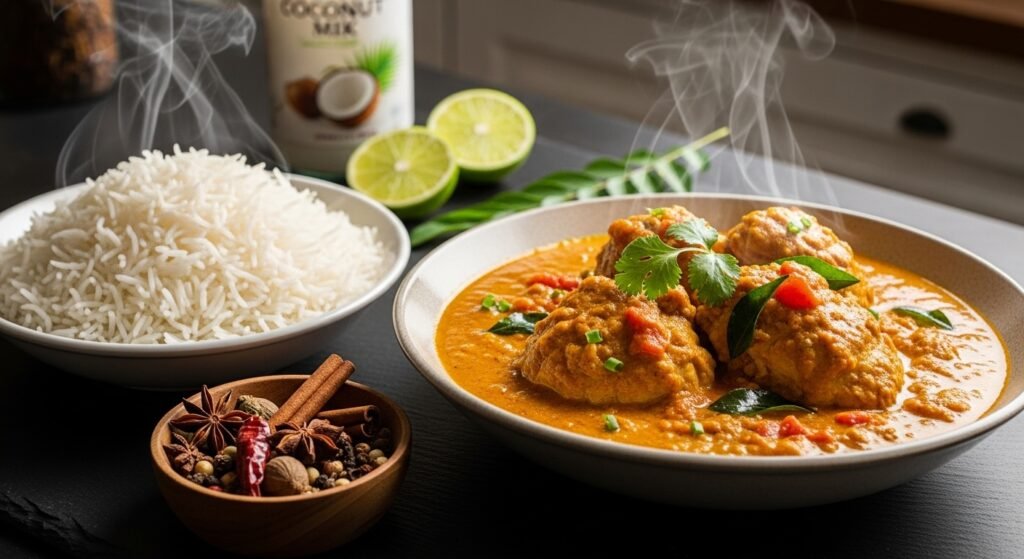
If you want the ultimate comfort food, you must try curry chicken and rice. This dish offers a perfect mix of spicy, savory, and creamy flavors that feel like a warm hug in every bite. While many people think making an authentic curry is difficult or time-consuming, anyone can actually master this delicious meal at home with the right guidance.
This guide explores two amazing styles: the coastal flavors of Kerala, India, and the bold, fiery vibes of the Caribbean. You will learn exactly how to pick spices, prep your meat, and cook perfectly fluffy rice every time. Grab your apron and get ready to become a kitchen legend by cooking some truly incredible food for your family.
Culinary Origins and Flavor Profiles
The history of curry chicken and rice is like a global map, starting in South Asia and traveling across oceans to find new homes. Over many years, different cultures added their own local touches to the recipe. In India, flavors vary by region, with southern areas using fresh coconut and citrusy curry leaves to create light, aromatic sauces.
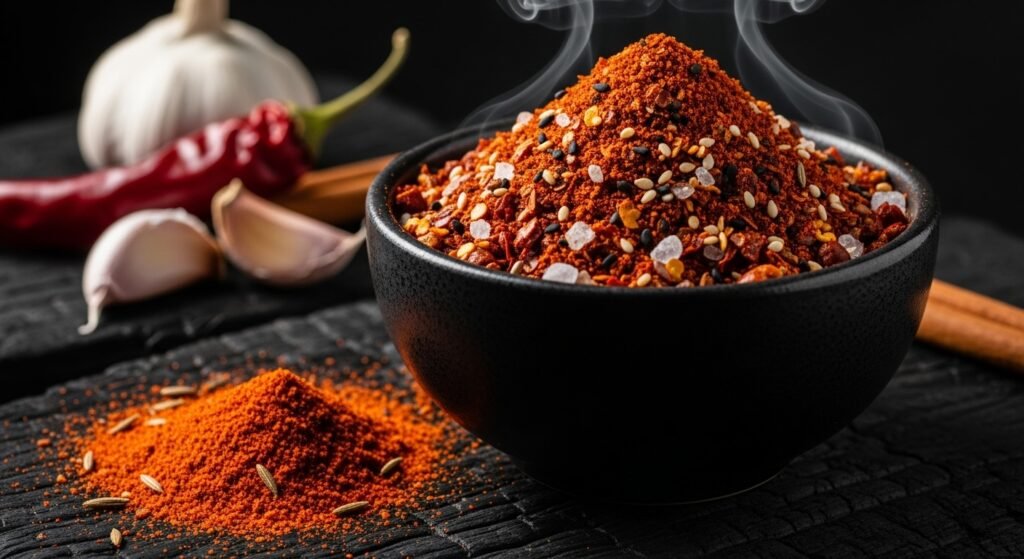
Traditional Indian recipes focus on more than just heat; they rely on a perfect balance of earthy turmeric and warm cumin. These high-quality ingredients allow the flavors to bloom in your mouth with every bite. When you taste an authentic version, you truly experience the deep aroma and rich history of these classic spices.

The Indian Influence
Indian curries are famous for their many variations that suit every palate. In the state of Kerala, cooks often use a wooden box filled with a rainbow of spices. They prefer to toast and grind their own spices for a more robust flavor. This method makes the food smell much better than using pre-made powders from a store. They even use fresh coconut water and shaved coconut to make the sauce rich. This creates a natural sweetness that balances out the savory chicken and earthy spices perfectly. You can really taste the history of the spice trade in every spoonful you eat.
The Caribbean Fusion
Jamaican curry chicken is a cool mix of cultures from all over the globe. It takes the aromatic spices from India and marries them with soulful Caribbean flavors. The stars of this show are turmeric, coriander, and fenugreek found in Jamaican curry powder. This blend gives the dish a very distinctive yellow color and a savory punch. Islanders also add things like scotch bonnet peppers to give it a signature fiery kick. It is a dish that feels both familiar and exotic at the exact same time. This fusion shows how people from different backgrounds can create something truly delicious together.
Heat vs. Aroma
A common mistake is thinking that all curry chicken and rice must be super spicy. Some recipes focus more on the aroma and the robust flavor rather than pure heat. You can have a very fragrant dish that uses mild chile flakes instead of hot peppers. The smell comes from toasting cumin, garlic, and fresh ginger until they become very fragrant. Fresh curry leaves also offer a crisp and citrusy tang when you fry them. If you like heat, you can always add more minced jalapenos or scotch bonnets. The goal is to make the dish taste balanced so you can enjoy every layer.
Essential Kitchen Tools and Equipment
Having the right gear makes cooking curry chicken and rice much easier and faster. You do not need a professional kitchen, but a few specific tools really help. Good tools ensure your spices are ground well and your chicken cooks evenly. When your equipment is solid, you can focus on the fun part of tasting. It also makes cleaning up much less of a headache after the meal. Here is what you should have on your counter before you start.
- Food Processor: Use this to grind fresh coconut, garlic, and ginger into a coarse paste.
- Large Skillet: A heavy skillet or a hybrid skillet helps you sear the meat perfectly.
- 4-Quart Saucepan: This size is ideal for boiling and steaming your basmati rice without it boiling over.
- Chef’s Knife: You need a sharp knife to cut through chicken bone or cube the breasts.
- Cutting Board: Keep a sturdy board ready for all the onions, tomatoes, and ginger you will chop.
- Mixing Bowls: Use large bowls for marinating the chicken and smaller ones for holding your spice paste.
Ingredient Breakdown: The Indian Style (Serves 6)
The Indian style of curry chicken and rice relies on fresh, whole ingredients. You want to use the best chicken and freshest herbs you can find at the store. This version is gluten-free and very freezer-friendly for busy weeknights. The measurements here are exact so you get the perfect balance of flavors.
Protein and Marinade
The marinade is the first step to making sure your chicken is not bland. It helps the spices soak deep into the meat before it even hits the pan.
- 3 boneless, skinless chicken breasts: You will need about 12 ounces cut into 1-inch cubes.
- Juice of 3 limes: This provides the acidity needed to tenderize the meat.
- 1 teaspoon salt: This helps draw out the natural juices of the chicken.
- 1 teaspoon ground turmeric: This gives the chicken its first layer of warm color.
Fresh Coconut Curry Paste
Making your own paste is the secret to an authentic Indian taste. It is much better than anything you can buy in a jar.
- 1 cup fresh coconut: You can use unsweetened frozen coconut if fresh is not available.
- 8 cloves garlic: Make sure these are chopped well before putting them in the processor.
- 1 tablespoon fresh ginger: Chopped ginger adds a nice zing and warmth to the paste.
- 1 1/2 tablespoons ground cumin: This provides the main earthy base for the curry.
- 1/4 teaspoon red chile flakes: This adds just a tiny bit of heat without being overwhelming.
- 10 fresh curry leaves: These are optional but add a great citrusy aroma.
- 1 teaspoon salt: This final bit of salt seasons the entire paste.
Aromatics and Liquids
These ingredients create the sauce that brings the curry chicken and rice together. They provide the texture and the creamy finish that people love.
- 2 tablespoons coconut oil: You can also use vegetable oil if you prefer.
- 1 onion: A medium onion, chopped finely, serves as the base of the sauce.
- 2 tomatoes: Chopped fresh tomatoes or one can of drained tomatoes work great.
- 1 jalapeno: Mince this to add a fresh green pepper flavor and extra heat.
- 1 can coconut milk: This makes the curry creamy and rich.
- 10 additional curry leaves: Save these to stir into the sauce while it simmers.
- 2 tablespoons chopped cilantro: This is the perfect garnish for a fresh finish.
Ingredient Breakdown: The Caribbean Style (Serves 4)
The Caribbean version of curry chicken and rice is all about bold seasonings. It uses bone-in meat to get every bit of flavor out of the chicken. This style is famous for being very savory and often a bit spicy.
Bone-In Protein
Using bone-in meat makes the sauce taste much richer and more traditional. It takes a little more work to prep, but it is worth it.
- 4 chicken leg quarters: Remove the skin and cut them into bite-size pieces.
- 2-3 limes: These are essential for cleaning the meat before you start seasoning.
The “Flavor Party” Marinade
This marinade is a mix of fresh herbs and pre-made spice blends. It creates a deep flavor that develops over several hours.
- 2 tablespoons Walkerswood green seasoning: This is a high-quality product from Jamaica.
- 1-2 scotch bonnet peppers: Use these minced for a very fiery and fruity kick.
- Fresh thyme sprigs: Thyme adds a classic earthy flavor found in island cooking.
- 2 tablespoons garlic: Minced garlic is a must for any savory Caribbean dish.
- 1 tablespoon ginger: Fresh ginger helps balance the heat of the peppers.
- 3-4 green onions: Chop these up to add a mild onion bite to the marinade.
- 1 tablespoon chicken bouillon: This boosts the savory “umami” taste of the whole dish.
- 2 tablespoons low sodium soy sauce: This adds color and a salty depth to the chicken.
Bulk and Body
These ingredients turn the chicken into a full, hearty meal. They soak up all the sauce so every bite is delicious.
- Jamaican curry powder: Add this to your taste to get that bright yellow color.
- Allspice: A little bit of this adds a warm and spicy island aroma.
- 2 russet potatoes: Cube these so they can soak up the curry sauce.
- 2 carrots: Sliced carrots add a bit of sweetness and nice color.
- 2 onions: Chopped onions help thicken the sauce as they cook down.
- 1 can coconut milk: This adds a luxurious richness to the spicy sauce.
- Chicken broth: Use this as needed to keep the curry from getting too dry.
Science of Spice: Understanding Your Ingredients
To make great curry chicken and rice, you need to know how ingredients work. Spices are not just for color; they change how the food feels in your mouth. Understanding the science helps you adjust recipes to your own liking. You will know exactly why the garlic smells so good when it hits the oil. It turns cooking from a chore into a fun experiment.
The Role of Aromatics in Deep Flavor
Aromatics are the vegetables and herbs that create the “smell” of the dish. They are the foundation of every single great curry out there.
- Ginger and Garlic: A 2:1 ratio of garlic to ginger is a classic starting point for depth.
- Onion Caramelization: Sautéing onions until soft releases their natural sugars for a sweet base.
- Scotch Bonnet vs. Jalapeno: Scotch bonnets are fruity and very hot, while jalapenos are more grassy and mild.
Coconut: Milk vs. Water vs. Fresh Shavings
Coconut is a huge part of many curry chicken and rice recipes. It provides the fat that carries the flavor of the spices to your tongue.
- Coconut Milk: This provides the fat needed to dissolve the flavors in the spices.
- Fresh Coconut: Adding shavings gives the dish a unique texture and nutty sweetness.
- Coconut Water: Some traditional cooks use this for a lighter, thinner sauce with a subtle taste.
Master Preparation Techniques
Prep work is the most important part of making curry chicken and rice. If you prep well, the actual cooking part is a total breeze. You want to have everything chopped and ready before you turn on the stove. This prevents you from burning your spices while you are busy cutting onions. It also ensures that every piece of chicken gets the same amount of love.

Cleaning and Prepping the Protein
How you handle your meat changes the final texture of your meal. Different cultures have very specific ways of getting chicken ready for the pot.
- The Caribbean Method: Clean the chicken with lime and cold water to remove bone shards and excess fat.
- The Indian Method: Cut the breast meat into uniform 1-inch cubes so they all cook at the same time.
The Art of the Marinade
Marinating is not just for flavor; it also changes the texture of the meat. A good soak makes the chicken much more juicy and tender.
- Timing: A 2 to 24-hour soak is best for the flavors to penetrate the bone.
- Enzymatic Tenderizing: The lime juice in the marinade breaks down tough fibers in the meat.
The Art of Hand-Crafting Curry Paste
A fresh paste is what separates a good curry from a legendary one. It is easy to do if you have a food processor or a blender.
- Texture Goals: You want a coarse paste that still has some visible bits of coconut and herbs.
- Order of Operations: Put hard items like coconut and ginger in first to ensure they get ground up well.
Toasting vs. Burning the Curry
Toasting your spices is a key step that many beginners skip. It wakes up the oils in the spices and makes them much more potent.
- The Secret Step: Sauté the curry powder in oil with onions before you add any liquids.
- Visual Cues: Watch for the powder to turn a rich, dark color and smell very fragrant.
Step-by-Step Cooking Instructions
Now it is time to put everything together and start the fire. Follow these steps closely to ensure your curry chicken and rice comes out perfect. Cooking in the right order is the secret to a professional-tasting meal. You will see how the sauce builds layer by layer as you go.

Searing and Sautéing
Searing the meat locks in the juices and creates a better texture. It also adds a nice brown color to the outside of the chicken.
- Sear the Meat: Cook the chicken in batches over medium-high heat until it is golden brown.
- Sauté Aromatics: Cook your onions and tomatoes until they are soft and the oil starts to separate.
Simmering to Perfection
Simmering is where the magic happens and all the flavors marry together. You cannot rush this part if you want a thick and tasty sauce.
- Add Liquids: Pour in your coconut milk and curry paste to create the base.
- The Simmer: Let the pot bubble gently for about 20 minutes to reduce the liquid slightly.
Adding the Hearty Components
If you are adding veggies, you have to time it just right. No one wants a potato that has turned into mush in their bowl.
- Timing the Veggies: Add your potatoes and carrots in the last 15 to 20 minutes of cooking.
- The Liquid Balance: If the sauce gets too thick, add a little chicken broth to thin it out.
The Foundation: Perfect Basmati Rice
You cannot have a great curry chicken and rice without the rice being perfect. Basmati rice should be fluffy and each grain should be separate. It should never be sticky or clumped together like a ball. Following a strict method is the only way to get this right every time.

Proportions and Measurement
Using the right amount of water is the most common place people mess up. If you use too much, the rice becomes a soggy mess.
- Ratio: Use 2 cups of basmati rice to 6 cups of water for this specific method.
- Seasoning: Add 2 teaspoons of kosher salt to the water for flavor.
The Rinse and Boil Process
Rinsing the rice is a step you should never, ever skip. It removes the extra starch that makes rice get sticky and gummy.
- Rinse: Wash the rice in cold water and drain it well before it goes in the pot.
- Boil: Bring the rice and salt to a boil over high heat as quickly as you can.
The Steaming Secret
The real magic of fluffy rice happens after you turn off the stove. The steam does the final work of cooking the grains through.
- The “Ajar” Lid: Simmer for 12 minutes with the lid slightly open to let some steam out.
- The Final Rest: Remove from the heat and cover the pan completely for 15 minutes.
- The Golden Rule: Do not stir the rice at all until the final 15 minutes of steaming are over.
Advanced Flavor Adjustments and Troubleshooting
Even the best cooks have to adjust their food sometimes. Learning how to fix a dish that is “off” is a huge skill. You can save almost any curry if you know what to add. This part of the guide helps you fine-tune the meal for your specific taste buds.
Balancing the Five Tastes
A perfect dish has a balance of salt, sweet, sour, bitter, and savory. If one is too strong, the whole meal feels unbalanced.
- Acidity: Add an extra squeeze of lime if the coconut milk makes the dish feel too heavy.
- Sweetness: Onions and carrots naturally add sugar as they cook down in the pot.
- Saltiness: Use a little more soy sauce or bouillon if the flavors feel a bit flat.
Fixing Common Mistakes
If things go wrong, do not panic and throw the food away. Most curry problems have a very simple and quick fix.
- Curry is too thin: Let it simmer longer without a lid or mash a few potatoes into the sauce.
- Curry is too spicy: Stir in some extra coconut milk or a dollop of plain yogurt to cool it down.
- Mushy Rice: This usually happens from over-rinsing or using way too much water in the pot.
Expert Tips and Substitutions
You do not always have to follow the recipe exactly to have a great meal. You can use what you have in your fridge to make it work. These tips allow you to be flexible and still get a delicious result.
- Vegetarian Alternatives: Use cauliflower or chickpeas instead of chicken for a great veggie meal.
- Seafood Variations: You can swap the chicken for fish or shrimp, but cook them for much less time.
- Spice Adjustments: If you cannot find curry leaves, it is okay to just leave them out.
Nutrition and Serving Suggestions
Curry chicken and rice is a complete meal that fills you up for a long time. It is packed with protein and healthy fats from the coconut. Knowing how to serve it makes the experience even better for your guests.
- Garnishing: Top your bowl with fresh chives or cilantro to give it a bright look.
- Caloric Overview: One serving is usually around 690 to 700 calories, which is a full dinner.
- Storage and Reheating: Curry often tastes even better the next day after the spices have settled.
- Pairing Recommendations: Serve your curry with some warm naan bread or a simple cucumber salad on the side.
Making curry chicken and rice is a journey of flavors that anyone can take. Whether you go with the Indian style or the Caribbean style, you will love the result. Just remember to prep your ingredients and don’t rush the simmering process. Your kitchen will smell amazing, and your stomach will be very happy. Now go out there and make it happen for your next dinner.
Frequently Asked Questions about Curry Chicken and Rice
Can I use brown rice instead of basmati rice?
You can use brown rice, but it requires a much longer cooking time and more water. It will not have the same floral aroma or light, fluffy texture as traditional basmati rice.
How do I prevent my coconut milk from curdling in the sauce?
Shake the can well before opening to emulsify the fat. Add the coconut milk toward the end of the cooking process and keep the heat at a gentle simmer rather than a rolling boil.
Is it possible to make this dish in a slow cooker?
Yes, you can place the marinated chicken and sauce base in a slow cooker for 4 to 6 hours on low. Add vegetables halfway through and stir in the coconut milk during the last 30 minutes.
What is a good substitute for green seasoning?
If you cannot find a jar of green seasoning, blend together scallions, garlic, onion, bell pepper, parsley, and thyme with a little oil.
Can I substitute lime juice with lemon juice?
Lemon juice works as a substitute, but lime juice is preferred for its specific sharp acidity which is traditional in both Indian and Caribbean flavor profiles.
How do I make the curry sauce thicker without flour?
You can mash some of the cooked potatoes directly into the sauce. Alternatively, allow the sauce to simmer uncovered for a longer period to let the excess moisture evaporate.
Should I use light or full-fat coconut milk?
Full-fat coconut milk is highly recommended for the best flavor and creamy mouthfeel. Light coconut milk is thinner and may result in a watery sauce.
Can I use frozen chicken for this recipe?
You should fully thaw the chicken in the refrigerator before marinating. Marinating frozen meat prevents the spices from penetrating the fibers of the chicken.
What do I do if my rice turns out too salty?
If the rice is over-salted, you can serve it with an unseasoned side like plain yogurt or a fresh cucumber salad to balance the salt levels.
How long can I store leftovers in the fridge?
The curry will stay fresh in an airtight container for 3 to 4 days. The flavors often deepen and improve after the first night.
Can I use chicken thighs instead of breasts?
Chicken thighs are an excellent choice because they have more fat and stay juicier during the simmering process than breast meat.
Is there a way to make this dish low-carb?
You can replace the basmati rice with cauliflower rice. Simply sauté the cauliflower rice with a little oil and salt for 5 minutes until tender.
What is the best way to reheat the rice so it stays fluffy?
Add a splash of water to the rice and cover it with a damp paper towel before microwaving. This creates steam that revives the grains.
Can I use dried curry leaves instead of fresh ones?
Dried curry leaves have significantly less flavor than fresh ones. If using dried, you may need to double the quantity to achieve a similar aroma.
Is it necessary to peel the potatoes?
Russet potatoes should be peeled because their skin is thick. If you use Yukon Gold or red potatoes, you can leave the skin on for extra texture.
How do I handle scotch bonnet peppers safely?
Always wear gloves when cutting hot peppers and avoid touching your face. The oils can cause a painful burning sensation on the skin.
Can I add extra vegetables like peas or spinach?
Yes, frozen peas or fresh spinach can be stirred in during the last 5 minutes of cooking. They add great color and extra nutrients.
What type of pot is best for cooking rice?
A heavy-bottomed pot with a tight-fitting lid is best. This ensures even heat distribution and prevents steam from escaping prematurely.
Can I make the curry paste in a mortar and pestle?
You can use a mortar and pestle for a very traditional texture, though it requires significantly more physical effort than a food processor.
Is this dish spicy enough for kids?
The Indian version is generally mild. If making the Caribbean version for kids, remove the seeds from the peppers or omit them entirely to reduce the heat.